Taking Weight Off a Pomeranian Without Starving It
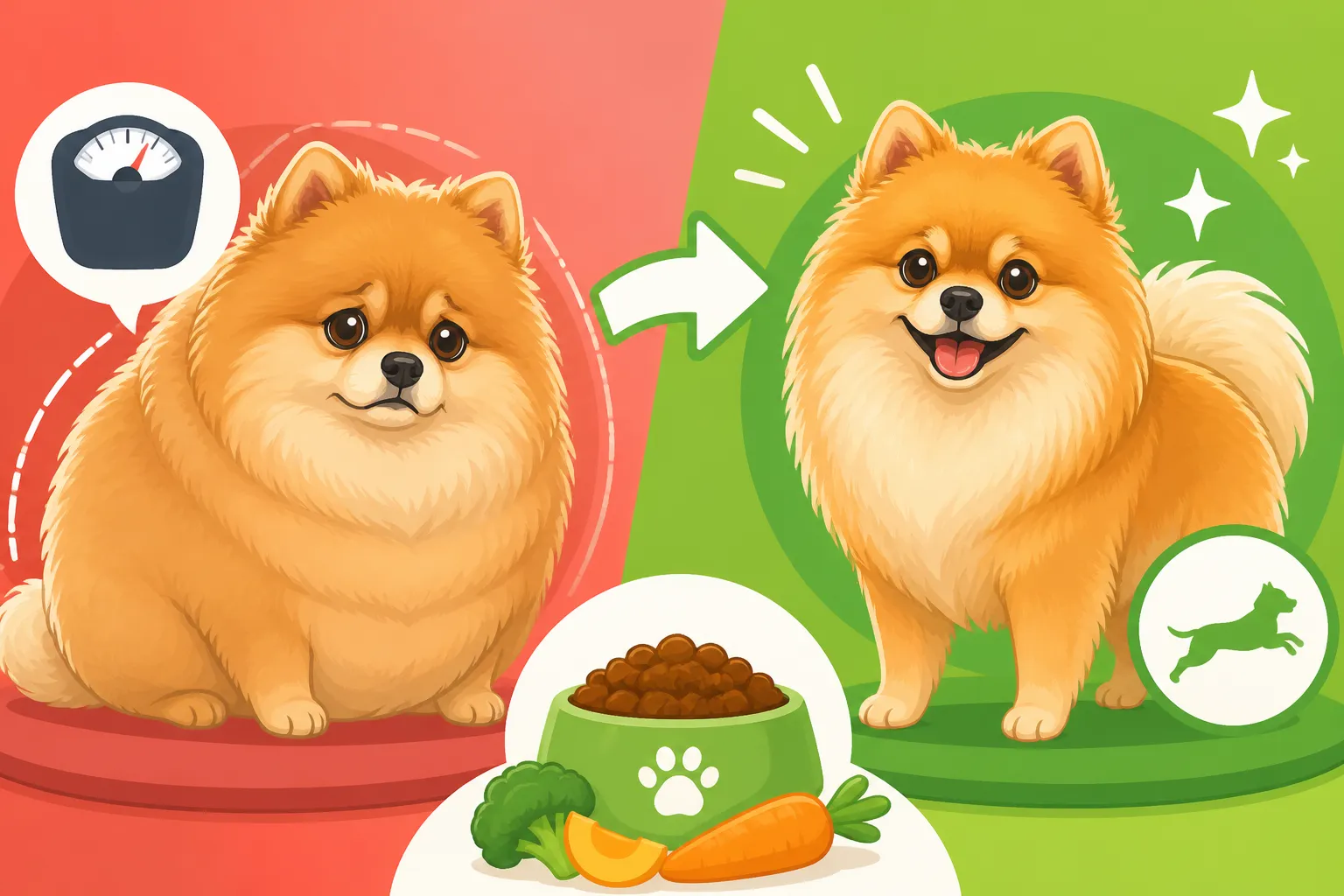
It’s a frustrating scenario many Pomeranian owners know all too well: you look at your sweet, fluffy companion, and while they might still feel light in your arms, you can see or feel that they’ve packed on a few extra pounds. Perhaps their tiny frame has started to look a bit rounder, their brisk walk has become a slower waddle, or their vet gently suggested a weight loss plan. It’s hard to cut back on treats or food when those big, soulful eyes are looking up at you, but this guide is here to walk you through safely and effectively helping your Pomeranian shed those excess ounces without making them feel deprived.
Understanding Why Pomeranians Gain Weight
Pomeranians, with their small stature and glorious double coats, can be particularly susceptible to weight gain. It often creeps up on us, partly because their size makes even a small excess of calories quite impactful, and partly because that stunning fur can be a master of disguise. Owners often don't realize their beloved pet is overweight until it's already a significant issue, confusing the fluff with actual body mass.
The Hidden Impact of Calories on a Tiny Frame
For a breed that typically weighs between The Three to Seven Pounds a Pomeranian Should Hold, every single calorie counts. What might seem like a tiny treat to us — a sliver of cheese, a crumb from our plate, or an extra spoonful of kibble — can represent a substantial portion of a Pomeranian's daily caloric intake. Imagine if you ate a whole extra meal every day; for a Pom, a few extra bites throughout the day can easily amount to that. Their metabolic rate is different from a larger dog, and their small stomach fills quickly, but it doesn't mean they don't absorb every bit of energy. It's a common misconception that because they're small, they can graze all day or have frequent treats without consequence. Unfortunately, their delicate systems are very efficient at holding onto those extra calories.
Furthermore, we often underestimate how many calories are in commercial treats, even those marketed for small dogs. Many owners dole out treats based on habit or as a sign of affection, without truly understanding the nutritional density of what they're offering. This isn't a criticism; it's a genuine challenge unique to tiny breeds where the margin for error is so small. A single dental chew that's fine for a 50-pound dog could be a caloric bomb for a 5-pound Pomeranian, taking up a quarter of their daily needs.
The Deceptive Fluff: When a Pomeranian's Coat Hides Pounds
One of the most charming features of a Pomeranian is their abundant, stand-off double coat. It gives them that iconic puffy, teddy bear look that melts hearts. However, this beautiful coat can also be an unwitting accomplice in masking weight gain. It's incredibly difficult to tell just by looking if a Pomeranian is carrying extra weight, because the fur simply makes them look rounder, but not necessarily fatter. Many owners have been surprised at the vet when their seemingly well-proportioned Pom is identified as overweight.
This makes Finding a Pomeranian's Ribs Through the Coat an essential skill for any owner. You need to be able to feel their ribs easily without pressing hard, feel their waist tucked in behind their ribs, and see a definite abdominal tuck from the side. If you're feeling a thick layer of padding over their ribs, or if their body feels more like a furry cylinder than a sculpted figure underneath all that beautiful hair, it's a strong indicator that your Pom is indeed carrying too much weight. This isn't about appearance; it's about health, and the fluff shouldn't prevent us from accurately assessing their physical condition. Whether a Pomeranian's Coat Hides Weight Gain is a very real problem that requires hands-on assessment.
The Serious Health Risks of an Overweight Pomeranian
It’s easy to dismiss a few extra pounds on a small dog as "chubby" or "cuddly," but for a Pomeranian, carrying excess weight isn't just about aesthetics; it profoundly impacts their quality of life and can exacerbate or even cause serious health problems. Their tiny bodies are simply not designed to carry additional strain.
Increased Strain on Delicate Joints and Tracheas
Pomeranians are predisposed to certain orthopedic issues, most notably Slipping Kneecaps in a Five Pound Pomeranian, also known as patellar luxation. This condition, where the kneecap dislocates, can range from mild to severe, causing pain and lameness. When a Pomeranian carries extra weight, the strain on these already delicate knee joints intensifies significantly. Imagine having a chronic knee issue and then being asked to carry a backpack that represents 10-20% of your body weight all day, every day – that's what an overweight Pom experiences. It accelerates joint degeneration, worsens existing luxation, and increases the likelihood of needing costly and invasive surgery.
Beyond their knees, Poms are also infamous for respiratory vulnerabilities, primarily The Honking Cough of a Pomeranian's Collapsing Windpipe. Their tiny tracheas can weaken and flatten, making breathing difficult and leading to that distinctive honking cough. Excess weight around the neck and chest adds pressure to the trachea, constricting the airway further and making each breath harder. Why an Overweight Pomeranian Struggles to Breathe is not just uncomfortable; it can be life-threatening during periods of excitement, heat, or stress, potentially leading to respiratory distress. Even their heart has to work harder to pump blood through a larger body mass, increasing the risk of cardiovascular problems down the line.
Exacerbating Existing Health Conditions
Beyond joint and respiratory issues, being overweight can worsen almost any pre-existing health condition a Pomeranian might have or increase their susceptibility to new ones. For example, obese dogs are at a higher risk for developing diabetes, as their bodies become less efficient at processing sugars. The extra fat tissue also produces inflammatory hormones, contributing to systemic inflammation throughout the body, which can make conditions like arthritis more painful and accelerate cellular aging.
Furthermore, an overweight Pomeranian is at a higher risk during any medical procedure requiring anesthesia. The fat can interfere with accurate drug dosing, complicate intubation, and put more strain on their cardiovascular and respiratory systems, increasing surgical risks. Even routine procedures like Dental Disease in a Mouth the Size of a Pomeranian's become more dangerous. Mobility issues resulting from obesity can also lead to other problems, such as skin fold infections or difficulty with grooming themselves, potentially leading to matting or skin irritation. It truly becomes a cascading effect where one problem leads to another, diminishing their overall health and happiness.
Safe and Effective Weight Loss Strategies
Embarking on a weight loss journey for your Pomeranian requires patience, commitment, and, most importantly, a partnership with your veterinarian. It’s not about crash diets or drastic changes, which can be dangerous for such a small dog. Instead, it’s about sustainable, healthy habits that will benefit your Pom in the long run.
Working With Your Veterinarian
The absolute first step in any Pomeranian weight loss plan is a thorough check-up with your veterinarian. They will be able to accurately assess your Pom's current weight and body condition score, discuss what a healthy target weight looks like for their specific build, and rule out any underlying medical conditions that might be contributing to weight gain. Sometimes, conditions like an underactive thyroid can make weight loss incredibly difficult, and these need to be addressed medically before diet and exercise changes will be effective.
Your vet can help you calculate a precise daily caloric intake for your Pom's target weight and activity level. This is crucial because guessing can lead to either insufficient nutrition or continued weight gain. They can recommend specific weight-management dog foods, discuss portion sizes, and help you create a personalized plan that considers your Pom's age, current health, and lifestyle. Think of your vet as your co-pilot on this journey; their expertise is invaluable in ensuring your Pom loses weight safely and effectively. They can also offer guidance on The Checkup Schedule a Pomeranian Should Keep to monitor their progress and adjust the plan as needed.
Setting Realistic Goals
Just like with humans, rapid weight loss is neither healthy nor sustainable for a Pomeranian. A safe rate of weight loss for most dogs is about 1-2% of their body weight per week. For a 7-pound Pomeranian, this might mean losing just a few ounces a week, or roughly half a pound over a month. This slow and steady approach minimizes muscle loss, prevents nutritional deficiencies, and allows your Pom's body to adjust gradually. It means that visible results might take time, but the underlying health benefits are immediate.
It's important to understand that this is a marathon, not a sprint. Celebrate small victories, like consistently sticking to portion sizes or increasing their walk time. Avoid getting discouraged if the scale doesn't move as fast as you'd like initially. Focus on the overall improvements in their energy levels, mobility, and enthusiasm for play. Setting realistic goals also means understanding that weight loss might not be linear; there might be weeks where progress plateaus, and that's perfectly normal. Consistency and commitment are far more important than speed.
Dietary Considerations for Weight Loss
Diet is often the biggest piece of the puzzle when it comes to a Pomeranian's weight loss. It’s not just about less food, but often about smarter food choices. Making informed decisions about what and how much your Pom eats is paramount to success.
Re-evaluating Food Portions and Type
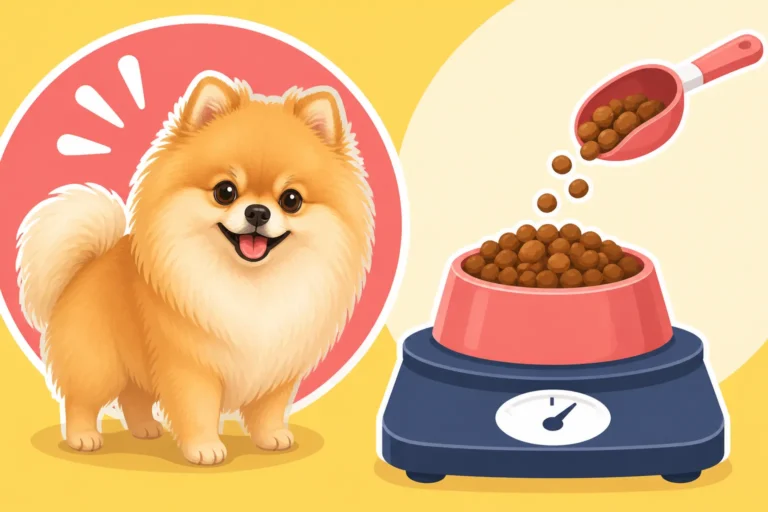
The first and most impactful step is to meticulously measure your Pomeranian's food. Scooping by eye, even with the best intentions, can lead to overfeeding. Use a kitchen scale for accuracy, especially with kibble, or precise measuring cups specifically for pet food, not standard kitchen cups. Your vet will provide a target daily caloric intake, which you can then translate into a specific amount of your chosen food. Remember that How Much Food a Pomeranian Eats in a Month is surprisingly little, so precision is key.
Consider the type of food as well. Many standard dog foods are quite calorie-dense. Your vet might recommend a specific "weight management" or "light" formula, which are designed to be lower in calories while still providing complete nutrition. Some owners find success with fresh food options, like those from Ollie, as these often contain more whole ingredients and fewer fillers, which can aid satiety. If switching foods, always do so gradually over several days to avoid upsetting your Pom's sensitive stomach. Distribute the daily food allowance into two or three small meals to help manage hunger throughout the day and prevent Whether a Pomeranian Puppy Can Skip a Meal issues from low blood sugar, though this is less common in adults.
Smart Snacking and Treat Alternatives
This is where many weight loss plans falter. We love to spoil our Poms with treats, and it's hard to say no to those adorable faces! However, treats are often high in calories and can quickly derail progress. The good news is, you don't have to eliminate treats entirely; you just need to be smarter about them. Instead of high-calorie biscuits, opt for tiny pieces of plain cooked chicken, green beans, carrots, or blueberries. These are low in calories and still provide a satisfying reward.
You can also use a portion of their daily kibble allowance as treats throughout the day. This way, they still get rewarded, but it's accounted for in their overall caloric intake. Consider puzzle toys from places like Amazon that dispense a few kibble pieces as your Pom plays, turning mealtime into a stimulating activity. When you do buy commercial treats, look for "training treats" that are very small and low-calorie, or check out options on Chewy that explicitly state their caloric content per treat. Breaking even a small commercial treat into two or three pieces can significantly reduce the caloric impact while still allowing for multiple rewards.
| Treat Type | Caloric Impact (Approx. per average piece for a Pom) | Notes |
|---|---|---|
| Standard Small Dog Biscuit | Moderate to High (10-25 kcal) | Can easily add up; often exceeds 10% of a Pom's daily needs. |
| Cheese Sliver | Moderate (5-15 kcal) | Rich and fatty; best avoided or given in minuscule amounts. |
| Green Bean (1-inch piece) | Very Low (1-2 kcal) | Excellent crunchy, low-calorie option. |
| Cooked Chicken (pea-sized) | Low (2-5 kcal) | High-value, lean protein treat. |
| Carrot Slice (thin) | Very Low (1-2 kcal) | Crunchy and slightly sweet. |
| Apple Slice (small) | Low (2-5 kcal) | Fruity, but limit sugar intake. |
| Dedicated Training Treat | Low (3-7 kcal) | Designed to be small and low in calories for repetitive rewards. |
Exercise Adjustments for a Pomeranian
While diet is critical, exercise plays a vital role in burning calories, building lean muscle mass, and improving your Pomeranian's overall health and happiness. For a small breed, "exercise" doesn't necessarily mean miles of running; it means consistent, appropriate activity that is safe for their delicate structure.
Gradual Increase in Activity Levels
If your Pomeranian has been a couch potato, a sudden burst of intense activity could be detrimental. Start slowly and gradually increase the duration and intensity of their walks. Begin with short, leisurely strolls around the block, perhaps 10-15 minutes, two or three times a day. Over several weeks, you can slowly extend the time, aiming for 20-30 minute walks. Always pay attention to your Pom's cues: if they're panting excessively, lagging behind, or showing signs of discomfort, it's time to rest. Remember their susceptibility to The Honking Cough of a Pomeranian's Collapsing Windpipe and other issues, making a harness a much safer choice than a collar.
Consider walks on varied terrain if safe, such as a grassy park, which provides more resistance than pavement and helps build muscle without excessive impact. Avoid exercising during the hottest parts of the day, especially given their dense coat, as How a Double Coated Pomeranian Handles Summer can be challenging. For Pomeranians with orthopedic issues like luxating patellas, your vet might recommend specific low-impact exercises or even physical therapy to strengthen the muscles around their joints. Whether a Pomeranian Can Live With a Grade Two Knee might limit activity, so always consult your vet.
Engaging Play Indoors and Out
Exercise doesn't have to be limited to walks. Engaging your Pomeranian in active play can be just as effective and often more enjoyable for them. Indoor play can include games of fetch with soft toys, chasing a laser pointer (with caution, as some dogs can become obsessive), or hide-and-seek with you or their favorite toy. These short bursts of activity can be great calorie burners and mental stimulation.
If you have a safe, enclosed yard, supervised outdoor play is fantastic. Teach them to retrieve a lightweight ball or play a gentle game of tug (always ensure you are initiating and ending the game, and that they release on command). Remember, Pomeranians are small, so be mindful of potential hazards like large dogs at a park, aggressive play, or even birds of prey, making a supervised backyard or a secure, small-dog-only play area ideal. For indoor safety, consider using Ramps and Steps Sized for a Pomeranian to help them get on and off furniture, reducing the impact on their joints from jumping.
Monitoring Progress and Avoiding Pitfalls
The journey to a healthier weight for your Pomeranian is ongoing, and success hinges on consistent monitoring and staying vigilant against common setbacks. It’s about creating a new lifestyle for both of you, not just a temporary fix.
Tracking Progress and Adjusting as Needed
Regularly monitoring your Pomeranian's weight is crucial, but don't obsess over daily fluctuations. Weigh your Pom once a week at the same time, using a small pet scale or by weighing yourself, then weighing yourself holding your Pom, and subtracting the difference. Record these weights so you can see trends over time. Remember that for a Pomeranian, losing just a couple of ounces can be significant, so don't expect dramatic drops.
Beyond the scale, pay close attention to changes in their body condition. Can you feel their ribs more easily? Is their waist more noticeable? Are they moving with more energy and enthusiasm? These non-scale victories are just as important. Be prepared to adjust their diet or exercise routine if progress stalls or if they're losing weight too quickly. Your vet can advise on these adjustments, ensuring they remain on a healthy trajectory. Sometimes, tiny adjustments to their daily food intake, even a quarter of an ounce, can make all the difference for such a small dog.
The Importance of Patience and Consistency
Weight loss for a Pomeranian is a gradual process, and patience is your most valuable tool. There will be days when it feels like nothing is changing, or moments where you're tempted to give in to those pleading eyes for an extra treat. This is where consistency truly matters. Stick to the measured portions, maintain the increased activity, and remind yourself of the significant health benefits you're providing your beloved companion.
Involving the whole family in the weight loss plan is also essential. Ensure everyone understands the new feeding guidelines and the types of treats that are allowed. This prevents accidental overfeeding from multiple family members. Celebrate their achievements with non-food rewards like extra petting, a new toy from Amazon, or a longer play session. Your Pomeranian relies on you to make these healthy choices for them, and with dedication and love, you can help them achieve and maintain a happy, healthy weight for years to come.
Disclaimer
This article is for general informational purposes only and does not constitute professional advice. Laws, prices and regulations vary by location and change over time. Consult a qualified professional for guidance on your specific situation.