Whether a Pomeranian Should Ever Be Clipped Short
It’s a common dilemma, especially as the weather warms up or life just gets overwhelmingly busy: you look at your adorable Pomeranian, all fluffy and majestic, and you wonder, "Could a short clip really be that bad? Wouldn't it make things easier, cooler, less shed-y?" Many of us have been there, gazing at our little furballs, imagining a sleek, low-maintenance look. This guide is here to walk you through everything you need to know about clipping a Pomeranian short, exploring the reasons why it's often considered, the potential risks involved, and what genuinely smart alternatives exist for their unique double coat.
The Allure of a Shorter Clip: Why Owners Consider It
Let's be honest, the thought of a shorter haircut for our Poms often stems from very real, understandable frustrations. We want what's best for our furry family members, and sometimes, a shorter coat just seems like the logical solution to a few common woes.
Battling Heat and Humidity
One of the biggest drivers behind considering a short clip for a Pomeranian is the desire to help them cope with heat and humidity. When summer rolls around, or you live in a perpetually warm climate, seeing your little Pom panting after a short walk can be genuinely concerning. Their glorious double coat, while beautiful, seems like a heavy blanket that must be stifling them. You might think, "If I were wearing a fur coat in this heat, I'd want it off!" It feels intuitive that removing some of that hair would make them cooler, more comfortable, and less prone to overheating. You picture them frolicking happily, unburdened by their thick fluff, and it's a very compelling image. Many well-meaning owners believe they are doing their dog a favor by shaving them down to make them feel lighter and cooler in the sweltering heat.
The Dream of Less Shedding
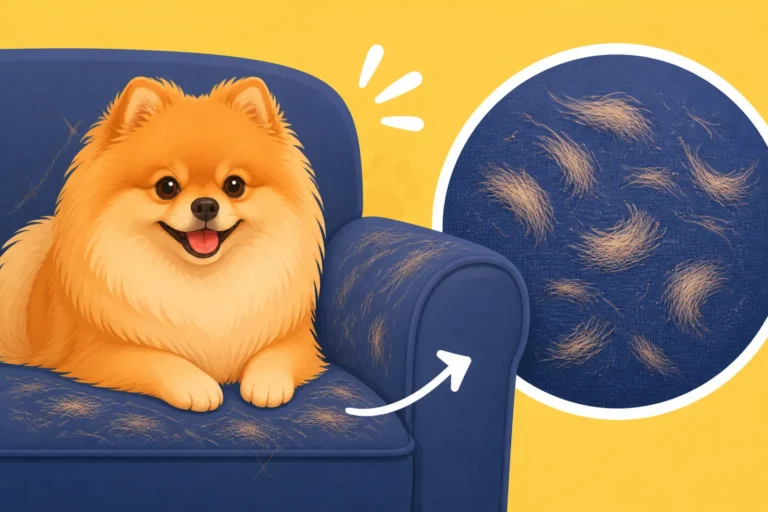
Oh, the shedding! If you own a Pomeranian, you know that their beautiful, dense coat comes with a price: hair. Everywhere. On your clothes, on your furniture, floating across the floor like tiny tumbleweeds. Even with diligent brushing, it can feel like a losing battle. The idea of drastically reducing that daily hair accumulation by simply clipping it all off is incredibly tempting. Imagine, a world with fewer lint rollers and less vacuuming! It’s a powerful fantasy for many Pom parents, especially during seasonal "coat blows" when it feels like a never-ending blizzard of undercoat. The promise of a cleaner home and easier maintenance is a strong motivator to consider the clippers.
Simplifying Grooming Chores
Beyond shedding, the sheer volume of grooming required for a Pomeranian's magnificent coat can feel like a full-time job. Daily brushing to prevent mats, regular baths, drying them thoroughly without damaging the coat – it all adds up. Life is busy, and sometimes, you just wish for a simpler routine. A short clip seems to offer a magical shortcut: fewer tangles, less need for intense brushing, quicker baths, and potentially longer intervals between professional grooming appointments. For someone juggling work, family, and other commitments, the thought of cutting down on dedicated grooming time is incredibly appealing. It’s not about neglecting their dog, but rather finding a way to make their care routine more manageable, assuming it's a safe and healthy option for the dog.
Understanding the Pomeranian's Unique Double Coat
Before we even think about clippers, it's absolutely crucial to understand the intricate design of your Pomeranian's coat. It's not just "fur"; it's a highly specialized, two-layer system that serves vital functions for their health and well-being. Thinking about it like a complex natural climate control system can really help put things into perspective.
The Purpose of the Guard Hairs
The outer layer of a Pomeranian's coat is made up of what we call "guard hairs." These are the longer, coarser, often straighter hairs that give your Pom their distinctive fluffy, stand-off appearance. They're the ones that catch your eye, providing that beautiful silhouette. But their job is far more important than just aesthetics. These guard hairs act like a natural shield, protecting your Pomeranian from the elements. Think of them as the outer shell of a high-tech winter jacket or the reflective layer of a sun umbrella. They repel water, keeping the underlying skin dry in rain or damp conditions. They also provide a crucial barrier against dirt, debris, and environmental allergens, preventing them from reaching the skin directly. Furthermore, these guard hairs offer protection from harsh UV rays, acting as a natural sunscreen. They are literally the first line of defense against whatever the world throws at your little fluffball. The Double Coat That Makes a Pomeranian and Why It Stays On delves deeper into this fascinating protective mechanism.
The Importance of the Fluffy Undercoat
Beneath those protective guard hairs lies the "undercoat." This is the soft, dense, downy layer that gives Pomeranians their incredible puffiness and insulation. It's truly like a cloud of soft wool, and its primary function is thermoregulation – managing your dog's body temperature. In cold weather, this thick undercoat traps air close to the body, creating an insulating layer that keeps them wonderfully warm, much like a down quilt. Without this layer, they would struggle immensely in chilly conditions. But here's the kicker, and it's often counterintuitive: this undercoat is also crucial in warm weather. It helps prevent heat from penetrating directly to the skin, and when properly groomed, allows for air circulation, which aids in cooling through convection. It's not just a winter coat; it's an all-weather climate control system.
How the Two Layers Work Together
The magic of the Pomeranian's double coat lies in the synergistic relationship between the guard hairs and the undercoat. They don't just exist side-by-side; they work in concert to maintain a stable body temperature and protect the skin. The guard hairs provide the initial barrier, shedding water and deflecting sunlight, while simultaneously allowing for airflow to the undercoat. The undercoat then traps air, creating that insulating or cooling buffer depending on the ambient temperature. When the coat is healthy and well-maintained, with regular brushing to remove loose undercoat, it allows for optimal air circulation. This natural ventilation system is incredibly efficient. Disrupting this delicate balance by clipping one or both layers short can have profound and often detrimental effects on your Pomeranian's ability to regulate its own temperature and protect its skin. It's a marvel of natural engineering, finely tuned over generations.
The Risks of Clipping a Pomeranian's Double Coat Short
Now, let's get into the nitty-gritty of why that seemingly appealing short clip can actually be a big mistake for a Pomeranian. The potential downsides are significant and can lead to long-term problems that are far more frustrating than a little shedding.
Coat Damage: "Clipper Alopecia" or Post-Clipping Alopecia
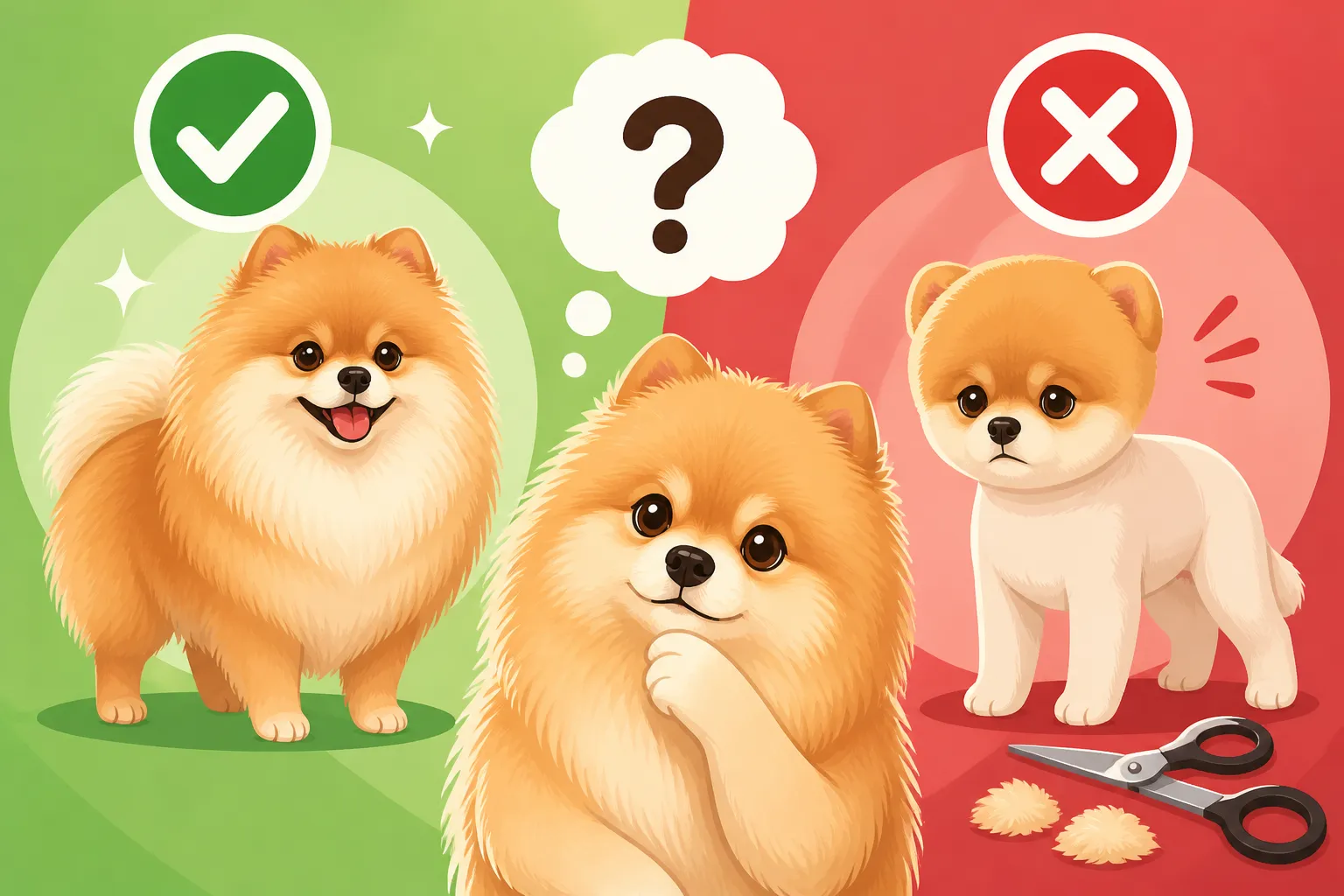
One of the most heartbreaking consequences of clipping a Pomeranian short is the risk of "clipper alopecia," also sometimes called post-clipping alopecia. This isn't just a fancy term for "the hair didn't grow back right." It's a condition where the shaved coat either grows back very slowly, in patches, or sometimes, not at all. When you shave a double coat, especially right down to the skin, you can traumatize the hair follicles. The guard hairs and the undercoat grow at different rates and have different textures. When they are cut simultaneously and uniformly short, it can disrupt their natural growth cycle and structure.
Instead of growing back to its original fluffy, dense glory, the coat might come in patchy, thin, cottony, or even wiry. Sometimes, the undercoat grows back, but the guard hairs don't, leaving the dog with a dull, sparse coat that feels very different. In severe cases, large areas of the body may remain bald indefinitely. This outcome is incredibly distressing for owners who intended to help their dog, only to find they've irrevocably altered their beautiful coat. Why a Shaved Pomeranian May Not Regrow discusses this phenomenon in much greater detail, highlighting just how unpredictable and permanent the damage can be.
Compromised Thermoregulation
Remember how we talked about the double coat being a natural climate control system? When you clip it short, you completely dismantle that system. In warm weather, removing the guard hairs eliminates the protective shield against the sun's harsh rays. Furthermore, while it seems logical that less hair equals cooler, a properly maintained double coat actually creates an insulating layer of air that prevents the skin from overheating. When shaved, the skin is exposed directly to the heat, and the body has to work harder to cool itself, which can actually make your Pomeranian hotter and more prone to heatstroke. It's akin to removing the insulation from a house in summer; the interior gets much hotter, much faster.
In cold weather, the problem is even more obvious. Without their dense undercoat, Pomeranians lose their natural insulation and become highly susceptible to chilling, hypothermia, and discomfort. They are literally left naked against the elements, unable to trap warm air against their body. This means they will require coats and sweaters even indoors, and their outdoor time will be severely limited and uncomfortable. This is a crucial point to understand: the coat is not just for warmth; it's for regulating temperature in both extremes.
Increased Risk of Sunburn and Skin Issues
With the protective guard hairs gone, your Pomeranian's delicate skin is suddenly exposed to all the environmental aggressors it was designed to shield against. This includes direct sunlight, which can lead to severe sunburn. Just like human skin, a dog's skin can get burned, leading to pain, redness, peeling, and in the long term, increasing the risk of skin cancers. This is especially true for Poms with lighter colored skin or sparse patches.
Beyond sunburn, the exposed skin becomes vulnerable to insect bites, scrapes, and irritation from environmental allergens that would typically be filtered by the dense coat. Some Pomeranians might develop dry, flaky skin or even hot spots as a reaction to the exposure and the disruption of their natural skin barrier. The coat also helps distribute natural oils, keeping the skin healthy and hydrated. When this system is disturbed, skin problems can quickly arise, adding discomfort and vet bills to the list of unintended consequences. Protecting a Bald Pomeranian's Skin From Sun is a significant concern for dogs who have experienced severe coat loss.
| Aspect | Healthy Double Coat | Short Clipped Coat (Risks) |
|---|---|---|
| Thermoregulation | Insulates in cold, allows airflow for cooling in heat. | Compromised; can lead to overheating or chilling. |
| Sun Protection | Guard hairs block UV rays, preventing sunburn. | Exposed skin highly vulnerable to sunburn. |
| Skin Protection | Barrier against dirt, debris, insects, irritants. | Increased risk of insect bites, scrapes, and skin irritations. |
| Water Repellency | Guard hairs shed water, keeping undercoat and skin dry. | Water penetrates easily, leading to damp skin and chill. |
| Appearance | Dense, fluffy, stand-off coat. | May grow back patchy, thin, cottony, or not at all (clipper alopecia). |
| Grooming | Requires regular brushing to prevent mats and shed. | May initially seem easier but risks long-term coat and skin problems. |
Alternatives to a Short Clip for a Pomeranian
So, if clipping short is largely a no-go, what can you do to manage that magnificent Pomeranian coat and keep your little one comfortable and healthy? The good news is, there are plenty of effective and safe alternatives that work with their natural coat, not against it.
Regular Brushing and Grooming Routines
This is hands down the most effective way to manage a Pomeranian's double coat and address concerns about shedding and matting. Consistent, thorough brushing helps remove loose undercoat, which is the primary cause of shedding and mats. When that dead undercoat is cleared out, it creates better air circulation close to the skin, helping your Pom stay cooler in warm weather and allowing the coat to insulate more efficiently in the cold.
Aim for brushing your Pomeranian several times a week, ideally every other day, or even daily during heavy shedding seasons. It's crucial to use the right tools, like a good quality slicker brush and a metal comb, and to work in sections, brushing all the way down to the skin. Simply skimming the top layer of the coat won't do the trick. A thorough brush-out prevents mats from forming, distributes natural oils, and keeps the coat healthy and shiny. Establishing Working a Pomeranian's Coat in Sections to the Skin as a regular habit will make a huge difference, making professional grooming appointments less stressful and more efficient.
Strategic Trims for Health and Hygiene
While a full-body short clip is generally not recommended, certain strategic trims are perfectly fine and even beneficial for Pomeranians. These are usually done by a professional groomer who understands the breed's coat.
- Sanitary Trim: This involves carefully trimming the fur around the anus and genitals to keep these areas clean and hygienic. It prevents fecal matter from getting matted in the fur and helps with cleanliness after potty breaks. This is a very practical trim that most Poms benefit from.
- Paw Pad Trim: Trimming the fur between the paw pads helps with traction and prevents debris, dirt, and ice balls from accumulating there. Overgrown fur on the pads can also make walking uncomfortable or lead to mats.
- Ear Trim: Some Poms might have a bit of excess fur around their ears that can be tidied up for a cleaner look or to improve airflow, though care must be taken not to expose the delicate ear leather too much.
- Feathering Tidy-up: The longer feathering on the legs and britches can be neatly trimmed to prevent tangles and keep a tidy appearance without affecting the main body coat's protective functions.
These types of trims are functional and respect the integrity of the double coat. They help maintain cleanliness and comfort without jeopardizing the coat's natural abilities. Discussing Sanitary Trims Between Pomeranian Appointments with your groomer can keep your dog comfortable and clean between full grooming sessions.
Managing Heat Effectively Without Shaving
If your primary concern is keeping your Pomeranian cool in the heat, there are many safe and effective strategies that don't involve shaving:
- Hydration is Key: Always ensure your Pomeranian has access to fresh, cool water. Consider adding ice cubes to their bowl on hot days or even a pet fountain to encourage drinking.
- Timing Walks: Adjust your walking schedule to avoid the hottest parts of the day. Early mornings and late evenings are best. Remember, pavement can get scorching hot and burn their delicate paw pads. The Temperature That Is Too Hot for a Pomeranian helps put into perspective the risks of extreme heat.
- Cooling Aids: Cooling mats, elevated beds that allow airflow, and even damp (not soaking wet) bandanas can help. Never leave your Pomeranian in a car, even for a few minutes, as temperatures can rise to dangerous levels quickly.
- Indoor Comfort: Keep your home well-ventilated or air-conditioned. If your Pom spends time outside, ensure they have ample shade and a comfortable, cool spot to rest.
- Regular Grooming: As mentioned, removing loose undercoat actually improves airflow and helps their natural cooling system function. A professional groomer can perform a thorough deshedding treatment, which helps thin the undercoat safely without clipping the guard hairs. This can provide immense relief without the risks of shaving. Some specialty products from brands like Chewy or Amazon can assist with at-home deshedding tools, or even specialty cooling products. Ollie also offers hydrating food options that can help keep dogs well-hydrated.
By implementing these strategies, you can help your Pomeranian stay comfortable and safe, even in warm weather, while preserving the health and function of their beautiful coat. How a Double Coated Pomeranian Handles Summer offers more tips for warm weather management.
When a Short Clip Might Be Medically Necessary (and the Aftermath)
While we strongly advise against clipping a Pomeranian short for aesthetic or convenience reasons, there are very specific, medically-driven situations where a veterinarian or professional groomer might recommend it. These are exceptions, not the rule, and they come with their own set of considerations for recovery and potential long-term coat changes.
Severe Matting Requiring Shaving
This is perhaps the most common reason a Pomeranian might need to be clipped short. When a coat becomes severely matted, it’s not just an aesthetic issue; it's a serious health concern. Mats pull on the skin, causing pain, bruising, and restricting blood flow. They can hide parasites, trap moisture leading to skin infections, and make it impossible for the dog to move comfortably. In these extreme cases, it's often impossible and inhumane to try to brush or de-mat the coat out. The only compassionate solution is often to carefully shave the dog down.
A professional groomer or vet will use clippers to get underneath the mats, essentially "peeling" the matted coat away from the skin. This is a delicate and time-consuming process that requires immense care to avoid cutting the skin, which can be thin and fragile under severe mats. While the initial appearance can be shocking to owners, the relief for the dog is immediate and profound. This decision is made purely for the dog's welfare and comfort, overriding the usual concerns about coat regrowth. Whether a Matted Pomeranian Has to Be Shaved explores this difficult situation in more detail.
Skin Conditions or Surgery Prep
Another scenario where a short clip is necessary is for certain medical procedures or severe skin conditions. If your Pomeranian needs surgery, the area around the surgical site will always be shaved to ensure sterility and proper wound care. This is a localized clip and usually doesn't affect the entire body.
Similarly, if a Pomeranian develops a severe, widespread skin condition – such as a deep infection, extensive hot spots, or a persistent rash that requires topical treatments – shaving the affected areas or even the entire body might be necessary. This allows the skin to breathe, enables direct application of medications, and helps the vet assess the extent of the problem more accurately. In these cases, the health of the skin takes precedence over the coat, and the clipping is a therapeutic intervention.
The Prognosis for Coat Regrowth
After a medical shave, the question of coat regrowth is always on an owner's mind. Unfortunately, even when medically necessary, the risks of clipper alopecia still apply. There's no guarantee that the coat will grow back exactly as it was before.
- Timeframe: Regrowth can be very slow, often taking many months or even over a year for a full coat to come back, if it does at all. The timing of The Age a Pomeranian's Coat Starts to Thin can sometimes be confused with coat regrowth issues, but they are distinct conditions.
- Texture and Density: The new coat might be different in texture – softer, coarser, or thinner – and may lack the dense undercoat or the stand-off guard hairs that define the Pomeranian breed. It might also grow in patchy, with some areas regrowing faster or thicker than others.
- Permanent Changes: For some Pomeranians, especially older dogs or those with underlying health issues, the coat may never fully recover its original quality or density. It can remain permanently altered.
During the regrowth phase, it's crucial to protect the exposed skin from sun and cold, just as you would for a dog with clipper alopecia. Gentle grooming and a focus on skin health are paramount. Consulting your vet about supplements or specific products that might aid healthy skin and coat regrowth can be beneficial, such as omega fatty acids that can be found in quality foods from brands like Ollie or supplements from Chewy.
What to Discuss with Your Groomer or Vet
Navigating the complexities of your Pomeranian's coat and care requires open communication with professionals who understand the breed. Don't hesitate to voice your concerns and ask questions – it's crucial for making the best decisions for your furry companion.
Communicating Your Concerns and Desires
When you visit your groomer or veterinarian, be clear and upfront about why you're considering a short clip, or what specific problems you're trying to solve. Are you worried about heat? Struggling with shedding? Overwhelmed by daily brushing? The more information you provide, the better they can understand your perspective and offer appropriate solutions.
For example, instead of just saying "I want my Pom shaved," try explaining, "My Pomeranian seems to struggle with the summer heat, and I was wondering if a shorter coat would help. I'm also really overwhelmed by the shedding." This opens up a dialogue for them to explain why shaving might not be the best solution and to suggest alternatives. Be ready to listen to their professional advice, even if it's not what you initially hoped to hear. Remember, their primary goal is your dog's health and well-being.
Understanding the Professional's Perspective
Experienced groomers and veterinarians who work with Pomeranians regularly have a deep understanding of their unique double coats. They've seen the good, the bad, and the heartbreaking when it comes to coat care. Most reputable groomers will strongly advise against shaving a Pomeranian unless there's a medical necessity (like severe matting).
They understand the risks of clipper alopecia, sunburn, and compromised thermoregulation. They also know effective methods for managing a double coat, such as thorough deshedding treatments that remove loose undercoat without cutting the guard hairs. These treatments can significantly reduce shedding and improve air circulation, making your Pom much more comfortable in the heat, all while preserving their coat's natural function and beauty. Whether a Groomer Should Ever Shave a Pomeranian details the strong professional consensus on this issue. They can also recommend appropriate tools like specific brushes and shampoos available at retailers like Amazon or Chewy, and guide you on a realistic The Grooming Schedule a Pomeranian Runs On.
Making an Informed Decision for Your Pomeranian
Ultimately, the decision about your Pomeranian's grooming and care rests with you, but it should be an informed decision. Take the time to listen to your groomer and vet, understand the science behind the double coat, and weigh the potential risks and benefits of any grooming choice.
- Ask Questions: Don't be afraid to ask for explanations. "Why is shaving harmful?" "What exactly does a deshedding treatment involve?" "What are the signs of heatstroke I should watch for?"
- Consider Alternatives: Be open to trying the recommended alternatives, such as consistent brushing, professional deshedding, or strategic trims, before resorting to a drastic measure like a full shave.
- Prioritize Health: Always prioritize your Pomeranian's health, comfort, and the long-term integrity of their coat over temporary convenience or perceived aesthetic benefits.
Making an informed decision means equipping yourself with knowledge and trusting the expertise of professionals. Your Pomeranian will thank you for it with a healthy, beautiful coat and a comfortable, happy life.
Disclaimer
This article is for general informational purposes only and does not constitute professional advice. Laws, prices and regulations vary by location and change over time. Consult a qualified professional for guidance on your specific situation.