Sanitary Trims Between Pomeranian Appointments
Let's be honest, living with a fluffy Pomeranian is a joy, but it also comes with a unique set of challenges, especially when it comes to keeping that magnificent double coat tidy – particularly around their backend. Many of us find ourselves in a constant battle against "poop hangers" or urine stains, dreading those weeks between professional grooming appointments. This guide is here to walk you through how to safely and effectively perform sanitary trims at home, ensuring your beloved Pom stays clean, comfortable, and hygienic.
The Sticky Situation: Why Sanitary Trims Are Non-Negotiable
If you've ever found yourself chasing your Pomeranian with a wet wipe after a potty break, or worse, discovered a matted, fecal-laden mess clinging to their hindquarters, you know exactly why sanitary trims are so important. Pomeranians have an incredibly dense, long double coat, which, while beautiful, can become a magnet for all sorts of unsavory things. This isn't just about aesthetics; it's a serious health and comfort issue for your little fluffball.
Preventing Fecal Contamination and Matting
Imagine trying to go about your day with a tangled, uncomfortable mess stuck to you. That's what it's like for a Pomeranian with an overgrown sanitary area. Feces can easily get caught in the long fur around the anus, leading to uncomfortable matting, skin irritation, and potential infections. This matted hair can pull on the delicate skin, causing pain and making future grooming sessions even more challenging. It's not just a cleanliness issue; it's a welfare issue. Regularly trimming this area keeps the fur short enough to prevent waste from sticking, allowing for cleaner exits and less stress for both of you. You might find that even with the best diet, some bowel movements can be a bit softer, and that's when a clean sanitary area truly becomes a lifesaver.
Addressing Urine Staining and Odor
For both male and female Pomeranians, the fur around their urinary opening can also become a problem. For males, longer belly hair can become stained with urine, leading to an unpleasant odor and skin irritation if not cleaned. Female Pomeranians, with their equally long coats, can also experience urine soaking into the fur around their vulva. This constant dampness creates a breeding ground for bacteria and yeast, resulting in skin infections, redness, and a persistent, unwelcome smell. A quick, regular trim of this area, often called a "belly trim" or "pee trim," can make a world of difference in keeping them fresh and healthy. It's a small task that yields huge benefits in terms of hygiene and preventing discomfort.
Enhancing Comfort and Mobility
Beyond the obvious cleanliness factors, an overgrown sanitary area can simply be uncomfortable for your Pomeranian. Long hair can impede their natural movements, especially when squatting or lifting a leg. Mats, even small ones, can tug and pull, making them less willing to move or even sit comfortably. By keeping these areas trimmed, you're not just preventing messes; you're actively contributing to their overall comfort and ease of movement. Think of it as ensuring they can do their business with dignity and without any irritating hair getting in the way. It’s a part of routine care that often gets overlooked, but is deeply appreciated by our furry friends.
Essential Tools for an At-Home Sanitary Trim
Before you even think about picking up scissors, it's crucial to have the right tools on hand. Using inappropriate or dull tools can lead to nicks, cuts, and a generally miserable experience for your Pomeranian. Safety and precision are key when working in such a delicate area. You don't need a professional grooming setup, but a few specific items will make the task much easier and safer.
Small, Quiet Clippers
For the sensitive sanitary area, small, quiet clippers are your best friend. They offer more control than large clippers and are less likely to frighten your Pomeranian with excessive noise or vibration. Look for a battery-operated, cordless option for maximum maneuverability. A good quality clipper will have a sharp blade that glides through the hair rather than pulling it, which can be painful. Remember, this isn't about shearing off huge chunks of hair; it's about delicate trimming. You can find excellent small clippers designed for precision work on reputable pet supply sites like Chewy, which often stock a range suitable for small breeds.
Here's a quick rundown of essential tools for a safe and effective at-home sanitary trim:
| Tool | Purpose | Key Feature |
|---|---|---|
| Small, Quiet Clippers | For safely and efficiently trimming hair around the anus and genitals. | Cordless, low vibration, quiet motor, sharp blade. |
| Blunt-Tip Scissors | For careful trimming of longer hairs or mats, especially near skin folds. | Rounded tips prevent accidental pokes, sharp blades for clean cuts. |
| Fine-Toothed Comb | To separate hair, check for mats, and guide clippers. | Helps identify problem areas and smooth hair for trimming. |
| Grooming Wipes | For cleaning the area before and after trimming. | Hypoallergenic, alcohol-free, pet-safe. |
| High-Value Treats | For positive reinforcement and distraction. | Small, easily digestible, highly motivating. |
Blunt-Tip Scissors for Detail Work
While clippers are excellent for general trimming, sometimes you encounter a tiny mat or need to trim very fine hair near a delicate fold of skin. This is where blunt-tip scissors come in. Their rounded ends drastically reduce the risk of accidentally poking or cutting your dog's skin. Always choose a pair specifically designed for pet grooming, as they will be sharper and more precise than craft scissors. Remember, if you use scissors, always point them away from the skin and keep a finger or comb between the skin and the blade as an added safety measure.
Fine-Toothed Comb and Grooming Wipes
A small, fine-toothed comb is invaluable for this task. It helps you identify mats that might be hidden within the fur and allows you to part the hair to get a clear view of the area you need to trim. Combs also help you guide the clippers or scissors, ensuring an even trim. Grooming wipes, or even just a damp cloth, are essential for cleaning the area before you start. This removes any surface dirt or dried waste, allowing for a cleaner cut and reducing the risk of pulling on dirty hair. Wiping down afterward helps remove loose hairs and provides a fresh start. Keeping your Pomeranian's skin and coat healthy through nutrition, perhaps even with a fresh food diet like Ollie, can also make these areas less prone to excessive matting and easier to clean overall.
A Step-by-Step Guide to a Stress-Free Sanitary Trim
Approaching your Pomeranian with clippers can be daunting for both of you, especially if they're not used to it. The key is to make it a calm, positive experience, broken down into manageable steps. Patience and positive reinforcement will go a long way.
Setting the Scene for Success
First things first, choose a quiet time when your Pomeranian is relaxed. A well-lit area is crucial so you can clearly see what you're doing. A non-slip surface, like a grooming table with a rubber mat or even a bath mat on a counter, can provide stability and make your job easier. Before you even bring out the tools, spend a few minutes gently petting and talking to your dog, perhaps even offering a few high-value treats. The goal is to associate this time with good things, not anxiety. Having everything you need within arm's reach prevents you from having to step away mid-trim, which can interrupt your dog's focus and patience.
The Belly Trim: Keeping the Underside Clean
For both male and female Pomeranians, addressing the belly area is a great starting point, as it's often less sensitive than the direct anal area. Gently lay your Pomeranian on their back in your lap or have them stand on a stable surface. Use your fine-toothed comb to part the hair around their belly and groin, looking for any urine stains or areas where hair might be getting too long. With your small, quiet clippers, carefully trim the hair from the area around the penis for males, or the vulva for females. Aim for a length of about a quarter to half an inch, enough to keep the skin protected but short enough to prevent urine from soaking into it. Always pull the skin taut to create a flat surface for the clippers and move slowly, guiding the clippers with the direction of hair growth or slightly against it for a closer trim, depending on your dog’s comfort. Remember, The Grooming Bill Nobody Warns a Pomeranian Owner About can be significantly reduced by mastering these at-home maintenance tasks.
The Anal Trim: Ensuring a Clean Exit
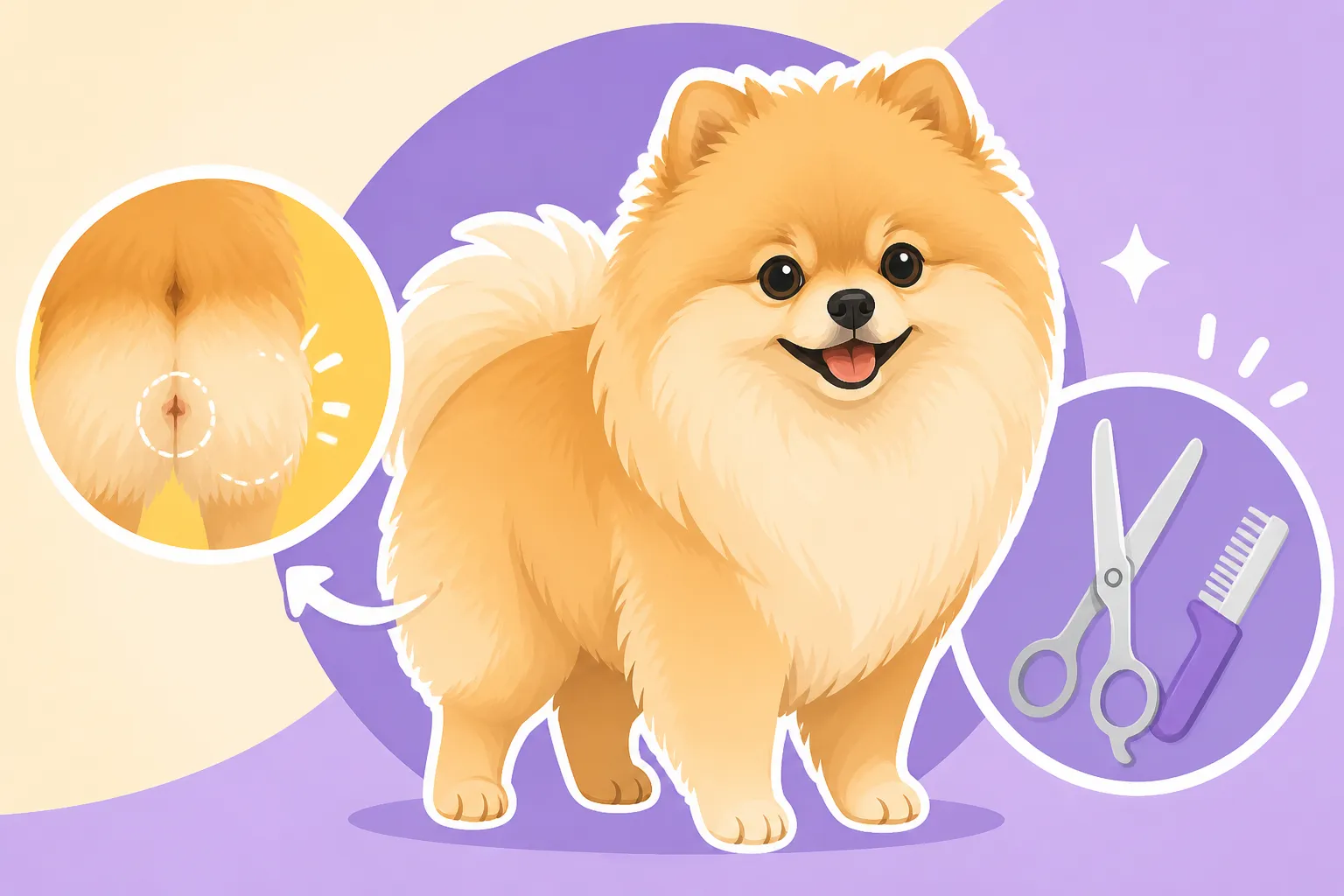
This is often the most sensitive part, so proceed with extreme care and patience. Have your Pomeranian stand or gently hold them, lifting their tail straight up and over their back. This exposes the anal area. Using your comb, gently brush away from the anus to identify the "target zone" – the hair immediately surrounding the opening. This hair should be trimmed quite short, usually less than half an inch, to ensure no feces can cling to it. Again, with your small clippers, carefully trim the hair in this small circular area. Work slowly, taking very small passes. It’s better to take multiple small trims than one large, risky cut. If you encounter any mats, try to gently tease them apart with your comb first. If they're too tight, use your blunt-tip scissors, but always place your comb between the mat and the skin, cutting above the comb. Working a Pomeranian's Coat in Sections to the Skin is a good principle to apply here, even in miniature.
Finishing Touches and Positive Reinforcement
Once both areas are trimmed, gently release your Pomeranian and give them plenty of praise and treats. A thorough brushing of their entire coat afterwards can help distribute natural oils and remove any loose trimmed hairs. The Minutes a Full Pomeranian Brush Out Takes is an investment in their comfort. Take a moment to inspect your work, ensuring no stray hairs or rough edges remain. If you accidentally nick the skin, don't panic. Apply gentle pressure with a clean cloth, and if bleeding persists or the cut looks deep, contact your vet. Having a pet insurance plan like those from Healthy Paws can provide peace of mind for unexpected incidents, ensuring you can seek professional care if needed without financial stress. The more positive experiences your Pomeranian has with these mini-grooming sessions, the easier they will become over time.
Maintaining Cleanliness Between Professional Grooms
Regular sanitary trims are a fantastic way to bridge the gap between full grooming appointments, but they're just one piece of the puzzle. A holistic approach to hygiene and coat care will ensure your Pomeranian remains a fluffy, clean companion, not a magnet for messes.
Regular Brushing and Spot Cleaning
Your Pomeranian's beautiful double coat, as discussed in The Double Coat That Makes a Pomeranian and Why It Stays On, requires consistent attention. Daily or every-other-day brushing isn't just for aesthetics; it helps prevent mats from forming, which can trap dirt and moisture. Pay particular attention to the "britches" – the long fur on their hind legs – and around their ears and armpits, as these are common areas for mats to develop. If you do notice any minor staining or clinging debris in the sanitary area between trims, use a pet-safe grooming wipe or a damp cloth to gently clean it immediately. Don't let it dry and harden, as this will make it much harder to remove later. This proactive spot cleaning can prevent a small issue from becoming a larger, matted problem. You can find specialized grooming wipes at many pet stores or online retailers like Chewy.
The Importance of a Balanced Diet
What goes in, must come out – and the quality of what comes out can significantly impact the cleanliness of your Pomeranian's sanitary area. A high-quality, balanced diet that agrees with your dog will generally result in firm, well-formed stools that are less likely to cling to fur. If your Pomeranian frequently has soft stools or diarrhea, it's not just a mess issue; it's a sign that something might be off with their digestion or diet. Consult your vet to rule out underlying health issues. Sometimes, a simple change in food, perhaps to a high-quality kibble or a fresh food option like Ollie, can make a remarkable difference in stool consistency and, by extension, the cleanliness of their backend. A healthy gut means a cleaner Pom!
When to Seek Professional Grooming Help
While at-home sanitary trims are incredibly beneficial, they don't replace the expertise of a professional groomer. A groomer has specialized tools, training, and experience to handle the full range of your Pomeranian's coat needs, including more intricate trims and tackling larger mats that you might not feel comfortable addressing yourself. If you notice a mat that's too close to the skin to safely cut, or if your Pomeranian becomes overly stressed or aggressive during at-home attempts, it's definitely time to call in the pros. They can also check for other issues like Trimming the Tufts Between a Pomeranian's Pads or How Often a Pomeranian's Nails Grow Back, ensuring complete care. Remember, their services are an investment in your dog's health and happiness, and sometimes, a little expert help is exactly what's needed. Don't hesitate to reach out to them.
Disclaimer
This article is for general informational purposes only and does not constitute professional advice. Laws, prices and regulations vary by location and change over time. Consult a qualified professional for guidance on your specific situation.