A Pomeranian Small Enough to Slip Out Unnoticed
One of the most heart-stopping fears for any Pomeranian parent is the thought of their tiny fluffball slipping out of the house or yard, vanishing in an instant. Because Poms are so incredibly small and often quick, they can easily go unnoticed when a door is ajar or a gate is unlatched, leading to frantic searches and immense worry. This guide is here to walk you through the very real challenges posed by a Pomeranian's diminutive size and provide practical, actionable steps to secure your home, manage outings, and train your little one to prevent those terrifying escape scenarios.
The Unique Challenges of a Small Pomeranian's Escape Risk
It’s easy to underestimate just how quickly a tiny dog can disappear. Pomeranians, with their compact size and often lightning-fast movements, present unique challenges when it comes to keeping them safely contained. Owners frequently share stories of near misses that highlight the constant vigilance required.
Why Their Size Makes Them Vulnerable to Slipping Out
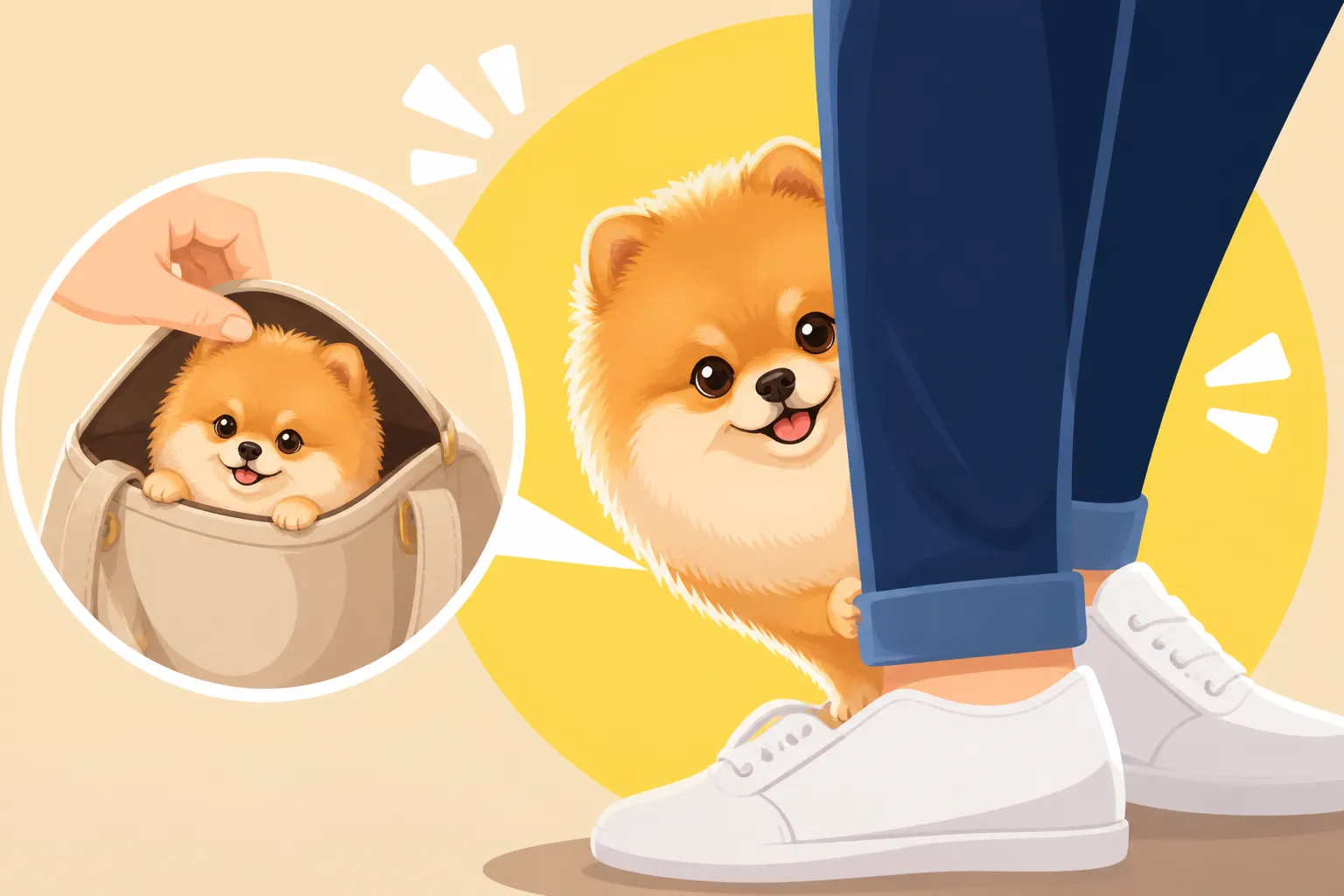
Imagine a crack in a door that you might not even notice. For a Pomeranian, that tiny gap can be a wide-open invitation to adventure. Their small stature, often weighing under seven pounds and standing only a few inches high at the shoulder, means they can fit through openings that larger dogs couldn't dream of. They can squeeze under fences, dart between people's legs, or even slip through the gaps in some iron railings. This isn't just about them being sneaky; it's a genuine vulnerability. When you combine their small size with their natural curiosity and zest for exploring, the risk of them going unnoticed and venturing out into the big, wide world becomes very real. This size also means they can move incredibly quickly, a flash of orange or black fur that's gone before you can even react. The world outside, with its cars, larger animals, and potential hazards, is a dangerous place for such a little dog, making prevention paramount.
Common Scenarios Where Pomeranians Slip Away
It’s rarely a grand, planned escape; more often, it's a momentary lapse in vigilance or an unforeseen distraction that creates the opportunity. One of the most common scenarios is the dreaded "door dash." This happens when someone opens the front door for a visitor, a delivery person, or even just to grab the mail, and the Pomeranian, eager to greet or explore, shoots out before anyone can react. Their low profile means they can be right at your feet, out of your line of sight, and then suddenly they’re on the porch and gone.
Another frequent escape route is the yard. A gate left slightly ajar, a small hole dug under a fence panel, or even a gap between the fence and the ground that seemed insignificant can be a prime escape hatch. Pomeranians are surprisingly adept at squeezing through small spaces, and if they catch a scent or see something interesting on the other side, they will often try to investigate. I’ve heard countless stories of Poms discovering a weakness in the fence line that seemed impossible for a dog to exploit, only to find themselves exploring the neighbor's garden or the street beyond.
Leash and harness mishaps are also a major concern. If a harness isn’t fitted correctly, a determined Pomeranian can back right out of it, leaving their owner holding an empty leash. Fitting a Harness on a Pomeranian That Backs Out is a serious skill every Pom owner needs to master. Similarly, a flimsy leash or a moment of distraction can lead to the leash being dropped, giving your tiny friend the freedom to bolt. Even accidental release from a carrier or car seat during travel or at the vet can happen if latches aren't fully secured or people are rushing. Each of these scenarios highlights how a tiny dog's inherent vulnerability combined with everyday situations can quickly turn into a frantic search.
Securing Your Home and Yard Against Tiny Escapists
Protecting your Pomeranian from slipping out requires a multi-layered approach that addresses both physical barriers and human habits. It's about thinking like a tiny dog and anticipating where they might see an opportunity.
Bolstering Doors and Gates
The first line of defense is always your doors and gates. It's not enough to simply close them; you need to ensure they are securely latched and that your family, and any visitors, understand the importance of vigilance. For your main entry and exit points, consider adding secondary locks or chain latches that are higher up, out of reach of little paws (and sometimes even faster than human hands). A simple slide lock or a hook-and-eye latch can provide that extra layer of security.
Training your human household members is just as crucial. Establish a "Pomeranian protocol" for anyone entering or exiting the house. This might mean always checking for the dog's location before opening the door, or having one person act as a "dog wranger" to hold your Pom back while another handles the door. Baby gates or exercise pens placed a few feet inside the front door can create a secure buffer zone, buying you precious seconds if your Pom makes a dash. These inexpensive barriers, readily available on platforms like Amazon, are a lifesaver. Teach children, especially, never to leave doors ajar, even for a moment, as a small Pom can be gone in the blink of an eye.
Fortifying Your Fencing for a Small Dog
If your Pomeranian has access to a yard, your fencing needs to be scrutinized with a microscopic eye. Standard fence gaps that might be fine for a Golden Retriever are grand canyons for a Pomeranian. Walk the perimeter of your yard and look for any openings that are wider than a few inches. This includes gaps under gates, spaces between pickets, or even areas where the fence meets uneven ground.
You might need to reinforce existing fencing. Chicken wire or hardware cloth can be securely fastened along the bottom of the fence to close off small gaps, ensuring it's buried slightly into the ground to prevent digging escapes. Regularly check for signs of digging, especially near fence lines, as Poms can be surprisingly persistent when they want to explore. If you have a chain-link fence, consider how easily your Pom could climb or squeeze through the diamond-shaped openings. For very determined excavators, you might need to lay down a line of large pavers or concrete blocks along the inside perimeter of the fence line to discourage tunneling.
While "invisible" or electronic fences might seem like a solution, they come with significant drawbacks for small breeds like Pomeranians. They don't prevent other animals or people from entering your yard, and a determined Pom, especially one driven by fear or strong prey drive, might run through the barrier despite the correction, then be too scared to return. For such a tiny, fragile dog, physical barriers are almost always the safest option.
Preventing Escapes While Out and About
The risks don't end when you leave the house. Pomeranians, by their very nature, need to be kept safe and secure when out in public, whether on a walk, at the vet, or traveling. Their small size makes them particularly vulnerable to dangers from larger dogs, vehicles, and even unintentional human interactions.
Choosing the Right Harness and Leash
One of the most critical pieces of equipment for your Pomeranian is a well-fitting, secure harness. Collars, while suitable for ID tags, are generally not recommended for walking a Pomeranian due to their delicate tracheas. Why a Collar Threatens a Pomeranian's Windpipe is a serious concern, as any pulling pressure can lead to a collapsed windpipe. Instead, opt for a harness that distributes pressure across their chest and shoulders.
There are several types of harnesses, but for escape prevention, look for one that is specifically designed for small breeds and has multiple points of adjustment. Vest-style harnesses or those with a Y-front design tend to be more secure as they cover more of the body and are harder to back out of. It’s vital to get the fit just right – snug enough that two fingers can fit comfortably underneath, but not so loose that your Pom can slip a leg out or wriggle free. Some owners even use a "double-leash" system, attaching one leash to the harness and another to a separate collar (for ID purposes only, not for pulling) for extra security, especially in high-traffic areas. You can find a vast selection of Harnesses Fitted for a Pomeranian's Windpipe on Amazon, and it's worth investing in one that's designed for security and comfort.
| Harness Type | Pros | Cons | Escape Prevention Focus |
|---|---|---|---|
| Vest Harness | Wide coverage, good for delicate tracheas, often comfy. | Can be bulky, may trap heat, harder to adjust precise fit. | Harder to back out of due to broad chest/body coverage. |
| H-Harness | Lightweight, good adjustability, less restrictive. | If too loose, can be backed out of; pressure primarily on sternum. | Look for multiple adjustable straps (neck, chest, girth). |
| Step-In Harness | Easy to put on, minimal contact with throat area. | Can be easier for a determined Pom to back out of if not snug. | Ensure a tight, high-girth fit to prevent stepping out. |
| Multi-Strap/Escape-Proof | Designed with extra straps or cinching mechanisms for security. | Can be more complex to put on, potentially less comfortable if ill-fitting. | Specifically engineered to prevent backing out; excellent for Houdinis. |
Safe Handling During Travel and Vet Visits
Any time your Pomeranian is outside the safety of your home, special precautions are necessary. During car travel, always secure your Pom in a well-ventilated, crash-tested carrier or a specialized car seat with a secure harness attachment. Never let them roam freely in the car, as a sudden stop could injure them, and they could easily escape if a window is opened even a crack.
Vet visits are another high-risk time. The unfamiliar environment, strange smells, and other animals can make a Pomeranian anxious or unpredictable. Even if your dog is usually calm, it’s best to keep them in a secure carrier until you are called into the exam room. Once out, keep them on a short leash, close to your body. Ensure the harness is on correctly and the leash is firmly in your hand. In situations where your Pomeranian might need a procedure, remember that even a quick trip to the vet can involve considerations like Anesthesia Risk in a Four Pound Pomeranian, so keeping them calm and contained reduces overall stress for everyone. Being prepared for these situations, and not just focusing on The Hours a Pomeranian Tolerates an Empty House at home, can save a lot of heartache.
Training and Behavior Strategies to Minimize Risk
Beyond physical barriers and secure gear, foundational training plays an enormous role in preventing escapes. A well-trained Pomeranian is not only safer but also a joy to live with. It’s about building trust and clear communication.
Building a Strong Recall and Door Manners
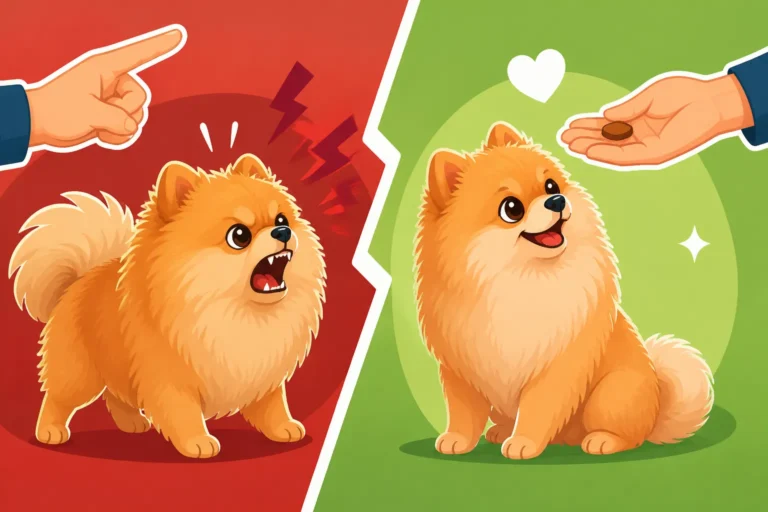
A solid recall, meaning your Pomeranian comes immediately when called, is perhaps the most vital command for escape prevention. If they do manage to slip out, a reliable recall could be the difference between a quick retrieval and a desperate search. Start training recall in a low-distraction environment, like your living room, using high-value treats as The Reward a Pomeranian Actually Cares About. Make it fun and exciting, so your Pom associates coming to you with something wonderful. Gradually increase distractions and practice in different environments, always setting them up for success. Remember, Building a Recall on a Pomeranian That Ignores You takes time, patience, and consistency.
Door manners are equally important. Teach your Pomeranian the "wait" or "stay" command at doorways. Practice having them sit a few feet away from the door and wait patiently while you open it. Reward them heavily for holding their position. Never let them bolt through the door without permission. This instills the habit of asking for permission before exiting, which can be a lifesaver. Repeat this training with every door, whether it's the front door, the back door to the yard, or even the door to a bedroom if your Pom is prone to dashing.
Online training programs, such as those offered by BAXTER & Bella, can provide structured lessons and support for teaching these critical commands from the comfort of your home. They often break down complex behaviors into simple, manageable steps, which is perfect for teaching a Pomeranian, who can have a short attention span but is very food-motivated.
Socialization and Desensitization to Distractions
A well-socialized Pomeranian is generally a calmer, more confident dog, less likely to panic and bolt when faced with unexpected sights or sounds. Socializing a Pomeranian Before Its Shots Finish needs to be done carefully to balance safety and exposure, but early, positive experiences with various people, environments, and safe, calm dogs can help them cope with the world outside.
Desensitize your Pomeranian to common distractions that might trigger a dash. For example, if your Pom always barks and runs for the door when the doorbell rings, work on positive association. Ring the doorbell, then immediately offer a high-value treat while your Pom is still calm. Gradually increase the intensity, perhaps having a friend ring the bell while you practice. The goal is for your Pom to associate the doorbell with "treats" rather than "opportunity to escape." Similarly, if mail carriers or delivery trucks cause excitement, work on creating calm associations. This might involve practicing "sit" or "stay" commands while these distractions are present, always rewarding calm behavior. Remember, Why Off Leash Is a Risk for a Pomeranian cannot be overstated, so even the most well-trained Pomeranian should remain leashed or securely contained in public.
What to Do If Your Pomeranian Does Slip Out
Even with the best precautions, accidents can happen. It’s a terrifying moment when you realize your tiny Pomeranian is gone, but knowing what to do immediately can significantly increase your chances of a happy reunion.
Immediate Actions to Take
First and foremost, try to stay calm. Panic can make it harder to think clearly. Call your Pomeranian's name loudly and clearly, using a happy, inviting tone, rather than an angry or panicked one. Many dogs will respond better to a familiar, cheerful voice. Immediately check the most obvious escape routes and hiding spots: under nearby bushes, in a neighbor's yard, or in any small nook or cranny they might have squeezed into. Their small size means they might not have gone far, but could be tucked away somewhere out of sight.
If you have another family member, have one person stay at the point of escape (e.g., the open door or gate) with a familiar toy, blanket, or even a treat pouch. The familiar scent might draw your Pomeranian back. The other person can begin to search in widening circles. Alert any immediate neighbors, especially if they have yards your Pom might have access to. Give them a clear description and a photo if you have one readily available. Remember how small they are; they can look like a furry squirrel or blend into overgrown areas.
Creating a "Lost Dog" Protocol
Preparation is key, even for the worst-case scenario. Ensure your Pomeranian is always wearing an identification tag with your current phone number. While tags can fall off, they are the quickest way for someone to contact you. More importantly, ensure your Pomeranian is microchipped and that your contact information associated with the chip is always up-to-date. If your Pom is found and scanned by a vet or shelter, this is their best chance of identifying you.
Have a recent, clear photo of your Pomeranian ready to go. If your Pom has slipped out, you'll want to immediately create "Lost Dog" flyers with their picture, your contact information, and details about their temperament. Distribute these flyers to local shelters, veterinary clinics, pet stores, and post them in your neighborhood. Utilize social media – many communities have local "Lost & Found Pets" groups where you can quickly post alerts. The smaller the dog, the more critical a rapid response is, as they are more vulnerable to predators, traffic, and the elements. Some even recommend putting out a piece of your unwashed clothing or their bed near the escape point – your scent can be a powerful draw for a lost pet.
Disclaimer
This article is for general informational purposes only and does not constitute professional advice. Laws, prices and regulations vary by location and change over time. Consult a qualified professional for guidance on your specific situation.