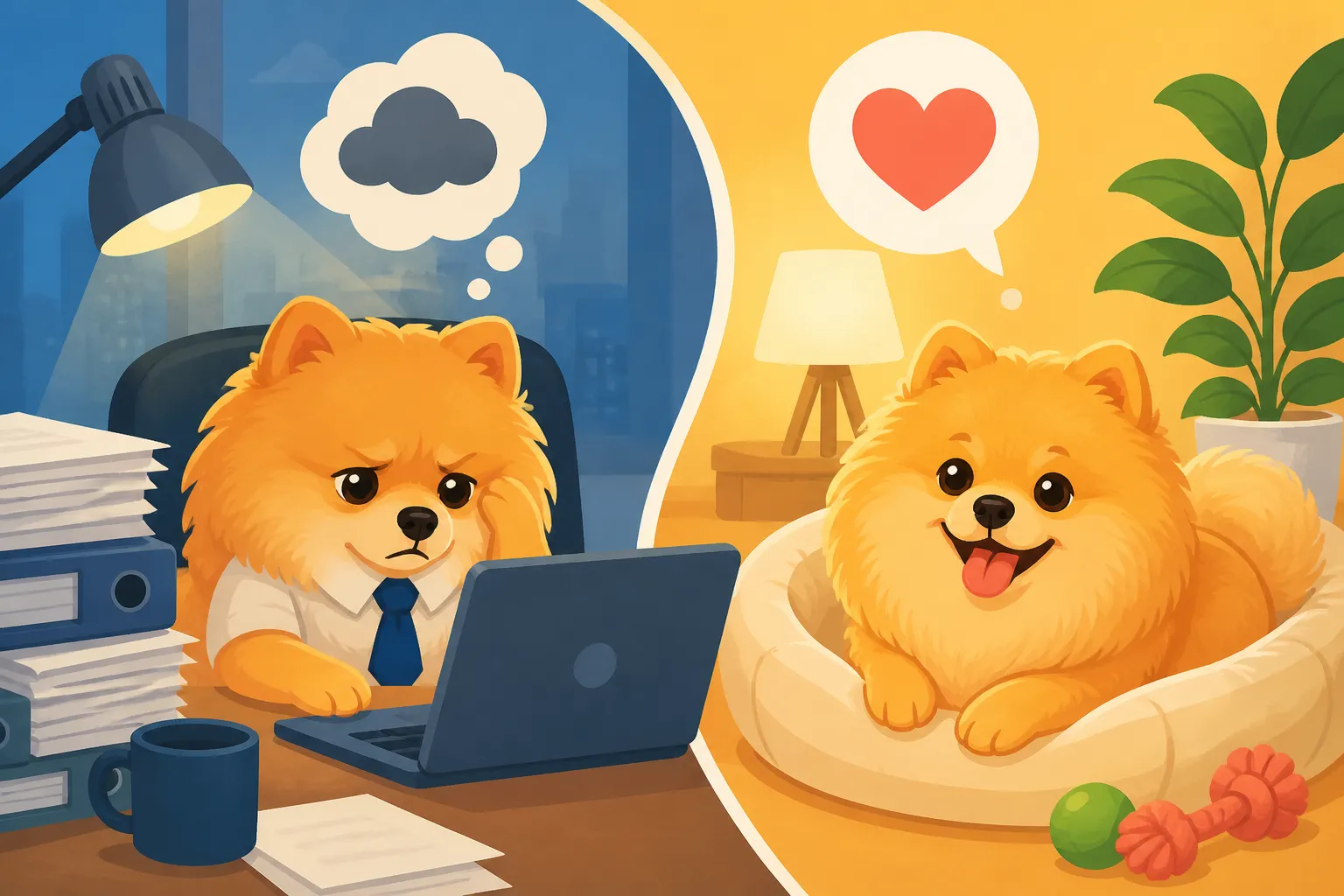
Whether a Pomeranian Copes With a Long Work Day
It’s a common dilemma for so many of us these days: you’ve fallen head over heels for the charm and vivacity of a Pomeranian, but then reality hits. Your job demands long hours, and you can't help but wonder if bringing a tiny, energetic Pom into a home where they'd be alone for much of the day is fair, or even feasible. This guide aims to tackle that very real concern head-on, exploring whether a Pomeranian can truly cope with a long workday and offering practical insights into making it work, or understanding when it might not be the right fit.
Understanding the Pomeranian Temperament and Needs
Let's be honest, Pomeranians aren't exactly known for their independent, "leave me alone for hours" attitude. They are deeply bonded companions, and understanding their core nature is the first step in figuring out if your work schedule aligns with their needs.
Their Innate Desire for Companionship
Pomeranians were bred to be companions, lap warmers, and loyal shadows. They thrive on interaction, attention, and being part of the family's daily activities, no matter how mundane. This isn't a breed that’s content to simply observe from a distance; they want to be involved. Think of them as tiny, furry extroverts. If you've ever seen a Pom follow you from room to room, even to the bathroom, you know exactly what I mean. This strong desire for companionship means that prolonged periods of solitude can be genuinely distressing for them. It’s not just a matter of boredom; it can lead to real emotional upset. They aren't meant to be left completely alone for the better part of a day, day in and day out, without significant mitigating strategies in place. It's a fundamental part of their breed make-up. Many owners find their Pomeranian develops The Pomeranian That Cannot Be Left Alone early on if not managed carefully.
The Energy Levels of a Small but Mighty Spitz
Don't let their small stature fool you; Pomeranians are part of the Spitz family, which means they have a surprising amount of energy and an intelligent, sometimes mischievous, brain to match. They might not need miles of running, but they do require regular mental and physical stimulation to prevent boredom and frustration. A quick trot around the block twice a day often isn't enough to satisfy their inquisitive minds and lively spirits. They love to play, learn tricks, and engage in activities that challenge them. Imagine a curious toddler left in a playpen for eight hours; they might not destroy anything, but they'd certainly be stir-crazy and possibly quite unhappy by the end of it. Without proper outlets, that pent-up energy and intelligence can easily manifest as undesirable behaviors.
Potty Training Realities and Bladder Size
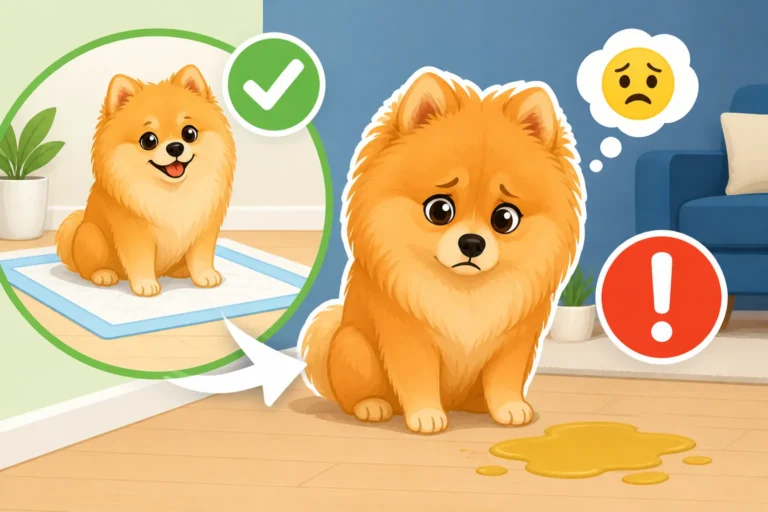
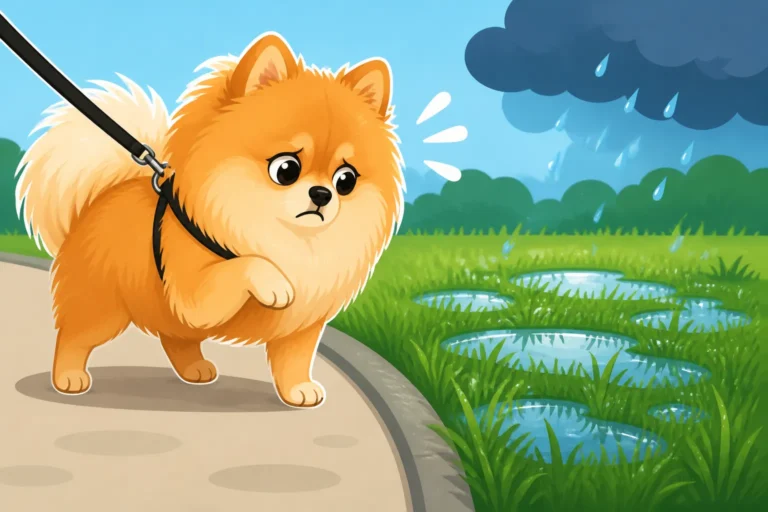
This is a big one, especially for tiny dogs. Pomeranians have notoriously small bladders. A puppy, particularly, cannot hold it for more than a couple of hours, sometimes even less. Even a well-house-trained adult Pomeranian can only comfortably hold their bladder for 6-8 hours at most. Pushing this limit not only creates accidents but can also lead to urinary tract issues over time. It’s physically uncomfortable and unfair to ask a small dog to hold it for 9-10 hours while you're at work, plus commute time. This often means that even if they could mentally cope with the solitude, their physical needs make a long workday without a break challenging. This is why house training a Pomeranian can sometimes feel like it How Many Weeks House Training a Pomeranian Takes longer than other breeds. And heaven forbid it’s raining outside; some Poms are A Pomeranian That Will Not Get Its Coat Wet and will hold it even longer!
The Impact of a Long Workday on a Pomeranian
Leaving your Pomeranian alone for extended periods isn't just about managing their immediate needs; it can have significant long-term effects on their behavior, emotional well-being, and even physical health.
Separation Anxiety and Destructive Behaviors
One of the most heartbreaking consequences of leaving a highly social breed like a Pomeranian alone for too long is the development of separation anxiety. This isn't simply a dog acting out; it's a genuine panic disorder. Signs can include excessive barking or howling (which your neighbors might not appreciate!), destructive chewing on furniture or personal items, inappropriate urination or defecation indoors, and even self-harm like excessive licking or chewing their paws. I've heard countless stories from owners who came home to a torn-up couch or shredded belongings, only to realize their Pom wasn't being "naughty" but was truly distressed. Signs a Pomeranian Has Separation Anxiety are not to be taken lightly and require careful intervention. These behaviors aren't fun for anyone involved and usually mean the dog is in distress.
Regression in House Training
As we discussed, a Pomeranian’s bladder has its limits. If your workday stretches beyond six to eight hours consistently, even the most meticulously house-trained Pom is likely to have accidents indoors. When this happens regularly, it can undo all the hard work you put into potty training. They aren't doing it out of spite; they simply cannot hold it any longer. This constant cycle of accidents can be frustrating for you and confusing and demoralizing for your dog. They might start to believe that going inside is acceptable, or they may become anxious about needing to relieve themselves, which only compounds the problem. It's a downward spiral that's tough to correct once it's set in.
Physical Health Concerns from Lack of Activity
While Pomeranians are small, they still need daily physical activity to maintain a healthy weight and strong muscles. Prolonged inactivity, common during long workdays, can lead to weight gain, which exacerbates other health issues common in the breed, such as The Honking Cough of a Pomeranian's Collapsing Windpipe or Slipping Kneecaps in a Five Pound Pomeranian. Even just being cooped up without much movement can contribute to muscle stiffness or a general decline in physical condition over time. Moreover, a lack of mental stimulation can also have physical manifestations, leading to stress, digestive issues, or a weakened immune system. A healthy Pomeranian is an active Pomeranian, both physically and mentally.
Strategies for Managing a Pomeranian During Long Workdays
So, what can you do if your heart is set on a Pomeranian but your job demands a longer presence away from home? There are certainly strategies that can help mitigate the challenges.
Enrichment and Mental Stimulation
Keeping your Pom's brain busy while you're away is crucial. Don't just leave them with a plain old toy. Invest in puzzle toys that dispense treats slowly, snuffle mats where they have to 'hunt' for their kibble, or even a long-lasting chew (ensure it's safe for their size and supervised initially). Toys from brands available on Amazon, specifically designed for small, intelligent breeds, can make a huge difference. Think about rotating their toys daily to keep things fresh and exciting, so they don't get bored with the same old things. You can also leave the TV or radio on softly to provide some background noise and companionship, which can sometimes reduce feelings of isolation.
Consider an interactive camera that allows you to talk to them or even dispense treats remotely. These can offer a small dose of interaction and reassurance during the day. While these tools aren't a substitute for human presence, they can be valuable aids in keeping their minds engaged and helping to alleviate some loneliness.
Utilizing Professional Help and Technology
This is often the most effective solution for Pomeranian owners with demanding schedules. A midday dog walker or pet sitter can come to your home, let your Pom out for a potty break, offer some playtime, and provide much-needed human interaction. Even a 30-minute visit can significantly break up their day and prevent accidents and loneliness. Make sure you find a reputable, insured professional experienced with toy breeds.
Doggy daycare is another excellent option, especially if your Pomeranian is well-socialized and enjoys the company of other small dogs. It provides constant supervision, playtime, and mental stimulation, ensuring they come home happily tired. Always choose a daycare with separate play areas for small breeds to keep your Pom safe from larger, more boisterous dogs. In fact, many Pomeranian owners only use Whether a Pomeranian Needs a Small Dog Only Daycare for peace of mind.
For those considering training, a program like BAXTER & Bella offers online resources and live coaching that can help you structure your Pomeranian's day, reinforce good habits, and even address early signs of separation distress. Their comprehensive approach can empower you to create a more resilient and independent companion, even with a busy schedule.
The Importance of a Consistent Routine
Dogs, especially Pomeranians, thrive on routine. A predictable schedule helps them feel secure and reduces anxiety. Establish a consistent routine for feeding, potty breaks, playtime, and training. Before you leave for work, make sure your Pom gets a good, stimulating walk or play session. This helps tire them out mentally and physically, making them more likely to rest calmly while you're gone.
When you return home, dedicate time for a potty break, followed by quality interaction – play, cuddles, or a training session. Avoid making your departure and arrival a huge, dramatic event, which can inadvertently heighten separation anxiety. Keep goodbyes and hellos calm and low-key to signal that your coming and going is a normal part of life. Remember, Building a Pomeranian's Independence isn't about ignoring them; it's about making them feel secure in your absence.
Here's a quick comparison of popular strategies:
| Strategy | Pros | Cons | Cost Implications |
|---|---|---|---|
| Midday Dog Walker | Direct human interaction, potty break, exercise | Requires trust in individual, scheduling inflexibility | Hourly/per visit fee, varies by location |
| Doggy Daycare | Constant supervision, socialization, exercise | Can be overwhelming for some Poms, potential for illness/injury | Daily/weekly rates, can be significant |
| Interactive Camera | Remote interaction, monitoring | No physical relief, cannot replace human presence | Initial camera cost, some have subscription fees |
| Puzzle Toys/Enrichment | Mental stimulation, self-entertainment | Limited duration of engagement, not a substitute for interaction | One-time toy cost, ongoing treat cost |
| Companion Dog | Constant companionship, playmate | Doubled expenses, potential for new behavioral challenges | Acquisition, food, vet bills for a second dog |
Evaluating Alternatives and Long-Term Solutions
Sometimes, even with all the best strategies, a long workday simply isn't conducive to a happy, healthy Pomeranian. It's important to be honest with yourself about what you can realistically provide.
Considering a Companion Dog
One solution many people consider is getting a second dog to keep their Pomeranian company. While this can work, it's not a guaranteed fix and comes with its own set of considerations. A second dog might provide companionship, but it also means double the expenses, double the training, and potentially double the problems if the dogs don't get along or both suffer from separation anxiety. You would need to ensure both dogs are well-matched in temperament and that you have the resources to care for two. It’s also important to remember that another dog cannot replace human interaction; it merely provides canine company. If you're wondering if Whether a Second Dog Settles a Lonely Pomeranian the answer is complex and depends heavily on the individual dogs involved.
Adjusting Your Work Schedule
This isn't always possible, but if you have any flexibility, it could be a game-changer. Could you work from home a few days a week? Negotiate a compressed work week with longer days but fewer days in the office? Or perhaps shift your hours slightly to be home earlier or leave later, minimizing the longest stretch your Pom is alone? Even an hour less away can make a significant difference to a small dog. This requires a conversation with your employer, but the impact on your Pomeranian's well-being could be invaluable.
The Reality of Rehoming When It's Not Working
This is a tough conversation, but it's a realistic one. Sometimes, despite your best efforts, your lifestyle simply isn't compatible with the needs of a Pomeranian. If your dog is consistently showing severe signs of distress, has frequent accidents, or is genuinely unhappy despite all interventions, it might be time to consider if a different home, one with more constant companionship, would be better for them. This is never an easy decision, and it comes with immense guilt, but a responsible owner prioritizes their pet's welfare above their own desires. Organizations like local Pomeranian rescues can help you find a suitable new home where your beloved companion can thrive. This is an absolute last resort, but acknowledging it is part of being a realistic, empathetic owner. Nobody wants to consider The Day You Decide for an Old Pomeranian, but sometimes it means giving them a happier life.
Ultimately, while challenging, it is possible for some Pomeranians to cope with a long workday, but it requires significant effort, expense, and careful planning from their owners. It's about building a robust support system around your tiny companion, ensuring their physical and emotional needs are met even when you can't be there.
Disclaimer
This article is for general informational purposes only and does not constitute professional advice. Laws, prices and regulations vary by location and change over time. Consult a qualified professional for guidance on your specific situation.