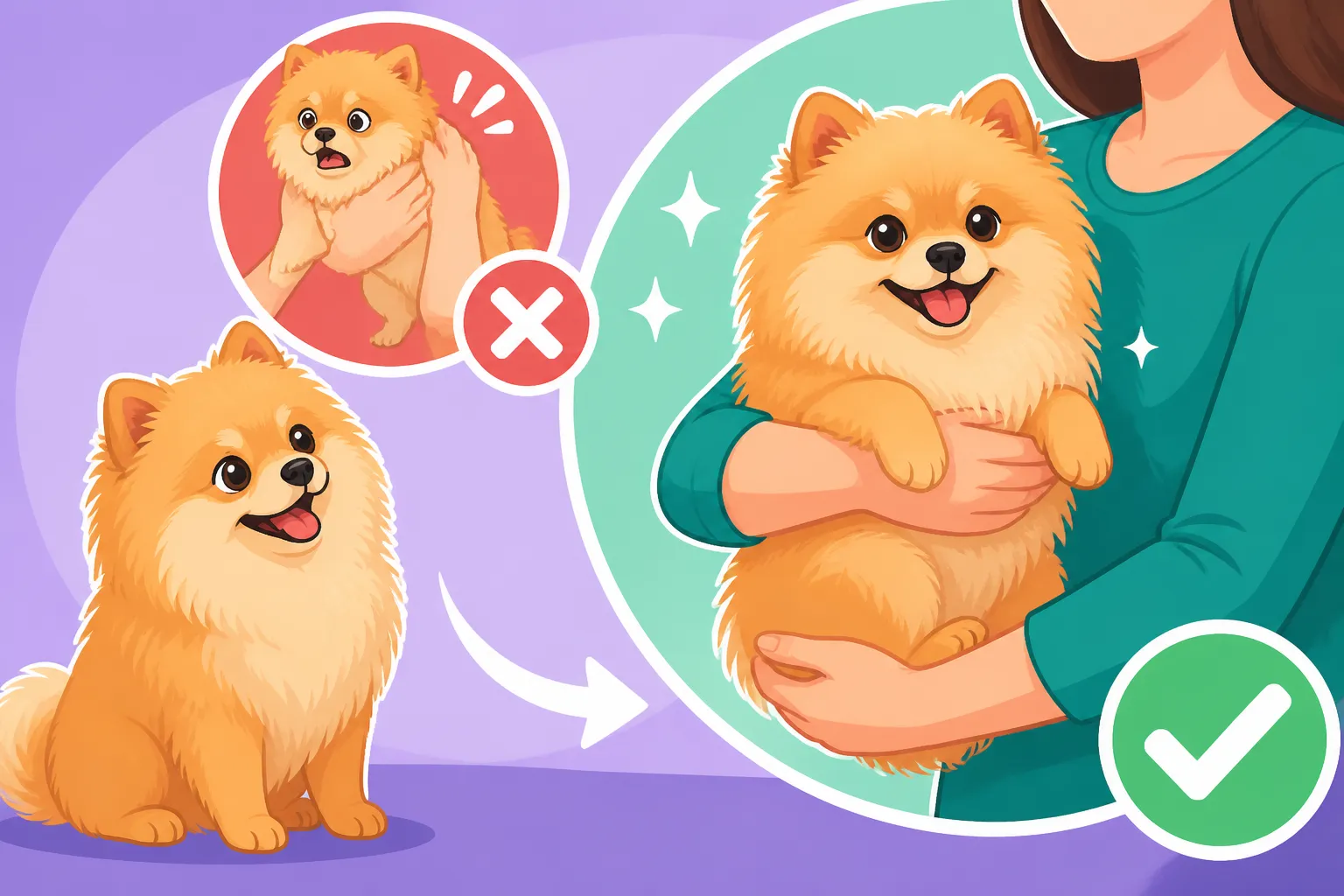
Teaching a Pomeranian to Be Picked Up Properly
It's a common moment for Pomeranian owners: you need to scoop up your fluffy companion, perhaps to move them off the couch, avoid a larger dog, or simply give them a loving hug. But for many, this simple act can be fraught with anxiety – fear of hurting their delicate frame, or dread of a squirmy, snapping reaction. This guide is here to alleviate those worries, walking you through the proper, gentle techniques to confidently and safely pick up your Pomeranian, building trust and ensuring their comfort every time.
Why Picking Up a Pomeranian Requires Special Care
Pomeranians, for all their robust personality, are a small and often delicate breed. Their diminutive size means their bodies are more susceptible to injury if not handled with precision and care. Understanding their physical vulnerabilities and how incorrect handling impacts their emotional state is the first step toward mastering the art of the Pomeranian pickup.
Their Fragile Structure and Small Size
Imagine a tiny, fluffy cloud with a surprisingly sturdy spirit. That's a Pomeranian. However, beneath all that glorious fur lies a delicate skeletal structure that requires mindful handling. Their small bones are not designed for rough housing or sudden impacts, and a careless grab can easily lead to discomfort or even serious injury. We're talking about very small rib cages, tiny spines, and joints that can be prone to specific issues. For example, many Pomeranians are predisposed to conditions like Slipping Kneecaps in a Five Pound Pomeranian, where the kneecap can easily slip out of place. A sudden twist or unsupported leg when being lifted could exacerbate such a condition or even cause it.
Beyond the knees, their necks and tracheas are also points of vulnerability. Pomeranians can be prone to The Honking Cough of a Pomeranian's Collapsing Windpipe, a condition where the cartilage rings of the trachea weaken and flatten. Pressure on the neck or lifting them in a way that allows their head and neck to flop unsupported can stress this delicate area. This isn't just about physical pain; it’s about causing them distress and potentially aggravating a pre-existing health issue. Proper support ensures their entire body, from nose to tail, feels secure and aligned, minimizing any strain on their small frame.
Furthermore, some very tiny Pomeranian puppies might even have an unclosed fontanelle, a soft spot on their skull similar to a human baby’s. While most close up, those that don't mean an extra layer of caution is needed around their head. It highlights just how important it is to treat your Pomeranian not just as a pet, but as a small, living creature whose anatomy demands respect.
Building Trust and Preventing Fear-Based Reactions
When a Pomeranian is handled improperly, especially consistently, it doesn't just risk physical harm; it profoundly impacts their emotional well-being and their trust in you. A dog that is constantly scooped up suddenly, without warning, or in a way that causes discomfort, quickly learns to associate being picked up with a negative experience. This can manifest as anxiety, squirming, or even defensive snapping or biting. It's not because your Pom is "mean"; it's a fear-based reaction to protect themselves from what they perceive as an impending threat or pain.
Think about it from their perspective: a giant hand suddenly descends, lifts them precariously, and perhaps even pinches or twists them unintentionally. If this happens repeatedly, they'll start to anticipate the discomfort and react defensively long before you even touch them. This can lead to a dog that actively avoids being picked up, runs away, or, as mentioned, becomes vocal or nippy. A Pomeranian That Snaps When Lifted is a common problem, often stemming from inconsistent or fear-inducing handling.
Building a positive association with being picked up is crucial for their long-term behavior and your relationship. It means every interaction, including lifting, should be calm, predictable, and comfortable. By taking the time to learn and apply the correct techniques, you're not just preventing injury; you're reinforcing the bond of trust between you and your cherished companion, ensuring they feel safe and loved in your arms.
The Right Way to Approach and Pick Up Your Pomeranian
Mastering the art of picking up your Pomeranian properly involves a careful sequence of approach, lifting, and placement. Each step is designed to maximize their comfort and safety, turning what could be a stressful event into a routine, positive interaction.
The Pre-Pickup Ritual: Signaling and Comfort
Before your hands even make contact, the process of a proper pickup begins with a clear signal. This isn't just about being polite; it's about giving your Pomeranian a moment to mentally prepare and understand what's about to happen. A sudden, unannounced grab can be startling and feel threatening, triggering that instinctive defensive reaction we talked about earlier. Instead, adopt a consistent verbal cue, something simple like "Up," "Cuddle time," or "Let's go." Say it in a calm, upbeat tone.
Pair this verbal cue with a gentle approach. Rather than looming over them like a giant, get down to their level if possible. Kneel or squat beside them, making eye contact (but not staring intensely, which can be interpreted as a challenge). Extend a hand slowly, allowing them to sniff and acknowledge your presence. This reduces the element of surprise and gives them a sense of control over the interaction. If they respond positively, perhaps by wagging their tail or leaning into your touch, you know they're receptive. If they tense up or try to move away, take a moment to reassure them before proceeding. Sometimes, a tiny, enticing treat held in your approaching hand can also create a positive association, diverting their attention and making them more eager for contact.
The Two-Handed Technique: Support is Key
Once your Pomeranian is receptive, the actual lift itself must be a fluid, supportive motion using both hands. The goal is to distribute their weight evenly and support their entire body, especially their delicate spine and joints.
Here’s how to execute it:
- Hand One (Front Support): Gently slide one hand under your Pomeranian's chest, right behind their front legs. Your fingers should splay out to support their rib cage and provide a stable base for their front half. Ensure your fingers aren't pressing into their armpits or throat.
- Hand Two (Rear Support): Simultaneously, bring your other hand under their hindquarters, supporting their belly and hips. This hand is crucial for preventing their back legs from dangling or their spine from arching uncomfortably.
- The Lift: With both hands firmly and gently supporting their entire body, lift them smoothly and directly upwards, close to your body. Avoid any swinging, jerking, or twisting motions. Their spine should remain straight and aligned, almost as if they're lying down in your arms.
- Security: Once lifted, hold them securely against your chest or body. This makes them feel safe and prevents accidental drops or struggles. You want them to feel encapsulated and secure, not like they're about to fall. Imagine how a baby is held – close, firm, and fully supported.
This two-handed method is essential. Never lift a Pomeranian by just their front legs, by one leg, or by the scruff of their neck. These actions can cause serious injury to their shoulders, hips, spine, or neck. Remember, their fragility demands this level of deliberate support. It might feel a bit awkward at first, but with practice, it becomes second nature, and your Pomeranian will appreciate the consistent, gentle handling. Many reputable online training programs, like those offered by BAXTER & Bella, emphasize these foundational handling skills for puppies, teaching owners to instill confidence through proper physical interaction from an early age.
Safe Placement and Release
The way you put your Pomeranian down is just as important as how you pick them up. A sudden drop or allowing them to jump from a height can instantly undo all the good work of a proper lift and potentially cause injury. Pomeranians are little daredevils and will often attempt to leap from a sofa or bed, not realizing the impact it has on their tiny joints. Why Jumping Off Furniture Wrecks a Pomeranian's Knees is a very real concern for this breed.
When it's time to put your Pomeranian down, follow these steps:
- Slow and Controlled: Lower them slowly, maintaining the same two-handed support you used to pick them up.
- Front Feet First: Aim to place their front paws on the ground or desired surface first. This allows them to gauge the stability and prepare to bear weight.
- All Four Paws Stable: Only once all four paws are firmly and stably on the ground should you fully release your grip. Watch for any signs of imbalance or scrambling.
- No Jumping: Actively prevent them from jumping out of your arms prematurely. If they try, gently hold them closer and lower them fully yourself. This teaches them that you control the release, not their impatient wiggles.
Consistently safe placement reinforces trust and prevents injuries that can accumulate over time. Think of it as a smooth landing after a comfortable flight.
Training Techniques and Troubleshooting Common Issues
Even with the best intentions, teaching a Pomeranian to be picked up properly might require some dedicated training, especially if they've developed negative associations in the past. Patience, positive reinforcement, and consistency are your greatest allies.
Positive Reinforcement and Desensitization
For Pomeranians who are fearful or squirmy about being picked up, a structured desensitization and positive reinforcement program is key. This isn't a quick fix, but it's incredibly effective for long-term comfort and cooperation.
Here’s a step-by-step approach:
- Start Small: Begin by simply reaching out and gently touching your Pomeranian’s side or back while they are calm. Immediately reward with a high-value treat and praise. Do this several times a day for short periods. The idea is to make contact a positive, non-threatening experience.
- Introduce the Cue: Once they are comfortable with light touch, start saying your verbal cue ("Up," "Lift," etc.) just before you touch them. Touch, treat, praise. Repeat.
- Partial Lift: Progress to applying the two-handed support without actually lifting them off the ground. Just hold them in the "pickup position" for a second, then release, treat, and praise. This familiarizes them with the feeling of being held securely.
- Brief Lift: Next, lift them just an inch or two off the ground for a single second, then immediately lower them, treat, and praise. Keep these initial lifts extremely short and sweet, always ending on a positive note.
- Gradually Increase Duration: Over days and weeks, slowly increase the amount of time they are held, always treating and praising when they remain calm. If they start to get anxious, go back a step. The goal is many short, successful, positive experiences.
- Consistency is King: Ensure everyone in the household uses the same cue and technique. Inconsistency can confuse your Pomeranian and slow progress. Remember that The Reward a Pomeranian Actually Cares About might vary, so experiment with different treats or toys to find their absolute favorite for these training sessions. These Training Session Length for a Pomeranian should be brief and fun.
Desensitization works by slowly exposing your dog to the trigger (being picked up) in a controlled way, paired with positive outcomes (treats, praise), gradually changing their emotional response from fear to anticipation of a reward.
Addressing Specific Fears or Aggression
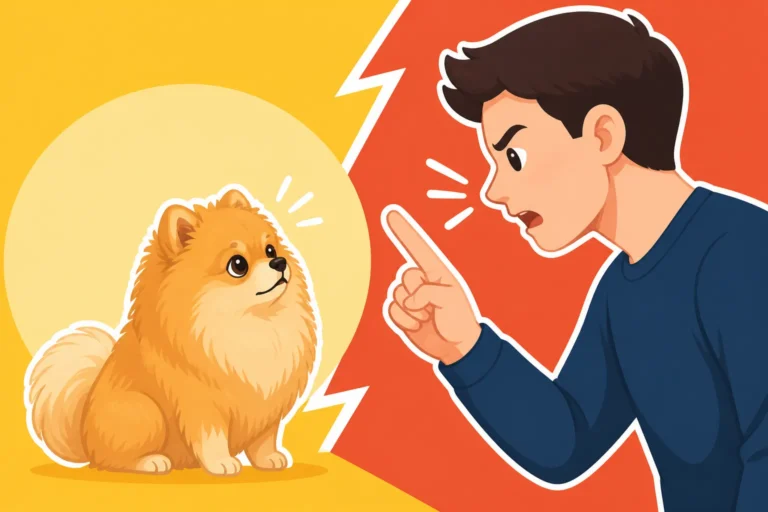
If your Pomeranian growls, snaps, or bites when you attempt to pick them up, it's a clear signal that they are genuinely afraid or in pain. It’s vital not to punish this behavior. Punishment will only increase their fear and lead to a breakdown of trust, often making the aggression worse as they learn they need to defend themselves more intensely. Instead, view it as communication and adjust your approach.
- Back Off and Reassess: If they show signs of fear or aggression, immediately stop what you're doing. Give them space.
- Consult a Vet: First, rule out pain. A Pomeranian with an undiagnosed injury, dental pain, or even arthritis might lash out when touched or lifted. A vet check is non-negotiable in these cases. Whether a Limping Pomeranian Needs an X-Ray might be a necessary step if you suspect pain.
- Revisit Basics: Go back to the very first steps of desensitization, starting with just gentle touch, using extra high-value rewards.
- Identify Triggers: Pay attention to when and where they react. Do they guard specific items or locations, like their bed or your lap? Whether a Pomeranian Guards Its Owner's Lap can be a factor. Understanding the context can help you avoid triggers or work through them.
- Consider Professional Help: If aggression persists or you feel unsure how to proceed safely, enlist the help of a certified professional dog trainer or behaviorist. They can observe your specific situation and provide tailored guidance.
Patience is paramount here. It might take weeks or even months to entirely reshape a fearful Pomeranian's reaction, but the investment in their comfort and your safety is well worth it.
Involving Children and Other Family Members
A common challenge in many homes is ensuring that all family members, especially children, understand and adhere to the correct way of handling a Pomeranian. Children, often full of enthusiasm but lacking coordination and understanding of a small dog's fragility, can inadvertently cause fear or injury.
It’s absolutely critical to supervise all interactions between children and your Pomeranian. Never allow a child to pick up a Pomeranian without direct adult guidance, especially if the child is young. Why a Toddler Can Injure a Pomeranian by Accident cannot be overstated. A toddler's grip can be too tight, their movements too clumsy, and a fall from even a short height can be devastating for a small dog.
Teach older children the proper two-handed lifting technique, emphasizing gentleness and support. You can demonstrate the "cuddle hold" where the dog is held close to the child's body, fully supported. Teaching a Child to Hold a Pomeranian should be a structured lesson, not just a casual instruction. Create a rule that your Pomeranian should always be picked up by an adult or under strict adult supervision. Explain why this rule exists – not to make children feel bad, but to keep their beloved pet safe and happy. Consistency across all family members will reinforce the positive associations you’re trying to build and prevent accidental injuries or fear.
Practical Tips for Everyday Handling
Beyond the training specifics, incorporating safe handling into your daily routine is about making it a natural, seamless part of living with your Pomeranian. This means understanding when a lift is necessary, utilizing helpful aids, and recognizing when your furry friend might be in discomfort.
When and Why You Need to Pick Them Up
There are countless everyday scenarios where picking up your Pomeranian becomes necessary, and having them comfortable with it makes life so much easier (and safer!).
- Safety from Larger Dogs or Obstacles: Out on a walk, you might suddenly encounter an unleashed large dog, a fast-moving bicycle, or an unexpected hazard. Scooping up your Pomeranian quickly and safely can prevent an accident.
- Preventing Falls: Pomeranians love to be on the couch or bed with you, but jumping down from these heights repeatedly can put tremendous strain on their delicate joints, potentially leading to or worsening conditions like luxating patellas. A simple lift on and off the furniture is a proactive measure for their long-term joint health.
- Grooming and Vet Visits: Whether it's lifting them onto a grooming table, into the bathtub, or onto the examination table at the vet, these are unavoidable situations. A calm Pomeranian that tolerates being picked up makes these experiences less stressful for everyone involved.
- Travel and Public Spaces: When navigating crowded areas or getting in and out of the car, a secure lift into a carrier or your arms keeps them safe and contained. For longer excursions, considering items like a purpose-built pet sling or a dedicated carrier, easily found on Amazon, can be incredibly helpful. Carriers and Slings for a Pomeranian are excellent tools for these situations.
Think of picking them up as a responsible act of care, ensuring their safety and protecting their health in a world that isn't always built for tiny dogs.
Using Aids to Make Lifting Easier and Safer
While proper technique is paramount, there are many clever tools available that can make life easier for both you and your Pomeranian, reducing the need for constant manual lifting and mitigating risks.
- Ramps and Steps: For furniture access, investing in small, breed-appropriate ramps or steps is a game-changer. These allow your Pomeranian to safely get on and off the couch or bed without jumping, protecting their knees and spine. Look for options that are stable and have a gentle incline, ensuring your Pom feels secure using them. Ramps for a Pomeranian That Jumps Off the Sofa can save their joints over time.
- Pet Strollers and Slings: For walks or outings where your Pomeranian might get tired or need to navigate a busy area, a pet stroller or sling can be invaluable. A sling allows you to carry them close to your body without physically lifting and lowering them repeatedly, offering both comfort and security.
- Harnesses with Handles: While you should never lift your Pomeranian by their harness alone, some harnesses (like certain models you might find on Amazon) come with a sturdy handle on the back. This handle can provide an extra point of stabilization if you need to quickly assist them over a curb or up a single step, giving a little boost without a full lift. Just ensure it's a supportive, well-fitting harness that doesn't put pressure on their windpipe, especially for a breed prone to tracheal issues. Harnesses Fitted for a Pomeranian's Windpipe are crucial.
These aids aren't a substitute for teaching your Pomeranian to be picked up properly, but they are fantastic complements, reducing wear and tear on their tiny bodies and making their environment more accessible.
Recognizing Signs of Discomfort or Injury
Even with the most careful handling, accidents can happen, or an underlying issue might manifest. It’s crucial as a Pomeranian owner to be attuned to the subtle signs that your dog might be experiencing pain or discomfort, especially after being handled or if they suddenly become reluctant to be picked up.
Pay close attention to:
- Vocalization: Any sudden yelping, whimpering, or uncharacteristic growling when touched or moved. This is usually the most obvious sign of acute pain.
- Stiffness or Limping: If your Pomeranian is favoring a limb, holding a paw up, or walking with a stiff, unnatural gait, it could indicate an injury to a joint, bone, or muscle.
- Reluctance to Move: A Pomeranian who normally loves to cuddle but suddenly becomes withdrawn, avoids being touched, or doesn't want to get up or move could be in pain.
- Changes in Posture: Look for unusual postures, like an arched back, a lowered head, or an unwillingness to stretch.
- Panting or Shaking: Excessive panting (not related to heat or exertion) or uncontrollable shaking can be signs of pain or extreme anxiety.
If you observe any of these signs, especially if they appear suddenly or worsen, it's time to consult your veterinarian immediately. Do not try to diagnose or treat them yourself. Describe precisely what happened, when the symptoms started, and what you’ve observed. Your vet can perform a thorough examination, including X-rays if needed, to pinpoint the issue and recommend appropriate treatment. Early intervention is always best for these delicate creatures.
Conclusion
Teaching your Pomeranian to be picked up properly is more than just a convenience; it’s a fundamental aspect of responsible ownership, protecting their delicate physical health and nurturing their emotional trust. By adopting a calm, consistent approach, utilizing a supportive two-handed technique, and employing positive reinforcement, you can transform what might be a source of anxiety into a moment of comfortable connection. Remember to involve all family members in learning these essential skills and to use helpful aids like ramps to minimize risks. Your fluffy companion deserves to feel safe and secure in your care, and mastering the proper pickup technique is a significant step towards a long, happy life together.
| Feature | Correct Pickup Technique | Incorrect Pickup Technique |
|---|---|---|
| Approach | Calm, verbal cue, get to their level, gentle touch | Sudden, no warning, looming from above, snatching |
| Hand Placement | One hand under chest, one hand under hindquarters | Scooping from underneath, grabbing by one limb, neck, or scruff |
| Body Support | Entire body supported, spine straight, legs tucked | Dangling legs, arched back, pressure on neck/throat |
| Lift Motion | Smooth, direct upwards, close to your body | Jerky, swinging, twisting |
| Placement | Slow, front paws down first, stable before release | Dropping, allowing to jump from height, sudden release |
| Emotional Impact | Builds trust, promotes confidence, positive association | Creates fear, anxiety, potential for defensive reactions |
| Physical Risk | Minimizes risk of injury to spine, joints, trachea | High risk of luxating patellas, tracheal collapse, sprains, fractures |
Disclaimer
This article is for general informational purposes only and does not constitute professional advice. Laws, prices and regulations vary by location and change over time. Consult a qualified professional for guidance on your specific situation.