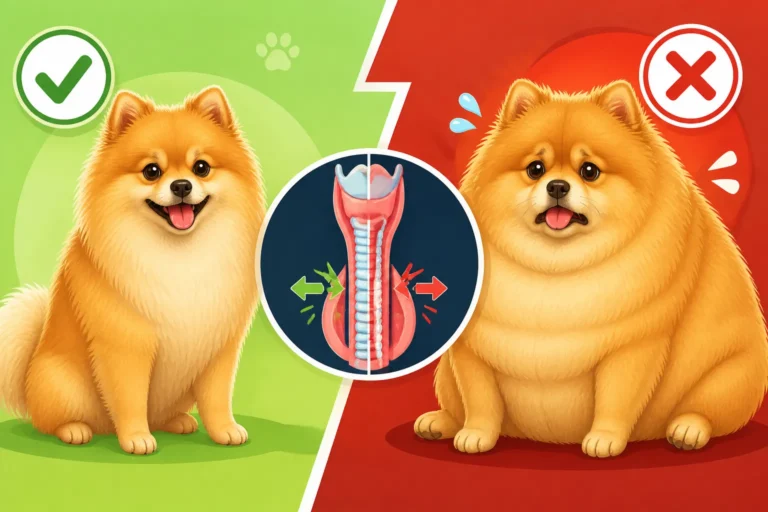
Whether a Teacup Pomeranian Needs Special Vet Care
Bringing a tiny Pomeranian home is often a dream come true, but the reality for many "Teacup" owners quickly shifts to a confusing, often anxious, scramble to understand their delicate companion's unique health needs. It’s a frustrating position to be in, feeling unprepared for the specialized care your tiny friend seems to require, and questioning if all Pomeranians are this fragile. This guide is here to shed light on why "Teacup" Pomeranians often need a different level of veterinary attention and what that truly entails.
Understanding What "Teacup" Truly Means for a Pomeranian's Health
When you hear the term "Teacup" Pomeranian, it conjures images of an impossibly small, fluffy bundle that fits into the palm of your hand or, yes, a teacup. This enchanting image is exactly what draws many prospective owners to these tiny dogs. However, it's crucial to understand that "Teacup" isn't an official breed classification recognized by major kennel clubs like the American Kennel Club (AKC) or the Canadian Kennel Club (CKC). Instead, it's a marketing term used by breeders to describe Pomeranians that fall significantly below the breed standard's ideal weight range of 3 to 7 pounds. While the idea of a miniature Pomeranian is adorable, the reality behind breeding for such extreme smallness often comes with a higher risk of serious health complications that demand specialized veterinary care.
The Allure vs. Reality of Tiny Size
The term "Teacup" is potent; it taps into our desire for something precious and delicate. Breeders who market "Teacup" Pomeranians often highlight their diminutive size as a desirable trait, sometimes commanding higher prices for these miniature pups. But what's really happening on a genetic and physiological level to create such small dogs? Often, these are the runts of a litter, dogs born significantly smaller than their siblings, or they are the result of intentionally breeding the smallest dogs together over generations. While some small Pomeranians can be healthy, the deliberate pursuit of extreme smallness often prioritizes aesthetics over robust health.
When a Pomeranian is bred to be unnaturally small, typically under 3 pounds, their internal systems are often underdeveloped or simply too fragile for normal function. Their bones are more brittle, their organs are more compressed, and their metabolic processes can be incredibly volatile. It’s not just about fitting in a teacup; it’s about whether a two-pound body can adequately support a healthy life. Many owners are drawn in by the initial charm, only to find themselves facing a steep learning curve and significant emotional and financial stress when health issues inevitably arise. This is why understanding The Health Cost of Breeding Pomeranians Under Three Pounds is so critical before bringing one of these tiny pups home.
Common Health Issues Linked to Extremely Small Size
The pursuit of "Teacup" size often comes at a steep price, manifesting in a range of health problems that necessitate ongoing, specialized veterinary attention. These aren't just minor inconveniences; they can be life-threatening and require constant vigilance from owners.
One of the most immediate and dangerous concerns for these tiny pups is hypoglycemia, or dangerously low blood sugar. Because their bodies are so small, they have very little fat reserves and can't regulate their blood sugar levels as effectively as larger dogs. A missed meal, a period of stress, or even just too much playtime can cause their blood sugar to crash, leading to weakness, tremors, disorientation, and even seizures or coma. This is why understanding Blood Sugar Crashes in a Pomeranian Puppy is crucial for any owner of a very small Pom. You’ll learn how often a Pomeranian puppy needs to eat and when to use Syrup on the Gums of a Crashing Pomeranian Puppy.
Beyond metabolism, structural issues are rampant. Their tiny bones are incredibly fragile, making them prone to fractures from even minor falls or jumps. Luxating patellas, or "slipping kneecaps," are common in Pomeranians generally, but the severity can be exacerbated in "Teacup" varieties due to their delicate skeletal structure. It's not uncommon to see Slipping Kneecaps in a Five Pound Pomeranian which often requires careful management and sometimes surgery.
Then there are issues related to their compressed size. Their mouths are often too small to accommodate all their teeth, leading to severe dental crowding. This crowding traps food particles, rapidly accelerating the onset of periodontal disease. Many "Teacup" Pomeranians require early and frequent dental cleanings, often with extractions, making Dental Disease in a Mouth the Size of a Pomeranian's a very real and expensive problem. Their windpipes can also be extremely delicate, increasing the risk of tracheal collapse, which manifests as a distinctive The Honking Cough of a Pomeranian's Collapsing Windpipe. This often necessitates specialized harnesses and careful handling.
Furthermore, extremely small dogs are at a higher risk for anesthesia complications due to their tiny body mass and less developed organs. A routine dental cleaning or minor surgery becomes a much riskier endeavor for Anesthesia Risk in a Four Pound Pomeranian, requiring advanced monitoring and a highly skilled veterinary team. Some may also have an open fontanelle, a soft spot on the skull, similar to a human baby's, which often closes fully in larger pups but can remain open in "Teacups," leaving their brains less protected. This extensive list of potential health challenges definitively answers the question of Whether a Two Pound Pomeranian Can Be Healthy, underscoring the vital need for specialized veterinary care.
Navigating Veterinary Care for a Miniature Pomeranian
Given the myriad of potential health issues inherent with a "Teacup" Pomeranian, it’s not just about if they need special vet care, but how that care is approached. It demands a partnership with a veterinary team that understands the unique physiology of these tiny dogs, moving beyond standard protocols to embrace preventative, precise, and often proactive interventions. It’s not simply a matter of scaling down treatment; it’s about fundamentally altering the care paradigm.
Finding the Right Veterinary Partner
One of the most critical steps you can take for your "Teacup" Pomeranian is to find a veterinarian who is not just competent, but experienced with toy breeds, and specifically familiar with the challenges associated with extremely small dogs. Not all veterinarians, particularly those in practices that primarily see larger breeds, will have the specific expertise or equipment needed for a two-pound dog.
When interviewing potential veterinary clinics, don't be shy about asking direct questions. Inquire about their experience with:
- Hypoglycemia management: Do they have protocols in place for monitoring and treating blood sugar crashes, especially in puppies?
- Patellar luxation: How do they grade and manage Slipping Kneecaps in a Five Pound Pomeranian or smaller dogs? What is their approach to conservative versus surgical management?
- Anesthesia for tiny patients: What specific protocols do they use for general anesthesia on dogs under three pounds? This should include pre-anesthetic bloodwork, IV fluids, specialized warming pads, and vigilant monitoring (ECG, blood pressure, oxygen saturation).
- Dental care for small jaws: Are they equipped for delicate extractions and cleaning in a tiny mouth, and do they have experience with the common crowding issues?
- Nutritional guidance for delicate metabolisms: Can they offer detailed advice on feeding schedules and appropriate foods to prevent sugar crashes?
A proactive vet will emphasize preventative care and risk assessment. They'll likely suggest more frequent check-ups, especially during puppyhood, to catch potential issues early. Look for a practice where the staff are gentle and experienced in handling very small, delicate animals. A veterinarian who dismisses your concerns about your tiny Pom’s fragility or treats it like any other dog might not be the best fit. Your vet should be your partner in understanding and managing your "Teacup" Pomeranian’s unique requirements.
Specialized Diagnostics and Preventative Measures
For a "Teacup" Pomeranian, a generic annual check-up often isn't enough. Their small size and increased vulnerability necessitate a more tailored and intensive approach to diagnostics and preventative care. This means going beyond the basics to ensure their delicate systems are functioning optimally and to catch any impending issues before they become crises.
More Frequent Check-ups: Instead of just once a year, your vet might recommend semi-annual or even quarterly check-ups, especially as they age or if they have known predispositions. These visits aren't just for vaccinations; they're opportunities for thorough physical exams, weight monitoring (even ounces matter!), and discussions about any subtle changes you've noticed at home.
Specific Blood Panels: Your veterinarian may recommend more comprehensive blood work at an earlier age, or more frequently throughout their life. This could include panels to specifically monitor liver and kidney function, thyroid levels (which can affect coat health), and more detailed glucose monitoring to proactively manage hypoglycemia.
Imaging: Early or baseline imaging might be suggested. For instance, X-rays could be used to assess bone density, look for early signs of patellar luxation, or check for an open fontanelle. Ultrasounds might be employed to evaluate organ size and function if there are any concerns about congenital defects.
Preventative Care:
- Hypoglycemia Management: This is paramount. Your vet will likely provide strict guidelines on Feeding a Pomeranian Puppy Often Enough to Stay Safe, often recommending small, frequent meals throughout the day. You might even be advised to keep a glucose source, like Karo syrup, on hand for emergencies.
- Joint Support: Even without current lameness, preventative joint supplements might be recommended due to the high incidence of knee issues in the breed.
- Early Dental Care: Starting teeth brushing as a puppy is crucial to mitigate the effects of crowding. Regular professional dental cleanings under anesthesia, often annually, are almost a certainty due to their small, crowded mouths.
- Tracheal Protection: Using a harness instead of a collar is essential to protect their delicate windpipe. Choosing Harnesses Fitted for a Pomeranian's Windpipe, which distribute pressure across the chest, is vital.
Here's a comparison to illustrate the differences in care:
| Feature | Standard Pomeranian (3-7 lbs) | "Teacup" Pomeranian (under 3 lbs) |
|---|---|---|
| Weight | Generally within breed standard | Often significantly under standard, increasing fragility |
| Vet Visits | Annual check-ups, sick visits as needed | Semi-annual or quarterly check-ups, frequent monitoring |
| Hypoglycemia | Rare in adults, occasional in young puppies | High risk, constant vigilance, strict feeding schedules |
| Skeletal Health | Prone to luxating patellas | Higher risk of severe luxating patellas, fractures, fontanelles |
| Dental Care | Regular brushing, annual dentals often by age 3-5 | Daily brushing, annual dentals often by age 1-2, frequent extractions |
| Anesthesia | Moderate risk, standard protocols | High risk, specialized monitoring, IV fluids, advanced support |
| Organs | Typically robust | Can be underdeveloped, prone to liver shunts or heart defects |
| Home Prep | Dog-proofing for general safety | Extensive safety measures: ramps, steps, padded surfaces, constant supervision |
| Costs | Standard veterinary costs | Significantly higher due to specialized care, diagnostics, and emergencies |
This table clearly highlights that the "Teacup" Pomeranian isn't just a smaller version of the standard Pom; it's a dog with fundamentally different, and often more demanding, health requirements.
Managing Everyday Health Challenges and Emergencies
Owning a "Teacup" Pomeranian means taking on a significant level of responsibility for their daily health and being prepared for potential emergencies. Their small stature doesn't just make them adorable; it makes them inherently more vulnerable to various health challenges that can arise quickly and demand immediate attention. This isn't just about vet visits; it's about integrating their unique needs into every aspect of your home life.
Proactive Home Care and Monitoring
The cornerstone of "Teacup" Pomeranian care truly starts at home, with you. Your vigilance and proactive measures can often prevent a minor issue from escalating into a serious crisis.
Diet and Feeding Frequency: This is paramount for preventing hypoglycemia. You'll likely need to establish a very strict feeding schedule, often offering small, frequent meals (3-4 times a day for adults, even more for puppies) to keep their blood sugar stable. High-quality, small-breed kibble or a vet-approved fresh diet is crucial. Never free-feed; controlled portions help manage blood sugar and prevent obesity, which can worsen conditions like tracheal collapse. Keep an emergency supply of corn syrup or a glucose gel on hand.
Preventing Accidents: Their tiny bones are delicate. Jumping off furniture, even a low sofa, can lead to serious injuries like fractures or patellar luxation. This means investing in and diligently using dog ramps or steps, like Ramps for a Pomeranian That Jumps Off the Sofa, to allow them to safely access elevated surfaces. Block off stairs, supervise them closely, and make sure children (and even well-meaning adults) understand how to handle them properly and gently. Padded floors or rugs can offer some cushioning for accidental falls.
Monitoring for Warning Signs: You become your "Teacup" Pomeranian’s first line of defense. Get to know their normal behavior, energy levels, and appetite intimately. Any subtle change can be a red flag.
- Lethargy or weakness: Could indicate low blood sugar or another underlying issue.
- Changes in appetite or thirst: Can be a sign of various problems, from dental pain to organ dysfunction.
- Coughing or difficulty breathing: Especially the distinctive "honking" cough, may signal tracheal collapse.
- Limping or difficulty walking: Could be a luxating patella or even a fracture.
- Vomiting or diarrhea: Dehydration can be rapid and severe in tiny dogs.
- Changes in gum color: Pale gums can indicate anemia or shock.
Keeping a small notebook or a log on your phone to track these observations can be incredibly helpful when communicating with your veterinarian. A slight change in weight, even an ounce or two, can be significant for such a tiny creature.
Environmental Control: Be mindful of temperature extremes. Tiny dogs lose body heat quickly in cold weather and can overheat rapidly in hot weather. Provide appropriate clothing or cooling mats as needed. Always use a proper harness instead of a collar to protect their fragile trachea, even for quick potty breaks outside.
Emergency Protocols and Financial Preparedness
Despite your best efforts in proactive care, emergencies can and often do happen with "Teacup" Pomeranians. Being prepared, both with immediate action and financial resources, can be the difference between life and death.
Hypoglycemic Crises: If you notice your "Teacup" Pomeranian exhibiting signs of low blood sugar – wobbling, disorientation, tremors, or collapsing – immediate action is crucial. Rub a small amount of corn syrup or glucose gel on their gums. This rapid sugar absorption can stabilize them enough to get to the vet. Do not force them to swallow if they are unresponsive. Always follow up with a vet visit, even if they seem to recover, as there might be an underlying cause.
Knowing When to Rush to the ER: Sometimes, you simply can't wait for your regular vet. Severe breathing difficulties, uncontrolled seizures, profuse bleeding, prolonged vomiting or diarrhea, or any sudden collapse warrants an immediate trip to an emergency veterinary hospital. Ensure you know the location and contact information of the nearest 24-hour emergency clinic that is equipped to handle tiny patients. Having a carrier ready and easily accessible can save precious minutes.
The Financial Reality: Let's be frank: specialized veterinary care for a "Teacup" Pomeranian can be significantly more expensive than for a larger, healthier dog. The diagnostics are often more intricate, the medications might need custom compounding for tiny doses, and emergency care, hospitalization, or complex surgeries (like for luxating patellas or dental extractions) can quickly run into thousands of dollars. Anesthesia for a tiny dog requires highly skilled staff and specialized equipment, which adds to the cost. This is not a deterrent to loving these dogs, but a realistic assessment every owner must consider.
This is where planning truly comes into play. Many owners find immense relief in having pet insurance. Companies like Healthy Paws offer comprehensive plans that can cover accidents, illnesses, and even emergency care, significantly easing the financial burden when unexpected health issues arise. While no one wants to think about their beloved pet getting sick, having a safety net like pet insurance allows you to make medical decisions based on what’s best for your Pom, rather than on your bank balance. Beyond insurance, maintaining an emergency savings fund specifically for your pet’s health can provide crucial peace of mind. Investing in What a Pomeranian Puppy Costs and Why Colors Change It is just the beginning; the ongoing health costs are often the most significant part of ownership.
Disclaimer
This article is intended for informational purposes only and does not constitute medical advice. Always consult with a qualified veterinarian for any health concerns or before making any decisions about your Pomeranian's care.