The Home a Pomeranian Belongs In
It's a common misconception that because Pomeranians are small, they can thrive in any living situation. Many people assume these fluffy bundles are just happy little lap dogs, perfectly content with minimal space or attention. But the truth is, Poms have very specific needs that, if not met, can lead to behavioral issues and unhappiness. This guide aims to peel back the layers of that fluffy exterior and reveal the truly ideal home environment where a Pomeranian doesn't just survive, but absolutely flourishes.
Unpacking the Pomeranian Personality: More Than Just Fluff
When you first see a Pomeranian, you're immediately struck by their vibrant personality and that glorious double coat. But there's so much more to these dogs than their adorable appearance. Their small stature often masks a much larger-than-life character that requires specific understanding and accommodation. Truly, understanding their inherent nature is the first step in creating a home where they feel safe, secure, and loved.
The Energetic and Alert Tiny Guardian
Don't let their size fool you; Pomeranians are far from sedentary. They descend from larger Spitz-type dogs and retain much of that lineage's energy and alertness. A Pom isn't just going to lie around all day, though they are certainly expert cuddlers. They need outlets for their energy, both physical and mental. This might look like spirited indoor play sessions, short but brisk walks, or engaging puzzle toys that challenge their intelligent minds.
Their alert nature also means they are fantastic watchdogs, often barking at anything that seems out of the ordinary – a passing leaf, the mail carrier, or even a distant car door slamming. While this can be a blessing for security, it can also become a nuisance if not properly managed. An ideal home recognizes and respects this innate alertness, providing opportunities for them to observe their surroundings safely and teaching them appropriate "quiet" commands. Without proper outlets and management, that natural alertness can morph into excessive barking, leaving both you and your neighbors frustrated.
A Big Dog in a Small Body: Independence and Loyalty
Pomeranians often carry themselves with the confidence of a much larger dog, which is a hallmark of their Spitz heritage. They are incredibly loyal to their families, often forming deep bonds with one or two primary caregivers. This loyalty can manifest as an intense desire to be close to you, following you from room to room, and often wanting to be in your lap or right by your side. They genuinely thrive on companionship and being an integral part of family activities.
However, this devotion is balanced by a distinct streak of independence. They aren't always eager to please in the way some retriever breeds are. This means that while they love you dearly, they might also have their own ideas about what they want to do or where they want to go. This "big dog" mentality means they benefit from clear leadership and consistent boundaries. They need an owner who appreciates their independent spirit without letting them become the boss of the household, which can lead to unwanted behaviors like resource guarding or territorial aggression.
Early Training and Socialization Are Non-Negotiable
Given their intelligence and strong personalities, early and consistent training and socialization are absolutely crucial for a Pomeranian to be well-adjusted. Skipping these vital steps can lead to a host of problems, from excessive barking to nipping or anxiety. A Pom puppy is like a sponge, ready to soak up every lesson you offer. Starting early ensures they grow into confident, well-mannered adults. It’s truly amazing how quickly they can learn new commands and expectations, but you have to be ready to put in the work.
From the moment you bring your Pomeranian puppy home, typically around eight to twelve weeks old, they are ready to begin their learning journey. You can start with simple commands like "sit" and "stay," using positive reinforcement like small, soft treats and enthusiastic praise. This early period is also critical for exposing them to various sights, sounds, people, and other calm, vaccinated dogs in a controlled, positive way. Remember, even a tiny dog needs to understand the world around them to feel secure. Don't underestimate the power of consistent training, especially when your Pomeranian hits that adolescent phase where they might become a bit more stubborn or appear to go selectively deaf, which can happen around a year old. Consistent reinforcement is key to overcoming this. The Week a Pomeranian Puppy Can Start Learning and A Pomeranian That Turns Selectively Deaf at One can offer more insights into this critical training period.
Sizing Up Your Space for a Small but Mighty Dog
Many prospective owners think "small dog, small space, no problem." While a Pomeranian's compact size certainly makes them adaptable to various living situations, the quality of that space and how you utilize it matters far more than its square footage. An ideal home understands that even a little dog needs room to explore, play, and feel secure, whether that's in a bustling city apartment or a sprawling suburban house.
Apartment Living: Making it Work for Your Pom
Apartment living with a Pomeranian can be incredibly successful, contrary to what some might think. Their modest size means they don't demand vast stretches of floor space, and they can get adequate exercise with regular walks and vigorous indoor play. In fact, many Poms thrive in an apartment setting because it often means they are closer to their human companions, fulfilling their need for constant companionship. The key to apartment success lies in mitigating their natural tendencies that might clash with communal living, especially their vocal nature.
The biggest challenge for apartment dwellers with a Pom is often managing their barking. Poms are excellent alarm systems, and every hallway noise, elevator ding, or distant siren can trigger a chorus of barks. This can lead to tension with neighbors and stress for both you and your dog. Proactive training from day one is essential to teach them what's acceptable to bark at and when to be quiet. Creating a designated "safe zone" or den, perhaps a cozy crate or a dog bed tucked away from high-traffic windows, can also provide a sense of security and reduce constant stimulation. Regular mental exercise, like training sessions or puzzle toys from Chewy, can also tire them out and reduce their need to "alert" to every little sound. Whether a Pomeranian Suits Apartment Living delves deeper into making urban life harmonious for your fluffy friend.
The Yard Question: Safety and Outdoor Enjoyment
For those with a house and a yard, it might seem like the perfect setup for any dog, and it can be for a Pomeranian – but with important caveats. A yard offers wonderful opportunities for safe outdoor play, potty breaks, and a change of scenery. However, it's never a substitute for walks or direct interaction with you. Poms are not dogs to be left unattended in a yard for extended periods; they crave human company and can easily become bored, leading to destructive behaviors or excessive barking.
Safety is paramount in a yard. Because of their small size, Pomeranians can be surprisingly adept escape artists. Gaps in fencing, even small ones, can become an exit route. You need secure fencing that's solid and without tempting spaces to squeeze through or under. Additionally, Poms are vulnerable to predators, including birds of prey like hawks and owls, as well as coyotes in many suburban and rural areas. Never leave your Pomeranian unsupervised in a yard, even for a moment. This breed needs constant vigilance outdoors. Even temperature extremes can be dangerous for their delicate respiratory systems and dense coats, making them susceptible to overheating or becoming too cold.
Creating a Safe Indoor Haven
Regardless of whether you live in an apartment or a house, the interior of your home needs to be a safe haven for your Pomeranian. Their small size makes them prone to accidental injury, especially from falls. Jumping off furniture, even low sofas or beds, can lead to serious knee or back problems, or even a fractured leg. This is why many experienced Pom owners will strategically place dog steps or ramps next to beds and sofas. Why a Pomeranian Jumping Off the Bed Is a Risk highlights the dangers, and Sofa Steps a Pomeranian Will Actually Use can help you find suitable options.
Beyond fall risks, "puppy-proofing" takes on an even greater significance with a Pomeranian. Small objects that larger dogs might ignore or pass can become choking hazards for a tiny Pom. Electrical cords, toxic houseplants, unsecured cleaning supplies, and even small children's toys need to be safely out of reach. Think of your home from their perspective, down on the floor, and identify any potential dangers. Creating designated safe zones with a comfortable bed, fresh water, and appropriate toys can give your Pom a secure retreat within your home, minimizing risks and providing comfort.
The Committed Owner: Who a Pomeranian Truly Thrives With
A Pomeranian isn't just a pet; they are a long-term commitment. Their unique needs, from their glorious coat to their spirited personalities and delicate health, demand an owner who is not only willing but enthusiastic about meeting those demands. An ideal Pomeranian owner understands that the cute exterior comes with a responsibility that extends far beyond daily feeding and a few belly rubs. They are truly looking for a partner in life, someone dedicated to their well-being in every aspect.
Dedication to Grooming and Preventative Health
The Pomeranian's most striking feature, their magnificent double coat, is also one of its biggest demands. This isn't a wash-and-wear kind of dog. Their dense undercoat and longer guard hairs require consistent grooming to prevent painful mats and to keep their skin healthy. We're talking several times a week, if not daily, brushing sessions that go all the way down to the skin. This isn't just about aesthetics; matted fur can cause skin infections and discomfort. Many owners find a good slicker brush and pin brush to be indispensable tools. The Double Coat That Makes a Pomeranian and Why It Stays On provides a deeper dive into their unique coat needs.
Beyond the coat, Pomeranians are unfortunately prone to certain health issues that require proactive care. Dental disease, for example, is incredibly common in small breeds due to their crowded mouths. Daily tooth brushing is not just recommended; it's practically a necessity to prevent painful extractions and costly veterinary dental procedures down the line. Regular veterinary check-ups are vital for early detection of conditions like luxating patellas or tracheal collapse. An owner prepared for these realities, both in time and finances, is truly the best fit. Daily Tooth Care in a Pomeranian's Crowded Mouth emphasizes the importance of consistent oral hygiene for your Pom.
Investing Time in Training and Engagement
Pomeranians are intelligent, and they thrive on mental stimulation and interaction. An owner who simply provides food and shelter but little engagement will likely find themselves with a bored, potentially destructive, and certainly vocal Pom. They need regular training sessions, even short ones, to keep their minds sharp and reinforce good behaviors. This also strengthens the bond between you and your dog. Think of it as intellectual exercise; it's just as important as physical activity.
Furthermore, a Pomeranian needs to feel like part of the family, not just an accessory. They want to be involved in your daily life, whether that's curling up on the sofa during movie night or joining you for errands in a comfortable carrier. Owners who are often away for long hours, leaving their Pom alone, might find their dog developing separation anxiety or other destructive behaviors out of boredom and loneliness. If your lifestyle means your dog will be alone for extended periods, a Pomeranian might not be the best fit unless you have a reliable dog walker or sitter. The Pomeranian That Cannot Be Left Alone explores the challenges of Poms with separation anxiety.
Understanding and Managing Pomeranian Quirks
Let's be realistic: Poms come with some quirks that can be challenging for unprepared owners. Their alert barking, as mentioned before, can be a major point of contention. They can be quite vocal, using their voices to communicate everything from excitement to suspicion. An ideal owner understands that this is part of the breed's nature and is committed to consistent training to manage it, rather than getting frustrated or giving up. Why a Pomeranian Barks at Everything That Moves is a must-read for anyone grappling with a vocal Pom.
Another common hurdle is house training. While some Poms pick it up quickly, many can be notoriously difficult to house train. Their tiny bladders mean frequent potty breaks, and some can be particular about going out in inclement weather. This requires immense patience, consistency, and a willingness to clean up accidents without losing your cool. An owner who gets easily frustrated by these challenges might not be the right match. However, with dedication to a routine and positive reinforcement, even the most stubborn Pom can become reliably house trained. Why House Training a Pomeranian Drags On offers practical advice for overcoming this common challenge.
Navigating Family Dynamics with a Pomeranian
Bringing a Pomeranian into a home with existing family members, be they human or animal, requires thoughtful consideration and careful management. While Poms are generally adaptable, their small size and spirited personalities can present unique challenges, making certain dynamics a better fit than others. A successful integration means understanding these potential friction points and proactively working to ensure everyone, including your tiny Pom, feels safe and secure.
Poms and Children: Gentle Hands and Close Supervision
Many families with children are drawn to the adorable nature of Pomeranians, but it's crucial to understand that Poms are not always the best fit for very young children. Their small, delicate bodies are incredibly vulnerable to accidental injury. A toddler, no matter how well-meaning, can easily drop, step on, or roughly handle a Pomeranian, leading to serious harm. It's not about the child being malicious, but rather their developing motor skills and understanding of gentle touch. A Pomeranian in a House With Small Children discusses these considerations in depth.
For homes with older, respectful children who have been taught how to interact gently with small dogs, a Pomeranian can be a wonderful companion. They are playful, affectionate, and love to be involved in family activities. The key is constant supervision and teaching children to be calm and respectful, understanding the Pom's body language. Never leave a young child unsupervised with a Pomeranian. The ideal scenario is a family where parents are committed to educating their children about appropriate interaction and protecting their small dog from unintentional harm. Remember, Why a Toddler Can Injure a Pomeranian by Accident isn't a scare tactic, but a realistic warning for prevention.
Living with Other Pets: A Delicate Balance
Introducing a Pomeranian to a household with other pets, especially larger dogs, requires immense caution and careful management. Poms, with their "big dog" personalities, often don't realize how small they are and can sometimes instigate interactions with much larger animals. This can be incredibly dangerous, as even a playful nip from a large dog could be fatal for a Pomeranian. Always supervise interactions, especially in the early stages, and ensure the larger dog has a gentle temperament and is well-trained. A Five Pound Pomeranian Around Big Dogs outlines the significant risks involved.
When introducing a Pom to another small dog or a cat, the process still needs to be slow and controlled. Many Poms can coexist happily with other small dogs or cats, especially if introduced properly and given separate resources like food bowls and sleeping areas. Give them space to get to know each other, always ensuring the Pom has an escape route if they feel overwhelmed. For those considering adding a Pom to an existing pet family, prioritize temperament, ensure good introductions, and be prepared for ongoing supervision to ensure everyone's safety and comfort. Introducing a Pomeranian to a Much Bigger Dog details safe introduction strategies.
Adding a Second Pomeranian: Double the Joy, Double the Work
For many Pom lovers, the idea of having two is incredibly tempting. A second Pomeranian can provide companionship for your existing dog, and the sight of two fluffy Poms playing together is undeniably heartwarming. When considering this, generally, a well-socialized existing Pom will adapt well to a new addition, especially if the new dog is also a puppy or has a calm temperament. The dynamics can be very positive, with the dogs providing each other with mental and physical stimulation.
However, it's crucial to understand that two Pomeranians are not simply "one and a half" times the work; they can be double the effort, if not more. You'll have double the grooming, double the vet bills, double the food, and double the potential for barking (sometimes they egg each other on!). You'll also need to ensure you can provide individual attention, training, and affection to both dogs to prevent jealousy or behavioral issues. While Whether Two Pomeranians Bark More Than One might suggest increased vocalization, the right match and consistent management can lead to a harmonious multi-Pom household. Ultimately, Whether Two Pomeranians Are Twice the Work really depends on your commitment and ability to manage multiple small dogs effectively.
Lifestyle Compatibility: Matching Your Life to a Pom's Energy
Beyond the physical space, your lifestyle is perhaps the most critical factor in determining if your home is truly suitable for a Pomeranian. These aren't dogs you can simply fit into a spare corner of your life. They require active participation, consistent engagement, and a deep understanding of their unique needs. Your daily routine, your travel habits, and even your financial planning all play a significant role in a Pomeranian's well-being and happiness.
Activity Levels: More Than a Couch Potato
While Pomeranians are small, they are not strictly sedentary lap dogs. They have a surprising amount of energy and need regular exercise to stay healthy and happy. This isn't about running miles, but it is about consistent daily activity. Short, brisk walks once or twice a day are essential, allowing them to explore the neighborhood, sniff new scents, and stretch their legs. These walks are not just for physical exercise but also for mental stimulation, which is incredibly important for their intelligent minds.
Beyond walks, Poms love to play! Indoor games like fetch with a soft toy, hide-and-seek, or even learning new tricks can provide fantastic mental and physical outlets. An owner who embraces playtime and understands that a tired Pom is a well-behaved Pom is truly ideal. Neglecting their activity needs can lead to boredom, which often manifests as destructive chewing, excessive barking, or other undesirable behaviors. Even if you live in a small space, finding creative ways to engage your Pomeranian is key to their overall well-being. Games That Tire a Pomeranian Indoors offers many ideas for enriching your Pom's life.
Alone Time and Travel: Planning for a Pom
Pomeranians thrive on companionship and generally do not do well when left alone for extended periods. They are prone to separation anxiety, which can manifest as excessive barking, destructive chewing, or even accidents indoors. An ideal owner has a lifestyle that allows for frequent interaction, whether they work from home, have a flexible schedule, or have family members who can provide company throughout the day. If you have a demanding job that requires long hours away, a Pomeranian might struggle unless you can arrange for a dog walker or doggy daycare. Whether a Pomeranian Copes With a Long Work Day further explores this important consideration.
When it comes to travel, Pomeranians can be excellent travel companions due to their small size, fitting comfortably in airline cabins (within carrier regulations) or riding happily in the car. However, this also requires planning and ensuring their safety and comfort. They need a secure carrier, regular potty breaks, and a familiar routine as much as possible. An owner who frequently travels for pleasure or work and wants to include their dog will find a Pom can be a great partner, but an owner who needs to board their dog often might find it stressful for their sensitive Pom.
The Financial Commitment: Being Prepared
While Poms don't eat as much as a Great Dane, the overall financial commitment to owning a Pomeranian can be substantial. Their susceptibility to certain health issues, coupled with the need for specialized grooming and preventative care, means that owners need to be financially prepared. Vet bills for routine care, unexpected illnesses, emergency situations, and especially dental work can add up quickly. It's not uncommon for a Pomeranian to need multiple dental cleanings with extractions over their lifetime, and those procedures often come with a significant price tag.
Beyond veterinary care, there's the ongoing cost of high-quality food, regular grooming (either professional or supplies for at-home care), various harnesses and collars that protect their delicate windpipes, steps and ramps to prevent injuries, and a continuous supply of toys and treats. Smart owners often factor pet insurance into their budget or create a dedicated savings fund for their Pomeranian's medical needs. Understanding that these dogs come with significant potential expenses is a hallmark of a truly responsible owner, ensuring they can provide the best care throughout their Pom's life. The Eighteen Thousand Dollar Lifetime of a Pomeranian details the financial realities that every prospective owner should understand. Even for daily essentials, ordering from reliable sources like Chewy can help manage costs and ensure you always have what you need.
Setting Up Your Home for a Pomeranian's Success
Bringing a Pomeranian into your home, whether a tiny puppy or a rehomed adult, is an exciting time. However, it's also a period that requires thoughtful preparation to ensure a smooth transition and a safe, comfortable environment. Creating a welcoming and secure space from day one sets the stage for a happy and well-adjusted Pomeranian, allowing them to settle in and thrive without unnecessary stress or danger.
Puppy-Proofing and Creating Safe Zones
Before your Pomeranian even steps paw inside, take a thorough tour of your home from a dog's-eye view. Get down on your hands and knees and look for anything that could be a hazard. This means securing electrical cords, removing toxic plants, stashing away cleaning supplies and medications, and making sure small objects that could be choked on are completely out of reach. Remember, Poms are curious and will investigate everything with their mouths. This might mean temporarily moving low-sitting decorative items or securing cabinet doors.
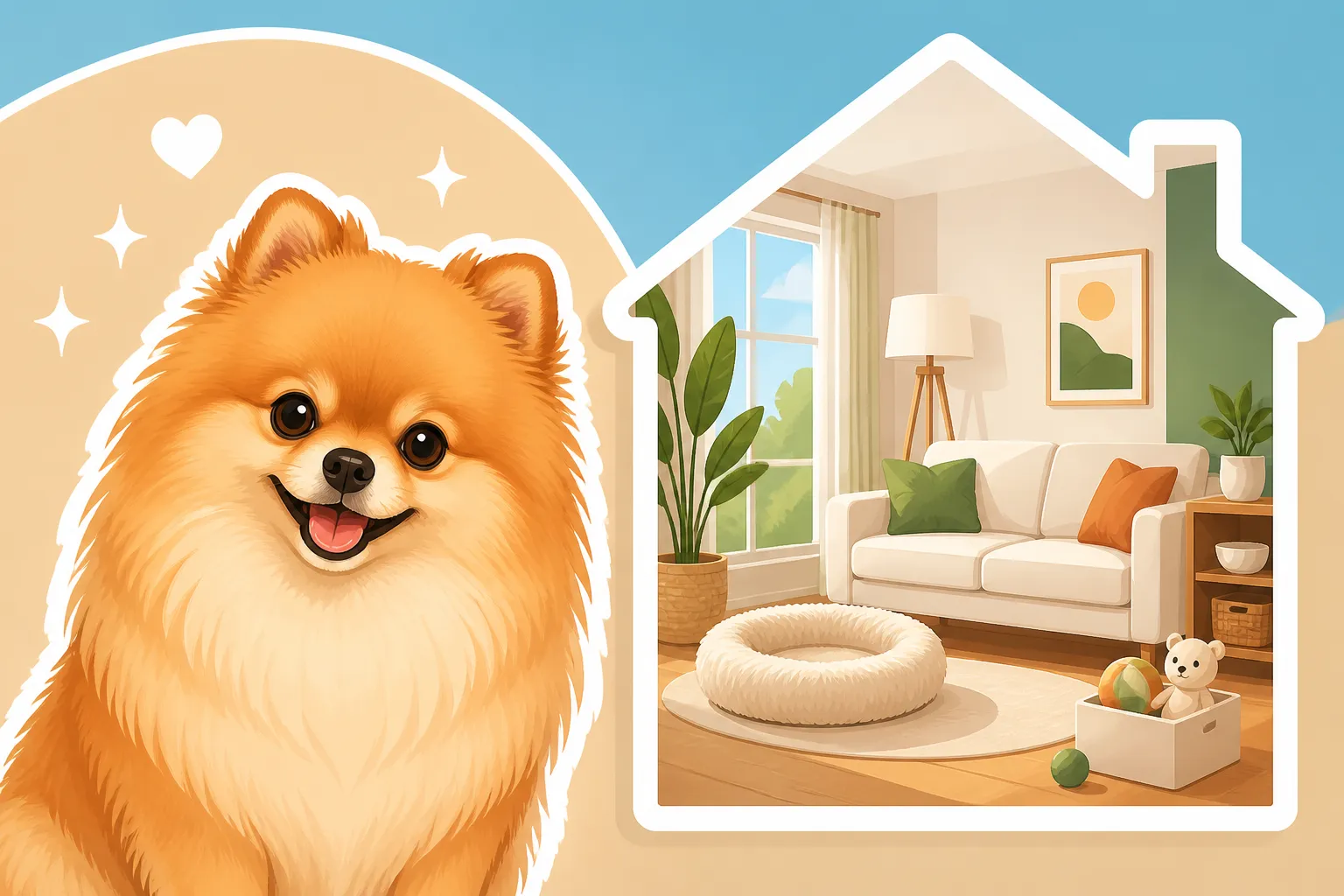
In addition to general puppy-proofing, establish a "safe zone" or den for your Pomeranian. This could be a crate in a quiet corner of a main living area, a playpen, or a gated-off section of a room. This space should be comfortable, with a soft bed, fresh water, and a few safe toys. This dedicated area serves multiple purposes: it's a place for them to retreat when overwhelmed, a safe spot for crate training, and a controlled environment for when you can't actively supervise them. Having a defined safe zone helps them feel secure and prevents accidents or destructive behavior when you're busy.
Essential Gear for Your New Family Member
Having the right supplies ready before your Pomeranian arrives will make those first few days much less stressful for everyone. Start with the basics: a comfortable dog bed (or two!), food and water bowls, high-quality small-breed puppy or adult dog food, and an assortment of toys appropriate for small mouths. Think soft toys for cuddling and safe chew toys to redirect teething or boredom.
Crucially, invest in a properly fitting harness. Poms are prone to tracheal collapse, and a collar puts dangerous pressure on their delicate windpipes. A harness that distributes pressure across their chest and shoulders is a non-negotiable item for walks and leash training. You'll also need a lightweight leash, grooming tools (a slicker brush, pin brush, and comb), and perhaps some puppy pads for house training. Many owners find it convenient to order all their essentials online from trusted retailers like Chewy, ensuring they have everything they need delivered right to their door. Check out Harnesses, Ramps and Carriers a Pomeranian Needs for detailed recommendations on vital equipment.
Establishing a Predictable Daily Rhythm
Dogs, especially intelligent and sensitive breeds like Pomeranians, thrive on routine. A predictable daily rhythm helps them understand what to expect, reducing anxiety and making training much more effective. From the moment your Pom arrives, establish consistent times for feeding, potty breaks, walks, playtime, and rest. For puppies, this means very frequent potty trips – every hour or two initially, and always after waking, eating, and playing.
A consistent routine helps with house training, as your Pom learns when and where they are expected to eliminate. It also provides a framework for their day, giving them a sense of security and structure. While life will inevitably throw curveballs, striving for consistency in their core activities will lead to a more confident and well-adjusted Pomeranian. This commitment to routine is a fundamental aspect of the "ideal home" for any dog, and particularly for a breed that thrives on knowing what comes next. The Routine a Pomeranian Needs Every Day provides excellent guidance on creating a structured day for your new companion.
Disclaimer
This article is for general informational purposes only and does not constitute professional advice. Laws, prices and regulations vary by location and change over time. Consult a qualified professional for guidance on your specific situation.