Kibble Small Enough for a Pomeranian
It’s a common frustration for Pomeranian owners: you bring home a new bag of what you think is "small breed" kibble, only to find your tiny furball struggling to pick up the pieces, or worse, trying to swallow them whole. This guide is all about helping you understand why kibble size is such a big deal for our little Poms and how to choose the perfect bite-sized nutrition for them.
Why Kibble Size Matters So Much for Your Little Pom
When you look at your Pomeranian, you see a fluffy, vibrant companion. What you might not immediately consider is the incredibly delicate and compact anatomy hidden beneath all that luxurious fur, especially when it comes to their mouth and digestive system. The size of their food might seem like a small detail, but for a breed as tiny as a Pomeranian, it can genuinely impact their comfort, safety, and long-term health. It's not just about "small breed" on the bag; it's about Pomeranian-specific needs.
The Pomeranian's Tiny Mouth and Jaw Structure
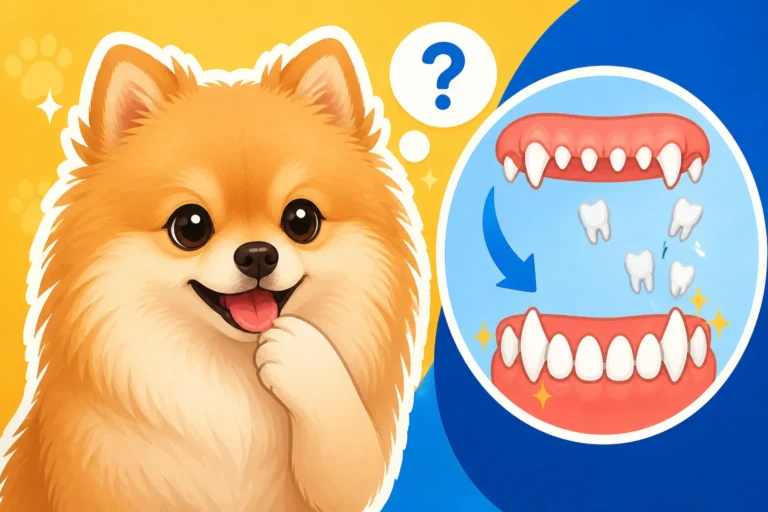
Our Poms have these adorable, dainty little mouths, which are perfectly proportioned for their small heads. But those tiny mouths come with equally tiny jaws and teeth. Imagine trying to eat a full-sized pretzel with a child's mouth – that’s essentially what it’s like for a Pomeranian encountering kibble designed for a much larger small breed, like a Beagle or a Jack Russell. Their incisors and canines are sharp but small, and their molars are not nearly as robust as those of a medium or large dog. Trying to pick up, manipulate, and properly chew a piece of kibble that's too large can be a real struggle, leading to frustration for your dog and concern for you. It's a foundational aspect of their daily life that needs to be just right.
Choking Hazards and Difficulty Chewing
This struggle isn't just inconvenient; it can be downright dangerous. Kibble that's too big often gets swallowed whole because it's simply too difficult for your Pomeranian to break down properly. When a tiny dog like a Pom swallows an oversized piece of food, it presents a significant choking hazard. Their windpipes are surprisingly narrow, and a piece of kibble can easily become lodged, leading to a terrifying emergency. Even if it doesn't cause outright choking, repeatedly swallowing large, unchewed pieces can lead to digestive upset, as their small stomachs have to work much harder to process the food. This can manifest as regurgitation, vomiting, or general discomfort after meals. We want mealtime to be a happy, safe experience, not a source of anxiety.
Dental Health Considerations for Small Breeds
Beyond immediate safety, kibble size also plays a crucial role in your Pomeranian's long-term dental health. While larger kibble might seem like it would help clean teeth due to more abrasion, for a Pomeranian, it's often too hard or too large to be effectively crunched. Instead, it can lead to inefficient chewing, leaving food particles behind or even causing discomfort if they try to crack it with inappropriate pressure. The ideal kibble for a Pom is one that's small enough to be chewed thoroughly, allowing the mild abrasive action to work on the tooth surface while promoting healthy jaw exercise. Over time, poor dental hygiene can lead to serious issues, as you can read more about in Dental Disease in a Mouth the Size of a Pomeranian's. Picking the right kibble is one piece of the puzzle to prevent early dental problems.
What to Look For in "Small Breed" Kibble
Navigating the pet food aisle can be overwhelming, with countless brands and formulas all claiming to be the best for small dogs. But when you have a Pomeranian, "small breed" isn't always specific enough. You need to become a detective, looking beyond the marketing jargon to find the genuinely appropriate food for your tiny companion. It's about combining the right physical attributes of the kibble with the precise nutritional profile that Poms need to thrive.
Understanding Kibble Shapes and Textures
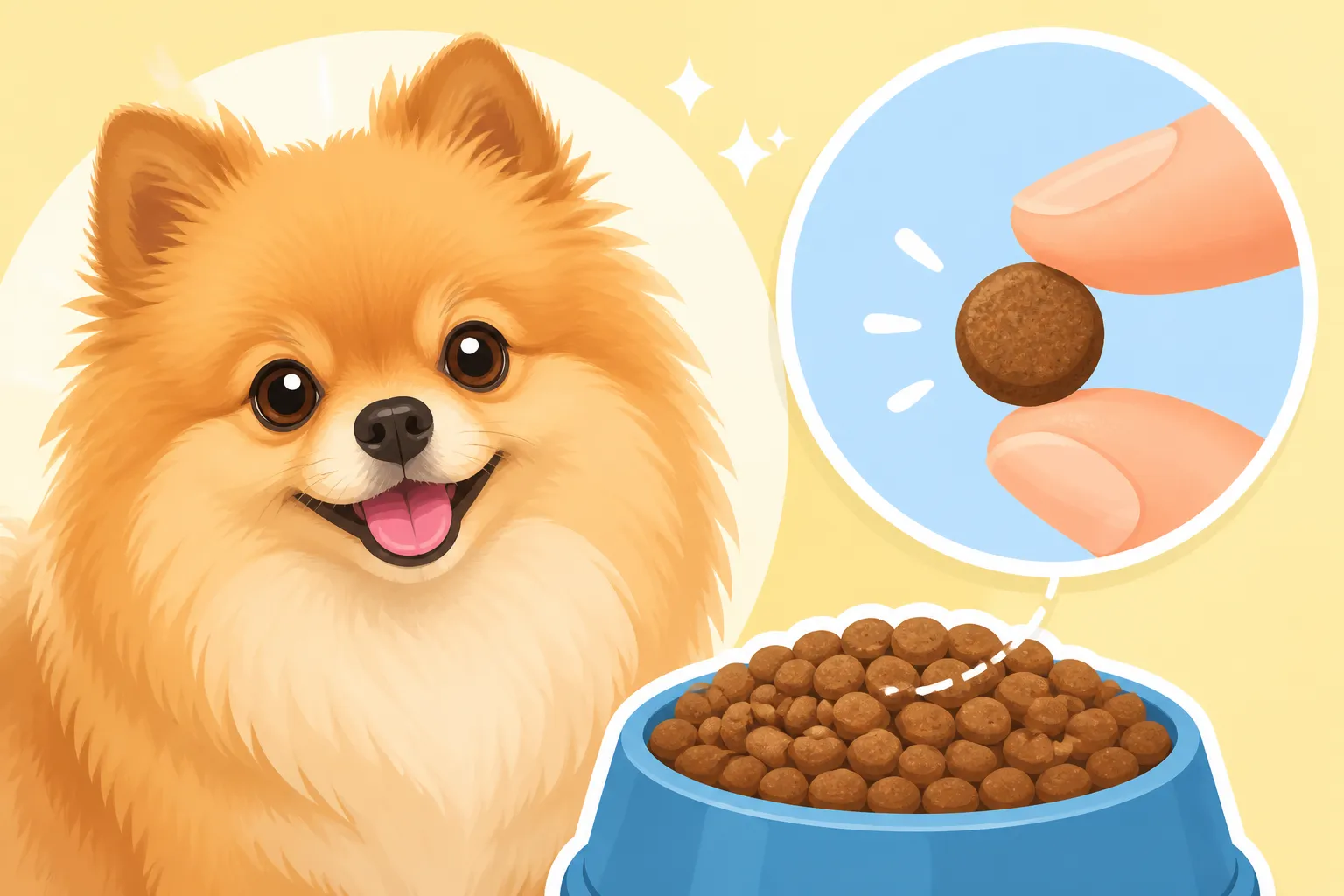
When we talk about kibble size, it's not just about diameter or length; shape and texture matter too. Some kibbles are round, some are flat discs, some are irregular nuggets, and others might have a hole in the middle. For a Pomeranian, a flatter, disc-shaped kibble can sometimes be easier to pick up than a perfectly round one that rolls away. However, the most critical factor is that the pieces are genuinely miniature. We're talking about pieces typically no larger than a small pea, and often even smaller.
Texture is also important. While a super crunchy kibble might offer some dental benefit, if it's too hard, your Pom might struggle to break it down. Look for kibble that is firm but can be crushed relatively easily between your fingers. This indicates it will be manageable for their delicate jaws. Brands that specifically design for "toy breeds" or "extra small breeds" often pay closer attention to these details, creating kibble that's genuinely scaled down for dogs weighing The Three to Seven Pounds a Pomeranian Should Hold. You might find some excellent options browsing specialized selections on sites like Chewy, which often allow you to filter by specific breed sizes.
Beyond Size: Nutritional Needs of a Pomeranian
While size is paramount, it's only one part of the equation. Pomeranians, like all dogs, have specific nutritional requirements that need to be met by their food. Being small, they have a higher metabolism relative to their body size compared to larger dogs. This means they often need a food that is calorie-dense and rich in high-quality protein to support their energy levels without needing to eat massive quantities. Look for formulas that list a quality animal protein (like chicken, lamb, or salmon) as the first ingredient.
They also benefit from a balanced blend of healthy fats, complex carbohydrates, and essential vitamins and minerals. Omega-3 and omega-6 fatty acids are particularly beneficial for maintaining their gorgeous double coat and healthy skin. Antioxidants support their immune system. Be cautious of foods with excessive fillers, artificial colors, or by-products, as these offer little nutritional value and can sometimes trigger sensitivities in delicate systems. Always check the guaranteed analysis on the back of the bag to ensure it aligns with the recommendations for small, active dogs.
Ingredients to Prioritize and Avoid
When you're scrutinizing ingredient lists, prioritize whole, recognizable ingredients. High-quality animal protein should always be number one, providing the building blocks for strong muscles and overall vitality. Healthy fats from sources like chicken fat, flaxseed, or fish oil are crucial for skin and coat health, as well as providing concentrated energy. Wholesome carbohydrates like sweet potatoes, brown rice, or oats offer sustained energy. Look for fruits and vegetables like blueberries, carrots, and spinach for natural vitamins and antioxidants.
Conversely, there are certain ingredients you might want to avoid or be wary of. Generic "meat meal" without specifying the animal source can be a red flag. Excessive corn, wheat, or soy as primary ingredients can be less digestible for some dogs and offer fewer nutrients. Artificial colors, flavors, and preservatives, while not necessarily harmful in small amounts, are generally unnecessary and often replaced by natural alternatives in higher-quality foods. Ultimately, the best choice will be one that provides complete and balanced nutrition, is highly digestible, and has kibble specifically designed for tiny mouths. Some fresh food delivery services, like Ollie, also offer highly customized meal plans with specific portioning, which can be a fantastic option if you're looking for an alternative to traditional kibble.
Transitioning Your Pomeranian to New Kibble
So, you've found the perfect, tiny kibble with all the right ingredients. Congratulations! But don't just dump a bowl of the new food down and expect your Pomeranian to dive in. Poms can be notoriously sensitive, both in their stomachs and their preferences. A sudden change in diet can lead to digestive upset, and even the most delicious new food might be rejected if introduced improperly. Gradual introduction is key to a happy belly and a happy Pom.
The Importance of a Gradual Switch
Think of it like easing yourself into a new routine – you don't just jump in headfirst. The same goes for your Pomeranian's digestive system. Their gut bacteria are finely tuned to the food they've been eating, and an abrupt change can throw everything off balance. This can result in diarrhea, vomiting, or a complete refusal to eat.
The best approach is a slow, measured transition over 7 to 10 days. Start by mixing a very small amount of the new kibble with their old food, perhaps just 10% new to 90% old. Feed this mixture for 2-3 days, observing your Pom for any signs of discomfort. If they're doing well, gradually increase the proportion of the new food while decreasing the old. For example, you might go to 25% new/75% old for another 2-3 days, then 50/50, then 75/25, until they are entirely on the new food. This allows their system to adjust gently and reduces the likelihood of an upset stomach. Remember, patience is a virtue, especially with our Poms.
Monitoring for Digestive Upset
During the transition, it's crucial to be a vigilant observer. Keep a close eye on your Pomeranian's stool consistency, frequency, and overall energy levels. Loose stools or diarrhea are the most common signs of digestive upset during a food change. You might also notice vomiting, a lack of appetite, or lethargy. If you see any of these symptoms, slow down the transition immediately. Revert to the previous ratio of food where your Pom was comfortable and hold it there for a few more days before attempting to increase the new food again.
If the issues persist even with a slow transition, or if symptoms are severe (e.g., watery diarrhea, frequent vomiting, extreme lethargy), it's time to consult your veterinarian. Sometimes, a particular ingredient in the new food simply doesn't agree with your individual Pom, or they might have an underlying sensitivity. Your vet can offer guidance, recommend probiotics, or suggest alternative food choices. Remember, your Pom's health is paramount, and listening to their body is always the best course of action. You may also find Foods That Give a Pomeranian a Bad Stomach helpful if issues arise.
Encouraging a Picky Pomeranian to Eat
Pomeranians, with their spirited personalities, can sometimes be notoriously picky eaters. If your Pom is giving the new kibble the cold shoulder, even with a gradual transition, it can be frustrating. First, ensure there's no underlying medical reason for their lack of appetite by checking with your vet. Once health is confirmed, you can try a few tricks to entice them.
Warm water or low-sodium chicken broth can be added to the kibble to enhance its aroma and soften it slightly, making it more appealing and easier to chew. Just make sure the kibble stays small and doesn't become a soupy mess they can swallow without effort. A tiny sprinkle of a favorite high-value treat, like freeze-dried liver crumbles or a bit of plain cooked chicken, mixed in with the new food can also act as a motivator. Some owners find that rotating small amounts of high-quality wet food toppers, carefully selected for small breeds, can also help. Keep meal times consistent and avoid leaving food down all day, as this can encourage pickiness; you can learn more about this in Why a Pomeranian Should Not Have Food Left Down. If your Pom turns up their nose, pick up the bowl after 15-20 minutes and offer it again at the next scheduled meal. Patience and consistency are key to encouraging good eating habits in a picky Pom.
Common Mistakes Pomeranian Owners Make with Kibble
We all want what’s best for our Poms, but sometimes, even with the best intentions, we can make missteps when it comes to their diet. These aren't failures, but rather opportunities to learn and refine our approach to their care. Understanding these common pitfalls can help you avoid them, ensuring your fluffy friend receives optimal nutrition and stays healthy.
Assuming All Small Breed Kibble is Equal
This is perhaps the biggest misconception. The label "small breed formula" is a broad category. It covers everything from a 10-pound Boston Terrier to a 3-pound Pomeranian. The kibble size, ingredient quality, and nutrient density can vary wildly between brands, even within the "small breed" designation. What's perfectly fine for a Miniature Poodle might still be too large or too hard for your tiny Pom.
It's crucial to read the labels carefully, look at the actual size of the kibble (sometimes photos on the bag or website can give you a clue, but physically inspecting it if possible is best), and consider the specific needs of a toy breed. Don't be swayed by just the "small breed" tag. Dig deeper. Look for brands that specifically mention "toy breed" or "extra small breed," as these often indicate a more precise focus on the unique mouth size and metabolic rate of dogs like Pomeranians. Remember, a blanket term doesn't always mean a perfect fit for your individual dog.
Feeding Too Much or Too Little
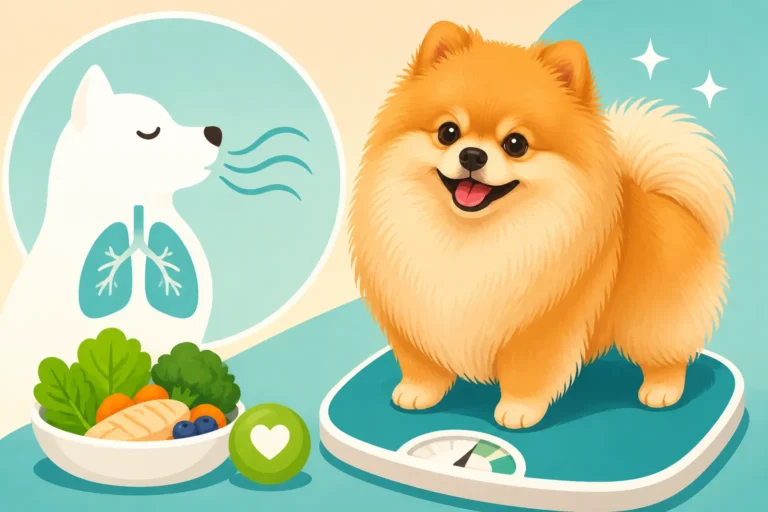
Pomeranians are small, but they are mighty and active! However, their tiny size means their caloric needs are much lower than larger dogs. It's incredibly easy to overfeed a Pomeranian, especially when those adorable eyes are begging for more. Just a few extra kibbles or treats a day can quickly lead to weight gain, which can exacerbate existing health issues like The Honking Cough of a Pomeranian's Collapsing Windpipe or Slipping Kneecaps in a Five Pound Pomeranian. On the flip side, underfeeding is also a concern, particularly for active Poms or puppies, who need consistent, adequate nutrition to fuel their growth and energy.
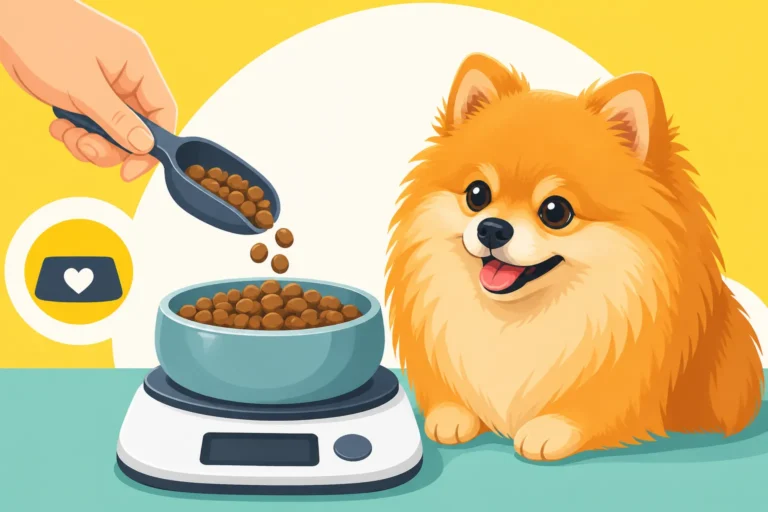
Always refer to the feeding guidelines on your chosen kibble bag, but treat them as a starting point, not an absolute rule. These guidelines are usually based on an average dog of that weight and activity level. Your individual Pom might need slightly more or less. How Many Cups a Five Pound Pomeranian Eats is often surprisingly small. Monitor your Pom's weight and body condition regularly. You should be able to feel their ribs easily without seeing them protruding, and they should have a discernible waist. If you're unsure, your vet can help you determine the ideal weight for your Pomeranian and calculate precise daily caloric intake. Precision matters when every ounce counts for a small dog.
Ignoring Dental Kibble's Limitations
Many owners gravitate towards "dental kibble" or "dental chews" hoping they will magically solve all their Pomeranian's dental woes. While these products can be a helpful part of a comprehensive dental care routine, they are rarely a standalone solution. For many Poms, dental kibble can still be too large or too hard to effectively clean their tiny, crowded teeth, which you can read more about in Why a Pomeranian's Teeth Crowd and Rot. If your Pom swallows it whole, there's no cleaning action at all.
Moreover, even if they do chew it, it typically only cleans the surface of the teeth, doing little for the crucial gum line where plaque and tartar often begin to accumulate. The most effective method for maintaining your Pomeranian's oral health remains daily tooth brushing, as discussed in Daily Tooth Care in a Pomeranian's Crowded Mouth. Think of dental kibble and chews as supplementary tools, not replacements for active dental hygiene. Relying solely on them is a common oversight that can lead to significant dental problems down the line.
Supplementing or Enhancing Your Pomeranian's Diet
Even with the perfect kibble, there are times when you might want to consider adding other elements to your Pomeranian's diet. This could be due to pickiness, specific health needs, or simply a desire to provide a bit of variety. It's a wonderful way to enrich their meals, but it needs to be done thoughtfully and safely to ensure they're still getting balanced nutrition.
When to Consider Wet Food or Toppers
Wet food or meal toppers can be a godsend for picky Pomeranians or those needing extra hydration. The rich aroma and softer texture of wet food can be incredibly enticing for a Pom that turns its nose up at dry kibble. It can also be beneficial for older Pomeranians with few teeth, making mealtime much easier and more comfortable for them, as explored in Softening Food for a Senior Pomeranian.
When choosing wet food or toppers, look for high-quality, small-breed specific options, just as you would with kibble. Ensure they are complete and balanced if you plan to use them as a significant portion of the meal, or carefully measure them if using as a topper to avoid overfeeding. Remember that wet food is often less calorie-dense than dry kibble, so adjust portion sizes accordingly. A small dollop mixed into their kibble, or a tiny amount warmed slightly, can make a huge difference in their willingness to eat. Just be mindful of the added calories to maintain The Three to Seven Pounds a Pomeranian Should Hold.
Safe and Unsafe Human Foods
Sharing a little bit of your meal with your Pom can feel like a bonding experience, and in moderation, many human foods are perfectly safe and even healthy treats. Small pieces of lean, cooked chicken or turkey (plain, no seasoning), boiled eggs, carrots, green beans, or blueberries make excellent, low-calorie snacks. These can also be great for rewarding good behavior or enticing a reluctant eater.
However, many human foods are toxic or dangerous for dogs. Never offer chocolate, grapes or raisins, onions, garlic, avocado, macadamia nuts, or anything with xylitol (a common artificial sweetener). Cooked bones should also be avoided as they can splinter and cause internal damage. Fatty or heavily seasoned foods, even if not toxic, can lead to pancreatitis or digestive upset in a small dog. Always err on the side of caution and research any human food before offering it to your Pomeranian. If in doubt, stick to dog-specific treats or plain, lean meats and veggies.
Nutritional Supplements and Their Role
The vast majority of commercially prepared, high-quality dog foods are formulated to be nutritionally complete and balanced, meaning they provide all the vitamins, minerals, and other nutrients your Pomeranian needs. In these cases, adding general nutritional supplements is usually unnecessary and, in some cases, could even be harmful if it leads to an overdose of certain vitamins or minerals.
However, there are specific situations where supplements might be beneficial, always under the guidance of your veterinarian. For example, a vet might recommend an omega-3 fatty acid supplement for coat health or to manage certain inflammatory conditions. Joint supplements like glucosamine and chondroitin might be suggested for older Poms or those predisposed to conditions like patellar luxation. Probiotics can sometimes help with digestive issues, especially during times of stress or after antibiotic treatment. Never start your Pomeranian on any supplement without first discussing it with your vet, as they can assess your dog's individual needs and recommend the appropriate type and dosage.
Where to Find Appropriate Kibble for Your Pomeranian
Finding the perfect kibble for your Pomeranian can feel like a quest, especially with so many options out there. But knowing where to look and what resources are available can make the process much smoother. It's not just about the big box stores; sometimes, the best options come from specialized sources or direct recommendations.
Specialized Pet Stores and Online Retailers
For a breed like the Pomeranian, you're often better off looking beyond the most basic offerings at a typical grocery store. Specialized pet stores, like Petco or PetSmart, usually have a wider selection of premium brands, including those with "toy breed" or "extra small breed" formulas. The staff in these stores might also be more knowledgeable about the specific needs of different small breeds and can guide you toward appropriate options.
Online retailers like Amazon and Chewy are fantastic resources because they offer an unparalleled selection and the convenience of home delivery. You can often filter by specific attributes like "kibble size" or "breed size," making it easier to narrow down choices. Many brands also provide detailed ingredient lists and customer reviews, which can be invaluable. Just be sure to cross-reference reviews with your own research and veterinarian's advice. These platforms also make it easier to compare prices and ensure you're getting a good deal on The Small Monthly Food Bill a Pomeranian Runs.
Consulting Your Veterinarian for Recommendations
Ultimately, your veterinarian is your best resource for personalized dietary advice. They know your Pomeranian's individual health history, any existing conditions, and their specific needs. During routine check-ups, discuss your Pom's diet with your vet. They can help you evaluate your current food, suggest brands they trust, and provide guidance on portion control to ensure your Pomeranian maintains a healthy weight.
Your vet might also recommend specific therapeutic diets if your Pom has particular health concerns, such as allergies, kidney disease, or digestive sensitivities. These prescription diets are formulated to manage specific conditions and are only available through veterinary clinics. Don't hesitate to bring your questions to your vet; their expertise is invaluable in ensuring your Pomeranian receives the best possible nutrition throughout their life.
| Kibble Feature | Ideal for Pomeranians | Why It Matters |
|---|---|---|
| Size | Very Small (pea-sized or smaller) | Prevents choking, easy to pick up, promotes proper chewing. |
| Shape | Flat discs, small irregular nuggets | Easier to grasp and chew than perfectly round pieces that roll. |
| Texture | Firm but easily crushable | Allows for effective chewing without being too hard on tiny jaws or retained teeth. |
| Protein Source | High-quality animal protein (first ingredient) | Supports high metabolism, muscle maintenance, and overall vitality in active toy breeds. |
| Fat Content | Balanced, from healthy sources | Essential for energy, healthy skin, and that glorious double coat. |
| Carbohydrates | Wholesome, complex carbs (e.g., sweet potato, brown rice) | Provides sustained energy without unnecessary fillers. |
| Avoid | Large kibble, excessive fillers, artificial additives | Reduces choking risk, improves digestibility, and provides better nutritional value. |
Disclaimer
This article is for general informational purposes only and does not constitute professional advice. Laws, prices and regulations vary by location and change over time. Consult a qualified professional for guidance on your specific situation.