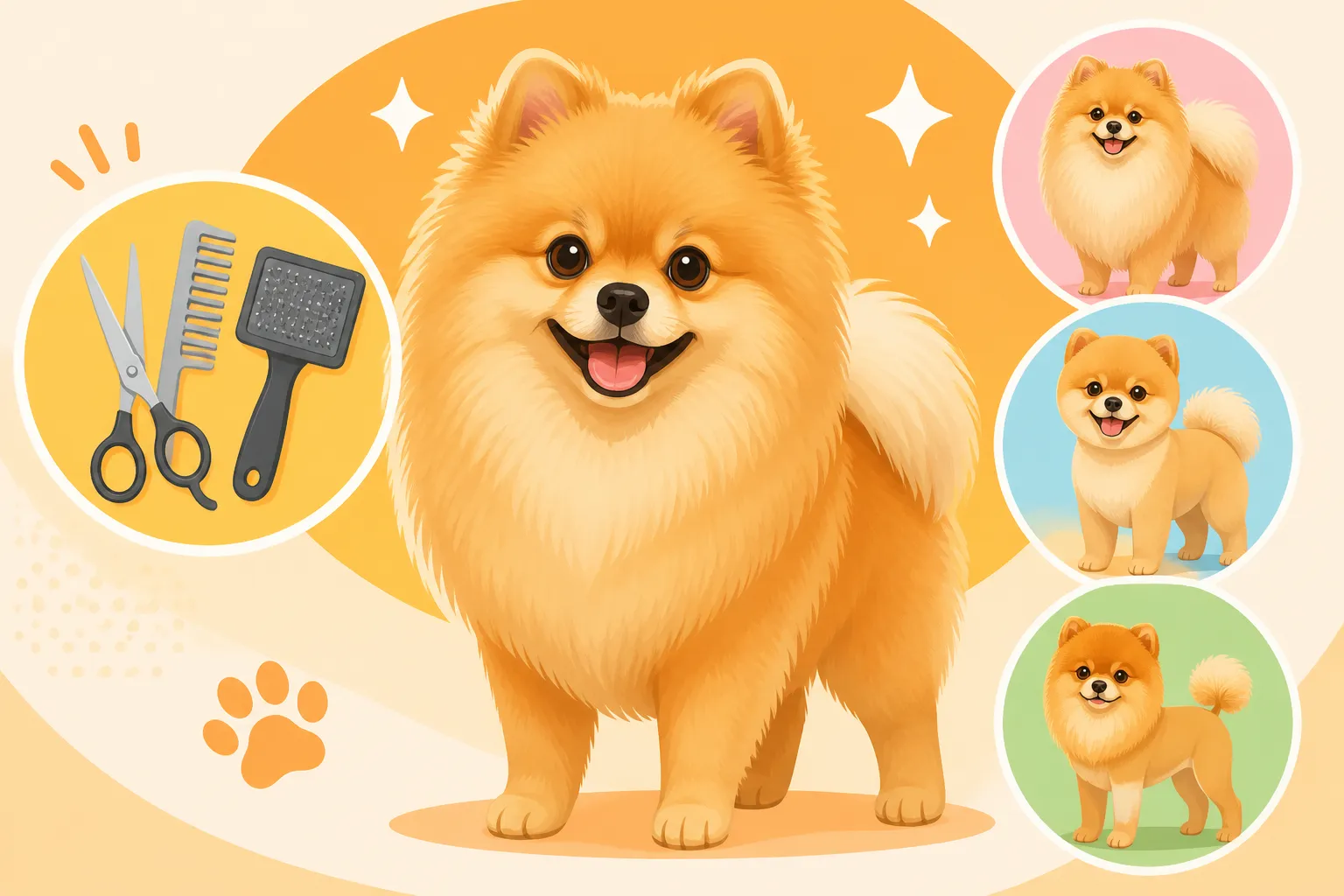
Trims a Pomeranian Can Safely Have
As a Pomeranian owner, you know the struggle: you adore that fluffy coat, but sometimes it feels like a never-ending battle against mats, dirt, and general scruffiness. You might wonder if a quick shave or a shorter clip would make life easier, especially when the weather heats up, or your little one gets into something messy. This guide is here to walk you through exactly which trims are safe and beneficial for your Pomeranian, and more importantly, which ones you should absolutely avoid to protect their unique double coat and overall well-being.
The Sacred Double Coat: Why Most Shaves Are a No-Go for Pomeranians
It's tempting to think a good shave will solve all your coat woes, or keep your Pomeranian cooler in summer. But for Pomeranians, their magnificent double coat is far more than just pretty fluff; it's a vital part of their health and protection. Understanding its structure is the first step in knowing how to care for it properly and what trims are truly safe.
What Makes Up That Iconic Fluff: Guard Hairs and Undercoat
A Pomeranian's coat is a marvel of nature, a dense, two-layered system designed for serious business in its ancestors' cold climates. On top, you have the coarse, straight guard hairs. These are the outer layer, giving your Pom that distinctive "stand-off" look. They're glossy, somewhat water-repellent, and act as the first line of defense against the elements. Think of them like a weatherproof jacket. These hairs also give the coat its vibrant color and shine.
Beneath this protective outer layer lies the undercoat. This is the real secret to their fluffiness and insulation. The undercoat is soft, dense, and woolly, providing warmth in winter and, surprisingly, helping to regulate body temperature in summer by trapping cool air. It's much shorter than the guard hairs and grows in copious amounts, especially during seasonal sheds. The Double Coat That Makes a Pomeranian and Why It Stays On goes into even more detail about this incredible structure. This delicate balance between the two layers is what keeps your Pomeranian comfortable and protected, and any trim needs to respect this natural design.
The Crucial Functions of a Pomeranian's Natural Insulation
Many owners are surprised to learn that a Pomeranian's double coat actually acts as an insulator against both cold and heat. In winter, the dense undercoat traps warm air close to the body, keeping them toasty. But in summer, it works like a natural air conditioner. The guard hairs create a barrier against direct sunlight, preventing sunburn, while the undercoat helps air circulate against the skin, keeping them cool. Imagine a thermos: it keeps hot drinks hot and cold drinks cold. A Pomeranian's coat does a similar job. Without this natural system, they are vulnerable to sunburn, overheating, and even developing hot spots.
Beyond temperature regulation, the coat also protects their delicate skin from scrapes, insect bites, and environmental irritants. It's a natural shield. When you compromise this coat, you expose your Pomeranian to a host of potential problems. This protective barrier is why thinking of it as "just hair" is a mistake; it's an essential part of their physiological well-being.
The Permanent Risks of Shaving Down to the Skin
This is where things get serious. Shaving a Pomeranian down to the skin, or very close, is almost universally discouraged by reputable groomers and vets for several critical reasons. The most talked-about risk is "Post-Clipping Alopecia" or "Coat Funk," often mistaken for Black Skin Disease and the Pomeranian Coat That Never Returns. While not exactly the same as true Alopecia X, the result can be visually similar: the guard hairs, and sometimes even the undercoat, may simply never grow back correctly. What you're left with is a patchy, dull, sparse coat, or in some cases, no hair at all in certain areas. This isn't just an aesthetic issue; it leaves your Pom defenseless.
When the guard hairs are clipped, it can damage the hair follicles, preventing them from producing new guard hairs or causing them to grow back with a different texture – often soft and cottony, which then mats even more easily. The undercoat might grow back faster than the guard hairs, creating an unbalanced coat that quickly tangles and fails to provide proper insulation. This damage can be permanent. Many owners share heartbreaking stories of their Pomeranians' coats never recovering after one shave, becoming a constant source of discomfort and health vulnerability. Why a Shaved Pomeranian May Not Regrow is a vital read if you're considering a short clip.
Essential Functional Trims: Keeping Your Pom Clean and Comfortable
While full body shaves are out, there are several practical and safe trims that are crucial for your Pomeranian's health and comfort. These aren't about changing their look dramatically but about preventing common problems and maintaining hygiene.
The Importance of Sanitary Trims for Hygiene
This is perhaps the most important functional trim for any long-haired dog, especially a Pomeranian with their abundant britches. A sanitary trim involves carefully trimming the hair around their private areas and under the tail. Why is this so vital? It prevents fecal matter and urine from getting trapped in the fur, which can lead to uncomfortable matting, skin irritation, infections, and unpleasant odors. Nobody wants that! Imagine trying to do their business and having everything get stuck in their long, fluffy pantaloons. It's unhygienic for them and for your home.
This trim should be done with safety scissors (blunt-tipped are best) and extreme care, cutting only the necessary hair. Many owners learn to do this at home, but a professional groomer can make quick work of it, especially if your Pom isn't a fan of having that area handled. A clean sanitary area makes potty breaks cleaner and reduces the risk of skin issues, which can escalate quickly in a dog with such dense fur. It’s about making sure your little fluffball is as clean and comfortable as possible, preventing unfortunate "cling-ons" that require immediate cleanup. Sanitary Trimming on a Pomeranian details the process further.
Trimming Around Paws for Better Traction and Less Tracking
Pomeranians have lovely, fluffy feet, often described as "cat-like" or "hare-like." However, the hair between their paw pads can grow quite long, creating several issues. Firstly, it can reduce traction on smooth surfaces like hardwood or tile, making them slip and potentially injure themselves, especially if they have pre-existing conditions like Slipping Kneecaps in a Five Pound Pomeranian. Secondly, this long hair acts like a magnet for dirt, debris, tiny pebbles, and even burrs from outside, tracking it all directly into your home. It can also hold moisture, which can lead to yeast or bacterial infections between the pads.
Carefully trimming the hair flush with the paw pads helps prevent these problems. It's a small trim that makes a big difference in cleanliness and safety. You'll need small, blunt-tipped scissors or a small clipper for this. Always be extra careful not to cut the pads themselves, which are very sensitive. Trimming the Tufts Between a Pomeranian's Pads provides specific instructions for this delicate task. Keeping these areas neat ensures your Pomeranian has better grip, fewer foreign objects stuck to their feet, and generally healthier paws.
Tidying Face and Ears for Clear Vision and Hearing
Pomeranians are known for their bright, intelligent expressions and perky, erect ears. To maintain these features and ensure their comfort, light trimming around the face and ears is often necessary. Hair growing into the eyes can cause irritation, tear staining, and even corneal ulcers if constantly rubbing against the eye surface. A small snip of stray hairs around the eyes can keep their vision clear and prevent discomfort. Be incredibly cautious when working near the eyes, always using blunt-tipped scissors and pointing them away from the eye itself.
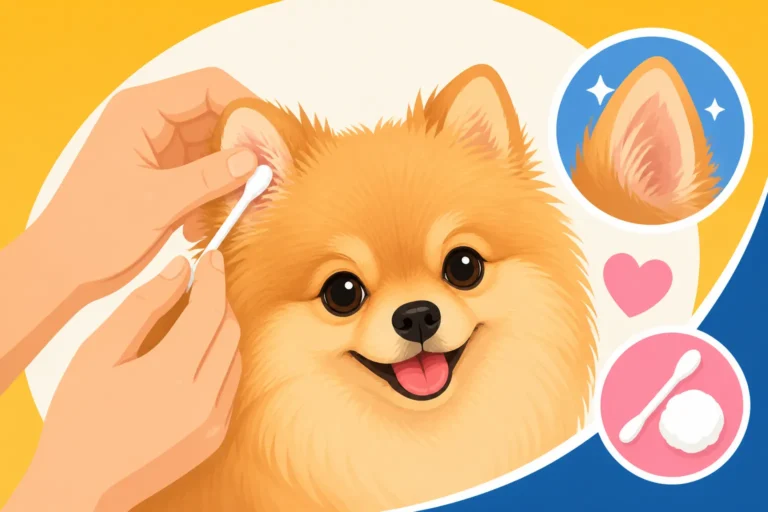
Similarly, while Pomeranians typically have less hair inside their ear canals than some breeds, excess hair around the ear flaps can sometimes interfere with air circulation or become matted, especially behind the ears where mats tend to form easily. A light tidying of stray hairs around the outer ear can enhance their characteristic look and prevent matting in that area. It's not about cutting the ear leather, but simply shaping the fur to keep it clean and out of the way. Nails, Ears and Feet on a Toy Sized Pomeranian offers a broader guide to caring for these important areas.
Acceptable Trims for Functionality and Comfort
Beyond the essential hygiene trims, there are specific, gentle trimming techniques that can tidy up your Pomeranian's coat without compromising its integrity. These focus on shaping and neatening, rather than removing substantial length.
The "Tidy Up" or "Show Trim": Enhancing Natural Beauty
A "tidy up" or "show trim" is designed to neaten the Pomeranian's natural outline, making them look well-groomed without altering their distinctive shape or removing significant coat length. It's all about precision. This might involve lightly trimming stray hairs around the feet to create a rounder, more compact appearance, or evening out the "britches" (the fluffy hair on their hindquarters) so they look symmetrical and tidy. The "ruff" around their neck and shoulders, a hallmark of the breed, can be lightly shaped to enhance its majestic appearance, but never cut short.
The goal is to maintain the dense, stand-off coat that is characteristic of the breed, merely refining the edges. This trim is often done with thinning shears or by "tipping" the ends of the guard hairs with scissors, taking off only a fraction of an inch. A good groomer understands that a Pomeranian's coat is meant to flow and stand out, not be sculpted into an unnatural shape. This approach respects the breed standard while ensuring your Pom always looks their best. It's the art of making them look perfectly natural, but impeccably groomed.
Light Feathering and Outline Trims
Pomeranians often have longer "feathering" on their legs, chest, and tail. While this adds to their charm, sometimes it can become a bit unruly or trap dirt. Light feathering trims involve carefully snipping just the very ends of these longer hairs to create a cleaner, neater line. This isn't about cutting them short, but about defining the outline. For example, the magnificent plume of a Pomeranian's tail can be lightly shaped to remove wispy ends and enhance its beautiful arch over the back, ensuring it flows elegantly.
Similarly, the hair on their chest and belly can be tidied to prevent it from dragging on the ground or getting tangled during play. These trims are minimal and preserve the length and volume of the coat while creating a more polished look. They require a steady hand and a good eye for the dog's natural lines. A common mistake is to try and give them a "haircut" like a poodle, which is entirely inappropriate for a Pomeranian's coat type. These gentle outline trims are about making the most of what nature gave them.
Dealing with Mats: Cutting Safely When Brushing Fails
Despite your best efforts with regular brushing, sometimes mats happen. Mats are painful for your Pomeranian, pulling on their skin and creating breeding grounds for skin infections. The absolute best way to deal with mats is prevention through diligent daily brushing. However, if a mat has become too tight or large to brush out without causing significant pain, then cutting it out becomes necessary.
If you must cut out a mat at home, use blunt-tipped scissors and always slide a comb between the mat and the skin first. This creates a barrier and helps you avoid accidentally cutting your dog's skin, which is surprisingly easy to do, especially in delicate areas like behind the ears or in the armpits. If a mat is very close to the skin or covers a large area, it's always safer to take your Pomeranian to a professional groomer or vet. They have specialized tools and expertise to remove mats safely and with minimal discomfort. Never try to pull or rip out a mat, as this is incredibly painful. For very severe matting, the only humane solution might be a very short clip underneath the matted areas only, performed by a professional, to relieve discomfort and allow the skin to breathe. This is a targeted cut, not a full body shave. Working a Pomeranian's Coat in Sections to the Skin is a great resource to help prevent mats in the first place.
Grooming Tools and Techniques for DIY Pomeranian Trims
Having the right tools and knowing how to use them makes all the difference when it comes to safe and effective at-home grooming for your Pomeranian. Investing in quality equipment will not only make the process easier but also safer for your furry friend.
Choosing the Right Scissors and Thinning Shears
For precise, safe trims on a Pomeranian, you'll want to avoid generic household scissors. Instead, look for dedicated grooming scissors. Blunt-tipped scissors are highly recommended for areas around the face, paws, and sanitary region, as they significantly reduce the risk of accidental nicks. These typically have rounded ends rather than sharp points. You might also find a small pair of straight-edged grooming scissors useful for more detailed work on foot feathering or shaping the britches.
Thinning shears are another excellent tool for a Pomeranian's coat. Unlike regular scissors, thinning shears have one serrated blade and one straight blade, designed to remove a small amount of hair with each cut without creating a harsh line. They are perfect for softening edges, blending different coat lengths, or lightly reducing bulk without taking away the coat's structure. You can use them to neaten the ruff, shape the tail, or thin out overly dense areas around the britches gently. Remember, the key is to take off very little at a time and step back to assess your work often. Many good quality grooming tools, including thinning shears and blunt-tipped scissors, can be found on Amazon or Chewy.
Nail Trimmers and Grinders for Paw Care
While not directly a "trim" of the coat, nail care is an essential part of paw maintenance and overall health. Overgrown nails can cause pain, deform your Pomeranian's foot structure, and lead to problems with walking. They can also snag and tear, which is a painful emergency. You have two main options for nail care: clippers or a grinder.
Nail clippers, either scissor-style or guillotine-style, are effective for quickly removing length. Always ensure they are sharp to make a clean cut and avoid crushing the nail. The biggest challenge is knowing how much to cut to avoid the "quick," the sensitive part of the nail containing blood vessels and nerves. Cutting the quick is painful and can cause bleeding. If you're nervous, try a nail grinder. These battery-operated tools file down the nail gradually, allowing you more control and reducing the risk of hitting the quick. They are also less intimidating for some dogs. Whichever method you choose, introduce it slowly and make it a positive experience with treats. Regular nail trims, about every 2-4 weeks, are crucial.
Safe Bathing and Drying Practices Before Trimming
Proper preparation is key for any trim. This means a clean, thoroughly dried, and brushed-out coat. Attempting to trim a dirty, matted, or damp coat is a recipe for disaster. The scissors won't cut cleanly, you'll pull on the hair, and you won't be able to achieve an even look.
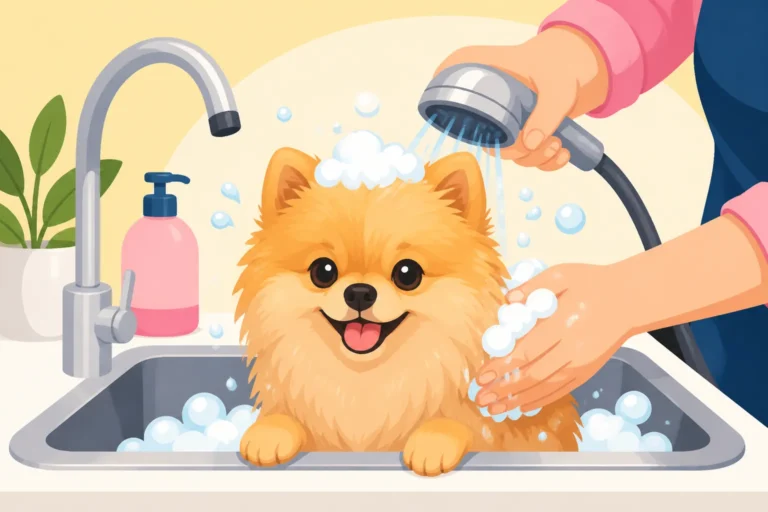
First, give your Pomeranian a good bath using a quality dog shampoo designed for double coats. Always ensure the water is lukewarm and rinse thoroughly to remove all shampoo residue, which can irritate the skin and dull the coat. After the bath, the drying process is critical. Towel dry gently, then use a pet-specific force dryer or a human hair dryer on a cool or low-heat setting, keeping it moving constantly to avoid burning the skin. As you dry, use a slicker brush and a metal comb to line-brush the coat, ensuring it's completely dry and free of tangles down to the skin. This "fluff drying" technique helps the coat stand off beautifully and makes trimming much easier and more accurate. Drying a Pomeranian Without Damaging the Coat provides more detailed advice on this important step.
When to Absolutely Avoid Certain Trims
Some trims, despite their popular appeal or convenience, are detrimental to a Pomeranian's health and the integrity of their coat. Knowing these "no-go" zones is just as important as knowing the safe ones.
The Myth of the "Cooling Shave"
One of the most persistent myths among dog owners, especially those with double-coated breeds, is that shaving them helps them stay cooler in summer. While it might seem logical to remove a thick coat in warm weather, for a Pomeranian, it actually does the opposite and exposes them to greater risks. As discussed earlier, their double coat acts as insulation against heat, much like how desert dwellers wear loose, layered clothing to protect themselves from the sun and trap cooler air.
When you shave off the coat, you remove this natural insulation. The skin is then directly exposed to the sun's harsh UV rays, significantly increasing the risk of sunburn, which can be painful and lead to skin cancer. Furthermore, without the protective barrier of their coat, they are more susceptible to insect bites and skin irritations. Instead of cooling, a shave can lead to overheating because their natural cooling system has been compromised. Their coat protects them, not traps heat. If you're worried about your Pomeranian in hot weather, focus on providing shade, fresh water, limiting exercise during peak heat, and keeping their coat well-brushed to remove loose undercoat, which does help air circulation. A Pomeranian's Coat in Ninety Degree Heat offers more tips for summer care.
Long-Term Damage from Close Clipping
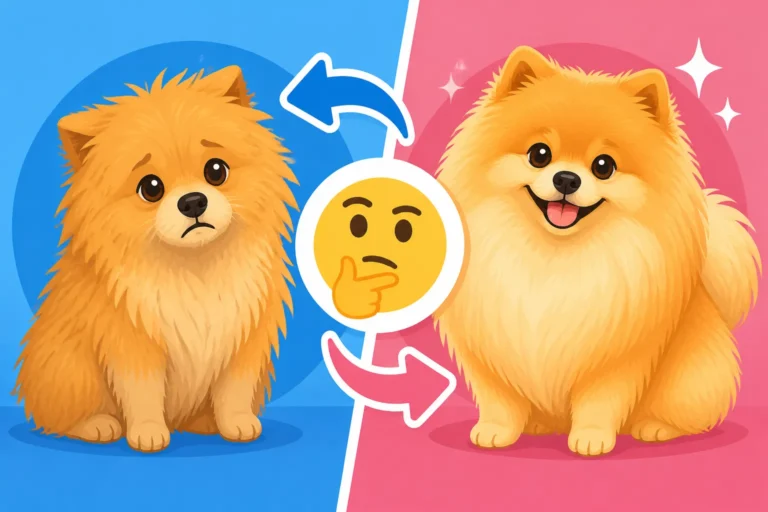
Beyond the initial shock and the risk of Post-Clipping Alopecia, close clipping can have long-term negative effects on the texture and health of a Pomeranian's coat. Even if the hair does grow back, it may return with a dramatically altered texture. The guard hairs might become soft and cottony, losing their characteristic harshness and stand-off quality. This altered texture is far more prone to matting and tangling, creating a vicious cycle where the owner might feel compelled to shave again, further damaging the coat.
Moreover, the undercoat may grow in thicker and faster than the guard hairs, leading to a coat that is difficult to manage, sheds excessively, and doesn't provide the same level of protection or insulation as the original coat. This can lead to persistent skin issues, an imbalance in natural oils, and constant discomfort for the dog. Essentially, a single close clip can fundamentally change the biology of their coat for the rest of their lives, transforming a beautiful, functional double coat into a problematic, high-maintenance mess. It's a risk that's rarely worth taking.
Understanding "Puppy Uglies" vs. Shave Damage
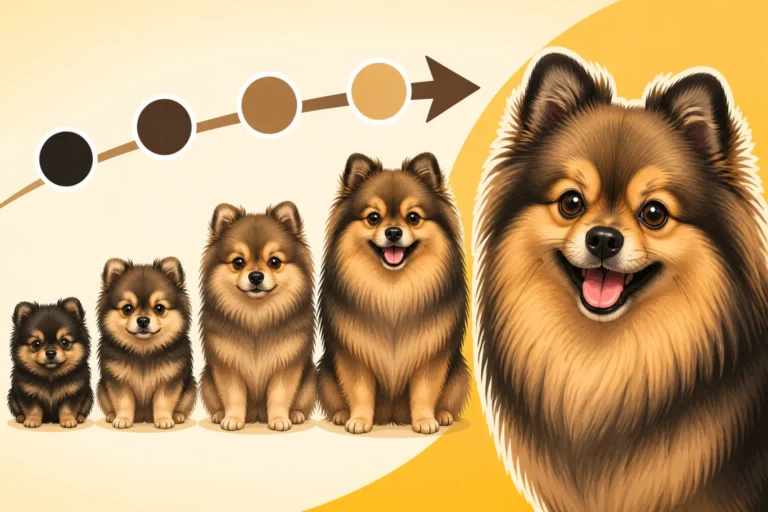
New Pomeranian owners might sometimes get confused when their puppy goes through the "puppy uglies" phase, which involves a significant coat change. Around 4-10 months of age, Pomeranian puppies start to shed their soft puppy coat and grow in their denser adult double coat. During this time, they can look rather scraggly, patchy, and generally less fluffy than expected. This is a completely natural process, and the adult coat will eventually grow in beautifully. The Coat Blow and the Pomeranian Puppy Uglies describes this stage in detail.
However, some owners might mistakenly think their puppy's coat is problematic and consider shaving it to "help it grow." This is a critical error. Shaving during the puppy uglies can potentially interfere with the proper development of the adult coat and trigger the same Post-Clipping Alopecia issues seen in adult Poms, only at a younger, more vulnerable stage. It's crucial to understand that the puppy uglies are a temporary, natural phase, whereas shave damage can be permanent. Patience and diligent brushing are the best "trims" during this developmental period.
Comprehensive Coat Care for Long-Term Health
Beyond specific trims, maintaining your Pomeranian's coat requires a holistic approach, considering nutrition, regular grooming practices, and adapting to seasonal changes.
The Role of Diet and Supplements in Coat Quality
Just like human hair, a dog's coat is a reflection of their internal health, and diet plays a massive role. A high-quality diet rich in protein, healthy fats (especially omega-3 and omega-6 fatty acids), and essential vitamins and minerals is fundamental for a healthy, shiny coat. Look for dog foods that list a named meat source as the first ingredient. Brands like Ollie offer fresh, human-grade food that can contribute to excellent skin and coat health due to their nutrient density.
Sometimes, even with a good diet, a Pomeranian might benefit from supplements, especially those rich in omega fatty acids, like fish oil. These can help reduce shedding, improve skin hydration, and add a beautiful luster to the coat. Consult your vet before adding any supplements to ensure they are appropriate for your dog's specific needs and won't interact negatively with any existing conditions or medications. A healthy coat starts from the inside out, making nutrition a cornerstone of good grooming. Whether a Pomeranian Needs Fish Oil for Its Coat delves into the benefits of specific supplements.
Bathing and Drying Practices
While we covered bathing as preparation for trimming, it's also a regular part of coat maintenance. Pomeranians generally don't need frequent baths – every 3-4 weeks, or as needed if they get particularly dirty, is usually sufficient. Over-bathing can strip essential oils from their skin and coat, leading to dryness and irritation. Always use a shampoo specifically formulated for dogs, ideally one designed for double coats, and ensure it's thoroughly rinsed out.
The drying process is just as important as the bath itself. Leaving a Pomeranian's dense undercoat to air dry can lead to mildew, skin infections, and severe matting as the hair clumps together. Always aim for a full blow dry, using a dog-specific dryer or a human dryer on a cool setting. Brush thoroughly as you dry, getting down to the skin, to separate the hairs and ensure all layers are completely dry. This "fluff drying" technique helps maintain the stand-off quality of their coat and prevents mats from forming deep within. Shampoo That Will Not Flatten a Pomeranian's Coat provides excellent guidance on product selection.
Regular Brushing: Your Best Defense
This cannot be stressed enough: regular, thorough brushing is the single most important part of Pomeranian coat care, far more crucial than any trim. Daily brushing, or at least every other day, is essential to prevent mats, remove loose undercoat, distribute natural oils, and keep their skin healthy. It's a commitment, but it pays dividends in avoiding discomfort and costly professional dematting.
You'll need a good quality slicker brush and a metal comb. The technique involves line-brushing, where you part the coat and brush in sections, making sure to get down to the skin, not just skimming the top layer. Pay special attention to areas prone to matting: behind the ears, in the armpits, under the harness, and in the britches. Removing loose undercoat not only prevents mats but also helps air circulate better, aiding in temperature regulation year-round. Think of brushing as your primary tool for "trimming" the coat by removing dead hair, allowing healthy new growth and keeping your Pomeranian comfortable and looking magnificent. Working a Pomeranian's Coat in Sections to the Skin is a must-read for mastering proper brushing technique.
Safe vs. Risky Trims for Pomeranians
| Trim Type | Description | Why It's Safe/Risky |
|---|---|---|
| Sanitary Trim | Clipping hair around anus and genitals. | Safe & Essential: Prevents matting, infection, and maintains hygiene. Keeps poop/pee from getting stuck in fur. |
| Paw Pad Trim | Trimming hair between paw pads. | Safe & Essential: Improves traction, prevents debris collection, reduces slipping, and lowers risk of infections. |
| Ear & Eye Area Tidy | Lightly trimming stray hairs around eyes for clear vision, and shaping fur around ears. | Safe & Essential: Prevents irritation, tear staining, and mats. Maintains the breed's distinct facial expression. |
| "Tidy Up" / "Show Trim" | Minimal shaping of feathering, britches, and ruff to neaten the natural outline, using thinning shears. | Safe: Enhances natural beauty without altering coat structure. Respects the double coat's integrity. |
| Targeted Mat Removal | Carefully cutting out only matted sections when brushing fails, with a comb barrier. | Safe (if done carefully/professionally): Relieves pain and prevents skin issues. Risky (if not careful): Can cut skin; full body matting often requires professional intervention. |
| Full Body Shave | Clipping the entire coat very short, exposing the skin. | RISKY & NOT RECOMMENDED: Can permanently damage coat growth (Post-Clipping Alopecia), eliminates natural insulation (risk of overheating/sunburn), and exposes skin to elements/irritants. |
| "Lion Cut" / "Teddy Bear" | Styling cuts that drastically shorten the body fur while leaving a mane/head. | RISKY & NOT RECOMMENDED: While some groomers offer a very specific "teddy bear trim" that only removes minimal length, most versions involve substantial clipping, carrying the same risks as a full shave for a Pomeranian's coat health. |
Disclaimer
This article is for general informational purposes only and does not constitute professional advice. Laws, prices and regulations vary by location and change over time. Consult a qualified professional for guidance on your specific situation.