The Guard Hair and Undercoat of a Pomeranian
Many new Pomeranian parents find themselves utterly enchanted by their pup's fluffy, cloud-like appearance, but they quickly discover that maintaining that glorious coat is a whole different ballgame. Misunderstandings about the unique double coat can lead to accidental damage, discomfort for your beloved Pom, and even long-term coat problems. This guide is here to unravel the mysteries of your Pomeranian's guard hair and undercoat, explaining their crucial functions and offering practical, empathetic advice for proper care.
Understanding the Pomeranian's Double Coat
The Pomeranian's distinctive look isn't just about volume; it's a marvel of canine coat engineering. Unlike single-coated breeds, Poms possess a sophisticated double coat designed for protection and insulation. Grasping the difference between these two layers is the first step toward becoming a truly knowledgeable Pomeranian owner and ensuring your little companion stays comfortable and healthy.
The Guard Hairs: Your Pom's First Line of Defense
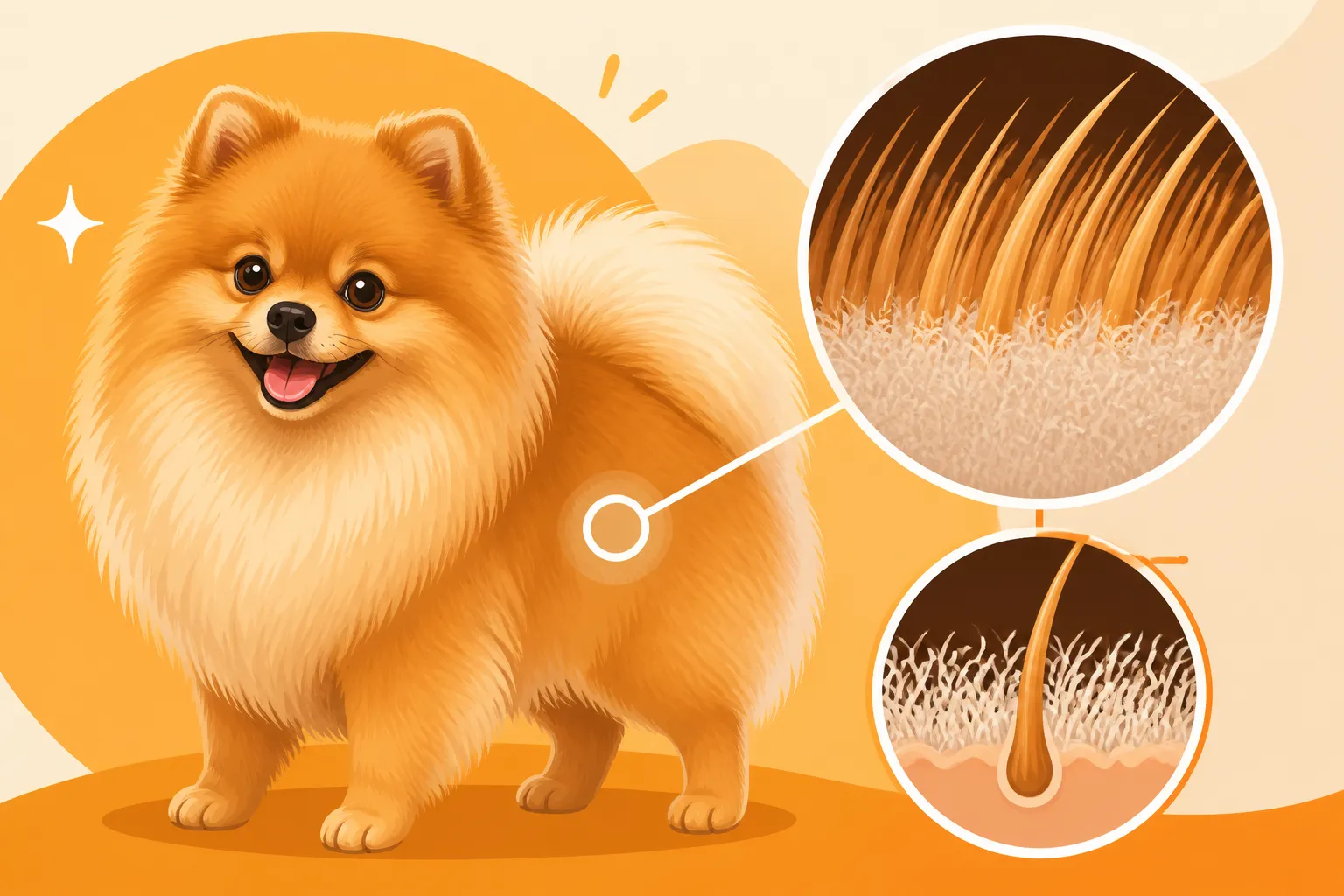
Imagine a tiny, fluffy knight in shining armor – that's essentially what your Pomeranian's guard hairs are. These are the longer, coarser, and straighter hairs that form the outermost layer of the coat. They're designed to stand off from the body, giving the Pomeranian its signature "puffball" silhouette. These aren't just for show, though. Their primary role is protection. They act like a natural shield, repelling water, dirt, and debris, preventing them from reaching the skin. Think about how raindrops bead up on a well-maintained Pom's coat; that's the guard hairs doing their job. They also offer a degree of protection against minor scrapes and insect bites, safeguarding the delicate skin underneath.
The texture of guard hairs is distinct from the softer undercoat. While the undercoat is downy and plush, the guard hairs are firmer and more resilient. This difference in texture is key to their function. They create a protective barrier that keeps moisture out while allowing air to circulate, which is vital for skin health and temperature regulation. When you run your fingers through a well-groomed Pomeranian's coat, you'll feel this tougher outer layer first, providing structure and loft to the overall appearance.
The Undercoat: A Fluffy Insulator
Beneath that protective layer of guard hairs lies the true secret to the Pomeranian's warmth and comfort: the undercoat. This layer consists of dense, soft, downy fur that is much shorter and finer than the guard hairs. Its primary function is insulation. In colder climates, this thick undercoat traps a layer of warm air close to the body, keeping your Pomeranian toasty even in chilly weather. Conversely, in warmer temperatures, it works to trap cooler air, helping to keep your dog from overheating. It's a natural air conditioning system, if you will.
The sheer density of the undercoat is what gives the Pomeranian its remarkable fluffiness. If you gently part the guard hairs, you'll see a thick, woolly layer packed tightly against the skin. This density is also why regular grooming is so critical. Without proper brushing, this soft undercoat can easily mat and felt close to the skin, which not only looks unsightly but also compromises its insulating properties and can lead to skin irritation. A healthy undercoat is evenly distributed and can be easily combed through, showcasing its soft, plush texture.
How the Two Layers Work Together
The magic of the Pomeranian's coat truly lies in the synergistic relationship between the guard hairs and the undercoat. They aren't independent entities; they are designed to work in perfect harmony. The stiff, outward-standing guard hairs provide the framework, creating space for the dense undercoat to loft and trap air. This "stand-off" quality is what gives the Pomeranian its characteristic full, round appearance and is crucial for both protection and thermoregulation.
When the coat is healthy and well-maintained, the guard hairs act like an umbrella, shedding water and dirt, while the undercoat acts like a down jacket, insulating against temperature extremes. This dual-layer system is incredibly efficient. However, if one layer is compromised, the entire system can fail. For instance, if the undercoat becomes matted, it can pull on the guard hairs, causing discomfort and preventing proper air circulation. If the guard hairs are damaged or removed, the undercoat becomes exposed and vulnerable. Understanding this dynamic is fundamental to responsible Pomeranian care.
Why the Double Coat is So Important
It's easy to look at a Pomeranian's magnificent coat and think it's purely for aesthetics, but nothing could be further from the truth. This double coat is a vital part of their physiology, a natural defense mechanism that has evolved over generations to keep them safe, comfortable, and healthy. Appreciating its importance helps owners make better decisions about grooming, environment, and overall care.
Temperature Regulation in All Seasons
Perhaps the most critical function of the Pomeranian's double coat is its ability to regulate body temperature. This isn't just about keeping them warm in winter; it's about maintaining a stable internal temperature year-round. In cold weather, the dense undercoat traps warm air, acting as a natural thermal barrier. It prevents body heat from escaping too quickly, allowing your Pom to enjoy crisp autumn walks or even a bit of snow play without getting chilled. This is a genetic inheritance from their larger Spitz ancestors who thrived in colder northern climates.
Conversely, in hot weather, the coat surprisingly acts as an insulator against heat. The outer guard hairs create a canopy, shielding the skin from direct sunlight and its accompanying UV rays. The airy space between the guard hairs and the skin, supported by the fluffy undercoat, allows for air circulation, which helps dissipate heat and keep the skin cooler than if it were exposed. Removing this coat in summer, thinking it will cool them down, is often counterproductive and can lead to sunburn and heat stroke. Their coat is literally their built-in climate control system, making them surprisingly adaptable to various temperatures, within reason.
Protection from Elements and Injuries
Beyond temperature control, the robust double coat serves as a significant protective barrier. The guard hairs are quite tough, offering a physical shield against a variety of environmental hazards. This includes protection from rain, snow, and even the irritating effects of dust, pollen, and other allergens that might otherwise settle directly on the skin. Imagine your Pom darting through a bush during a walk; their coat helps deflect thorns and burrs, or at least makes them easier to spot and remove from the outer layer rather than getting embedded in the skin.
Furthermore, this thick fur offers a degree of protection against minor physical trauma. A playful nip from another dog, a clumsy bump against furniture, or a scratch from an overgrown rose bush are less likely to break the skin thanks to the dense padding of the coat. It also offers protection against insect bites and stings, creating an additional layer that makes it harder for pests to reach the skin. The natural oils in the coat contribute to its water-repellent qualities, keeping the skin dry and healthy, which is crucial for preventing dermatological issues.
The Distinctive Pomeranian Look
While protection and function are paramount, we can't ignore the aesthetic aspect. The unique combination of guard hairs and undercoat is what gives the Pomeranian its iconic, glamorous appearance. That magnificent ruff around their neck, the full feathering on their britches, and the spectacular plume of a tail carried proudly over their back are all thanks to the dense double coat. Without both layers in their natural state, a Pomeranian simply doesn't look like a Pomeranian.
Breed standards worldwide emphasize the importance of this coat. Judges look for a coat that is "double, with a short, dense undercoat and a long, straight, harsh-textured outer coat. It should be abundant and stand off from the body." This specific structure is what allows the coat to create that striking silhouette and luxurious texture. Any alteration to this natural structure, especially through shaving, can permanently diminish this hallmark characteristic, impacting not just appearance but also the coat's functional integrity. The coat is a huge part of what makes a Pom a Pom.
Common Misconceptions and Damage
Unfortunately, a lack of understanding about the Pomeranian's double coat often leads to well-intentioned but ultimately damaging grooming practices. Many new owners, and even some inexperienced groomers, don't realize the delicate balance of this unique coat, resulting in issues that can take years to correct, if they can be corrected at all. Avoiding these pitfalls is crucial for maintaining your Pomeranian's coat health and overall well-being.
The Dangers of Shaving a Pomeranian
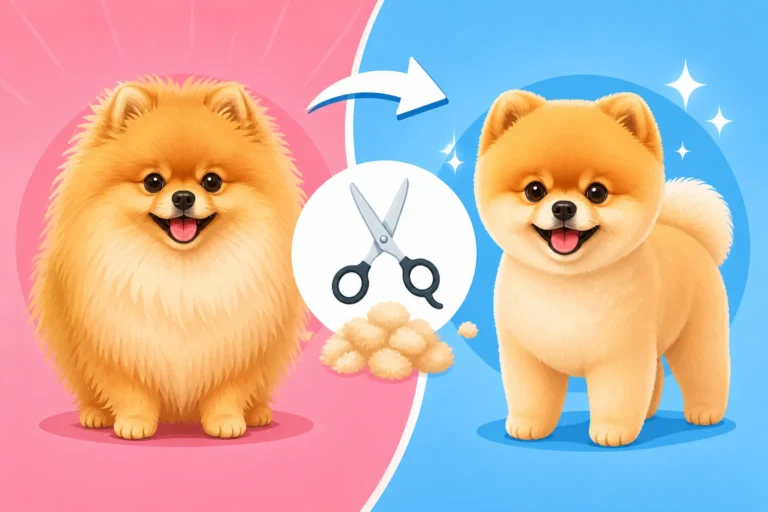
One of the most widespread and damaging misconceptions is that shaving a Pomeranian will help them stay cool in summer. This is generally not true for double-coated breeds and can have serious, long-term consequences. When a Pomeranian is shaved down, especially if the undercoat is removed entirely, you strip away their natural insulation and protection. This can lead to them becoming more susceptible to heatstroke and sunburn because their skin is now directly exposed to the elements. The coat's natural architecture is destroyed, impairing its ability to regulate temperature.
Beyond the immediate risks, shaving can also lead to a condition known as "post-clipping alopecia" or "coat Funk," often mistaken for Black Skin Disease and the Pomeranian Coat That Never Returns. In these cases, the coat may grow back patchy, uneven, or even fail to grow back at all, leaving thin, coarse guard hairs and minimal undercoat. The texture can change dramatically, becoming woolly or sparse, and the iconic stand-off quality is often lost. The original soft undercoat and harsh guard hairs may never fully return to their former glory. This is why most reputable groomers will refuse to shave a double-coated breed unless medically necessary.
Damage from Improper Brushing Techniques
Just as harmful as shaving can be improper brushing. While regular brushing is essential, using the wrong tools or techniques can seriously damage both the guard hairs and the undercoat. Over-brushing with harsh tools, especially on a dry coat, can break the delicate guard hairs, leading to a dull, frizzy appearance and making the coat more prone to matting. Similarly, aggressive "raking" of the undercoat with inappropriate tools, such as some deshedding tools, can pull out healthy undercoat and even damage the guard hairs. For more on this, check out Whether a Deshedding Tool Damages a Pomeranian Coat.
A common mistake is focusing only on the top layer of the coat, neglecting the dense undercoat closer to the skin. This leads to what's called "surface brushing," where the top looks fine, but underneath, mats are secretly forming, tightening against the skin. These hidden mats can become painful, restrict movement, and lead to skin infections due to lack of air circulation. They can also pull on the guard hairs, making the entire coat uncomfortable. Always ensure your brush reaches all the way to the skin, gently detangling the undercoat without tearing or pulling.
Understanding "Coat Blow" and Puppy Uglies
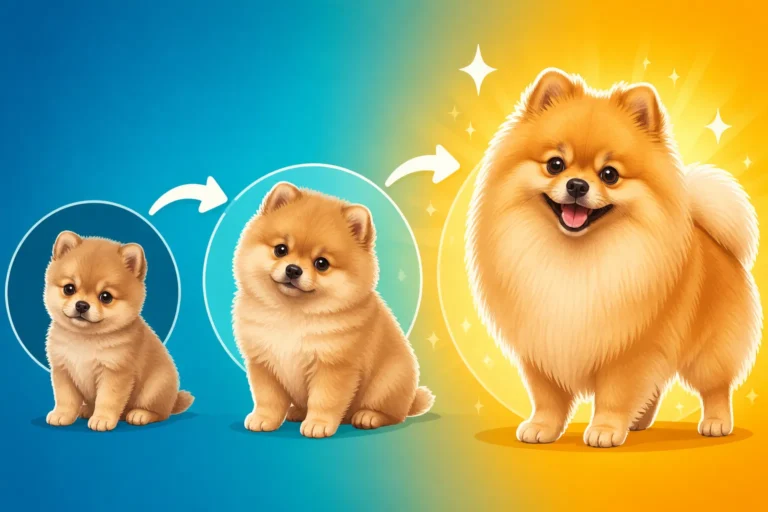
For new Pomeranian owners, the terms "coat blow" and "puppy uglies" can sound alarming, but they are entirely natural processes that occur in your dog's life. The "puppy uglies" refer to the period, typically between 4 and 10 months of age, when a Pomeranian puppy loses its soft, fluffy puppy coat and begins to grow in its adult double coat. During this phase, they can look quite scruffy, with patchy fur and a generally awkward appearance. It's a temporary stage, and proper grooming during this time is crucial to encourage the healthy development of the adult coat. You can learn more about this transformative period in The Coat Blow and the Pomeranian Puppy Uglies.
"Coat blow," on the other hand, is a cyclical event that adult Pomeranians experience, usually once or twice a year, where they shed their entire undercoat in preparation for new growth. This is particularly common in intact females after a heat cycle or whelping, but also occurs seasonally in both sexes. During a coat blow, your Pom will shed an incredible amount of undercoat, and you might feel like you're brushing out an entire second dog. This is normal and necessary for maintaining a healthy coat. Owners often panic and think their dog is ill, but it's just nature doing its job. Consistent, gentle brushing is key during these periods to remove dead undercoat and prevent matting.
Essential Grooming for a Healthy Double Coat
Maintaining that magnificent Pomeranian coat requires dedication, the right tools, and a consistent routine. It's not just about aesthetics; proper grooming is fundamental to their health and comfort. Neglecting their double coat can lead to painful mats, skin issues, and even changes in temperament. But don't worry, once you get into a rhythm, it becomes a bonding experience for you and your little fluffball.
Daily or Weekly Brushing Routine
For a Pomeranian, brushing isn't just an occasional chore; it's a regular necessity. Ideally, your Pom should be brushed at least 2-3 times a week, and during periods of heavy shedding (like a "coat blow"), daily brushing might be required. For more specific guidance, see How Many Times a Week a Pomeranian Is Brushed. The goal is to prevent mats from forming and to remove loose undercoat and guard hairs, which helps maintain the coat's insulating properties and allows for proper air circulation to the skin.
Start by laying your Pomeranian on their side, or have them stand comfortably on a grooming table if they're used to it. Work in small sections, always brushing down to the skin. Lift the top layer of guard hairs with one hand and brush the undercoat beneath, working your way through the entire body, paying special attention to areas prone to matting like behind the ears, under the armpits, and the "britches" (the fluffy fur on their hindquarters). Consistent, gentle sessions, perhaps starting with just 5-10 minutes a day, will build their tolerance and make grooming a positive experience. Treats and praise go a long way!
Tools of the Trade for Poms
Having the right grooming tools is half the battle when it comes to maintaining a Pomeranian's double coat. Skimping on quality here can make the process harder for you and more uncomfortable for your dog. For a comprehensive look at essential tools, consider The Slicker and Pin Brush a Pomeranian Needs.
The primary tools you'll need are:
- Slicker Brush: This brush has fine, wire bristles set close together, usually with a rubber backing. It's excellent for detangling the undercoat and removing loose fur. Always use a gentle, sweeping motion, not digging into the skin.
- Pin Brush: With longer, widely spaced pins, this brush is good for general brushing, fluffing the coat, and working through the outer guard hairs. It helps to separate the strands without pulling too much.
- Metal Comb (or Greyhound Comb): Essential for checking your work and tackling stubborn tangles. One side typically has wider teeth, the other finer. The wide-toothed end is great for initial detangling, while the finer end can be used to ensure the coat is completely free of knots.
- Detangling Spray: A good quality detangling spray can make brushing much easier, especially if your Pom is prone to mats. It helps to lubricate the hair, allowing the brush to glide through more smoothly. You can find excellent options on Amazon or Chewy.
Always brush your Pomeranian when their coat is dry, unless you're specifically line-drying after a bath. Brushing a wet or damp coat can stretch and break the hairs, leading to damage.
Bathing and Drying Best Practices
Bathing a Pomeranian isn't an everyday event. Over-bathing can strip the natural oils from their skin and coat, leading to dryness and irritation. Generally, a bath every 3-4 weeks is sufficient, or as needed if they get particularly dirty. For more details on frequency, see How Rarely a Pomeranian's Coat Should Be Washed. Use a shampoo specifically formulated for dogs, preferably one designed for double coats or sensitive skin, and always follow with a good conditioner to help moisturize the coat and prevent tangles.
The drying process is just as crucial as the bath itself, if not more so. Allowing a Pomeranian's double coat to air dry can lead to matting, especially in the undercoat, and can even encourage bacterial or fungal growth due to trapped moisture. You'll need a good quality pet dryer (a human hairdryer can be too hot and damage the coat). As you dry, use your slicker brush to "line dry" the coat, meaning you brush against the direction of growth while blowing air, ensuring that every layer of the undercoat is completely dry and fluffy. This also helps the guard hairs stand off properly. For detailed techniques, refer to Drying a Pomeranian Without Damaging the Coat. It takes time and patience, but proper drying is absolutely essential for maintaining the health and appearance of their double coat.
Addressing Specific Coat Challenges
Even with a diligent routine, Pomeranian owners will inevitably encounter specific coat challenges. From stubborn mats to periods of heavy shedding, these issues require targeted approaches to keep your Pom comfortable and their coat in tip-top condition. Knowing how to handle these situations effectively will save you stress and prevent further damage to their beautiful fur.
Managing Mats and Tangled Undercoat
Mats are every Pomeranian owner's nemesis. They are essentially dense knots of fur, often involving both guard hairs and undercoat, that can pull on the skin, cause discomfort, and even lead to skin infections if left untended. Mats frequently form in high-friction areas: behind the ears, under the collar or harness, in the armpits, and in the "britches" area. If you find a mat, resist the urge to pull or cut it out carelessly, as this can easily injure your dog. You can read more about dealing with specific mat locations in Working Through a Mat Behind a Pomeranian's Ear.
To tackle a mat, arm yourself with a detangling spray, a metal comb, and potentially a mat splitter or blunt-nosed scissors. Spray the mat liberally with detangler and gently work it apart with your fingers. Then, using the wide-toothed end of your metal comb, slowly pick at the mat from the outer edge, working your way inwards, a few hairs at a time. If the mat is too tight, a mat splitter can be used carefully to slice through it, or blunt-nosed scissors to cut it into smaller sections away from the skin. If a mat is too large, too tight, or too close to the skin, it's always safer to visit a professional groomer or veterinarian who can shave it out safely. Never try to cut out a mat with sharp scissors unless you are absolutely confident in your technique; the skin can be easily cut.
Seasonal Shedding and Undercoat Release
Pomeranians are known for their magnificent coats, and with that comes shedding. While they shed a little year-round, they experience heavier "seasonal sheds" or "coat blows," typically in spring and fall, or after hormonal changes in intact females. During these times, the undercoat is released in large quantities to make way for new growth. This is a completely normal process, and while it might seem like your dog is shedding excessively, it's part of maintaining a healthy coat. For a deeper dive into these periods, see The Weeks a Pomeranian Drops Its Undercoat.
During a heavy shed, your grooming routine will need to intensify. Daily brushing with a slicker brush and a metal comb is crucial to remove all the dead undercoat. Failing to do so will result in massive matting, which can be very uncomfortable for your dog. You might find that brushing sessions yield handfuls of fluffy fur, but persist! Removing this dead undercoat allows for better air circulation and prevents skin irritation. It also helps the new, healthy coat to grow in properly. During these times, make sure your vacuum cleaner is ready, because you'll be using it a lot!
Maintaining Coat Health Through Nutrition
A healthy coat isn't just about external grooming; it starts from within. What you feed your Pomeranian plays a significant role in the luster, strength, and overall health of their guard hairs and undercoat. A diet rich in essential nutrients can lead to a soft, shiny coat, while a poor diet can result in dull, brittle fur, excessive shedding, and even skin problems.
Look for high-quality dog food formulas that list real meat as the first ingredient. Essential fatty acids, particularly Omega-3 and Omega-6, are vital for skin and coat health. These can often be found in ingredients like fish oil, flaxseed, or salmon. Many premium kibbles, like those available from Ollie, incorporate these beneficial fats. If your dog's diet doesn't provide enough, supplements such as fish oil can be added, but always consult your vet before introducing any new supplements. Protein content is also important for hair growth and strength, so ensure the food has an adequate protein level suitable for a small, active breed. You can explore more about this in The Protein a Pomeranian's Coat Needs. Hydration is another key factor; always ensure your Pomeranian has access to fresh, clean water, as dehydration can impact coat quality.
When to Seek Professional Grooming Help
While home grooming is essential, there are times when even the most dedicated Pomeranian owner needs to call in the professionals. Professional groomers have specialized tools, training, and experience to handle challenging coat situations that might be beyond the scope of a home routine. Knowing when to seek their expertise can save you a lot of frustration and ensure your Pom stays happy and healthy.
When Home Grooming Isn't Enough
Sometimes, despite your best efforts, your Pomeranian's coat can get away from you. This might happen if you've been away, if your Pom has rolled in something sticky, or during a particularly aggressive coat blow that you can't keep up with. Large, tight mats that are close to the skin are especially difficult and dangerous to remove at home. Trying to cut these out yourself risks cutting your dog's delicate skin, which can lead to painful wounds and infections.
A professional groomer has specialized techniques and tools, like high-velocity dryers and various blades, that can safely and efficiently remove even the most severe matting. They can also perform a thorough "dematting" process if the mats aren't too severe, or recommend a safe, short clip if necessary. While the cost of a professional groom can vary, usually ranging from The 60 to 90 Dollar Pomeranian Grooming Appointment, it's a worthwhile investment to restore your dog's comfort and coat health, especially when you're overwhelmed.
Finding a Groomer Who Understands Double Coats
Not all groomers are created equal, especially when it comes to double-coated breeds like Pomeranians. It's crucial to find a groomer who has specific experience and a deep understanding of how to work with double coats. An inexperienced groomer might accidentally shave your Pomeranian, believing it's helpful, which, as discussed, can lead to irreversible coat damage.
When looking for a groomer, ask specific questions:
- "Do you have experience with Pomeranians or other double-coated Spitz breeds?"
- "What are your thoughts on shaving a Pomeranian?" (A red flag if they enthusiastically suggest it without medical reason.)
- "What kind of brushes and dryers do you use for double coats?"
- "How do you handle mats in a Pomeranian's coat?"
Look for groomers who prioritize coat health over trendy cuts that are unsuitable for the breed. They should be able to explain their process and make you feel confident in their ability to care for your Pom's unique needs. Ask for references or check online reviews, specifically looking for comments from other double-coat owners.
Specialized Treatments for Coat Issues
Beyond routine grooming, professional groomers (and veterinarians) can offer specialized treatments for various coat and skin issues. If your Pomeranian develops persistent dry skin, excessive itching, unusual shedding patterns, or unexplained bald spots, these are all signs that warrant professional attention. For example, if your Pomeranian is experiencing hair loss that isn't typical shedding, it might be an indicator of underlying health issues like thyroid problems or a condition similar to Black Skin Disease and the Pomeranian Coat That Never Returns.
A vet can perform diagnostics to determine the cause of skin or coat problems and prescribe appropriate medical treatments. A professional groomer, working in conjunction with your vet, can recommend therapeutic shampoos, conditioners, or skin treatments to help alleviate discomfort and restore coat health. This might include medicated baths for skin infections, moisturizing treatments for dryness, or specialized conditioning masks to help nourish damaged hair. They can also advise on supplements or dietary changes that might improve coat quality. Don't hesitate to seek professional help if you notice anything unusual about your Pomeranian's coat or skin.
Disclaimer
This article is for general informational purposes only and does not constitute professional advice. Laws, prices and regulations vary by location and change over time. Consult a qualified professional for guidance on your specific situation.