Teaching a Pomeranian to Stand Still for the Brush
There's nothing quite as frustrating as trying to groom your beautiful Pomeranian, only to have them squirm, nip, or outright run away the moment the brush comes out. It’s not just an inconvenience; it can be genuinely stressful for both of you, making an essential part of their care feel like a wrestling match. This comprehensive guide is here to walk you through a step-by-step process, turning those chaotic brushing sessions into calm, cooperative moments, ensuring your Pom stays comfortable and their glorious coat remains mat-free.
Understanding Why Brushing Is Such a Battle
Before we dive into training, it’s crucial to understand why your adorable furball might be less than thrilled about grooming. It's rarely about pure defiance; more often, it stems from discomfort, fear, or simply a lack of positive association. Many Pomeranian owners mistakenly believe their dog is just being stubborn, when in reality, there are underlying reasons for the struggle. Validating these feelings in your dog, and yourself, is the first step toward a more peaceful grooming routine.
The Pomeranian's Double Coat and Its Demands
Let's be honest, that magnificent, fluffy coat is one of the main reasons we fall in love with Pomeranians! But it's also a significant responsibility. Pomeranians boast a luxurious double coat, consisting of a soft, dense undercoat and longer, harsher guard hairs. This combination is designed to keep them warm in harsh climates, but it’s also a magnet for tangles and mats. Neglecting regular brushing not only makes the coat look bad, but it can also lead to painful skin issues, infections, and even restrict movement.
Imagine wearing a sweater that's constantly pulling and pinching your skin. That's what a matted coat can feel like for your Pom. When the undercoat sheds and gets trapped by the guard hairs, it forms dense knots that pull at the skin. These mats are incredibly uncomfortable and can quickly turn a once-tolerable brushing session into a painful experience, reinforcing your dog's aversion. Owners often find themselves thinking, "My Pomeranian's coat is getting thin on its hindquarters," but sometimes it's dense matting, not thinning. Getting through these mats requires careful, patient work, and if a dog has already had painful experiences, they're naturally going to resist future attempts.
Why They Resist: Fear, Discomfort, or Just Being a Pom?
So, why the theatrics when the brush appears? It could be a mix of factors. For some Poms, especially those not introduced to grooming early, the brush itself can be a scary, unfamiliar object. The sensation of being pulled, even gently, might be alarming, especially if they’ve already had a painful mat removed. The noise of a slicker brush on their skin, or the vibration of clippers, can be startling for a small dog with heightened senses.
Then there's the discomfort. Even without severe mats, brushing can sometimes pull on sensitive skin. If you’re using the wrong type of brush or technique, you might inadvertently be causing minor discomfort. For example, Whether a Deshedding Tool Damages a Pomeranian Coat is a common question, and using one improperly can indeed be uncomfortable. And, let's not forget, Pomeranians have big personalities in small packages! They are often intelligent and can be a bit opinionated. If they've learned that squirming or biting gets them out of an unpleasant situation, they'll certainly use that strategy again. It's not malicious; it's self-preservation from their perspective. They're not trying to be difficult, but they are trying to communicate their dislike, and if we don't listen, they'll get louder.
Creating a Positive Foundation: Early Exposure and Gentle Handling
The key to a Pomeranian that stands still for the brush is starting early and making every interaction positive. This isn't just about brushing; it's about building trust and teaching your dog that handling is a good thing. If you have a puppy, you have a golden opportunity to shape their future grooming behavior. Even with an adult dog, this foundation work is essential, though it might take a bit more patience.
Starting the Desensitization Process with a Puppy
If you've just brought home a tiny Pomeranian puppy, start immediately! You don't need a brush for this first stage. The goal is to get them comfortable with being touched all over their body. Gently stroke their back, sides, legs, belly, and tail, using a soft, soothing voice. Pay special attention to areas that will be brushed, like behind the ears, under the armpits, and their "britches." Offer tiny, high-value treats throughout these sessions. The moment your hand touches them, a treat appears. This creates a positive association: "Touch equals YUM!"
Keep these sessions incredibly short – literally just a few seconds at first. You want to stop before they get squirmy or uncomfortable, always ending on a positive note. This is a classic desensitization technique, slowly acclimating them to the sensations they'll experience during grooming. You're building a mental library of "touch is good" experiences. Many new puppy owners spend a lot of time on Surviving the First Nights With a Pomeranian Puppy and potty training, but early handling often gets overlooked until problems arise. Integrating these short handling sessions into their daily routine is just as vital.
Choosing the Right Environment and Tools
The environment where you groom matters immensely. You want a quiet, calm space free from distractions. A slippery floor can make a Pom feel insecure, so a mat or towel on a table or counter can help them feel more stable. For very small puppies, your lap might be sufficient, but as they grow, a sturdy, non-slip surface at a comfortable height for you is ideal. This prevents you from bending over and puts your Pom at eye level, which can reduce anxiety.
When it comes to tools, start with something soft and non-threatening. A soft baby brush or even a grooming glove can be a gentle introduction before moving to a proper slicker or pin brush. Having the right tools makes a huge difference. You'll want a quality slicker brush, a metal comb, and a detangling spray. You can find many excellent options on platforms like Amazon, offering a range of choices for every budget. Ensure the brush is designed for double coats and won't scratch their delicate skin. Getting your Pom Used to a Blow Dryer can also be part of this early desensitization, as drying often follows bathing and brushing.
The Step-by-Step Training Protocol: Desensitization and Counter-Conditioning
This is where the real work happens. We'll be using a combination of desensitization (gradually exposing them to the scary thing) and counter-conditioning (changing their emotional response to it from negative to positive). Remember, consistency and patience are your best friends here. You’re not just brushing; you’re teaching a life skill.
Phase One: Getting Comfortable with Touch (and the Brush)
Start by simply bringing the brush into the room. Let your Pom see it, smell it, and then set it down. Offer a treat. Do this a few times, just associating the brush's presence with good things. Next, touch the brush to your Pom's body for a split second, then immediately give a treat. Don’t brush yet, just touch. Repeat this, focusing on different areas: their back, sides, and eventually their legs and tail. Each touch should be quick and followed by a reward. This might take several short sessions over a few days. The goal is for them to see the brush, feel it briefly, and think, "Oh, this means tasty things are coming!"
Once they're comfortable with the touch of the brush, you can introduce a single, gentle stroke. Brush once, treat. Brush once, treat. Focus on areas where they are least sensitive first, like their back. As they tolerate it, you can increase to two strokes, then three, always watching for signs of discomfort or stress. If they pull away, you've gone too far, too fast. Go back to a shorter duration or gentler touch. It’s a dance: push a little, reward, retreat slightly if needed, then try again. This method is far more effective than forcing them, which only reinforces their fear and makes them [Bite the Groomer] in the future.
Phase Two: Introducing the Brush to the Body
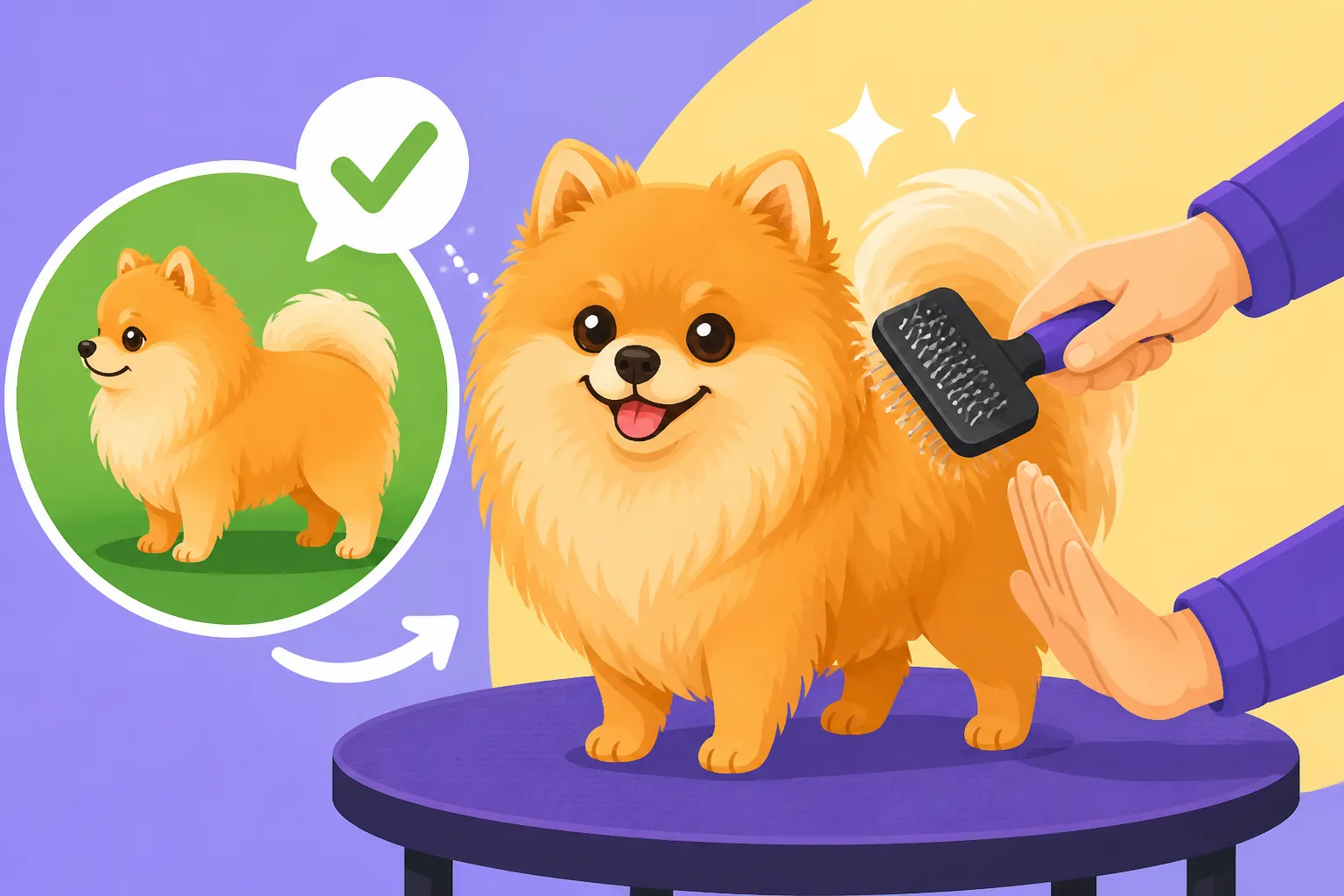
Now that single strokes are tolerated, it’s time to work through sections of their body. Pomeranians need their coat worked In Sections to the Skin. This means holding a section of hair and brushing from the skin out, rather than just skimming the surface. This technique prevents mats from forming deep within the coat where they are harder to detect and remove. Start with one section, say, a small area on their back. Brush that section thoroughly, for 10-15 seconds, then stop and give a big reward.
Gradually expand the area you’re working on. Move to another section of the back, then their sides, then the chest. Work slowly and methodically. If you encounter a small tangle, gently try to work it out with your fingers first, then the brush. Never yank or pull. If it’s a stubborn mat, you might need a detangling spray to help loosen it. Always follow up a tricky spot with extra treats and praise. The goal is to get them to relax and stand still for longer durations in each body section. Remember, the areas behind the ears and under the armpits are particularly prone to matting and often the most sensitive. When they're really struggling, it can make you wonder Whether a Pomeranian Should Be Muzzled at the Groomer, but building positive associations is a much better long-term strategy.
Phase Three: Practicing Full Grooming Sessions
Once your Pomeranian is tolerating sectional brushing, you can start putting it all together into a simulated full grooming session. The emphasis is still on simulation and positive reinforcement. Don’t expect a perfect, hour-long session right away. Start with 5-10 minutes, working through as many sections as you can before they show signs of fatigue. During these sessions, continue to offer intermittent treats and verbal praise. You want them to associate the entire process with a positive experience.
It’s incredibly helpful to teach your Pomeranian a "stay" or "stand" command. This allows you to ask them to hold a position rather than wrestling them into it. Keep the training light and fun. You might find resources like BAXTER & Bella helpful for structured positive reinforcement training that can translate to grooming. They teach foundational skills that make cooperative care much easier. As you progress, you can gradually increase the duration of these full sessions. The ultimate goal is for your Pom to calmly stand on their grooming surface, allowing you to brush their entire coat without stress. Don't forget their "britches" and the glorious ruff around their neck – Brushing a Pomeranian's Britches and Ruff requires careful attention to prevent painful mats.
Essential Tools for Success: Brushes, Sprays, and Treats
Having the right equipment isn't just a luxury; it's a necessity when grooming a Pomeranian. The wrong tools can make the process uncomfortable or ineffective, leading to more resistance. Think of it as equipping yourself for a delicate task – precision matters, especially with a coat as unique as a Pom's.
Selecting the Best Brushes for a Pomeranian's Coat
For a Pomeranian's double coat, you generally need two main tools: a slicker brush and a metal comb.
- Slicker Brush: This brush has fine, wire bristles that are slightly bent. It's excellent for getting deep into the undercoat to remove loose hair and minor tangles. Always choose a slicker brush with coated tips or very soft bristles to avoid scratching your Pom's skin. You don't want to use excessive pressure; let the brush do the work. A good quality slicker brush is indispensable for Working a Pomeranian's Coat in Sections to the Skin. Many brands offer different sizes, so pick one that feels comfortable in your hand and is appropriately sized for your small dog.
- Metal Comb: A sturdy metal comb with both wide and fine-toothed sections is crucial. The wide-toothed side helps gently work through larger tangles after initial slicker brushing, while the fine-toothed side is perfect for finishing touches, checking for any missed tangles, and grooming the delicate hair on their face and behind the ears. It's your ultimate "mat detector" and finisher. After slicker brushing, always run the comb through the coat to ensure you've reached the skin and there are no hidden tangles.
Avoid brushes with stiff, widely spaced plastic bristles, as these often just skim the surface and don't effectively remove undercoat. Similarly, while shedding rakes have their place for some breeds, they can be too harsh for a Pomeranian's delicate double coat and may even damage the guard hairs. For gentle detangling, a pin brush can also be a useful addition, especially for general coat maintenance between deeper brush-outs.
Calming Sprays and Grooming Tables
Beyond brushes, a few other items can significantly improve your grooming experience:
- Detangling/Grooming Spray: A good quality detangling spray is a game-changer. Never brush a dry Pomeranian coat, as this can cause static, breakage, and discomfort. Lightly misting the coat with a grooming spray before brushing helps to lubricate the hair, making it easier to comb through tangles and reducing static. Look for sprays formulated for dogs with double coats. Many excellent detangling sprays are readily available on Amazon.
- Grooming Table with Arm: While not strictly essential for everyone, a grooming table can be incredibly beneficial, especially for Poms who are squirmy or for owners with back issues. A non-slip surface and a grooming arm (with a no-sit haunch holder or loop) help keep your Pom safely in one place, allowing you to focus on brushing without constantly repositioning them. This also clearly defines the "grooming zone," helping your dog understand it's time to be still. For smaller breeds, you'll need one sized for a Pomeranian. Even if you don't buy a professional table, setting up a dedicated, non-slip surface for grooming sends a clear signal to your dog about the activity.
- Nail Clippers/Grinder: While not directly for brushing, nail care is part of a complete grooming routine, and if your Pom is already standing still for brushing, it's a great time to tackle nails. Choose clippers specifically for small dogs or a quiet nail grinder. Teaching your Pomeranian to accept [Nail Trims] is a separate but equally important skill.
High-Value Rewards and Training Aids
Remember, positive reinforcement is the cornerstone of this training. You need to have truly irresistible treats on hand. These aren't just any treats; they should be small, soft, and utterly delicious to your Pomeranian – something they only get for grooming training. Think tiny pieces of cooked chicken, cheese, or specialized training treats. The higher the value, the more motivated your Pom will be to cooperate.
- Treat Pouch: Keeping treats in a treat pouch around your waist allows for quick and seamless reward delivery, which is critical for effective counter-conditioning. You want to mark the desired behavior (standing still, allowing a stroke) immediately with a treat.
- Lick Mat with Suction Cups: For some Poms, a lick mat smeared with a tiny bit of peanut butter (xylitol-free!), plain yogurt, or canned pumpkin can be a fantastic distraction. The licking action is calming, and it keeps them focused on something positive while you work. Attach it to a wall or surface where they are being groomed.
- Verbal Praise and Affection: Don't underestimate the power of your voice! Use a calm, reassuring tone throughout the session. Praising your Pom with "Good dog!" or "Yes!" immediately after a cooperative moment, followed by a treat, reinforces the positive behavior. For Poms who enjoy it, a gentle cuddle or scratch in their favorite spot can also be a powerful reward after the brushing is done. This helps them learn that the session ends with comfort and love.
Troubleshooting Common Challenges: Nipping, Escaping, and Stubbornness
Even with the best intentions and techniques, you might hit some bumps in the road. Pomeranians are smart, and they’ll test boundaries. It’s important to understand why they’re reacting this way and how to address it without resorting to harsh methods that can damage your bond.
What to Do When Your Pomeranian Bites or Snaps
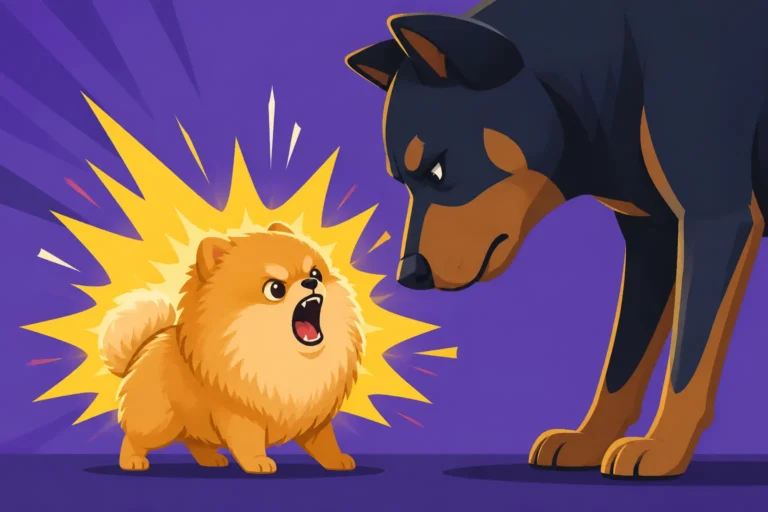
Nipping or snapping during grooming is a clear sign that your Pomeranian is feeling stressed, fearful, or uncomfortable. It’s their way of saying, "Stop! I don't like this!" Never punish a snap or bite, as this will only increase their fear and could escalate the behavior. Instead, view it as valuable feedback.
- Identify the Trigger: Pinpoint exactly what caused the snap. Was it the brush touching a specific spot? Too much pressure? Too long a session? The sudden appearance of the brush? This information helps you go back a step in your training.
- Go Back to Basics: If your Pom is snapping, you’ve likely moved too fast. Go back to phase one: just touching the brush to their body for a split second, or even just having the brush in the room. Pair every interaction with a high-value treat. Reinforce heavily for not snapping.
- Increase the Value of Rewards: If they're snapping, your current treats might not be motivating enough to overcome their discomfort. Try something even more delicious and unique.
- Consider a Muzzle (Temporarily, if absolutely necessary): In rare cases, for your safety and to prevent injury to your dog, a soft basket muzzle might be needed temporarily if you absolutely have to groom a matted dog and cannot get to a professional. However, this is a last resort and should always be paired with positive reinforcement. The muzzle itself needs to be introduced positively, and the goal is to quickly get to a point where it's no longer needed. It's about safety, not punishment. Long-term, you want to address the root cause of the snapping. Whether a Pomeranian Should Be Muzzled at the Groomer is a common concern for professionals facing challenging dogs.
- Professional Help: If the biting is severe or you feel unsafe, it’s time to consult a professional dog trainer or veterinary behaviorist. They can assess the situation and provide tailored guidance.
Preventing the Great Escape: Containment and Handling
A Pomeranian on the run is a common sight during brushing! Their agility and small size make them expert escape artists. This behavior, like snapping, often indicates stress or a desire to avoid the situation.
- Dedicated Grooming Spot: As mentioned, a grooming table with an arm (and a no-sit haunch holder or loop) is invaluable for keeping them contained safely. If you don't have a table, use a non-slip mat on a sturdy counter or a raised surface. The key is to make it distinct from other areas, signaling "grooming time."
- Teach "Stand" and "Stay": Work on these commands in short, positive sessions away from grooming first. Once they have a solid understanding, apply it to the grooming station. Reward heavily for holding position.
- Proper Handling Techniques: Learn how to gently but firmly hold your Pomeranian. Avoid squeezing or rough handling. Use one hand to stabilize their body while the other brushes. The goal is a supportive, confident hold that makes them feel secure, not trapped. If your Pomeranian is struggling with being handled in general, you might need to go back to teaching them To Be Picked Up Properly and getting used to various touches.
- Short Sessions: If they're trying to escape, your sessions are likely too long. Shorten them dramatically. Even 30 seconds of calm brushing followed by release and reward is a victory. Build up duration gradually over many days or weeks.
- Remove Distractions: Make the grooming area as boring as possible. Turn off the TV, put away noisy toys, and ensure other family members or pets aren't walking by. A quiet environment helps them focus on the task and you.
Patience is Key: Dealing with a Stubborn Pom
Pomeranians have a reputation for being intelligent and sometimes quite stubborn. If your Pom seems to dig in their heels and refuse to cooperate, it’s not necessarily defiance, but often a deeply ingrained preference for doing things their way.
- Consistency is Crucial: Poms thrive on routine. If brushing happens erratically or only when mats are severe, they won't understand what's expected. Establish a regular schedule and stick to it. Daily short sessions are far more effective than infrequent, long, and stressful ones.
- Be More Exciting Than the Distraction: Sometimes stubbornness comes from simply being more interested in something else. Make yourself and the treats the most interesting thing in the room. Use an upbeat, happy voice.
- Don't Give Up Too Soon: If your Pom resists, don't immediately stop the session and let them "win" by escaping or by you giving up. Instead, try to get one cooperative moment – even just standing still for a second – then reward profusely and then end the session. This teaches them that cooperation leads to good things and the end of the session, not resistance.
- Break Down the Steps Further: If they're stubbornly refusing a step, you might need to break it down into even smaller, more manageable micro-steps. Can they tolerate just seeing the brush? Just smelling it? Just a touch of your hand on their shoulder? Re-evaluate and simplify.
- Seek Guidance for Whether Spitz Independence Makes a Pomeranian Difficult: Pomeranians, as Spitz breeds, can have an independent streak. This doesn't mean they can't be trained, but it means you need to be clear, consistent, and highly motivating. For comprehensive help, programs like BAXTER & Bella can offer guidance on overcoming breed-specific traits that manifest as stubbornness during training.
Maintaining Good Habits: Consistency and Routine
Once you’ve put in the hard work to train your Pomeranian to stand still for brushing, the goal is to maintain those good habits for their entire life. This isn't a one-and-done training; it's an ongoing commitment to their health and comfort. Consistency is the magic word here.
Establishing a Regular Brushing Schedule
The best way to prevent resistance and keep mats at bay is to establish a consistent, regular brushing schedule. For most Pomeranians, this means brushing at least 3-4 times a week, if not daily, especially if they have a very dense coat or are prone to matting. Think of it as preventative maintenance. Daily short sessions (5-10 minutes) are often far less stressful for both of you than one long, intense session once a week trying to undo days of tangles.
Consider when you brush. Is it a calm time of day? After a walk when they're a little tired, or before bed? Find a routine that works for your schedule and your Pom's energy levels. If you have a puppy, this consistency helps them understand that grooming is just a normal part of their life, like meal times or potty breaks. This is especially important during the period of The Coat Blow and the Pomeranian Puppy Uglies, when their coat is changing and often more prone to tangles.
Making Brushing a Part of Their Daily Life
Integrate brushing into your Pomeranian's daily life, not just as a chore, but as a bonding activity. Use that calm, reassuring voice. Offer gentle praise. Keep a treat jar specifically for grooming near your grooming station. The more seamless it feels, the less your Pom will perceive it as an ordeal. You can also make it a part of a larger routine, for instance, a quick brush-out before a snuggle on the couch, or after their evening walk.
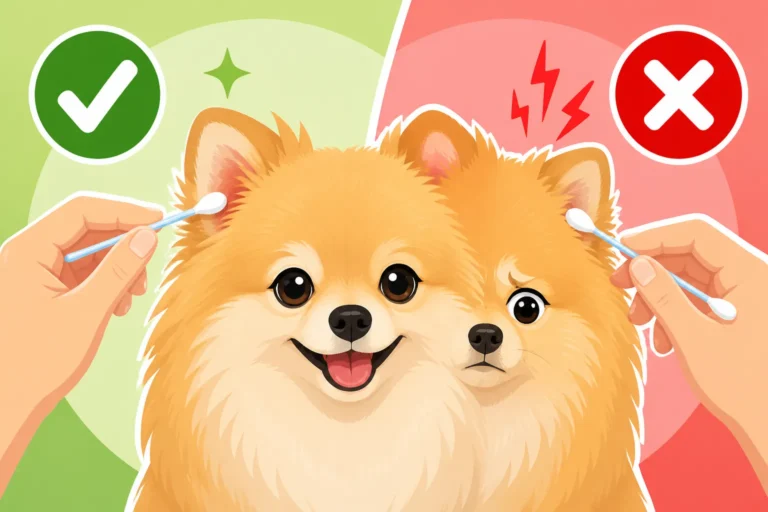
Think about other aspects of grooming as well. Trimming the Tufts Between a Pomeranian's Pads and Cleaning a Pomeranian's Small Ears can be integrated into the end of a brushing session, when your Pom is already settled and cooperative. This holistic approach ensures all necessary grooming tasks become part of a familiar, positive routine.
| Brushing Frequency | Coat Condition | Effort Level | Common Issues |
|---|---|---|---|
| Daily | Ideal, especially for dense coats | Low daily effort, prevents mats | Less resistance, healthier coat |
| Every 2-3 Days | Acceptable for some Poms | Moderate, may find minor tangles | Occasional small mats, slightly more resistance |
| Weekly | Not recommended for most Poms | High, likely to encounter mats | Significant matting, painful brushing, high resistance |
| Rarely | Highly detrimental | Extremely high, professional de-matting required | Severe matting, skin issues, pain, behavioral problems |
When to Seek Professional Help
There are times when despite your best efforts, you might need to call in a professional. This is not a failure on your part, but an acknowledgment that some situations require expert intervention.
- Severe Matting: If your Pomeranian has developed severe, dense mats that you cannot safely remove without causing pain, a professional groomer is your best bet. They have specialized tools and techniques to remove mats efficiently, often needing to shave them out to prevent injury. Trying to pull apart severe mats at home can be agonizing for your dog and damage your relationship.
- Aggression or Fear: If your Pomeranian's biting, snapping, or extreme fear continues despite consistent positive reinforcement training, a professional dog trainer or veterinary behaviorist can offer tailored strategies. They can help identify the root cause of the behavior and create a specialized training plan.
- Overwhelmed or Frustrated: It's okay to feel overwhelmed or frustrated! Grooming a resistant dog can be emotionally draining. If you find yourself dreading every session or losing your patience, a professional groomer can take over the physical task while you continue to work on the behavioral aspect at home.
- Specialized Trims: While this article focuses on standing still for brushing, remember that Poms also need Sanitary Trimming on a Pomeranian and paw trims. If you're not comfortable doing these, a groomer can provide these services safely.
Remember, a good professional groomer will use gentle techniques and positive reinforcement. They can also provide valuable tips specific to your Pomeranian’s coat and temperament. Sometimes, seeing how a professional handles your dog can give you new ideas and confidence for home grooming. Don't let your Pomeranian's coat get to the point where Whether a Matted Pomeranian Has to Be Shaved becomes the only option. Proactive and consistent care, along with patient training, will prevent such drastic measures.
Disclaimer
This article is for general informational purposes only and does not constitute professional advice. Laws, prices and regulations vary by location and change over time. Consult a qualified professional for guidance on your specific situation.