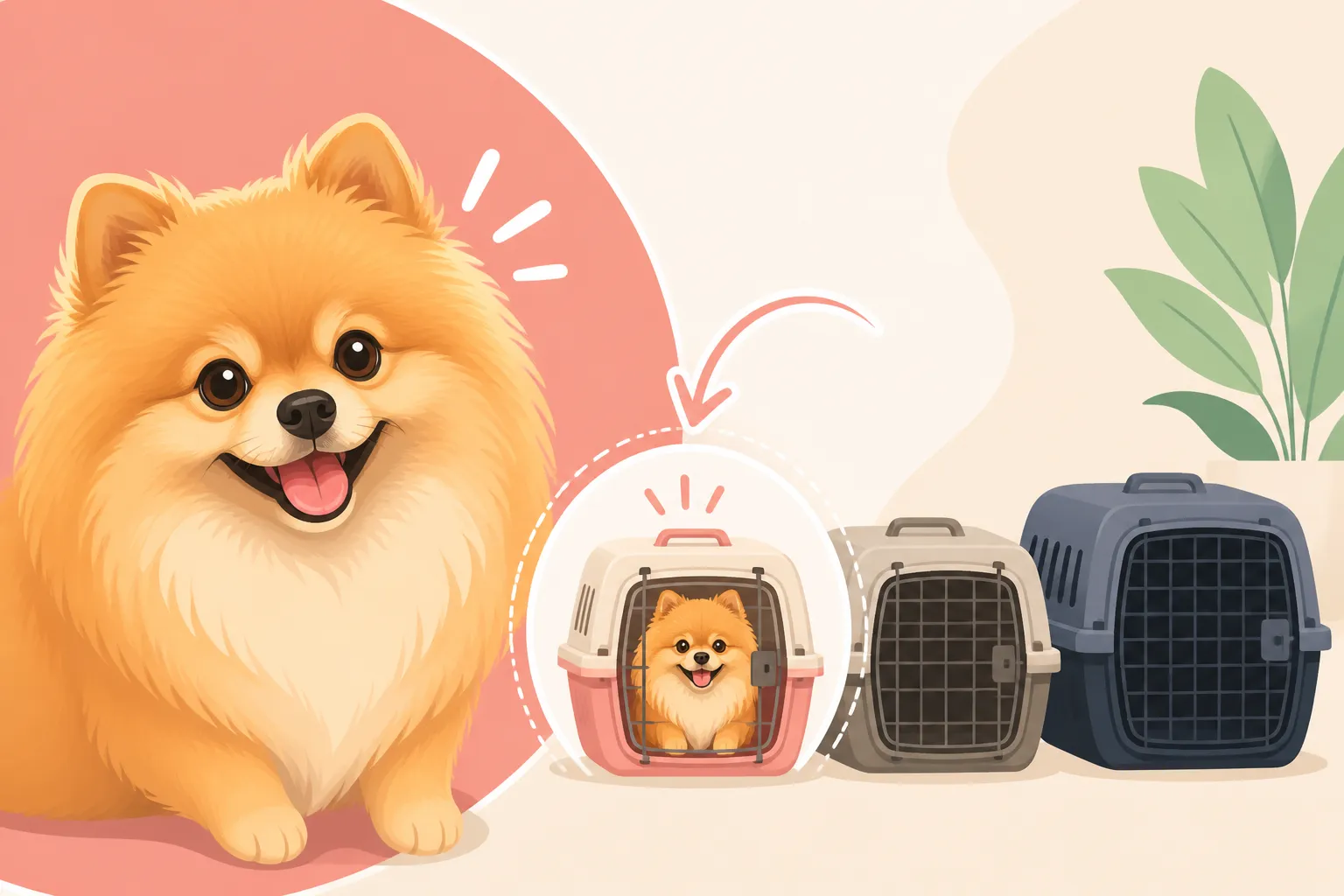
Crates Sized for a Pomeranian
Finding the right crate for your tiny Pomeranian can feel like a Goldilocks challenge – not too big, not too small, and just right for their unique needs. Many new Pom owners struggle with guessing the correct dimensions, often leading to crates that are either so large their small pup soils one end, or so cramped they feel like a prisoner. This guide will walk you through everything you need to know about choosing and utilizing a crate perfectly sized for your beloved Pomeranian, ensuring it becomes a safe, comfortable, and positive den, not a source of stress.
Why Crate Size Matters So Much for a Pomeranian
The crate is more than just a cage; it's meant to be a private den, a safe retreat, and a valuable tool for house training. For a small breed like a Pomeranian, getting the size right isn't just about comfort; it's fundamental to their well-being and the success of crate training.
Comfort and Security: Not Too Big, Not Too Small
Imagine trying to relax in a space that feels either vast and exposed or so tiny you can barely turn around. That's precisely how a Pomeranian experiences an improperly sized crate. Their natural denning instinct means they seek out small, enclosed spaces where they feel secure from predators and external threats. A crate should mimic this feeling, offering just enough room to stand up, turn around comfortably, and lie down.
If a crate is too large, your clever little Pom might decide one end is for sleeping and the other is for relieving themselves. This completely undermines any house training efforts, as they're not incentivized to hold their bladder or bowels to keep their sleeping area clean. It teaches them that it's perfectly acceptable to go to the bathroom indoors, which is the opposite of what you want to instill. You might find yourself scratching your head, wondering why House Training a Pomeranian Drags On, when the crate size could be a major culprit.
Conversely, a crate that's too small is not only cruel but can cause significant stress and physical discomfort. A Pomeranian needs to be able to stretch out fully, stand up without their head touching the top, and turn a complete circle with ease. If they can't do these basic movements, they'll become anxious, cramped, and potentially develop muscle stiffness or pressure sores over time. It transforms their supposed safe haven into a stressful confinement, which is definitely not the goal. The idea is to create a positive association, not a negative one, with their private space.
Safety Considerations in a Crate
Beyond comfort, the right crate size is a crucial safety measure for a small, delicate breed. A crate is designed to keep your Pomeranian safe when you can't directly supervise them, protecting them from household hazards like chewing electrical cords, ingesting dangerous items, or Why Jumping Off Furniture Wrecks a Pomeranian's Knees.
An appropriately sized crate minimizes the risk of injury. If the crate is too big, your Pom could potentially slip or trip if there's too much empty space, especially during travel. It also reduces the chance of them getting a paw or head caught in wider wire gaps if they're trying to squeeze into an area that's just a bit too tight. While rare, a small dog could potentially sustain injuries trying to escape a poorly fitted crate. This is particularly important for Poms, whose small bones can be more susceptible to injury.
When traveling, a secure, properly sized crate (often a plastic carrier type, which we'll discuss later) is essential. It prevents them from being jostled around too much, keeping them calm and contained, whether you're taking them to the vet or on a longer trip. Ensuring they have just enough space for a small bed, a water source, and a favorite Puzzle Toys Small Enough for a Pomeranian without being able to move around excessively is key to their safety and comfort during transit.
Determining the Ideal Crate Dimensions for Your Pomeranian
Getting the measurements right is the first step to ensuring your Pomeranian's crate fits like a glove. It’s not just about guessing; a few simple measurements can make all the difference.
Measuring Your Pomeranian Accurately
The general rule of thumb for crate sizing is that your dog should be able to stand up, turn around, and lie down comfortably. But what does "comfortably" mean for a tiny bundle of fluff like a Pomeranian? Let's break it down into practical measurements.
First, measure your Pomeranian's length. Have them stand naturally, and measure from the tip of their nose to the base of their tail – don't include the tail itself, especially that beautiful plume they carry over their back! Once you have this measurement, add about 2 to 4 inches. This extra allowance gives them enough space to stretch out fully without feeling crammed against the ends of the crate. A Pom needs to be able to fully extend their body when lying down, curling up isn't always comfortable for long stretches.
Next, measure their height. Again, have them stand upright, and measure from the floor to the very top of their head, or the highest point of their shoulders if they hold their head very low. To this measurement, also add 2 to 4 inches. This ensures they can stand up without bumping their head and have enough headroom to sit up straight, which is crucial for their posture and overall comfort. While Pomeranians don't usually grow very tall, even a couple of inches can make a huge difference in their perception of space and freedom within the crate. Remember, even if they only weigh a few pounds, their fluffy coat can make them appear larger, so always measure to the actual body.
Standard Crate Sizes and What Works for a Pom
Once you have your Pom's measurements, it's time to translate that into standard crate sizes. Most manufacturers label crates by their length, typically in inches. For an average adult Pomeranian, who usually weighs between 3 to 7 pounds, you'll generally be looking at the smaller end of the spectrum.
The most common crate sizes that work for Pomeranians are typically 18-inch or 24-inch length models. However, it's absolutely vital to check the interior dimensions, not just the advertised exterior size. Some crates have thick frames or design elements that reduce the usable space inside. An 18-inch crate might be perfect for a smaller, daintier Pom, while a larger, fluffier, or slightly heavier Pom might be more comfortable in a 24-inch crate, especially if you plan to include a cozy bed, water bowl, and toys.
If you're bringing home a Pomeranian puppy, consider a crate with an adjustable divider. This clever feature allows you to block off a portion of the crate, effectively making it smaller for a growing puppy. As your puppy grows, you can gradually move the divider, expanding their space until they're using the full crate as an adult. This is an excellent way to maintain effective house training – preventing them from using the "extra" space as a potty area – while investing in one crate that will last their lifetime. Many brands, including those found on Chewy, offer crates with these practical dividers. This prevents a tiny puppy from feeling overwhelmed in a massive space, which can sometimes lead to anxiety or accidents because the space doesn't feel like a snug den. It's also critical for proper Feeding a Pomeranian Puppy Often Enough to Stay Safe, ensuring they feel secure enough to eat in their den.
Types of Crates and Their Suitability for Pomeranians
When you start shopping for a crate, you'll quickly realize there's a world of options beyond just size. Different materials and designs offer various benefits and drawbacks, and what works for a large breed might not be ideal for a Pomeranian.
Wire Crates: Pros, Cons, and Dividers
Wire crates are perhaps the most common type you'll encounter, and for good reason. They are constructed from sturdy metal wire, forming an open-air enclosure.
Pros of Wire Crates for Pomeranians:
- Excellent Ventilation: The open wire design allows for maximum airflow, which is a huge plus for double-coated breeds like Pomeranians, helping to keep them cool, especially during warmer months or if they have a lot of fluff. This is crucial as a Pomeranian's thick coat can make them prone to overheating. A Pomeranian's Coat in Ninety Degree Heat can be a serious concern, so good airflow is paramount.
- Good Visibility: Your Pomeranian can see out, and you can see in, making them feel less isolated and allowing you to monitor them easily. This can be comforting for both dog and owner.
- Easy to Clean: Accidents happen, especially with puppies. Wire crates are generally very easy to clean and sanitize. Most come with a removable plastic or metal pan at the bottom that can be pulled out, wiped down, or hosed off.
- Collapsible and Portable: Many wire crates fold down flat, making them relatively easy to transport or store when not in use.
- Divider Options: As mentioned, many wire crates include or can be fitted with adjustable dividers, making them a versatile choice for puppies and adult Poms alike.
Cons of Wire Crates for Pomeranians:
- Less Den-like: The open nature can sometimes make a Pomeranian feel exposed rather than nestled in a secure den. This is easily remedied by placing a blanket or a dedicated crate cover over parts of the crate to create a more enclosed, cozy atmosphere.
- Can Feel Less Secure: While sturdy, some Poms might feel less secure than in a solid-sided crate, especially if they are particularly anxious or prone to barking at everything they see.
- Finger/Paw Safety: While rare with appropriate sizing, ensure the wire spacing isn't too wide for tiny Pomeranian paws or heads, especially if you have a particularly persistent little explorer. Generally, the smaller crates designed for toy breeds have tighter spacing, but it's always worth a double-check.
For Poms that are still being house trained or might have occasional accidents, a wire crate is often a top choice due to its ease of cleaning and ventilation. You can easily outfit it with soft bedding and cover it with a blanket to achieve that comforting den effect.
Plastic Crates: The "Pet Carrier" Style
Plastic crates, often referred to as travel carriers, are another popular option, distinguishable by their hard plastic shell and usually fewer openings.
Pros of Plastic Crates for Pomeranians:
- Secure and Den-like: The solid sides offer a much more enclosed, den-like feel, which many dogs find incredibly comforting and secure. This can be particularly beneficial for Poms who prefer a darker, more private space, or those who get overstimulated by too much visual input.
- Excellent for Travel: These are the go-to choice for air travel (always check airline regulations for specific dimensions and ventilation requirements) and are generally very secure for car journeys. Their solid construction protects your Pom from bumps and sudden stops. They are often a top recommendation when considering Carriers and Slings for a Pomeranian for vet visits or trips.
- Easy to Move: While not collapsible like some wire crates, they are typically lighter than wire crates and often have handles, making them easy to carry.
- Contains Messes: If your Pomeranian has an accident, the solid bottom and sides do an excellent job of containing the mess, making cleanup easier than if it seeped through wire bars.
Cons of Plastic Crates for Pomeranians:
- Less Ventilation: While they do have ventilation holes, plastic crates generally offer less airflow than wire crates. In warmer climates or during hot weather, this can be a concern for a double-coated Pomeranian, so ensure they don't overheat.
- Harder to Clean Thoroughly: While they contain messes, the nooks and crannies inside plastic crates can sometimes be trickier to deep clean after a major accident compared to a simple wire tray.
- Less Visibility: Some Poms might dislike the reduced visibility, feeling more isolated.
- Not Collapsible: They take up the same amount of space whether in use or stored, which might be a consideration for those with limited storage.
Plastic crates are ideal for Poms who love a snug, cave-like space and are frequent travelers. They're also great for puppies during those initial house-training days, as the containment of any accidents is excellent.
Soft-Sided Crates: Comfort and Portability
Soft-sided crates are made from fabric over a lightweight frame, offering a different set of advantages.
Pros of Soft-Sided Crates for Pomeranians:
- Lightweight and Highly Portable: These are incredibly easy to carry, fold up very compactly, and are perfect for quick trips to a friend's house, a hotel stay, or dog shows.
- Cozy and Comfortable: The fabric material often feels more inviting and warm than metal or plastic, creating a very cozy retreat.
- Attractive Appearance: Many owners prefer the aesthetic of soft-sided crates, which can blend more seamlessly into home decor than a metal cage.
Cons of Soft-Sided Crates for Pomeranians:
- Not for Chewers: This is the biggest drawback. If your Pomeranian is a chewer, they will likely tear through the fabric and zippers, rendering the crate useless and potentially ingesting fabric pieces. They offer very little containment for a determined dog.
- Harder to Clean Major Accidents: While spills can be wiped, a major potty accident can soak into the fabric, making thorough cleaning difficult and potentially leaving odors.
- Less Secure: They are not suitable for travel in a car or plane where sturdy protection is needed. They also don't offer the same level of security as a hard-sided crate if your Pom is prone to trying to escape.
- Not Always Durable: The fabric can snag or rip over time, especially with regular use or if your Pom tries to scratch their way out.
Soft-sided crates are best suited for well-behaved, non-chewing adult Pomeranians who are already reliably house trained and need a temporary, comfortable den for short-term stays away from home. Think of them as a plush, portable bedroom for your polite Pom.
Making the Crate a Safe and Happy Space
Choosing the right crate is only half the battle; the other half is making it a place your Pomeranian loves. A crate should never feel like a punishment, but rather a personal sanctuary where they can relax and feel safe.
Bedding and Accessories for a Pomeranian's Crate
Outfitting the crate correctly can significantly enhance your Pomeranian's comfort and willingness to use it. Think about creating a miniature bedroom tailored just for them.
Firstly, soft, comfortable bedding is non-negotiable. A small, washable dog bed, a thick fleece blanket, or a soft mat will provide insulation and coziness. Make sure the bedding fits snugly within the crate dimensions, leaving no gaps where your Pom could get tangled or chew excessively. If you have a puppy, choose bedding that's easy to wash frequently. For older Poms, consider orthopedic options for joint support, especially if they have conditions like Slipping Kneecaps in a Five Pound Pomeranian.
Next, consider food and water. For longer crating periods, especially during travel, a spill-proof water bowl or one that attaches to the crate bars is essential. This prevents accidental spills that could soak the bedding and make your Pomeranian uncomfortable or dehydrated. Brands like Chewy offer a variety of travel bowls and hanging water dishes that are perfect for small breeds. For shorter periods, ensure they have access to water before and immediately after crating.
Finally, enrichment toys are a must. A favorite chew toy, a Kong stuffed with a treat (maybe some quality kibble from Ollie, or a dog-safe peanut butter), or a Puzzle Toys Small Enough for a Pomeranian can make crate time a positive experience. These not only combat boredom but also help create a positive association with the crate. Just be sure any toys are safe for unsupervised chewing and appropriately sized to prevent choking.
Crate Training Tips for a Small Breed
Crate training, especially for a tiny Pomeranian, requires patience, consistency, and a positive approach. The goal is for your Pom to view their crate as a safe, inviting den, not a place of punishment.
Start with gradual introductions. Place the crate in a busy part of your home initially, like the living room, so your Pom doesn't feel isolated. Leave the door open and encourage them to explore it by dropping treats, their favorite toy, or even a delicious piece of Ollie food inside. Never force them in. Let them go in and out on their own terms. Praise them gently when they enter or show interest.
Once they're comfortable entering, begin with very short periods of confinement. Close the door for a minute or two while you're still in the room, then open it and let them out without a big fuss. Gradually increase the duration. Feed them their meals inside the crate with the door closed. This helps build a strong, positive association with food and their den. For puppies, consistency is key, and understanding Whether a Pomeranian Puppy Should Sleep Alone in their crate can be a crucial part of the training process, often leading to better sleep for both of you.
Never use the crate as a punishment. If you do, your Pomeranian will quickly associate it with negativity, making future training nearly impossible. The crate should always be their happy place, their personal retreat when they need a break or you need them safely contained. Remember, Pomeranians are intelligent but can be stubborn, so positive reinforcement works best. Over time, you'll find your Pom willingly entering their crate for naps or when they just need some quiet time away from the household hustle. This consistent positive reinforcement will prevent house training setbacks where House Training a Pomeranian Drags On.
When to Re-evaluate Crate Size or Type
A crate isn't a "set it and forget it" item; your Pomeranian's needs can change over time. Regularly re-evaluating their crate situation ensures their continued comfort and safety.
Firstly, consider growth. If you started with a divider for a puppy, remember to adjust it as they grow. Once your Pomeranian reaches their adult size (typically around 9-12 months), they should have the full space of the crate. If you bought a puppy-sized crate without a divider, you might need to upgrade to an adult-sized one once they're fully grown.
Behavioral changes can also signal a need for re-evaluation. If your previously crate-trained Pom suddenly starts having accidents in their crate, it could be a sign it's too big, or perhaps they're developing a medical issue that needs a vet visit. If they're showing anxiety, destructiveness, or trying to escape a soft-sided crate, it might be time to switch to a more secure wire or plastic option. A sudden dislike for the crate could also point to underlying health concerns, possibly related to breathing difficulties like The Honking Cough of a Pomeranian's Collapsing Windpipe, where lying in certain positions might be uncomfortable. In such cases, a vet check-up might be prudent, and your Healthy Paws insurance can help with the costs.
Lastly, think about changes in your lifestyle. If you start traveling more, you might need a dedicated airline-approved plastic carrier. If your Pom spends more time at home alone, ensure their crate is comfortable enough for The Hours a Pomeranian Tolerates an Empty House, perhaps upgrading their bedding or adding more enrichment toys. The crate should evolve with your Pomeranian's life stages, from a bustling puppy to a calm senior.
Crate Type Comparison for Pomeranians
Here's a quick overview to help you decide which crate type might be best for your little Pom:
| Crate Type | Pros | Cons | Best For |
|---|---|---|---|
| Wire Crate | Excellent ventilation, easy to clean, collapsible, good visibility, often comes with dividers. | Less den-like (can be covered), can feel less secure, slightly heavier than soft-sided. | House training puppies, everyday use at home, Poms needing good airflow, owners wanting a versatile crate that grows with their puppy. |
| Plastic Crate | Very secure, den-like, excellent for travel (airline approved), contains messes, easy to carry. | Less ventilation than wire, harder to deep clean, not collapsible, less home visibility. | Travel (car, air), Poms who prefer a dark, secure den, puppies during initial house training, anxious Poms seeking strong enclosure. |
| Soft-Sided Crate | Lightweight, highly portable, cozy, aesthetically pleasing. | Not for chewers, difficult to clean major accidents, less secure, not suitable for heavy travel. | Fully house-trained adult Poms who are not chewers, short-term visits, hotel stays, temporary confinement in safe, monitored environments. |
No matter which type you choose, prioritize your Pomeranian's comfort and safety. A correctly sized and properly introduced crate can become an invaluable tool for their well-being throughout their life, offering a safe retreat and aiding in responsible pet ownership.
Disclaimer
This article is for general informational purposes only and does not constitute professional advice. Laws, prices and regulations vary by location and change over time. Consult a qualified professional for guidance on your specific situation.