Rescuing an Adult Pomeranian Rather Than Buying
Deciding to bring a Pomeranian into your life is an exciting prospect, but the journey often starts with a daunting question: do you seek out a fluffy, brand-new puppy, or do you open your heart and home to an adult Pomeranian in need of rescue? Many people find themselves torn, grappling with the romantic ideal of a puppy versus the practical, incredibly rewarding path of adoption. This comprehensive guide will walk you through the profound benefits of rescuing an adult Pomeranian, exploring everything from the financial advantages to the emotional joys and the practical steps involved in welcoming a seasoned companion into your family.
The Initial Lure of a Pomeranian Puppy vs. Adult Rescue
It's completely understandable to be captivated by the image of a tiny, fluffy Pomeranian puppy bouncing around. That undeniable cuteness factor and the desire to shape a dog's life from its very beginning are powerful draws. However, the reality of puppy ownership can often be a whirlwind that many new owners aren't fully prepared for, and it's here that the quiet, often overlooked benefits of adult rescue truly shine.
The Allure of a Fluffy Puppy
Let's be honest, few things are as utterly charming as a Pomeranian puppy. Their minuscule size, their endless enthusiasm, and that soft, burgeoning double coat make them irresistible. Many prospective owners dream of raising a puppy from scratch, believing it's the only way to ensure a perfectly behaved companion and to form an unbreakable bond. The idea of molding a dog from a blank slate, teaching it everything it needs to know, and watching it grow is a deeply appealing fantasy for many. There's a certain emotional investment in being the first and only family a dog has ever known, and this often fuels the search for a reputable breeder. People envision those early months of snuggles and playtime, forging memories from the very start of a Pom's life.
Realities of Puppy Ownership
While the dream of a puppy is sweet, the reality can be a rude awakening. Raising a Pomeranian puppy is an immense undertaking, demanding extraordinary patience, time, and financial resources. You'll face countless nights of interrupted sleep during house training, navigating the sharp needle-like teeth of a teething pup, and constantly supervising to prevent destructive chewing. Socialization is critical during this sensitive period, requiring consistent exposure to new sights, sounds, people, and other dogs, often before their full vaccination schedule is complete. Factor in multiple vet visits for vaccinations, deworming, and health checks during that crucial first year, and the costs quickly add up. Beyond the predictable expenses, remember that little Pomeranian puppies go through a phase often called the "puppy uglies," where their adorable fluff sheds out, and they look gangly and awkward before their adult coat comes in. This period can be surprising for new owners expecting constant cuteness, and it's just one example of the unexpected journey of puppyhood.
The Hidden Gems of Adult Rescues
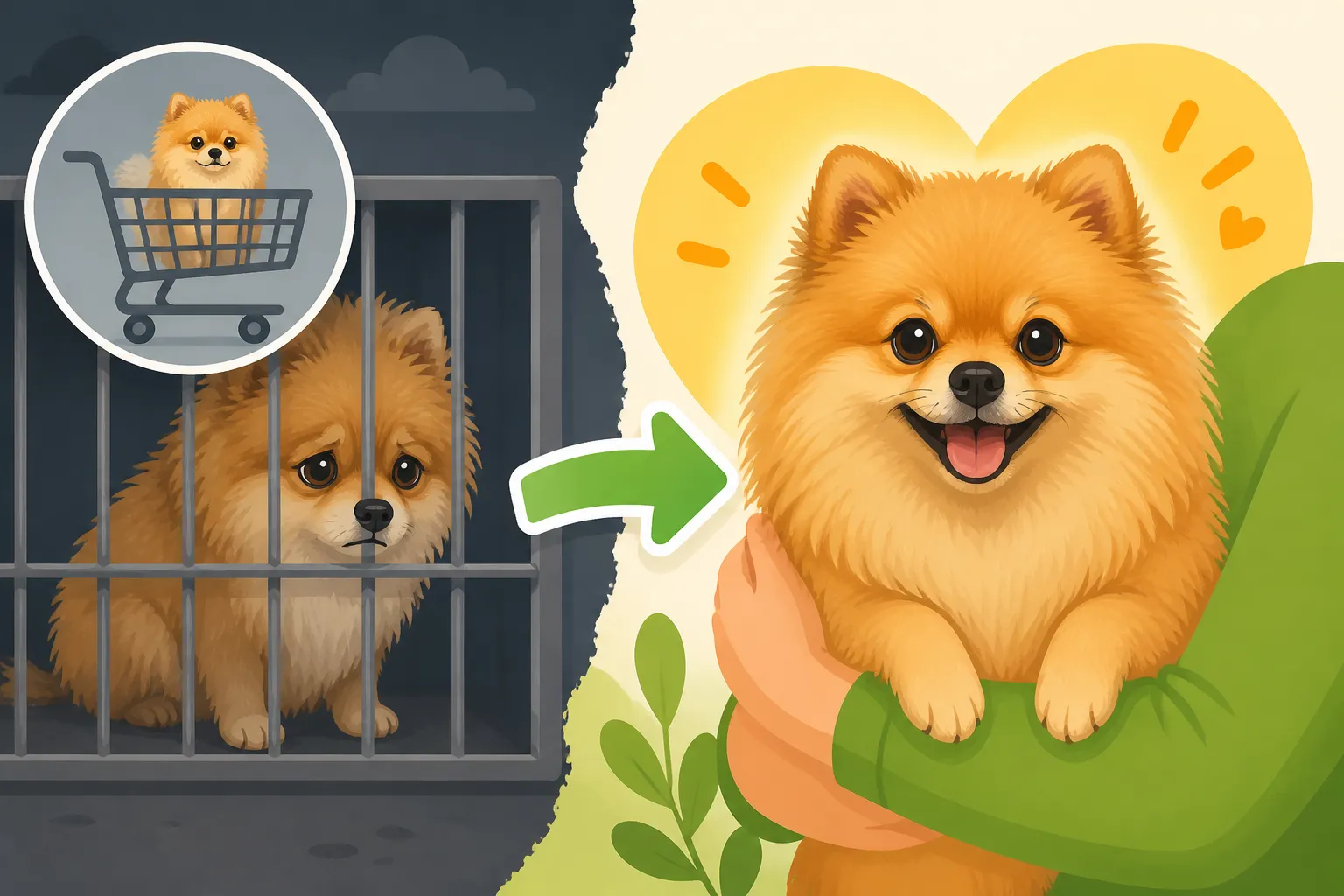
This is where the magic of adult rescue truly reveals itself. When you adopt an adult Pomeranian, you're often sidestepping the intense, demanding, and sometimes chaotic phase of puppyhood. Many adult rescue Poms come to their new homes already house-trained, understand basic commands, and have outgrown the incessant need to chew on everything they encounter. Their personalities are typically well-established, offering you a clearer picture of the dog you're bringing home, rather than guessing at how a puppy will develop. What's more, there's a profound sense of gratitude that often radiates from a rescue dog. They seem to understand that they've been given a second chance, and they frequently form incredibly deep, loyal bonds with their new families. It's not about missing out on puppyhood; it's about gaining a companion who is often ready to integrate into your life with fewer bumps in the road, offering immediate companionship and affection.
Understanding Why Pomeranians End Up in Rescue
It’s a common misconception that dogs in shelters or rescues must have "something wrong with them." In reality, the reasons an adult Pomeranian finds itself in need of a new home are rarely about the dog itself, but rather a reflection of human circumstances or misjudgments. Understanding these factors can help demystify the rescue process and highlight the incredible potential within these deserving dogs.
Life Changes for Owners
One of the most frequent and heartbreaking reasons Pomeranians end up in rescue is due to unavoidable life changes experienced by their owners. Imagine suddenly facing a job loss that necessitates moving into an apartment with a strict no-pet policy, or a severe illness that makes it impossible to provide adequate care. Divorces, deployments, the birth of a new baby with unforeseen allergies, or even the passing of an elderly owner can all tragically displace a beloved pet through no fault of their own. For example, a senior Pomeranian whose owner has passed away might suddenly find itself without a home, even if it has been a cherished family member for over a decade. These dogs are often well-loved and well-socialized, simply victims of circumstances entirely beyond their control. They arrive at rescues bewildered and grieving, but perfectly capable of offering years of companionship in a new, stable environment.
Misunderstandings About the Breed
Another significant factor leading to Pomeranian surrender is a fundamental misunderstanding of the breed's specific needs and temperament. Many people are drawn to their adorable appearance but fail to research the realities of owning a double-coated, intelligent, and often vocal toy breed. For instance, the grooming requirements for a Pomeranian's dense double coat are substantial; owners often underestimate the commitment involved in The Double Coat That Makes a Pomeranian and Why It Stays On, which requires regular, thorough brushing to prevent matting and maintain skin health. Similarly, Poms are known for their alert barking, and an owner unprepared for Why a Pomeranian Barks at Everything That Moves might quickly become overwhelmed, especially in apartment living situations. Impulse purchases, fueled by online pictures rather than thoughtful consideration, often lead to a mismatch between the dog's needs and the owner's lifestyle, resulting in a Pomeranian being surrendered once the initial novelty wears off and the commitment becomes clear.
Medical or Behavioral Challenges
While less common, some Pomeranians do enter rescue due to medical or behavioral challenges that their previous owners were unable or unwilling to address. It's crucial to understand that reputable rescues invest heavily in the health and rehabilitation of their dogs. They will often treat conditions like Dental Disease in a Mouth the Size of a Pomeranian's or mild Slipping Kneecaps in a Five Pound Pomeranian before placing the dog for adoption. However, some dogs might have ongoing chronic conditions that require long-term management, or they might exhibit behavioral quirks, such as separation anxiety (which can be a big issue for The Pomeranian That Cannot Be Left Alone), fear of strangers, or resource guarding. Rescues are transparent about these issues, providing potential adopters with all known medical histories and behavioral assessments. This allows you to make an informed decision and prepare for any specific care or training needs, turning a potential challenge into a deeply rewarding journey of patience and understanding.
The Financial Savings of Adopting an Adult Pomeranian
One of the most immediate and tangible benefits of choosing to rescue an adult Pomeranian over purchasing a puppy from a breeder is the significant financial savings. While there's always an investment when bringing a new pet into your life, adoption often mitigates many of the hefty upfront costs associated with acquiring a young purebred.
Adoption Fees vs. Breeder Costs
When considering a Pomeranian puppy, you'll find that reputable breeders typically charge a substantial amount, often ranging from $1,500 to $4,000 or even more, depending on lineage, location, and the breeder's reputation. As discussed in What a Pomeranian Puppy Costs and Why Colors Change It, these prices reflect the breeder's investment in health testing, quality care for the dam and litter, and early socialization. In stark contrast, the adoption fee for an adult Pomeranian from a rescue organization or shelter is dramatically lower, usually falling within the $100 to $500 range. This fee is not a purchase price for the dog itself; rather, it's a contribution that helps the rescue cover a portion of the expenses incurred during the dog's time in their care, ensuring they can continue their vital work of saving other animals. This difference alone can amount to savings of well over a thousand dollars, allowing you to allocate those funds to future care or specialized items your new Pom might need.
Included Veterinary Care
Perhaps the most valuable financial benefit of adopting a rescue Pomeranian is the comprehensive veterinary care that is almost always included in the adoption fee. When you purchase a puppy, you are responsible for all initial vet visits, which quickly become a significant part of The First Year Bills on a Pomeranian Puppy. This includes a series of vaccinations, multiple dewormings, microchipping, and often the cost of spaying or neutering. These procedures individually can run into hundreds of dollars.
Rescue organizations, however, typically ensure that all dogs are spayed or neutered, up-to-date on vaccinations, microchipped, and thoroughly dewormed before they are made available for adoption. Many rescues also perform a full dental check and cleaning, which is especially important for Pomeranians prone to dental issues, and will address any other immediate medical needs, such as treating ear infections or skin conditions. This means you’re bringing home a dog that has already received essential, and often costly, preventative care, saving you hundreds, if not thousands, of dollars in initial veterinary expenses. It's peace of mind knowing your new companion has had a thorough health check before walking through your door.
Reduced Initial Supply Costs
Bringing home any new dog requires an initial outlay for essential supplies, such as food bowls, a collar and leash, a bed, and toys. However, adopting an adult Pomeranian can often reduce some of these initial costs compared to a puppy. An adult dog, especially one coming from a foster home, might arrive with some of these items already, like a well-loved bed or a crate. More importantly, you won't need to invest in puppy-specific items like enzymatic cleaners for endless accidents, an array of indestructible chew toys to survive the teething phase, or specialized puppy-proof gates and pens.
While you'll still need to stock up on quality food – and brands like Ollie offer tailored nutrition plans, or Chewy provides a vast selection of premium kibble and treats – the intense, rapid growth phase of a puppy requiring frequent diet changes or numerous chew-resistant toys is typically behind an adult Pom. You can focus your budget on selecting high-quality, long-lasting items that suit your adopted dog's known preferences and size, rather than guessing what a growing puppy will need. This helps to streamline your initial setup expenses, making the transition smoother and more economical.
Navigating the Adoption Process for a Pomeranian
The process of adopting an adult Pomeranian is different from purchasing a puppy, and it's designed to be thorough. Rescue organizations are dedicated to finding the perfect match for both the dog and the adopter, ensuring a successful, lifelong placement. Understanding each step can help you prepare and navigate it smoothly.
Finding Reputable Pomeranian Rescues
The first crucial step is identifying reputable rescue organizations that specialize in Pomeranians or small breeds. While local animal shelters are always a good place to start, breed-specific rescues like the Pomeranian Rescue Group of America, or regional groups, often have a deeper understanding of the breed's specific needs and a network of foster homes. These organizations are passionate about the breed and dedicate themselves to rehabilitating and rehoming Poms. When researching, look for transparency: do they clearly outline their adoption process, vet their dogs thoroughly, and provide medical records? Do they use foster homes, which allows dogs to decompress and staff to learn more about their individual personalities, rather than just housing them in kennels? Avoid any "rescue" that seems too eager to hand over a dog without a proper screening process, as this can be a red flag. Online platforms like Petfinder and Adoptapet can also be excellent resources for finding Pomeranians in rescue in your area, allowing you to filter by breed, age, and location.
The Application and Interview Stages
Once you've found a promising rescue, the application process typically begins with a detailed questionnaire. This isn't meant to be intrusive, but rather to gather essential information about your lifestyle, living situation, previous pet experience, and what you're looking for in a companion. Questions will likely cover your work schedule, the number of people and other pets in your household, your understanding of Pomeranian care, and your plans for exercise and training. Expect to provide references, often including your veterinarian if you've owned pets before.
Following the application, a representative from the rescue will usually conduct an interview, either over the phone or in person. This is a chance for them to get to know you better, clarify any answers on your application, and discuss the specific needs of the Pomeranian you're interested in. Many rescues also conduct a home visit, which allows them to assess the safety and suitability of your home environment for a Pomeranian. This isn't a white-glove inspection; it's about ensuring your home is secure, that you have appropriate space, and that there are no obvious hazards for a small dog. Be honest and open throughout this process; their goal is truly to find the best possible home for their rescue dogs, and your honesty will help them make the right match.
Meeting Your Potential Pomeranian
After your application has been approved, you'll typically be arranged to meet the Pomeranian you're interested in. This is a critical step, as it allows you to interact with the dog in person and assess your compatibility. If the dog is in a foster home, you might have the opportunity to observe them in a more relaxed, natural environment, which can reveal a lot about their true personality. It's highly recommended to make multiple visits if possible. Bring all members of your household, including other dogs, to ensure everyone gets along.
During your visit, ask the foster parents or shelter staff every question you can think of: What are their eating habits? Are they fully Why House Training a Pomeranian Drags On? Do they have any quirks or fears? How do they do with other dogs or children, if applicable? Do they enjoy walks, or are they more of a lap dog? Learning about their routine, their favorite toys, and any specific training they've received (for example, if they've worked on Teaching a Pomeranian to Walk on a Loose Harness) will give you invaluable insight. This isn't just about the dog choosing you; it's about you choosing the right dog for your life, and the more information you gather, the more confident you'll be in your decision.
What to Expect When Bringing Home a Rescue Pomeranian
Bringing home any new dog is an adjustment, but with a rescue Pomeranian, there are often unique considerations. Understanding what to expect during the initial transition period, and how to approach potential challenges, will set both you and your new companion up for success.
The "Honeymoon Period" and Beyond
When your rescue Pomeranian first arrives home, you might observe what's often called the "honeymoon period." During this time, which can last anywhere from a few days to several weeks, your new dog might be quiet, withdrawn, or overly anxious. They're processing a huge change in their life, moving from a shelter or foster home to an entirely new environment with new people, sounds, and smells. They might not show their true personality immediately. Don't be surprised if they don't eat much, sleep a lot, or seem a bit detached. This is normal.
It’s crucial to give them space and time to decompress. Avoid overwhelming them with too much attention, too many new experiences, or too many visitors in the first few days. Establish a quiet, secure space for them, such as a cozy crate or a designated bed in a low-traffic area, where they can retreat and feel safe. Slowly, as they begin to feel secure and trust you, their true personality will emerge. The shy dog might become playful, or the quiet one might start to bark. This transition period requires immense patience and understanding, but seeing them blossom is one of the most rewarding aspects of rescue.
Addressing Potential Behavioral Nuances
Many adult rescue Pomeranians come with some background history, which might include certain behavioral nuances. These aren't necessarily "problems" but rather learned behaviors or anxieties stemming from their past experiences. Common issues can include Why House Training a Pomeranian Drags On or regressions in house training, especially in a new environment with different routines. They might also exhibit cautiousness around strangers, other dogs, or children, or perhaps struggle with being alone if they've previously been The Pomeranian That Cannot Be Left Alone.
Patience and positive reinforcement are your most powerful tools. If there are house training accidents, gently guide them back to their designated potty area and reward success. For leash manners, consistent positive reinforcement training, like that described in Teaching a Pomeranian to Walk on a Loose Harness, will be far more effective than corrections. For more significant behavioral challenges, don't hesitate to seek professional help from a certified dog trainer or a veterinary behaviorist. Rescues often provide support and resources for post-adoption training, and investing in this early on can make a world of difference in building your Pom's confidence and integrating them smoothly into your home. Remember, these behaviors are often a cry for understanding and guidance, not a reflection of the dog's inherent character.
Integrating Into the Family Routine
Establishing a consistent routine from day one is paramount for a rescue Pomeranian. Dogs thrive on predictability, and a stable schedule will help your new Pom feel secure and understand the expectations of their new home. This means consistent feeding times, regular potty breaks – more frequent than you might think initially, especially for a small breed – scheduled walks, and dedicated playtime.
If you have other pets or children, gradual and supervised introductions are essential. For children, it's vital to teach them how to interact respectfully with a small dog, understanding that a Pomeranian is not a toy. Resources like A Pomeranian in a House With Small Children offer excellent guidance on creating a safe and harmonious environment. For existing pets, allow them to meet in neutral territory, ideally with both dogs on leash, and supervise all interactions closely until you're confident they've accepted each other. Create separate resting and eating areas initially to prevent any tension. Integrating your Pom into your family isn't a race; it's a marathon that requires patience, consistency, and clear boundaries to help everyone adjust and build strong, positive relationships.
Continued Health Monitoring
Even though reputable rescues provide extensive initial veterinary care, ongoing health monitoring remains crucial for your adopted Pomeranian. While they may have received initial treatments for issues like Dental Disease in a Mouth the Size of a Pomeranian's or had their Slipping Kneecaps in a Five Pound Pomeranian assessed, Poms, especially as they age, can be prone to certain conditions. It's vital to maintain regular vet check-ups, ideally annually, and more frequently as they enter their senior years.
During these visits, your veterinarian can monitor for common age-related concerns such as Clouding Eyes in a Pomeranian Past Ten, the onset of Arthritis in a Pomeranian at Ten, or changes in heart health. Keep a close eye on any subtle shifts in their behavior, appetite, activity level, or changes in their coat or skin. Promptly addressing any concerns can prevent minor issues from becoming major problems. Remember, your vet is your partner in ensuring your rescue Pom lives a long, healthy, and happy life. Don't hesitate to ask questions about preventative care, nutrition, or any signs that might indicate a developing health issue.
The Unique Joys and Challenges of Adult Pomeranian Adoption
Adopting an adult Pomeranian is an experience rich with both profound joys and occasional challenges. It’s a path that requires empathy and commitment, but the rewards are often immeasurable, creating bonds unlike any other.
The Deep Bond Formed
One of the most heartwarming aspects of adopting an adult Pomeranian is the incredibly deep and often immediate bond that forms. There’s a widely shared sentiment among rescue adopters that these dogs seem to understand and appreciate the second chance they've been given. They often exhibit immense gratitude and loyalty, quickly becoming devoted shadows and constant companions. Many adopters report a profound sense of connection, almost as if their rescue Pom is actively choosing and thanking them for their new life.
Unlike a puppy who grows up knowing no other way of life, an adult rescue often carries the memory of a past, perhaps a less stable one, making their newfound security and love all the more precious to them. Waking up to a content Pomeranian curled beside you, seeing their tail wag with pure joy when you return home, or feeling their soft fur against your hand are daily reminders of the incredible gift you've given and received. This mutual sense of relief and unconditional love cultivates a bond that is deeply satisfying and truly unique, making every effort of adoption worthwhile.
Managing an Unknown Past
While the past of a rescue Pomeranian can add to their unique charm and resilience, it can also present challenges due to the "unknowns." You might not know the full extent of their previous life – whether they were loved, neglected, or had specific experiences that shaped their behavior. This lack of a complete history means you might encounter unexpected fears, anxieties, or habits that aren't immediately apparent. For instance, a Pomeranian might suddenly display fear around men wearing hats, or become anxious around certain types of sounds, behaviors that are difficult to anticipate without knowing their background.
Managing an unknown past requires a flexible and empathetic approach. Instead of trying to force a dog to conform, focus on creating a safe, predictable, and loving environment that encourages them to relax and be themselves. Observe their reactions carefully and try to identify triggers for any undesirable behaviors without judgment. Patience is key; it might take time for deeply ingrained fears or habits to subside, or for new, positive associations to form. Celebrate small victories, and remember that every new, good experience you provide helps rewrite a part of their story, filling it with trust and security.
The Emotional Rollercoaster
Adopting an adult rescue Pomeranian can certainly be an emotional rollercoaster. There will be days filled with overwhelming joy and connection, moments where you marvel at their resilience and capacity for love. But there will also be days of frustration, confusion, or worry, especially if behavioral issues resurface or if your Pom struggles to adjust. You might question if you're doing enough, or if you're truly making a difference. This is a normal part of the process, particularly when dealing with dogs who may have experienced trauma or significant upheaval.
It’s important to acknowledge these feelings and to understand that it’s okay to feel overwhelmed sometimes. The commitment to a rescue dog is a profound one, and it's natural for emotions to run high. Lean on the support of the rescue organization, your veterinarian, and perhaps a trusted dog trainer. Remember why you chose to adopt: to give a deserving dog a loving home. The journey might not always be smooth, but the unwavering devotion and the profound bond you build with your rescue Pomeranian will ultimately make every challenge worth navigating, proving the incredible power of a second chance.
Practical Considerations for Long-Term Care
Bringing home an adult rescue Pomeranian is just the beginning of a lifelong commitment. Ensuring their long-term health, happiness, and well-being involves consistent, thoughtful care across several key areas, from their diet to their daily activities.
Ongoing Nutritional Needs
Just like any dog, your rescue Pomeranian will thrive on a high-quality, age-appropriate diet. While puppies have specific caloric and nutrient requirements, adult Poms need a balanced diet tailored to their size, activity level, and any existing health conditions. Considering their small size, it's vital not to overfeed, as even a small amount of extra weight can put undue strain on their delicate joints and respiratory system. Refer to Feeding a Dog That Weighs What a Pomeranian Weighs for guidance on appropriate portions.
You have a variety of choices for food, from premium dry kibble to wet food, or even fresh, human-grade options. Brands like Ollie offer customized fresh food meal plans that can be particularly beneficial for Poms with sensitive stomachs or picky eating habits, ensuring they receive high-quality ingredients. For those who prefer kibble, Chewy offers an extensive selection of small-breed formulas from reputable brands, making it easy to find a nutritious option that suits your Pom's needs and your budget. Always transition new foods gradually to avoid digestive upset, and consult your vet for personalized dietary recommendations, especially if your Pom has any underlying health issues.
Regular Grooming and Health Maintenance
The Pomeranian's glorious double coat is a hallmark of the breed, but it requires diligent and consistent grooming to stay healthy and free of mats. This is especially true for an adult Pom, whose coat is fully developed. As highlighted in Working a Pomeranian's Coat in Sections to the Skin, regular brushing, at least 2-3 times a week, is crucial to prevent matting and remove loose undercoat, which can lead to skin issues if neglected. Beyond brushing, a Pomeranian will need occasional baths, nail trims, and attention to their ears and dental hygiene.
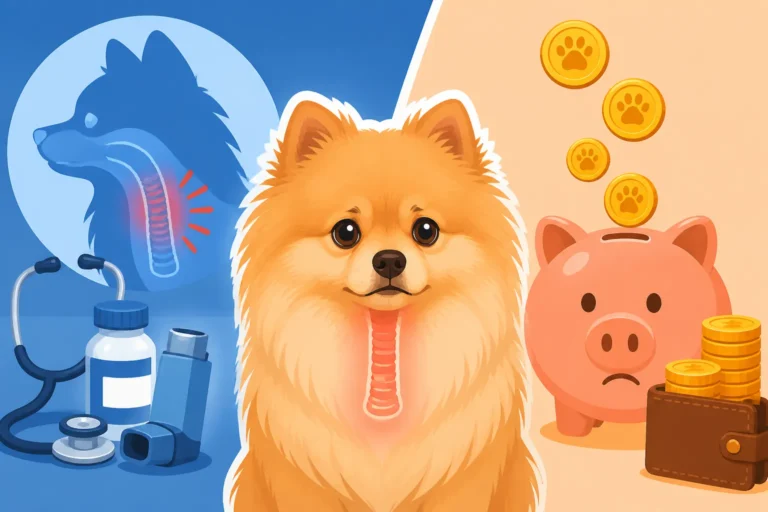
Maintaining regular veterinary check-ups is also non-negotiable. Even a seemingly healthy rescue Pom needs annual physical exams, vaccinations, and parasite prevention. As they age, these check-ups become even more critical for catching age-related conditions early. Given the breed's predispositions to certain health issues, such as dental disease, patellar luxation, and tracheal collapse, a proactive approach to their health is vital. To help manage the costs of unexpected medical emergencies or chronic conditions, considering pet insurance from providers like Healthy Paws can provide peace of mind and ensure you can always afford the best care for your beloved rescue.
Enrichment and Exercise for Adult Poms
Don't let their small size fool you; adult Pomeranians, even those who might be less spry than puppies, still require consistent mental and physical enrichment. While they may not need extensive long hikes, daily walks are essential for both exercise and mental stimulation. Adjust the length and intensity of walks to your individual Pom's age and health; for example, a Pom with a collapsing trachea, as discussed in [Whether a Pomeranian Can Walk Far With Tracheal Collapse], will need shorter, gentler strolls.
Beyond walks, engage their intelligent minds with interactive toys, puzzle feeders, and short training sessions. Teaching new tricks or reinforcing known commands provides valuable mental stimulation. Indoor playtime with soft toys, gentle games of fetch, or even simply exploring new scents in your backyard can fulfill their need for activity. A bored Pomeranian can become a destructive or excessively vocal one, so providing outlets for their energy and curiosity is key to a happy, well-adjusted companion. Regularly rotating toys and offering new challenges will keep them engaged and prevent boredom, contributing significantly to their overall well-being.
Disclaimer
The information provided in this article is for general informational purposes only and does not constitute professional veterinary advice. Always consult with a qualified veterinarian or professional dog trainer for any health concerns, diagnoses, or treatment options for your Pomeranian. The specific needs and behaviors of individual dogs can vary.