The Surgeries a Pomeranian Owner Should Budget For
Bringing a fluffy, spirited Pomeranian into your life is an absolute joy, but it also comes with a significant responsibility: understanding and preparing for their unique health needs. Many first-time Pom parents are often caught off guard by the specialized and sometimes expensive veterinary care these tiny dogs might require, particularly when surgery becomes necessary. This guide aims to thoroughly explore the common surgical procedures Pomeranians often face, helping you budget, plan, and feel more prepared for whatever your beloved companion may need.
The Unique Vulnerabilities of a Pomeranian's Tiny Body
It’s easy to look at a Pomeranian, with their luxurious double coat and cheerful demeanor, and forget just how delicate they can be. These aren't miniature versions of larger, more robust breeds; they come with their own set of physiological quirks and predispositions that can lead to specific health challenges. Being aware of these vulnerabilities isn't about being alarmist, but about being a responsible, proactive owner.
Why Small Breeds Face Distinct Surgical Risks
One of the biggest factors influencing surgical considerations for Pomeranians is their small size. Every procedure, from a routine dental cleaning to complex orthopedic surgery, carries a higher degree of risk for a tiny dog weighing just a few pounds. Anesthesia, for example, needs to be meticulously calculated and monitored for a four-pound Pomeranian, far more so than for a fifty-pound Labrador. Their body temperature can drop more quickly, their veins are harder to access, and even minor blood loss can be critical. This means that vets specializing in small breeds often employ specific protocols, including warmed surgical tables, IV fluid pumps, and advanced anesthetic monitoring equipment, all of which contribute to the overall cost and complexity. It’s not just about the procedure itself, but the intricate care surrounding it that ensures the safest possible outcome. Understanding this sensitivity helps us appreciate why vets often recommend pre-anesthetic bloodwork and other diagnostics, even for seemingly minor procedures like Anesthesia Risk in a Four Pound Pomeranian.
Beyond anesthesia, the sheer scale of their internal structures means that everything is more compressed and delicate. Organs are smaller, bones are finer, and tissues are more fragile. This can make surgical fields more challenging for veterinarians and requires an incredible degree of precision. Complications that might be minor in a larger dog can become life-threatening emergencies in a Pomeranian. Their metabolic rates are also higher, which means they can dehydrate or become hypoglycemic more rapidly, especially if they are stressed or unable to eat post-surgery. This is why vigilance in post-operative care is paramount for these tiny patients.
The Importance of Proactive Care in Preventing Major Interventions
While some conditions are genetic or simply unavoidable, a significant number of surgical needs in Pomeranians can be mitigated or delayed through diligent, proactive care. This means being utterly committed to their well-being from the moment they join your family. Regular veterinary check-ups are non-negotiable, not just when something seems wrong, but as a preventative measure. These annual visits allow your vet to catch subtle changes early, before they escalate into conditions requiring invasive surgery. Things like monitoring their weight, assessing their joint health, and listening to their heart can provide crucial early warnings.
Diet and exercise also play a massive role. Keeping your Pomeranian at a healthy weight prevents unnecessary strain on their tiny joints and respiratory system. Proper nutrition supports overall health, from strong bones to a robust immune system. Early and consistent dental hygiene, for instance, can drastically reduce the chances of severe periodontal disease requiring multiple extractions down the line. We'll delve deeper into dental care, but imagine the difference between a minor scaling and needing to pull half a dozen teeth. Investing time and effort into their daily care, choosing high-quality food (like options from Ollie or Chewy that cater to small breeds), and ensuring they get appropriate, safe exercise can truly pay dividends in preventing more serious health issues and the accompanying surgical bills.
Battling the Wobbly Knees: Understanding Patellar Luxation Surgery
One of the most common orthopedic issues that plagues Pomeranians, and indeed many small breeds, is patellar luxation. This isn't just a quirky gait; it can be incredibly painful and, if left untreated, can lead to more severe joint problems like arthritis and even cruciate ligament tears. Owners often describe it as a "skip" in their dog's step, where one of their back legs suddenly seems to give out.
Recognizing the Signs and Severity of a Slipping Kneecap
Patellar luxation occurs when the kneecap (patella) dislocates or slips out of its normal groove in the thigh bone (femur). It can slip either to the inside (medial) or outside (lateral) of the leg. The severity is graded from 1 to 4, with Grade 1 being a mild, occasional slip that corrects itself, and Grade 4 being a permanent dislocation where the kneecap cannot be manually put back into place. Often, owners first notice their Pomeranian suddenly holding up a back leg for a few steps, then putting it down as if nothing happened. This is usually a lower-grade luxation where the patella pops back into place on its own. However, as the condition progresses, these incidents become more frequent, and the dog may experience more consistent lameness or pain.
Your vet will physically examine your Pomeranian, manipulating the knee joint to feel for the patella slipping. X-rays are often taken to assess the bone structure, the depth of the patellar groove, and to check for any secondary issues like arthritis. Early diagnosis is key, not just for pain management, but also to consider intervention before permanent damage occurs. For a deeper dive, you might want to read about Grading Patellar Luxation in a Pomeranian to understand the different levels of severity. Even if your Pomeranian isn't showing obvious signs, if you notice an occasional skip, it's worth discussing with your vet.
The Surgical Procedure for Patellar Luxation
For Pomeranians with higher grades of patellar luxation (typically Grade 2 or higher, especially if painful or impacting mobility), surgery is often the recommended course of action. The goal of the surgery is to correct the anatomical abnormalities that allow the kneecap to slip. There are several techniques, often used in combination:
- Trochlear Sulcoplasty: This involves deepening the groove in the femur where the patella sits, providing a more secure channel.
- Tibial Tuberosity Transposition: The bony attachment of the patellar ligament on the tibia (shin bone) is cut and reattached in a position that better aligns the patella within its groove.
- Lateral Imbrication: This involves tightening the joint capsule and ligaments on the side opposite to where the patella is luxating, providing additional support.
The specific combination of techniques used will depend on the individual Pomeranian's anatomy and the severity of their luxation. This surgery is performed by a veterinary orthopedic specialist, and while it might sound intimidating, it has a high success rate in restoring normal knee function and preventing future complications. It's an investment, but one that can significantly improve your dog's quality of life and prevent further deterioration of the joint. Many owners find that while the initial cost of surgery for Slipping Kneecaps in a Five Pound Pomeranian is significant, it's worth it for their dog's long-term comfort.
Post-Operative Care and Rehabilitation Expectations
After patellar luxation surgery, your Pomeranian will require a period of strict rest and careful rehabilitation. This is not a quick fix; recovery is a marathon, not a sprint. Typically, your Pom will need to limit activity for 6-8 weeks, meaning no jumping, running, or stair climbing. This often involves crate rest or confinement to a small, safe area to prevent re-injury. Pain medication and anti-inflammatories will be prescribed to manage discomfort.
Physical therapy is a crucial component of rehabilitation, helping to restore range of motion, strengthen muscles, and encourage proper gait. This might start with passive range of motion exercises at home and progress to more structured sessions with a certified canine rehabilitation therapist. These therapists can guide you through exercises like gentle leash walks, specific stretches, and even underwater treadmill therapy. The cost of rehab can add up, so it's another factor to consider in your budget. Full recovery can take several months, but with dedicated care, most Pomeranians return to a normal, active life free from the pain of slipping kneecaps. Pet insurance providers like Healthy Paws often have plans that can help cover these unexpected surgical and rehabilitation costs, something worth investigating early in your dog's life.
Addressing the Honking Hazard: Tracheal Collapse Interventions
The dreaded "honking cough" is a sound many Pomeranian owners know all too well. It's often a symptom of tracheal collapse, a progressive condition where the rings of cartilage that keep the windpipe open weaken and flatten, making it difficult for air to pass through. While many cases can be managed medically, some Pomeranians reach a point where surgical intervention becomes necessary to maintain their quality of life.
When Conservative Management Isn't Enough for a Collapsing Windpipe
Many Pomeranians with mild to moderate tracheal collapse can live relatively comfortable lives with conservative management. This often involves a combination of medication (cough suppressants, anti-inflammatories, bronchodilators), weight management (keeping them lean is crucial), avoiding irritants like smoke, and switching from a collar to a harness to protect their delicate windpipe. You can learn more about Managing a Pomeranian's Windpipe Without Surgery to see what initial steps are often taken. The goal is to reduce inflammation, alleviate coughing, and make breathing easier.
However, for some Pomeranians, the disease progresses despite these efforts. Their coughing spells become more frequent, severe, and debilitating. They might struggle to breathe during excitement, exercise, or even at rest. They may experience cyanosis (blue gums or tongue due to lack of oxygen) during severe episodes. When their quality of life is significantly impacted, and they are no longer responding to medical treatment, your veterinarian or a specialist may recommend surgical intervention. This decision is never taken lightly, as tracheal surgery is complex and carries its own set of risks.
Surgical Options for Tracheal Collapse: Rings and Stents
When surgery is considered for a Pomeranian's collapsed trachea, there are generally two main approaches:
- Extraluminal Rings (Prosthetic Rings): This is typically performed on the cervical (neck) portion of the trachea. During this procedure, tiny polypropylene rings are placed around the outside of the collapsed trachea, acting like external scaffolding to hold the airway open. The rings are sewn to the tracheal cartilage, providing support and preventing the collapse. This surgery is often very effective for collapse in the neck region.
- Intraluminal Stent Placement: This procedure involves placing a self-expanding, mesh-like metal stent inside the trachea. This is often reserved for collapse in the thoracic (chest) portion of the trachea, which is harder to access surgically with external rings, or for cases where external rings have not been sufficient. The stent pushes against the tracheal wall, holding the airway open. Stent placement is less invasive than ring surgery but carries its own set of potential complications, such as stent fracture or granulation tissue formation within the stent.
Both procedures require a highly skilled veterinary surgeon, usually a specialist in soft tissue or internal medicine with advanced training in these specific techniques. The choice between rings and a stent depends on the location and severity of the collapse, as well as the individual dog's overall health. Your vet will conduct extensive diagnostics, including fluoroscopy (a moving X-ray that shows the trachea collapsing in real-time), to determine the best approach for your specific Pomeranian's The Honking Cough of a Pomeranian's Collapsing Windpipe.
The Realities of Recovery and Long-Term Management
Recovery from tracheal surgery can be challenging and requires intensive post-operative care. Pomeranians will need strict rest, pain management, and often a course of antibiotics and anti-inflammatories. Close monitoring for breathing difficulties or coughing is essential. For dogs with extraluminal rings, the success rate is generally good, with many dogs experiencing significant improvement in their breathing and reduction in coughing. However, the disease can sometimes progress to other parts of the trachea not surgically supported.
For dogs with intraluminal stents, there's a delicate balance. While stents can provide immediate relief, they aren't without their potential complications. The stent can migrate, fracture, or, more commonly, trigger inflammation and the formation of granulation tissue within the airway, which can itself cause coughing or obstruction. Many dogs with stents still require ongoing medical management to control coughing and inflammation. It's crucial for owners to understand that tracheal collapse is a progressive disease, and while surgery can offer significant relief, it often requires a lifelong commitment to careful management. It doesn't "cure" the underlying condition, but rather manages its effects. This long-term commitment to care is part of The Eighteen Thousand Dollar Lifetime of a Pomeranian.
Saving Smiles: Extensive Dental Procedures for Pomeranians
Dental disease isn't just a cosmetic issue or a source of bad breath in Pomeranians; it's a serious health concern that can lead to chronic pain, infection, and even impact vital organs like the heart and kidneys. Due to their small mouths and genetic predispositions, Pomeranians are particularly prone to severe dental problems that often necessitate extensive surgical intervention.
The Progression of Dental Disease and When Extractions Become Necessary
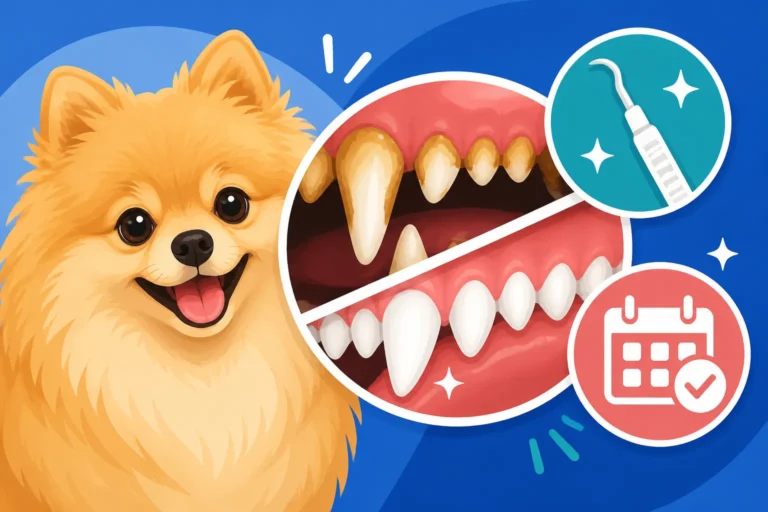
A Pomeranian's mouth is a tight fit for 42 adult teeth. This crowding, combined with genetics and often a lack of consistent dental care, creates a perfect storm for periodontal disease. It starts subtly with plaque and tartar buildup on the teeth, especially those tiny molars and crowded incisors. This then progresses to gingivitis, where the gums become inflamed and red. If left untreated, the inflammation spreads below the gum line, leading to periodontitis, which damages the supporting structures of the teeth – the ligaments and bone. Pockets form, infections set in, and teeth become loose.
At this stage, where bone loss is significant or infection is rampant, extractions become not just necessary, but critical for the dog's comfort and overall health. A diseased tooth is a source of constant pain and bacteria. The bacteria from severe dental infections can enter the bloodstream and travel to other organs, causing serious systemic health issues. Your vet will recommend a comprehensive dental cleaning under anesthesia, and during this procedure, they will meticulously probe the gum lines and take full mouth dental X-rays to assess the damage below the surface. It's often these X-rays that reveal the true extent of the problem, leading to the recommendation for multiple extractions. You can imagine the frustration and heartbreak owners feel when discovering their beloved Pom needs such extensive dental work, but it's vital for their well-being, as detailed in Dental Disease in a Mouth the Size of a Pomeranian's.
What a Comprehensive Pomeranian Dental Entails
A "dental" for a Pomeranian is far more than just a quick scrape. It's a full medical procedure performed under general anesthesia. Here’s what it typically involves:
- Pre-anesthetic Bloodwork: Essential to ensure your Pom is healthy enough for anesthesia, especially important for tiny breeds.
- Anesthesia and Monitoring: Your dog is safely sedated, intubated, and hooked up to monitoring equipment (heart rate, respiration, blood pressure, oxygen saturation, temperature).
- Full Mouth Dental X-rays: These are non-negotiable for small breeds, as 60-70% of dental disease is hidden below the gum line. X-rays reveal bone loss, abscesses, unerupted teeth, and root problems.
- Scaling and Polishing: Ultrasonic scalers remove plaque and tartar from above and below the gum line, followed by polishing to smooth the tooth surfaces and deter future plaque accumulation.
- Extractions (if needed): If X-rays or probing reveal significant disease, teeth will be carefully extracted. This is a surgical procedure, often involving gum flaps, bone removal, and sutures. Given the small size of a Pomeranian's jaw, careful technique is essential to avoid jaw fractures.
- Pain Management: Post-operative pain medication is crucial, especially after extractions.
This comprehensive approach ensures that all disease is addressed, alleviating pain and preventing future complications. It's a significant investment, but one that directly impacts your Pomeranian's comfort and longevity. Many owners find that their Pomeranian is a completely different dog after extensive dental work – more playful, eating better, and generally happier, demonstrating just how much pain they were silently enduring. You might want to consider Insuring a Pomeranian That Needs Dental Work Yearly given how common these issues are.
Recovery from Multiple Tooth Extractions
The recovery period after extensive dental extractions can be a little rough, but Pomeranians are surprisingly resilient. Your dog will likely be groggy and possibly a little sore for a day or two after coming home. They will be on pain medication and possibly antibiotics.
Key aspects of recovery include:
- Soft Food Diet: For 7-14 days, your Pomeranian will need to eat only soft food to protect the extraction sites. Kibble (even small breed kibble from Chewy or Ollie) can irritate the healing gums and open sutures.
- Rest: Limit strenuous activity to allow the mouth to heal. No tug toys or hard chews for several weeks.
- Monitoring: Keep an eye on their appetite, water intake, and general demeanor. Report any excessive bleeding, swelling, or signs of pain to your vet.
- Oral Hygiene Adjustment: Your vet will advise you when it's safe to resume any home dental care. For some Poms, especially if they've had multiple Extractions in a Pomeranian's Small Jaw, daily brushing might need to be adjusted or supplemented with other dental care products.
Despite the initial discomfort, the vast majority of Pomeranians recover beautifully from extractions and go on to live much healthier, pain-free lives. Their small size doesn't prevent them from adapting well to a reduced number of teeth, often eating and playing just as happily as before.
Repairing Tiny Hearts: Addressing Congenital Defects
While not as universally common as patellar luxation or dental disease, certain heart conditions, particularly congenital ones, can affect Pomeranian puppies and may require surgical intervention to give them a chance at a full life. Knowing what to look for and when to act is crucial.
Patent Ductus Arteriosus PDA: A Common Puppy Heart Issue
One of the more common congenital heart defects found in Pomeranian puppies is Patent Ductus Arteriosus (PDA). In a nutshell, during fetal development, there's a blood vessel called the ductus arteriosus that shunts blood away from the lungs (since the puppy isn't breathing yet). Normally, this vessel closes shortly after birth. When it fails to close, it remains "patent," meaning open, and creates an abnormal connection between the aorta and the pulmonary artery. This causes an overload of blood flowing to the lungs, putting strain on the heart and potentially leading to congestive heart failure if left uncorrected.
Pomeranian puppies with PDA often present with a distinctive heart murmur that a vet can hear during a routine check-up, often during their first few puppy visits. They might also show signs of stunted growth, difficulty breathing, or exercise intolerance as they grow. Early detection is paramount because if left untreated, PDA can significantly shorten a puppy's lifespan, often leading to heart failure within the first year or two of life. This is one of the more serious conditions that can be found, as discussed in The Heart Defect Found in Pomeranian Puppies.
The Surgical Approach to Correcting PDA
The good news about PDA is that it is often surgically correctable, and the prognosis after a successful surgery is excellent, with many dogs going on to live normal, full lifespans. The procedure, known as PDA ligation, involves surgically closing off the persistent vessel. This can be done using a traditional open-chest approach, or in some cases, through a less invasive procedure called a catheter-based occlusion, where a device is threaded through a catheter and deployed to block the vessel.
For an open-chest ligation, the surgeon makes an incision between the ribs to access the heart and lungs, then carefully ligates (ties off) the ductus arteriosus. This stops the abnormal blood flow. For the catheter-based procedure, the device (often a coil or an occluder) is inserted into a large artery (like the femoral artery in the leg) and guided to the PDA under fluoroscopic guidance, then released to block the vessel. The choice of technique depends on the size of the PDA, the puppy's size, and the expertise of the veterinary cardiologist and surgeon. Regardless of the method, this is a specialized procedure that requires a highly experienced team, but it can be life-saving. You might be interested to know more about Whether a Pomeranian's PDA Can Be Repaired.
Managing Acquired Heart Conditions That May Require Intervention
While PDA is congenital, Pomeranians, like other small breeds, can also develop acquired heart conditions later in life, such as degenerative mitral valve disease (DMVD). This condition, where the mitral valve in the heart thickens and leaks, is extremely common in older small dogs. While DMVD is primarily managed with medication to control symptoms and slow progression, there are very advanced, specialized surgical options available in select referral centers. Mitral valve repair or replacement is a highly complex, open-heart surgery, often only performed by a handful of veterinary surgeons globally, and comes with very high costs and significant risks.
For the vast majority of Pomeranians with DMVD, surgery isn't a practical or accessible option. However, understanding that such advanced interventions exist, even if rare for Poms, highlights the spectrum of cardiac care. Mostly, owners will focus on diligent medical management, regular cardiology check-ups, and ensuring their Pom's comfort as they age. Early diagnosis of any heart murmur, whether congenital or acquired, is critical for prompt action and specialist referral, ensuring your Pomeranian receives the best possible care from day one.
Other Surgical Realities: From Eyes to Emergencies
Beyond the more common orthopedic, respiratory, and dental issues, Pomeranians can face a range of other health problems that might necessitate surgical intervention. These can range from minor procedures to urgent, life-saving operations, and it's wise to be aware of them.
Eye-Related Surgeries for Pomeranians
Pomeranians can be prone to several eye conditions, some of which may require surgical correction to prevent pain, preserve vision, or improve comfort.
- Distichiasis/Ectopic Cilia: These conditions involve extra eyelashes growing from an abnormal location, often rubbing against the cornea, causing irritation, pain, and potentially corneal ulcers. Surgery involves cryosurgery (freezing) or electrocautery to remove the offending follicles.
- Entropion/Ectropion: Entropion is where the eyelid rolls inward, causing eyelashes to rub against the eye. Ectropion is where the eyelid rolls outward, exposing the conjunctiva. Both can lead to chronic irritation and infection, and surgical correction involves removing a small wedge of skin from the eyelid to restore its normal position.
- Cataracts: While often managed medically or simply monitored, advanced cataracts that significantly impair vision can sometimes be surgically removed, similar to human cataract surgery, to restore sight. This is a specialized and costly procedure.
- Cherry Eye: Although less common in Poms than in some other breeds, a prolapsed third eyelid gland (cherry eye) can occur and usually requires surgical repositioning of the gland, not removal, to preserve tear production.
Any changes in your Pomeranian's eyes—redness, excessive tearing, squinting, or cloudiness—should prompt an immediate vet visit. Early intervention can often prevent more severe problems.
Lump Removals and Biopsies: Addressing Unexpected Growths
As Pomeranians age, like any breed, they can develop lumps and bumps. While many of these are benign fatty tumors (lipomas) or cysts, some can be cancerous. Any new lump, especially one that is rapidly growing, changing in texture, or causing discomfort, warrants veterinary attention.
- Biopsy: Often, the first step is a fine needle aspirate (FNA) to collect cells for microscopic examination. If this is inconclusive or suggestive of malignancy, a surgical biopsy may be performed, where a piece of the lump is removed and sent to a lab for definitive diagnosis.
- Mass Removal: If a lump is diagnosed as cancerous (or if it's benign but large, irritating, or in a problematic location), surgical removal is often recommended. For small, easily accessible masses, this can be a relatively straightforward procedure. However, for larger, invasive, or awkwardly located tumors, surgery can be complex, requiring careful margins and potentially reconstructive techniques. The location of the lump (e.g., near a joint, on the face) can also influence the complexity and cost of removal. Your vet might discuss specific food options from Chewy or specialized diets from your vet clinic if your Pom requires specific nutritional support post-surgery for recovery.
These surgeries, while common, underscore the importance of regular physical exams where your vet can thoroughly palpate your dog for any new growths.
Emergency Surgeries: When the Unexpected Happens
While we can plan for many common Pomeranian surgeries, life sometimes throws us curveballs. Emergency surgeries are unplanned, often urgent, and can be incredibly stressful and costly.
- Trauma: Due to their small size, Pomeranians are particularly vulnerable to trauma. Falls, being stepped on, or altercations with larger animals can lead to fractures, internal injuries, or organ damage requiring emergency surgery.
- Gastrointestinal Obstruction: Pomeranians, like other dogs, can ingest foreign objects (toys, socks, bones) that get lodged in their digestive tract, causing an obstruction. This is a life-threatening emergency requiring immediate surgical removal.
- Bladder Stones: If bladder stones cause a urinary obstruction (especially in males), emergency surgery may be needed to remove the stones and relieve the blockage.
- Pyometra: An infection of the uterus, most common in unspayed female dogs, is a severe, life-threatening emergency requiring surgical removal of the uterus (an emergency spay).
These emergencies are terrifying and highlight the need for both quick decision-making and financial preparedness. Having an emergency fund or robust pet insurance (like Healthy Paws) is invaluable in these situations, allowing you to focus on your beloved Pom's recovery rather than crippling veterinary bills. It also emphasizes why keeping dangerous items out of reach and supervising playtime carefully are vital parts of Pomeranian care.
Cushioning the Blow: Financial Planning for Pomeranian Surgeries
The reality is that veterinary surgeries, especially specialized ones for a small breed like a Pomeranian, are expensive. It's not just the surgeon's fee; it's the anesthesia, monitoring, diagnostics (X-rays, ultrasounds, bloodwork), medications, and post-operative care. Understanding how to financially prepare for these potential costs is just as important as knowing about the surgeries themselves.
The Role of Pet Insurance in Covering Surgical Costs
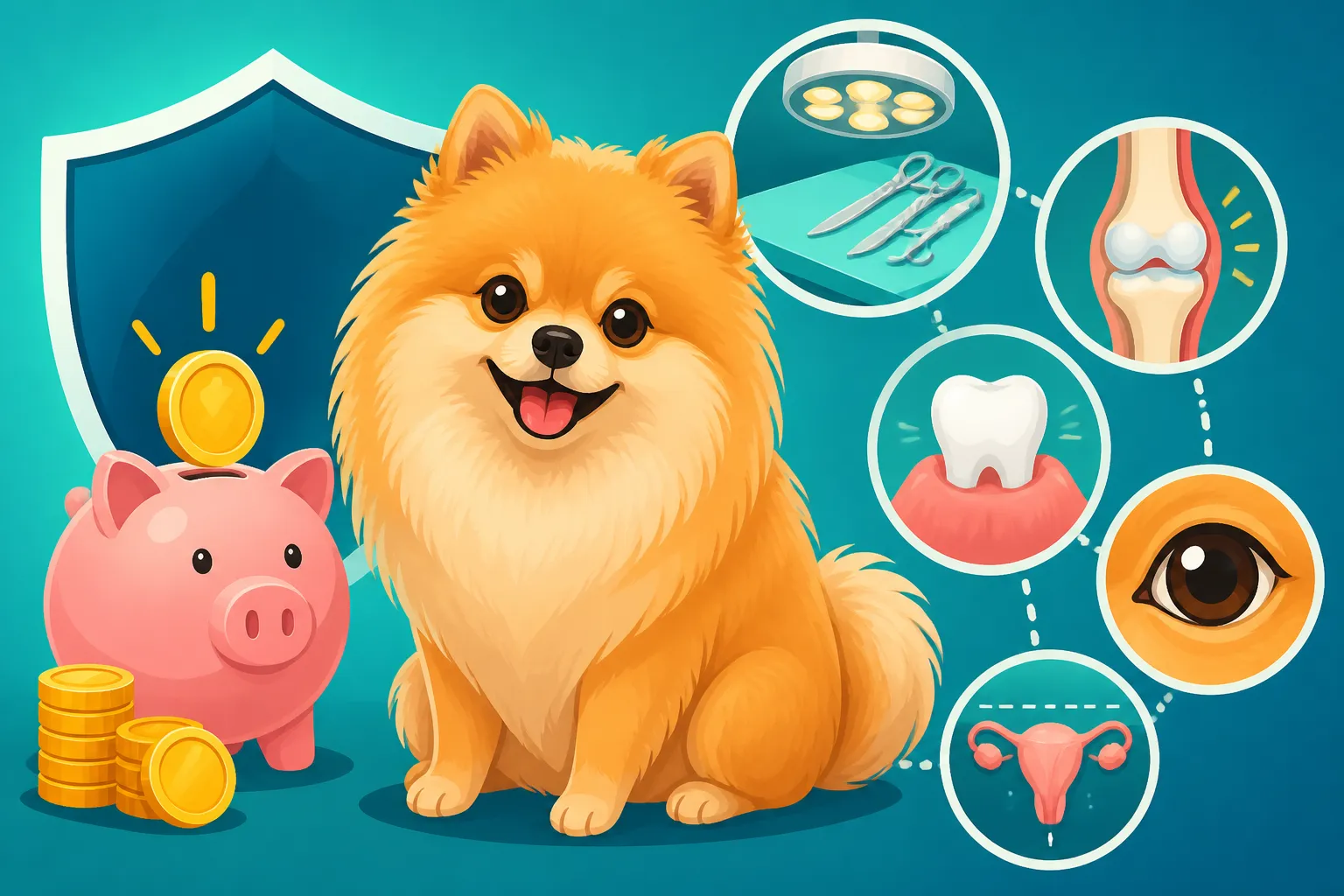
Pet insurance has become a lifeline for many Pomeranian owners. While it might seem like an extra monthly bill, a good policy can make the difference between being able to afford a life-saving surgery and facing an agonizing financial decision. Most comprehensive pet insurance plans (like those offered by Healthy Paws or many other providers) cover unexpected illnesses and injuries, which typically include surgeries for conditions like patellar luxation, tracheal collapse, foreign body removal, and even advanced dental extractions if due to illness/injury rather than routine cleaning.
When considering pet insurance for your Pomeranian, look for a plan that offers:
- High reimbursement rates: 80-90% is ideal.
- Low deductible: The amount you pay before coverage kicks in.
- No per-incident or annual payout limits: Or very high limits.
- Coverage for hereditary/congenital conditions: This is crucial for Poms given their predispositions.
- Wellness add-ons (optional): These can help with routine care, but the main benefit of insurance is for unexpected, costly events.
It's vital to enroll your Pomeranian in pet insurance early, ideally as a puppy. This is because most policies have waiting periods, and pre-existing conditions (any illness or injury your dog had before the policy started or during the waiting period) are not covered. So, if your Pom shows signs of a slipping kneecap before you get insurance, that particular knee issue won't be covered. Planning ahead can save you thousands.
Setting Up a Dedicated Savings Fund for Your Pom's Health
Even with pet insurance, there will be deductibles, co-pays, and potentially some things not fully covered. This is where a dedicated "Pom Health Fund" comes in. Consider setting aside a certain amount each month into a separate savings account, exclusively for your Pomeranian's veterinary needs. Think of it as self-insurance for the smaller things or the portion of a larger bill not covered by your policy.
How much should you save? That depends on your personal financial situation and your comfort level, but having a few thousand dollars accessible can provide immense peace of mind. For example, if you have a $500 deductible on your pet insurance and a major surgery costs $5,000, you'll still be responsible for that $500 plus any percentage not reimbursed. Having that money readily available means you won't have to stress about putting it on a credit card or dipping into other savings. This fund can also cover routine expenses that insurance might not, like preventative care or prescription diets recommended by your vet, or even specialized small breed food from Chewy.
Navigating Veterinary Payment Plans and Assistance Programs
If you find yourself in a situation where your Pomeranian needs surgery and you're facing a significant financial burden, don't despair; you have options.
- Veterinary Payment Plans: Many veterinary clinics, especially specialty hospitals, offer in-house payment plans or work with third-party medical credit cards like CareCredit. These allow you to pay off large bills in installments, often with deferred interest for a certain period. Always ask your vet's office about their financing options.
- Financial Aid Organizations: There are numerous non-profit organizations that offer financial assistance for pet owners struggling to afford veterinary care. These often have specific criteria (e.g., income limits, specific diagnoses), but they are worth exploring. Organizations like The Pet Fund, RedRover, and Breed-specific rescues sometimes offer grants.
- Crowdfunding: Platforms like GoFundMe allow you to solicit donations from friends, family, and even strangers to help cover your pet's medical expenses. This can be a powerful tool in times of crisis.
It's always best to have these conversations with your vet team as early as possible. They understand the financial strains of pet ownership and can often guide you toward available resources. The most important thing is to communicate your concerns openly and explore every avenue to ensure your beloved Pomeranian receives the care they need. After all, the joy they bring into our lives is immeasurable, and being prepared for their health needs is part of the deep bond we share.
Disclaimer
The information provided in this article is for general informational purposes only and does not constitute veterinary advice. Always consult with a qualified veterinarian for any health concerns or before making any decisions about your Pomeranian's medical care. The cost estimates and treatment recommendations mentioned are generalizations and can vary significantly based on location, veterinary practice, and individual patient needs.