The Checkup Schedule a Pomeranian Should Keep
It’s a common worry among Pomeranian parents: how often do I really need to take my little fluffball to the vet? With their tiny stature and unique health predispositions, knowing the optimal checkup schedule for your beloved Pom can feel overwhelming. This guide will walk you through the essential veterinary care milestones and routine visits designed to keep your Pomeranian thriving, from their energetic puppy days to their distinguished senior years.
Puppyhood and Young Adult Checkups: Laying the Foundation for a Healthy Life
Bringing home a new Pomeranian puppy is an exciting time, but it also comes with a big responsibility: establishing a robust health routine right from the start. The early years are absolutely critical for setting your Pom up for a long, happy, and healthy life.
The Crucial First Weeks: Puppy Vaccinations and Parasite Control
When you first welcome a Pomeranian puppy into your home, especially if they are very young, expect frequent visits to the veterinarian. These initial weeks are packed with vital appointments focused on vaccinations and parasite prevention. Your puppy will typically receive a series of vaccinations, often starting around 6-8 weeks of age, followed by boosters every 3-4 weeks until they are about 16 weeks old. These vaccines protect against serious and often deadly diseases like distemper, parvovirus, adenovirus, and parainfluenza. Depending on your region and your vet's recommendations, they might also receive a leptospirosis vaccine and a bordetella (kennel cough) vaccine.
Beyond vaccinations, parasite control is paramount. Puppies are highly susceptible to intestinal worms, which they can contract from their mother or environment. Your vet will likely recommend a deworming schedule, sometimes starting as early as two weeks of age, and regular fecal exams to check for giardia, coccidia, and other microscopic invaders. Flea, tick, and heartworm prevention will also be introduced during these early visits. It’s during this phase that your vet might also detect a potential issue like The Heart Defect Found in Pomeranian Puppies or discuss the risks of Blood Sugar Crashes in a Pomeranian Puppy due to their small size and rapid growth. These early and frequent visits allow your vet to monitor your puppy’s development closely, answer all your questions, and ensure they’re growing into a strong, resilient adult.
Navigating Growth and Development: Six Months to Two Years
Once your Pomeranian puppy has completed their initial vaccination series and is around 4-6 months old, the focus shifts slightly. This period typically includes a visit for spaying or neutering, which is a significant health milestone. Your vet will perform a thorough pre-surgical exam and blood work to ensure your Pom is healthy enough for the procedure. They’ll also discuss aftercare and potential behavioral or health benefits of the surgery.
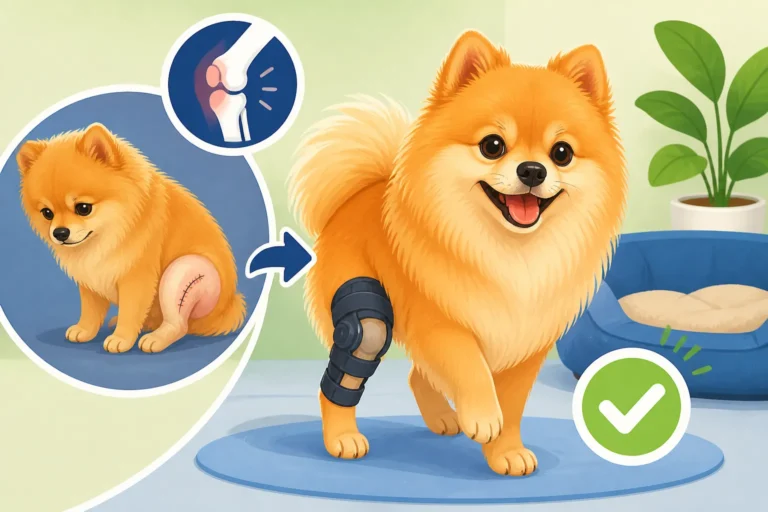
After the spay/neuter, annual wellness visits usually begin. These visits, starting from about one year of age, focus on ensuring continued healthy development. Your vet will check their adult teeth, monitor their weight, and ensure their bones and joints are developing properly. For active Poms, issues like Slipping Kneecaps in a Five Pound Pomeranian can become apparent during this stage, so careful examination of their gait and leg structure is crucial. This is a time when many owners start to think about the long-term commitment of pet ownership, and understanding potential future costs can be helpful. Companies like Healthy Paws offer pet insurance plans that can provide peace of mind by helping to cover unexpected vet bills that might arise as your Pomeranian grows and explores the world.
Early Health Screening: What to Look For in Young Poms
Even in their prime, young adult Pomeranians benefit from proactive health screening. Beyond the routine physical exam, your vet might recommend specific tests based on your Pom's breed predispositions or any concerns you have. For example, some vets suggest baseline blood work around 1-2 years of age to establish a normal range for your individual dog, which can be invaluable for comparison later in life if health issues arise.
Discussions during these visits often include diet, exercise, and behavioral trends. Is your Pom maintaining a healthy weight? Are there any changes in their energy levels or appetite? Your vet will review their flea, tick, and heartworm prevention, ensuring it's appropriate for their current weight and lifestyle. It's a prime opportunity to catch any subtle changes that might indicate an emerging problem before it becomes serious. Maintaining this consistent checkup schedule is one of the best ways to support your Pomeranian's journey towards a full and healthy life, potentially reaching The Twelve to Sixteen Years a Pomeranian Lives.
Maintaining Health Through the Prime Years: Annual Adult Care
Once your Pomeranian moves past the young adult stage, typically from around two years old up to about seven or eight, the checkup schedule usually settles into a consistent annual routine. These years are often characterized by stable health, but routine preventative care remains incredibly important.
The Importance of Routine Annual Exams
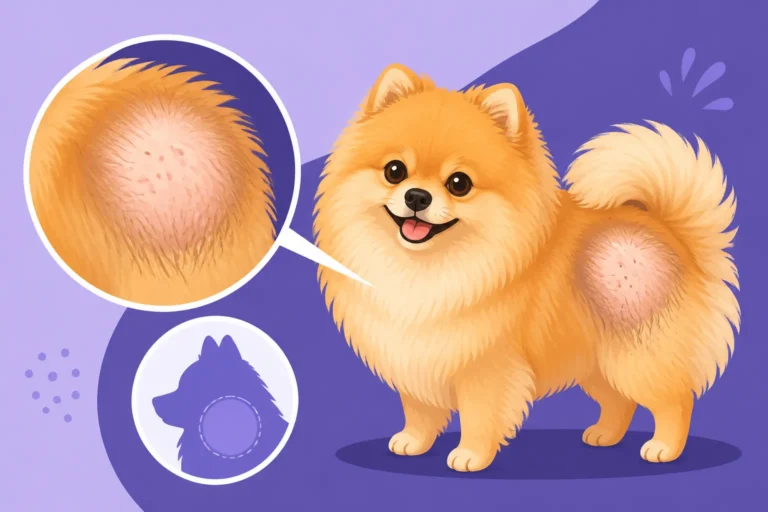
Annual exams for adult Pomeranians are much more than just a quick glance. They are comprehensive wellness checks that provide your veterinarian with a complete picture of your dog's health. During these visits, your vet will perform a thorough physical examination, assessing everything from their eyes and ears to their heart and lungs, palpating their abdomen, checking their joints, and examining their coat and skin. They'll also check their weight and discuss their diet and exercise routine to ensure they're staying at an ideal body condition. This is often where you might get advice on how to spot the early signs of issues like The Thinning That Starts on a Pomeranian's Hindquarters, which can sometimes be an early indicator of more significant health concerns.
Vaccinations will be updated as needed, following a schedule tailored to your Pomeranian's age, previous vaccination history, and exposure risk. Many core vaccines transition to a three-year booster cycle after the initial puppy series, though some, like kennel cough or leptospirosis, might still be given annually depending on local prevalence and your dog's lifestyle. Your veterinarian will also discuss ongoing parasite prevention, often recommending year-round protection against fleas, ticks, and heartworms, especially in warmer climates. This consistent, proactive approach helps catch potential health issues early, making them easier and often less costly to treat.
Dental Health: A Silent Threat for Pomeranians
One of the most critical aspects of annual adult checkups for Pomeranians is dental health. Due to their small mouths and often crowded teeth, Pomeranians are highly prone to dental disease, which can quickly escalate from plaque and tartar buildup to painful gum disease and tooth loss. During your annual visit, your vet will thoroughly examine your Pomeranian's mouth, looking for signs of gingivitis, broken teeth, or retained baby teeth that haven't fallen out. Dental Disease in a Mouth the Size of a Pomeranian's is a serious concern that can lead to systemic health problems if left unchecked.
It's common for vets to recommend professional dental cleanings under anesthesia every one to two years for Pomeranians, sometimes even more frequently for those with severe plaque accumulation. These procedures are vital for removing tartar above and below the gum line and addressing any tooth extractions if necessary. Discussing home dental care, such as daily brushing or dental chews, will also be a part of these conversations. Remember, proactive dental care can save your Pomeranian a lot of pain and prevent more severe health issues down the line. Pet insurance providers like Healthy Paws often have plans that can help with the costs associated with regular dental cleanings or more extensive dental procedures, which can be a significant benefit for Pomeranian owners.
Weight Management and Nutrition Discussions
As your Pomeranian moves through their prime, maintaining an ideal weight is crucial for their overall health. Small dogs, including Pomeranians, can easily become overweight, which exacerbates issues like The Honking Cough of a Pomeranian's Collapsing Windpipe and puts added strain on their joints. During annual checkups, your vet will assess your Pom's body condition score and discuss their current diet.
They might recommend adjustments to their food type, portion sizes, or treat intake based on their activity level and metabolic needs. For instance, if your Pomeranian is a couch potato, they might need slightly fewer calories than a highly active one. Nutrition discussions also cover any dietary sensitivities or preferences your Pom might have, and whether supplements like omega-3 fatty acids for coat health or joint support are appropriate. This is also a good time to revisit How Little Food an Adult Pomeranian Needs to ensure you're not overfeeding your tiny companion, a common mistake that can lead to health complications over time.
Senior Pomeranians: Tailoring Care for Golden Years
Just like people, Pomeranians require more frequent and specialized care as they age. Generally, a Pomeranian is considered a senior at around 8-10 years old, which aligns with The Year a Pomeranian Starts Needing More. This period of their life calls for a shift from annual to semi-annual (every six months) vet visits to proactively manage age-related changes.
Increased Frequency: Why Older Poms Need More Vet Visits
As Pomeranians enter their senior years, their bodies undergo various changes that can make them more susceptible to illness. Their immune systems may not be as robust, their organs start to show wear and tear, and chronic conditions can begin to emerge. Semi-annual checkups become vital for early detection and management of these issues. Catching conditions like kidney disease, heart conditions, or arthritis in their initial stages can significantly improve your Pom's quality of life and potentially extend their lifespan.
During these more frequent visits, your vet will pay extra attention to organ function through regular blood work and urinalysis. These tests can identify subtle changes in kidney or liver values, thyroid function, and blood sugar levels that wouldn't be apparent from a physical exam alone. This intensified monitoring allows for interventions, such as dietary changes or medication, to begin sooner. An important question many owners face is Whether an Old Pomeranian Should Have a Dental, as dental health remains critical but anesthesia risks may increase with age. Your vet will carefully weigh the risks and benefits. Having a good pet insurance plan, such as one from Healthy Paws, can be incredibly beneficial during these senior years, as older dogs often incur more veterinary expenses.
Common Ailments in Aging Pomeranians and How to Address Them
Senior Pomeranians are prone to several age-related health issues that need diligent management. Arthritis is very common, manifesting as stiffness, difficulty jumping, or reluctance to move. Your vet can recommend pain management strategies, joint supplements, or even physical therapy to help keep your Pom comfortable and mobile. Cognitive dysfunction syndrome, similar to Alzheimer's in humans, can also occur, leading to disorientation, changes in sleep patterns, and altered interactions.
Other common concerns include:
- Heart Disease: Murmurs, coughs, or decreased stamina might indicate a developing heart condition. Regular heart screenings are crucial.
- Kidney Disease: Symptoms like increased thirst and urination are subtle but important signs that blood work can confirm early on.
- Vision and Hearing Loss: While often a natural part of aging, your vet can help manage secondary issues like eye discomfort or behavioral changes due to sensory decline. For instance, Clouding Eyes in a Pomeranian Past Ten is a common, though not always problematic, sign of aging.
- Thyroid Issues: A slowdown in metabolism can affect weight and coat health.
These visits provide an opportunity to discuss any new or worsening symptoms you've observed, ensuring that your Pom receives timely and appropriate care.
Supporting Mobility and Cognitive Function
Beyond treating specific ailments, senior checkups focus heavily on maintaining your Pomeranian's overall comfort and quality of life. Discussions with your vet might include environmental modifications, such as ramps or orthopedic beds, to support their mobility and ease joint pain. For example, installing Ramps for a Pomeranian That Jumps Off the Sofa can prevent further injury to aging joints.
Nutritional support tailored for senior dogs, potentially including specific supplements for cognitive health, can also be recommended. It's a time for open and honest conversations with your vet about your Pomeranian's daily life, happiness, and any challenges you're facing as they age. Your vet is there to help you navigate these golden years, ensuring your Pomeranian stays as comfortable and engaged as possible. Understanding the age a Pomeranian counts as old helps you prepare for these changes and schedule the necessary appointments.
Maximizing the Value of Your Vet Visit
Going to the vet can feel a bit rushed sometimes, but there are ways to ensure you get the most out of every appointment for your Pomeranian, regardless of their age. Being prepared and knowing what to expect can make a big difference.
The Head-to-Tail Physical Examination
Every vet visit, from puppy shots to senior wellness checks, includes a thorough physical examination. This isn't just a formality; it's a critical diagnostic tool. Your veterinarian will:
- Listen to Heart and Lungs: Checking for murmurs, irregular rhythms, or abnormal breathing sounds. This is especially important for breeds prone to certain conditions.
- Palpate the Abdomen: Feeling for any lumps, organ enlargement, or discomfort.
- Examine Eyes, Ears, and Mouth: Looking for signs of infection, cataracts, dental disease, or other issues.
- Assess Coat and Skin: Checking for parasites, allergies, lumps, or unusual hair loss.
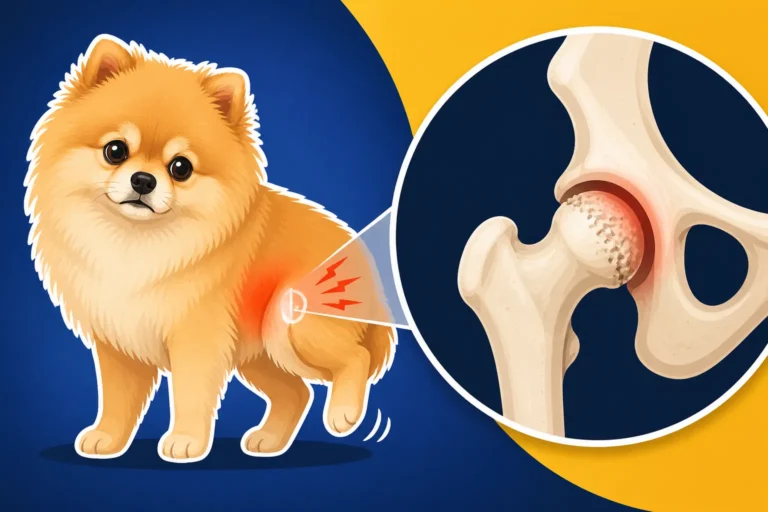
- Evaluate Joints and Mobility: Watching your Pomeranian walk and gently manipulating their legs to check for pain, stiffness, or conditions like luxating patellas.
- Check Lymph Nodes: Feeling for any swelling that could indicate infection or other issues.
Don't be afraid to ask questions during this process. Understanding what your vet is looking for helps you become a more informed advocate for your Pomeranian's health.
Diagnostic Testing: When and Why
While physical exams are foundational, diagnostic tests provide deeper insights into your Pomeranian's internal health.
- Fecal Exams: Recommended annually for adults, and more frequently for puppies, to check for intestinal parasites.
- Blood Work:
- Baseline Blood Work: Often recommended in young adults (1-2 years) to establish normal values.
- Annual/Bi-Annual Blood Work for Seniors: Essential for monitoring organ function (kidney, liver), thyroid levels, and detecting early signs of diseases like diabetes.
- Urinalysis: Can detect urinary tract infections, kidney disease, and diabetes.
- Heartworm Test: An annual blood test required for all dogs on heartworm prevention.
- X-rays/Ultrasounds: May be recommended if your vet finds something concerning during the physical exam, such as a suspicious mass or signs of orthopedic issues.
These tests are not always necessary at every visit, but your vet will recommend them based on your Pomeranian's age, health history, and any symptoms you might be observing. It's about being proactive and catching things early.
Proactive Prevention: Vaccinations, Parasites, and Lifestyle
The goal of a consistent checkup schedule is prevention. This includes ensuring your Pomeranian is up-to-date on all necessary vaccinations, not just to protect them, but also to prevent the spread of diseases in the wider community. Discussing year-round flea, tick, and heartworm prevention tailored to your region and your Pom's lifestyle is also critical. These tiny parasites can cause serious, even fatal, diseases.
Beyond medical interventions, your vet visit is the perfect time to discuss lifestyle factors:
- Diet: Is their food providing optimal nutrition? Are treats contributing to weight gain?
- Exercise: Are they getting enough appropriate exercise for their age and size? Remember that A Pomeranian That Will Not Walk on Wet Grass might need indoor alternatives.
- Grooming: Are you managing their double coat effectively to prevent mats and skin issues?
- Behavioral Concerns: Any new anxieties, aggression, or changes in house training can be discussed.
- Environmental Safety: Ensuring your home is safe for a small, sometimes fragile, Pomeranian, especially to prevent injuries like those leading to knee problems.
This holistic approach ensures that every aspect of your Pomeranian's well-being is considered, helping them to live How Long a Well Bred Pomeranian Actually Lives.
Here's a quick overview of the typical checkup schedule:
| Pomeranian Life Stage | Age Range | Recommended Checkup Frequency | Key Focus Areas |
|---|---|---|---|
| Puppy | 8 weeks – 4 months | Every 3-4 weeks | Initial physical exams, vaccination series (Distemper, Parvo, etc.), deworming, fecal exams, flea/tick/heartworm prevention initiation, discussion of Feeding a Pomeranian Puppy Often Enough to Stay Safe, early health screenings for congenital issues. |
| Young Adult | 4 months – 2 years | Annually (plus spay/neuter) | Spay/neuter surgery, pre-surgical blood work, annual wellness exam, core vaccine boosters (as needed), dental health assessment, weight monitoring, joint health, behavioral discussions, baseline blood work if recommended. |
| Adult | 2 years – 7-8 years | Annually | Comprehensive physical exam, booster vaccinations (as needed), year-round parasite prevention, in-depth dental assessment (professional cleaning often recommended), weight management, nutrition review, early detection of breed-specific conditions like Slipping Kneecaps in a Five Pound Pomeranian, general health monitoring. |
| Senior | 8 years + | Every 6 months | Thorough physical exam, blood work (CBC, chemistry, thyroid), urinalysis, frequent dental health checks, comprehensive pain management for arthritis, monitoring for heart disease, kidney disease, cognitive dysfunction, vision/hearing changes. Focus on quality of life, mobility support, and tailored nutrition. Discussion of increased costs and options like pet insurance from Healthy Paws. |
Disclaimer
This guide provides general information about Pomeranian health and typical veterinary checkup schedules. It is not a substitute for professional veterinary advice, diagnosis, or treatment. Always consult with your veterinarian for any health concerns or before making any decisions about your Pomeranian's medical care. Individual needs may vary based on age, health status, lifestyle, and geographical location.