Whether a Groomer Should Ever Shave a Pomeranian
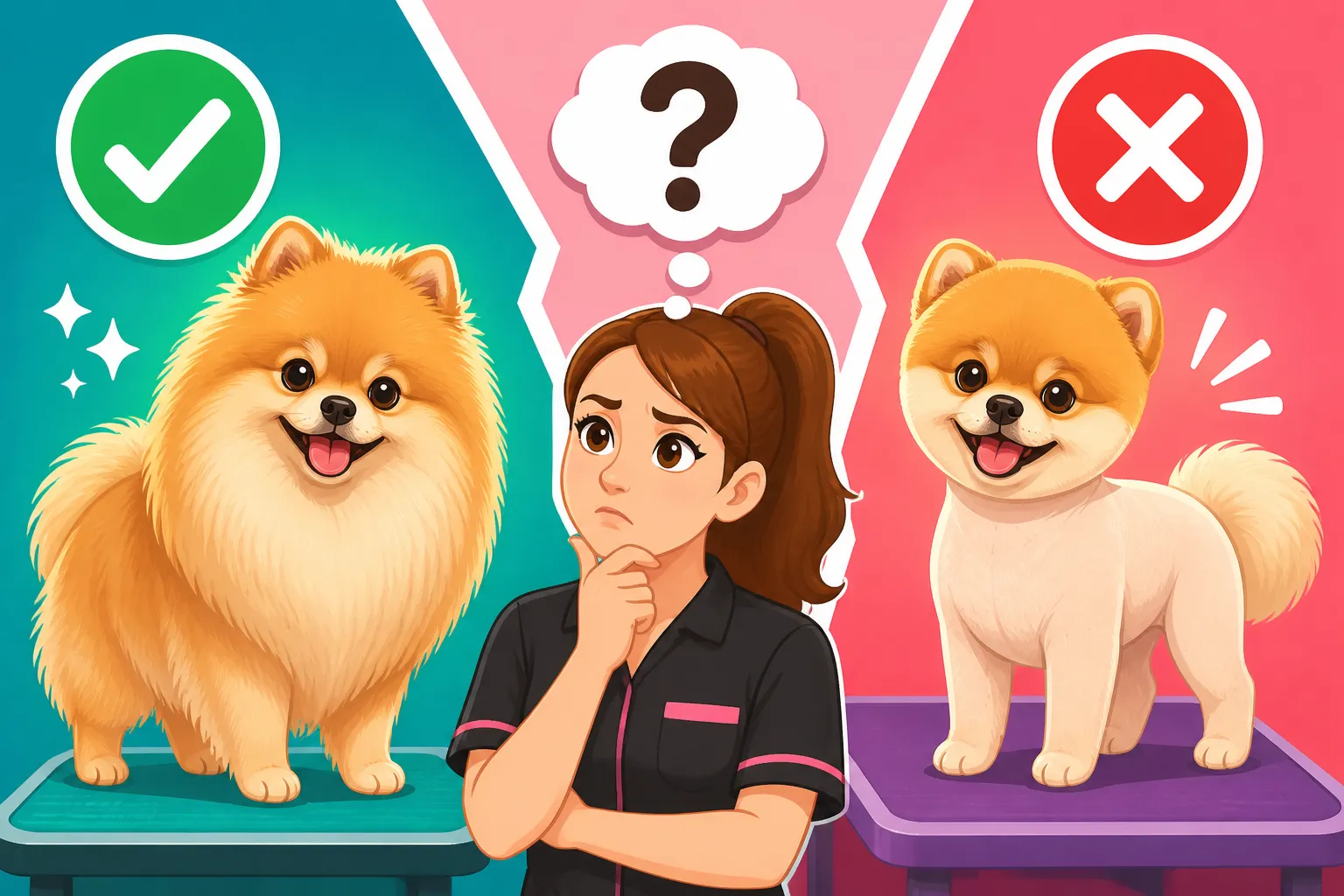
It’s a common dilemma for many Pomeranian owners: you look at that glorious, fluffy coat, and especially as summer approaches or if you notice some matting, the thought of just shaving it all off for simplicity or relief can be incredibly tempting. But hold on a minute, because what seems like an easy fix can actually lead to a host of problems for your beloved Pom, potentially causing irreversible damage to their beautiful and functional coat. This guide will walk you through why shaving a Pomeranian is almost never recommended, what risks it poses, and what truly responsible alternatives exist to keep your furry friend comfortable and healthy.
Understanding the Pomeranian's Unique Double Coat
To truly grasp why shaving a Pomeranian is such a big deal, we need to talk about what makes their coat so special in the first place. These aren't just fluffy fashion statements; they're incredibly complex, functional marvels designed by nature for protection and temperature regulation.
The Function of Guard Hairs and Undercoat
A Pomeranian's coat is what we call a "double coat," and it's built in two distinct layers, each with its own crucial job. The outer layer consists of longer, coarser, and somewhat stiffer hairs known as "guard hairs." These are the hairs that give your Pomeranian that magnificent, stand-off appearance, and they're responsible for repelling water, dirt, and providing a physical barrier against the elements. Think of them as your Pom’s natural raincoat and shield.
Beneath this protective outer layer lies the "undercoat," which is entirely different. The undercoat is much softer, shorter, and incredibly dense. Its primary function is insulation. These fine, woolly hairs trap air close to the dog's body, creating a thermal barrier. In winter, this barrier keeps them warm, and crucially, in summer, it prevents heat from penetrating too quickly, keeping them cool. It’s an ingenious system, perfectly adapted for their ancestral climate. You can read more about it in depth with our article on The Guard Hair and Undercoat of a Pomeranian.
How the Coat Regulates Body Temperature
Many people mistakenly believe that shaving a double-coated dog like a Pomeranian will help them stay cooler in the summer. This couldn't be further from the truth. Their double coat acts like a natural thermos. In hot weather, the dense undercoat and the guard hairs create an insulating layer that actually protects the skin from direct sunlight and helps maintain a cooler body temperature. Air circulates through this complex network of hairs, which assists in cooling the skin.
When you shave off this protective layer, you strip away their natural cooling system. The skin is exposed directly to the sun's harsh UV rays, which can lead to sunburn and overheating. Without the insulation, their body has to work much harder to regulate its temperature, which can put them at risk for heatstroke. This is why understanding How a Double Coated Pomeranian Handles Summer is so important for their well-being.
The Devastating Effects of Shaving a Pomeranian
Now that we understand the intricate design of a Pomeranian's coat, let's talk about what happens when that design is completely disrupted by shaving. The consequences can range from merely cosmetic to severely detrimental to their health.
The Risk of Coat Damage and Alopecia
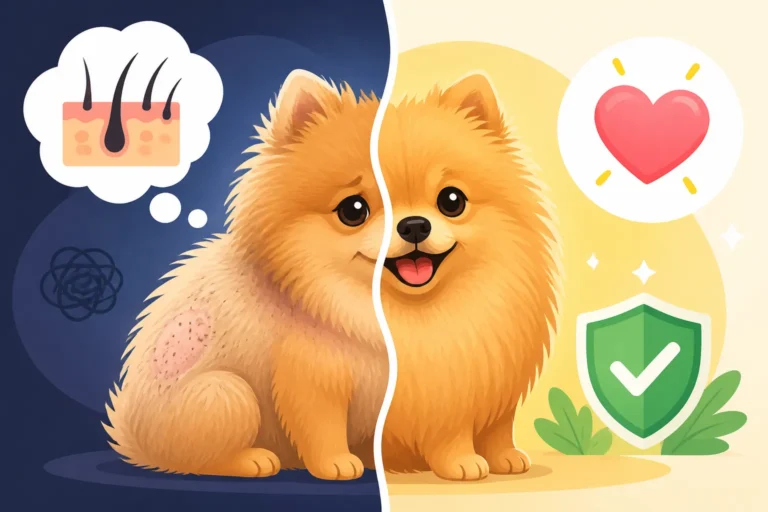
One of the most heartbreaking and common consequences of shaving a Pomeranian is the risk of "shave shock" or post-clipping alopecia. What happens is that the undercoat often grows back much faster and denser than the guard hairs, leading to a dull, cottony, uneven, and sometimes even matted texture that can feel coarse and look completely different from their original plush coat. In many cases, the guard hairs may not grow back at all, or they might grow in patchy and sparse.
Even worse, some Pomeranians can develop a condition where their coat simply refuses to grow back, leaving them with permanent bald patches. This is often linked to a genetic predisposition to conditions like Alopecia X, which sometimes goes by the common name of Black Skin Disease and the Pomeranian Coat That Never Returns. While shaving doesn't cause Alopecia X, it can definitely trigger its manifestation or worsen an existing predisposition, leaving your beautiful Pom with a permanent loss of coat. This is a very real frustration many owners face, desperately wondering Whether a Pomeranian's Coat Grows Back After Alopecia X. The best policy is prevention; avoid shaving altogether.
Compromised Temperature Regulation
As mentioned before, the double coat is a finely tuned system for regulating body temperature. When you shave it off, you effectively dismantle this system. In hot weather, removing the insulating layer leaves your Pomeranian's delicate skin directly exposed to the sun. This means they are at a much higher risk of overheating and developing heatstroke because their natural defense mechanism is gone. They can't dissipate heat as effectively, and their core body temperature can rise dangerously.
Conversely, in colder temperatures, the absence of their dense undercoat means they lose their natural warmth and insulation. They will feel the cold much more acutely and become susceptible to hypothermia, requiring additional layers of clothing or blankets to stay warm. The idea that a shaved Pom is cooler in summer is a dangerous myth; they actually struggle more to maintain a safe body temperature. This dramatic shift in their natural protection is a huge reason Why Shaving a Pomeranian Can End Its Coat function forever.
Increased Risk of Skin Issues and Sunburn
With their protective guard hairs and dense undercoat gone, a shaved Pomeranian's skin becomes incredibly vulnerable. It's like taking off your own clothes and walking into harsh sunlight or a thorny bush. Their skin is not designed to be exposed directly to the elements. This exposure can lead to several problems:
- Sunburn: Just like humans, dogs can get sunburned, and Pomeranians with shaved skin are highly susceptible. Sunburn can be painful, cause blistering, and significantly increase their risk of developing skin cancer later in life. Imagine the discomfort for your little one! We have a helpful article on Protecting a Bald Pomeranian's Skin From Sun that delves into this further.
- Skin Irritation and Infections: Exposed skin is more prone to environmental irritants, allergens, and even minor cuts and scrapes. Without the protective barrier of their coat, bacteria and other pathogens can more easily penetrate the skin, leading to infections, hot spots, or other dermatological issues that can be difficult and costly to treat.
- Insect Bites: A full coat provides a natural deterrent against insect bites, such as fleas, ticks, and mosquitoes. Shaving removes this defense, leaving their skin exposed and making them easier targets for painful bites and potential disease transmission.
The financial burden of treating these skin issues can be significant. It's during times like these that having a robust pet insurance plan, such as one from Healthy Paws, can really make a difference, helping to cover unexpected vet bills from preventable issues.
When Shaving Might Be Considered (and the Caveats)
While the general rule is "never shave a Pomeranian," there are extremely rare and specific circumstances where shaving might become a necessity. However, these are almost always situations of last resort, and ideally, they should be decided upon with veterinary consultation.
Severe Matting Beyond Salvage
This is perhaps the most common reason a Pomeranian might need to be shaved, and it’s a truly unfortunate situation that no owner wants to find themselves in. If a Pomeranian's coat has become severely matted and neglected, brushing them out can be incredibly painful, if not impossible. Mats, especially those close to the skin, can pull on the skin, restricting movement, causing sores, infections, and even cutting off circulation. In such extreme cases, shaving beneath the mats is not a cosmetic choice but a medical necessity to alleviate pain and restore health to the skin.
When mats are severe, a professional groomer, or even a vet, may have no option but to carefully shave the dog down. This is done to remove the painful, tightly bound hair that is causing distress. It's a sad reality, but sometimes it’s the only humane option to relieve suffering. To prevent this, regular grooming and dematting are vital. You can learn more about proper coat care in our guide on Working a Pomeranian's Coat in Sections to the Skin.
Medical Necessity Under Veterinary Guidance
Beyond severe matting, there are very few instances where a veterinarian might recommend shaving a specific area or even the entire coat. These situations are purely medical and are not for aesthetic purposes. For example:
- Extensive Surgeries: If a Pomeranian needs a large surgical site prepared, shaving a significant area of the coat will be necessary for hygiene and to allow the vet to work cleanly.
- Severe Skin Conditions: In cases of widespread, chronic skin infections, severe allergies, or other dermatological issues where topical medications need to reach the skin directly and extensively, a vet might suggest shaving to facilitate treatment and faster healing. This would be a temporary measure aimed at addressing a specific health crisis, not a routine grooming practice.
- Diagnostic Procedures: Sometimes, shaving might be required for certain diagnostic tests, such as skin biopsies or ultrasound examinations, to get clear access to the affected area.
It is crucial that any decision to shave for medical reasons comes directly from your veterinarian. A groomer should never make this call independently. If a groomer suggests shaving your Pomeranian for any reason other than severe matting that they cannot safely brush out, question it and consult your vet first. Always ensure your pet’s health and comfort are prioritized, and be prepared for potential vet bills; Healthy Paws insurance can offer coverage for unexpected medical needs like these.
Here’s a quick comparison of the effects of shaving versus proper coat maintenance:
| Feature | Shaving a Pomeranian (Excluding Medical Necessity) | Proper Grooming & Maintenance |
|---|---|---|
| Coat Structure | Risk of permanent damage; undercoat overgrowth | Maintains natural double coat integrity |
| Temperature | Compromised insulation; risk of overheating/chilling | Natural cooling in summer, warmth in winter |
| Skin Health | Increased risk of sunburn, irritation, infection | Protected from elements, less prone to issues |
| Appearance | Dull, patchy, cottony regrowth; loss of "Pom" look | Retains fluffy, vibrant, breed-standard appearance |
| Grooming Effort | Initially low, but future coat issues can be high | Consistent effort, but prevents major problems |
| Vet Costs | Potentially higher for skin/coat problems | Lower for coat-related issues (preventative) |
Responsible Alternatives to Shaving for Pomeranian Care
So, if shaving is largely off the table, what can you do to properly care for your Pomeranian's magnificent coat and keep them comfortable year-round? The answer lies in consistent, knowledgeable, and loving care.
Regular Grooming and Deshedding
The cornerstone of a healthy Pomeranian coat is regular grooming. This isn't just about making them look pretty; it's essential for their comfort and skin health. Their dense double coat requires frequent brushing to prevent mats, remove loose undercoat, and distribute natural oils.
Aim for brushing your Pomeranian at least two to three times a week, and more frequently during seasonal "coat blows" when they shed heavily. Use the right tools – typically a slicker brush and a metal comb – to reach down to the skin, working in sections. Our article on How Many Times a Week a Pomeranian Is Brushed gives detailed advice on this. Regular brushing helps remove the dead undercoat that can trap heat and form painful mats. This process also stimulates circulation and helps keep their skin healthy. A consistent The Grooming Schedule a Pomeranian Runs On is your best defense against matting and the temptation to shave.
Effective Cooling Strategies for Summer
Instead of shaving, focus on strategies that support your Pomeranian's natural cooling mechanisms. Here are some effective and safe ways to help your Pom beat the heat:
- Provide Shade and Indoor Access: Ensure your Pomeranian always has access to shade when outdoors and, ideally, keep them indoors during the hottest parts of the day. Air conditioning is your friend!
- Hydration: Always have fresh, cool water available. You can even add ice cubes to their bowl to keep it refreshing.
- Cooling Mats and Elevated Beds: Invest in cooling mats (the gel-filled kind) or elevated dog beds that allow air to circulate underneath. Many Poms love to sprawl out on cool tile floors too.
- Frozen Treats: Offer frozen treats like pup-sicles or ice cubes (if they enjoy them) to help cool them from the inside out.
- Limited Exercise During Peak Heat: Adjust your walk schedule to early mornings or late evenings when temperatures are cooler. Avoid strenuous activity during the heat of the day.
- Wetting Their Paws/Belly: You can gently dampen their paws or belly with cool water, as these areas have thinner fur and can help with heat dissipation. Just be sure not to soak their dense coat, as it can take a long time to dry and potentially lead to skin issues.
These methods work with their coat, allowing it to do its job, rather than removing it and causing further problems.
Professional Grooming for Proper Maintenance
Enlisting the help of a professional groomer who specializes in double-coated breeds is invaluable. A skilled groomer understands the nuances of a Pomeranian's coat and will never recommend shaving unless it's an absolute medical necessity due to severe matting.
They can provide services like:
- Thorough Brushing and Deshedding: Professional tools and techniques can effectively remove dead undercoat, reducing shedding and preventing mats far more effectively than home efforts alone.
- Sanitary Trims: This involves carefully trimming the fur around the private areas, paws, and hocks to keep them clean and hygienic, especially important for preventing fecal matting or slippage on smooth floors. These small trims are perfectly safe and fall under Trims a Pomeranian Can Safely Have.
- Paw Pad Trims: Keeping the fur between their paw pads neatly trimmed helps with traction, prevents debris from getting stuck, and allows for better cooling.
- Bathing and Drying: Professional groomers have access to specialized shampoos and high-velocity dryers that can thoroughly clean and dry a Pomeranian's dense coat without causing damage or matting.
When choosing a groomer, always ask about their experience with double-coated breeds and their philosophy on shaving. A good groomer will educate you on why shaving is detrimental and offer alternatives, ensuring your Pomeranian's coat remains a source of pride and protection, not a cause for concern.
Disclaimer
The information provided in this article is for general informational purposes only and is not a substitute for professional veterinary advice. Always consult with a qualified veterinarian or professional groomer for any health concerns or before making any decisions about your Pomeranian's care.