What Teacup Breeding Costs a Pomeranian
The desire for a truly tiny, pocket-sized companion is completely understandable; there's a certain undeniable appeal to a miniature dog you can carry everywhere. However, the sad truth is that actively breeding for what's marketed as a "teacup" Pomeranian often comes at a steep, often heartbreaking, cost to the dog's health and quality of life. This comprehensive guide will meticulously explore the specific, severe health challenges that frequently plague these exceptionally small Pomeranians, helping you understand the real implications behind the "teacup" label.
The Allure of the Teacup Pomeranian and Its Hidden Dangers
The term "teacup" has become a buzzword, evoking images of adorable, fragile pups small enough to fit into a teacup. While this image is undeniably charming, it masks a darker reality for the dogs themselves. Understanding what this label truly signifies and the breeding practices it encourages is crucial for anyone considering bringing one of these tiny Poms into their life.
What "Teacup" Really Means for a Pomeranian
When you hear "teacup Pomeranian," what often comes to mind is a dog weighing less than three pounds, perhaps even under two pounds, reaching an adult height of just a few inches. This extreme miniaturization is a significant departure from the established breed standard, which typically sets the ideal weight for a full-grown Pomeranian between three and seven pounds, with a height ranging from six to seven inches at the shoulder. A Pomeranian bred to be legitimately under three pounds as an adult is often outside the healthy parameters for the breed. These dogs are not simply "small" Pomeranians; they are often the result of deliberate breeding for extreme tininess, pushing the limits of what a canine body can safely sustain. The allure of their delicate size is undeniable, and many prospective owners are drawn to their seeming fragility, believing them to be rare or special. However, this rarity often stems from the inherent difficulties in producing such tiny dogs, rather than any desirable genetic trait.
These extremely undersized Poms often retain a puppy-like appearance throughout their lives, which further contributes to their marketability. They might have proportionally larger heads and eyes, giving them a perpetually "baby doll" look. While aesthetically pleasing to some, this can be an indicator of underlying developmental issues, such as hydrocephalus, which we'll discuss later. Their tiny stature means their internal organs, bones, and systems are also miniaturized, but without necessarily retaining the full functionality or robustness of a standard-sized Pomeranian. This delicate physical state means they are incredibly vulnerable to injuries and health complications that a slightly larger, more robust Pomeranian might easily shrug off. It’s important to distinguish between a Pomeranian that is naturally on the smaller end of the breed standard – perhaps a healthy 3.5-pound adult – and one that has been specifically bred down to an unhealthy "teacup" size, often 2.5 pounds or less. The latter is where the significant health risks truly begin to manifest.
The Unethical Breeding Practices Behind Extreme Miniaturization
The pursuit of the "teacup" label frequently involves breeding practices that prioritize size above all else, often at the expense of health and genetic integrity. Reputable breeders adhere to a breed standard, which includes a healthy weight range and conformation, and they screen their breeding dogs for genetic diseases common in Pomeranians. In contrast, "teacup" breeders often focus on quantity over quality, aiming to produce the smallest possible puppies to meet market demand for these "designer" pets. One common, and deeply problematic, practice is breeding the smallest runts of litters together. Runts are often small due to underlying health issues, genetic deficiencies, or poor development, rather than being naturally healthy, albeit petite, specimens. Combining two such individuals only magnifies the chances of passing on genetic weaknesses and producing even more fragile offspring.
Another concern is the lack of proper health screening in these breeding programs. Ethical breeders invest significant time and money into health testing their breeding stock for conditions like luxating patellas, heart defects, and eye problems. "Teacup" breeders, driven by profit margins from high-priced tiny pups, often skip these crucial tests, leading to generations of dogs predisposed to serious health issues. The mothers themselves are often too small to carry a healthy litter, frequently requiring C-sections and facing significant risks during pregnancy and whelping. Sometimes, these small mothers are bred too frequently or too young, further compromising their health and the health of their puppies. It’s a cycle where the animals’ well-being is secondary to achieving an extreme aesthetic. For a prospective owner, encountering a breeder who advertises "teacup" or "micro" Pomeranians should be an immediate red flag, prompting a thorough investigation into their practices and a critical evaluation of the puppies' health and parentage.
Skeletal and Structural Weaknesses in Teacup Pomeranians
The tiny stature of a teacup Pomeranian means their skeletal system is often compromised, leading to a host of orthopedic issues that can range from minor discomfort to debilitating pain and require expensive interventions. These structural fragilities are a direct consequence of breeding for extreme smallness.
Fragile Bones and Increased Fracture Risk
Imagine a tiny, hollow bird bone – that's often the analogy used to describe the bones of an exceptionally small Pomeranian. Their bones are not just smaller; they are often thinner and less dense than those of a standard-sized Pom, making them incredibly fragile. This fragility puts them at an alarmingly high risk of fractures from what would be considered everyday occurrences for a larger, more robust dog, or even a healthy, standard-sized Pomeranian. A simple jump off a sofa, a tumble down a step, or even being accidentally stepped on by a child or adult can result in a broken leg, hip, or rib.
We often talk about how Why Jumping Off Furniture Wrecks a Pomeranian's Knees in standard Poms, but for a teacup, the risk of fractures extends far beyond just knee issues. Even being gently dropped, falling off a low bed, or having another pet playfully bump into them can cause severe injury. Their delicate frames mean that rough play, even with another small dog, can be dangerous. These fractures often require extensive veterinary care, including costly surgeries, pins, plates, and prolonged recovery periods involving strict crate rest. The emotional toll on an owner trying to protect such a vulnerable pet is immense, as is the financial burden. The tiny nature of their bones can also complicate surgical repairs, making them more challenging for veterinarians and potentially leading to longer healing times or less favorable outcomes.
Luxating Patellas and Other Joint Issues
Luxating patellas, commonly known as "slipping kneecaps," are a prevalent issue in Pomeranians and many other small breeds. This condition occurs when the patella (kneecap) dislocates or slips out of its normal groove in the femur (thigh bone). While it can affect Pomeranians of all sizes, the extreme miniaturization seen in teacups often exacerbates the problem. The tiny bones, shallow patellar grooves, and sometimes lax ligaments associated with breeding for extreme smallness make them even more susceptible. A teacup Pomeranian with luxating patellas might exhibit a distinctive skip in their gait, hold a leg up for a few steps, or even become severely lame. The constant popping in and out of the kneecap causes pain, inflammation, and can lead to early onset arthritis.
The severity of luxating patellas is often graded from 1 (mild) to 4 (severe), and many teacups unfortunately fall into the higher grades, requiring surgical correction. This surgery, while often successful, is expensive and requires significant recovery time. Beyond luxating patellas, the structural integrity of a teacup Pomeranian can be compromised in other ways. While less common than in larger breeds, poorly bred teacups can also be at risk for other joint issues, including poorly formed hip joints or elbow dysplasia, further adding to their orthopedic challenges. The delicate nature of their joints also means that impact, even from seemingly minor falls, can cause greater damage. Owners of these tiny Poms often find themselves faced with recurring veterinary bills for pain management, physical therapy, and potentially multiple surgeries throughout their dog's life. This is where having robust pet insurance like Healthy Paws can truly make a difference, helping to mitigate the significant financial strain of these chronic conditions. The challenges posed by Slipping Kneecaps in a Five Pound Pomeranian are amplified when the dog is half that size.
Organ Systems Under Strain in Miniature Pomeranians
The internal organs of a teacup Pomeranian, while scaled down, often face disproportionate challenges. Their tiny bodies simply don't have the same capacity to accommodate robust systems, leading to increased risks of cardiovascular, respiratory, and digestive problems.
Heart Conditions and Respiratory Challenges
One of the most critical areas of concern for teacup Pomeranians is their cardiovascular and respiratory health. Their diminutive chest cavities often mean that their hearts and lungs are confined, potentially affecting their function. Congenital heart defects, such as patent ductus arteriosus (PDA), are unfortunately more common in very small breeds, and teacup breeding practices can increase this risk. PDA occurs when a blood vessel that's open during fetal development fails to close after birth, leading to abnormal blood flow and putting strain on the heart and lungs. Untreated, it can lead to congestive heart failure. Learning about The Heart Defect Found in Pomeranian Puppies is essential for all Pom owners, but especially those with extremely small dogs.
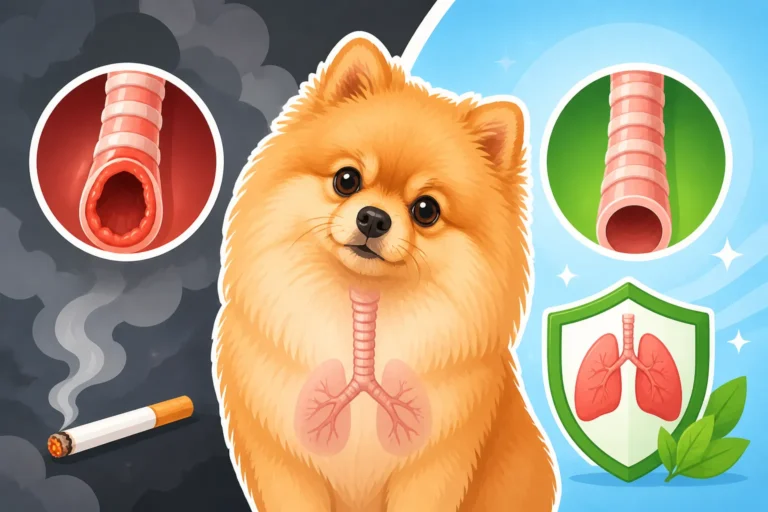
Beyond heart issues, respiratory problems are also incredibly prevalent. Teacup Pomeranians often have underdeveloped or extremely narrow tracheas (windpipes), making them highly susceptible to tracheal collapse. The characteristic sound of The Honking Cough of a Pomeranian's Collapsing Windpipe can be terrifying for owners, and in teacups, these episodes can be more frequent and severe, sometimes even leading to respiratory crises. Excitement, stress, or even pulling on a collar (which should always be avoided in Poms, especially tiny ones, in favor of a harness) can trigger a coughing fit. Their tiny lungs also have less reserve, making them more vulnerable to infections or environmental irritants like smoke or allergens. Anesthesia for any procedure, even routine dentals, carries a significantly higher risk for these tiny dogs, as their delicate systems are more prone to complications. This is why discussions about Anesthesia Risk in a Four Pound Pomeranian are critical and intensified for teacup Poms.
Liver Shunts and Delicate Digestive Systems
The digestive and metabolic systems of teacup Pomeranians are also often compromised. One of the more serious conditions seen in very small breeds is a portosystemic shunt (PSS), commonly known as a liver shunt. In simple terms, this is an abnormal blood vessel that allows blood to bypass the liver, preventing it from being properly detoxified. This means toxins that would normally be filtered by the liver remain in the bloodstream, leading to a range of neurological symptoms, stunted growth, and poor overall health. Puppies with shunts may appear smaller, fail to thrive, or show signs like disorientation, seizures, or excessive drooling, particularly after eating. Diagnosis and treatment, which often involves complex and expensive surgery, are challenging, and even with intervention, the prognosis can be guarded.
Beyond shunts, teacup Pomeranians generally have incredibly delicate digestive systems. They are prone to upset stomachs, diarrhea, and vomiting with even slight changes in diet or stress. Their tiny stomachs require frequent, small meals to avoid hypoglycemia, a dangerous drop in blood sugar. Because they are so small, even a short period of not eating can rapidly deplete their glucose reserves, leading to lethargy, disorientation, muscle tremors, and even seizures. This fragility means owners must be incredibly vigilant about their diet, ensuring they eat consistently and are fed high-quality, easily digestible food tailored for small breeds. Understanding the risks of Blood Sugar Crashes in a Pomeranian Puppy is paramount, as it's a constant concern for these miniature dogs, even as they age.
Neurological and Developmental Concerns
The pursuit of extreme smallness can also manifest in significant neurological and developmental abnormalities, which are often unseen but can profoundly impact a teacup Pomeranian's quality of life and longevity. These issues can lead to chronic pain, cognitive deficits, and a lifetime of specialized care.
Hydrocephalus and Open Fontanelles
One of the most concerning neurological conditions associated with extremely small breeds, including teacup Pomeranians, is hydrocephalus. This condition, often referred to as "water on the brain," occurs when there is an excessive accumulation of cerebrospinal fluid within the brain, leading to increased pressure and potential brain damage. Symptoms can vary but often include a domed head, uncoordinated gait, circling, behavioral changes, seizures, and a failure to thrive. It can be caused by genetic predisposition, infection, or trauma. A common physical sign that often accompanies hydrocephalus, or at least indicates a significant developmental concern, is an open fontanelle. The fontanelle is a "soft spot" on the top of a puppy's skull where the bones haven't fully fused. While most puppies are born with one and it closes within a few months, in teacup Pomeranians, this soft spot may remain open, sometimes for life. This leaves their delicate brains alarmingly vulnerable to injury.
Even a slight bump, a fall, or rough handling can lead to severe brain damage, swelling, or even death. Owners must exercise extreme caution to protect their dog's head at all times. The presence of an open fontanelle, especially a large one, can be an indicator of hydrocephalus or other neurological developmental issues. It means that the dog's skull hasn't fully formed, offering inadequate protection to the brain. Managing a dog with hydrocephalus is incredibly challenging, often involving daily medication to reduce fluid production, regular vet visits, and a constant watch for worsening symptoms. It's a condition that places immense emotional and financial strain on owners. More information on Whether a Pomeranian's Fontanelle Closes can highlight the serious nature of this common issue in undersized Poms.
Seizures and Neurological Instability
Beyond hydrocephalus, teacup Pomeranians can be more prone to other forms of neurological instability, including idiopathic epilepsy, which causes seizures without an identifiable underlying cause, or seizures secondary to other conditions like hypoglycemia or liver shunts. The brain development in these extremely small dogs can sometimes be atypical, making them more susceptible to electrical disturbances that manifest as seizures. Seizures can range from mild, subtle episodes (like staring spells or muscle twitching) to full-blown grand mal convulsions involving loss of consciousness, uncontrolled thrashing, and vocalization. Witnessing a seizure can be incredibly frightening for an owner, and repeated seizures can be damaging to the dog's brain over time.
Diagnosing the cause of seizures in a teacup Pomeranian often requires a thorough veterinary workup, including blood tests, imaging (like MRI), and neurological consultations, all of which are costly and add to the burden of care. Treatment typically involves daily anti-seizure medication, which must be carefully monitored and adjusted by a veterinarian. The challenge with these tiny dogs is often finding appropriate dosages that are effective without causing significant side effects, given their small body mass and delicate systems. Living with a dog prone to seizures means a heightened level of vigilance, understanding seizure first aid, and ensuring a safe environment to prevent injury during an episode. It's a constant reminder of the inherent vulnerabilities that come with extreme miniaturization.
Metabolic and Immune System Fragilities
The tiny bodies of teacup Pomeranians struggle not only with structural issues but also with maintaining basic metabolic functions and mounting a robust immune response. This makes them perpetually vulnerable to internal imbalances and external pathogens.
Persistent Hypoglycemia and Energy Management
As mentioned earlier, hypoglycemia, or dangerously low blood sugar, is a constant and severe threat to teacup Pomeranians, particularly as puppies, but can persist into adulthood. Their small body mass means they have very limited reserves of glycogen (stored glucose) in their livers. Unlike larger dogs who can go longer between meals without issue, a teacup Pom can quickly deplete its blood sugar, especially if stressed, cold, or if meals are missed or delayed. Puppies are particularly at risk because their energy demands are high and their regulatory systems are still maturing. Symptoms of hypoglycemia can come on rapidly and include lethargy, weakness, disorientation, trembling, uncoordinated movement, and eventually seizures or unconsciousness.
Owners of teacup Pomeranians must be hyper-vigilant about their feeding schedule, often needing to provide small, frequent meals throughout the day – sometimes as often as every 2-3 hours for very young puppies. Keeping high-glucose syrup or gel on hand for emergencies is crucial; rubbing it on their gums can sometimes avert a crisis. Stress, over-excitement, or even minor illnesses like diarrhea or vomiting can quickly trigger a hypoglycemic episode, turning a minor ailment into a life-threatening emergency. This constant need for careful management profoundly impacts an owner's lifestyle, requiring meticulous attention to their dog's feeding, activity, and overall well-being. The exhaustive demands of Feeding a Pomeranian Puppy Often Enough to Stay Safe are intensified significantly when dealing with a teacup.
Compromised Immune Systems and Vaccination Risks
Another often-overlooked consequence of breeding for extreme smallness is a potentially compromised immune system. While not every teacup Pomeranian will have a weak immune system, the overall fragility and sometimes poor genetic health associated with these breeding practices can mean they are less robust in fighting off infections and diseases. They may be more susceptible to common illnesses, and when they do get sick, their tiny bodies may struggle more to recover, making even mild ailments potentially more serious. Their ability to mount an effective immune response to vaccinations can also be a concern.
Veterinarians often approach vaccination protocols for extremely tiny puppies with extra caution, sometimes adjusting the timing or splitting doses to minimize stress on their delicate systems. However, this also means they might be protected later or less effectively, leaving them vulnerable during a critical developmental period. Owners need to discuss a tailored vaccination schedule with their vet, and strictly limit exposure to other dogs and public spaces until their teacup puppy is fully vaccinated. It's a fine balance between protecting them from disease and not overwhelming their fragile systems. Caring for a dog with a potentially weaker immune system requires impeccable hygiene, careful monitoring for any signs of illness, and immediate veterinary attention at the first hint of a problem. Understanding Vaccine Timing for a Very Small Pomeranian Puppy is essential, as incorrect timing or dosage can have severe consequences for these fragile pups.
Lifespan and Quality of Life Implications
Ultimately, the most significant cost of teacup breeding is the profound impact on a Pomeranian's lifespan and overall quality of life. What often begins as a desire for a "forever puppy" can quickly turn into a lifetime of intensive care for a chronically ill animal.
Shorter Lifespan and Chronic Illness
A well-bred, healthy, standard-sized Pomeranian typically enjoys a lifespan of 12 to 16 years, with many living even longer, vibrant lives. They are known for their spirited personalities and robust health when properly cared for. However, the picture for a teacup Pomeranian is often starkly different. Due to the myriad of health issues previously discussed – fragile bones, heart conditions, respiratory problems, liver shunts, hydrocephalus, and persistent hypoglycemia – their lifespan is often significantly shortened. Many teacups do not live past five or six years, and those who do often spend a substantial portion of their lives battling chronic illnesses and enduring frequent trips to the veterinarian.
Instead of enjoying a playful, active existence, a teacup Pomeranian might be confined to a small, safe space to prevent injuries, on a strict feeding schedule to manage blood sugar, or on daily medications for heart, respiratory, or neurological conditions. Their days can be punctuated by pain, discomfort, or episodes of weakness and collapse. The quality of life for these dogs is severely compromised by the very traits that make them desirable to some. Owners face the heartbreaking reality of watching their beloved companion struggle, often requiring constant intervention to manage symptoms and maintain even a semblance of comfort. This is a stark contrast to the healthy, active life a standard Pomeranian should experience. Looking into How Long a Well Bred Pomeranian Actually Lives will reveal how much the teacup breeding paradigm deviates from the ideal.
The Emotional and Financial Toll on Owners
Bringing a teacup Pomeranian into your life is an immense emotional and financial commitment, often far exceeding what most prospective owners anticipate. The initial purchase price alone can be exorbitant, with "teacup" puppies sometimes selling for thousands of dollars. But this is just the beginning. The constant health issues translate into a never-ending stream of veterinary bills. Imagine regular visits for luxating patellas, specialists for heart conditions, emergency care for hypoglycemia, and potential surgeries for liver shunts or hydrocephalus. Medications for chronic conditions can be daily, and specialized diets are often necessary. The cumulative cost can quickly reach into the tens of thousands of dollars over the dog's lifetime. Even with comprehensive pet insurance like Healthy Paws, which is highly recommended for any Pomeranian, let alone a teacup, owners will still face deductibles, co-pays, and conditions that may not be covered if deemed pre-existing.
Beyond the financial strain, the emotional toll is immense. Living with a chronically ill pet means constant worry, anxiety, and sleepless nights. Owners become highly attuned to every cough, every slight tremor, every skipped meal, knowing that any minor deviation could signal a serious health crisis. The bond formed with such a vulnerable creature is profound, but it often comes with the heartache of witnessing their struggles and facing difficult decisions about their quality of life much earlier than expected. The dream of a tiny, playful companion can quickly turn into the reality of a fragile being requiring intensive, round-the-clock nursing care. This can be mentally and physically exhausting for even the most dedicated owner. When you tally up The Eighteen Thousand Dollar Lifetime of a Pomeranian for a healthy one, the figure for a teacup can easily double or triple due to specialized medical needs.
Responsible Choices and Supporting Healthy Breeding
Given the severe health consequences associated with "teacup" breeding, making informed and responsible choices is paramount. It's about prioritizing the welfare of the animal over a fleeting aesthetic trend.
Prioritizing Health Over Size
The most critical step in making a responsible choice is to prioritize health, temperament, and adherence to established breed standards over extreme miniaturization. A truly responsible breeder will focus on producing healthy, well-socialized puppies that meet the breed's characteristics, including its appropriate size range. They understand that a Pomeranian's ideal weight of three to seven pounds is not just an arbitrary number; it's a range that allows for a robust skeletal structure, properly functioning organs, and sufficient physical resilience. Seeking out breeders who are actively involved in the Pomeranian fancy, show their dogs, and are committed to improving the breed's health is essential. These breeders will typically have a deep understanding of genetics, perform comprehensive health screenings on their breeding stock, and be transparent about any potential health concerns in their lines.
It means resisting the temptation of the "teacup" label, no matter how appealing the tiny size might seem. Instead, look for a Pomeranian that falls within the healthy, accepted weight range, understanding that a slightly larger, robust Pom will likely lead a much happier, healthier, and longer life. A healthy, well-adjusted Pomeranian, even one on the smaller end of the standard, is far more structurally sound and less prone to the devastating conditions that plague many teacup Poms. Remember, a truly reputable breeder will never market their puppies as "teacup" or "micro" as these terms are generally associated with unethical practices and do not reflect legitimate breed standards. Considering Whether a Teacup Pomeranian Is Structurally Sound is a vital question that ethical breeders will address head-on.
What to Ask a Breeder and Red Flags to Watch For
When you're looking for a Pomeranian puppy, arming yourself with the right questions and knowing what red flags to watch for can save you a lifetime of heartbreak and expense. A responsible breeder will welcome your questions and be transparent about their practices.
Questions to Ask:
- What is the adult weight range of your breeding dogs? They should aim for the 3-7 pound standard, not smaller.
- Can I meet both parents (dam and sire)? Observing the parents' health, temperament, and size is crucial. Be wary if only the mother is available.
- What health screenings do you perform on your breeding dogs? They should test for common Pomeranian ailments like luxating patellas, heart issues (like PDA), and eye conditions. Ask to see certificates for these clearances.
- What is your health guarantee? Reputable breeders offer guarantees against genetic health defects. Understand the terms thoroughly.
- How often do you breed your females? Too frequent breeding is a red flag for puppy mills.
- What is your socialization process for the puppies? Puppies should be raised in a clean, stimulating environment, handled regularly, and exposed to normal household sounds.
- What do you do if a puppy has an issue after going home? A responsible breeder will stand by their puppies and offer support.
Red Flags to Watch For:
- Advertising "teacup," "micro," "pocket," or "mini" Pomeranians: These are marketing terms, not breed standards, and often indicate breeders prioritizing size over health.
- No health clearances or evasiveness about health testing: This is a major red flag, indicating potential genetic issues.
- Not allowing you to visit their facility or meet the parents: This could mean unsanitary conditions, sick parents, or that the puppies are not actually from their facility (e.g., brokered from a puppy mill).
- Puppies available too young (under 8 weeks old): Puppies need that time with their mother and littermates for crucial development.
- Multiple breeds for sale or too many puppies available at once: Often a sign of a puppy mill or high-volume commercial breeder.
- High-pressure sales tactics or demanding immediate payment: A reputable breeder will want to ensure you're the right fit for their puppy.
- Unnaturally low or unusually high prices for no discernible reason: Very low prices often mean corners were cut on health or care, while excessively high prices for "teacups" capitalize on a trend.
By being diligent and asking the right questions, you can avoid unknowingly contributing to unethical breeding practices and significantly increase your chances of bringing home a healthy, happy Pomeranian who will be a joy for many years to come.
Comparing Health Risks: Teacup vs. Standard Pomeranian
Here’s a table summarizing some of the common health concerns and how they often differ in severity or prevalence between a teacup Pomeranian (typically under 3 lbs) and a standard-sized Pomeranian (3-7 lbs).
| Health Concern | Teacup Pomeranian (Under 3 lbs) | Standard Pomeranian (3-7 lbs) |
|---|---|---|
| Bone Fragility/Fractures | Extremely high risk from minor falls/bumps; thinner, weaker bones. | Moderate risk; more robust bones, but still requires care (e.g., not jumping from high places). |
| Luxating Patellas | Very high prevalence, often severe grades (3-4); surgery frequently required. | Moderate prevalence, often milder grades (1-2); manageabl e, surgery less frequent. |
| Tracheal Collapse | Very high risk due to extremely narrow windpipes; severe episodes common. | Moderate risk; can occur, but often manageable, episodes less severe. |
| Congenital Heart Defects | Higher prevalence of conditions like PDA due to genetic factors and poor breeding. | Lower prevalence; screening helps reduce risk. |
| Hypoglycemia | Extremely high risk, especially as puppies and under stress; requires constant vigilance. | Low risk in healthy adults; primarily a puppy concern. |
| Liver Shunts | Higher prevalence; often linked to poor breeding practices. | Low prevalence; reputable breeders screen to minimize risk. |
| Hydrocephalus/Open Fontanelles | Higher prevalence of open fontanelles and hydrocephalus; increased vulnerability to head trauma. | Low prevalence; fontanelles typically close completely. |
| Immune System | Potentially compromised; slower recovery from illness, complex vaccination. | Generally robust; normal immune response and vaccination. |
| Anesthesia Risk | Significantly higher risk due to delicate systems. | Moderate risk; routine protocols generally safe. |
| Overall Lifespan | Often significantly shorter (5-10 years, sometimes less). | Typically 12-16 years with good care. |
Disclaimer
The information provided in this article is for educational and informational purposes only and does not constitute veterinary advice. Always consult with a qualified veterinarian for any health concerns or before making any decisions about your pet's health or treatment.