Every Color a Pomeranian Comes In
One of the most exciting, and sometimes confusing, aspects of welcoming a Pomeranian into your life is discovering the incredible palette of colors these tiny fluffballs come in. Many new owners are surprised to learn that a Pomeranian's coat isn't always the classic orange-sable they see in pictures; in fact, the varieties are vast and beautiful, but it can be hard to tell what's legitimate and what's simply clever marketing. This guide will walk you through the recognized and rarer hues, helping you understand the genetics behind them and what to expect as your little floof grows.
The Foundation: Understanding Basic Pomeranian Colors
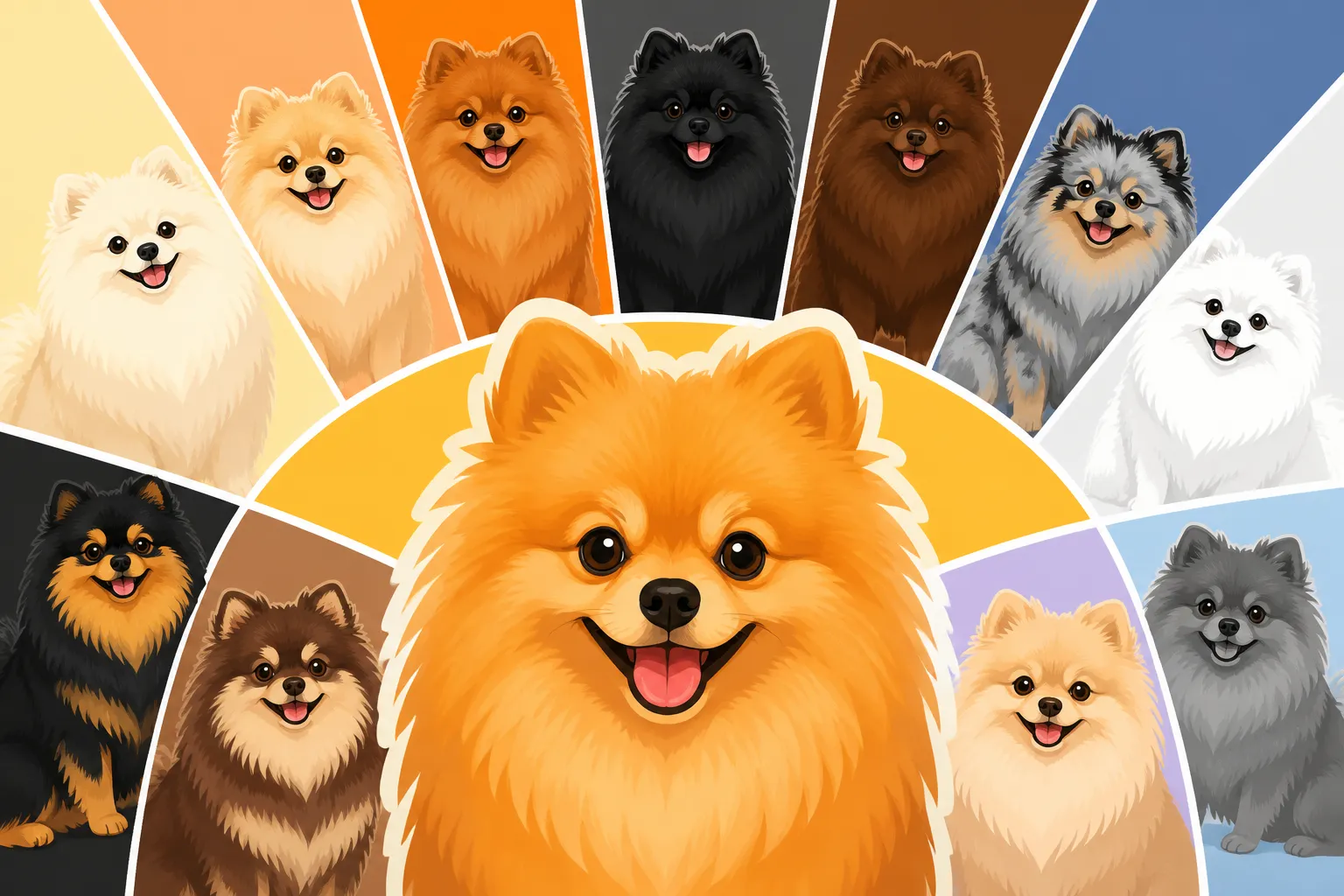
When you start looking at Pomeranian colors, it's helpful to understand the basic solid colors first, as many other patterns and markings build upon these fundamental shades. These are the building blocks, if you will, for the more complex and variegated coats you might encounter. Each solid color has its own unique charm and specific genetic markers that dictate its appearance.
Black Pomeranians
A true black Pomeranian is a striking sight, often described as having a raven-like sheen. What truly defines a black Pomeranian isn't just dark fur, but rather a complete absence of any red, orange, or brown tones in their coat. This means every strand of hair from tip to root must be pure black. Beyond the fur itself, a truly black Pomeranian will also have jet-black eye rims, nose, lips, and paw pads. Any lighter pigment in these areas, or even hints of brown in the coat when viewed in strong sunlight, can indicate a different base color.
These dogs maintain their rich color throughout their lives, generally resisting the fading that some other colors might experience with age or sun exposure. The intensity of their black pigment is a hallmark of the breed's ability to produce clear, distinct colors. It's a common misconception that all black Poms are rare, but well-bred black Pomeranians are simply a beautiful, established color in the breed.
White Pomeranians
A pure white Pomeranian is like a little cloud, ethereal and beautiful. The key here is pure white, meaning no cream, yellow, or ivory tint anywhere in the coat. This requires a specific genetic combination that suppresses all color pigment in the fur itself. To be considered truly white, the Pomeranian should ideally have dark pigment on its nose, eye rims, and lips. Sometimes, a white Pomeranian might have what's called a "snow nose," where the nose pigment fades slightly in winter and darkens again in summer, but this is different from a pink nose, which would indicate a dilute gene or a different underlying color.
It’s important to distinguish true white from a very light cream or sable that appears white. Sometimes, a puppy that looks white might mature into a light cream or even a very pale orange as its adult coat comes in. This is why buying from a reputable breeder who understands color genetics is so important if you have your heart set on a truly white Pom. How a Black Pomeranian Puppy Can Turn Sable touches on how colors can shift unexpectedly.
Brown and Chocolate Pomeranians
Brown Pomeranians, often referred to as "chocolate," range from a rich, dark bittersweet chocolate to a lighter, milky cocoa hue. The defining characteristic, much like black, is that their pigment is not just in their coat but also extends to their nose, eye rims, and paw pads, which will also be brown or liver-colored. You won't see black points on a true chocolate Pomeranian.
The beauty of chocolate Poms lies in their varying shades. Some can be so dark they almost appear black until you see them in sunlight, while others are a warm, medium brown. There can also be chocolate sables, which we'll discuss later, adding another layer of depth and variation to this lovely base color. Whether a Chocolate Pomeranian Has a Brown Nose explores this pigment detail further.
Red Pomeranians
Red Pomeranians are vibrant, fiery little dogs that catch the eye instantly. This isn't just a darker orange; a true red is deep, rich, and intense, often compared to an Irish Setter or a fox's coat. They have strong, dark pigment on their noses, eye rims, and paw pads. The color should be consistent throughout the coat, without significant fading or lighter patches, though some sables can have a red base.
It can be difficult to tell a red puppy from a dark orange one, as coat colors often deepen and change as a Pomeranian matures. A red Pomeranian’s coat is often particularly plush, making their already striking color even more captivating.
Orange Pomeranians
The orange Pomeranian is arguably the most classic and widely recognized color, often depicted in illustrations and popular culture. These dogs come in a range of orange shades, from a light, sunny tangerine to a deep, burnished copper. Like reds, they should have dark black pigment on their nose, eye rims, and paw pads. The key difference between red and orange often comes down to intensity and depth, with orange being a slightly softer, less saturated hue than a true red.
Many orange Pomeranians start life looking quite different. Puppies might be born a creamy color or even a dark sable, only to "bloom" into their vibrant orange adult coat during the "puppy uglies" phase. This transformation is one of the most exciting parts of owning a Pomeranian, as you get to watch their true colors emerge. The Puppy Uglies a Pomeranian Goes Through gives more insight into this fascinating period.
Cream Pomeranians
Cream Pomeranians are wonderfully soft in appearance, with coats ranging from a very pale, almost off-white hue to a richer, buttery cream. Like whites, they should have dark pigment on their nose, eye rims, and paw pads, distinguishing them from the lighter diluted colors. The cream color is distinct from white because it carries a clear yellowish tint, which becomes more apparent when placed next to a truly white dog.
Sometimes, a cream Pomeranian might also have very faint sable markings, especially as a puppy, which can create a beautiful, almost shaded effect. These faint markings usually disappear as the dog matures and the cream color dominates. Cream is a lovely, gentle color that gives the Pomeranian a very delicate and plush look.
The Patterns and Markings That Jazz Things Up
While solid colors are beautiful on their own, Pomeranians also come with an array of stunning patterns and markings that add incredible depth and variety to their coats. These patterns are often combined with a base color, creating truly unique individuals. It’s these intricate combinations that make the Pomeranian coat one of the most diverse in the canine world.
Sable Pomeranians
Sable is arguably the most common and beloved pattern in Pomeranians, and it's also one of the most misunderstood. A sable Pomeranian has a base color (like orange, red, cream, or even chocolate) with black tipping on the guard hairs. This black tipping gives the coat a shaded, often smoky appearance, particularly noticeable on the back, ears, and tail. Imagine a red Pomeranian, but with many of its longer, outer hairs having black tips, creating a multi-dimensional effect.
Sable puppies often look very dark, sometimes even black or wolf sable, and then gradually lighten and "bloom" into their adult sable color, where the base color becomes more prominent. This color transformation is so common that many people don't realize their dark puppy will grow up to be a stunning orange or red sable. How a Sable Pomeranian's Coat Changes With Age delves into these changes in more detail.
Wolf Sable Pomeranians
Wolf sable is a more specific and often rarer form of sable. A wolf sable Pomeranian typically has a gray base color, often with silver or cream undertones, combined with heavy black tipping on the guard hairs. Their appearance is reminiscent of a wolf's coat, hence the name. Unlike orange or red sables, the base color itself is not a vibrant red or orange, but rather a more muted, smoky gray.
True wolf sables will also often have what are called "spectacles" – lighter rings around their eyes – and sometimes lighter shading on their muzzle. This pattern is less common than orange sable and tends to maintain its distinctive, wild look throughout the dog's life.
Parti-Colored Pomeranians
Parti-colored Pomeranians are dogs with at least two distinct colors in clearly defined patches, with one of those colors always being white. Think of a canvas of white with splashes of orange, black, red, or sable. The patches can be large or small, symmetrically placed or wildly abstract, making each parti Pom truly unique. For a Pomeranian to be officially recognized as parti-colored, the white must cover at least 50% of the body.
The placement and size of these patches are entirely random, resulting in a charming and playful appearance. Parti-colored Poms have gained significant popularity for their unique looks. What a Parti Colored Pomeranian Costs sometimes explores how their distinct appearance can influence pricing.
Irish Marked Pomeranians
Irish marked is a specific pattern of white markings on a colored dog, distinct from a parti-color which requires more than 50% white. An Irish marked Pomeranian will have a solid base color (like black, orange, red, or brown) with white markings typically on the chest, feet, muzzle, and a white tip on the tail. These markings are usually more symmetrical and limited compared to the sprawling patches of a parti.
It's a pattern that hints at the dog's genetic lineage, sometimes appearing in lines that also produce parti-colored dogs. These white "flashings" can add a lovely contrast to the main coat color without overwhelming it, giving the dog a distinguished appearance.
Brindle Pomeranians
Brindle is a fascinating and somewhat rarer pattern in Pomeranians, characterized by streaks or stripes of darker color over a lighter base coat. Imagine a tiger-like striped pattern. The most common brindle combinations involve black stripes over a red or orange base, but you might also see chocolate brindles. The stripes can be subtle or very pronounced, creating a truly unique and exotic look.
Because the pattern isn't as common in Pomeranians, some people mistake it for unusual sable markings or another type of pattern. However, a true brindle will have distinct, albeit sometimes faint, stripes. It's a testament to the diverse genetic makeup that Poms carry, allowing for such varied and beautiful coats. Whether a Brindle Pomeranian Exists confirms that, yes, they do!
The Dilutes: Blue, Lavender, and Beaver Pomeranians
Beyond the standard colors, there are also "dilute" colors, which are essentially genetically lightened versions of black and brown. These dilutes result from a specific gene that lessens the intensity of the pigment, giving rise to softer, more ethereal hues. While beautiful, understanding the genetics behind them is crucial, especially for breeders.
Blue Pomeranians
A blue Pomeranian is a dilute version of black. Instead of jet black, their coat appears as a soft, smoky gray, often with a metallic sheen in the sunlight. Like true blacks, their pigment (nose, eye rims, paw pads) will also be diluted to a slate gray or blue color, rather than black. If a dog has a gray coat but black points, it's more likely a wolf sable or another type of gray, not a true blue.
Blue Pomeranians are undeniably stunning, but the blue gene can sometimes be associated with a condition called "Color Dilution Alopecia" (CDA) in some breeds. While not rampant in Poms, responsible breeders are always mindful of health implications. True blue is quite rare, making them a sought-after color. Whether a Blue Pomeranian Is Priced as Rare often reflects this scarcity.
Lavender Pomeranians
Lavender, also sometimes referred to as "lilac," is the dilute form of chocolate. This means a lavender Pomeranian has a dilute brown coat, resulting in a beautiful, almost pinkish-gray or mauve hue. Their pigment (nose, eye rims, paw pads) will also be diluted to a lighter, almost grayish-brown or lavender shade, not the liver color of a standard chocolate.
Lavender is an extremely rare color, and its exact genetic expression can sometimes be subtle, making it hard to identify without proper genetic testing or a deep understanding of Pom color genetics. When seen in the right light, the unique tones of a lavender coat are truly captivating, appearing almost iridescent. Whether a Lavender Pomeranian Is Purebred is a common question, and yes, they are, but their color is rare.
Beaver Pomeranians
Beaver is another dilute color, often described as a lighter version of chocolate or a light grayish-brown. It’s distinct from lavender in that it generally lacks the pinkish or mauve undertones. A beaver Pomeranian will have self-colored pigment, meaning their nose, eye rims, and paw pads will be a lighter brown or tan, matching their coat rather than being dark black or liver.
The color can vary from a light tan-beige to a darker, grayish-brown, often resembling the color of a beaver's fur. It's a soft, earthy tone that can sometimes be mistaken for a very light cream or a faded chocolate if not properly identified. Whether Beaver Is a Pomeranian Color confirms its existence within the breed.
The "Rare" and Misunderstood Colors
Many colors are marketed as "rare" to fetch higher prices, and while some are genuinely less common, it's important for prospective owners to understand what truly constitutes rarity versus clever marketing. Sometimes, a color is rare because it's genetically complex, or because it carries health implications, making ethical breeding less straightforward.
True White Pomeranians: A Unique Challenge
While we discussed white earlier, it's worth noting its "rare" status. A truly pure white Pomeranian, as opposed to a very light cream, is indeed quite uncommon. Achieving a white coat without any cream tint and with proper dark pigment on the nose and eye rims requires very specific genetics. Many puppies advertised as white turn out to be cream as they mature.
The rarity often stems from the challenge in breeding for such specific color purity while maintaining excellent health and conformation. Responsible breeders prioritize overall health and temperament over color alone, which means true white dogs, while beautiful, are not always easy to find.
Black Pomeranians: Often Overlooked but Stunning
As mentioned, black Pomeranians with true black points are not as common as the orange or sable varieties, but they are not inherently "rare" in the same way a lavender might be. Their striking appearance, however, often leads them to be described as unique. The difficulty often lies in getting a truly solid black without any rusty tones or lighter undercoat showing through.
Many black puppies might have a slightly brownish hue as young dogs, only for their true, deep black to emerge with their adult coat. This can make them seem rare if you're only looking at the very darkest adult dogs. They offer a sophisticated and elegant look in the Pomeranian world.
Blue and Lavender: Genuine Rarities
Blue and lavender Pomeranians are truly rare due to the dilute gene responsible for their unique hues. This gene is less common in the Pomeranian population compared to the genes for black, brown, and red. Their rarity is not just marketing; it reflects their genetic distinctiveness.
Because these colors are dilutes, breeders must be extra diligent about health screening. As mentioned earlier, dilute genes in some breeds can be associated with certain skin conditions, though this is not a widespread issue in Pomeranians. Nevertheless, buying from a breeder who understands and tests for any potential genetic health markers associated with dilute colors is always a wise choice.
Merle Pomeranians: A Controversial Beauty
Merle is perhaps the most controversial of all Pomeranian coat patterns. Merle is characterized by patches of diluted color interspersed with patches of solid color, often creating a marbled or mottled effect. It can appear in various base colors, such as blue merle (diluted black patches on black) or chocolate merle (diluted brown patches on brown). Merle Poms often have striking blue eyes or eyes with heterochromia (different colored eyes, or multiple colors in one eye), and their nose and paw pad pigment can be splotchy.
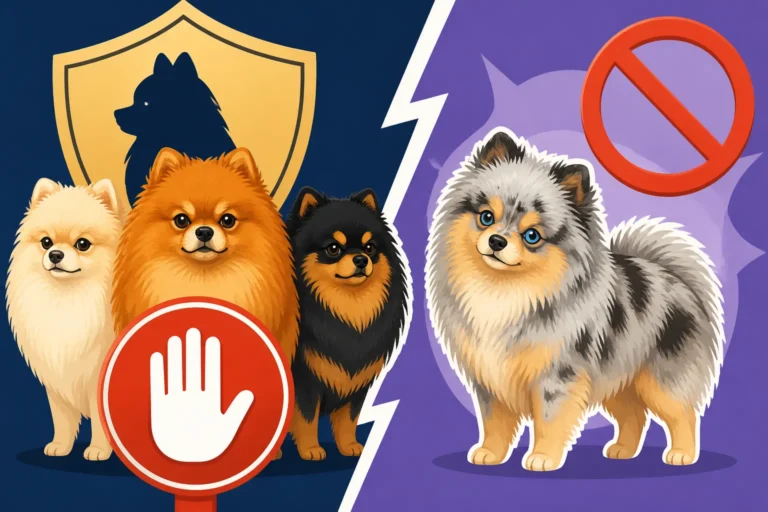
The controversy arises because the merle gene, when inherited from both parents (double merle), can lead to severe health issues, including deafness, blindness, and other ocular defects. Why Breed Clubs Object to Merle Pomeranians extensively covers the ethical concerns. While a single merle gene typically doesn't cause these problems, breeding two merle dogs together is highly irresponsible. Therefore, while merle Poms are visually stunning and unique, they are considered by many breed clubs to be an undesirable pattern due to the associated health risks when bred improperly. How Merle Got Into Pomeranian Bloodlines is a crucial read for understanding its history.
How Genetics Play a Role in a Pomeranian's Coat Color
Understanding Pomeranian colors isn't just about admiring their beauty; it's also about appreciating the intricate genetic dance that creates them. Every color and pattern is the result of specific genes inherited from both parents. Breeders spend years studying these genetics to predict litters and maintain the health and integrity of their lines.
Dominant and Recessive Genes
Pomeranian coat colors are determined by a combination of dominant and recessive genes. For example, the gene for black pigment is dominant over brown (chocolate) pigment. This means if a puppy inherits just one gene for black, it will be black, even if it also carries a gene for brown. For a puppy to be brown, it must inherit two copies of the recessive brown gene, one from each parent. The same principles apply to other colors and patterns, like white (which is recessive) and sable (which is dominant).
It's a complex system, and a breeder must understand a dog's genetic makeup, not just its visible color, to make informed breeding decisions. This is why some puppies can look completely different from their parents, having inherited a hidden recessive gene that expresses itself.
The Impact of Dilution Genes
Dilution genes play a fascinating role in creating some of the "rarer" colors like blue, lavender, and beaver. A dilution gene acts on the primary pigments (black and brown), effectively lightening them. For a Pomeranian to express a dilute color, it must typically inherit two copies of the recessive dilution gene. If it only inherits one, it might be a carrier but will not show the dilute color itself.
These genes are crucial for producing those soft, muted tones. However, as noted with merle, some genes, particularly when doubled up, can have broader health implications, making careful genetic testing and responsible breeding practices absolutely essential.
Color Modifiers and Their Nuances
Beyond the basic color and dilution genes, there are also various color modifiers that fine-tune a Pomeranian's final appearance. These modifiers can influence the intensity of a color, whether it fades, or how other patterns like sable are expressed. For instance, some genes might deepen a red, while others might lighten a cream.
The interaction of these various genes is what creates the incredible spectrum of Pomeranian colors we see. It’s never as simple as "black + white = gray"; instead, it's a symphony of genetic instructions working together to produce each unique coat. How Many Colors the Pomeranian Standard Allows demonstrates the breadth of these combinations recognized in the breed.
Why a Pomeranian's Color Can Change Over Time
One of the most surprising things for many new Pomeranian owners is how much their puppy's coat color can change as they grow. That adorable little fuzzball might transform dramatically, often leading to a completely different adult appearance. This isn't unusual; it's a natural part of a Pomeranian's development.
The Puppy Uglies and Color Transformation
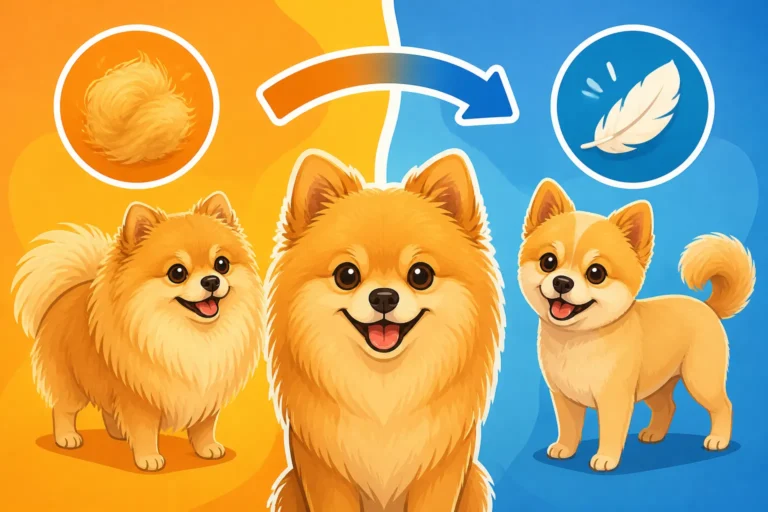
The most significant period of color change happens during what's affectionately known as the "puppy uglies." This is typically between 3 to 10 months of age, when a Pomeranian puppy sheds its soft, fluffy puppy coat and begins to grow in its denser, double adult coat. During this time, their fur can look sparse, uneven, and their color can be a real mystery.
Many orange sables, for example, are born looking quite dark, almost black or gray, only to develop vibrant orange tones with black tipping as their adult guard hairs come in. Creams can deepen, and even blacks can sometimes show a reddish tint during this phase before their true, deep black returns. Patience is key during this period, as the final color can be a delightful surprise. The Puppy Uglies a Pomeranian Goes Through has more about this phase.
Sun Exposure and Fading
Just like human hair, a Pomeranian's coat can be affected by sun exposure. Prolonged time in direct sunlight, especially for dogs with red or orange coats, can sometimes cause the color to lighten or fade over time. A rich red might become a lighter orange, or a deep orange might turn a sun-bleached cream.
This fading isn't harmful, but it's something to be aware of if you're trying to maintain a very specific color intensity. If you have a show dog, for instance, you might limit their sun exposure to keep their coat color as true as possible.
Hormonal Changes and Coat Color
Hormonal changes, particularly those associated with spaying or neutering, can sometimes influence a Pomeranian's coat quality and even color. While it's not a universal rule, some owners report changes in coat texture or a slight dulling of color after their dog is altered. This is typically due to shifts in hormone levels that affect hair growth cycles and pigment production.
It's usually a subtle change, and most often, the overall health and well-being benefits of spaying or neutering far outweigh any minor cosmetic variations in coat color.
Choosing a Pomeranian Color: Beyond Aesthetics
While it's natural to be drawn to certain colors, choosing a Pomeranian based solely on its coat can lead to overlooking more important factors. Ethical breeders prioritize health, temperament, and adherence to the breed standard over chasing "rare" or fashionable colors.
Prioritizing Health and Temperament
The most critical aspects of choosing any dog, including a Pomeranian, are its health and temperament. A dog that is well-bred from healthy, temperamentally sound parents will be a joy to live with, regardless of its color. A "rare" colored puppy from a backyard breeder who doesn't understand genetics or conduct health testing could end up costing you significantly more in vet bills and heartache in the long run.
Always ask to see health clearances for the parents, meet the dam (and sire if possible), and ensure the breeder is transparent about their practices. A reputable breeder will focus on producing healthy, happy puppies first and foremost.
The Breed Standard and Color Recognition
The official breed standard for Pomeranians recognizes a wide array of colors, often stating that "all colors, patterns, and variations are permissible." However, some colors or patterns, like merle, are often considered controversial or undesirable by national breed clubs due to associated health risks when bred improperly.
If you're interested in showing your Pomeranian, understanding the specific nuances of the breed standard regarding color, pigment, and coat quality is essential. For pet owners, it simply means being aware that a dog's color doesn't necessarily dictate its quality or health, but its source does.
The "Rare Color" Premium
Be wary of breeders who market puppies exclusively on "rarity" of color and charge exorbitant prices. While truly rare and ethically bred colors can command a higher price due to the genetic expertise and effort involved, sometimes the term "rare" is used simply to inflate costs. Always research the specific color you are interested in and understand what makes it genuinely rare versus simply being an uncommon variation of a standard color.
Focus on the breeder's reputation, their health guarantees, and their commitment to the breed's overall well-being. A transparent breeder will happily discuss the genetics of their dogs and won't hide behind buzzwords.
Caring for a Pomeranian's Coat, No Matter the Color
Regardless of what beautiful color your Pomeranian sports, the fundamental care of their magnificent double coat remains the same. This involves regular grooming to keep it healthy, free of mats, and looking its best. A healthy coat is a beautiful coat, no matter the hue.
Regular Brushing is Non-Negotiable
Pomeranians require consistent brushing, ideally several times a week, to prevent mats and remove loose undercoat. This is especially true during seasonal "coat blows" when they shed heavily. The double coat consists of a soft, dense undercoat and longer, coarser guard hairs. Both need attention. Regular brushing helps distribute natural oils, keeps the skin healthy, and ensures your Pom looks fluffy and well-maintained.
Invest in a good slicker brush and a metal comb. Start brushing from the skin outwards, working in sections to ensure you reach all the way through the thick fur. If you're looking for quality grooming tools or a specific shampoo for your Pomeranian's coat, online retailers like Chewy often have a fantastic selection that caters to small breeds and double coats. Working a Pomeranian's Coat in Sections to the Skin is a fantastic resource for learning proper technique.
Bathing and Drying Techniques
Pomeranians don't need frequent bathing; too much washing can strip their coat of essential oils and dry out their skin. A bath every 3-6 weeks is generally sufficient, or as needed if they get particularly dirty. Use a high-quality dog shampoo formulated for double coats, and always follow with a conditioner to help with detangling and coat health.
The drying process is crucial. Never let a Pomeranian air dry completely, especially in cooler weather, as their dense undercoat can retain moisture against the skin, leading to skin issues. Blow-dry them thoroughly on a cool or low heat setting, continuing to brush as you dry to ensure the coat is straight and fluffy. Blow Drying a Pomeranian's Coat Out Straight offers excellent tips.
Nutritional Support for a Vibrant Coat
A healthy coat starts from the inside out. Providing your Pomeranian with a high-quality diet rich in essential fatty acids (like Omega-3 and Omega-6) can significantly contribute to a lustrous, healthy coat, regardless of its color. Look for dog foods that list real meat as the first ingredient and contain beneficial oils.
Sometimes, supplements like fish oil can further enhance coat health, making it softer, shinier, and less prone to excessive shedding. Always consult your vet before adding any supplements to your dog's diet. Even something as simple as a healthy diet from a trusted brand like those available on Chewy can make a world of difference for your Pomeranian's beautiful coat. Whether a Pomeranian Needs Fish Oil for Its Coat discusses the benefits further.
Table of Common Pomeranian Colors and Characteristics
Let's summarize some of the most common and notable Pomeranian colors and their key identifying features in a simple table. This can be a handy reference as you explore the incredible variety available.
| Color/Pattern | Base Color | Guard Hair Tipping | Nose/Eye Rim/Pad Pigment | Common Eye Color | Notes |
|---|---|---|---|---|---|
| Black | Pure Black | None | Jet Black | Dark Brown | Absence of any red/brown tones. Deep, true black. |
| White | Pure White | None | Jet Black (preferred) | Dark Brown | No cream or yellow tint. True rarity. |
| Brown/Chocolate | Brown | None | Liver/Brown | Dark Brown | Ranges from dark to milky brown. |
| Red | Deep Red | None | Jet Black | Dark Brown | Rich, intense color, like an Irish Setter. |
| Orange | Orange | None | Jet Black | Dark Brown | Most common and recognized color. Variable intensity. |
| Cream | Pale Yellow/Beige | None | Jet Black | Dark Brown | Soft, warm tones. Different from pure white. |
| Sable | Orange, Red, Cream | Black | Jet Black | Dark Brown | Base color with black tipping, giving shaded look. |
| Wolf Sable | Gray/Silver | Heavy Black | Jet Black | Dark Brown | Gray base with distinct black tipping. |
| Parti-Color | Any color + White | Varies | Varies (on color patch) | Dark Brown | 50%+ white with distinct colored patches. |
| Brindle | Red/Orange | Black stripes | Jet Black | Dark Brown | Tiger-like stripes over a lighter base. Rare. |
| Blue | Dilute Black | None | Slate Gray/Blue | Dark Brown | Smoky gray, dilute of black. Rare. |
| Lavender | Dilute Chocolate | None | Grayish-Brown/Lavender | Dark Brown | Pinkish-gray/mauve, dilute of chocolate. Very rare. |
| Beaver | Light Brown/Beige | None | Lighter Brown/Tan | Dark Brown | Earthy, dilute of chocolate. Rare. |
| Merle | Patches of various | Patches of various | Splotchy/Multi-colored | Blue, Parti | Mottled pattern, controversial due to health risks. |
Disclaimer
This article is for general informational purposes only and does not constitute professional advice. Laws, prices and regulations vary by location and change over time. Consult a qualified professional for guidance on your specific situation.