Whether Beaver Is a Pomeranian Color
Trying to identify a Pomeranian’s beaver coat can be confusing: photos shift the shade, puppies change as they mature, and sellers sometimes use “beaver” loosely. This guide explains what the color means, how to distinguish it from chocolate, blue, and lavender, what nose and eye pigmentation can tell you, and what to check before relying on a coat-color label.
What a Beaver Pomeranian Looks Like
The typical shade and pigmentation
Beaver is a recognized Pomeranian coat-color description for a muted brown shade. Depending on the dog, it may look like soft taupe, mushroom brown, dusty cocoa, or a grayish brown. The coat can appear lighter in strong daylight and deeper indoors, so two people looking at the same dog might use slightly different words for its shade.
The important clue is that beaver usually involves brown-toned pigmentation, not just brown-looking fur. A beaver Pomeranian commonly has a brown nose, brown eye rims, and brown paw pads rather than the black pigment often seen on an orange or sable dog. Eye color may be hazel or amber-toned, though individual dogs vary. These features help with identification, but they are not a substitute for examining the dog’s full coat and pedigree.
Beaver can be subtle in a fluffy double coat. Long guard hairs catch the light differently from the softer undercoat, and the color may not look completely uniform from head to tail. The ruff, britches, and tail plume can appear richer or paler than the body. Rather than expecting one flat, perfectly even brown, look for an overall diluted brown appearance paired with matching brown pigment.
Beaver, chocolate, and other similar colors
Beaver is often confused with chocolate because both can have brown pigmentation. Chocolate generally looks like a more saturated, warm brown, while beaver tends to look softer, grayer, or more muted. The distinction is not always obvious in a photograph, especially if lighting is warm or the dog’s coat is changing.
Blue Pomeranians are different: blue is a diluted black-based color and often reads as gray or charcoal, with dark pigment rather than the brown pigment associated with beaver. Lavender is also commonly described as a diluted brown shade, but the label can be used inconsistently. Color names are not always applied identically by breeders, registries, and pet owners, so a label by itself may not settle what a dog’s color genetically is.
| Color description | General coat impression | Pigment clues | Common source of confusion |
|---|---|---|---|
| Beaver | Muted, grayish or taupe brown | Brown nose, eye rims, and pads are common | Chocolate or lavender |
| Chocolate | Warmer, richer brown | Brown pigment is common | Beaver |
| Blue | Gray, slate, or charcoal | Usually dark pigment rather than brown | Beaver in dim lighting |
| Lavender | Soft, diluted brown or gray-brown impression | Pigment and shade can vary | Beaver, especially in photos |
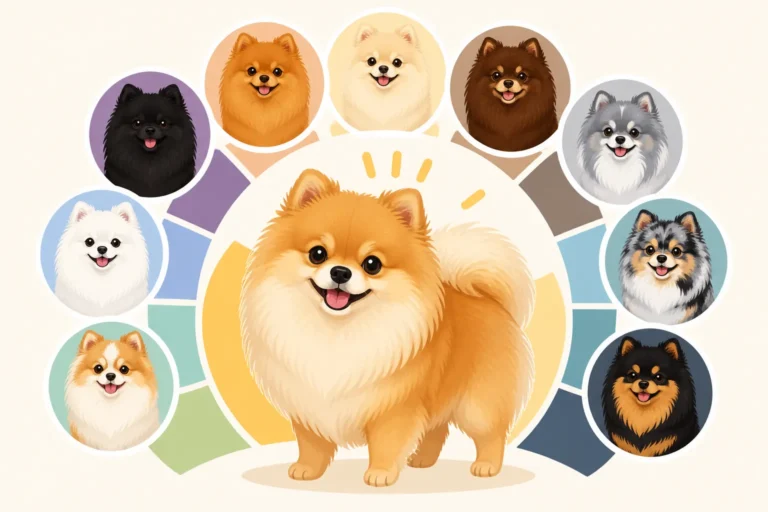
These are general visual guides, not a genetic test. For a wider look at how brown, blue, and other dark shades are described, see Black, Blue and Chocolate Pomeranians. The overview of Every Color a Pomeranian Comes In also helps put beaver in the context of the breed’s broader range of coat colors and patterns.
How to Tell Whether a Pomeranian Is Beaver
Look at the whole dog, not one photograph
Start by looking at the dog in natural, indirect daylight. Direct sun can wash out brown tones, while warm indoor bulbs may make a grayish coat look chocolate. Phone cameras also adjust color automatically, so a photo can make a coat seem cooler, warmer, lighter, or darker than it is in person.
Then check more than the back or sides. Look at the face, ears, legs, chest, and tail, along with the nose, eye rims, and pads if you can do so comfortably. A dog whose fur looks brown but whose pigment is black may not fit the typical beaver description. Conversely, brown pigment supports the possibility of beaver but does not prove it on its own.
A simple side-by-side comparison can help if you have access to one. View the dog beside a known chocolate or blue Pomeranian in the same lighting, rather than comparing separate online images. If you are considering a puppy, ask to see clear, unfiltered photos of both parents and any older relatives available. Coat color can shift as a puppy matures, so a breeder’s description of the puppy’s current shade may not predict its adult appearance exactly.
Ask what the color label is based on
If you are buying or adopting a dog advertised as beaver, ask the breeder or rescue how they arrived at that description. Was the label chosen from the dog’s visible coat and pigment? Is it recorded on paperwork? Do the parents have known colors? A thoughtful answer should explain what they have observed without presenting a color name as proof of health, pedigree, or future coat appearance.
For a puppy, it is also reasonable to ask whether its coat has started to change and whether the adult color is an estimate. The puppy coat can be softer or lighter than the adult coat, and furnishings such as the ruff and tail may develop differently over time. If the shade matters to you, request recent photographs in natural light and be prepared for some variation.
Pedigree documents and registry color descriptions can offer useful context, but they have limits. A registration color is an administrative label, not necessarily a detailed genetic analysis. When exact color genetics matter for responsible breeding decisions, a veterinarian or qualified canine genetic-testing service can help explain which information a test can and cannot provide. For a pet owner simply trying to describe a companion accurately, the dog’s visible coat and pigment are usually the practical starting point.
For questions about whether shades remain stable, Whether a Pomeranian's Color Changes as It Grows offers useful context. The appearance of patterned coats can be especially variable, so How a Sable Pomeranian's Coat Changes With Age may also help if dark-tipped hairs make the dog’s base color harder to judge.
Beaver Color, Coat Health, and Grooming
Does the color itself create a health problem?
A beaver coat color is not, by itself, a diagnosis or a reason to assume a Pomeranian will have health problems. It is sensible, however, to assess any dog as an individual rather than choosing one based on a rare-sounding color label. Ask about health screening, veterinary records, skin and coat history, and the conditions present in the dog’s family line.
Some dilute coat colors in dogs have been associated with coat or skin concerns, but appearance alone cannot tell you whether a particular Pomeranian will develop a problem. A patchy coat, persistent itching, inflamed skin, or hair loss deserves veterinary attention regardless of color. Those signs should not be dismissed as “just the beaver coat,” nor should a healthy dog be assumed to have a condition solely because someone calls it beaver. More background on the broader question is available in Whether Dilute Coated Pomeranians Lose Hair.
When meeting a puppy, look for healthy skin and a coat that is appropriate for its age. Ask how the puppy has been cared for and whether any skin or hair changes have been examined by a veterinarian. If the dog is an adult, ask about any history of recurring irritation, thinning, or veterinary treatment. Clear, straightforward answers matter more than an impressive color description.
Keep the coat healthy without trying to change its shade
A Pomeranian’s double coat needs regular, gentle care whether it is beaver, orange, sable, or another color. Brush in sections so you can reach through the longer outer coat toward the undercoat, and pay special attention to areas where friction and tangles are common, such as behind the ears, under the harness, and around the legs. A coat that looks smooth on top can still hide a small mat close to the skin.
Use grooming products made for dogs, and follow the product directions. Human hair dye, color-depositing products, and harsh whitening or brightening treatments are not appropriate ways to alter a dog’s natural color. If you’re assembling basic supplies, a retailer such as Chewy may be one place to compare dog-safe brushes and shampoos; check that a product suits your dog’s coat and skin rather than choosing it because of a color claim.
A groomer can tidy the feet and sanitary areas while preserving the double coat’s natural outline. If you are unsure how to maintain the coat between appointments, ask the groomer to demonstrate brushing technique and recommend a routine for your dog. Chewy may also be useful when you need to replace routine grooming supplies, but selecting the right tool and using it gently matters more than the retailer. If your dog develops itching, sores, or unusual shedding, speak with a veterinarian before switching products or changing the grooming routine.
Choosing a Beaver Pomeranian Responsibly
Treat color as one detail, not the deciding factor
It is easy to get caught up in a distinctive shade, especially when listings describe a puppy as rare or unusually colored. But color cannot tell you whether a dog has been responsibly bred, is comfortable being handled, or has received appropriate veterinary care. Give more weight to the puppy’s health and temperament, the care provided by the breeder or rescue, and the information available about its parents and family history.
Ask to meet the puppy or dog in a calm setting, observe how it moves and responds to people, and review the records you are offered. A responsible seller should be willing to discuss the dog’s needs and answer practical questions, including how they describe its color and what changes they expect as it matures. Be cautious of anyone who uses the word “beaver” as a guarantee of special health, a fixed adult shade, or a particular value.
If you are looking at a puppy online, request unfiltered photos or video in daylight and ask whether the camera or lighting changes how the shade appears. It may also help to see the puppy beside its littermates. Even then, remember that coat development varies: the exact adult color may not be clear when the dog is very young.
Make a practical decision about a dog you love
If you have already brought home a Pomeranian and are wondering whether its color is beaver, you do not need a perfect label to care for it well. Note the coat and pigment features you see, take a clear photo in natural light, and ask your veterinarian or breeder if you want another informed opinion. A color description is useful for conversation and records, but it does not change the daily basics of care.
If you are choosing a dog, consider the whole match: your household, grooming routine, time for training, and ability to meet veterinary needs. A beaver Pomeranian still needs the same attentive care as any other Pomeranian. For a broader perspective on coat shades and labels, Whether a Lavender Pomeranian Is Purebred discusses another color name that is often interpreted differently by different people.
Chewy can be a convenient option for finding everyday supplies once you know what your particular dog needs, but no product can guarantee a coat color or prevent every skin concern. Ask your veterinarian before trying a supplement or a treatment marketed for coat color or regrowth. In the end, the most helpful description is the one that reflects the dog in front of you, while your decisions about care rest on its individual health and comfort.
Disclaimer
This article is for general informational purposes only and does not constitute professional advice. Laws, prices and regulations vary by location and change over time. Consult a qualified professional for guidance on your specific situation.