Fox Face, Baby Doll and Teddy Bear Pomeranians
It's completely normal to feel a bit overwhelmed when you start hearing terms like "fox face," "baby doll," and "teddy bear" tossed around to describe Pomeranians. You might see a picture on social media, fall in love with a particular look, and then struggle to figure out what it's even called or how to find a puppy that matches it. The truth is, these aren't official breed standard terms, but rather popular descriptors that have sprung up to categorize the delightful variations in Pomeranian facial features. This guide will help you understand what each of these unofficial "face types" means, what characteristics define them, and how they might relate to your Pomeranian's health and care, so you can appreciate the unique beauty of your furry friend without getting lost in the jargon.
Understanding Pomeranian Face Types: Beyond the Breed Standard
When you first dive into the world of Pomeranians, you quickly learn that while they all share that signature fluffy coat and spunky personality, their faces can look quite different. One might have a more pointed snout, while another boasts a rounder, squishier appeal. These visual distinctions have led to the popular, albeit unofficial, categorization into "fox face," "baby doll," and "teddy bear" types. It's important to set the record straight right from the start: these terms are not recognized by official breed clubs like the American Kennel Club (AKC) or the Kennel Club in the UK. The official breed standard focuses on specific measurements and proportions of the skull, muzzle, and eyes, but doesn't use these cutesy labels.
The Official Take: What the Breed Standard Says and Doesn't
The official Pomeranian breed standard describes the head as being in proportion to the body, with a skull that is slightly rounded but not domed. It calls for a moderately defined stop – that's the indentation between the eyes where the muzzle meets the forehead. The muzzle itself is described as straight, fine, and not too pointed, about one-third the length of the head from the tip of the nose to the stop. The eyes should be dark, almond-shaped, and sparkling with intelligence, not round or bulging. Ears are small, erect, and set high. These are the objective criteria that show judges use to evaluate a Pomeranian in the ring.
So, where do these other terms come from? They are largely the creation of breeders and enthusiasts outside the show ring who are trying to describe the aesthetic differences they see and prefer. Think of it as a way for people to easily communicate a visual preference, often fueled by viral photos of particularly cute Poms online. While these terms are incredibly common in everyday conversation and marketing, they don't hold any weight in official breed circles, which can be a source of confusion for new owners trying to understand what they're truly looking for in a puppy.
This can be particularly frustrating when you're speaking to a reputable breeder who might use precise anatomical terms, while you're still thinking in terms of "teddy bear." It's like trying to order a coffee using slang when the barista only understands the official menu. Knowing that these are informal labels helps bridge that communication gap and allows you to ask more specific questions about muzzle length or eye shape if you have a particular look in mind, rather than relying solely on the trending descriptions.
The Spectrum of Facial Features
Within any breed, even those as tightly defined as the Pomeranian, there's always a natural spectrum of physical traits. Just like human siblings can look quite different from each other, two Pomeranians from the same litter, with the same parents, can have slightly varying muzzle lengths, eye shapes, or skull structures. These variations are perfectly normal and are part of the genetic diversity within the breed. They are not necessarily indicative of a "better" or "worse" Pomeranian, but simply different expressions of the breed's genetic blueprint.
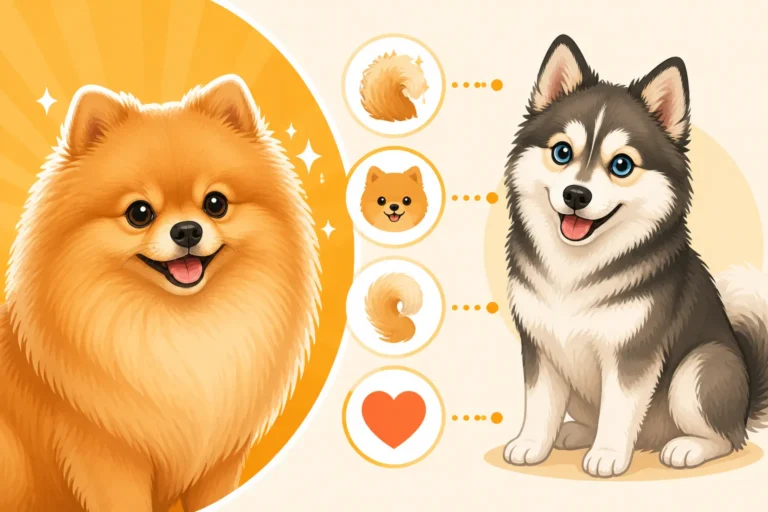
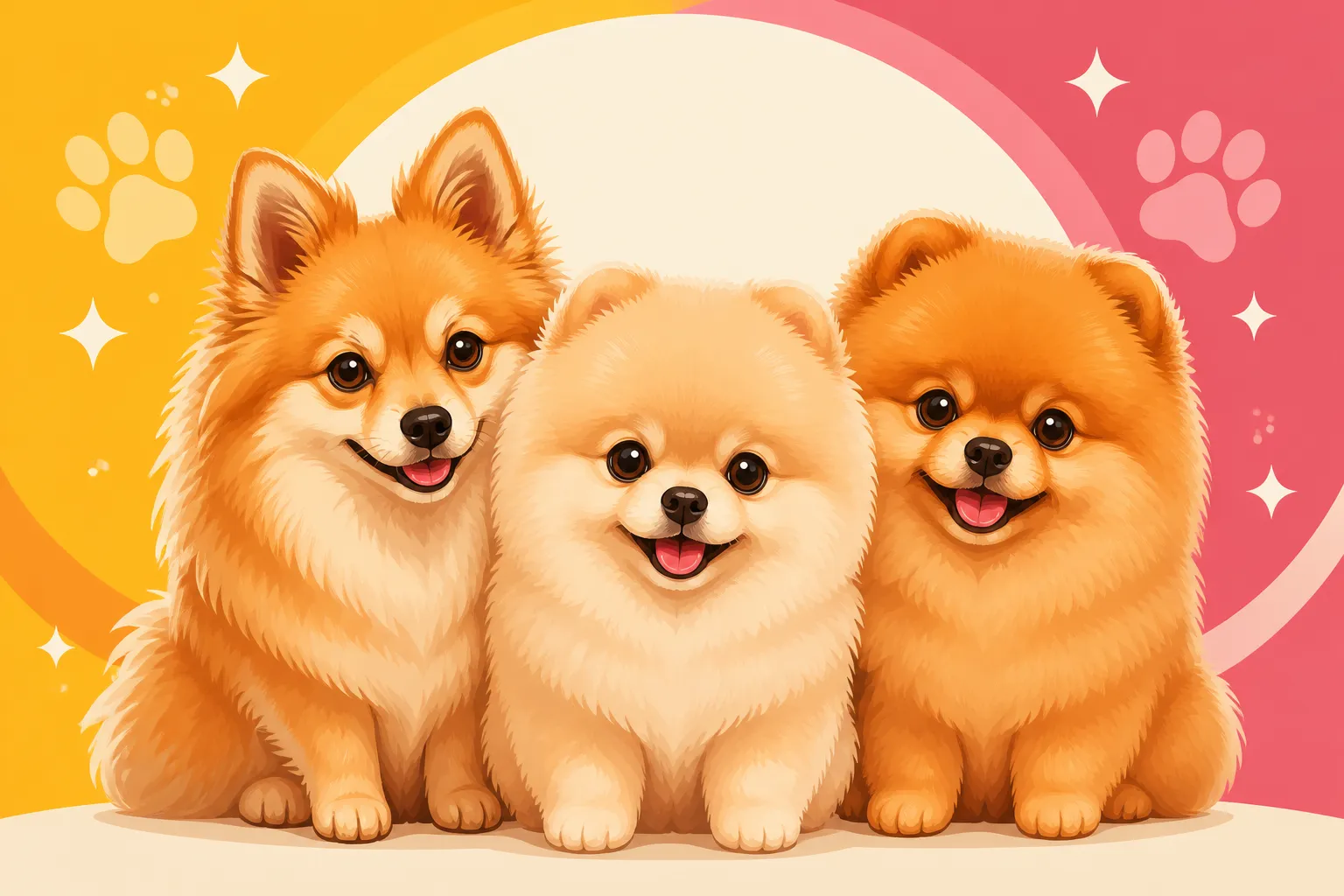
The "face types" we discuss are essentially points along this spectrum, highlighted and labeled for their distinct appeal. The fox face represents one end, more closely resembling the ancestral Spitz dogs with a longer, finer muzzle. The teddy bear face sits at the other end, showcasing a shorter, more rounded muzzle and often a more pronounced stop. The baby doll face is often considered the charming middle ground, balancing the features of both extremes. It’s important to remember that these are not distinct breeds or even official varieties; they are descriptive categories of appearance within the single Pomeranian breed.
Consider a real-life scenario: you might have two Pomeranian puppies in a litter. One puppy, let's call her "Foxy," grows up with a slightly longer, more slender muzzle, giving her a keen, alert expression that makes her look like a tiny wild creature. Her brother, "Teddy," has a noticeably shorter muzzle, rounder eyes, and a fluffier face that makes him look perpetually youthful and cuddly. Both are purebred Pomeranians, both are healthy, and both meet the general standards of the breed, but their individual genetic expressions have led to these differing "face types." Recognizing this spectrum helps us appreciate the beauty in each individual dog, rather than striving for a rigid, manufactured ideal.
The Classic "Fox Face" Pomeranian: A Nod to Ancestry
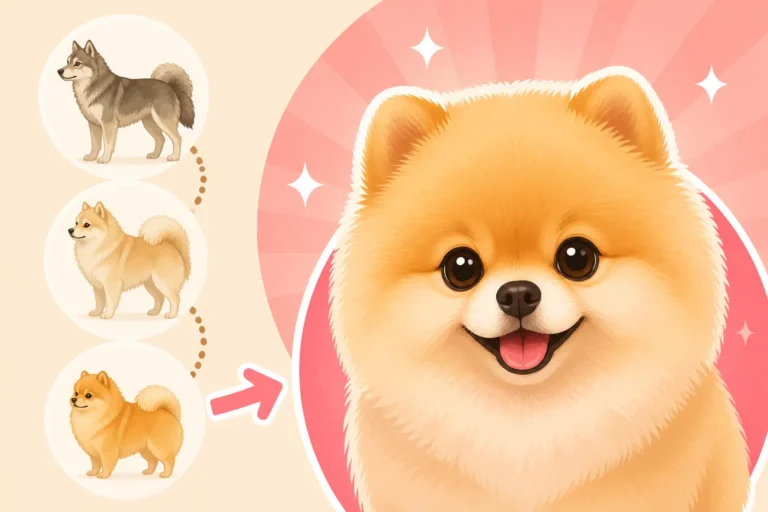
When people talk about the "fox face" Pomeranian, they are often referring to the look that most closely resembles the breed's origins as a descendant of larger Spitz-type dogs. This is arguably the most traditional and historically accurate facial structure for the Pomeranian, harkening back to their working dog ancestors from the Pomerania region. It's a look of keen intelligence and alertness, very much in line with their heritage.
Defining the Fox Face Look
A "fox face" Pomeranian is characterized by several key features. The most prominent is a longer, more tapered muzzle, which gives the dog a distinctly foxy or wolf-like appearance, albeit in miniature. This muzzle is proportionate to the rest of the head, elegant and refined, often without the "smushed" look that some other styles can present. The eyes are typically almond-shaped and set a bit closer together than in other types, contributing to that piercing, intelligent gaze. You'll often notice a less pronounced "stop" (the indentation between the eyes), creating a smoother transition from the forehead to the muzzle. The ears are small, pointed, and set high on the head, completing the foxy silhouette.
This aesthetic leans into the Pomeranian's wilder, more ancient roots. If you look at images of their larger Spitz cousins – the Norwegian Elkhound, the Samoyed, or even the German Spitz varieties – you'll see a clear resemblance in the facial structure. The fox face Pom essentially miniaturizes these noble features. They often exude an air of quiet dignity and keen observation, always seeming to be watching the world with intense curiosity.
For example, imagine a Pomeranian whose profile is sleek and angular, with bright, dark eyes that seem to take in everything. When you observe them, you notice how their head shape and muzzle allow for excellent peripheral vision and an unobstructed view of their surroundings. This refined structure is precisely what breeders aiming for the traditional look strive for, appreciating the connection to the breed's storied past.
The Temperament Often Associated with Fox Faces
It's tempting to try and link physical appearance to temperament, and while personality is incredibly individual to each dog, some owners of fox-faced Pomeranians report observing certain traits that align with their traditional look. Given their closer resemblance to ancestral Spitz breeds, some believe fox-faced Poms might exhibit a slightly more independent or perhaps even a more "primitive" set of behaviors. This could manifest as a strong sense of self-preservation, a keen prey drive (even if only for chasing dust bunnies), or a generally more alert and watchful demeanor.
However, it's crucial to remember that a dog's personality is shaped by a complex interplay of genetics, early socialization, and ongoing training. A Pomeranian's primary breed characteristic is still that of a bold, intelligent, and often confident companion, regardless of its specific facial features. Any observed tendencies in fox-faced Poms are likely subtle nuances rather than defining traits. You might find your fox-faced Pom is particularly good at spotting squirrels in the yard, or that they have a very clear opinion on who should be allowed to ring the doorbell – traits common to many Poms, but perhaps slightly amplified in one with a more "natural" look.
For instance, an owner might notice their fox-faced Pomeranian has an incredibly strong bark for its size and is quick to alert them to any perceived threat, from a leaf blowing past the window to the mail carrier's approach. This isn't necessarily a bad thing; it speaks to their vigilance and their heritage as watchdogs. It merely reinforces that while their appearance might nod to their wilder side, their heart is still very much that of a loyal and loving Pomeranian who thrives on being part of the family.
Health Considerations and the Fox Face
From a health perspective, the fox face Pomeranian generally benefits from its more traditional structure. The longer muzzle provides ample space for respiratory passages, which typically means they are less prone to breathing difficulties sometimes associated with extremely short-faced (brachycephalic) breeds. This longer muzzle allows for more efficient cooling through panting, making them potentially more tolerant of warmer weather compared to dogs with very compressed airways.
Furthermore, the overall skull structure often associated with a fox face tends to reduce the risk of dental overcrowding. With more room in the jaw, teeth are less likely to become impacted or misaligned, which can be a common issue in toy breeds. This doesn't mean a fox-faced Pom is immune to dental problems – Pomeranians are notoriously susceptible to Dental Disease in a Mouth the Size of a Pomeranian's – but their natural anatomy can offer a slight advantage. Diligent dental care is still paramount for all Poms.
Consider a Pomeranian owner whose fox-faced dog rarely snorts or struggles for breath, even after an energetic play session in the park. This ease of breathing is a direct benefit of their anatomical structure. While other Poms might need careful monitoring in higher temperatures or during intense exercise, a fox-faced Pomeranian often handles such situations with greater comfort. This robust, natural conformation is a testament to careful breeding that prioritizes functionality and long-term well-being, aligning with the breed's enduring health.
The Adorable "Baby Doll" Pomeranian: A Sweet Expression
Moving along the spectrum from the more ancestral fox face, we encounter the "baby doll" Pomeranian. This description captures a look that often strikes a harmonious balance between the traditional and the trendier, highly feminized or "cute" aesthetics. It's a hugely popular look for those who want a sweet, innocent-faced companion that still retains the essence of a Pomeranian without venturing into the extremes.
Characteristics of the Baby Doll Face
The "baby doll" Pomeranian typically features a muzzle that is slightly shorter than that of a fox face, but still noticeably present and not overly pushed in. This gives their face a softer, more rounded appearance than the foxy type, without being as compact as the teddy bear. Their eyes tend to be rounder and set a little wider apart, contributing to a wide-eyed, innocent expression that makes them look perpetually puppy-like. The stop, the indentation between the eyes, is usually more defined than on a fox face, but not exaggerated. Essentially, it's a wonderfully balanced face that often evokes feelings of tenderness and warmth.
This look often creates an undeniably sweet and approachable demeanor. When you meet a baby doll Pomeranian, their soft features and expressive eyes might make you feel an instant connection, as if they're looking at you with pure, unadulterated affection. They have a certain charming innocence that many owners find irresistible, making them very popular companions in family settings.
Imagine meeting a Pomeranian with sparkling, slightly rounded eyes that seem to hold endless wonder. Their muzzle is short enough to feel delicate, but long enough to breathe easily and look distinctly dog-like. This particular blend of features makes them appear perpetually youthful and engaging, a delightful blend that consistently captures the hearts of those who encounter them.
Why the Baby Doll Look is Popular
The enduring popularity of the baby doll look stems directly from its ability to evoke that "forever puppy" charm. Many people adore the youthful, innocent appearance of puppies, and a baby doll Pomeranian often maintains that visual appeal well into adulthood. This aesthetic is often perceived as incredibly friendly and non-threatening, making them very appealing to a wide range of potential owners, from singles to families.
Beyond the cuteness factor, the baby doll face strikes a balance that many find ideal. It offers a slightly softer, more plush look than the traditional fox face, which some might perceive as too sharp or serious. At the same time, it avoids the potentially exaggerated features and associated health concerns that can sometimes come with the more extreme teddy bear types. It’s a comfortable middle ground that provides aesthetic appeal without venturing into anatomical extremes.
Owners of baby doll Poms often share stories of strangers stopping them on walks, compelled to comment on their dog's adorable and sweet face. It’s a look that seems to universally elicit smiles and "awws," making these Poms little ambassadors of cuteness wherever they go. This widespread appeal ensures that the baby doll look remains a highly sought-after, if unofficial, face type in the Pomeranian world.
The Plush "Teddy Bear" Pomeranian: Ultra-Cuteness Overload
At the other end of the facial spectrum from the fox face lies the "teddy bear" Pomeranian. This style has gained immense popularity in recent years, largely driven by social media trends and a desire for pets that resemble adorable plush toys. It's a look that prioritizes extreme cuteness, often pushing the boundaries of traditional Pomeranian features towards a more compact, rounded aesthetic.
Unpacking the Teddy Bear Appearance
The "teddy bear" Pomeranian is defined by its extremely short and broad muzzle. This muzzle is often so compact that it creates a very pronounced "stop" – the divot where the forehead meets the nose – almost giving the impression of a flat face, though not to the same degree as truly brachycephalic breeds. The eyes are typically very round, wide-set, and dark, often described as "button eyes" or "doll eyes," contributing to an overall innocent and cartoonish expression. Their cheeks tend to be fuller, and when combined with a thick, fluffy coat, the entire head looks remarkably round and plush, much like a child's stuffed animal.
This is the most exaggerated of the three face types and is the furthest removed from the Pomeranian's ancestral appearance. While beautiful in its own right, it's a look that has been selectively bred for, often to meet a specific market demand for maximum cuteness. It's a testament to how far selective breeding can take a breed's appearance within a relatively short period.
Imagine seeing a Pomeranian with such a compact face that their nose seems almost nestled between their large, expressive, round eyes. Their entire head, framed by a luxuriant double coat, forms a perfect sphere of fluff. This distinctive, almost artificial, cuteness is the hallmark of the teddy bear Pom, often leading people to exclaim, "It looks just like a toy!"
The Role of Grooming in the Teddy Bear Look
While genetics certainly play a significant role in determining the underlying bone structure of a "teddy bear" Pomeranian, grooming can profoundly enhance and even create this desired aesthetic. A very skilled groomer can sculpt the thick, plush coat around the face and head to amplify the roundness, minimize the appearance of the muzzle, and emphasize the wide-set eyes, making an already teddy bear-like Pom even more so. This is particularly evident in styles like the What a Teddy Bear Trim Takes Off a Pomeranian, which strategically trims the fur to achieve that perfectly rounded, plush look.
It’s crucial to understand that grooming doesn't change the dog's bone structure or natural features, but it can create a powerful illusion. A Pomeranian with a moderately short muzzle can be groomed to look more like a teddy bear than its bone structure might suggest, simply by expertly shaping the hair. This often involves careful trimming around the eyes, cheeks, and chin to create a soft, rounded outline, sometimes even thinning the fur on the muzzle itself to make it appear shorter.
For example, an owner might bring their Pomeranian to a professional groomer specifically requesting "the Boo cut" or a "teddy bear style." The groomer will then use their expertise to strategically trim and fluff the fur, especially around the face and body, to achieve that signature rounded, plush appearance. This requires regular maintenance, often every 4-6 weeks, to keep the look pristine, making grooming an ongoing commitment for those who desire this specific aesthetic. Many groomers even stock specific brushes and combs, which can also be found on Chewy, designed to help maintain this fluffy, sculpted look at home between professional appointments.
Potential Health Concerns for Extreme Teddy Bear Faces
While the "teddy bear" look is undeniably adorable, it's essential for potential owners to be aware of the potential health considerations, particularly if the facial features are extremely exaggerated. A very short muzzle, while cute, can sometimes lead to mild respiratory issues, although Pomeranians are generally not as prone to severe brachycephalic syndrome as breeds like Pugs or Bulldogs. Still, a more compressed airway can mean a teddy bear Pom might be more susceptible to overheating or may snort more frequently, especially during excitement or physical exertion.
Another common concern with a very short jaw is dental crowding. When the muzzle is significantly shortened, the same number of teeth must fit into a smaller space, often leading to misalignment, rotation, or impaction of teeth. This overcrowding can increase the risk of plaque buildup, gum disease, and premature tooth loss. Owners of teddy bear Poms might find themselves needing to be extra vigilant with daily tooth brushing and scheduling more frequent professional dental cleanings to manage these potential issues. Extractions in a Pomeranian's Small Jaw are not uncommon.
Consider a teddy bear Pomeranian who, despite being otherwise healthy, tends to pant quite heavily after a short walk on a warm day, or frequently makes snorting sounds when playing. These could be subtle indicators of a somewhat compromised airway. Similarly, a veterinarian might point out significant dental crowding during a puppy check-up, emphasizing the need for a rigorous home dental care routine and potentially early intervention to pull retained baby teeth. Awareness of these possibilities allows owners to provide the best proactive care for their plush-faced companions.
The Impact of Face Type on Pomeranian Care
While the charm of a Pomeranian's face is undeniable, these aesthetic differences can have subtle yet important implications for their daily care routine. From grooming needs to potential health considerations like breathing and dental hygiene, understanding your Pomeranian's specific facial structure can help you tailor their care for optimal well-being. It’s not just about what looks cute; it’s about what supports their comfort and health.
Grooming Variations for Different Face Types
The variations in face type directly influence grooming needs, particularly around the head. A "fox face" Pomeranian, with its longer, sleeker muzzle, generally requires less intricate facial grooming. The focus for these Poms is usually on maintaining the overall health and fluffiness of their glorious double coat, with basic trims around the eyes and paw pads being sufficient. Their facial fur tends to lie flatter, making it easier to keep clean and mat-free.
In contrast, "baby doll" and especially "teddy bear" Pomeranians often demand more specific facial grooming. The rounder, fuller cheeks and shorter muzzles mean that fur around their eyes and mouth can grow quite thick and may be prone to tear staining or food debris accumulation. Regular, careful trimming around the eyes is often necessary to prevent fur from irritating the eyes, and meticulous cleaning can help prevent unsightly tear stains. Owners might use small, blunt-nosed scissors or specialized trimmers to maintain the desired rounded look. Tidying a Pomeranian's Face often becomes a more frequent task.
For instance, an owner with a teddy bear Pomeranian might find themselves needing to clean the corners of their dog's eyes daily with a damp cloth to prevent tear marks from setting in, especially if their eyes are rounder and produce more moisture. They might also visit the groomer every four to six weeks not just for a full bath and brush, but specifically to have the fur around the face carefully scissored to maintain that signature plush, rounded shape, which is a key part of their aesthetic.
Feeding and Dental Care Considerations
The length and structure of a Pomeranian's muzzle also have a direct bearing on their feeding and dental care. Fox-faced Pomeranians, with their more traditional muzzle length, often have better dental alignment, which can make chewing food easier and potentially reduce some of the natural traps for food particles. This doesn't eliminate the need for regular dental care, as all Poms are susceptible to dental disease, but it can offer a slight anatomical advantage.
For baby doll and particularly teddy bear Pomeranians, the shorter, more compact muzzle can lead to increased dental crowding. When teeth are packed closely together, they are more difficult to clean effectively, both by the dog's natural chewing action and by human brushing. This creates more surface areas for plaque and tartar to accumulate, accelerating the onset of gum disease. Choosing appropriately sized kibble (many small breed formulas are available on Chewy) that is easy for a small mouth to grasp and chew is important. Some owners might even find that softening kibble or opting for fresh food is beneficial if their Pom struggles with dental pain or significant crowding. How Many Cups a Five Pound Pomeranian Eats is often a question that comes up when considering suitable portion sizes for different kibble types.
Imagine a scenario where a veterinarian examining a teddy bear Pomeranian at a routine check-up points out significant dental overcrowding and advises the owner to commit to daily brushing and consider earlier or more frequent professional dental cleanings. In contrast, a fox-faced Pomeranian might have a slightly less crowded mouth, making home dental care perhaps a touch easier. Regardless of face type, consistent dental hygiene, including brushing with a dog-specific toothpaste, is vital for every Pomeranian to prevent premature tooth loss and pain.
Exercise and Breathing: Knowing Your Pomeranian's Limits
The structure of a Pomeranian's face can also play a role in their respiratory efficiency and, consequently, their exercise tolerance, especially in certain conditions. Fox-faced Pomeranians, with their longer, more open airways, generally have an easier time breathing. This means they can often tolerate slightly more vigorous play or cope better with warmer temperatures because their bodies can cool down more effectively through panting. This traditional structure offers a functional advantage that supports overall physical comfort.
On the other hand, Pomeranians with more extreme "teddy bear" or even some "baby doll" facial structures, particularly those with very short muzzles, might have slightly narrower or more obstructed airways. While they are not considered severely brachycephalic like Pugs, any reduction in airway space can make breathing less efficient. This might manifest as more frequent snorting, especially during excitement, or a reduced tolerance for strenuous exercise, particularly in humid or hot weather. Owners of these Poms need to be extra vigilant about monitoring their breathing during play and walks.
For example, an owner of a teddy bear Pomeranian might observe that their dog becomes winded more quickly than their fox-faced neighbor's Pom after a similar amount of playtime. They might also notice their dog panting excessively or making labored breathing sounds if they get too excited or if the temperature rises above a comfortable level. This requires proactive measures such as scheduling walks during cooler parts of the day, ensuring constant access to fresh water, and avoiding over-exertion. Being attuned to these subtle cues allows owners to keep their beloved Poms safe and comfortable, regardless of their specific facial features.
Breeding and Ethical Considerations of Face Types
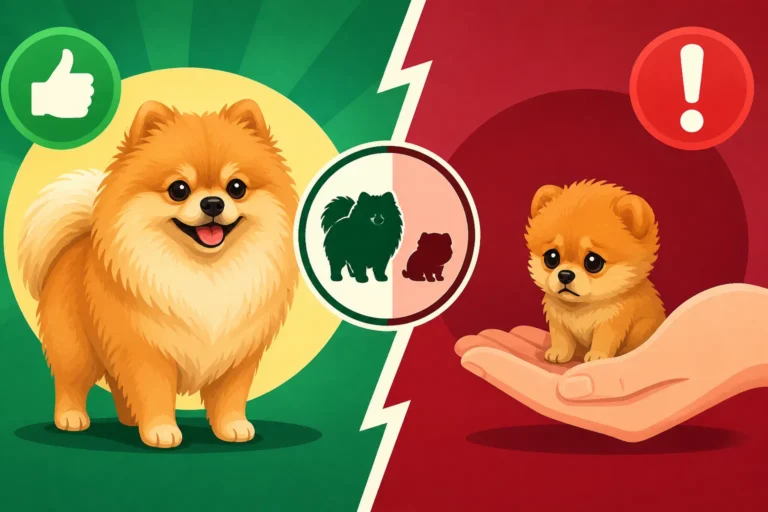
The rise in popularity of distinct Pomeranian "face types" has also brought with it a host of discussions and considerations regarding breeding practices and ethics. While it's natural for people to be drawn to certain aesthetics, it's paramount that the pursuit of a particular look never overshadows the health, temperament, and overall well-being of the dogs. Responsible breeding should always prioritize the long-term health of the breed above fleeting trends.
The Push for "Extreme" Looks
The overwhelming demand for the "teddy bear" Pomeranian, often fueled by viral internet sensations, has unfortunately led some less scrupulous breeders to prioritize extreme aesthetics over sound health. This market-driven approach can encourage breeding for features that, when pushed to their limits, might inadvertently introduce or exacerbate health issues. For instance, excessively shortened muzzles could potentially lead to more pronounced breathing problems or severe dental crowding than would typically be found in a well-bred Pomeranian.
When aesthetics become the primary goal, especially if a certain "look" commands a higher price, there's a risk that fundamental breeding principles, such as health testing and genetic diversity, can be overlooked. This is where you might encounter breeders who focus solely on promoting a "teacup" size or an extreme "baby doll" face without providing comprehensive health guarantees or screening for common breed ailments. What Teacup Breeding Costs a Pomeranian is a serious topic that often intertwines with the pursuit of certain aesthetic traits.
A real-life scenario might involve seeing advertisements online for puppies with incredibly "squished" faces, marketed as "ultra teddy bear" Poms, often at exorbitant prices. The language used in these ads frequently emphasizes cuteness and rarity without mentioning the health clearances of the parents or the potential for hereditary conditions. This highlights the importance of critical evaluation and seeking out reputable breeders who prioritize the entire dog, not just a trendy facial feature.
Prioritizing Health Over Aesthetics
For responsible breeders, the health, temperament, and structural soundness of a Pomeranian always come first, regardless of current aesthetic trends. They understand that a truly beautiful Pomeranian is a healthy one, capable of living a full, active life without being hindered by exaggerated features. These breeders adhere to the official breed standard, which describes a balanced dog without extreme features, and they conduct thorough health screenings on their breeding stock.
A breeder dedicated to the welfare of the breed will typically select dogs for breeding based on their genetic health clearances (for conditions like luxating patellas, heart issues, and eye problems), their stable temperament, and their overall conformation to the breed standard. The resulting puppies may fall anywhere along the spectrum of "face types," but they will be structurally sound and free from known genetic predispositions to health problems linked to extreme features. Their focus is on producing robust, long-lived companions.
Imagine a breeder proudly showing you not just adorable puppies, but also the health certificates of the parents, explaining the genetic screenings they've undergone, and discussing the importance of a well-structured muzzle for proper breathing and dentition. They might tell you that while their puppies naturally have slightly different face types, all are bred for optimal health. This transparent approach ensures that future owners receive a well-adjusted and healthy Pomeranian, whose beauty is not compromised by a struggle with breathing or chronic dental issues.
Finding a Reputable Breeder
When you're looking for a Pomeranian puppy, especially if you have a preference for a certain "face type," it's absolutely crucial to seek out a reputable breeder. A good breeder will prioritize the health and temperament of their dogs above all else, and will be transparent about their breeding practices. They won't use vague or exaggerated terms to describe their puppies, but rather speak to the breed standard and the individual qualities of each dog.
A reputable breeder will be happy to discuss the health history of their breeding dogs, provide proof of health clearances (such as OFA certifications for knees and hearts), and show you the parents of the litter. They will also be keen to interview you to ensure their puppies are going to good homes. Instead of focusing on whether a puppy is a "teddy bear" or "fox face," they will talk about the puppy's overall conformation, energy level, and suitability for your lifestyle. The papers a Pomeranian breeder should provide are an important indicator of their professionalism and commitment.
For instance, when you contact a breeder, they should be more interested in your living situation and your experience with dogs than in what "face type" you prefer. They might explain that while some puppies have slightly shorter muzzles, their priority is that all puppies have healthy airways and well-formed jaws. They'll invite you to meet the dam and the puppies, allowing you to observe their general health, behavior, and structural integrity firsthand, giving you peace of mind that you're choosing a healthy companion.
Embracing Your Pomeranian's Unique Face
Ultimately, while "fox face," "baby doll," and "teddy bear" are useful terms for describing the visual appeal of Pomeranian faces, they are unofficial labels. The true joy of owning a Pomeranian comes from the unique bond you share, their individual personality, and their unwavering companionship. Each Pomeranian, regardless of its specific facial features, is a vibrant, intelligent, and loving creature deserving of all the affection and care you can provide.
Beyond the Labels: Appreciating Individuality
It's easy to get caught up in the quest for a particular aesthetic, especially when bombarded with adorable images on social media. However, every Pomeranian is an individual, a delightful blend of genetics, personality, and charm that transcends simple labels. While one might have a more foxy profile and another a plush teddy bear look, they all share the quintessential Pomeranian spirit: bold, curious, intelligent, and utterly devoted.
The beauty of the Pomeranian breed lies in this very diversity within its standard. An owner might initially seek out a "baby doll" Pom, but then fall head over heels for a "fox face" puppy whose personality shines through. Or they might realize that their "teddy bear" Pom isn't as extreme as some they've seen, yet they love that unique blend of features. These labels are merely a starting point for description; the true appreciation comes from recognizing and celebrating the unique combination of traits that makes your Pomeranian special.
Consider a Pomeranian owner who adopted a rescue dog, unsure of its exact lineage or "face type." Over time, they come to realize their Pom has a blend of features – perhaps a somewhat shorter muzzle but keen, almond eyes. They learn to appreciate this unique combination, understanding that these labels are simply human constructs and don't define the dog's worth or beauty. Their dog's charming quirks and loving nature become far more important than fitting into a specific category.
The Love That Transcends Appearance
The deep, unconditional love you share with your Pomeranian is a bond that transcends any superficial aesthetic. Whether your Pom has a classic fox face, a sweet baby doll expression, or a plush teddy bear look, their capacity for affection, their playful antics, and their loyal companionship are what truly enrich your life. These tiny dogs have immense personalities packed into their small frames, and that personality is what you'll cherish most.
Focusing too heavily on a specific "face type" can sometimes detract from the broader experience of connecting with a living, breathing being. The joy of a Pomeranian comes from their excited tail wags, their enthusiastic greetings, their comforting presence, and their endless capacity to make you smile. These qualities are universal to the breed, irrespective of how their muzzle is shaped or how round their eyes are.
For instance, an owner might tell you that while their Pomeranian's "teddy bear" face initially drew them in, it's the dog's sassy attitude, their habit of "talking" to them, and their gentle snuggles that have forged an unbreakable bond. The appearance becomes secondary to the vibrant, loving personality that makes their Pom an irreplaceable member of the family. This reminds us that true beauty in a companion animal is found not just in what they look like, but in who they are.
| Feature | Fox Face Pomeranian | Baby Doll Pomeranian | Teddy Bear Pomeranian |
|---|---|---|---|
| Muzzle Length | Longer, more tapered, distinctly fox-like. | Moderately short, balanced, neither too long nor too pushed in. | Very short, broad, giving a compact, rounded appearance. |
| Stop | Less pronounced, smoother transition from forehead. | Defined, but not overly exaggerated. | Very pronounced, creating a noticeable indentation. |
| Eye Shape | Almond-shaped, often closer set, keen and alert. | Rounder, slightly wider set, sweet and innocent. | Very round, wide-set ("button eyes"), often giving a doll-like expression. |
| Overall Head Shape | More angular and refined, ancestral look. | Balanced, soft, and eternally youthful. | Very round, plush, often resembling a stuffed animal. |
| Associated Temperament | Often perceived as more independent, vigilant, "wild" traits. | Generally seen as sweet, friendly, and approachable. | Often perceived as playful and cuddly due to appearance. |
| Grooming Implications | Simpler facial grooming, focus on overall coat health. | Moderate facial grooming, some tear stain management. | Requires more intricate facial grooming to maintain rounded look, tear stain management. |
| Health Considerations | Generally better respiratory passages, less dental crowding. | Good balance, typically few specific facial structure-related issues. | Potential for mild respiratory issues and increased dental crowding if extreme. |
Disclaimer
This article is for general informational purposes only and does not constitute professional advice. Laws, prices and regulations vary by location and change over time. Consult a qualified professional for guidance on your specific situation.