The Toothpaste to Use on a Pomeranian
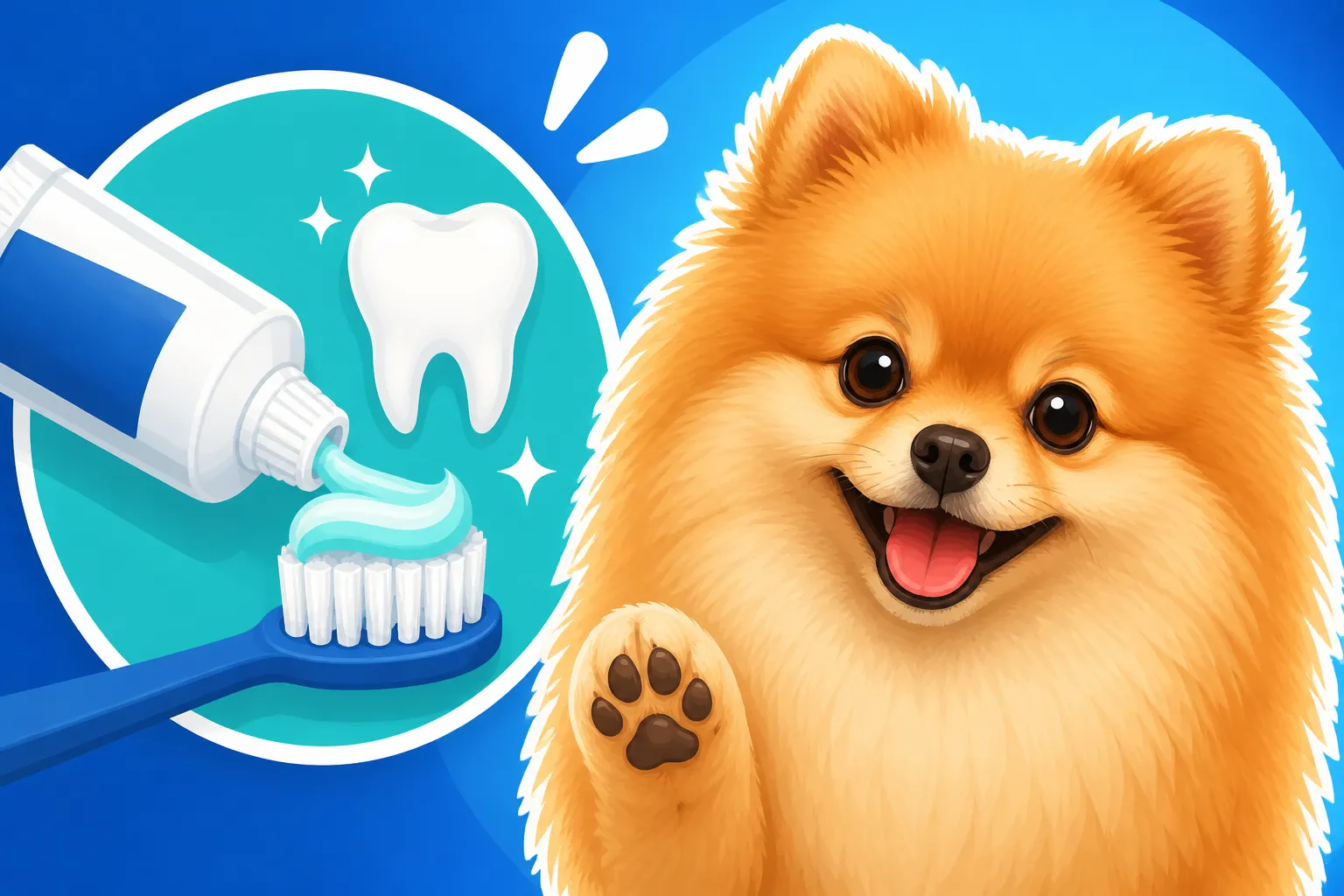
One of the most common worries I hear from fellow Pomeranian parents is about their little one's teeth. It's truly disheartening to watch your beloved Pom suffer from bad breath, sore gums, or even tooth loss, and the thought of costly dental procedures under anesthesia is enough to make anyone anxious. But the good news is, a significant part of preventing these issues comes down to choosing the right toothpaste and establishing a consistent routine. This guide is all about helping you navigate the options and pick the very best toothpaste to keep your Pomeranian's smile healthy and bright for years to come.
Why Choosing the Right Toothpaste for Your Pomeranian Matters So Much
You might think toothpaste is just toothpaste, but when it comes to our furry friends, especially a tiny breed like a Pomeranian, it's a whole different ballgame. Their unique anatomy and sensitivities mean we have to be incredibly particular about what we use to clean their pearly whites. Getting this wrong can not only be ineffective but potentially harmful, turning what should be a health-boosting routine into a risky one.
The Unique Challenges of a Pomeranian's Mouth
Let's be real, Pomeranians have tiny mouths, and those adorable little jaws are often packed to the brim with teeth. This crowding is a huge factor in why they are so prone to dental issues. When teeth are crammed together, it creates nooks and crannies where food particles and plaque love to hide. Brushing becomes a meticulous task to reach every surface, and even then, bacteria can flourish in those tight spaces.
Many Pomeranians also struggle with what's called retained deciduous teeth, or baby teeth that don't fall out when they should. This means adult teeth come in alongside them, doubling the crowding problem and accelerating plaque buildup. It’s like trying to fit two cars in one parking spot – it just doesn't work well and causes friction. This predisposes them to significant tartar accumulation and gum disease much earlier in life than larger breeds. This is why addressing issues like Why a Pomeranian's Teeth Crowd and Rot is so crucial, and daily brushing plays a huge role.
The Dangers of Human Toothpaste for Dogs
It might seem convenient to just grab your own tube of toothpaste, but please, resist the urge! Human toothpaste is formulated for human mouths, and it contains ingredients that can be incredibly toxic or, at the very least, cause severe digestive upset for your Pomeranian. The biggest offenders are xylitol and fluoride.
Xylitol is a common artificial sweetener found in many human toothpastes, and while perfectly safe for us, even a tiny amount can be deadly for dogs. It causes a rapid and severe drop in blood sugar, leading to hypoglycemia, and can also result in liver damage. Fluoride, another staple in human dental care, can also be toxic if ingested in large enough quantities, leading to stomach upset, vomiting, and in severe cases, more serious systemic issues. Beyond these acute dangers, foaming agents and detergents in human toothpaste can cause significant gastrointestinal irritation if swallowed, which, let's face it, your Pom will do because they can't spit. Using a dedicated dog toothpaste removes these risks entirely, allowing you to focus on the beneficial act of cleaning their teeth.
Understanding Dog-Specific Toothpaste Ingredients
So, if human toothpaste is out, what should be in your Pomeranian’s toothpaste? Veterinary-formulated dog toothpastes are specifically designed with canine physiology in mind. They focus on safe, effective ingredients that tackle plaque and tartar without posing a threat if swallowed. Understanding these key components will help you make an informed choice for your little companion.
Enzymes: The Powerhouses for Plaque Control
One of the most effective ingredients you'll find in many high-quality dog toothpastes are enzymes. Look for products containing enzymes like glucose oxidase and lactoperoxidase. These aren't just cleaning agents; they're active biological compounds that work to break down plaque and inhibit the growth of bacteria in your Pomeranian’s mouth. They essentially create an unfriendly environment for the nasty stuff that causes dental disease.
When these enzymes come into contact with your dog's saliva, they activate and produce a mild, natural antimicrobial effect. This process helps to reduce the bacterial load that contributes to bad breath and tartar formation. It's a clever way to boost the cleaning power of brushing, especially in those hard-to-reach areas where plaque loves to accumulate in a Pom's crowded mouth. These enzymatic toothpastes offer a significant advantage over simple abrasive pastes because they continue to work even after the brushing session is over, providing ongoing protection against the silent creep of Dental Disease in a Mouth the Size of a Pomeranian's.
Abrasives: Gentle Cleaning Without Damage
Just like our toothpaste, dog toothpaste contains mild abrasive agents that help scrub away plaque and food debris from the tooth surface. However, the key here is mild. Ingredients like hydrated silica or calcium carbonate are common and effective. These microscopic particles provide the gentle friction needed to dislodge buildup without scratching the delicate enamel of your Pomeranian's teeth.
You want to avoid any toothpaste that feels gritty or harsh, as this could potentially wear down enamel over time, making teeth more susceptible to decay and sensitivity. Given how small and often fragile a Pomeranian's teeth can be, gentle abrasion is paramount. The goal is a polished surface where plaque struggles to adhere, not an aggressive scrub that causes damage. This balance of cleaning power and gentleness is vital for maintaining long-term oral health, especially considering how many times your Pom will have their teeth brushed over their lifetime.
Flavors: Making Brushing a Treat, Not a Chore
Let's face it, no dog is going to willingly tolerate having their teeth brushed if the toothpaste tastes like minty human paste. This is where canine-specific flavors become a game-changer. Dog toothpastes often come in appealing flavors like poultry, beef, peanut butter, or even vanilla. These flavors aren't just for show; they're designed to make the experience palatable and even enjoyable for your Pomeranian.
When your Pom likes the taste, they're much more likely to cooperate during brushing, turning a potentially stressful event into a positive bonding experience. Many owners start by letting their dog simply lick the toothpaste off their finger or the brush, slowly introducing the taste before attempting any actual brushing. This positive association is critical, especially when you're trying to establish a routine of Whether a Pomeranian Needs Its Teeth Brushed Daily. Finding a flavor your Pom adores can be the difference between a daily struggle and a wagging tail at the sight of the toothbrush. You might find a great selection of these flavors when browsing online retailers like Chewy or Amazon.
What to Look For When Picking a Pomeranian Toothpaste
With a plethora of options available, choosing the right toothpaste can still feel a bit overwhelming. Beyond understanding the basic ingredients, there are a few other critical factors to consider to ensure you're getting the safest and most effective product for your Pomeranian. Thinking about these points can help narrow down your search significantly.
Veterinary Approval and Reputable Brands
When it comes to your Pomeranian’s health, always lean towards products with professional endorsement. Look for toothpastes that carry the Veterinary Oral Health Council (VOHC) seal of acceptance. This seal indicates that the product has met rigorous standards for effectively controlling plaque and tartar. It's an independent stamp of approval that gives you confidence in the toothpaste's claims.
Beyond the VOHC seal, stick to reputable pet care brands. Brands that specialize in veterinary dental care or are widely recommended by veterinarians are generally a safer bet. These companies invest in research and development to ensure their products are both safe and effective for dogs. While every dog is different, starting with a vet-approved product gives you the best chance of success. Your veterinarian can also offer specific recommendations tailored to your Pomeranian's individual needs and any existing dental issues, such as those that might lead to Extractions in a Pomeranian's Small Jaw.
Texture and Consistency for Small Mouths
The texture and consistency of the toothpaste might seem like a minor detail, but it can make a big difference, especially for a small breed like a Pomeranian. You want a paste or gel that isn't too thick or sticky, making it easy to apply to the toothbrush and spread around their tiny teeth and gums. A smooth consistency will also be more comfortable for your Pom, reducing the likelihood of resistance.
Non-foaming formulas are also a huge plus. Unlike human toothpastes that foam up, dog toothpastes are designed not to create suds. This is important because, as we discussed, dogs swallow the toothpaste. Foaming agents can cause stomach upset, and frankly, a mouth full of foam would likely be very unpleasant for your little one. A non-foaming gel or paste allows for better visibility of what you're doing and a more comfortable experience for your Pomeranian during their Daily Tooth Care in a Pomeranian's Crowded Mouth routine.
Avoiding Harmful Additives (Beyond the Obvious)
While we've already covered the big no-nos like xylitol and fluoride, it's wise to cast a critical eye over the entire ingredient list. Some dog toothpastes, especially those that are highly flavored or brightly colored, might contain artificial colors, unnecessary preservatives, or excessive artificial sweeteners that aren't xylitol but still aren't ideal for daily ingestion.
Think about it: your Pomeranian will be swallowing this product every day. Opting for a toothpaste with a shorter, more natural ingredient list reduces the exposure to potential irritants or allergens. Some brands, like those focusing on fresh food or natural ingredients such as Ollie, might have dental products or philosophies that align with minimizing artificial additives. Always prioritize safety and efficacy over flashy packaging or unusual claims. If an ingredient sounds suspicious or you're unsure about its purpose, consult your vet. After all, the goal is to enhance their health, not introduce new risks.
| Ingredient Type | Safe for Dogs (Examples) | Unsafe for Dogs (Examples) | Why It Matters |
|---|---|---|---|
| Sweeteners | Sorbitol, Stevia | Xylitol, Artificial Sweeteners | Xylitol is highly toxic, causing rapid blood sugar drops and liver damage. |
| Cleaning Agents | Enzymes (Glucose Oxidase) | Detergents, Foaming Agents | Foaming agents can cause digestive upset if swallowed. Enzymes actively fight plaque. |
| Abrasives | Hydrated Silica, Calcium | Harsh Grits, Baking Soda | Gentle abrasives clean without damaging enamel. Baking soda can be too harsh. |
| Flavorings | Poultry, Beef, Peanut Butter | Peppermint, Wintergreen (human) | Dog-specific flavors encourage acceptance and cooperation during brushing. |
| Fluoride | None (low concentration okay) | High Concentrations of Fluoride | Toxic in large doses; dog toothpastes should be fluoride-free or have safe levels. |
How to Introduce and Use Toothpaste Effectively with Your Pomeranian
Even with the perfect toothpaste in hand, the real magic happens in the application. Brushing your Pomeranian’s teeth needs to be a positive, consistent experience to be truly effective. It's not just about getting the gunk off their teeth, it's about making sure your tiny companion feels safe and comfortable throughout the process, turning it into another routine they look forward to, rather than dread.
Making the Toothpaste a Positive Experience
The first step is always to introduce the toothpaste itself in a low-stress way. Don't just dive in with a toothbrush! Start by letting your Pomeranian taste the toothpaste. Put a tiny dab on your finger and let them lick it off. Many Poms are quite food motivated, and with those delicious poultry or beef flavors, they might find it quite appealing. Do this for a few days, just once a day, without any pressure.
Once they're happy to lick it off your finger, move to putting a small amount on the dog toothbrush. Again, let them lick it off the brush. This helps them associate the brush with the yummy taste. The key here is patience and positive reinforcement. Always follow these introductions with praise and perhaps a small, healthy treat. This builds a foundation where the toothpaste, and eventually the brushing, is seen as a good thing. Think of it as a crucial part of their daily The Routine a Pomeranian Needs Every Day.
Brushing Techniques for a Tiny Mouth
Once your Pomeranian is comfortable with the toothpaste and the brush, you can start the actual brushing. Given their small size, a finger brush or a very small, soft-bristled toothbrush designed for toy breeds will be your best friend. Look for brushes specifically labeled for small dogs or even puppy brushes.
Start slow and be gentle. Lift your Pom's lip and focus on the outer surfaces of their teeth, especially where the tooth meets the gum line – this is where plaque tends to accumulate most. Use small, circular motions. You don't need to scrub hard; gentle brushing is effective. Don't worry too much about the inside surfaces, as your dog's tongue usually keeps those relatively clean. Aim for about 30 seconds per side, gradually building up to a minute or two for their entire mouth. Remember, consistency is more important than perfection in the beginning. If you're wondering Checking a Pomeranian's Gums at Home, regular brushing also gives you an opportunity to monitor their gum health for any signs of inflammation or redness.
Consistency is Key: Daily Care for Long-Term Health
I cannot stress this enough: consistency is absolutely paramount for good dental hygiene in Pomeranians. Brushing a few times a week is better than nothing, but daily brushing is truly the gold standard for preventing the buildup of plaque and tartar. Just like with humans, plaque starts forming almost immediately after eating, and it hardens into tartar within 24-48 hours. Once it's hardened into tartar, brushing alone won't remove it; professional dental cleaning under anesthesia will be necessary.
Establishing a routine, perhaps right after their last meal of the day or as part of their evening wind-down, will make it a habit for both you and your Pomeranian. A little patience and daily effort will go a very long way in preventing painful dental disease and potentially expensive vet bills down the road. It also plays a huge part in keeping their breath fresh, which is a nice bonus for all those adorable face snuggles! Remember, preventative care, including the right toothpaste and consistent brushing, is the best gift you can give your little one to ensure they have a long, healthy life free from the discomfort of dental problems.
Disclaimer
This article is for general informational purposes only and does not constitute professional advice. Laws, prices and regulations vary by location and change over time. Consult a qualified professional for guidance on your specific situation.