When a Pomeranian Graduates to Adult Food
It’s a common moment for Pomeranian parents: your tiny, energetic fluffball is growing up, and you start to wonder if that adorable puppy food they’ve been devouring is still the best fit. The transition from puppy to adult food can feel a bit like a mystery, with conflicting advice and a desire to do what’s absolutely best for your little companion. This guide will demystify the process, helping you understand when and how to gracefully shift your Pomeranian to an adult diet, ensuring their continued health and happiness.
Understanding Your Pomeranian's Growth Stages
Before we dive into the specifics of food, it's really helpful to understand how a Pomeranian grows. They might be small, but their developmental timeline is just as distinct as any larger breed, albeit compressed into a shorter period. Knowing these stages helps us understand why their nutritional needs shift and when it's appropriate to change their diet.
The Rapid Early Weeks of a Pomeranian Puppy
Pomeranian puppies grow incredibly fast during their first few months. Think about it: they go from a tiny, helpless newborn to a confident, playful little dog in what feels like the blink of an eye. During this intense period, their bodies are working overtime, building bones, developing muscles, and firing up their brains. This rapid development requires a significant amount of energy and specific nutrients, which is precisely why puppy food is formulated differently. They need more calories per bite, higher levels of protein, and a carefully balanced array of vitamins and minerals to support this foundational growth. Skipping meals or not getting enough nutrient-dense food during this time can have real consequences for their long-term health and growth. Feeding a Pomeranian Puppy Often Enough to Stay Safe is paramount during these early weeks to prevent issues like hypoglycemia.
When a Pomeranian Puppy's Growth Plateaus
As your Pomeranian moves past the initial burst of puppyhood, typically around six to eight months of age, their growth rate begins to slow down. They might still be getting a little taller or filling out, but that exponential growth spurt is largely over. You might notice they aren't gaining weight as quickly, or their energy levels, while still high, aren't quite the frantic pace of a tiny infant. This plateau is a key indicator that their body's demands are shifting. They're still growing, but it's more about maturing and consolidating rather than rapid expansion. At this stage, they're approaching their adult size and will soon hit The Three to Seven Pounds a Pomeranian Should Hold weight range.
Recognizing Full Maturity in Your Little Pom
For most Pomeranians, full physical maturity is reached between 10 to 12 months of age, sometimes even a little earlier for the very smallest individuals. This means their bones have stopped growing, their muscle mass is pretty much set, and they've reached their adult height and weight. While they might still have some emotional or behavioral maturing to do (a topic for another day!), their physical development is complete. This is the prime window to consider transitioning them to adult food. It’s not just about their size, but the internal processes of their body. An active, healthy Pomeranian at this age still needs good nutrition, but the "building block" phase is over, and now it's about maintenance and energy for daily life.
Why Puppy Food Differs from Adult Food
It might seem like all dog food is essentially the same, just packaged differently, but nothing could be further from the truth! The distinctions between puppy and adult formulas are significant and are tailored to meet the very different physiological demands of growing pups versus mature dogs.
The Higher Calorie and Protein Needs of Growing Pups
Imagine trying to build a house from scratch. You need a lot of raw materials, right? Puppy food is like that, packed with more calories and a higher percentage of protein to fuel rapid growth. A small breed puppy like a Pomeranian burns through calories at an astonishing rate due to their high metabolism and constant activity. Puppy food offers that concentrated energy, ensuring they don't expend more energy than they consume, which is especially important for preventing issues like hypoglycemia in smaller breeds. The higher protein content is crucial for muscle development, tissue repair, and the formation of organs. Without these elevated levels, a growing Pomeranian might struggle to reach its full potential, potentially impacting their skeletal structure or overall vitality.
Essential Nutrients for Bone and Brain Development
Beyond just calories and protein, puppy foods are fortified with specific nutrients vital for development. For instance, you'll often find higher levels of DHA, an omega-3 fatty acid, which is critical for brain and vision development. This is especially important during those formative months where a puppy is learning so much about the world around them. Calcium and phosphorus levels are also carefully balanced in puppy formulas to support healthy bone growth, aiming for strong bones without causing rapid, abnormal growth that could lead to orthopedic problems. While Pomeranians are prone to Slipping Kneecaps in a Five Pound Pomeranian, the right nutritional start helps build a strong foundation. These specialized nutrient profiles aren't just a nice-to-have; they're foundational for a puppy's healthy trajectory.
Avoiding Over-Nutrition in Adolescent Pomeranians
While puppy food is fantastic for puppies, it can actually be detrimental if continued too long into adulthood. Because it's so calorie-dense, feeding an already mature Pomeranian puppy food can quickly lead to over-nutrition and weight gain. An overweight Pomeranian faces a whole host of potential health problems, from exacerbating joint issues like luxating patellas to putting extra strain on their delicate respiratory system, particularly if they have a collapsing trachea. Whether Weight Gain Worsens a Pomeranian's Windpipe is a real concern. Their small frames are not designed to carry excess weight. Sticking with puppy food past their growth period can also throw off the delicate balance of vitamins and minerals, potentially leading to other health complications over time. It's about giving them exactly what they need, not more.
The Ideal Timeline for Transitioning to Adult Food
So, with all that in mind, when exactly should you make the switch? There’s no single, universal date on the calendar, as every Pomeranian is an individual, but there are clear guidelines to help you make an informed decision.
General Age Guidelines for Small Breeds Like Pomeranians
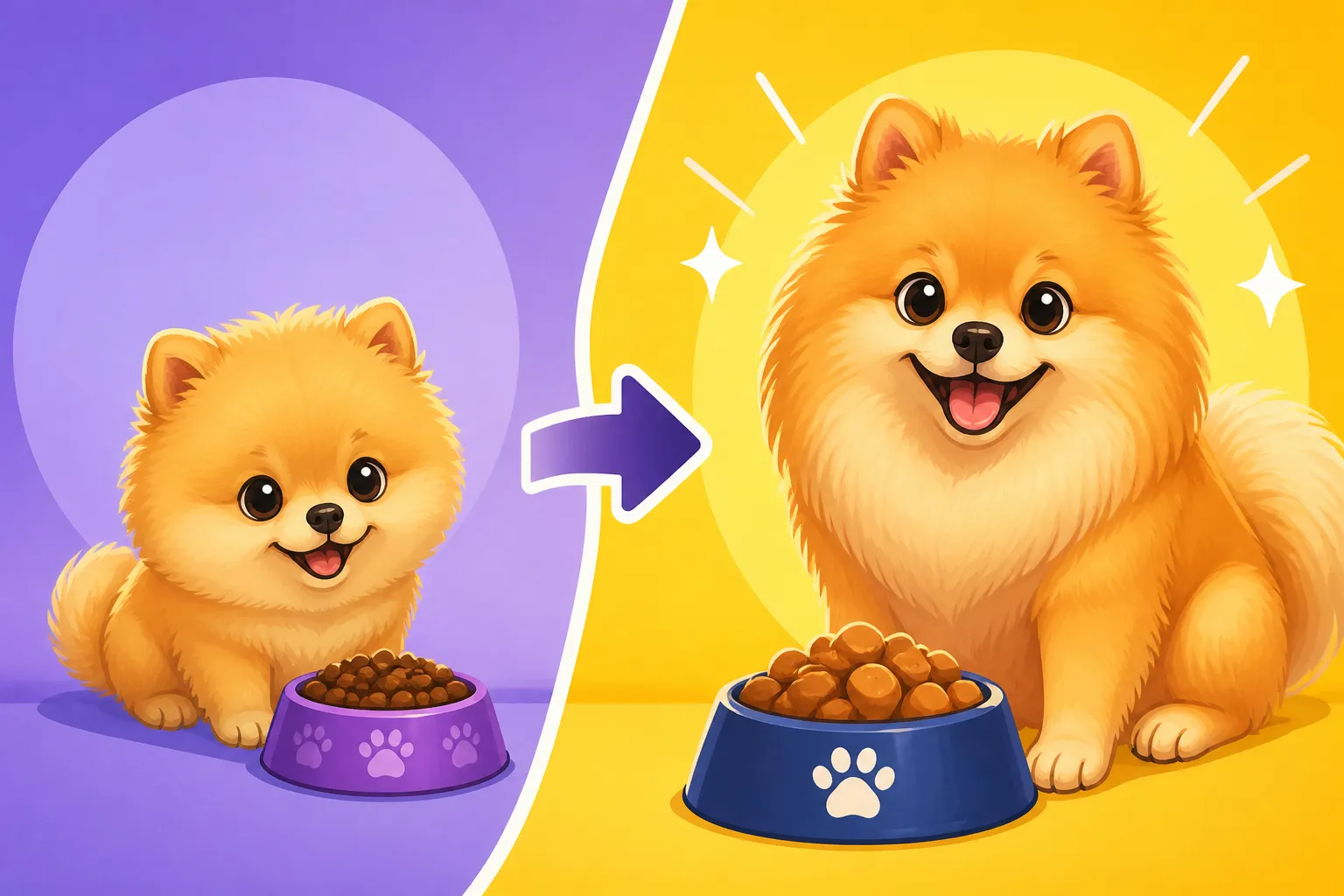
For most small breeds, including our beloved Pomeranians, the general recommendation is to transition to adult food between 9 to 12 months of age. This window typically aligns with when their rapid growth has ceased, and they are nearing their adult weight and height. Some veterinary professionals might even suggest starting the transition a little earlier, around 8 months, especially for very tiny Poms who mature faster. The key is to observe your individual dog rather than strictly adhering to a single date. If you're unsure, a quick chat with your veterinarian is always the best course of action. They can assess your specific Pomeranian's development and guide you on the optimal timing.
Factors Influencing Your Pomeranian's Individual Timeline
While general guidelines are a good starting point, several factors might influence your Pomeranian's specific transition timeline. First, their adult size and weight play a role. A Pomeranian that is on the smaller end of the breed standard (closer to 3-4 pounds) might reach maturity slightly faster than one who is 6-7 pounds. Secondly, their activity level matters. An exceptionally active Pom puppy might maintain higher caloric needs longer, whereas a more sedate one might plateau sooner. Thirdly, their current body condition is crucial. If your Pom is looking a little pudgy on puppy food, it might be a sign to transition sooner, assuming they’re close to maturity. Conversely, if they're still quite lean and growing, you might wait closer to the 12-month mark. Observing your dog's energy levels, appetite, and physical appearance will provide valuable clues. For example, if they've maintained the same weight for a couple of months, it's a good indicator of reaching maturity.
Gradual Transition: The Key to a Happy Stomach
Once you've decided it's time to make the switch, how you do it is just as important as when. A sudden change in diet can lead to digestive upset – think vomiting, diarrhea, or a very unhappy tummy for your sensitive little Pom. Instead, opt for a slow, gradual transition over 7 to 10 days. This allows your Pomeranian's digestive system to adjust to the new ingredients and nutrient profile without shock.
Here’s a general guideline for a gradual transition:
| Day | Old Puppy Food | New Adult Food |
|---|---|---|
| 1-2 | 75% | 25% |
| 3-4 | 50% | 50% |
| 5-6 | 25% | 75% |
| 7+ | 0% | 100% |
During this period, keep a close eye on your Pomeranian for any signs of digestive upset. If you notice soft stools or vomiting, slow down the transition and maintain the current ratio for a few extra days until their system settles. Patience is key here; a smooth transition prevents discomfort for your beloved pet. You might find excellent transition guides on the websites of popular pet retailers like Chewy or Amazon when selecting your new adult food.
Selecting the Right Adult Food for Your Pomeranian
Now that you know when and how to transition, the next big question is what to feed your fully grown Pomeranian. The market is flooded with options, and choosing the right one can feel overwhelming.
Prioritizing Small Breed Formulas
Just as puppy food is specialized, many adult dog foods are formulated specifically for small breeds. This isn't just a marketing gimmick; it's genuinely beneficial for your Pomeranian. Small breed formulas typically feature smaller kibble sizes, which are much easier for a Pomeranian's tiny mouth and jaw to manage. Beyond size, these formulas often have a calorie density appropriate for the higher metabolism of small dogs, but without the excess calories found in puppy food or formulas for giant breeds. They also often include joint support ingredients, like glucosamine and chondroitin, which can be helpful for breeds prone to luxating patellas. Whether a Pomeranian Needs Small Breed Formula is a question many ask, and the answer is often a resounding yes for these specific reasons.
Reading Ingredient Labels and Nutritional Guarantees
Becoming a label detective is one of the best things you can do for your Pomeranian's health. When selecting an adult food, look for a reputable brand that lists a whole meat source (like chicken, beef, or salmon) as the first ingredient. Avoid foods with vague "meat meal" or excessive fillers like corn or soy as primary ingredients. The bag should clearly state that the food meets the nutritional levels established by the Association of American Feed Control Officials (AAFCO) for "maintenance" (for adult dogs). This guarantee ensures the food is nutritionally complete and balanced. Don't forget to consider fat content; while some fat is essential for skin and coat health, excessive fat can contribute to weight gain, particularly if you are trying to ensure How Little Food an Adult Pomeranian Needs.
Considering Fresh Food and Specialized Diets
Beyond traditional kibble, the world of pet food has expanded to include fresh food options and specialized diets. Fresh food services, such as Ollie, deliver pre-portioned, human-grade meals directly to your door. These can be an excellent option for Pomeranians with sensitive stomachs or picky eaters, as they often contain easily digestible ingredients and fewer artificial additives. However, they typically come at a higher price point.
You might also encounter grain-free diets, limited ingredient diets, or senior formulas. Grain-free options gained popularity, but recent research suggests a potential link between certain grain-free diets and heart issues in some dogs, so always discuss this with your vet. Limited ingredient diets can be helpful for Pomeranians with diagnosed food sensitivities or allergies. As your Pomeranian ages, typically around the When a Pomeranian Counts as Old mark (around 8-10 years), a senior formula might become appropriate, offering fewer calories and more joint support. Always consult your veterinarian before making significant dietary changes, especially if your Pomeranian has any underlying health conditions. They can help you navigate the myriad of choices and ensure your beloved Pom gets the precise nutrition they need to thrive.
Disclaimer
This article is for general informational purposes only and does not constitute professional advice. Laws, prices and regulations vary by location and change over time. Consult a qualified professional for guidance on your specific situation.