Whether a Pomeranian Needs Fish Oil for Its Coat
It's incredibly frustrating when you look at your beloved Pomeranian, expecting that fluffy, vibrant coat, only to see it looking a little dull, dry, or perhaps even shedding more than you'd expect. Many of us wonder if there's something more we can do nutritionally to support their iconic double coat. This guide is going to dive deep into whether fish oil can truly make a difference for your Pomeranian's coat health, helping you understand the benefits and how to choose the right supplement.
Understanding Your Pomeranian's Magnificent Coat
Pomeranians are renowned for their absolutely stunning, plush double coats. It's one of their defining features, a cloud of soft fluff that just begs for cuddles. But this magnificent coat isn't just for show; it serves vital functions and, because of its unique structure, it also has some specific care requirements and potential vulnerabilities.
The Double Coat's Unique Demands
A Pomeranian's coat consists of two distinct layers, each playing a crucial role. First, you have the outer layer, the "guard hairs." These are longer, coarser, and somewhat stiffer hairs that provide protection against the elements – think of them as your Pom's little raincoat and shield. They repel dirt and moisture and give the coat its characteristic stand-off appearance. Beneath this, close to the skin, lies the incredibly dense, soft, and woolly "undercoat." This layer acts as insulation, keeping your Pomeranian warm in cold weather and, surprisingly, helping to keep them cool in warmer temperatures by trapping air. This incredible system is what gives them that signature volume and bounce.
Because of this dual-layer structure, the health of both the skin and the hair follicles is paramount. Any issues with nutrition, grooming, or underlying health can quickly manifest in the coat's appearance, making it look less than its best. Without proper care, this beautiful coat can become a source of frustration, with mats forming easily and dullness replacing that vibrant sparkle. You might want to read The Double Coat That Makes a Pomeranian and Why It Stays On to understand more about its structure.
Common Coat Woes in Pomeranians
Even with the best intentions, many Pomeranian owners encounter various coat issues that can be disheartening. One of the most common complaints is a dull, lackluster coat. Instead of shimmering, it might look flat and lifeless, lacking that healthy sheen. This often goes hand-in-hand with dryness, where the individual hairs feel brittle and rough to the touch, rather than soft and silky. Dry skin beneath the coat can also lead to flakiness, irritation, and excessive scratching, even if you can't see the skin itself through the dense fur.
Another frequent concern is shedding. While Pomeranians do go through natural "coat blows," especially seasonally or after a heat cycle for females, persistent or excessive shedding year-round can be a sign that something is amiss. This might mean you're finding more hair on your furniture and clothes than usual, and your Pom's coat might appear thinner in certain areas. Sometimes, these issues can even escalate to more severe problems like The Thinning That Starts on a Pomeranian's Hindquarters or other forms of hair loss, pointing to deeper nutritional or health imbalances. Addressing these concerns proactively, often starting with diet and supplementation, can make a significant difference in restoring your Pomeranian's coat to its former glory.
The Science Behind Fish Oil: Omega-3s and Their Benefits
When we talk about boosting a Pomeranian's coat health, one supplement consistently rises to the top: fish oil. But it's not just an old wives' tale; there's solid science behind why fish oil is so beneficial, particularly for skin and coat, and often for overall health too.
What Are Omega-3 Fatty Acids?
At the heart of fish oil's power are Omega-3 fatty acids. The two superstars we're most interested in are Eicosapentaenoic Acid (EPA) and Docosahexaenoic Acid (DHA). These are "essential" fatty acids, meaning your Pomeranian's body cannot produce them on its own; they must be obtained through their diet. Think of them as vital building blocks that the body needs for a whole host of functions, not just a pretty coat.
While some plant-based oils (like flaxseed) contain Alpha-Linolenic Acid (ALA), which is another Omega-3, a dog's body isn't very efficient at converting ALA into the more biologically active EPA and DHA. This is why direct sources of EPA and DHA, predominantly found in fatty fish, are so important. They're like getting the finished product, ready for your Pomeranian's system to use immediately and effectively.
How Omega-3s Support Skin and Coat Health
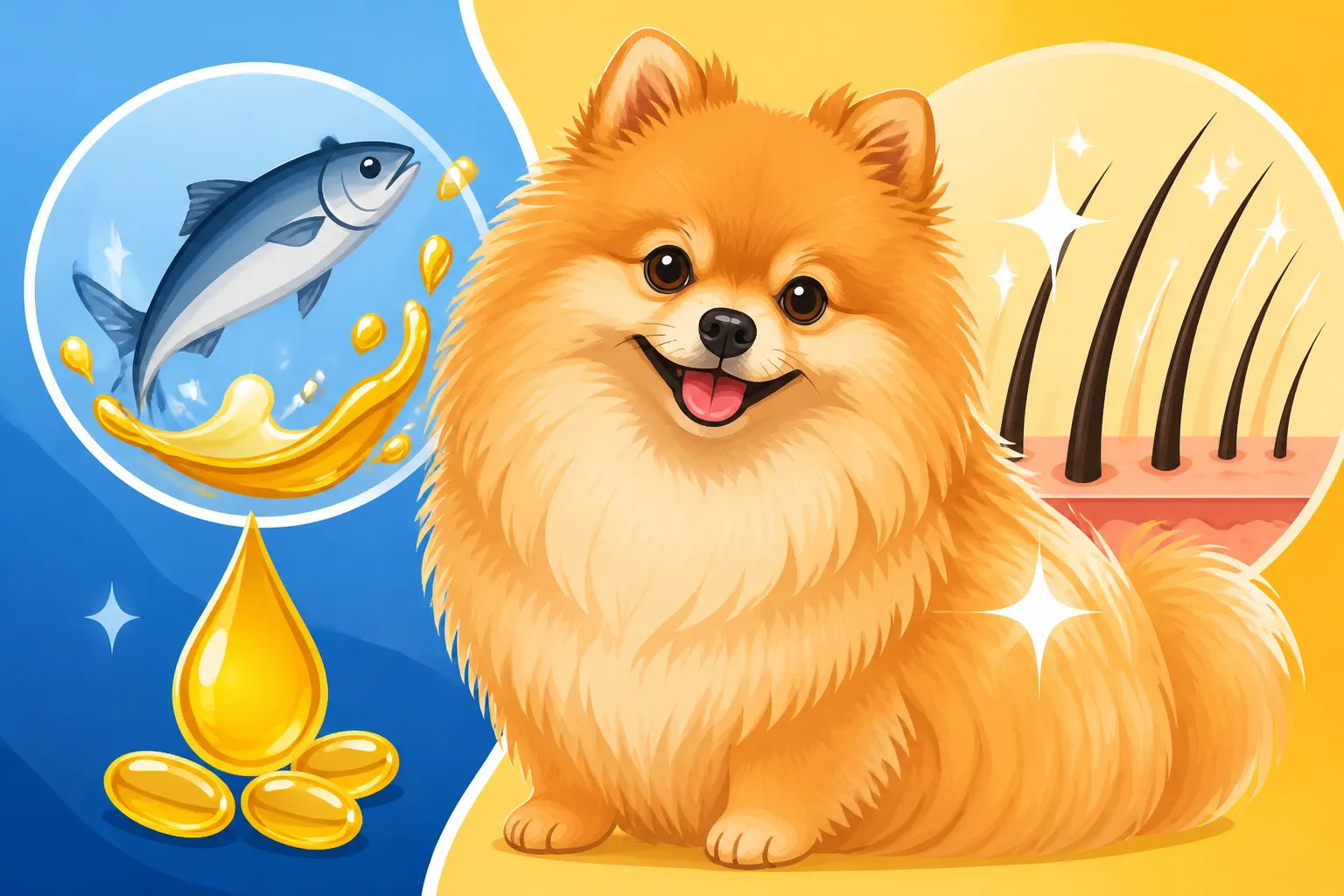
The benefits of EPA and DHA for skin and coat are truly remarkable, and it's all down to their potent anti-inflammatory properties. Inflammation can lead to dry, itchy skin, which in turn can cause excessive scratching, hair breakage, and a dull coat. Omega-3s work to soothe this inflammation at a cellular level, helping to calm irritated skin and create a healthier environment for hair growth.
By promoting a stronger skin barrier, Omega-3s help lock in moisture, reducing dryness and flakiness. This hydration translates directly to healthier hair follicles, leading to strands that are stronger, less prone to breakage, and have a beautiful, natural shine. Imagine your Pom's skin as the soil and its coat as the plants; healthy soil (skin) means healthy plants (coat). Beyond just aesthetics, these fatty acids also support overall skin integrity, which is crucial for protecting against environmental irritants and allergens. Plus, the benefits don't stop at the coat; Omega-3s are also known for supporting joint health, cognitive function, and cardiovascular health, making them a fantastic all-around supplement for your tiny companion.
Why Diet Alone Might Not Be Enough
Many high-quality commercial dog foods do include Omega-3 fatty acids, which is a great start. However, the amounts can vary wildly, and often the balance might not be optimal for every dog, especially a breed like the Pomeranian with its demanding coat. Factors like the quality of ingredients, how the food is processed, and even how long it sits on the shelf can affect the potency and availability of Omega-3s. Heat and exposure to air can degrade these delicate fatty acids, meaning the amount listed on the bag might not be what your dog actually gets.
Furthermore, some Poms simply have a higher need due to their individual genetics, lifestyle, or existing skin conditions. If you're feeding a kibble-based diet, even a premium one, adding a supplementary source of fish oil can often bridge this nutritional gap. Even if you're exploring fresh food options from services like Ollie, a targeted fish oil supplement can still provide a concentrated boost of EPA and DHA that ensures your Pomeranian is getting everything their magnificent coat needs to truly flourish. The Protein a Pomeranian's Coat Needs is also crucial, but Omega-3s offer a specific kind of support.
Choosing the Right Fish Oil Supplement for Your Pomeranian
So, you're convinced fish oil sounds like a great idea for your Pomeranian! That's wonderful, but the next step is crucial: selecting a high-quality product. The market is flooded with options, and not all fish oils are created equal. You want to make sure you're giving your precious Pom something safe and effective.
Key Factors to Consider
When you're browsing for fish oil, keep these critical points in mind:
- Source and Purity: Look for fish oil derived from small, wild-caught fish like sardines, anchovies, or mackerel. These fish are lower on the food chain, meaning they accumulate fewer toxins like mercury and PCBs (polychlorinated biphenyls) than larger, longer-lived fish. Brands that highlight third-party testing for purity are always a plus, ensuring the product is free from harmful contaminants. When you're searching on platforms like Amazon or Chewy, filter for brands that explicitly state their sourcing and testing protocols.
- Concentration of EPA and DHA: This is perhaps the most important factor. Don't just look at the total amount of fish oil; examine the breakdown of EPA and DHA per serving. These are the active ingredients that provide the benefits. A higher concentration means you can often give a smaller dose, which can be easier for your tiny Pomeranian and potentially more cost-effective in the long run.
- Form of Oil: Fish oil typically comes in liquid or capsule form. Liquid oils are often easier to administer to a small dog like a Pomeranian; you can simply drizzle it over their food. However, they can oxidize more quickly once opened, so ensure you store them properly (usually in the refrigerator) and check for an expiration date. Capsules offer better protection against oxidation but might be tricky for some Poms to swallow, though you can often puncture them and squeeze the oil out.
- Added Ingredients: Stick to pure fish oil whenever possible. Avoid products with unnecessary fillers, artificial flavors, or sweeteners. Sometimes, Vitamin E is added as a natural preservative, which is a good thing as it helps prevent the oxidation of the Omega-3s.
Always remember that for a tiny breed like a Pomeranian, quality over quantity is absolutely essential. A reputable brand will be transparent about its ingredients and testing.
Dosage and Administration
Figuring out the right dose for your Pomeranian is not a one-size-fits-all situation. Their small size means they need very precise dosing. This is where your veterinarian comes in. Before starting any new supplement, including fish oil, you absolutely must consult with your vet. They can help you determine the appropriate dosage based on your Pomeranian's weight, overall health, and any specific coat or skin issues they might be experiencing. Overdosing can lead to digestive upset or other issues, so always err on the side of caution.
Once you have a recommended dose, start slowly. Introduce a smaller amount first and gradually increase to the full dose over several days to allow your Pom's digestive system to adjust. Most Poms love the taste of fish oil, so mixing it directly into their food is usually a breeze. If you feed kibble, simply drizzle it on top. If you're Feeding a Dog That Weighs What a Pomeranian Weighs on a fresh food diet, it blends in beautifully. Administering it with a meal helps with absorption and reduces the chance of stomach upset. Consistency is key here; for the best results, fish oil needs to be given regularly.
Potential Downsides and What to Watch For
While fish oil is generally safe and highly beneficial, it's good to be aware of potential, albeit rare, downsides. The most common side effect, especially if introduced too quickly or given in too high a dose, is mild digestive upset. This can manifest as loose stools, diarrhea, or even a bit of gas. If you notice these symptoms, reduce the dose and reintroduce it more slowly.
Another common complaint from owners is "fishy breath." This is pretty much par for the course with fish oil supplements, but if it's overwhelming, it might suggest the oil is rancid or the dose is too high. A high-quality, fresh oil usually has a mild smell. In very rare cases, some dogs might develop an allergic reaction, though this is uncommon. Always monitor your Pomeranian for any unusual changes in behavior or health after starting a new supplement and report them to your vet. They can help you troubleshoot and ensure the supplement is truly helping, not hindering.
Beyond Fish Oil: A Holistic Approach to Coat Care
While fish oil can be a game-changer for your Pomeranian's coat, it's important to remember that it's just one piece of a larger puzzle. A truly lustrous, healthy coat is a reflection of overall well-being, which comes from a holistic approach to care. Think of fish oil as a fantastic booster, but not a magic bullet that can compensate for other neglected areas.
The Importance of Diet Quality
First and foremost, the foundation of a healthy coat (and a healthy dog!) is a high-quality diet. No amount of supplementation can completely make up for a diet lacking in essential nutrients. Your Pomeranian needs a well-balanced diet rich in appropriate protein, healthy fats (beyond just the supplemental fish oil), and digestible carbohydrates, along with vitamins and minerals. Look for dog foods with whole, identifiable ingredients, and avoid those packed with artificial colors, flavors, and excessive fillers.
For many Pomeranian owners, exploring options like fresh food diets, such as those offered by companies like Ollie, can make a significant difference. These diets often contain higher quality, more bioavailable nutrients that naturally support skin and coat health. Whether you choose kibble, wet food, or a fresh diet, ensure it's specifically formulated for small breeds and meets AAFCO nutritional standards. A good diet works synergistically with fish oil, allowing the Omega-3s to do their best work on a body that's already well-nourished. Supplements That Support a Pomeranian's Skin often work best when paired with a great diet.
Regular Grooming: Your First Line of Defense
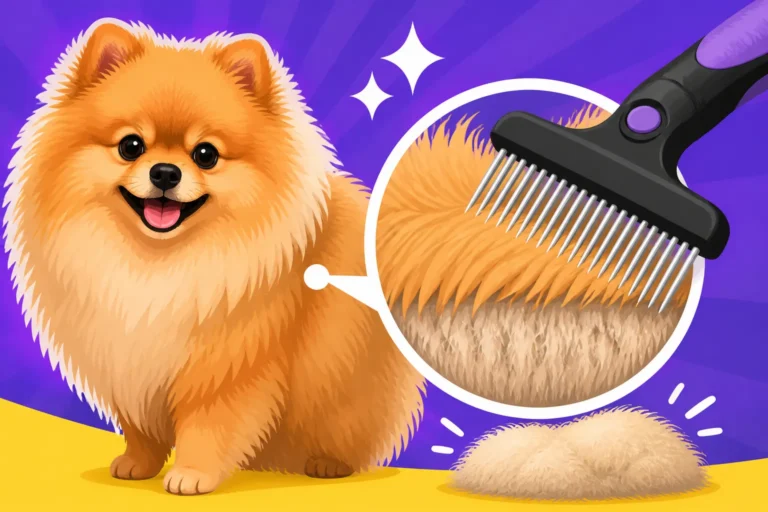
Even the best diet and supplements won't prevent mats or keep a Pomeranian's coat pristine without consistent grooming. Regular grooming is not just about aesthetics; it's vital for skin and coat health. Aim to brush your Pomeranian several times a week, if not daily, using the right tools like a slicker brush and a metal comb. This helps distribute natural oils, removes loose hair and dirt, prevents mats, and stimulates circulation to the skin. Matting can pull on the skin, causing pain and irritation, and can even hide skin infections.
Beyond brushing, regular bathing with a gentle, moisturizing shampoo and conditioner formulated for dogs is important, though not too frequently to strip natural oils. Depending on your Pom's activity level and coat type, a bath every 2-4 weeks is often sufficient. Don't forget nail trims, ear cleaning, and checking for any skin abnormalities during your grooming sessions. A professional groomer can also be an invaluable resource, especially for tackling tricky areas or during a major The Coat Blow and the Pomeranian Puppy Uglies. Understanding How Many Times a Week a Pomeranian Is Brushed and using appropriate techniques like Drying a Pomeranian Without Damaging the Coat are crucial.
Environmental Factors
Finally, don't overlook your Pomeranian's environment. Just like our skin, their skin and coat can be affected by external factors. Dry indoor air, especially in winter, can contribute to dry skin. A humidifier can sometimes help. Allergens in the environment, whether pollen, dust mites, or even certain household cleaners, can trigger skin irritation and impact coat health. Regularly cleaning your home and washing your Pom's bedding can reduce allergen exposure.
Sun protection is also important, particularly for Poms with lighter coats or those prone to thinning. While their double coat offers some protection, prolonged sun exposure can still damage their skin and hair. On very sunny days, limiting outdoor time or using dog-safe sunscreen on vulnerable areas can be beneficial. Keeping your Pomeranian hydrated by ensuring access to fresh water at all times also supports overall skin health from the inside out. By combining excellent nutrition, appropriate supplementation, diligent grooming, and a healthy environment, you're setting your Pomeranian up for the most magnificent, healthy coat possible.
Disclaimer
This article is for general informational purposes only and does not constitute professional advice. Laws, prices and regulations vary by location and change over time. Consult a qualified professional for guidance on your specific situation.