Whether Conditioner Helps a Pomeranian’s Coat
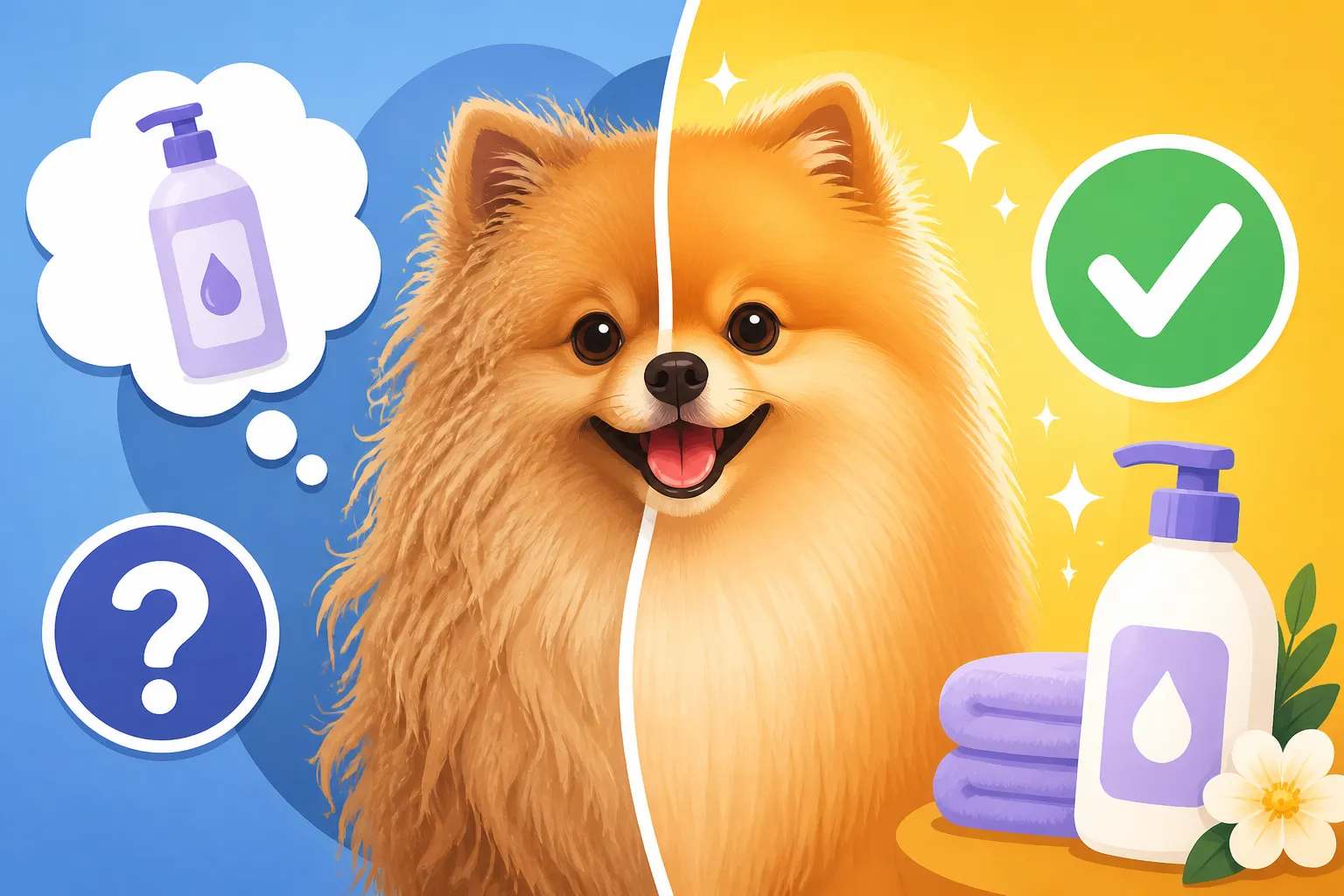
If you're a Pomeranian owner, you know the struggle is real when it comes to that magnificent, fluffy coat. It's a hallmark of the breed, a cloud of soft fur, but it can also be a source of endless frustration with tangles, mats, and static. This guide will dive deep into whether conditioner truly helps a Pomeranian's coat, how to choose the right one, and integrate it into a grooming routine that keeps your little fluffball looking and feeling fantastic.
Understanding Your Pomeranian's Unique Double Coat
Let's be honest, that glorious coat is half the reason we fall in love with Poms! But understanding its structure is the first step to truly caring for it. It's not just hair; it's a complex system designed for insulation and protection, and it needs a specific kind of love.
The Two Layers: Guard Hairs and Undercoat
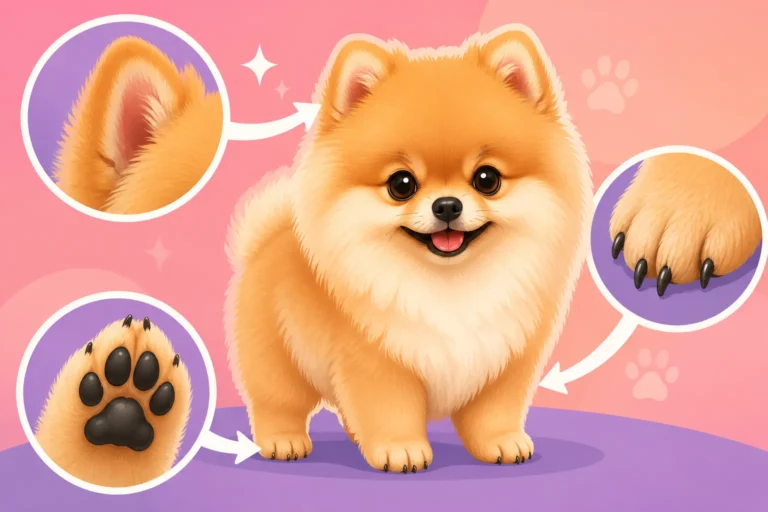
Your Pomeranian’s coat isn't just one type of hair; it's a sophisticated two-layer system. First, you have the guard hairs. These are the longer, coarser, and slightly stiffer hairs that form the outer layer of the coat. They're designed to stand off the body, giving your Pom that iconic fluffy outline, and their primary job is to protect against elements like rain, sun, and debris. They're essentially your dog's natural raincoat and sunshield.
Beneath this protective outer layer lies the undercoat. Oh, the undercoat! This is where all that incredible softness and density comes from. The undercoat consists of short, fine, dense hairs that are packed closely together. Its main function is insulation – keeping your Pomeranian warm in cold weather and helping to regulate their body temperature in warmer climates by trapping a layer of air. This combination of coarse guard hairs over a thick, soft undercoat is what gives the Pomeranian its distinctive luxurious feel and appearance. Understanding these two distinct textures is absolutely crucial for proper grooming, as they each require different considerations. Neglecting either layer can lead to problems that impact the entire coat's health and appearance. To really get into the specifics, check out The Guard Hair and Undercoat of a Pomeranian.
Why the Double Coat is Prone to Tangles and Mats
Now, while this double coat is beautiful, it's also a magnet for tangles and mats. The fine, dense undercoat loves to intertwine with itself and the longer guard hairs. During seasonal shedding, which can feel like it happens almost year-round for some Poms, the dead undercoat gets trapped within the live coat. If it's not removed regularly through diligent brushing, it quickly forms tight knots.
Static electricity, especially in dry indoor environments or during winter, is another major culprit. Static causes the individual hairs to repel each other and then tangle much more easily, acting like Velcro for any loose hair or debris. Simple friction from movement, like your Pom rubbing against furniture, wearing a harness, or even just rolling around during play, can also contribute significantly to matting. These mats aren't just unsightly; they can pull on your Pomeranian’s skin, causing pain, discomfort, and even skin irritation or infections if left untreated. It's a constant battle, but an important one to wage for your dog's comfort and well-being.
The Role of Conditioner in Pomeranian Coat Care
So, knowing all that about their unique coat, where does conditioner fit in? Is it just a luxury, or a necessary tool in your grooming arsenal? For a Pomeranian, it’s often far more than just a nice-smelling extra; it’s a key player in maintaining their coat health.
Hydration and Detangling
One of the most significant benefits of using a conditioner on your Pomeranian is the deep hydration it provides. Just like our own hair, dog fur can become dry and brittle, especially after shampooing, which can strip away some natural oils. Conditioner works by replenishing moisture, effectively closing and smoothing the hair cuticles that might have been lifted during washing. This smoothing action is critical for detangling. When the cuticles are smooth, individual hair strands are less likely to snag and intertwine, making it infinitely easier to work through knots and tangles with a brush.
Think of it this way: trying to brush dry, rough hair is like trying to untangle a knotted fishing line with friction. Adding conditioner creates a slip and lubrication that allows the brush to glide through the coat, minimizing pulling and breaking of the precious fur. This not only makes the grooming process more comfortable for your Pomeranian (and less of a wrestle for you!) but also helps to prevent future mats from forming as quickly. Hydrated hair is more pliable and resilient, which is exactly what a dense Pomeranian coat needs to stay healthy and manageable.
Reducing Static and Preventing Damage
Beyond just detangling, conditioner plays a crucial role in managing static electricity, which, as we discussed, is a major problem for Pomeranian coats. When hair becomes dry, it's more prone to static, leading to that frizzy, flyaway look and, more importantly, increased matting. Conditioner helps to rebalance the hair's moisture levels, significantly reducing static buildup. This means less frustrating hair clinging to everything, and fewer instances of the coat self-tangling.
Furthermore, a well-conditioned coat is a more protected coat. By smoothing the hair cuticle, conditioner creates a barrier that can help shield the individual hair shafts from environmental damage, such as sun exposure, dry air, and even minor physical abrasion. It essentially strengthens the hair, making it less prone to breakage and split ends. This is particularly important for the longer guard hairs and the delicate undercoat, as maintaining their integrity contributes to the overall health and "stand-off" quality of your Pomeranian's coat. A healthy, protected coat not only looks better but also functions better as your Pom's natural protective layer. You want a product that will enhance, not flatten, that wonderful puff! Shampoo That Will Not Flatten a Pomeranian's Coat can make a huge difference in how the coat lays.
Supporting Overall Coat Health
While immediate detangling and static reduction are clear benefits, the long-term impact of regular conditioning on your Pomeranian's coat health is equally important. Consistent use of a good quality conditioner helps to maintain the natural elasticity of the hair, making it stronger and less susceptible to breakage. This means less shedding of broken hair and a fuller, healthier-looking coat over time. When hair is continually snapping off due to dryness or rough brushing, the coat can appear thinner and less vibrant.
A nourished coat also promotes a healthier skin environment. Many conditioners contain ingredients that soothe and hydrate the skin underneath the fur, preventing dryness, flakiness, and itchiness. Healthy skin is the foundation for a healthy coat, and a good conditioner supports both. It ensures that the fur grows from a well-maintained base, contributing to its density, shine, and overall resilience. This holistic approach to coat care, where conditioner is a regular part of the routine, truly makes a difference in keeping your Pomeranian's magnificent fur in tip-top condition for years to come. For further tips on maintaining their beautiful coat, consider checking out Supplements That Support a Pomeranian's Skin.
Choosing and Applying the Right Conditioner for Your Pom
Selecting the right conditioner and knowing how to apply it properly are critical steps. Not all conditioners are created equal, and your Pomeranian's dense double coat has specific needs.
Types of Conditioners: Rinse-Out, Leave-In, and Spray
When it comes to conditioners for your Pomeranian, you'll generally encounter three main types, each with its own benefits and ideal uses:
-
Rinse-Out Conditioners: These are the most common type, applied after shampooing and then thoroughly rinsed out. They are fantastic for providing deep hydration and making the coat easier to detangle immediately after a bath. They smooth the cuticle and infuse moisture, which is essential for combating dryness. For your Pom, a good quality rinse-out conditioner is a must-have for every bathing session to restore the coat's softness and manageability. You can often find excellent options specifically formulated for double coats at pet supply retailers like Chewy or Amazon, and many reputable dog grooming brands offer them.
-
Leave-In Conditioners: As the name suggests, these are applied after bathing (or even between baths) and not rinsed out. They provide continuous hydration and protection, working their magic over a longer period. Leave-in conditioners are excellent for Poms prone to very dry skin, or those with coats that mat easily, as they offer an extra layer of moisture and a bit of slip. They can be particularly useful in dry climates or during winter months when static is rampant. However, be mindful not to apply too much, as it can weigh down the coat or leave a greasy residue on a Pomeranian’s delicate fur.
-
Conditioning Sprays (or Detangling Sprays): These are often lighter formulations designed for quick touch-ups, detangling during regular brushing sessions, or as a static reducer. They're typically sprayed directly onto a dry or damp coat. For a Pomeranian, a good detangling spray is invaluable between baths. It helps to loosen small knots, reduce static, and protect the coat from breakage during brushing, making those daily or every-other-day sessions much more pleasant for both of you. They can also refresh the coat and add a bit of shine without the need for a full bath. Always ensure any spray you use is specifically designed for dogs and gentle on their skin. Explore Detangler Sprays for a Pomeranian for more information on specific products.
| Conditioner Type | Primary Benefit | Ideal Use | Pros | Cons |
|---|---|---|---|---|
| Rinse-Out | Deep hydration, post-shampoo | Every bath, especially for detangling | High moisturizing power, leaves coat soft and smooth | Requires full rinsing, can be time-consuming for dense coats |
| Leave-In | Continuous hydration, protection | Between baths, for very dry coats, static control | Long-lasting moisture, prevents dryness, adds a layer of protection | Can weigh down coat if overused, may leave residue if not spread evenly |
| Conditioning Spray | Quick detangling, static control | Daily brushing, quick refreshes, specific knot treatment | Easy to apply, convenient, helps prevent static during brushing | Lighter hydration, not a substitute for full bath conditioner |
Application Techniques for Optimal Results
Applying conditioner to a Pomeranian’s dense double coat isn't as simple as just slathering it on. You need a technique that ensures the product penetrates both layers of fur and reaches the skin, without leaving any sticky residue. After thoroughly shampooing and rinsing your Pom, gently squeeze out excess water.
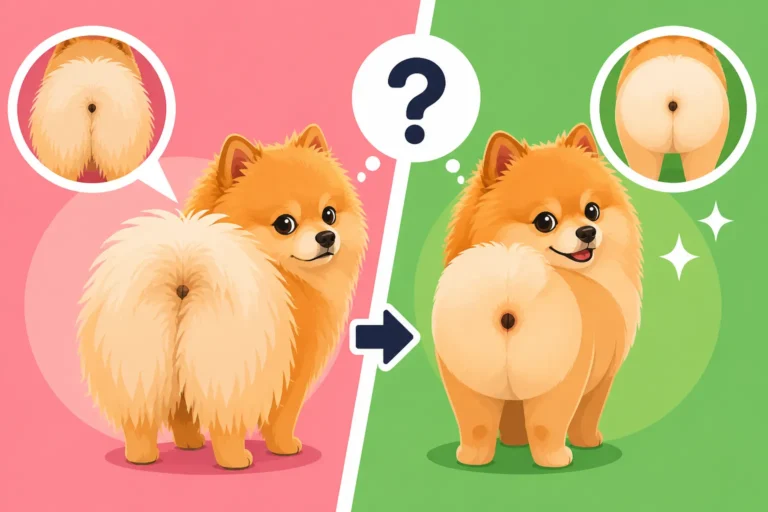
Start by diluting your rinse-out conditioner slightly with water, as this can help it spread more easily through the thick fur. Then, work in small sections. Apply the diluted conditioner to one section at a time, gently massaging it into the guard hairs and down through the undercoat to the skin. Pay particular attention to areas prone to matting, like behind the ears, armpits, and the "britches" (the fur on their hindquarters). Use your fingers to really work the product in. Avoid getting water or conditioner into their delicate ears.
Allow the conditioner to sit for the recommended time (usually a few minutes) to allow it to penetrate the hair shaft fully. Then, rinse, rinse, and rinse again! This is arguably the most crucial step. Any conditioner left behind can attract dirt, cause skin irritation, or leave the coat feeling heavy and dull. Use lukewarm water and ensure the water runs clear from all parts of the coat, checking thoroughly underneath and in dense areas. Remember, a careful wash and rinse in a kitchen sink can often be easier than a full tub for such a small dog! Washing a Pomeranian in a Kitchen Sink might offer some more practical advice. After rinsing, gently blot your Pom with a soft towel before moving on to drying.
Ingredients to Look For and Avoid
When choosing a conditioner for your Pomeranian, becoming a label reader is a good habit. You want ingredients that nourish and protect, and avoid those that can cause irritation or coat damage.
Look for beneficial ingredients such as oatmeal or aloe vera for their soothing properties, especially if your Pom has sensitive skin. Natural oils like coconut oil, argan oil, or jojoba oil can provide excellent moisture without being overly heavy. Glycerin is a good humectant, meaning it draws moisture into the hair. Proteins like silk protein or keratin can help strengthen the hair shaft. Opt for conditioners that are pH-balanced for dogs, as their skin pH is different from humans. Many high-quality options from brands like Warren London, Earthbath, or The Honest Kitchen can be found on Chewy or Amazon.
On the flip side, there are ingredients you should actively avoid. Steer clear of harsh sulfates (like sodium lauryl sulfate), which can be too stripping for a delicate double coat and lead to dryness. Artificial fragrances and dyes are common irritants that can cause allergic reactions or skin sensitivity in some Poms. Petroleum-based products or heavy silicones can build up on the coat, weighing it down, attracting dirt, and making it difficult for the skin to breathe, potentially leading to skin issues. Always prioritize conditioners that are specifically formulated for dogs, ideally for long-haired or double-coated breeds, and choose "hypoallergenic" or "sensitive skin" formulas if your Pomeranian has any known sensitivities.
Integrating Conditioner into a Comprehensive Grooming Routine
Conditioner isn't a standalone product; it's a vital part of a larger, ongoing grooming strategy for your Pomeranian. Think of it as one piece of a puzzle, but a very important piece indeed.
The Full Bathing Process: Shampoo, Condition, Dry
A complete bathing routine for your Pomeranian should always follow a specific order to maximize the benefits of each step and ensure coat health. First, you start with a thorough pre-bath brush-out. This is non-negotiable for a Pomeranian! Never bathe a matted dog, as water will only tighten the mats, making them impossible to remove without shaving. Once brushed, it's time for shampooing. Use a high-quality shampoo specifically designed for dogs, gently working it through the coat, focusing on getting it down to the skin. Rinse absolutely completely until all suds are gone.
Next comes the conditioning step. This is where your chosen rinse-out conditioner comes into play, applied as we discussed earlier, in sections, and allowed to sit for a few minutes before another meticulous rinse. The thoroughness of your rinse here is just as important as with the shampoo. Finally, it's time for drying. This needs to be done carefully and completely, preferably with a pet-specific force dryer on a cool or low heat setting, to ensure the undercoat is dry to the skin and to help fluff up the coat. Improper drying can lead to mildew, skin infections, and severe matting. For a complete guide on this crucial step, check out Drying a Pomeranian Without Damaging the Coat. This whole process, done correctly, prevents problems and keeps your Pom's coat vibrant.
Brushing and Maintenance Between Baths
The work doesn't stop after bath time. Regular brushing and maintenance between baths are paramount for a Pomeranian, and this is where leave-in conditioners and detangling sprays become your best friends. A Pomeranian's coat should ideally be brushed at least 2-3 times a week, if not daily, to prevent mats and remove loose undercoat. How Many Times a Week a Pomeranian Is Brushed can give you more details on frequency.
Before each brushing session, lightly mist your Pomeranian's coat with a detangling or conditioning spray. This adds moisture, reduces static, and provides a slip that helps the brush glide through the fur more easily, minimizing breakage and discomfort for your dog. Use a good quality slicker brush and a metal comb. Start by working in small sections, parting the hair and brushing from the skin outwards. Pay special attention to areas that tangle easily, like the "feathering" on their legs, their ruff, and behind their ears. Consistent, gentle brushing with the aid of a conditioning spray not only keeps mats at bay but also distributes natural oils, making the coat appear healthier and shinier. It also makes the next bath significantly easier! To truly get into those layers, remember to follow a good pattern: Working a Pomeranian's Coat in Sections to the Skin. A good quality slicker and pin brush are indispensable tools. The Slicker and Pin Brush a Pomeranian Needs can help you choose the right ones.
When Conditioner Might Not Be Enough (or When to Consult a Pro)
While conditioner is a powerful tool, there are times when it might not be enough to tackle your Pomeranian's coat woes. If you're consistently battling severe, deep-seated mats that are pulling on the skin, it's a clear sign that a professional groomer is needed. Trying to pull apart large, tight mats at home can be incredibly painful for your dog and can even damage their skin. A professional groomer has the specialized tools and expertise to safely and gently remove severe matting, sometimes requiring a "shave down" to give the coat a fresh start. For more on matting, Whether a Matted Pomeranian Has to Be Shaved is a good resource.
Similarly, if your Pomeranian's coat issues are accompanied by persistent skin problems like redness, itchiness, excessive scratching, flakiness, or bald patches, it's time to consult your veterinarian. These symptoms could indicate underlying health issues such as allergies, skin infections, or hormonal imbalances, which no amount of conditioner can fix. Your vet can diagnose the problem and recommend appropriate medical treatment. A professional groomer can also often spot subtle skin issues you might miss. Recognizing when to seek professional help is a sign of responsible pet ownership, ensuring your Pomeranian receives the best possible care for both their coat and overall health. Don't underestimate the power of a proper grooming schedule, either, as it helps prevent these extreme situations. The Grooming Schedule a Pomeranian Runs On is key.
Disclaimer
This article is for general informational purposes only and does not constitute professional advice. Laws, prices and regulations vary by location and change over time. Consult a qualified professional for guidance on your specific situation.