Shampoo That Will Not Flatten a Pomeranian’s Coat
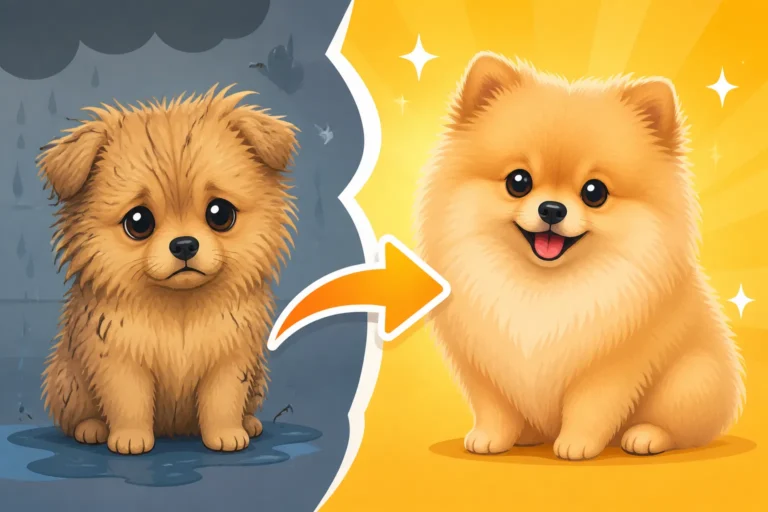
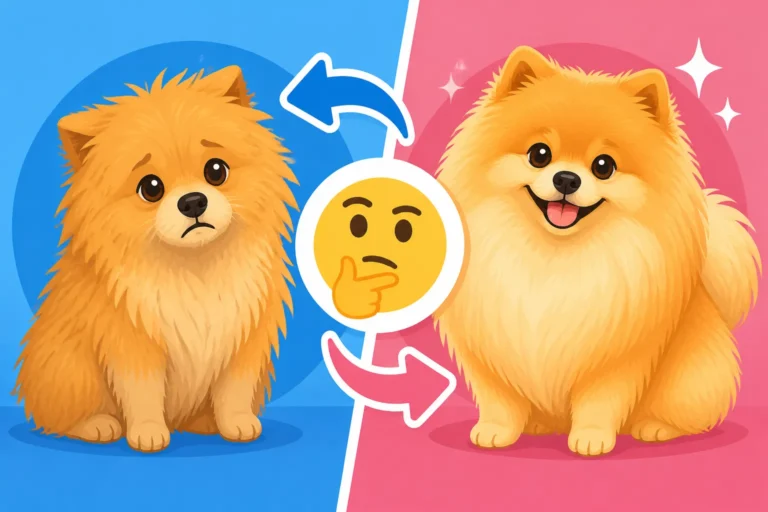
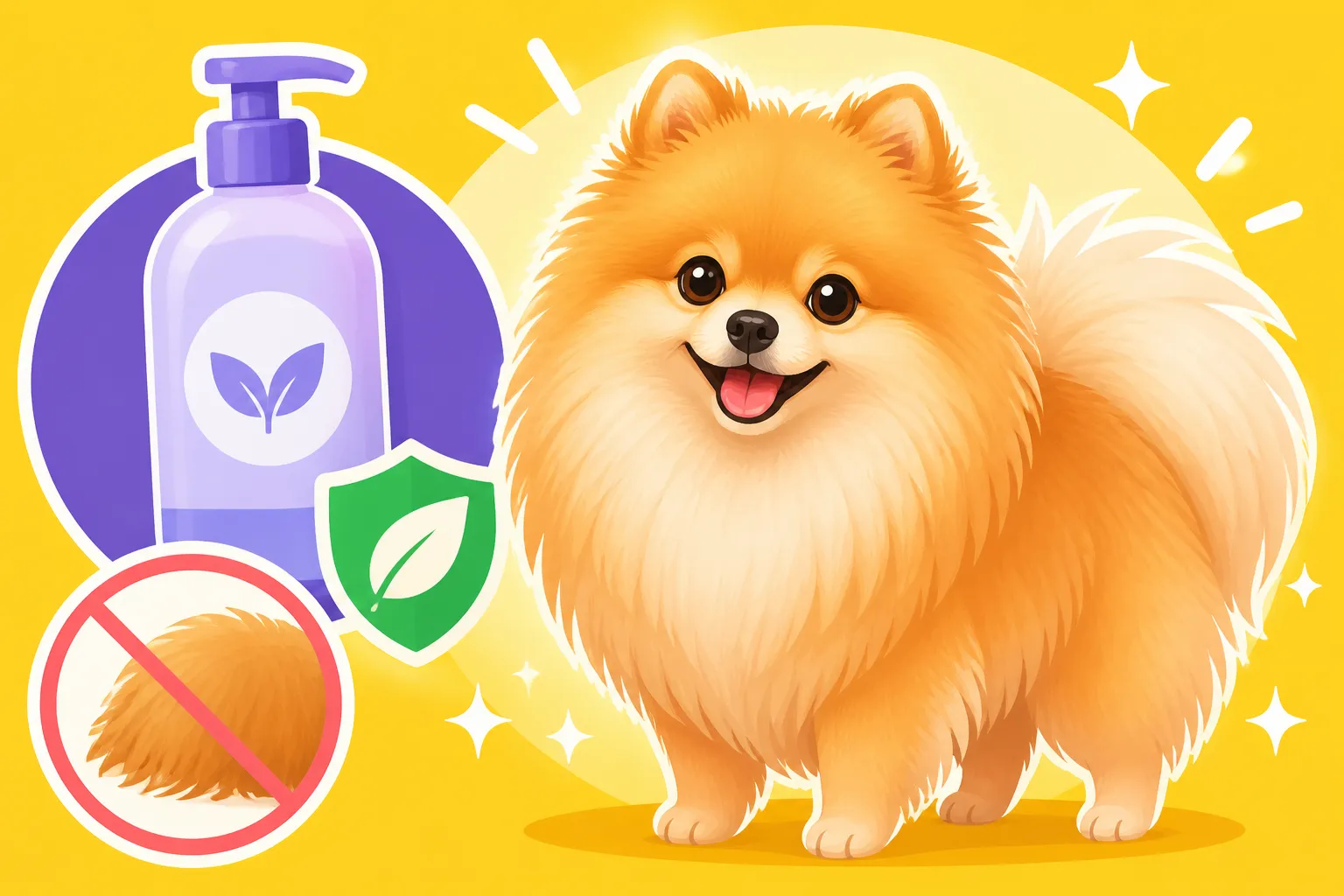
One of the most disheartening things for any Pomeranian owner is spending time on a beautiful bath, only to have that glorious, fluffy coat fall flat and lifeless once it's dry. It feels like all your effort was for nothing, and your little puffball suddenly looks like a soggy rat. But don't despair! The secret to maintaining that iconic stand-off coat often lies not just in your drying technique, but crucially, in the shampoo you choose. This guide will help you navigate the world of dog shampoos to find the perfect formula that enhances, rather than diminishes, your Pomeranian's magnificent fluff.
Understanding the Pomeranian's Magnificent Double Coat
Before we even talk about specific shampoos, it's absolutely vital to understand what makes a Pomeranian's coat so unique. This isn't just any dog fur; it's a marvel of canine genetics, designed to keep them warm in the harsh climates of their ancestral regions. When you grasp the structure of this coat, you'll immediately understand why certain products and techniques are a definite no-go if you want to preserve that signature volume.
The Guard Hairs and Plush Undercoat
Your Pomeranian's coat is a true double coat, and both layers are equally important for its texture and appearance. First, you have the outer layer, known as the guard hairs. These are longer, coarser, and somewhat stiffer hairs that give the coat its "stand-off" quality. They're designed to protect against elements like rain and snow, and they contribute significantly to the visual volume and shape of your Pom. Think of them as the framework that holds everything up.
Beneath these guard hairs lies a dense, soft, and fluffy undercoat. This layer is much shorter and incredibly thick, providing insulation. It's the undercoat that truly creates the plush, cloud-like feel and appearance. The magic of the Pomeranian coat is how these two layers work in harmony: the stiff guard hairs push the dense undercoat away from the body, creating that distinct puffy silhouette. Without both layers working together, your Pom simply won't have that iconic look. If you've ever heard of The Double Coat That Makes a Pomeranian and Why It Stays On, you know how intricate this system is. This delicate balance is why choosing the right shampoo is paramount.
Why Some Shampoos Fail the Pomeranian Coat
Many generic dog shampoos, or even those designed for other breeds, can utterly sabotage a Pomeranian's coat. The main culprits are often heavy conditioning agents, waxes, or emollients that are fantastic for breeds with single coats or those meant to be soft and flowing, like a Shih Tzu or a Maltese. For a Pomeranian, however, these ingredients weigh down the guard hairs and mat the undercoat, effectively collapsing the entire structure.
Imagine trying to style your own hair for maximum volume, but then drenching it in a heavy, oily serum. It just wouldn't work, right? The same principle applies here. These heavy ingredients can strip away the natural oils that contribute to the guard hairs' stiffness, or they can coat the hairs so thoroughly that they simply can't stand up. The result is a flat, greasy, or stringy appearance that is far from the fluffy ideal. It's a common frustration that many Pom parents face before they figure out the right product.
Key Ingredients to Seek for Maximum Pomeranian Fluff
Now that we know what not to use, let's dive into what you should be looking for. The goal is to cleanse thoroughly without stripping essential oils, and to add body and texture without weighing the coat down. It's a delicate balance, but thankfully, there are excellent products out there designed with this in mind. You might find a great selection of these specialized shampoos on sites like Chewy or Amazon.
Gentle, pH-Balanced Formulas
The first and most important characteristic of any good Pomeranian shampoo is that it must be gentle and pH-balanced for dogs. A dog's skin pH is different from a human's, and using human shampoo, even if it claims to be gentle, can irritate their skin and lead to dryness, itching, or excessive oil production. Irritated skin can impact coat health and growth, so starting with a gentle base is fundamental.
Look for shampoos that explicitly state they are "pH-balanced for dogs." These formulas are less likely to strip the natural oils from the guard hairs, allowing them to maintain their natural texture and stand-off quality. A gentle shampoo will clean effectively without being harsh, preserving the integrity of both the outer and inner coat layers. This foundational gentleness is what sets the stage for a fluffy outcome.
Volumizing and Texturizing Ingredients
Once you've ensured gentleness, focus on ingredients that actively promote volume and texture. These are the workhorses that help your Pomeranian's coat achieve that gravity-defying lift.
- Proteins (like Keratin, Wheat Protein, Silk Protein): Proteins are fantastic for strengthening hair strands and adding body. They can help fortify the guard hairs, encouraging them to stand away from the body. Keratin, in particular, is a structural protein found naturally in hair and can do wonders for boosting volume.
- Colloidal Oatmeal (as an emollient, not heavy): While often found in soothing shampoos, colloidal oatmeal can offer a light, natural conditioning effect without weighing the coat down. It can help maintain coat health and elasticity, which contributes to a fuller look. Just ensure it's not combined with heavy oils or waxes that negate its benefit.
- Botanical Extracts (e.g., Rosemary, Nettle, Aloe Vera): Certain plant extracts can stimulate healthy hair follicles and contribute to a healthy coat. They can provide a light, clean feel and support the natural texture without adding excessive weight. However, always check for any specific allergies your dog might have.
- Clarifying Components (used sparingly): Occasionally, a mild clarifying shampoo can be beneficial to remove product buildup or excess oils that are weighing down the coat. However, these should not be your regular shampoo. Use them perhaps once every few months, followed by a gentle, volumizing shampoo, to reset the coat without over-drying it.
When scanning product labels, look for terms like "volumizing," "texturizing," "for double coats," or "adds body." Brands that specialize in show dog grooming often have excellent options, as maintaining coat volume is critical in the show ring.
Ingredients to Absolutely Steer Clear Of
Just as important as knowing what to look for is knowing what to avoid. These ingredients are the archenemies of the Pomeranian fluff and can quickly turn your dog's beautiful coat into a flat, limp mess. Ignoring these can lead to frustration and unnecessary grooming struggles.
Harsh Sulfates and Detergents
The absolute first things you should avoid are shampoos containing harsh sulfates like Sodium Lauryl Sulfate (SLS) and Sodium Laureth Sulfate (SLES). These are powerful foaming agents often found in human shampoos and many cheaper pet shampoos. While they create a rich lather, they are incredibly effective at stripping natural oils from the coat and skin.
For a Pomeranian, this stripping action can be devastating. It removes the very oils that help the guard hairs maintain their stiffness and stand-off quality. Over time, it can lead to dry, brittle hair, skin irritation, and a coat that simply won't hold its volume. Your Pom's coat might feel squeaky clean, but it will lack the vibrant bounce and fluff you desire. Think of it like washing a delicate silk blouse with harsh dish soap – it might get clean, but the fabric's integrity is compromised.
Heavy Conditioners, Waxes, and Silicones
This is a big one. While conditioners have their place (we'll discuss that briefly), heavy conditioning agents, waxes, and silicones are generally detrimental when included directly in your shampoo for a Pomeranian. Many "shampoo and conditioner in one" products fall into this trap.
- Heavy Emollients/Waxes: Ingredients like petrolatum, lanolin, or heavy plant oils (e.g., coconut oil, olive oil in large quantities) can coat the hair shaft too thoroughly. While great for moisturizing extremely dry skin or flat, sleek coats, they will inevitably weigh down the delicate guard hairs and fluffy undercoat of a Pom.
- Silicones (e.g., Dimethicone, Cyclopentasiloxane): Silicones create a smooth, shiny finish by forming a protective layer over the hair shaft. This sounds good in theory, but for a Pomeranian, that layer can be too heavy. It can prevent the individual hairs from separating and standing out, leading to a flattened, slicked-down appearance. It also can build up over time, attracting dirt and making the coat even heavier.
The goal for a Pomeranian is a clean, light, and airy coat. Heavy ingredients work against this goal, making the coat appear greasy, stringy, and utterly devoid of its characteristic fluff. Always read the ingredient list carefully, looking past marketing claims to see what's actually inside the bottle.
Artificial Fragrances and Dyes
While not directly flattening, artificial fragrances and dyes are best avoided. These can be common allergens for dogs, leading to skin irritation, dryness, and itching. A compromised skin barrier can indirectly affect coat health, potentially leading to dullness or even hair loss, which definitely won't help with volume. Many pet parents find that their Pomeranian's skin is particularly sensitive, and choosing fragrance-free or naturally scented products can prevent unnecessary discomfort. When you're dealing with such a precious coat, avoiding any potential irritants is a wise move.
Here's a quick comparison of what to look for and what to skip:
| Feature/Ingredient Type | Good for Pomeranian Fluff | Bad for Pomeranian Fluff |
|---|---|---|
| pH Balance | Dog-specific, gentle | Human pH (too acidic for dogs) |
| Cleansing Agents | Mild, plant-derived surfactants | Harsh sulfates (SLS, SLES) |
| Volumizing Agents | Keratin, wheat protein, silk protein, light botanicals | Heavy emollients, waxes, excessive silicones |
| Conditioning | Light, separate conditioner (if needed) | Heavy conditioners mixed into shampoo |
| Fragrance/Dye | Fragrance-free or naturally derived, no artificial dyes | Strong artificial fragrances, synthetic dyes |
| Overall Goal | Cleanse, add body, maintain stand-off coat | Soften, flatten, strip oils, weigh down coat |
Mastering Bathing and Drying Techniques for Fluff
Choosing the right shampoo is a huge step, but even the best shampoo won't work its magic if your bathing and drying techniques are counterproductive. A little extra care in the tub and with the dryer can make all the difference in achieving that ultimate Pomeranian fluff.
Pre-Bath Prep: The Non-Negotiable Brush-Out
Never, ever bathe a matted Pomeranian. This is rule number one. Water will tighten existing mats, making them nearly impossible to remove without resorting to shaving, which, as you may know, can be disastrous for a Pomeranian's double coat (you can read more about Why Shaving a Pomeranian Can End Its Coat). Before your Pom even sees the tub, dedicate ample time to a thorough brush-out. Use a slicker brush and a metal comb to work through every section of the coat, from skin to tip. If you need a refresher, consider checking out our guide on Working a Pomeranian's Coat in Sections to the Skin. This not only removes loose fur and tangles but also helps distribute natural oils, making the shampoo more effective.
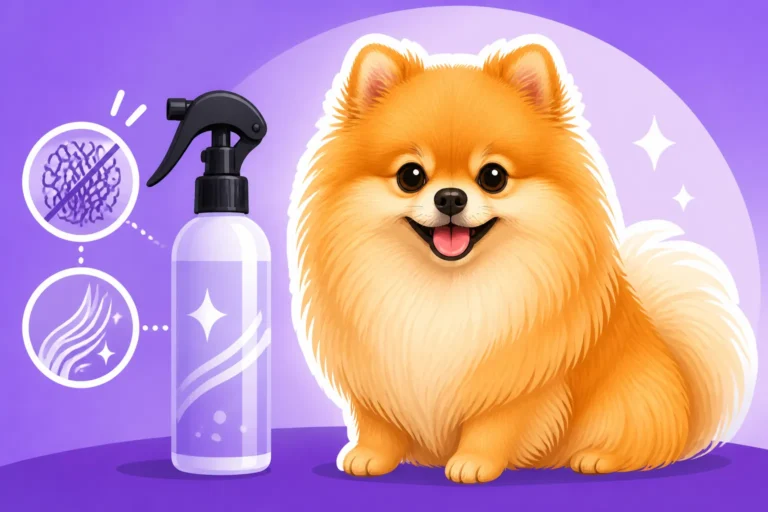
Once thoroughly brushed, I highly recommend using a pet-safe detangling spray or a very light leave-in conditioner diluted with water before wetting the coat. This can help prevent new tangles from forming during the bath and ensure the shampoo can penetrate evenly.
Dilution and Application: Gentle is Key
Pomeranian shampoo should almost always be diluted. This makes it easier to distribute evenly through that dense coat, ensures a thorough rinse, and prevents product buildup. A common ratio is 10 parts water to 1 part shampoo, but always check the specific product instructions. Mix it in a separate bottle or a pitcher before applying.
When applying, gently work the diluted shampoo into the coat. Avoid vigorous scrubbing or circular motions, which can create tangles and mats. Instead, gently squeeze and stroke the shampoo through the coat in the direction of hair growth. Pay special attention to areas that tend to get dirty, like the feet, britches, and around the sanitary areas. For more tips on the actual washing process, our article Washing a Pomeranian in a Kitchen Sink offers practical advice.
The Art of Rinsing: Leave No Trace
This is perhaps the most critical step for achieving a fluffy coat: rinse, rinse, and rinse again. Any shampoo residue left behind will weigh down the coat, make it feel sticky or greasy, and can irritate the skin. You should feel the water running clear, and when you think you're done, rinse for another minute or two. Don't be shy with the water! Lift sections of the coat to ensure the water reaches all the way to the skin.
After rinsing, gently squeeze excess water from the coat with your hands. Do not rub vigorously with a towel, as this will only create mats. Instead, blot and squeeze the coat with a super-absorbent microfiber towel.
Blow Drying for Maximum Volume
Air drying is usually not an option for a Pomeranian if you want that fluffy, stand-off coat. You absolutely need a good quality pet blow dryer (not a human hairdryer, which can be too hot and damage their delicate skin and coat). A high-velocity dryer will blast water out of the coat while fluffing it up.
Start on a cool or low heat setting to avoid overheating your dog or damaging the coat. Use a slicker brush simultaneously, brushing the coat against the direction of growth while drying. This is key to lifting the undercoat and getting those guard hairs to stand out. Work in small sections, making sure each area is completely dry before moving on. If you're struggling with the technique, our guide Blow Drying a Pomeranian's Coat Out Straight provides a more detailed walkthrough. This process takes time and patience, but the results are worth it.
After the coat is completely dry and fluffed, you can finish with a light conditioning spray, specifically designed to add shine and body without weight. Brands like Chris Christensen offer excellent products that enhance volume rather than flatten it. Remember, the goal is lift and airiness, not sleekness. For overall care and a good routine, understanding How Rarely a Pomeranian's Coat Should Be Washed is also helpful, as over-bathing can strip natural oils even with the right shampoo.
Maintaining Coat Health Beyond the Bath
While the right shampoo and proper bathing techniques are crucial for immediate fluff, long-term coat health and volume also depend on consistent daily care and good nutrition.
Regular Brushing Between Baths
To keep that beautiful coat in top condition and prevent mats that would require more frequent washing (and thus more potential for coat flattening), regular brushing is essential. This means at least every other day, and ideally daily. A thorough brush-out not only prevents tangles but also helps distribute natural skin oils, removes loose undercoat, and stimulates circulation, all of which contribute to a healthy, voluminous coat. Articles like How Many Times a Week a Pomeranian Is Brushed can offer more guidance on establishing a good routine.
Using the right tools, such as a high-quality slicker brush and a metal comb, is vital. Remember to brush in sections, reaching all the way to the skin. This prevents the formation of hidden mats, which are often discovered too late during bath time.
The Role of Nutrition in Coat Quality
What your Pomeranian eats plays a significant role in the health and luster of their coat. A diet rich in high-quality protein, essential fatty acids (like Omega-3 and Omega-6), and vitamins is fundamental for healthy skin and a strong, vibrant coat. If your dog's diet is lacking, their coat might appear dull, brittle, or shed excessively, regardless of the shampoo you use.
Look for dog foods that list a named meat source as the first ingredient. Supplements like fish oil can also be beneficial, but always consult your veterinarian before adding anything new to your dog's diet. While brands like Ollie focus on fresh food, which can offer excellent nutrition, the critical factor is a balanced diet that provides the necessary building blocks for healthy hair growth. A healthy inside reflects on the outside, contributing to that magnificent fluff.
Environmental Considerations
Lastly, consider your Pomeranian's environment. Dry air, especially during winter months or in arid climates, can dry out their skin and coat, leading to dullness and static electricity which can make fluff management difficult. A humidifier in your home can help. Protecting your Pom from harsh sun or extreme cold can also preserve coat quality. Regular preventative care, including flea and tick treatments, ensures their skin remains healthy and free from irritations that could compromise their beautiful coat.
By combining the right shampoo with meticulous bathing practices, consistent brushing, and a nutritious diet, you'll be well on your way to maintaining your Pomeranian's iconic, show-stopping fluff. It's an investment of time and care, but for such a magnificent little dog, it's absolutely worth it.
Disclaimer
This article is for general informational purposes only and does not constitute professional advice. Laws, prices and regulations vary by location and change over time. Consult a qualified professional for guidance on your specific situation.