Preventing Mats Where a Pomeranian’s Harness Sits
It's incredibly frustrating, isn't it, when you're trying your best to keep your Pomeranian's magnificent coat pristine, only to find stubborn mats forming right where their harness sits? You're being responsible, choosing a harness over a collar to protect their delicate windpipe, but that very act of care seems to invite a whole new grooming headache. This guide is here to walk you through exactly why those pesky mats appear and, more importantly, how to prevent them, ensuring your Pom stays comfortable and tangle-free without compromising their safety.
Understanding Why Harnesses Cause Mats on a Pomeranian
For many Pomeranian owners, the harness is a non-negotiable accessory. It’s essential for safety, protecting their fragile tracheas from the strain of a collar. But the beautiful, voluminous double coat of a Pomeranian, which is one of their most defining features, can easily become a breeding ground for mats right underneath that very harness. It’s a classic Catch-22, and understanding the root causes is the first step toward prevention.
The Anatomy of a Pomeranian's Double Coat
A Pomeranian's coat is a marvel of nature, designed for warmth and protection, but it’s also highly susceptible to matting. This isn't just a single layer of fur; it's a complex system comprising two distinct types of hair. First, you have the outer guard hairs – these are longer, coarser, and somewhat stiffer. They give the Pom their characteristic fluffy silhouette and protect the softer undercoat. Underneath, there's a dense, soft, and woolly undercoat that provides insulation.
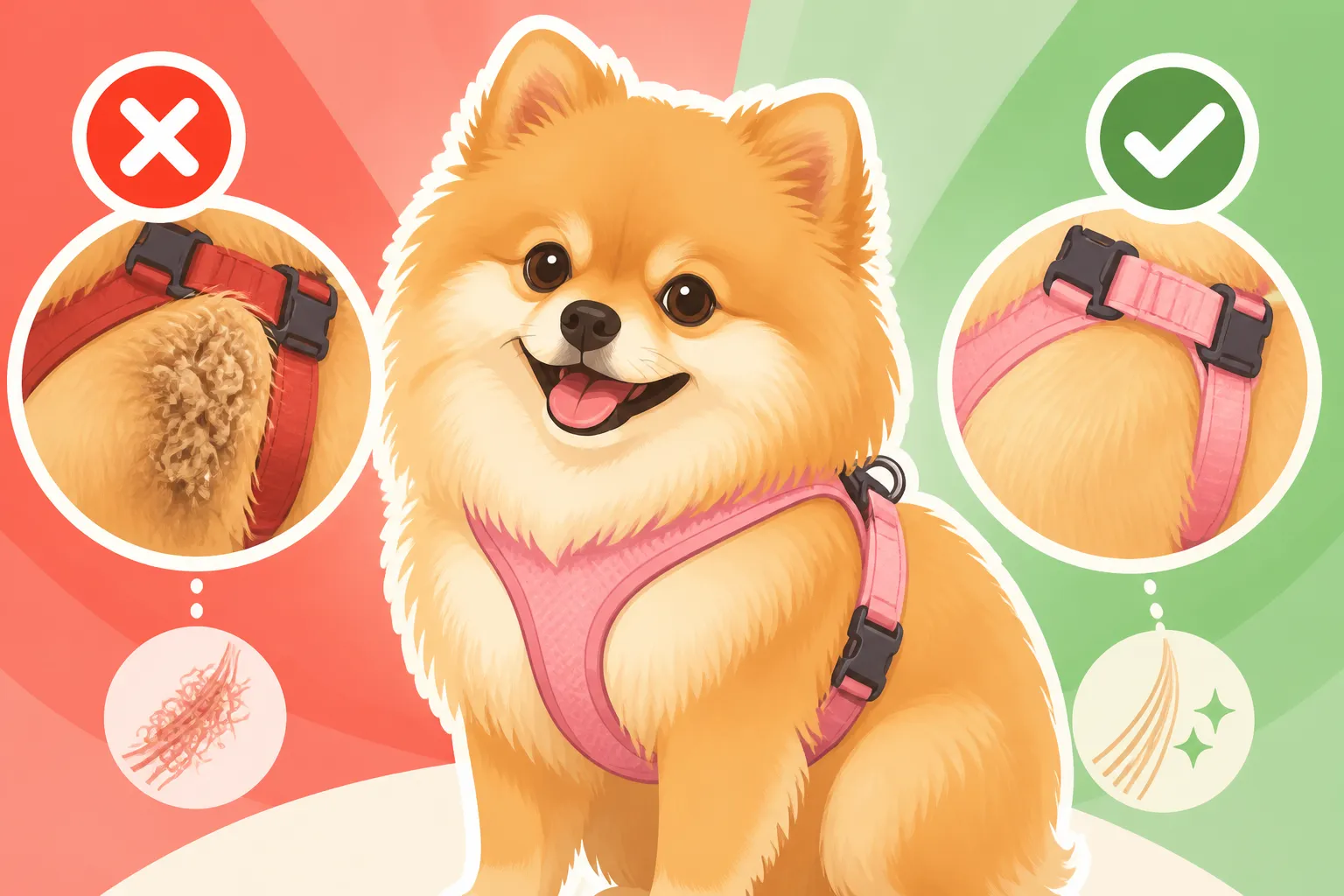
It's this plush undercoat that’s the real culprit when it comes to matting. Unlike the sleek guard hairs, the undercoat hairs are prone to tangling with each other, especially when subjected to friction. When a harness is worn, it presses against these two layers, forcing them together. The friction from the harness material and your Pom's natural movement causes the soft undercoat to rub and twist, creating tight knots that quickly escalate into full-blown mats. Owners often don't realize how quickly these can form, especially in high-motion areas like the chest and armpits. For a deeper dive into their unique fur, you might want to read The Double Coat That Makes a Pomeranian and Why It Stays On.
Friction and Pressure Points
Think about your Pomeranian moving: walking, trotting, perhaps a little enthusiastic bounce. With every step, every wiggle, their harness is shifting, even ever so slightly. This constant rubbing creates friction against their coat, particularly in specific areas. The chest strap, the straps around the rib cage, and especially the delicate armpit areas are prime zones for this kind of abrasive action.
Different harness materials exacerbate this problem to varying degrees. Rough, coarse nylon, for example, can create more friction than a smoother, padded fabric. The edges of the harness, even if seemingly soft, can also dig in and rub. Imagine wearing a backpack with straps that constantly chafe against your skin – for your Pomeranian, this chafing doesn't just irritate the skin; it literally ties knots in their hair. The pressure points are where the coat is most compressed, making it harder for individual hairs to move freely and more likely to intertwine and snag on each other.
Moisture and Debris Trapping
A surprising contributor to harness mats is moisture, often overlooked. Whether it’s a quick sprinkle of rain, a romp through dew-covered grass, or simply the natural perspiration that accumulates under a harness, moisture plays a significant role. When the undercoat gets damp, the individual hairs tend to clump together. Once damp and clumped, the friction from the harness works even more effectively to bind these hairs into tight, felted mats.
Beyond moisture, harnesses can also act as traps for environmental debris. Tiny bits of leaves, stray grass, dust, or even loose hairs that have shed but not fallen out can get caught between the harness and the coat. These foreign particles act as anchors, giving existing tangles something to latch onto and accelerate the matting process. It’s like tiny pieces of velcro being introduced into their fur, making it incredibly difficult for the coat to remain smooth and free-flowing. A quick pat down after a walk might seem sufficient, but often, the most problematic debris is hidden deep within the double coat, patiently waiting for the friction to begin its work.
Choosing the Right Harness for Mat Prevention
The type of harness you choose can make a world of difference in preventing those annoying mats. It’s not just about aesthetics or even price; it’s about understanding how the design and materials interact with your Pomeranian's unique coat. Investing a little time in selecting the right one now can save you a lot of time (and potential heartache for your Pom) battling mats later.
Material Matters
When it comes to harness materials, smoothness is your best friend. Rough fabrics like standard nylon can create a lot of friction, essentially acting like sandpaper on your Pom's delicate undercoat. Instead, look for harnesses made from smoother, softer, and more breathable materials. Options like a silk lining, smooth padded fleece, or even lightweight mesh can significantly reduce friction. Some harnesses incorporate anti-static properties, which is a huge bonus for preventing flyaway hairs from tangling and clinging together.
Always pay close attention to the stitching and edges of the harness. Even if the main body is soft, rough seams or stiff webbing can still cause chafing and matting. Run your fingers over all surfaces that will touch your dog's fur. If it feels rough to your hand, imagine how it feels on their sensitive skin and coat. Materials that repel water or dry quickly are also beneficial, as they reduce the likelihood of moisture exacerbating mats. When browsing online at places like Chewy or Amazon, read product descriptions carefully for details on fabric composition and inner lining materials.
Fit and Design
A perfectly fitted harness is paramount. A harness that's too loose will constantly shift and rub, creating excessive friction with every movement. Conversely, a harness that’s too tight will press down on the coat, compressing the hairs and making them more prone to matting. The sweet spot is a harness that allows two fingers to comfortably slip under any strap, but no more. It should sit snugly without restricting movement or breathing.
Consider the design of the harness as well. Simpler designs with fewer straps and buckles tend to cause less friction. V-neck or Y-front harnesses that avoid going straight across the chest can be better, as they distribute pressure more evenly and allow for natural shoulder movement, reducing rubbing in the armpit area. Harnesses specifically designed for "sensitive skin" or "long-haired breeds" often feature wider straps or more padding in critical areas. Some Pomeranian owners find that vest-style harnesses, which cover a larger surface area with soft fabric, can be effective, provided the material is smooth and breathable. Remember, getting the right fit isn't just about comfort; it's a critical preventative step. For more on finding the right fit for your furry friend, consider reading Harnesses Fitted for a Pomeranian's Windpipe.
Avoiding Constant Wear
Even the most perfectly chosen, softest harness can contribute to matting if it’s left on your Pomeranian for extended periods. Think of it like wearing a tight hair tie all day – eventually, it causes breakage and tangles. A harness should ideally only be worn during walks or supervised outdoor activities. As soon as you come back inside, make it a habit to remove the harness.
Leaving a harness on all day, even just while your Pom naps on the couch, means constant, subtle friction. This prevents the coat from resting naturally and inhibits air circulation, which can also contribute to skin irritation and coat damage over time. By taking it off, you give their coat a much-needed break, allowing the fur to fluff up and breathe. It also gives you a perfect opportunity to quickly check the harness areas for any nascent tangles and brush them out before they can become problematic. This simple habit adds minimal time to your routine but provides significant benefits for your Pomeranian's coat health.
Grooming Strategies to Combat Harness Mats
Even with the perfect harness, a Pomeranian's magnificent double coat requires consistent attention to stay mat-free. Grooming isn't just about looking good; it's about comfort and preventing skin issues that can hide beneath dense mats. Building a proactive grooming routine, especially around harness wear, is key to keeping your Pom happy and healthy.
Daily Brushing and Combing
This is, hands down, the most crucial step in preventing harness-induced mats. "Daily" isn't an exaggeration; for a Pomeranian, especially one wearing a harness regularly, a quick daily brush-through is non-negotiable. Make it a habit to brush your Pom before putting the harness on and immediately after taking it off. This ensures any loose hairs or minor tangles are removed before the harness has a chance to bind them into a mat.
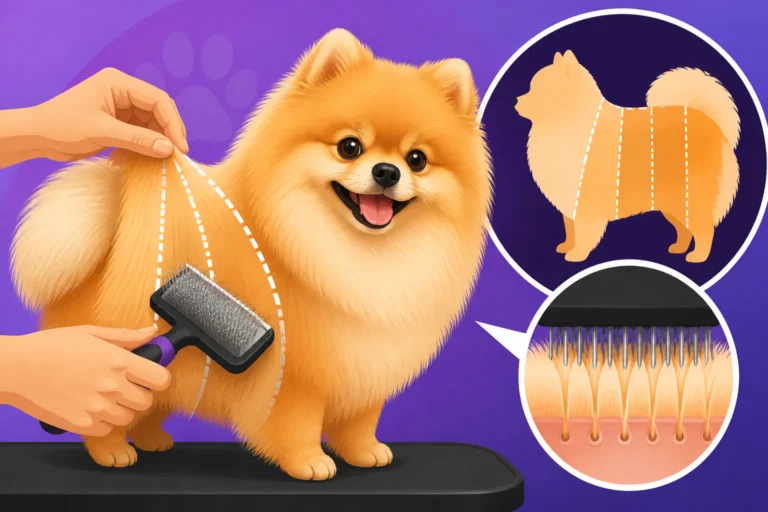
Focus specifically on the areas where the harness sits: the chest, the sides behind the front legs, and the armpits. Use a good quality slicker brush first to gently work through the outer coat, then follow up with a metal comb that can reach deep into the undercoat. Section the coat carefully, working from the skin outwards. Pay extra attention to these high-friction zones. If you hit a snag, don't yank; gently tease it apart with your fingers or the wide-toothed end of the comb. Consistent, gentle daily brushing will prevent small tangles from escalating into painful, large mats. You can learn more about this technique in Working a Pomeranian's Coat in Sections to the Skin or find tips on tools in The Slicker and Pin Brush a Pomeranian Needs.
Targeted Coat Products
Sometimes, brushing alone isn't quite enough, especially if your Pom is particularly prone to tangles or if the weather is dry and static-y. This is where targeted coat products can be incredibly helpful. Detangling sprays or leave-in conditioners can create a thin, slippery barrier on the hair shaft, making it harder for hairs to intertwine and easier for them to glide past each other.
Look for sprays specifically formulated for long-haired or double-coated breeds, as they are designed not to weigh down the coat or cause buildup. Apply a light mist to the harness areas before brushing, or even before putting on the harness. These products can also help reduce static electricity, which is a major contributor to tangles. You can often find excellent options from reputable brands on platforms like Amazon or Chewy. Just be sure to choose products that are canine-specific and contain gentle, nourishing ingredients to protect their delicate skin and coat. For additional tips, check out Detangler Sprays for a Pomeranian.
Professional Grooming and Shaving Considerations
While daily home grooming is essential, professional grooming plays a vital supporting role. A professional groomer has the expertise and tools to thoroughly de-shed the undercoat, which reduces the overall volume of hair available to mat. They can also spot and address minor matting that you might miss, preventing it from becoming severe. Most Poms benefit from a professional groom every 4-8 weeks, especially during shedding seasons. You can get an idea of the cost by looking at The 60 to 90 Dollar Pomeranian Grooming Appointment.
It's crucial to understand, however, that while a groomer can remove mats, they generally do not recommend shaving a Pomeranian's double coat as a mat prevention strategy. Shaving can severely damage the unique structure of their double coat, leading to what's often called "clipper alopecia" or "post-clipping alopecia." This means the guard hairs might not grow back correctly, if at all, leaving patchy, woolly, or thin fur that is more susceptible to sun damage and less able to regulate temperature. This is a common and heartbreaking issue that you can read more about in Why a Shaved Pomeranian May Not Regrow. While it might seem like a quick fix, shaving often creates more long-term problems than it solves for a Pomeranian's coat.
Lifestyle Adjustments for a Mat-Free Pomeranian
Preventing harness mats goes beyond just the right equipment and grooming routine; it also involves mindful adjustments to your Pomeranian's daily life. These small changes can significantly reduce the cumulative friction and environmental factors that contribute to matting, ensuring your little companion stays comfortable and their coat remains glorious.
Regular Harness Checks and Cleaning
Just as you groom your Pomeranian's coat, you should also be "grooming" their harness. The harness itself can accumulate dirt, oils, loose hairs, and even tiny grit from walks. This grime can then transfer back to your Pom's coat, contributing to matting and even skin irritation. Make it a habit to regularly inspect the harness for signs of wear and tear, rough edges, or accumulated debris.
Washing the harness periodically is also important. How often depends on how active your Pom is and the conditions they walk in, but a gentle hand wash every few weeks, or as needed, can work wonders. Use a mild, pet-safe detergent and ensure it's thoroughly rinsed and completely dry before putting it back on your dog. This simple step removes anything that could be snagging or rubbing the coat unnecessarily, keeping the harness itself smooth and clean against their fur.
Optimizing Walking Routine and Environment
The way you walk your Pomeranian and the environments you choose can subtly impact mat formation. For instance, long walks in damp, muddy, or dusty conditions increase the chances of the coat becoming wet and dirty, which, as we discussed, makes it far more susceptible to matting under the harness. If your Pom loves to splash through puddles or roll in leaves, consider a quick pre-walk detangling spray and a thorough brush-out and inspection immediately afterward.
If your walks are particularly long, especially in warmer weather, consider breaking them into shorter, more frequent outings. This reduces the continuous wear time of the harness. For longer excursions or when your Pom needs a break, a dog stroller or a sling can be a fantastic way to give their coat a rest from the harness friction while still enjoying time outdoors with you. Carriers and Slings for a Pomeranian can be incredibly useful for this, especially for older Poms or those with delicate windpipes like those experiencing The Honking Cough of a Pomeranian's Collapsing Windpipe. Choosing paths that are less dusty or muddy can also make a difference.
Incorporating Play and Exercise Off-Harness
A happy Pomeranian is an active Pomeranian, but not all activity needs to happen while wearing a harness. Finding ways for your Pom to exercise and play off-harness, in a safe and secure environment, is a great strategy for mat prevention. This reduces the total hours the harness is on their body, giving their coat ample opportunity to breathe and recover.
Indoor games like fetch with soft toys, puzzle feeders, or supervised playtime in a securely fenced yard can provide plenty of physical and mental stimulation without the harness. For those living in apartments, dedicated play sessions in a large, safe room can be just as effective as a long walk for burning off energy. By integrating more harness-free activity into their day, you not only help maintain their beautiful coat but also foster their independence and overall well-being. It’s a win-win for everyone!
Here's a quick comparison of common harness materials and their general impact on a Pomeranian's coat:
| Harness Material | Description | Matting Potential | Pros | Cons |
|---|---|---|---|---|
| Standard Nylon/Webbing | Common, durable, often inexpensive. | High | Strong, easy to clean, widely available. | Can be rough, creates friction, not breathable. |
| Padded/Fleece-Lined | Nylon or webbing with soft padding, often fleece or neoprene. | Medium | Softer on coat, more comfortable for dog, padding can prevent direct rubbing. | Padding can trap heat, fleece can attract debris, may still cause friction if worn long. |
| Mesh (Breathable) | Lightweight, breathable fabric, often with a soft lining. | Low-Medium | Excellent for air circulation, usually smooth, good for warm weather. | Less durable for strong pullers, some mesh can still snag, may stretch over time. |
| Silk/Satin Lined | Nylon or other base material with a smooth, luxurious lining. | Low | Very low friction, gentle on coat, helps prevent static, often comfortable. | Can be more expensive, less durable than nylon, may require delicate washing. |
| Vest-Style (Soft Fabric) | Covers a larger area with soft, often stretchy fabric. | Low | Distributes pressure broadly, very comfortable, minimal specific pressure points. | Can trap heat, harder to clean if soiled, some fabrics might still pill or snag. |
Disclaimer
This article is for general informational purposes only and does not constitute professional advice. Laws, prices and regulations vary by location and change over time. Consult a qualified professional for guidance on your specific situation.