Whether a Pomeranian Needs Anal Glands Done at the Groomer
It’s a truly frustrating experience to see your beloved Pomeranian scooting across the carpet or persistently licking their rear end, especially when you're doing everything you think is right for their grooming and care. Many of us wonder if our groomer should be routinely expressing anal glands, or if it's even necessary at all. This guide will walk you through the nuances of Pomeranian anal gland health, help you understand when and if expression is needed, and empower you with the knowledge to make the best decisions for your little floof.
Understanding Your Pomeranian's Anal Glands
First things first, let's get a handle on what these little glands are all about. They're often a source of confusion and discomfort for both Poms and their owners, but understanding their natural function is the first step toward managing them.
What Are Anal Glands and Their Purpose?
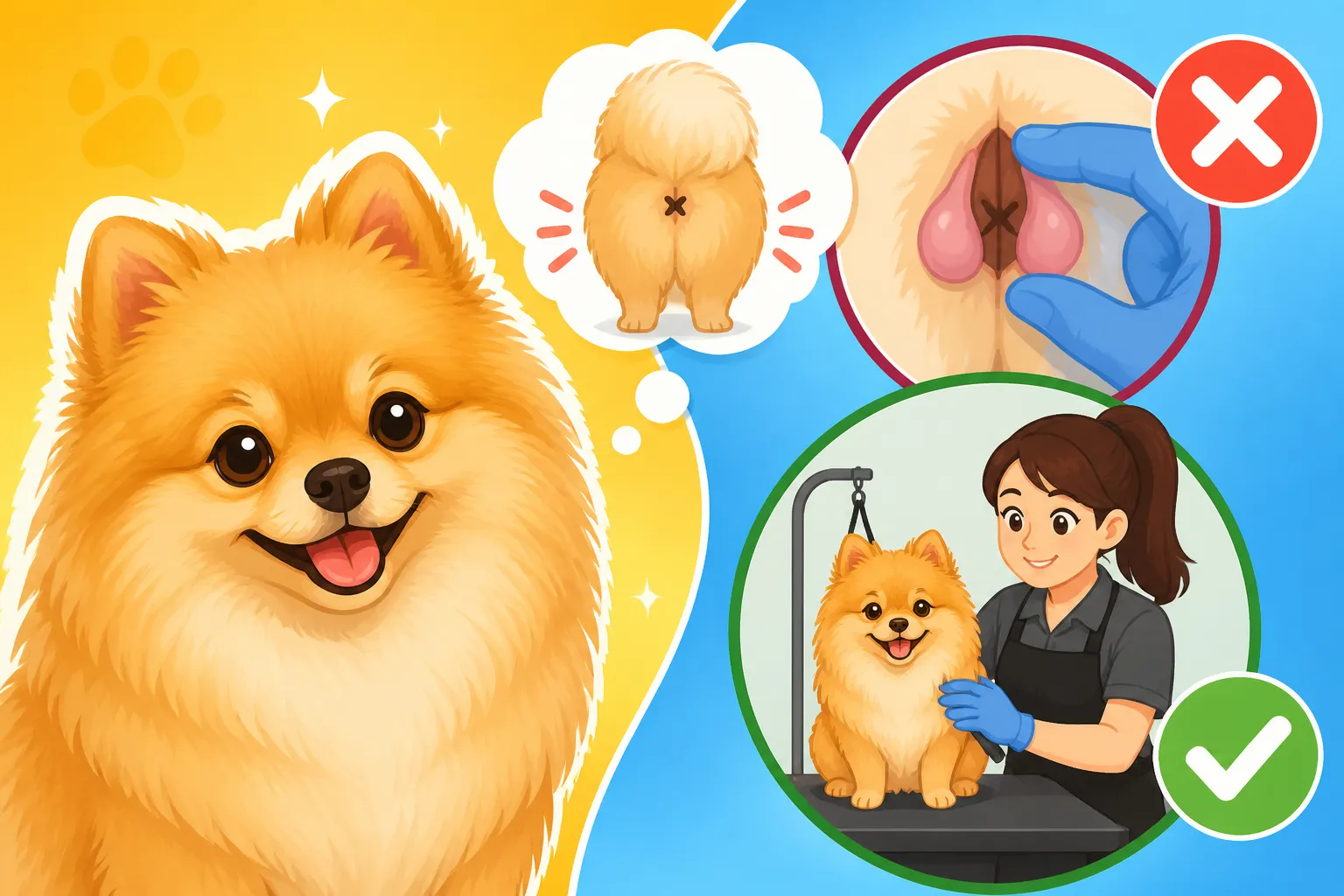
Nestled just inside your Pomeranian's rectum, at about the four and eight o'clock positions, are two small scent glands. Think of them like tiny, highly concentrated scent factories. Each gland has a small duct that usually empties when your dog has a bowel movement, especially a firm one. The liquid they produce, which can range from thin and yellowish to thick and brownish, has a unique, strong odor – a sort of personal calling card. This scent is how dogs "mark" their territory and communicate with other canines when they defecate. It’s entirely natural, a remnant of their wilder ancestors, and for most dogs, it happens without any intervention needed from us. The body is designed to handle this process on its own.
However, because Pomeranians are such small dogs, their anatomy can sometimes be a bit more delicate or prone to issues. While larger breeds might have strong enough muscle contractions with each bowel movement to naturally express these glands, a tiny Pom might not always have the same efficiency. This is why Pomeranian owners often find themselves grappling with anal gland concerns more frequently than owners of bigger dogs. It’s not necessarily a sign that anything is gravely wrong, but rather a common characteristic that comes with their petite size and sometimes softer stools.
Signs Your Pomeranian's Anal Glands Need Attention
If your Pomeranian's anal glands aren't emptying properly, either naturally or with a little help, they can become impacted. This means the fluid inside thickens, making it harder for the glands to express on their own. This impaction can lead to discomfort, pain, and eventually, infection. But how do you know if your Pom is experiencing this? They can't exactly tell you in words, right?
The most classic sign that something is amiss is the infamous "scooting." You might see your Pomeranian dragging their rear end across the carpet, grass, or any surface they can find. They're trying to relieve the pressure and discomfort by forcing the glands to empty. While occasional scooting might just be an itch, persistent scooting is a definite red flag. Another common symptom is excessive licking or biting at their rear. They might twist and turn, trying to get to the area that’s bothering them. You might also notice a foul, fishy odor, which is the distinct smell of anal gland fluid that has been expressed, often involuntarily, due to pressure or irritation. In more severe cases, your Pom might have difficulty defecating, or you might see swelling or redness around the anal area. They might even act generally uncomfortable, lethargic, or lose their appetite. It’s heartbreaking to see them in pain, and knowing these signs means you can act quickly.
Factors Contributing to Anal Gland Issues in Pomeranians
So, why do some Pomeranians seem to have more trouble with their anal glands than others? Several factors can play a role. One of the biggest culprits is diet. A diet lacking in sufficient fiber or one that causes consistently soft stools means there isn't enough bulk or firmness to naturally press against the glands during defecation. Imagine trying to squeeze toothpaste out of a tube without firm pressure – it’s a similar concept. Diets that are highly processed or contain ingredients that don't agree with your Pom can lead to chronic loose stools, directly impacting gland function.
Genetics can also be a factor; some Poms simply have smaller, more awkwardly positioned glands or ducts that are more prone to blockages. Their small size overall, as mentioned, can mean less forceful muscle contractions during bowel movements. Weight can also play a role, as obesity can sometimes reduce the natural pressure needed for expression. Furthermore, underlying health issues like allergies (food or environmental), skin conditions, or even gastrointestinal problems can contribute to inflammation and swelling around the anal area, making natural expression even more difficult. It's a complex interplay, and often, it's not just one thing but a combination of factors leading to discomfort for our little fluffballs.
The Great Debate: Groomer-Performed Anal Gland Expression
This is where the confusion often comes in. Many groomers offer anal gland expression as a routine part of their service, especially for smaller breeds like Pomeranians. But is it truly necessary, or even advisable?
The Routine Expression Debate: Why It's Often Not Necessary
For years, it was a common practice for groomers to manually express a dog's anal glands as part of a routine bath and trim. The thinking was, "better safe than sorry," especially for smaller breeds prone to issues. However, the prevailing wisdom among many veterinary professionals has shifted significantly. Routine, manual expression of anal glands, when not truly needed, can actually do more harm than good.
Think about it: if the glands are already emptying naturally, manually squeezing them can cause irritation, inflammation, and even trauma to the delicate tissues surrounding the glands and ducts. Over time, repeated unnecessary expression can lead to scarring of the ducts, making it more difficult for the glands to express naturally in the future. It can create a dependency, where the glands become less efficient at doing their job because they're always being "helped." Imagine if someone constantly squeezed your sinuses for you – they might stop draining properly on their own after a while! It's better to let the body do its natural thing unless there's a clear indication of a problem. If your Pomeranian isn't showing any of the signs of discomfort we discussed, it's generally best to leave their anal glands alone.
When a Groomer Might Manually Express
While routine expression is often discouraged, there are specific situations where a groomer might perform the procedure, provided they are experienced and properly trained. If you bring your Pomeranian in and they are clearly scooting, excessively licking, or you notice that tell-tale fishy smell, and you know these symptoms are related to full anal glands and not an infection, a groomer can often provide temporary relief. A skilled groomer can often feel if the glands are full and firm, indicating they need to be emptied.
However, it's crucial to understand the limitations of a groomer's role. A groomer typically performs an "external" expression, meaning they apply pressure around the outside of the anus to encourage the glands to empty. This is different from an "internal" expression, which is usually performed by a veterinarian, using a gloved finger inside the rectum for a more thorough and often more effective emptying of the glands, particularly if they are severely impacted. If a groomer finds the glands are very firm, painful, or sees any signs of redness, swelling, or discharge that suggest infection, they should immediately refer you to a veterinarian rather than attempting further expression. Their role is usually for basic hygiene and minor impaction relief, not medical diagnosis or treatment.
The Veterinary Perspective: When to Seek Professional Medical Help
This is perhaps the most critical point for Pomeranian owners to understand. If your Pom is repeatedly showing signs of anal gland discomfort, or if the symptoms are severe (intense pain, bleeding, pus, lethargy), your first stop should always be your veterinarian, not just the groomer. A vet can accurately diagnose the issue. Are the glands merely full? Are they impacted? Are they infected? Has an abscess formed? These are questions only a vet can answer.
A veterinarian will perform a thorough examination, often including an internal palpation of the glands. This allows them to assess the size, consistency, and tenderness of the glands more accurately. If an infection is present, the vet can prescribe antibiotics, anti-inflammatory medications, or pain relief. In severe cases of recurrent impactions or infections, surgery to remove the anal glands (anal sacculectomy) might even be considered as a last resort, though this is rare and comes with its own set of potential complications. Relying solely on a groomer for chronic or severe anal gland issues can delay proper medical treatment and potentially lead to more serious problems down the line. Having pet insurance, perhaps from providers like Healthy Paws, can certainly offer peace of mind if such medical interventions become necessary.
Proactive Steps for Healthy Anal Glands
Instead of waiting for issues to arise, many Pomeranian anal gland problems can be managed or even prevented with proactive care at home. This approach focuses on helping your Pom's body do what it's naturally designed to do.
Dietary Adjustments for Healthy Glands
One of the most effective ways to support healthy anal gland function in your Pomeranian is through their diet. The goal is to consistently produce firm, well-formed stools. These firm stools provide the necessary pressure on the anal glands as they pass, helping them to express naturally. If your Pom frequently has soft or loose stools, it’s time to look at their food.
Adding fiber to your Pomeranian's diet can work wonders. This could involve switching to a higher-fiber kibble specifically formulated for small breeds, or incorporating natural sources of fiber like a spoonful of plain canned pumpkin (not pie filling!) or cooked green beans with their meals. Some owners find success with freeze-dried raw or fresh food diets, like those offered by Ollie, which can often result in smaller, firmer stools. If you're buying kibble, read the ingredient list carefully and ensure it doesn't contain a lot of fillers that might upset your Pom's stomach. A quality, easily digestible protein source is key. You can find a vast selection of appropriate small-breed kibbles, fiber supplements, and fresh food options on Chewy, allowing you to compare ingredients and reviews. Always introduce new foods or supplements gradually to avoid upsetting your Pomeranian's sensitive stomach. Monitoring their stool consistency daily is important; you're aiming for firm but not hard, easy-to-pass poops.
Regular Exercise and Weight Management
Beyond diet, ensuring your Pomeranian gets regular, appropriate exercise is another piece of the puzzle for overall health, including anal gland function. While Poms aren't marathon runners, daily walks and active playtime help maintain good muscle tone throughout their body, including the muscles involved in defecation. Strong abdominal and pelvic muscles can contribute to more effective natural anal gland expression.
Moreover, keeping your Pomeranian at a healthy weight is crucial. The Three to Seven Pounds a Pomeranian Should Hold is important not just for their joints and heart, but also for their anal glands. An overweight Pomeranian might have excess fatty tissue around the anal area, which can hinder the natural compression of the glands during a bowel movement. This can make them more prone to impaction. Regular, moderate activity and a balanced diet are key to maintaining that ideal weight. Just remember that their little legs can only go so far! Short, frequent walks are often better than one long, arduous trek, especially for a breed prone to The Honking Cough of a Pomeranian's Collapsing Windpipe.
Recognizing and Responding to Early Warning Signs
Empowering yourself as a Pomeranian owner means being vigilant and knowing how to respond when you spot those first subtle signs of discomfort. Don't wait until your Pom is frantically scooting before you take action. Start by regularly checking your Pomeranian's rear end, perhaps during grooming or cuddle time. Look for any redness, swelling, or changes in their stool.
If you notice intermittent scooting or a faint odor, it's often a sign that their glands are getting a bit full. Before rushing to manual expression, consider a temporary dietary adjustment, like adding a little more pumpkin, and ensure they're well-hydrated. Sometimes, a few days of firmer stools can resolve the issue on its own. However, if the signs persist for more than a day or two, become more intense, or are accompanied by pain, lethargy, or discharge, then it's time to call your veterinarian. Early intervention is always better than letting a mild impaction escalate into a painful infection or abscess. Keeping an eye on their rear doesn't have to be an unpleasant task; incorporating it into a gentle daily check-up can make it routine.
When to Call the Vet: Beyond Routine Grooming
While groomers can be wonderful allies in keeping your Pomeranian looking fabulous, there’s a clear line where a medical professional needs to step in, especially when it comes to anal gland health.
Communicating with Your Groomer About Anal Glands
When you take your Pomeranian to the groomer, a clear conversation about anal glands is absolutely essential. Don't assume they know your preference or what's best for your individual dog. Explicitly state whether you want their anal glands expressed or not. If your Pom has never had issues, it’s perfectly fine to instruct the groomer not to express them. You might say, "Please do not express her anal glands unless you notice a specific problem, and if you do, please tell me first so I can consult my vet."
If your Pomeranian does have a history of needing expression, discuss it. Let the groomer know the typical signs your dog shows. Ask them what their policy is if they find the glands are very hard, painful, or if there's any discharge – a good groomer will always defer to veterinary care in such instances. Transparency is key. You want to ensure your groomer is working with you and your vet, not independently diagnosing or treating potential medical conditions. Remember, their primary expertise lies in coat care, not internal anatomy or veterinary medicine.
The Vet's Role in Diagnosing and Treating Issues
Your veterinarian is uniquely qualified to assess and treat anal gland problems. When you visit the vet for anal gland concerns, they do more than just express them. They'll perform a physical examination, feeling the glands internally to evaluate their size, consistency, and whether they are painful or inflamed. They can differentiate between simple impaction, which is when the fluid is too thick to pass, and an infection, which requires antibiotics.
If there's an infection, an abscess, or chronic issues, the vet can provide comprehensive treatment. This might include oral antibiotics, anti-inflammatory medications, pain relief, or even flushing the glands. In cases of recurrent, severe problems, they may discuss dietary changes in detail, recommend specific supplements, or even suggest surgical removal of the glands. This is a significant decision and not one to be taken lightly, as it’s an invasive procedure with potential complications, but sometimes it offers the only lasting relief. Your vet is there to be your partner in your Pomeranian's long-term health, and anal gland issues are definitely in their wheelhouse.
Planning for Potential Costs
Dealing with anal gland issues, especially if they escalate to infections or require repeat vet visits, can add up financially. An initial veterinary consultation and expression might be a relatively modest cost, but if your Pomeranian needs antibiotics, anti-inflammatory drugs, or a more involved procedure like flushing an abscess, the bills can quickly climb. Complicated cases requiring specialist consultations or, in rare instances, surgery, can become quite expensive.
This is where having a financial plan in place is truly helpful. Many Pomeranian owners choose to invest in pet insurance. Providers like Healthy Paws can help cover a significant portion of unexpected veterinary costs, offering peace of mind. Alternatively, some owners prefer to set aside a dedicated "pet emergency fund" for such occurrences. It’s always wise to inquire about the estimated costs upfront for any recommended procedure and to discuss payment options with your veterinary clinic. Being prepared for potential anal gland expenses ensures you can provide your Pomeranian with the best possible care without added stress.
Here’s a quick overview of the distinctions between groomer and vet involvement with anal glands:
| Feature | Groomer-Performed Expression (External) | Vet-Performed Expression (Internal/Medical) |
|---|---|---|
| Primary Goal | Hygiene, temporary relief for mildly full glands | Medical diagnosis, treatment of impaction, infection, abscess |
| Method | External pressure around the anus | Internal palpation with gloved finger, external pressure |
| Indications | Mild, infrequent scooting, no signs of pain/infection | Persistent scooting, pain, swelling, redness, discharge, chronic issues |
| Risk of Complications | Higher risk of irritation if unnecessary or improperly done | Lower risk of irritation due to proper technique, but still possible |
| Expertise | Grooming technician, trained in external expression | Licensed veterinarian, medical training in anatomy and pathology |
| Follow-up Care | Not typically provided, may recommend vet visit | Prescribes medication, schedules rechecks, discusses long-term solutions |
| Cost | Usually included in grooming fee or small add-on | Separate veterinary visit fee, potentially includes medication/tests |
Ultimately, for the routine prevention of anal gland issues, focus on a high-fiber diet, proper weight management, and regular exercise. If your Pomeranian starts showing signs of discomfort, observe closely, communicate with your groomer, and, most importantly, don't hesitate to reach out to your vet for professional guidance. Understanding Dental Disease in a Mouth the Size of a Pomeranian's is also important, as overall mouth health can sometimes be linked to other health issues. For more details on maintaining your Pomeranian's unique coat, you might find The Double Coat That Makes a Pomeranian and Why It Stays On helpful, as grooming often involves the rear area. If you’re ever unsure about symptoms, remembering The Honking Cough of a Pomeranian's Collapsing Windpipe can remind you that many small breed issues need prompt veterinary attention. And if you're curious about their overall health trajectory, How Long a Well Bred Pomeranian Actually Lives delves into lifespan expectations.
When it comes to your Pomeranian's care, being informed is your best tool. You can avoid unnecessary procedures and ensure their comfort by knowing when to manage things at home and when to seek professional help. If you're managing recurring issues, consider Whether a Pomeranian Needs Fish Oil for Its Coat as some supplements can aid skin and gland health. Also, The Small Monthly Food Bill a Pomeranian Runs can remind us that small changes to their diet are often affordable and impactful. For puppies, particularly, Blood Sugar Crashes in a Pomeranian Puppy is a critical concern, highlighting how sensitive their systems are. Lastly, understanding Anesthesia Risk in a Four Pound Pomeranian can give you perspective on why veterinarians are so careful with small breeds during any procedure, including gland expression if necessary.
Disclaimer
This article is for general informational purposes only and does not constitute professional advice. Laws, prices and regulations vary by location and change over time. Consult a qualified professional for guidance on your specific situation.