How Long the Wait Runs on a Pomeranian Litter
Oh, the sheer joy and anticipation of bringing home a tiny, fluffy Pomeranian puppy! It's a feeling that makes your heart absolutely flutter. But then reality sets in, doesn't it? You start looking for reputable breeders, fall in love with pictures of adorable pups, and suddenly you're faced with the dreaded phrase: "waiting list." It can be incredibly frustrating to have your heart set on a specific breed, perhaps even a specific color or gender, only to find out you might have to wait months, or even over a year, before your furry friend arrives. This guide is all about demystifying those waiting lists, explaining why they exist, what you can expect, and how to navigate the journey to finding your perfect Pomeranian.
Understanding the Demand for Pomeranian Puppies
It’s easy to feel impatient when you want a new family member, but understanding the ‘why’ behind those long waiting lists for Pomeranian puppies can really help manage expectations. It’s not about scarcity for the sake of it, but rather a reflection of responsible breeding and the unique characteristics of the breed itself.
Why Reputable Breeders Have Waiting Lists
When you're searching for a Pomeranian, you quickly learn that the best breeders aren't just churning out puppies for profit. They are passionate about the breed, dedicated to health, temperament, and upholding breed standards. This dedication is precisely why their waiting lists are often extensive, and it's a good sign, not a deterrent.
A truly reputable breeder invests heavily in their dogs long before any puppies are even conceived. This includes extensive health testing on both the dam (mother) and sire (father) to screen for genetic conditions that can affect Pomeranians, such as luxating patellas (slipping kneecaps), heart defects, and eye problems. They'll often have their breeding dogs certified clear of certain conditions by veterinary specialists. This commitment to genetic health means fewer unexpected and heartbreaking veterinary bills down the line for you, the future owner. For instance, a responsible breeder will perform thorough health screenings and will be transparent about checking a Pomeranian Breeder's Heart Clearances and other important health checks. This pre-screening is expensive and time-consuming, meaning fewer breeding dogs and fewer litters overall.
Beyond health, these breeders focus on temperament. They choose parent dogs with stable, loving personalities, aiming to produce puppies that will be wonderful companions. They also pour an incredible amount of time into the early socialization of their puppies, ensuring they are well-adjusted, confident, and ready for their new homes. This hands-on care means they can only manage a limited number of litters at a time, providing each puppy with individual attention during those crucial first weeks. It's a far cry from a high-volume operation, and the quality of the puppies reflects that.
Factors Influencing a Breeder's Production Schedule
Several biological and practical factors contribute to how often a Pomeranian breeder has puppies available, directly affecting how long the wait runs on a Pomeranian litter. It’s not like turning on a faucet!
Firstly, female Pomeranians typically come into heat twice a year, roughly every six months. However, a responsible breeder will not breed a female every single cycle. Over-breeding can be detrimental to the dam's health and the quality of future litters. They allow time for the mother to recover fully, regain her strength, and ensure she's in peak condition for the next litter, which might mean skipping a cycle or even waiting a full year between litters. The general rule of thumb for many reputable breeders is to breed a female perhaps once a year, or even less frequently, depending on her age and overall health.
Secondly, Pomeranians are a toy breed, and as such, they typically have small litters. It's common for a Pomeranian to have only one to three puppies per litter, though occasionally they might have four or five. This is why you might hear about How Few Puppies a Pomeranian Carries. This naturally limits the number of puppies available from any single breeding pair. When you combine infrequent breeding with small litter sizes, the demand quickly outstrips supply, leading to those lengthy waiting lists.
Thirdly, the health and age of the parent dogs play a significant role. Breeders will wait until their female is mature enough, usually around two years old, to ensure she is physically ready for pregnancy and whelping. They also retire their breeding dogs at a reasonable age, usually around five or six years old, to ensure a long, healthy life for the mother once her breeding career is over. This means a breeder only has a finite window for breeding each dog, further impacting their overall production schedule. Each breeding decision is carefully considered, often based on pedigrees, health test results, and the breeder's long-term goals for improving the breed.
Finally, the breeder’s personal capacity is a huge factor. Raising a litter of Pomeranian puppies is a 24/7 commitment, especially during the first few weeks. There’s feeding, cleaning, monitoring health, and early socialization. Many reputable breeders also participate in dog shows, educational events, and may have full-time jobs or families. They simply cannot physically or emotionally handle multiple litters simultaneously and still provide the exceptional care that makes their puppies so well-adjusted. Their limited time and resources directly translate to fewer available puppies, and thus, longer waits.
Typical Wait Times and What to Expect
The concept of a "waiting list" can be daunting, but it's important to understand it's not a static entity. The length of your wait can vary wildly depending on several factors, and a clear understanding of the process will help you feel more in control.
The Average Wait for a Well-Bred Pomeranian
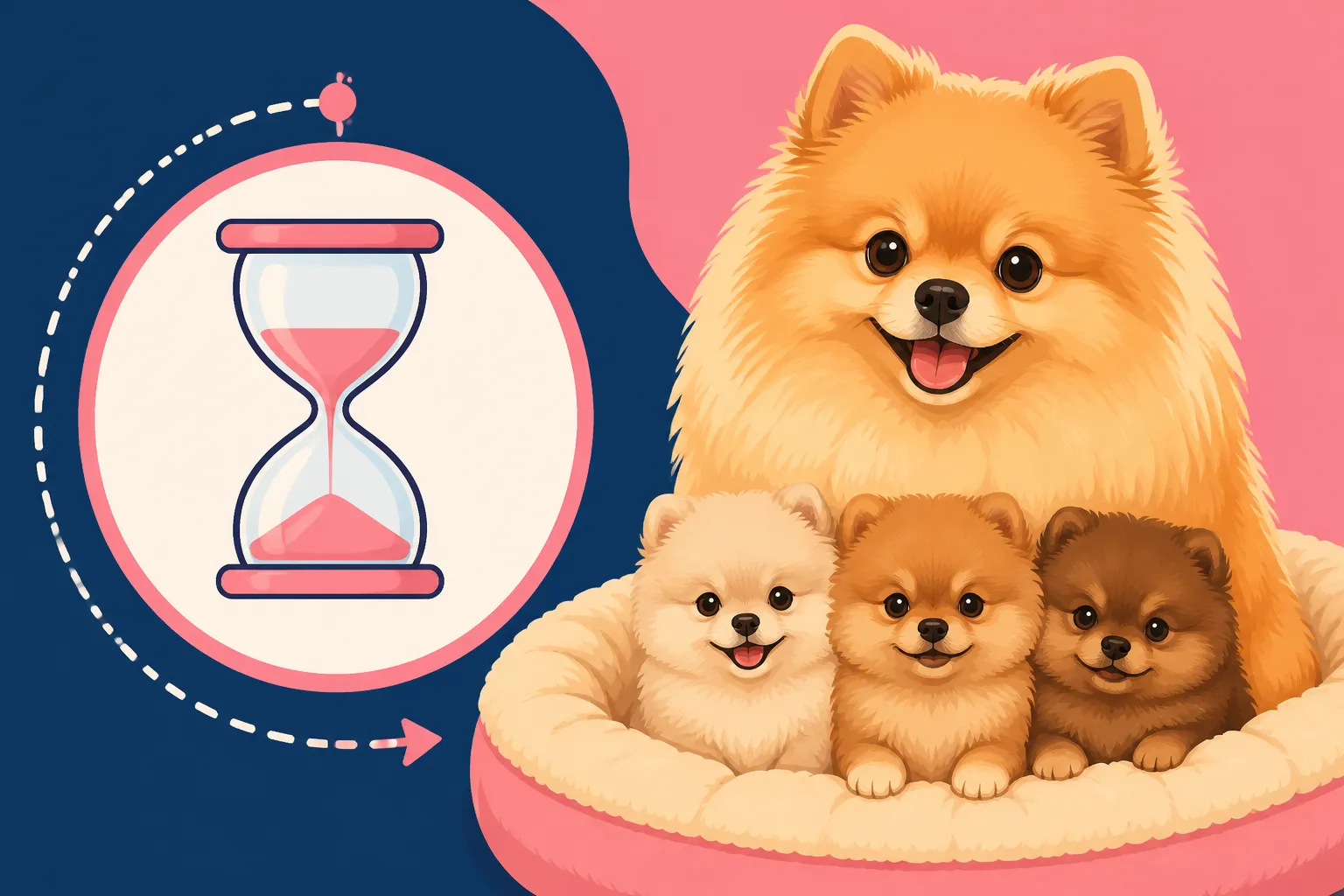
For a truly well-bred Pomeranian from a reputable breeder, you should realistically expect to wait anywhere from six months to two years, and sometimes even longer. This isn't an exaggeration; it's the reality for those seeking a puppy from a breeder who prioritizes health, temperament, and adherence to breed standards. It might seem like an eternity when you're dreaming of a fluffy companion, but it's a testament to the quality you'll receive.
The specific wait time can be heavily influenced by what you're looking for in a puppy. If you have very specific preferences – say, you're set on a rare lavender Pomeranian, or a particular gender, or a puppy with specific markings – your wait could be on the longer end. Certain coat colors, like black, blue, chocolate, or parti-colored, might have different demand levels, which can also affect the waiting period. For example, if you're interested in What a Chocolate Pomeranian Sells For or What a Parti Colored Pomeranian Costs, you might find that these specific varieties have their own unique waiting list dynamics. Being flexible with these preferences can often shorten your wait considerably.
The process of getting on a waiting list typically involves an application, an interview (either in person or via phone/video), and often a non-refundable deposit. This deposit, which can be a few hundred dollars, secures your spot and demonstrates your serious commitment. Be sure to understand What a Pomeranian Breeder Takes to Hold a Puppy and what their policies are regarding refunds or transfers if your circumstances change. This initial screening process is beneficial for both parties: it ensures you're a good fit for one of their puppies, and it assures the breeder you're serious about providing a loving, permanent home.
Navigating Waiting Lists and Communication
Once you're on a waiting list, effective communication with your breeder is key. Don't expect daily updates, but a good breeder will keep you informed about upcoming litters, successful breedings, and puppy arrival. They often manage their lists carefully, sometimes moving people up or down based on flexibility or individual puppy temperaments.
Some breeders operate on a strict first-come, first-served basis, meaning the earlier you get your deposit in, the higher your pick of the litter. Others prefer to match puppies to families based on personality and lifestyle, rather than just order on a list. They might observe the puppies for several weeks, assessing their individual temperaments, before making recommendations. For instance, a very active family might be matched with a more playful pup, while a quieter household might get a more laid-back one. This individualized approach ensures a better long-term fit for both the puppy and the family.
It's perfectly acceptable to politely check in with your breeder periodically, perhaps every few months, for an update on their breeding plans. However, avoid constant nagging, as breeders are incredibly busy. When you do communicate, ask thoughtful questions. Inquire about their typical breeding schedule, the expected number of litters per year, and how they allocate puppies from a litter. Transparency from the breeder is a great sign. They should be open about their practices and willing to answer your questions about health, genetics, and puppy rearing.
While you're waiting, use this time wisely to prepare for your new arrival. Research puppy-proofing your home, explore different training methods, and consider what food you'll feed. Many pet supply retailers, like Chewy, offer a vast array of puppy essentials, from crates and toys to grooming tools and training treats. You can also start thinking about pet insurance options, perhaps checking out providers like Healthy Paws, to budget for potential future health needs.
Strategies to Shorten Your Wait (or Make It More Productive)
Waiting for a Pomeranian puppy can feel like an eternity, but there are definitely proactive steps you can take to either shorten that wait or make the waiting period incredibly productive. It's all about being strategic and open-minded.
Being Flexible with Puppy Preferences
This is perhaps the biggest factor in reducing your wait time. While it's natural to have an ideal vision of your future puppy – a tiny red male, for example – being flexible can open up possibilities much sooner. If you're open to different sexes, colors, or even coat patterns, your chances of finding a suitable puppy from an upcoming litter increase dramatically. For instance, if you're not fixed on a specific color, you might find a puppy sooner than someone waiting exclusively for a "rare" blue Pomeranian. Remember that many Pomeranian puppies go through a "puppy uglies" phase where their coat thins out before growing into their magnificent adult fluff, so a puppy's initial appearance might not be its final one.
Consider also being open to a slightly older puppy or even an adult Pomeranian. Sometimes breeders will hold back a puppy for evaluation for their breeding program or for show, and then decide to place it in a pet home at 6-12 months old. These older puppies are often already crate trained, have basic manners, and their personality is more developed, offering a different but equally rewarding experience. Similarly, you could look into Taking On an Adult Pomeranian in Full Coat if a younger puppy is not a strict requirement. This can significantly reduce the waiting period compared to a brand-new litter of eight-week-olds.
Finally, think about your "must-haves" versus your "nice-to-haves." Is a specific color more important than a specific temperament? Or vice-versa? Prioritizing what truly matters to you will help guide your choices and potentially shorten your wait by expanding the pool of available puppies.
Expanding Your Search and Networking
Don't put all your eggs in one basket! While it's great to have a dream breeder, consider applying to several reputable breeders. National and regional Pomeranian breed clubs are excellent resources for finding ethical breeders who adhere to strict codes of conduct. They often list breeders with upcoming litters or maintain referral services. Attending local dog shows can also be a fantastic way to meet breeders in person, see their dogs, and get a sense of their breeding philosophy.
Networking within the Pomeranian community – through online forums, social media groups, or local dog meetups – can also provide leads. Sometimes a breeder might have a puppy available that didn't go to its original planned home, or they might refer you to a trusted colleague.
Another excellent option to consider is Pomeranian rescue organizations. While these aren't puppies from planned litters, they often have adult Pomeranians or even young adults who need loving homes. The wait for a rescue might be shorter, and you'd be providing a second chance to a dog in need. The process can still be thorough, involving applications and home checks, but you could potentially welcome a Pomeranian into your life much sooner. Read up on Rescuing an Adult Pomeranian Rather Than Buying to understand what that entails. Rescue organizations often cover initial vet costs, and sometimes even dental work, before placement.
Preparing for Your Puppy's Arrival During the Wait
The waiting period isn't just about passively counting down the days; it's a golden opportunity to become the most prepared Pomeranian parent you can be. Use this time for in-depth research and practical preparation.
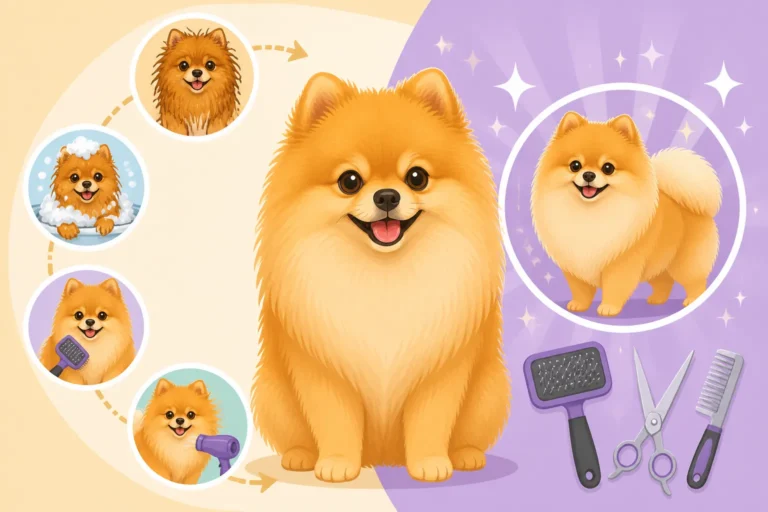
Start by delving into Pomeranian-specific care needs. Their unique double coat, for instance, requires regular grooming, so learning about brushing techniques and identifying suitable tools is essential. Research common health concerns for the breed, such as Blood Sugar Crashes in a Pomeranian Puppy which is critical for young pups, or Slipping Kneecaps in a Five Pound Pomeranian, a condition many Poms are prone to. Understanding these potential issues will help you recognize symptoms early and discuss preventative care with your vet.
This is also a great time to begin budgeting. Pomeranians, despite their small size, come with significant costs. Beyond the initial purchase price, you'll have ongoing expenses like quality food, veterinary check-ups, vaccinations, and grooming. Factor in potential emergency funds or explore pet insurance options. Many companies, including Healthy Paws, offer different coverage plans that can help with unexpected vet bills. It’s also wise to research The First Year Bills on a Pomeranian Puppy to get a realistic picture of the financial commitment.
Gathering your puppy supplies is another productive task. Think about a appropriately sized crate, food and water bowls (consider elevated bowls to protect their ruff), a comfortable bed, and an assortment of safe chew toys and puzzle toys to keep their smart minds busy. Puppy pads, stain removers, and grooming tools like a slicker brush and comb are also must-haves. Websites like Chewy or specialty pet stores offer a huge range of products tailored for small breeds. When it comes to food, research high-quality small-breed puppy kibbles, or explore fresh food options like those offered by Ollie, to ensure your puppy gets the best nutrition from day one. You'll want to have everything ready before your puppy arrives, so your focus can be entirely on settling them in.
| Factor | Impact on Wait Time (Generally) | How to Influence It |
|---|---|---|
| Breeder Reputation & Practices | Longer (often 6 months – 2+ years) | Choose reputable breeders; they prioritize health over quantity. This wait is for quality. |
| Specific Puppy Preferences | Longer (e.g., specific color, sex) | Be flexible on color, sex, or even considering an older puppy or adult. |
| Breeding Schedule & Litter Size | Inherent (small litters, infrequent breeding) | No direct influence. Focus on finding multiple reputable breeders or being patient. |
| Demand for the Breed | Longer due to popularity | Accept that popular breeds have waits. Consider adult adoption or being open to different types of "Pomeranian" (e.g., mixes from rescue, if that's an option for you). |
| Your Location | Varies (more breeders in some areas) | Expand your search beyond local breeders. Be willing to travel or arrange safe transportation if recommended by a breeder. |
| Communication with Breeder | Can indirectly affect your position | Maintain polite, regular contact. Show you're prepared and serious. Respond promptly to inquiries. |
| Readiness for a Puppy | Can indirectly affect your position | Use the wait time to fully prepare your home, research care, training, and budgeting. A breeder will appreciate a well-prepared owner. |
The wait for a Pomeranian puppy from a good breeder can indeed feel long, but it’s a journey well worth taking. It's an investment in a healthy, well-socialized companion who will bring immense joy to your life for many years to come.
Disclaimer
This article is for general informational purposes only and does not constitute professional advice. Laws, prices and regulations vary by location and change over time. Consult a qualified professional for guidance on your specific situation.