Whether a Rescue Pomeranian Can Be House Trained
Bringing a rescue Pomeranian into your home is an incredibly rewarding experience, but let's be honest, it often comes with a unique set of challenges. One of the biggest hurdles many new rescue parents face is house training, especially when your new furry family member arrives with an unknown past or existing habits that don't quite align with your household's rules. This comprehensive guide is here to walk you through how to successfully house train your rescue Pomeranian, offering empathetic, realistic advice and practical strategies to help you both achieve that wonderful, accident-free home life.
Understanding the Unique Challenges of House Training a Rescue Pomeranian
It's easy to get frustrated when your new Pomeranian has an accident indoors, but it's crucial to remember that their behavior isn't out of spite. Rescue dogs, especially Poms, often come with baggage that impacts their ability to immediately understand and adhere to your house rules. Their small size can sometimes make accidents seem less significant to them, and their delicate systems can be sensitive to stress.
Unknown History and Past Habits
Imagine trying to learn a new language when you don't even know what the old one was. That's a bit like a rescue Pomeranian's situation. Many rescue Poms come from backgrounds where they might have been neglected, lived in kennels where indoor elimination was their only option, or simply never had consistent house training in the first place.
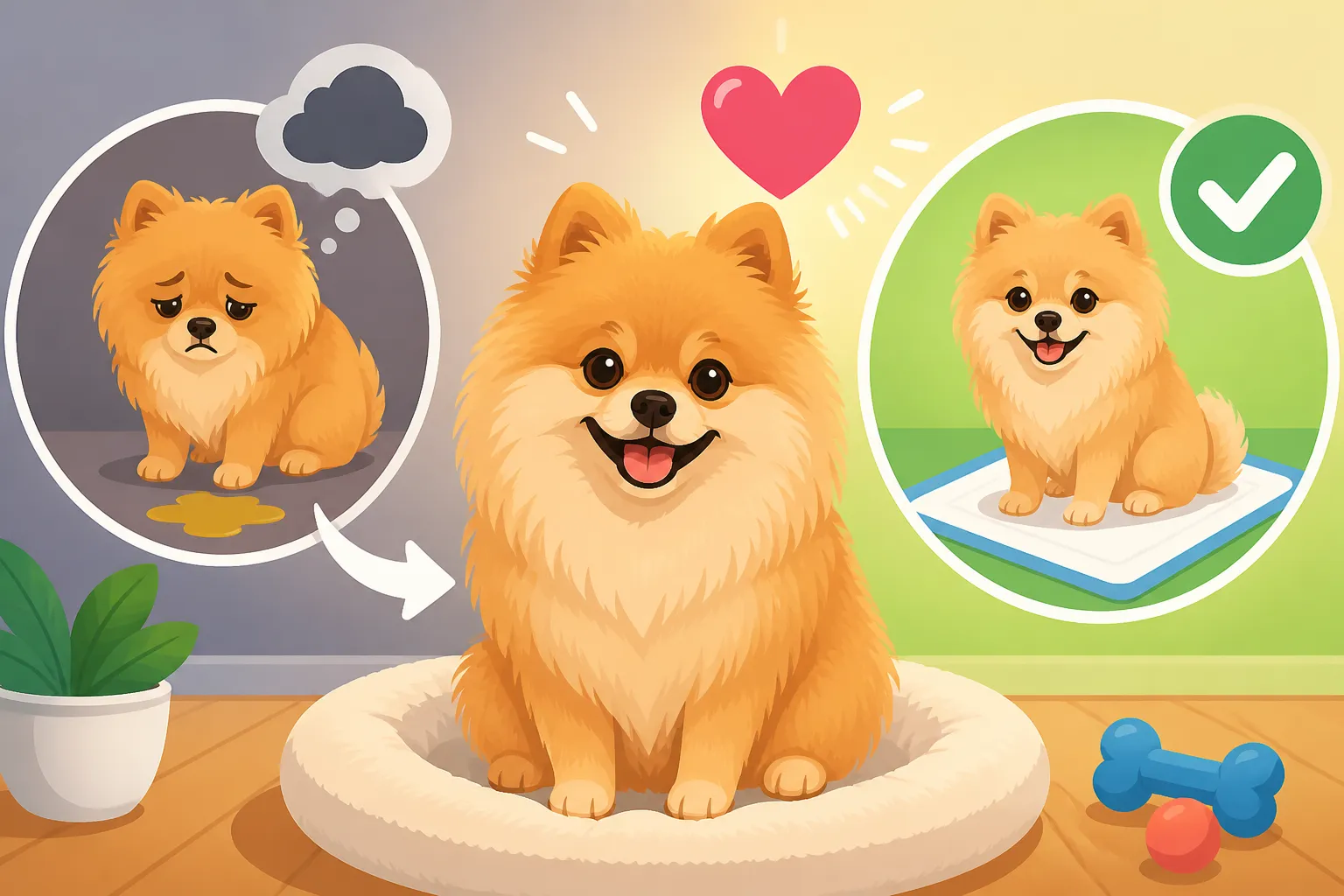
This lack of a proper foundation means they don't always understand the concept of "potty outside." They might have been kept in small spaces for extended periods, forced to eliminate where they sleep, which can break down their natural instinct to keep their den clean. Others might have learned to use puppy pads, and now you're trying to transition them entirely to outdoor elimination. It's a big shift, and they're learning a whole new system while also adjusting to you and your home. This isn't a reflection of their intelligence or your training skills; it's simply a result of their past experiences.
Stress, Anxiety, and New Environments
Moving into a new home, no matter how loving, is a huge event for any dog, let alone a small, sensitive Pomeranian. This transition often brings a significant amount of stress and anxiety, which can absolutely manifest as house training issues. A dog experiencing stress might have more frequent accidents, be unable to hold it as long, or even engage in marking behavior.
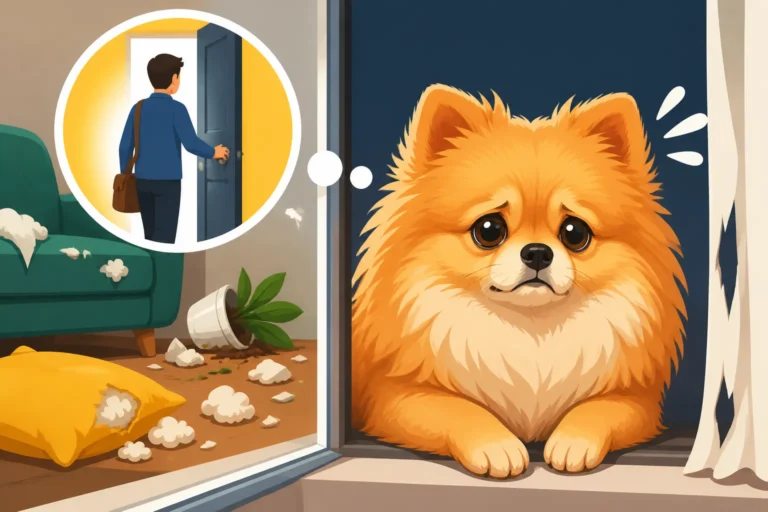
Think about it from their perspective: everything is new – the sights, sounds, smells, people, and routines. They might feel insecure or unsure of their place. This anxiety can make it harder for them to focus on learning new rules or to even signal when they need to go out. Some Poms might even have fear-based accidents if they've been punished in the past for eliminating indoors. It's a natural, albeit inconvenient, response to a big life change. Patience and reassurance are your most powerful tools during this adjustment period. Signs a Pomeranian Has Separation Anxiety can also sometimes lead to indoor accidents when left alone, compounding the issue.
Age and Established Patterns
While puppies are notorious for their tiny bladders, older rescue Pomeranians can present different house training challenges because they've had more time to establish habits, whether good or bad. An older Pom who has been allowed to eliminate indoors for years will have a much harder time understanding that this behavior is suddenly unacceptable.
Their bodies might also play a role. Older dogs can sometimes have less bladder control, or underlying health issues that contribute to accidents. It's always a good idea to have a full vet check-up when you adopt an adult rescue Pomeranian to rule out any medical reasons for incontinence. If it's purely behavioral, you're essentially trying to overwrite years of ingrained behavior, which takes immense consistency and dedication. It's not impossible, but it demands a different approach than house training a blank-slate puppy.
Laying the Foundation: Setting Your Rescue Pomeranian Up for Success
You've brought your rescue Pom home, and now the real work (and fun!) begins. The good news is that with a solid plan, consistency, and a whole lot of love, most rescue Pomeranians can absolutely become reliably house trained. It’s all about creating an environment where they can't help but succeed.
Creating a Consistent Routine from Day One
Consistency is the absolute bedrock of successful house training, especially for a rescue Pomeranian who might not have had any routine before. From the moment they step paw into your home, you need to establish a predictable schedule for everything: feeding, potty breaks, playtime, and sleep.
Start by taking your Pom out frequently – every hour or two initially, and always after waking up, after eating, after playing, and before bedtime. Use the same door and take them to the same designated potty spot every time. This helps them associate that location with elimination. Your rescue Pom is looking to you for guidance, and a consistent schedule provides that much-needed structure and predictability in their new world. Think of it as teaching them a new language through immersion. This routine is crucial, and it needs to be adhered to by everyone in the household. Consistency helps them learn not just when to go out, but also to build the confidence that they'll always have an opportunity to go out. The Routine a Pomeranian Needs Every Day discusses this in more detail.
Designating a Potty Spot
Just like we prefer to use a specific bathroom, dogs thrive on having a consistent "potty spot." This designated area helps your Pomeranian understand where they are expected to eliminate. When you take them out, always lead them to this same spot.
Initially, you might want to keep them on a leash, even in your own yard, to ensure they stay in the designated area and don't get distracted. When they successfully go to the bathroom in this spot, reward them immediately and enthusiastically. Use a cheerful voice and a high-value treat – something they absolutely adore. This positive reinforcement creates a strong association: "Potty in this spot = wonderful things happen!" If you happen to be transitioning from puppy pads, you can even try moving a soiled pad to the designated outdoor spot to give them a scent cue. This helps bridge the gap between their old habits and your new expectations.
Crate Training as a Valuable Tool
Crate training is one of the most effective tools for house training a Pomeranian, rescue or otherwise. Dogs, by nature, are den animals and prefer not to soil their sleeping area. A properly sized crate leverages this instinct, encouraging your Pom to hold their bladder and bowels until they are let out.
The key is proper sizing: the crate should be just large enough for your Pomeranian to stand up, turn around, and lie down comfortably. If it’s too big, they might use one end as a potty area. Introduce the crate gradually, making it a positive, comfortable space with soft bedding and maybe a puzzle toy. Never use the crate for punishment. For specific tips on introducing your Pom to the crate, you might find Crate Work With a Pomeranian Puppy That Cries helpful, even if your rescue is an adult, as the principles are similar. When you can't actively supervise your Pom, the crate provides a safe, contained space where they are less likely to have an accident and reinforce bad habits.
| Crate Training Best Practices | Do This | Avoid This |
|---|---|---|
| Crate Size | Just enough room to stand, turn, lie down | Too large (allows potty space) |
| Association | Positive reinforcement, treats, toys | Punishment, isolation for bad behavior |
| Placement | High-traffic area for security | Hidden away, isolated |
| Time Limits | Based on age/bladder control (short initially) | Too long (forces accidents) |
| Bedding | Soft, comfortable pad or blanket | None, or easily soiled material |
Practical Strategies for Effective House Training
Once you've established a consistent routine and a designated potty spot, it's time to refine your approach with practical strategies that reinforce good behavior and manage the inevitable setbacks. This stage requires vigilance and quick responses from you, but it’s where your Pomeranian truly starts to "get it."
Supervised Potty Breaks and Positive Reinforcement
When you take your Pomeranian out for a potty break, it's not just a quick trip to the backyard. It needs to be a supervised event where you are actively engaged. Keep them on a leash, even in a fenced yard, so you can guide them to their designated spot and prevent distractions. This focused time tells them, "This is business time, not play time."
The moment your Pomeranian squats or lifts a leg to pee or poop, offer immediate, enthusiastic praise and a super high-value treat. Timing is everything here! If you wait until they've finished or come back inside, they won't associate the reward with the act of eliminating in the correct spot. Think of treats you can get easily, like small, soft training treats available on Amazon, that can be delivered quickly. Some Poms respond better to a verbal marker like "Yes!" right as they start, followed by the treat. This instant feedback loop is how they learn what earns them rewards. You want to make going potty outside the best, most exciting part of their day! Knowing The Reward a Pomeranian Actually Cares About is key to making this effective.
Managing Accidents Gracefully
Accidents will happen. It's a guarantee with a rescue Pomeranian who is learning new rules. The most crucial thing is how you react to them. If you catch your Pom in the act indoors, calmly interrupt them with a clap or a sharp "Ah-ah!" and immediately scoop them up and carry them outside to their designated potty spot. If they finish there, praise and reward them.
Crucially, never punish your Pomeranian for an accident after the fact. If you find a puddle or a mess ten minutes later, it’s too late. Your dog won't connect your anger to an event that happened earlier; they'll only learn to fear you. Simply clean up the mess thoroughly using an enzymatic cleaner to eliminate the odor. If the scent remains, it acts as a "potty here" signal for your dog. For persistent indoor marking, especially from male Poms, A Male Pomeranian That Marks the Furniture offers insights, and belly bands can be a temporary management tool until training clicks.
Addressing Marking Behavior
Marking, often confused with accidents, is a distinct behavior where a dog deposits small amounts of urine to claim territory. Male Pomeranians, especially if they are intact, are prone to this, but females can also mark, particularly if they are anxious or feel the need to establish dominance in a new environment.
If your rescue Pom is marking indoors, the first step is to clean any marked spots meticulously with an enzymatic cleaner to remove all scent. Consider having them spayed or neutered if they aren't already, as this often reduces hormonal marking. Whether Neutering Ends a Pomeranian's Marking is a common question, and while it often helps, it's not a guaranteed fix for established habits. Increase the frequency of outdoor potty breaks to give them more appropriate opportunities to mark. For active marking inside, a belly band (for males) or a doggie diaper (for females) can be a useful management tool. These don't stop the behavior, but they prevent damage and mess, giving you time to reinforce outdoor elimination. Also, identify any triggers: Is it new visitors? New furniture? Other pets? Managing these triggers can help reduce the urge to mark.
When to Consider Professional Help
While many house training issues can be resolved with consistency and patience, there are times when seeking professional guidance is incredibly beneficial. If you've been diligently working on house training for weeks or months and your Pomeranian is still having frequent accidents, or if you're dealing with extreme anxiety, fear, or persistent marking that doesn't respond to your efforts, a professional can provide tailored strategies.
A certified professional dog trainer or a veterinary behaviorist can assess your Pom's specific situation, identify underlying causes for the house training struggles, and develop a customized plan. They can offer insights into canine body language, help address anxiety, and teach you advanced techniques. Services like BAXTER & Bella offer online puppy and dog training programs that can be incredibly helpful for adult rescue Poms as well, providing structured lessons and live support to guide you through challenges. Sometimes, an outside perspective and expert advice are exactly what you need to break through a plateau and help your beloved rescue Pomeranian truly thrive in your home.
Patience, Persistence, and Understanding
House training a rescue Pomeranian is a marathon, not a sprint. It takes time, dedication, and a deep well of empathy to help a dog overcome past experiences and learn new ways. Your commitment to their success is the most important factor.
The Importance of Empathy and Realistic Expectations
It's easy to get discouraged when you're cleaning up yet another accident. But remember, your rescue Pomeranian isn't doing this to spite you. They are learning, adapting, and sometimes struggling with past trauma or lack of education. Approach every setback with empathy and understanding. Frame it not as a failure on their part, but as an opportunity for you to reinforce the lesson more clearly.
Set realistic expectations for the timeline. Some Poms might pick it up in a few days; others might take weeks or even a couple of months to become fully reliable. Celebrate every tiny victory – a successful potty break outside, even if it's followed by an accident an hour later, is still progress. Your positive attitude and belief in your Pom will go a long way in building their confidence and strengthening your bond. If you find your previously house-trained Pomeranian suddenly having accidents, it's worth reviewing A House Trained Pomeranian That Starts Having Accidents to rule out regressions or new issues.
Long-Term Consistency
Achieving house training success with your rescue Pomeranian isn't the finish line; it's a new beginning. Long-term consistency is key to maintaining those good habits. Continue to take your Pom out on a regular schedule, even after they seem reliable. Don't suddenly start leaving them for longer periods without a break.
Life happens, and routines can get disrupted. When you travel, have guests, or there are changes in the household, be extra vigilant with potty breaks and supervision. These are times when a rescue Pom, who might already be prone to anxiety or have weaker training foundations, could regress. Maintaining regular check-ups with your vet to rule out any health issues that could contribute to accidents is also part of long-term care. By staying persistent and consistent, you reinforce that house training is a permanent part of your shared life, ensuring your Pomeranian remains a confident, accident-free member of your family.
Disclaimer
This article is for general informational purposes only and does not constitute professional advice. Laws, prices and regulations vary by location and change over time. Consult a qualified professional for guidance on your specific situation.