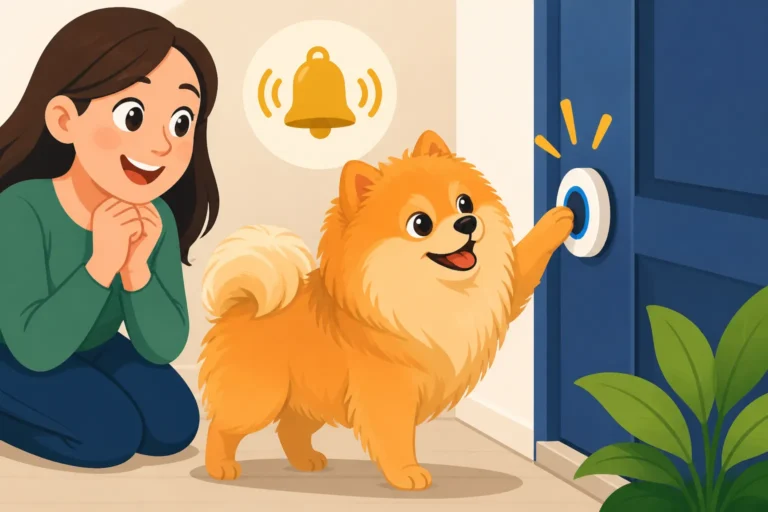
Surviving the First Nights With a Pomeranian Puppy
Bringing home a new Pomeranian puppy is one of life's absolute joys, a tiny bundle of fluff and boundless energy! But let's be honest, that joy often comes with a healthy dose of anxiety, especially when you start thinking about those first few nights. Many new Pom parents dread the incessant crying, the potty accidents, and the sheer exhaustion of broken sleep. You're not alone in feeling this way; these little guys are adjusting to a whole new world, and it's our job to make that transition as smooth as possible. This comprehensive guide is here to walk you through exactly how to survive—and even thrive—during those crucial first nights with your new Pomeranian puppy.
Setting Up the Perfect Sleep Sanctuary
Creating a secure, comfortable, and inviting sleep space for your Pomeranian puppy is perhaps the most critical first step. This isn't just about giving them a place to lie down; it's about establishing a den that feels safe and predictable in an otherwise overwhelming new environment. Think of it as their first real home within your home.
Choosing the Right Crate or Playpen
For a tiny Pomeranian, a secure sleeping arrangement is non-negotiable. A crate or a contained playpen is highly recommended. Not only does it provide a sense of security, mimicking a den, but it's also instrumental in successful house training. When choosing, consider a wire crate with a divider that can be adjusted as your puppy grows. A good rule of thumb is that the crate should be just large enough for your puppy to stand up, turn around, and lie down comfortably. If it’s too big, they might use one end as a potty area, defeating the purpose of crate training.
Many owners find excellent options online through retailers like Amazon, which offers a wide variety of sizes and styles that cater specifically to small breeds. When you're searching, look for crates that have a secure latch and are easy to clean. For those who prefer a bit more space but still want containment, a small playpen, also readily available on Amazon, can be a great alternative, especially if you plan to introduce a potty pad inside or if your puppy is particularly active during the night. However, remember that playpens, while offering more room, might not instill the same den-like instinct that discourages soiling, so careful monitoring is still essential.
Creating a Cozy and Secure Environment
Once you have your crate or playpen, it's time to make it truly irresistible for your little Pom. Start with comfortable, washable bedding. A soft blanket or a small, plush dog bed will provide warmth and comfort. Just make sure whatever you choose is puppy-safe, meaning no loose threads or small parts that could be chewed off and swallowed. Some puppies might initially try to chew their bedding, so having a spare or choosing a more durable option might be wise.
Adding a familiar scent can work wonders in easing anxiety. If possible, get a blanket or towel from the breeder that smells like their littermates or mother. This familiar scent provides immense comfort. Failing that, an old t-shirt of yours, worn for a day or two, can offer a calming scent. A safe chew toy, like a KONG stuffed with a little peanut butter (check for xylitol!), can also be a wonderful distraction and comfort item for those first few nights. Ensure that the crate is placed in a quiet area, away from high traffic, but close enough to you so your puppy doesn't feel completely isolated. Many owners place the crate right next to their bed for the first few nights, slowly moving it further away as the puppy settles in. This helps address the common query, Whether a Pomeranian Puppy Should Sleep Alone.
Navigating the Nighttime Whines and Cries
The sound of a crying puppy can tug at your heartstrings and make you question every decision you've ever made. It’s tough, but understanding why they’re crying and how to respond appropriately is key to successful, peaceful nights.
Understanding Why Your Puppy Cries
When your tiny Pomeranian puppy cries, it's rarely just to annoy you. They've just been removed from everything familiar – their mother, their littermates, their scent-filled world. They are likely feeling a mix of loneliness, fear, and insecurity. They might also need to relieve themselves, be genuinely hungry or thirsty, or even be cold. For such a small creature, the world is suddenly very big and quiet, and instinct tells them to call for their family. This is why immediate, thoughtful responses are so important; you want to address their legitimate needs without inadvertently reinforcing attention-seeking behavior.
It’s crucial to remember that a Pomeranian puppy's bladder is tiny, and they simply cannot hold it for long periods. You can read more about this in How Long a Pomeranian Puppy's Bladder Is. Often, those cries are a legitimate signal that they need to go outside right now. Other times, it's pure separation anxiety. They're used to sleeping in a pile of warm siblings, and suddenly, they're alone. Distinguishing between these reasons is vital to your nighttime strategy.
Responsive vs. Ignoring: Finding the Balance
This is perhaps the trickiest part of the first few nights. Your immediate instinct might be to rush to comfort your crying puppy, but sometimes, this can teach them that crying gets them attention, even if it's not for a true need. The goal is to respond to their needs without rewarding the crying itself.
If your puppy starts to cry, first consider the time. If it's been several hours since their last potty break, gently take them outside. Carry them directly to their designated potty spot, avoid playing, praise quietly when they go, and then bring them straight back to their crate. Don't make a big fuss. If they’ve just been out, or if you’ve recently fed them and they’re warm and safe, try a different approach. A quiet, reassuring word, without opening the crate or taking them out, might be enough. Some find a ticking clock or a white noise machine placed nearby can mimic the sounds of their littermates and provide comfort. For a deeper dive into managing crate crying, check out Crate Work With a Pomeranian Puppy That Cries.
Potty Breaks and Preventing Accidents
Preventing accidents is crucial for successful house training and minimizing stress for both you and your puppy. The key is frequent, scheduled potty breaks. For the first few nights, expect to take your Pomeranian puppy out every 2-3 hours, or even more frequently for very young pups. Set an alarm if you have to!
When you take them out, carry them directly to their potty spot outside. Don't let them walk, sniff around the house, or get distracted. Use a consistent phrase like "Go potty" and lavish calm praise when they perform. Then, straight back into the crate. Avoid playtime or exciting interactions during these nighttime trips. The idea is that nighttime potty breaks are purely for business, not for fun. This helps them understand that the crate is for sleeping and holding their bladder, and going outside is where they relieve themselves. Remember, consistency is your best friend during this stage.
Establishing a Soothing Bedtime Routine
Dogs thrive on routine, and Pomeranians are no exception. A predictable bedtime routine signals to your puppy that it's time to wind down and prepare for sleep, which can significantly reduce anxiety and crying.
The Importance of a Consistent Schedule
Dogs, especially puppies, benefit enormously from predictability. A consistent daily schedule helps them understand what to expect and when, which is incredibly reassuring in a new environment. This means regular feeding times, consistent play sessions, and scheduled potty breaks throughout the day. When it comes to bedtime, having a ritual you follow every single night will become your puppy's cue to relax. This routine ensures they're tired enough to sleep, have emptied their bladder and bowels, and aren't hungry. A well-structured routine also helps to establish The Routine a Pomeranian Needs Every Day.
For instance, your routine might look like this: dinner at 6 PM, followed by a final energetic play session, a quiet cuddle time on the couch, a last potty break right before bed, and then into the crate. Stick to this schedule as closely as possible, even on weekends. Consistency truly pays off in the long run for building confidence and good habits.
Last Call for Food and Water
Timing your puppy's last meal and water intake is crucial for minimizing nighttime potty needs and preventing potential issues like hypoglycemia, especially in tiny Pomeranians. Generally, your puppy's last meal should be offered a few hours before bedtime, typically 2-3 hours. This allows ample time for digestion and a final potty break before settling in for the night. You can find more information on puppy feeding in Feeding a Pomeranian Puppy Often Enough to Stay Safe.
Water should also be limited in the hour leading up to bedtime, especially if you're struggling with frequent nighttime accidents. However, never restrict water completely during the day. Ensure your puppy has access to fresh water throughout the day. For small breeds like Pomeranians, maintaining proper blood sugar levels is vital, and ensuring they've had enough calories throughout the day can prevent a sugar crash during the night. For more on their caloric needs, consider Whether a Pomeranian Puppy Needs Extra Calories. You might offer a small, easily digestible treat right before the final potty break if you're concerned about hunger, but nothing that will fill them up and necessitate another trip outside soon after.
Winding Down Activities
Just like human toddlers, puppies need a winding-down period before bed. Avoid boisterous play right before crate time, as this will only stimulate them and make it harder for them to settle. Instead, opt for calm activities. This could be a gentle brushing session, a quiet cuddle on your lap, or a very light chew on a favorite toy. A short, leashed walk (if appropriate for their age and vaccination status) or a potty break in the yard right before bed helps them empty out and get any last wiggles out.
The goal is to create a peaceful, low-stimulus environment. Keep lights dim and voices soft. When you put them in their crate, say a calm goodnight, perhaps give them a safe chew, and leave. Resist the urge to linger or make a big deal out of it. The calmer and more matter-of-fact you are, the more your puppy will pick up on your confidence and settle down.
Addressing Common Concerns and When to Worry
While crying and potty accidents are normal, there are certain situations where a puppy's distress or symptoms warrant closer attention, or even a call to your vet. Being aware of these can provide peace of mind and prompt crucial action if needed.
Hypoglycemia: A Silent Threat for Small Pups
One of the most serious concerns for very small Pomeranian puppies, especially during stressful periods like adjusting to a new home, is hypoglycemia, or dangerously low blood sugar. Their tiny bodies don't store much glucose, and if they miss meals, get overly stressed, or don't eat enough, their blood sugar can drop rapidly.
Symptoms of hypoglycemia can include lethargy, weakness, trembling, staggering, disorientation, and in severe cases, seizures or collapse. It's often mistaken for a puppy being "just sleepy" or "depressed." If you notice any of these signs, especially after a period where they haven't eaten, it's an emergency. You should immediately give them a small amount of honey, Karo syrup, or a commercial glucose gel rubbed on their gums. You can learn more about emergency measures in Syrup on the Gums of a Crashing Pomeranian Puppy. Following this, contact your vet immediately. Prevention is key: ensure consistent, frequent small meals throughout the day and before bed. This is why understanding Recognizing a Hypoglycemic Pomeranian is so important. As they get older, the risk generally decreases, but it's good to know the age a Pomeranian puppy outgrows sugar crashes.
Separation Anxiety vs. Normal Puppy Adjustment
It's common for a new puppy to experience some level of separation anxiety. They've literally just been separated from their entire world. The cries you hear at night are often their distress at being alone. The challenge is differentiating normal adjustment cries from true, debilitating separation anxiety. Normal adjustment typically involves crying for a period, then settling, and gradually decreasing over the first few days to a week.
True separation anxiety, on the other hand, can be more intense and prolonged. It might manifest as frantic barking, destructive chewing, or even self-harm when left alone, not just at night but also during brief absences during the day. For the first few nights, a degree of crying is normal and expected. By placing the crate close to you and gradually increasing the distance, you can help them adjust. Providing comfort items and ensuring all physical needs are met helps them feel secure. If the crying is truly inconsolable and doesn't improve after several days of consistent routine, or if they show other signs of extreme distress, it might be worth discussing with a vet or a professional trainer.
Utilizing Training Resources
Navigating puppyhood can feel overwhelming, especially with concerns like nighttime training and behavior. Sometimes, a little extra guidance makes all the difference. Many new Pomeranian owners find immense value in structured puppy training programs that offer step-by-step instructions and support.
Online platforms like BAXTER & Bella provide comprehensive puppy programs designed to help owners through all stages of puppy training, including specific modules on crate training, house training, and managing nighttime behaviors. These resources often include live support, video tutorials, and structured curricula that can take the guesswork out of what to do next. Having a clear plan and access to expert advice can build your confidence and make the journey with your new Pom puppy much more enjoyable and less stressful for everyone involved. Investing in good training early on is an investment in a happy, well-adjusted adult Pomeranian.
Here's a quick checklist to help you prepare for those crucial first nights:
| Item | Purpose | Notes |
|---|---|---|
| Appropriate Crate | Secure, den-like sleep space; aids house training | Just enough room to stand, turn, lie down. Consider Amazon options. |
| Comfortable Bedding | Warmth and coziness | Puppy-safe, washable blanket or small dog bed. |
| Scented Item | Familiarity and comfort | Blanket from breeder or worn T-shirt from you. |
| Safe Chew Toy | Distraction, comfort | KONG or similar, perhaps stuffed with a treat. |
| Water Bowl | Hydration during the day | Remove an hour before bed. |
| Food Bowls & Food | Energy and growth | Last meal 2-3 hours before bed. |
| Alarm Clock | Scheduled potty breaks | Essential for young puppies to prevent accidents. |
| Potty Pads (optional) | Backup for accidents in a playpen | Can be confusing if also trying to train outside. |
| Honey/Karo Syrup | Emergency hypoglycemia treatment | Keep handy for tiny pups. |
| White Noise Machine | Soothing sounds, mimics littermates | Can help settle crying. |
Disclaimer
This article is for general informational purposes only and does not constitute professional advice. Laws, prices and regulations vary by location and change over time. Consult a qualified professional for guidance on your specific situation.