A House Trained Pomeranian That Starts Having Accidents
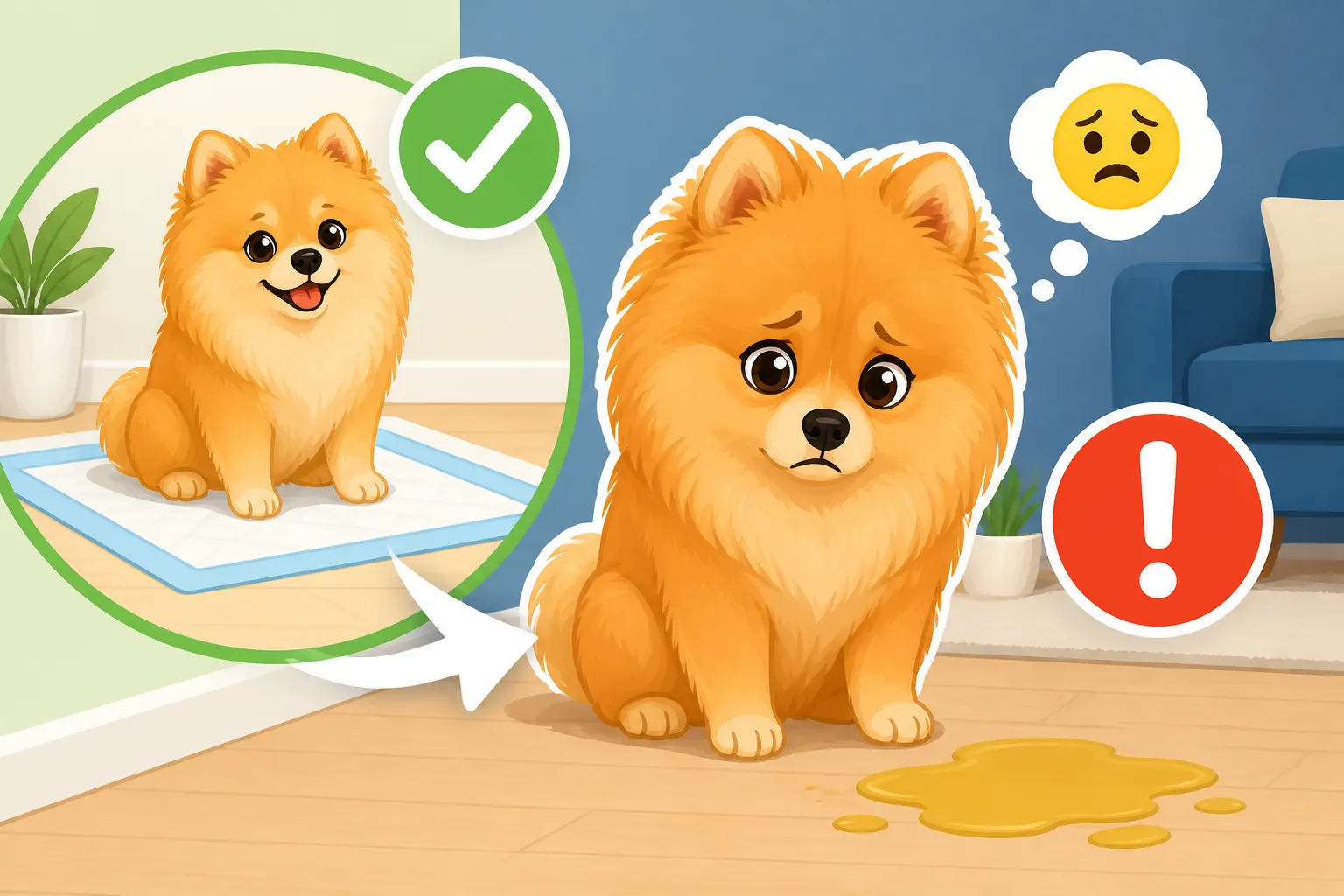
It’s truly disheartening, isn't it? You’ve put in all the hard work, navigated the tricky waters of puppyhood, and finally have a Pomeranian who reliably does their business outside. Then, out of nowhere, you start finding little puddles or piles in the house. It's confusing, frustrating, and often leaves you wondering, "What did I do wrong?" This guide is here to walk you through the common reasons why a perfectly house-trained Pomeranian might suddenly start having accidents and, more importantly, what you can do to get things back on track.
Uncovering Potential Medical Causes for Accidents
When your once-reliable Pomeranian suddenly starts having accidents indoors, the very first thing that needs to be ruled out, even before you consider any behavioral aspects, is a medical issue. Our tiny Poms, despite their spirited personalities, are susceptible to various health conditions that can directly impact their bladder and bowel control. It's not uncommon for a dog to mask discomfort, so these issues might not be immediately obvious.
Urinary Tract Infections and Bladder Issues
One of the most frequent culprits behind sudden house soiling is a urinary tract infection (UTI). Think about how uncomfortable a UTI is for a human – it's no different for our furry friends. A Pomeranian with a UTI will often feel an urgent need to urinate, sometimes in smaller, more frequent amounts, and may not be able to hold it until they get outside. You might notice them straining, licking themselves more than usual, or even showing blood in their urine, though sometimes the only sign is accidents. Bladder stones can also cause similar symptoms, irritating the bladder lining and making it difficult for your Pom to control their urges. This isn't something that resolves on its own, and it can become quite painful, so a vet visit is absolutely crucial.
Other Organ and Systemic Health Problems
Beyond simple UTIs, a range of other health conditions can manifest as house training regression. For instance, kidney disease can increase thirst and, consequently, urination, overwhelming your Pom's ability to hold it. Likewise, conditions like diabetes can cause excessive thirst and urination as the body tries to flush out excess sugar. Even seemingly unrelated issues like Cushing's disease, a hormonal imbalance, can lead to increased drinking and urination, making accidents more likely. Thyroid issues, which can cause a general slowdown in body functions, might also contribute to a lack of awareness or control. If your Pomeranian is getting on in years, it's particularly important to consider these possibilities, as many of these conditions become more prevalent with age. Kidney disease in an aging Pomeranian is a serious concern, as is A Pomeranian Whose Thyroid Has Slowed, both of which can impact elimination habits.
Pain and Mobility Challenges
Imagine trying to rush outside to relieve yourself when every step causes a jolt of pain. That's what some Pomeranians experience. Small breeds like Poms are prone to orthopedic issues such as luxating patellas (slipping kneecaps) and arthritis. If your dog is in pain, especially in their hips, knees, or back, they might hesitate to move, jump, or even adopt the proper stance to urinate or defecate outside. The discomfort could make them reluctant to go down stairs, walk across cold grass, or endure a longer walk to their usual potty spot. Instead, they might find it easier to just go wherever they are, even if that's inside the house. You might not see obvious limping; sometimes, the pain just makes them slow or stiff, or they just try to avoid certain movements. Arthritis in a Pomeranian at Ten and The Age a Pomeranian's Kneecap First Slips highlight how these issues can creep up and impact your dog's daily life, including their ability to maintain house training.
Cognitive Decline in Senior Poms
For our cherished senior Pomeranians, cognitive dysfunction syndrome (CDS), often referred to as "doggy dementia," can be a heartbreaking reason for house training regression. Just like humans, older dogs can experience a decline in cognitive function, leading to confusion, disorientation, and memory loss. They might simply forget their house training, losing awareness of where they are supposed to relieve themselves or even forgetting to ask to go out. You might observe other signs of CDS, such as staring blankly at walls, wandering aimlessly, changes in sleep patterns (like being awake and pacing at night, a topic we discuss in An Old Pomeranian That Wanders at Night), or a general decrease in interaction. While there's no cure, understanding this can help you manage their comfort and adjust your routine to accommodate their changing needs.
| Potential Medical Issue | Common Symptoms (beyond accidents) | Typical Age of Onset | Urgency of Vet Visit |
|---|---|---|---|
| Urinary Tract Infection (UTI) | Frequent urination, straining, licking, blood in urine, strong odor | Any age | High |
| Bladder Stones | Similar to UTI, recurrent issues, visible crystals in urine | Any age, more common in adults | High |
| Kidney Disease | Increased thirst, increased urination, lethargy, decreased appetite | Middle to senior age | High |
| Diabetes | Excessive thirst, increased urination, weight loss despite good appetite | Middle to senior age | High |
| Cushing's Disease | Increased thirst, increased urination, pot-bellied appearance, skin issues | Middle to senior age | Moderate to High |
| Arthritis/Joint Pain | Stiffness, limping, reluctance to jump/climb, difficulty getting up | Middle to senior age | Moderate |
| Cognitive Dysfunction | Disorientation, pacing, staring, altered sleep, forgetting routines | Senior age | Moderate |
Disclaimer: This table is for general informational purposes only and not a substitute for professional veterinary advice.
Addressing Behavioral and Environmental Triggers
Once medical reasons have been thoroughly investigated and ruled out by your veterinarian, it’s time to shift your focus to potential behavioral or environmental factors. Pomeranians are intelligent, sensitive little dogs, and sometimes subtle changes in their world can have a big impact on their established routines.
Stress, Anxiety, and Emotional Upset
Pomeranians are surprisingly attuned to their environment and the emotions of their people. Stress and anxiety are major contributors to house soiling issues. Has there been a significant change in your household lately? A new baby, a new pet, a move to a new home, or even a change in your work schedule can throw a sensitive Pom off balance. They might feel insecure or anxious, leading to accidents as a way to cope or as a physical manifestation of their distress. Separation anxiety, a common issue in Velcro-like Poms, can also cause accidents when you're away, even if they would never do it when you're home. This isn't them being "bad" or "spiteful"; it's a genuine emotional struggle. Recognizing Signs a Pomeranian Has Separation Anxiety is key to addressing this.
Marking Behavior and Incomplete House Training
While we often associate marking with intact males, both male and female Pomeranians, even those spayed or neutered, can engage in marking behavior, especially if there's a new dog in the household, new scents, or territorial disputes. If the accidents are small amounts of urine sprayed on vertical surfaces like furniture legs or walls, it's likely marking. If your Pom was never truly rock-solid on their house training, perhaps only being "mostly" reliable, then any stressor or change can cause a regression. Sometimes, owners unintentionally reinforce indoor accidents if they don't clean thoroughly enough, leaving a scent that signals to the dog that it's an acceptable potty spot. We talk more about this in A Male Pomeranian That Marks the Furniture and Whether Neutering Ends a Pomeranian's Marking. It's a tricky area that requires consistent management.
Environmental Shifts and Routine Disruption
Sometimes the cause is simply a shift in their familiar world. A new type of carpet or rug might feel like an acceptable outdoor surface to them, or a change in cleaning products might remove their scent markers, confusing them about where "their" area ends and "potty area" begins. Even the weather can play a role; a Pomeranian who despises cold, rain, or snow might rush their business or refuse to go out long enough to fully empty their bladder and bowels, leading to accidents once back inside. Consider if your routine has changed – are you taking them out less frequently, or at different times? Even small adjustments can disrupt a dog's internal clock and cause confusion.
Practical Steps to Re-establish House Training
Once any underlying medical conditions have been ruled out, it's time to take proactive steps to get your Pomeranian back on track. This often means going back to basics, much like you did when they were a puppy, but with the added benefit of knowing your dog's personality and preferences.
The All-Important Vet Visit
I cannot stress this enough: always start with a trip to your veterinarian. As we discussed, many medical conditions can present as house soiling, and addressing these early can prevent a lot of discomfort for your Pom and frustration for you. Your vet will perform a thorough physical exam, often collect urine samples, and possibly recommend blood work to check for systemic issues. Don't skip this step; it's the foundation of solving the problem. It’s better to rule out a medical cause first before you invest time and effort into behavioral modifications.
Re-establishing a Strict Potty Schedule
This is where you essentially restart house training. Take your Pomeranian out frequently and on a strict schedule – think first thing in the morning, after waking from naps, after meals, after playtime, and right before bed. This might mean every 1-2 hours initially, then gradually extending the time once reliability improves. Accompany them outside every time, even if it's just into the yard, and stay with them until they perform. Use a specific phrase like "go potty" to cue them, and keep potty breaks boring and focused on the task at hand. The goal is to set them up for success, ensuring they have ample opportunity to eliminate in the correct spot. The Routine a Pomeranian Needs Every Day is something we always emphasize, as consistency is truly king for these little dogs.
Thorough Cleaning and Odor Elimination
This is a step many people underestimate. If your Pomeranian has had an accident indoors, merely wiping it up with regular household cleaner isn't enough. Dogs have an incredibly keen sense of smell, and even a faint residual odor of urine or feces can signal to them that this spot is an acceptable place to go again. You must use an enzymatic cleaner specifically designed to break down pet waste. Products available on Amazon are excellent for this, as they neutralize the odor rather than just masking it. Follow the instructions carefully, often involving soaking the area. If accidents have occurred on carpets or upholstery, you might need a professional cleaner or a carpet extractor. Eliminating all traces of previous accidents is crucial to prevent re-soiling.
Supervise Closely and Manage the Environment
During this re-training period, constant supervision is your best friend. Keep your Pomeranian with you, either by having them on a leash attached to your waist (the "umbilical cord" method) or by keeping them in the same room. When you can't actively supervise them, they should be in a safe, confined area where accidents are less likely to happen and easier to clean. A comfortable crate, appropriately sized, can be invaluable here. The crate should be just big enough for them to stand up, turn around, and lie down, but not so large that they can potty in one corner and sleep in another. Poms naturally prefer not to soil their sleeping area. Crate Work With a Pomeranian Puppy That Cries offers good insights into proper crate training, which can be reapplied to adults. Baby gates can also be used to limit access to certain rooms.
Lavish Praise and High-Value Rewards
When your Pomeranian successfully eliminates outside, make it a party! Shower them with verbal praise ("Good potty!"), affectionate petting, and immediately offer a high-value treat. This positive reinforcement creates a strong association between going outside and receiving something wonderful. The treat needs to be given immediately after they finish, not when they come back inside, so they understand exactly what they're being rewarded for. Finding The Reward a Pomeranian Actually Cares About might take a little trial and error, but it's worth the effort. Consistency with these rewards is vital to rebuild their understanding and confidence in the desired behavior.
When to Seek Professional Guidance
Sometimes, despite your best efforts and after ruling out medical causes, the accidents continue. This is where professional help can be incredibly beneficial. A certified professional can offer fresh eyes, pinpoint subtle triggers you might have missed, and provide tailored strategies for your specific situation.
Consulting a Certified Professional Dog Trainer or Behaviorist
If you've diligently followed the steps above and your Pomeranian is still having accidents, it's a sign that the problem might be more deeply rooted or complex than it appears. This is the time to reach out to a certified professional. A BAXTER & Bella online program, for example, offers resources that can guide you through advanced training techniques and address specific behavioral concerns, even if they're focused on puppies, the principles apply. For more complex issues, a Certified Professional Dog Trainer (CPDT) or a Certified Applied Animal Behaviorist (CAAB) can provide an in-depth assessment.
They can help you differentiate between house training issues, marking, submissive urination, or anxiety-related accidents. They observe your dog in their environment, ask detailed questions about routines and previous training, and formulate a comprehensive behavior modification plan. Remember, their role is not to judge but to help you and your Pom succeed. Sometimes, underlying fears or anxieties, perhaps even related to something as simple as a scary noise outside during a potty break, can derail house training. These professionals are equipped to uncover such nuances.
Understanding the Difference Between Trainers and Behaviorists
It's important to know the distinction when seeking professional help. A dog trainer typically focuses on teaching basic obedience cues (sit, stay, come) and addressing common behavioral issues through positive reinforcement and consistent methods. They are excellent for helping you re-establish a solid house training routine, improve communication, and build your dog's confidence.
A veterinary behaviorist or certified applied animal behaviorist, on the other hand, holds advanced degrees and specializes in diagnosing and treating complex behavioral problems that often have a strong emotional or psychological component, such as severe anxiety, aggression, or phobias. If your Pomeranian's accidents are clearly linked to high levels of stress, fear, or separation anxiety that you can't manage with conventional training, a behaviorist might be the more appropriate choice. They can often work in conjunction with your vet, and in some cases, might even recommend medication to help manage anxiety while behavioral modification is underway. Understanding What a Behaviorist Charges for a Barking Pomeranian can give you an idea of the investment involved, but it's often worth it for lasting peace of mind and a happier Pom.
The key is to be patient, persistent, and proactive. Your Pomeranian isn't having accidents to spite you; there's always a reason, whether medical, behavioral, or environmental. By systematically investigating each possibility and re-committing to a consistent routine, you can help your beloved Pom regain their confidence and get back to being the perfectly house-trained companion you know and love.
Disclaimer
This article is for general informational purposes only and does not constitute professional advice. Laws, prices and regulations vary by location and change over time. Consult a qualified professional for guidance on your specific situation.