Getting a Pomeranian Used to Water
It’s a common frustration for so many Pomeranian parents: you love your fluffy little companion, but the moment the bath faucet turns on, they transform into a tiny, terrified bundle of nerves. Getting a Pomeranian used to water can feel like an impossible mission, leading to stressful bath times for everyone involved. This comprehensive guide is here to walk you through gentle, positive strategies to help your Pomeranian become more comfortable with water, turning a dreaded chore into a manageable, even enjoyable, experience.
Why the Bathtub Can Feel Like a Tsunami to a Pomeranian
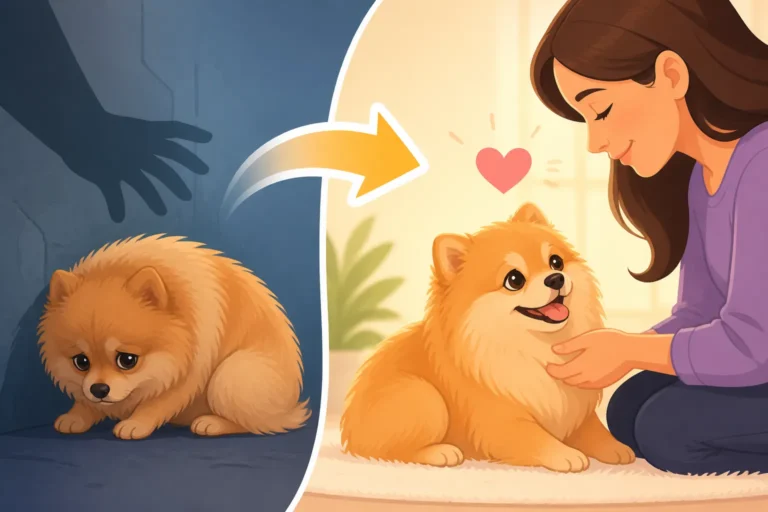
It’s easy to think our Poms are just being stubborn when they balk at bath time, but for many, their aversion to water is rooted in genuine fear and discomfort. Their small size, delicate structure, and sensitive nature can make an ordinary bathtub feel like a giant, slippery, echoing cavern. Understanding these underlying reasons is the first step in helping them overcome their fear.
The Sensory Overload
Imagine being tiny, with incredibly sensitive hearing and a lush double coat, and suddenly being plunged into a noisy, wet, confined space. The sound of rushing water, the echoing acoustics of a bathroom, the strange sensation of their fur becoming heavy and matted, and the slippery surface underfoot can be utterly overwhelming for a Pomeranian. Their acute senses process these inputs far more intensely than we might realize. It’s not just a bath; it’s a full-on sensory assault that can leave them feeling vulnerable and exposed.
Many Poms are naturally on alert due to their Spitz heritage; they're watchful and quick to react to perceived threats. A bath can trigger this inherent caution, especially if they haven't been slowly desensitized to the various elements involved. The sudden temperature change of the water, the strange smell of shampoo, and even the feeling of being held firmly can contribute to this sensory overload. It’s crucial to remember that what seems mundane to us can be a high-stress event for them.
Fear of the Unknown and Prior Bad Experiences
Dogs, like people, remember past experiences. If your Pomeranian had a traumatic first bath, or even just one particularly unpleasant encounter with water – perhaps a slip in the tub, an accidental splash, or being sprayed with cold water – they can develop a strong negative association. This isn't stubbornness; it's a learned response to protect themselves from what they perceive as a threat. They might start shaking, trying to escape, or even nipping if cornered, all out of fear.
Sometimes, the fear isn't even directly related to a bad bath. Maybe they were startled by a sudden rain shower, or had a fright near a garden hose. These seemingly minor events can build up, creating a general apprehension about anything wet. Breaking these negative associations requires patience, consistency, and a completely new approach focused on positive reinforcement. It’s about rewriting their narrative around water, one calm, gentle step at a time.
Understanding Their Delicate Nature
Pomeranians are small and relatively delicate. Their bones are tiny, their joints can be prone to issues like Slipping Kneecaps in a Five Pound Pomeranian, and their windpipes can be sensitive. Being handled roughly or losing their footing in a tub can be genuinely dangerous for them. This physical vulnerability adds another layer to their fear; they instinctively know they need to be careful, and they rely on us to ensure their safety.
Furthermore, their luxurious double coat, while beautiful, can feel incredibly heavy and cold when wet. If not dried properly, it can also lead to skin issues. The entire process, from getting wet to the blow-drying afterwards, is a significant event for their little bodies. Recognizing these inherent sensitivities helps us approach bath time with the empathy and care our Poms truly deserve, rather than forcing them into a situation that causes distress.
Creating a Calm and Positive Water Introduction
The key to helping your Pomeranian overcome their fear of water is to make every interaction a positive, low-stress experience. This means starting small, using gentle exposure, and associating water with good things like treats and praise. Think of it as a desensitization process, building their confidence bit by bit.
Starting Small and Dry
You don't start with a full bath. Instead, begin with dry introductions to the bathroom itself. Let your Pom explore the bathroom when it’s quiet, rewarding them with high-value treats and gentle praise. Place a non-slip mat in the dry tub and let them stand on it, giving them treats. Do this several times a day for a few days, making the tub a happy, safe space. You want them to think, "Oh, this is where good things happen!"
Once they're comfortable in the dry tub, introduce the sound of water without them being near it. Turn on the faucet in another room at a low trickle while they're playing or eating, gradually increasing the volume over several days. The goal is to normalize the sounds associated with bath time before they're even in the vicinity of the water. This slow, deliberate process helps them realize these sounds aren't immediately followed by a scary experience. Teaching a Pomeranian to Be Picked Up Properly can also be integrated here, ensuring they feel secure during handling.
Gradual Wetting and Positive Reinforcement
After the sound of water is normalized, it’s time for very gradual physical introduction. Start with a damp cloth and gently wipe a small area of their paw, immediately followed by a treat and praise. Do this for a few days, gradually increasing the area and the amount of dampness. You can even use a misting spray bottle on your hand, then gently stroke their fur, again, immediately followed by a reward. This method is all about tiny, successful steps.
Next, introduce a very shallow amount of lukewarm water (just enough to cover the bottom of their paws) in a sink or a small tub. Place their favorite waterproof toy or a few treats in the water. Let them step in on their own if they're curious, or gently place them in, rewarding them instantly. The aim is for them to associate the sensation of water with delicious rewards and fun. Keep these sessions extremely short – just a minute or two – and always end on a positive note, even if it's just a single successful paw dip. Consistency with positive reinforcement is vital here; consider resources like BAXTER & Bella, which offer extensive guidance on using positive methods for various dog training and desensitization challenges.
The Right Tools Make All the Difference
Having the correct gear can significantly reduce stress for both you and your Pomeranian. A non-slip mat for the tub or sink is absolutely essential to prevent slips and give them secure footing. A small, shallow plastic tub placed inside your main tub can also make the space feel less overwhelming. Many pet parents find small grooming tubs available on platforms like Amazon to be perfect for this, making the bath feel less cavernous and more manageable for tiny Poms.
Invest in a gentle shower sprayer attachment or a small cup for rinsing, rather than using a powerful faucet stream. This gives you more control and prevents sudden blasts of water. Have all your supplies — shampoo, conditioner, towels, and most importantly, high-value treats — within easy reach before you even start. A calming spray designed for dogs can also be used in the bathroom a few minutes prior to help create a more relaxed atmosphere. The goal is to eliminate any fumbling or sudden movements that could startle your Pomeranian.
| Tool Category | Specific Item | Benefit for Pomeranians |
|---|---|---|
| Non-Slip Surfaces | Rubber Bath Mat | Prevents slips, provides secure footing, reduces anxiety. |
| Bathing Vessels | Small Plastic Tub or Sink | Less intimidating than a large bathtub, easier to control water level. |
| Water Delivery | Handheld Shower Sprayer / Small Cup | Gentle water flow, precise rinsing, avoids high-pressure blasts. |
| Grooming Products | Tearless Puppy Shampoo | Mild, won't irritate eyes, pleasant scent. |
| Drying | Absorbent Microfiber Towels | Wicks moisture quickly, less intimidating than a loud dryer. |
| Distraction/Reward | High-Value Treats / Lick Mat | Creates positive association, distracts from the water. |
Mastering the Bath: Tips for a Smoother Experience
Once your Pomeranian is showing signs of comfort with water through gradual introductions, you can start working towards full baths. Remember, patience is paramount, and every bath should still be seen as a positive reinforcement opportunity.
Pre-Bath Preparations and Handling
Before any bath, make sure your Pomeranian's coat is thoroughly brushed and free of mats. Water can tighten mats, making them incredibly difficult and painful to remove afterwards. This is where regular grooming practices, like those discussed in How Many Times a Week a Pomeranian Is Brushed and Working a Pomeranian's Coat in Sections to the Skin, become invaluable. Use a good slicker brush and metal comb to get down to the skin. If you encounter significant mats, it might be better to postpone the bath and deal with the mats first, even if it means a visit to a professional groomer.
Dim the bathroom lights slightly, play some calming music, and speak in a soft, soothing voice. Have everything ready: shampoo, conditioner, towels, cotton balls for their ears (to prevent water from entering the ear canal, which can lead to infections), and a generous supply of high-value treats. You can even spread some peanut butter on a lick mat and stick it to the side of the tub; this can provide a wonderful distraction. Make sure the water temperature is comfortably lukewarm – test it on your inner wrist.
Bathing Techniques for Nervous Poms
When it's time for the bath, pick up your Pomeranian calmly and gently place them in the tub on their non-slip mat. Start by wetting their paws, then gradually move up their legs and body, always avoiding their face and ears initially. Use a soft, damp washcloth for their face. Keep the water flow gentle. Many Poms are more accepting of water being poured over them from a cup rather than sprayed. Washing a Pomeranian in a Kitchen Sink often makes this process easier due to the elevated height and smaller space.
Apply a small amount of dog-specific shampoo, lather gently, and rinse thoroughly. It's especially important to ensure all shampoo is removed from their dense double coat to prevent skin irritation. Take your time, talking to them reassuringly, and continue offering treats for calm behavior. If they start to panic, pause, offer comfort, and if necessary, end the session and try again another day. A shorter, less thorough bath is always better than a traumatic one that sets back your progress. Remember, the goal is always to create a positive experience, not just to get them clean.
Post-Bath Comfort and Reward
The post-bath routine is just as important as the bath itself. Immediately after rinsing, gently wrap your Pomeranian in a warm, absorbent towel. Do not rub vigorously, as this can tangle their delicate fur and cause mats. Instead, blot and squeeze the water out of their coat. Have several clean, dry towels ready. While some Poms tolerate a very low, cool setting on a blow dryer, many find the noise and sensation too stressful. If your Pom is still nervous around water, it's often best to stick to towel drying and letting them air dry in a warm, draft-free room, especially if you're concerned about Drying a Pomeranian Without Damaging the Coat.
After they are mostly dry, a thorough brushing with a pin brush will help fluff their coat and prevent matting as it finishes drying. This is another opportunity for positive reinforcement. Follow up with playtime, a favorite chew toy, or a special meal. The entire experience, from getting wet to being warm, dry, and loved, should conclude with a big, happy reward. This reinforces the idea that water leads to good things, building their confidence for future bath times.
Beyond the Bathtub: Enjoying Water Safely
While bath time is a necessary part of grooming, some Pomeranians can even learn to enjoy other forms of water. It's about careful introduction and always prioritizing their safety and comfort.
Puddles, Rain, and Outdoor Adventures
Many Pomeranians have a natural aversion to walking in puddles or wet grass, particularly if they haven't been exposed to it positively as puppies. To help them, start by taking them out on sunny days to dry patches, then slowly work your way towards slightly damp grass. When it rains, if they seem anxious, keep walks short and focus on quickly getting them to do their business. You can use an umbrella to shield them from falling rain, or even a light doggy raincoat if they tolerate it.
For Poms that are truly afraid of the rain, consider having a designated potty area that is covered or has very short grass where they won't get too wet. Always reward them heavily for stepping into wet areas, even if it's just a tiny puddle. The idea is to make these everyday wet experiences less of a shock and more of a neutral, or even pleasant, part of their routine. Some Poms never truly love the rain, and that’s perfectly fine; the goal is simply to minimize their distress.
Water Play and Safety Considerations
While some larger dog breeds enjoy swimming, it's generally not recommended for Pomeranians due to their small size, delicate build, and dense double coat, which can become waterlogged quickly. Their short legs and heavy fur make them inefficient swimmers and prone to rapid chilling. If you happen to have a Pom who shows an interest in water play, such as shallow wading in a kiddie pool, ensure it's in a very controlled environment with constant supervision. The water should be barely deep enough to cover their paws.
Always use a properly fitting dog life vest, even in shallow water, and never leave them unattended. Avoid natural bodies of water like lakes or rivers, where currents, colder temperatures, and potential hazards are much greater risks. The primary focus should always be on safety and comfort, not on making them into a swimming champion. For general health and well-being, exploring topics like Whether a Pomeranian Needs Clothing at All can give you insight into keeping them comfortable in various weather conditions.
When Professional Help Might Be Needed
If, despite your best efforts, your Pomeranian remains intensely fearful of water, or if their fear manifests as aggression, it might be time to seek professional help. A certified professional dog trainer or a veterinary behaviorist can provide tailored strategies and help identify underlying anxiety issues. They can guide you through more advanced desensitization and counter-conditioning protocols.
Sometimes, a professional groomer who specializes in fearful or anxious dogs can also make a difference. They have specialized equipment and techniques to make bath time less stressful and can sometimes achieve breakthroughs that are difficult for owners at home. Don't feel like a failure if you need to call in the cavalry; prioritizing your Pomeranian's emotional well-being is the most important thing. It means you’re a caring and responsible pet parent who wants the best for their tiny companion.
Disclaimer
This article is for general informational purposes only and does not constitute professional advice. Laws, prices and regulations vary by location and change over time. Consult a qualified professional for guidance on your specific situation.