Whether a Pomeranian Barks When Left Alone
It's a common worry for Pomeranian parents: you love your little fluffball fiercely, but what happens when you have to leave them home alone? Will the neighbors complain about incessant barking? Will your sweet Pom be utterly miserable? The truth is, Pomeranians can absolutely be prone to barking when left alone, but it's not always a given, and understanding why it happens and what you can do about it is key to a peaceful household and a happy pup. This guide will walk you through the nuances of alone-time barking, what it really means for your Pomeranian, and practical steps you can take to manage it.
The Reality of Pomeranian Vocalization When Alone
Let's face it, Pomeranians are known for their big personalities packed into tiny bodies, and part of that personality often includes a rather robust voice. They were, after all, originally bred from larger Spitz dogs who used their voices to alert their humans to anything unusual. This natural inclination to bark doesn't just vanish when they're left by themselves.
Why Poms Are Prone to Noise
Their ancestry plays a huge role. Imagine their larger ancestors guarding homes or herding animals; a strong bark was a vital tool. While today's Pomeranian might weigh a mere handful of pounds, that genetic hardwiring to alert and communicate through vocalization is still very much present. They might bark at a leaf blowing past the window, a distant siren, or simply because they feel the need to announce their presence. When you're gone, that natural inclination can sometimes amplify, especially if they feel vulnerable or bored.
Think about it from their perspective: they're small, and the world can seem like a very big, unpredictable place. Their sense of hearing is far more acute than ours, picking up sounds we'd never notice. That faint rustle outside, the delivery truck three streets over, or the muffled sound of a neighbor's conversation could all be perceived as something needing a vocal response. It’s not necessarily defiance; it’s often deeply ingrained instinct mixed with their individual temperament. Some Poms are naturally more vocal than others, regardless of the situation.
Common Triggers for Alone Barking
When your Pomeranian is barking when left alone, it's rarely "just because." There's almost always a trigger, even if it's one you can't easily identify. One of the most common culprits is environmental stimuli. This could be anything from the mail carrier coming to the door to the sounds of children playing outside, or even a sudden shift in weather like thunder. These external sounds, which you might filter out or simply not hear, can be startling or exciting to a Pom who is feeling a bit isolated.
Another significant trigger is boredom or under-stimulation. A smart, active breed like a Pomeranian needs mental engagement. If they're left alone with nothing to do, no appropriate outlets for their energy, and no interesting toys or activities, they might turn to barking as a self-soothing mechanism, a way to vent frustration, or simply to make some noise because it's something to do. It’s like a child repeatedly asking "Are we there yet?" out of sheer restlessness. They're telling you, in the only way they know how, that their needs aren't being met.
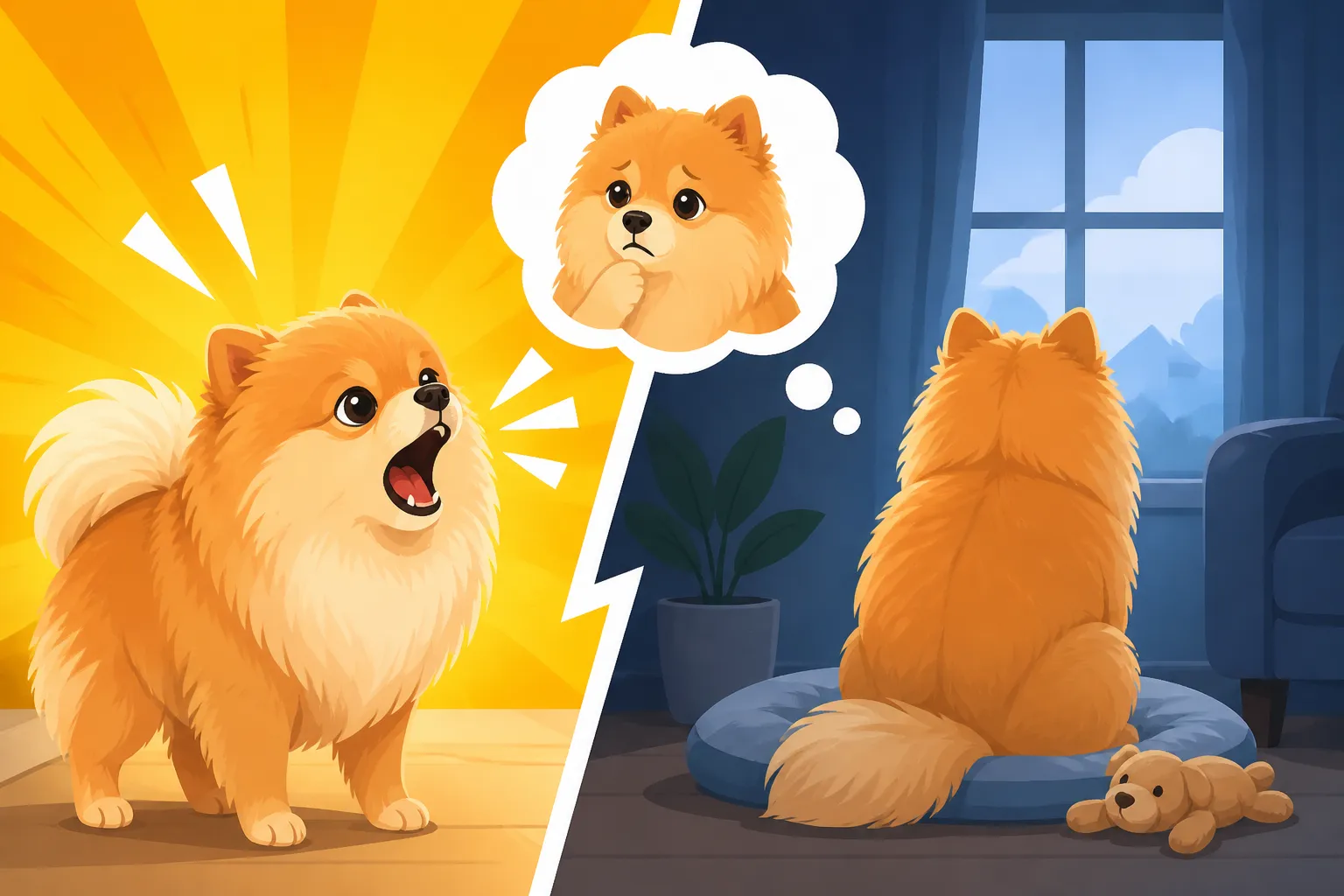
Finally, and perhaps most distressingly for owners, barking can be a sign of anxiety or genuine distress. This isn't just a dog being noisy; it's a dog feeling genuine panic or fear. This could range from mild separation distress to full-blown separation anxiety, a condition we'll delve into more deeply. The absence of their primary caregiver can be a profound source of stress for some Poms, leading to a vocal protest that stems from a feeling of abandonment or vulnerability. It's a cry for connection.
Distinguishing Normal From Excessive Barking
It's important to understand that some barking is perfectly normal for a Pomeranian, even when alone. A few alert barks when someone walks past the window or when the doorbell rings, even if you're not there to hear it, is usually just your Pom being a Pom. It's their job, in their minds, to let the world know they're on duty. This kind of barking typically stops once the perceived "threat" or stimulus has passed.
However, excessive barking is a different story. This usually manifests as prolonged, sustained barking sessions that don't seem to have an obvious immediate trigger or that continue long after a trigger has gone. If you come home to frantic barking, or if neighbors report hours of non-stop noise, that's a red flag. Consider the intensity and duration. Is it a few barks here and there, or is it a continuous, high-pitched, distressed-sounding vocalization? The type of bark can also give you clues. A sharp, excited bark might be different from a mournful, drawn-out howl.
A helpful way to gauge this is by using a pet camera, which can record or allow you to check in remotely. Many people find Amazon sells great options that even have two-way audio, so you can hear exactly what's happening. This objective data helps you understand the frequency, duration, and context of the barking, allowing you to move beyond guessing and start addressing the specific issues. Without this insight, it's very difficult to pinpoint the root cause and apply effective solutions. Whether a Pomeranian Barks When Left Alone is a core concern for many.
Understanding Separation-Related Distress in Pomeranians
When we talk about barking when left alone, it's vital to consider the spectrum of emotional responses a Pomeranian can have to your absence. It's not always simple naughtiness; often, it's a deep-seated emotional reaction.
More Than Just "Missing You"
While it's sweet to think our Poms simply miss us with a longing heart, separation-related distress goes beyond that. It's a genuine anxiety response. For some Pomeranians, the moment the door closes, a wave of panic sets in. They might not understand that you're coming back, or they might fear that they're being left alone permanently. This isn't a conscious choice to be "bad" or noisy; it's an involuntary stress response.
Imagine feeling completely alone, vulnerable, and unsure when your primary source of comfort and security is suddenly gone. This is the world many anxious Pomeranians inhabit when their humans leave. Their small size can sometimes make this feeling even more acute, as they might feel particularly exposed. It's a visceral reaction, not unlike a human child crying when separated from their caregiver. It's a cry for help and reassurance.
Signs Beyond Just Barking
Barking is often just one symptom of separation-related distress. If your Pomeranian is truly struggling, you'll likely see other indicators, even if you only discover them upon your return or through a pet camera. These can include:
- Destructive behavior: Chewing on doorframes, furniture, or items that smell like you (shoes, clothes) is a common coping mechanism. This isn't out of spite; it's often an attempt to relieve anxiety or to be close to your scent.
- Pacing or restlessness: Anxious Poms might constantly walk back and forth, unable to settle. They might look out windows, sit by the door, or generally appear agitated.
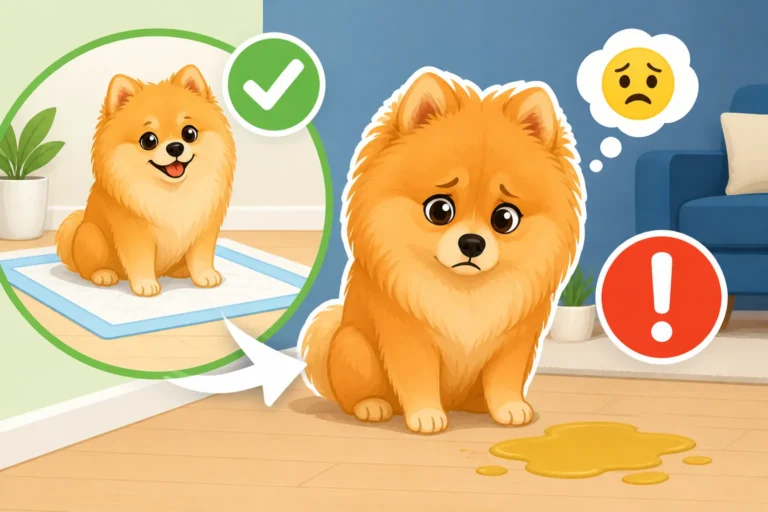
- House soiling: Even perfectly house-trained Pomeranians might have accidents indoors when suffering from separation anxiety. This is not a defiance of training but a physical manifestation of extreme stress.
- Excessive drooling: Some dogs drool profusely when anxious, leaving puddles you might discover upon returning.
- Trembling or shaking: While less common to observe when you're gone, a truly panicked Pom might tremble.
- Self-harm: In severe cases, dogs might lick or chew at themselves to the point of creating sores.
It’s crucial to look at the whole picture. If your Pom barks for a bit then settles down, that’s different from a Pom who barks, paces, drools, and chews the sofa leg all while you're gone. These cumulative signs point towards a more serious underlying issue than simple boredom or alert barking. Understanding these Signs a Pomeranian Has Separation Anxiety is the first step towards helping them.
The Impact on Your Home and Your Pom
The consequences of unresolved barking and separation distress stretch far beyond just noise complaints. For your Pomeranian, it means a significant portion of their day is spent in a state of fear, stress, or intense boredom. This can lead to a reduced quality of life, chronic stress that can impact their physical health, and a diminished bond with you if you become frustrated with their behavior. No pet parent wants their beloved companion to live in a state of constant anxiety.
For your home life, the impact can be considerable. Destroyed property means extra costs and frustration. Constant barking can strain relationships with neighbors, leading to awkward conversations or even formal complaints. It can also severely limit your ability to leave the house, making errands, work, or social outings feel impossible. The guilt many owners feel when they know their Pom is distressed at home is immense, turning what should be a joy into a source of stress for everyone involved. Addressing this issue isn't just about peace and quiet; it's about ensuring your Pomeranian lives a full, happy, and confident life. For additional insights, consider reading The Pomeranian That Cannot Be Left Alone.
Strategies to Minimize Barking When You're Away
Okay, so we've established that barking when left alone is often a symptom of something deeper. The good news is, there are many proactive steps you can take to help your Pomeranian feel more comfortable and confident in your absence.
Building Solo Confidence
The cornerstone of reducing alone-time barking is to teach your Pomeranian that being by themselves isn't scary, and that you always come back. This means gradually increasing their tolerance for your absence. Don't start by leaving for an entire workday. Begin with tiny increments.
- Practice "mock departures": Put on your coat, grab your keys, walk to the door, open it, and then close it and immediately come back inside. Don't make a fuss, just treat it as normal. Repeat this many times a day. The goal is to desensitize them to your departure cues so they don't trigger panic.
- Short intervals: Once they're calm during mock departures, start leaving for 30 seconds. Then a minute. Then five minutes. Gradually increase the time. Always return before they start barking, if possible, to reward their quiet behavior. If they bark, wait for a lull before entering.
- No big goodbyes or hellos: As difficult as it is, try to avoid dramatic farewells or enthusiastic greetings. This can inadvertently heighten the emotional intensity around your departures and arrivals. A calm, matter-of-fact approach communicates that leaving and returning is just a normal part of life.
- Use a safe space: A crate or a small, puppy-proofed room can offer security. Ensure it's a positive space, associated with treats and comfort. Some Poms feel safer in a smaller, den-like area. Whether Crate Time Helps an Anxious Pomeranian delves into this further.
This process requires patience and consistency. It’s about gently shifting their emotional response from panic to calm acceptance.
Creating a Calming Environment
The physical space you leave your Pomeranian in can significantly influence their behavior. A thoughtful setup can make a world of difference.
- Crate training: If introduced properly, a crate can be a sanctuary. Make it comfortable with soft bedding and familiar toys. Never use it as punishment. Many find that a cozy crate helps create a den-like feel, making them feel secure. Ensure the crate is appropriately sized for your Pomeranian, giving them enough room to stand, turn around, and lie down comfortably, but not so large that they can use one end as a potty area.
- White noise or calming music: A radio playing classical music or a white noise machine can help mask external sounds that might trigger alert barking. There are even specific dog-calming playlists available online.
- Chew toys and puzzle feeders: Mental stimulation is crucial for a Pomeranian. Leaving them with engaging toys, especially those that dispense treats slowly, can keep them occupied and redirect their focus away from your absence. Look for Puzzle Toys Small Enough for a Pomeranian. A KONG stuffed with peanut butter or a long-lasting chew can be a fantastic distraction. Many of these can be found on Amazon.
- Scent of you: An old, unwashed t-shirt or blanket that smells like you can provide comfort and a sense of your presence.
- Visual barriers: If external stimuli are a major trigger, consider drawing curtains or blinds to limit their view of the outside world, especially if they spend a lot of time gazing out windows.
These environmental adjustments work by reducing stressors and providing positive distractions, shifting your Pom's focus from your absence to something enjoyable or comforting.
Professional Help and Training Resources
Sometimes, despite your best efforts, the barking persists, or other signs of distress are severe. This is when it's time to call in the professionals.
- Certified Professional Dog Trainer (CPDT): A trainer specializing in separation anxiety can develop a tailored modification plan. They can observe your Pom's behavior (often via video) and guide you through progressive desensitization and counter-conditioning techniques. Online platforms like BAXTER & Bella offer fantastic virtual resources and training programs that can be incredibly helpful for addressing behavioral issues from the comfort of your home. They understand the nuances of fear and anxiety in dogs.
- Veterinary Behaviorist: For severe cases, a veterinary behaviorist (a veterinarian with specialized training in animal behavior) might be necessary. They can assess if there are any underlying medical conditions contributing to the anxiety and can prescribe medication to help manage anxiety levels, making behavioral modification more effective. This isn't a magic bullet but can be a crucial tool in conjunction with training.
- Online Courses and Support Groups: Many reputable online courses exist that walk owners through step-by-step protocols for separation anxiety. Connecting with other Pomeranian owners facing similar challenges can also provide valuable emotional support and practical tips.
- Consistency is Key: Whichever path you choose, remember that consistency across all family members is paramount. Everyone needs to be on the same page with routines, departures, and greetings. The Routine a Pomeranian Needs Every Day discusses the importance of predictability for your dog.
It's okay to ask for help. Separation anxiety is a complex issue, and it's far better to seek expert guidance than to let your Pomeranian suffer or your home life be consumed by stress.
Tools and Aids for Quieter Alone Time
Beyond direct training and environmental adjustments, several practical tools can support your Pomeranian in learning to be calm when you're not around. These can provide crucial information, comfort, and even a little technological assistance.
Smart Devices and Monitoring
Modern technology has made it so much easier to understand what our pets are doing when we're not home. Gone are the days of pure guesswork and relying solely on neighbor reports.
- Pet Cameras with Two-Way Audio: This is probably the most valuable tool for owners dealing with alone-time barking. A camera allows you to watch your Pomeranian's behavior in real-time, record sessions, and truly understand the triggers and patterns of their barking. You can see if they start barking immediately, if it's in response to a specific noise, or if it's sustained. Many cameras, readily available on Amazon, also offer two-way audio, meaning you can speak to your Pom. While not a substitute for your presence, a calm, reassuring word from you can sometimes interrupt a barking spell and offer momentary comfort. Some owners find that using the audio function can sometimes make the dog more anxious if they can't see you, so observe your dog's reaction carefully.
- Bark-Sensing Devices: These devices can detect barking and send alerts to your phone. Some even spray a citronella mist or emit an ultrasonic sound (inaudible to humans) as a deterrent. However, these should be used with extreme caution and under professional guidance, especially for anxious dogs. If the barking stems from anxiety, adding an aversion can actually increase their stress and worsen the underlying issue. They don't teach a dog what to do instead, only what not to do. For Pomeranians with sensitive windpipes, like those prone to The Honking Cough of a Pomeranian's Collapsing Windpipe, any device worn around the neck or that causes sudden reactions needs careful consideration.
- Smart Home Integration: Some systems can be programmed to play calming music or turn on lights when barking is detected, creating a subtle, automated intervention.
These tools provide invaluable data and a means of remote interaction, which can be critical for tailoring your training approach.
Comfort Items and Puzzle Toys
Creating a positive association with your absence involves providing compelling distractions and comforting items.
- Long-Lasting Chews: Not all chews are created equal. For a Pomeranian, you need something appropriately sized that will keep them engaged for a significant period. Rawhides can be a choking hazard, so look for durable, digestible options like dental chews specifically designed for small breeds, or rubber chew toys that can withstand enthusiastic gnawing. Ensure the chews are safe and won't splinter or be swallowed whole. Chews Sized for a Pomeranian's Jaw are essential for dental health and mental stimulation.
- Interactive Puzzle Toys: These toys require your Pom to figure out how to get a treat, stimulating their mind and distracting them from your absence. There are many levels of difficulty, so start with easier ones and gradually increase the challenge. This mental work is exhausting and satisfying, often leading to a calm nap afterward.
- Comfort Scents and Blankets: A soft blanket or bed with your scent (by having you sleep with it or keep it nearby for a few nights) can be incredibly reassuring. Some dogs respond well to calming pheromone diffusers or collars, which release synthetic calming pheromones that mimic those produced by a lactating mother dog. These are available in most pet stores and on Amazon.
- Enrichment Schedule: Don't just leave a toy; cycle them. Present a different, exciting toy or puzzle each time you leave. This keeps things novel and interesting, preventing boredom from setting in.
The goal here is to make your departure a cue for positive, engaging activities, rather than a cue for stress and boredom.
When Medication Might Be Considered
For Pomeranians with severe separation anxiety, behavioral modification alone might not be enough initially. This isn't a failure on your part or a quick fix, but a tool to help your Pom reach a state where they can learn to be alone.
- Anti-Anxiety Medication: A veterinary behaviorist or your regular veterinarian might prescribe anti-anxiety medication. These medications help to lower your Pomeranian's overall anxiety levels, allowing them to be more receptive to training and desensitization. Think of it like a human with severe anxiety taking medication to manage their symptoms while they work with a therapist. It creates a window where learning can actually occur.
- Situational Medications: In some cases, a veterinarian might suggest a mild sedative for specific, unavoidable situations where your Pom will be alone for a short period and needs to remain calm, such as a special event or emergency. These are typically not for regular, long-term use.
- Supplements: Certain over-the-counter supplements, like L-theanine or Zylkene, are marketed for calming effects. While generally safe, their efficacy can vary, and they should always be discussed with your vet before introducing them into your Pomeranian's routine.
Medication is always a last resort after behavioral strategies have been thoroughly explored, or as a tool in conjunction with a comprehensive behavior modification plan. It's about supporting your Pomeranian's emotional well-being to allow them the best chance at a calm, quiet, and happy life, even when you're not right by their side. Building a Pomeranian's Independence is a long journey, and sometimes, a little extra help makes all the difference.
| Strategy | Description | Key Benefits | Considerations |
|---|---|---|---|
| Gradual Departures | Slowly increase time alone, starting with seconds. | Builds confidence, desensitizes to cues. | Requires consistency, may be slow. |
| Calming Environment | Use crates, white noise, drawn blinds. | Reduces external triggers, provides security. | May not address deep-seated anxiety alone. |
| Mental Enrichment | Offer puzzle toys, long-lasting chews. | Prevents boredom, redirects focus, provides positive association. | Must be engaging enough; Poms can lose interest. |
| Pet Cameras | Monitor behavior remotely, often with two-way audio. | Provides objective data, allows for real-time interaction (if appropriate). | Can increase owner anxiety if constantly checking; interaction may worsen anxiety in some dogs. |
| Professional Training | Consult CPDT or Veterinary Behaviorist. | Tailored plans, expert guidance, addresses root causes. | Can be an investment of time and money; requires owner commitment. |
| Medication/Supplements | Prescribed by vet to lower anxiety. | Helps manage severe symptoms, allows behavioral modification to be more effective. | Not a standalone solution; potential side effects; must be vet-monitored. |
Disclaimer
This article is for general informational purposes only and does not constitute professional advice. Laws, prices and regulations vary by location and change over time. Consult a qualified professional for guidance on your specific situation.