A Pomeranian That Screams the Moment You Leave
The piercing screams that erupt the moment you step out the door, the frantic barking that leaves your neighbors exasperated – this isn't just a quirky Pomeranian trait, it's often a deeply distressing sign that your little companion is struggling intensely with being left alone. This comprehensive guide aims to unravel the complexities behind this behavior, helping you understand its root causes and providing actionable, empathetic strategies to soothe your Pomeranian's fears and bring peace back to your home.
Understanding the "Scream": More Than Just Noise
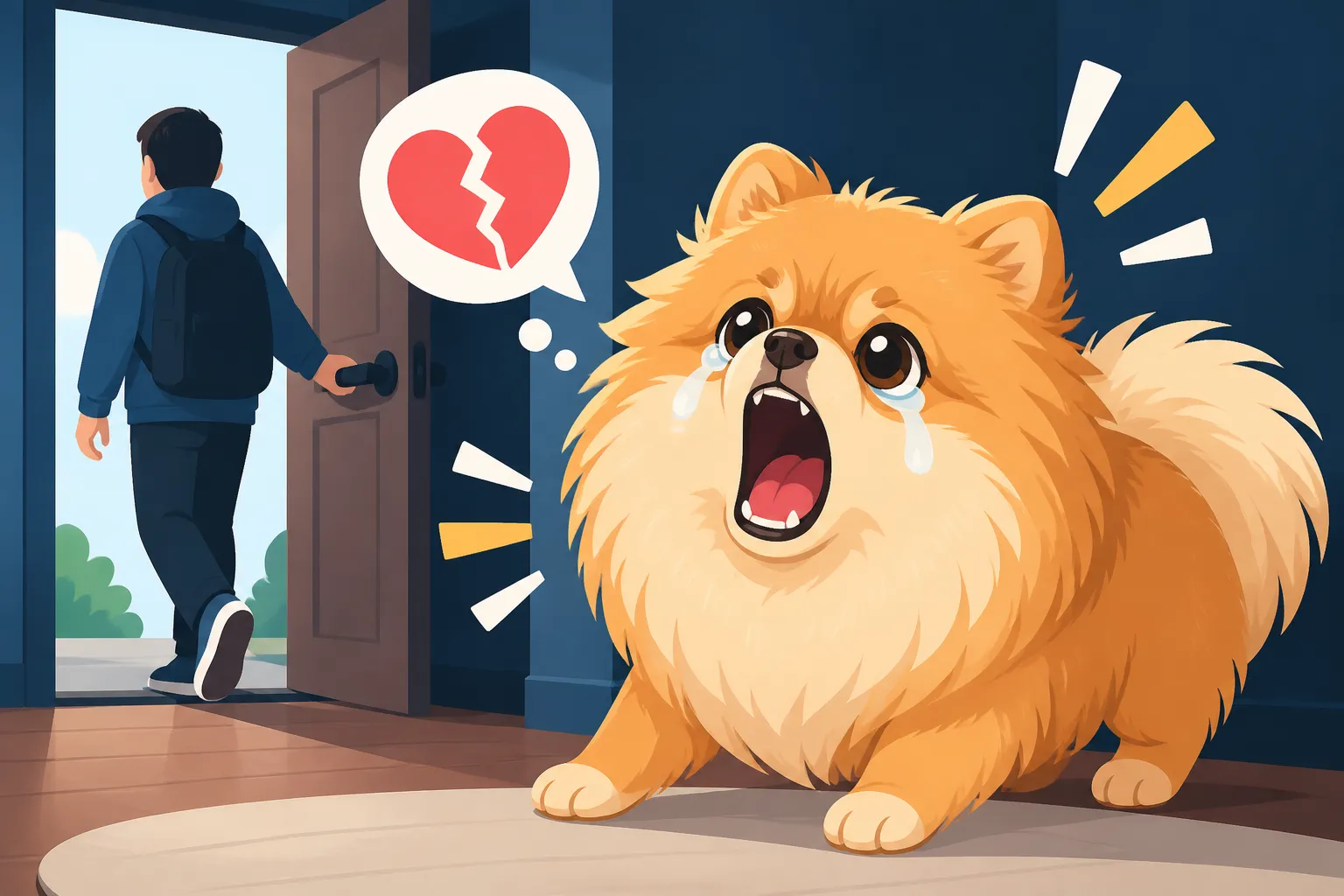
When your tiny Pomeranian transforms into a vocal powerhouse the instant you're out of sight, it’s understandable to feel a mix of frustration, embarrassment, and profound worry. This isn't usually an act of defiance or naughtiness; it's a genuine expression of distress, fear, or profound loneliness. For such a sensitive and companion-oriented breed, being left alone can trigger a primal reaction, and their "scream" is their desperate attempt to call you back. Dismissing it as mere barking or punishing them for it will only escalate their anxiety and erode the vital trust between you. To truly help, we must first learn to interpret their vocalizations.
The Difference Between Whining, Barking, and True Screaming
It's crucial to differentiate between various canine vocalizations. A soft whine might signal mild boredom or a gentle request for attention. Consistent barking can be an alert, a demand, or even a form of play. However, the "scream" associated with separation distress in a Pomeranian is distinct. It’s typically a high-pitched, almost ear-splitting wail, often accompanied by a frantic tone that conveys panic and extreme vulnerability. This isn't a playful yip or a typical "alert" bark; it’s a sound laden with intense emotion, a desperate plea for your return.
Owners often describe it as a sound that sends shivers down their spine, feeling more akin to a child crying than a dog barking. It might be triggered by specific departure cues – the jingle of your keys, the rustle of your jacket, or the click of the front door. This isn't your Pomeranian trying to manipulate you; it's an overwhelming, involuntary reaction to perceived abandonment. Recognizing this distinction is the first vital step, as true screaming indicates a deeper emotional struggle that requires more than simple distraction; it demands a patient, structured approach to behavioral modification.
Why Pomeranians Are Prone to Vocalizations
Pomeranians, with their vibrant personalities and keen intelligence, are naturally quite vocal little dogs. They hail from a lineage of larger Spitz breeds, originally tasked with duties like guarding homes and livestock, where their bark served as an effective alarm system. This inherent predisposition to vocalize, combined with their profound devotion to their human families, makes them particularly susceptible to developing separation-related issues. They thrive on companionship and thrive on being at the center of attention, making prolonged solitude a significant challenge for their sensitive temperaments.
Their diminutive size, while undeniably charming, can also contribute to their vulnerability. Being so small in a vast world often enhances their reliance on their human guardians for a sense of security and protection. This intense attachment, while a beautiful aspect of the breed, can unfortunately morph into extreme anxiety when their primary caregivers disappear. Pomeranians might possess a "big dog" attitude in a small package, and they are certainly not shy about expressing their feelings, which can make their distress even more pronounced. Understanding this blend of historical instinct and strong attachment is key to appreciating why their vocal outbursts can be so intense.
The Emotional Toll on Owners and Neighbors
Living with a Pomeranian who screams the moment you leave is an incredibly taxing experience, impacting everyone involved. For you, the owner, it becomes a constant source of guilt and gnawing anxiety. Every departure is fraught with dread, wondering if your neighbors are enduring another cacophony, or if you'll return to new damage or accidents. Social engagements become complicated, work can be interrupted by worry, and even a quick errand feels like an act of betrayal against your beloved pet. This persistent stress can significantly diminish your quality of life, leaving you feeling exhausted and trapped.
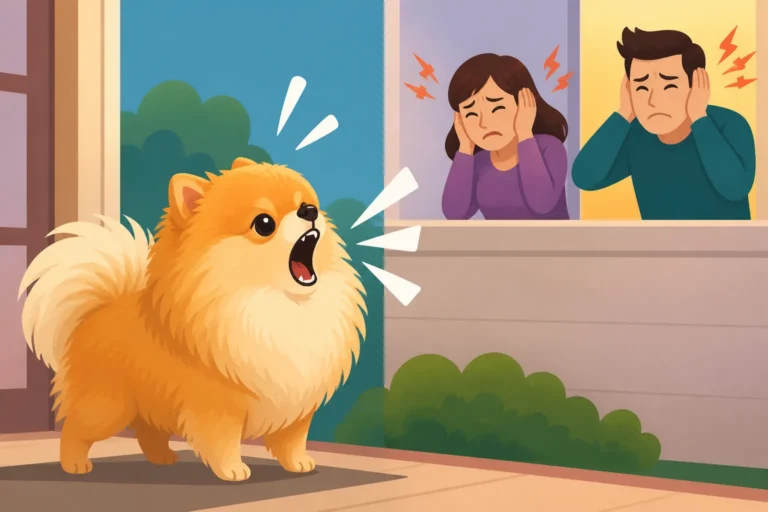
Neighbors, quite understandably, can become deeply frustrated by the relentless noise. The high-pitched, persistent screams of a small dog can carry surprisingly far, often leading to complaints, strained relationships, or even official notices from homeowner associations or landlords. This external pressure only adds to your internal burden, reinforcing the feeling that you're failing to provide a calm home environment for your Pom and those around you. It's a challenging situation that necessitates addressing the root cause not just for your sanity, but for your Pomeranian's well-being and your community harmony.
Identifying the Root Cause: Is It Anxiety or Loneliness?
Before embarking on any training or behavioral intervention, it is absolutely paramount to accurately identify why your Pomeranian is screaming when left alone. Is it genuine, overwhelming panic, or a less severe form of loneliness or a learned behavior? The chosen approach will differ significantly based on this diagnosis. Misinterpreting the cause can lead to ineffective methods, prolonging your Pom's distress and your own frustration. This critical step requires careful observation and an honest assessment of all their behaviors.
Separation Anxiety: The True Panic
True separation anxiety is a clinical behavioral disorder characterized by an extreme, often debilitating, distress response when a dog is separated from its primary attachment figure. It is not simply being "naughty"; it's a full-blown panic attack. A Pomeranian suffering from true separation anxiety will often display a range of symptoms far beyond just screaming, often beginning even before you leave. These behaviors can include frantic pacing, excessive drooling, destructive chewing (especially on escape routes like doorframes or windowsills), frantic attempts to escape their crate or home, or house-soiling, even if they are otherwise perfectly house-trained. These symptoms typically manifest immediately upon your departure and can persist for the entire duration of your absence.
For a severely anxious Pomeranian, the subtle cues of your impending departure – picking up your car keys, putting on your coat – can trigger an immediate visible reaction. They might follow your every move, desperate not to be out of your sight. This isn't just clinginess; it's a profound, incapacitating fear of abandonment, a deeply distressing psychological state that demands immense patience, understanding, and frequently, a structured behavior modification plan, potentially alongside medication. It's a heartbreaking scenario because you know your Pom isn't acting out; they are genuinely terrified. For more in-depth information, you might find Signs a Pomeranian Has Separation Anxiety particularly helpful.
Isolation Distress: Just Being Lonely
Often confused with true separation anxiety, isolation distress presents with distinct differences. A dog experiencing isolation distress doesn't necessarily panic at being alone, but rather at being isolated from any companion – be it human or animal. These dogs might be perfectly content if another family member is home, or if they have another calm pet for company. Their vocalizations typically stem from boredom, a need for social interaction, or simply a strong dislike of solitude rather than full-blown panic. They might scream and bark for a period and then settle down, or their distress might be less intense and not accompanied by the destructive or escape behaviors seen in severe separation anxiety.
For a highly social breed like the Pomeranian, even isolation distress can be deeply upsetting. While not experiencing the sheer terror of separation anxiety, they are unequivocally unhappy and communicating that unhappiness loudly. If your Pom is generally fine when someone is home, or if they eventually calm down after an initial outburst, isolation distress could be the culprit. The positive news is that isolation distress is often more manageable than severe separation anxiety, focusing primarily on providing ample enrichment, building positive associations with alone time, and potentially considering a compatible companion.
Attention-Seeking Behavior: A Learned Response
In some instances, a Pomeranian's screaming might not stem from anxiety or loneliness, but from a learned behavior designed to elicit your attention. If your Pom has discovered that making a loud fuss results in you returning, picking them up, or otherwise engaging with them, they will continue to employ this effective strategy. This pattern can develop quite subtly: you leave, they cry, you, feeling guilty or concerned, return to comfort them, thereby inadvertently reinforcing the idea that vocalizing brings you back.
This type of screaming might even occur when you're simply in another room or preoccupied at home. The Pomeranian might follow you, whining or barking, and if you consistently respond to these demands, they quickly learn that noise is an effective tool. The core strategy here is to steadfastly ignore the attention-seeking behavior and generously reward moments of quiet, calm behavior. This requires considerable resolve, as ignoring your screaming Pom can feel counterintuitive and emotionally challenging. Distinguishing between genuine distress and learned attention-seeking is paramount, as the former requires comforting desensitization, while the latter necessitates selective ignoring and positive reinforcement for calm.
Ruling Out Medical Issues
Before dedicating yourself entirely to behavioral modification, it is always a wise and responsible step to rule out any underlying medical conditions that could be contributing to your Pomeranian's distress or increased vocalizations when left alone. Pain, discomfort, or even the subtle onset of cognitive decline in older Poms can manifest as heightened anxiety and vocal outbursts in your absence. For example, a Pomeranian suffering from dental pain, a urinary tract infection, or the discomfort of Slipping Kneecaps in a Five Pound Pomeranian might vocalize more when stressed or uncomfortable. Similarly, a senior Pom experiencing vision or hearing loss can feel increasingly vulnerable and anxious when their primary caregiver is out of sight, leading to distress.
A comprehensive check-up with your veterinarian is a crucial first step. Be sure to describe all observed symptoms, not just the screaming. Are they pacing more? Has their appetite changed? Are they having accidents more frequently? Any physical changes, no matter how minor, can be relevant. Your vet can conduct a thorough examination, perform necessary diagnostic tests, and rule out medical issues that might be contributing to the problem. Once any health concerns are addressed, you can proceed with behavioral training with greater confidence, knowing you've ensured your Pom's physical well-being.
Preparing for Departure: Setting Your Pomeranian Up for Success
The journey to alleviating your Pomeranian's screaming when you leave doesn't begin the moment you pick up your keys; it starts long before, with thoughtful preparation and the establishment of positive associations with your absence. This proactive approach is fundamental, especially for a breed as sensitive and attached as the Pomeranian. Your goal is to systematically transform the act of your leaving from a terrifying event into a neutral, or even pleasant, part of their routine. This isn't about quick fixes, but about gradually fostering independence and trust, helping them understand that departures are always followed by your loving returns.
Building Independence from Day One
One of the most common, yet often unintentional, mistakes loving Pomeranian owners make is fostering an environment of over-reliance. It's incredibly tempting to carry your tiny, adorable Pom everywhere, to let them sleep curled up right next to you, and to lavish them with constant, undivided attention. While this close bond is incredibly rewarding, it can inadvertently hinder their ability to cope when left alone. From the moment you welcome your Pomeranian into your home, especially if they are a puppy, it's beneficial to actively work on building healthy independence.
This means regularly practicing short, positive periods of separation even when you are present. Encourage them to engage with stimulating toys independently in a separate room, or to settle comfortably in their designated safe space while you are nearby but not directly interacting. Teach them that being alone doesn't equate to abandonment, but rather an opportunity for quiet relaxation or self-play. This gradual exposure helps them internalize the understanding that your physical absence doesn't mean you've disappeared forever. For more guidance on establishing this crucial foundation, explore resources like Building a Pomeranian's Independence.
The Power of Pre-Departure Cues
Pomeranians are highly intelligent and observant animals; they quickly learn to associate specific actions or "cues" with your impending departure. The jingle of your car keys, the sound of your shoes, the grabbing of your bag, or even just turning off the lights can become potent triggers for an anxious Pom, sending them spiraling into distress before you've even stepped out the door. The objective here is to desensitize them to these cues, effectively stripping away their predictive power and neutralizing their anxiety-inducing effect.
Practice your entire departure routine, repeatedly, without ever actually leaving. Pick up your keys, then put them back down. Don your coat, then take it off and settle back on the sofa. Do this multiple times throughout the day, completely randomly and without any fanfare. Your Pomeranian will eventually learn that these actions do not always precede your departure, thus significantly reducing their anticipatory anxiety. When you do genuinely prepare to leave, keep your movements calm, deliberate, and unhurried. Avoid drawn-out, emotional goodbyes, as these only serve to heighten their already rising distress. A simple, quiet departure is far more effective in conveying calm.
Creating a Safe, Inviting Space
Every Pomeranian needs a designated "safe space" – a sanctuary where they feel completely secure and comfortable when you're not around. This could be a comfortable crate, a small, cozy playpen, or a dedicated bed in a quiet corner of a room. The paramount rule is to make this space incredibly appealing and associate it solely with positive experiences. Never, under any circumstances, use this area for punishment or time-outs. Equip it with their favorite, high-value toys, a plush blanket that carries your scent, and perhaps a long-lasting chew or puzzle toy to keep them happily occupied.
Introduce this space gradually and positively. Serve them meals there, offer special treats, and encourage them to take naps in it. The overarching goal is for them to perceive this area as their personal haven, a place where good things happen and where they feel protected, rather than a place of confinement. When you do eventually leave, they should already be comfortable and relaxed within this safe zone, not forced into it while panicking. A sturdy playpen, perhaps one you found on Amazon, can offer a small dog like a Pomeranian ample space to move and stretch while remaining safely contained, which is particularly beneficial when working on Crate Work With a Pomeranian Puppy That Cries.
During Your Absence: Strategies for Coping
With a solid foundation laid in pre-departure preparation, the next critical phase involves actively managing your Pomeranian's experience while you are actually away from home. This multifaceted approach integrates mental stimulation, gradual exposure, and creating a consistently low-stress environment. Remember, unwavering consistency is absolutely vital; Pomeranians, like most dogs, thrive on predictable routines. Every successful, calm departure and uneventful return serves to reinforce the positive lessons you're meticulously teaching.
Enrichment and Distraction Techniques
A Pomeranian who is bored or under-stimulated is far more likely to become anxious and resort to vocalizations. Providing engaging, long-lasting distractions is therefore an essential strategy. Before you even think about stepping out the door, offer your Pom a high-value, durable chew toy or a challenging puzzle toy liberally filled with irresistible treats. Items like lick mats, KONGs generously stuffed with peanut butter or wet food (and perhaps frozen for extended enjoyment), or even a specialized slow feeder bowl can keep their minds and mouths happily busy for a significant duration. The natural act of licking and chewing is inherently calming for dogs, effectively helping to reduce their stress levels.
To prevent boredom and maintain interest, rotate their toys regularly; don't leave out the same items every single day. You might also consider leaving on calming music, a podcast, or a talk radio station. The ambient sound of human voices, even if not yours, can be remarkably comforting and helps to mask sudden external noises that might otherwise trigger barking. Always ensure that any toys or treats left with your Pomeranian are safe for unsupervised use. You can discover a vast array of interactive toys and calming aids through reputable online retailers like Amazon, ensuring your beloved Pom has plenty to occupy their keen mind while you are away.
Monitoring and Gradual Absence Training
The fear of the unknown can be incredibly powerful, affecting both you and your Pomeranian. Investing in a high-quality pet camera offers an invaluable window into your Pom's behavior during your absence. This tool provides crucial insights into precisely when they begin vocalizing, the duration of their distress, and any other behavioral cues they exhibit (such as pacing, panting, or destructive chewing). This objective data is instrumental in fine-tuning your training approach and definitively confirming whether their reaction is rooted in genuine anxiety or is a learned attention-seeking behavior.
Once you have established a baseline, initiate exceptionally short absences. Leave for just one minute, then return before your Pomeranian has a chance to start vocalizing. The fundamental principle is to always return when they are quiet and calm. Gradually, meticulously increase the duration of your absences by mere seconds or small increments at a time. This process, known as desensitization, is inherently slow and demands immense patience and consistency. It systematically teaches your Pom that you always return, and that their calm, settled behavior is consistently rewarded by your reappearance. If, during an absence, they do begin to vocalize, you have likely pushed too far too fast; simply shorten the duration of your next absence. This meticulous method forms the cornerstone of helping a dog like The Pomeranian That Cannot Be Left Alone overcome their distress. For an even more structured approach to building confidence in your absence, online training programs such as BAXTER & Bella can provide detailed guidance.
Establishing a Reliable Schedule
Dogs, especially smaller, more sensitive breeds like Pomeranians, flourish within the predictability and security of a consistent daily routine. A reliable schedule significantly helps to mitigate anxiety because they learn precisely what to anticipate throughout their day. Strive to maintain consistent times for their meals, potty breaks, daily walks, and periods of play or training. When it comes to your departures, endeavor to make them as routine and predictable as possible. While you aim to desensitize them to specific departure cues, having a general, consistent pattern for when you leave and return helps to build their foundational sense of security and trust in the daily rhythm.
For example, if your Pomeranian learns that after their morning walk and breakfast, you typically depart for a specific period, they may begin to anticipate this without the accompanying heightened panic or distress. They learn to implicitly trust the predictable flow of their day. This consistency is also critically important for their physiological needs; a Pomeranian with a full bladder will undoubtedly experience increased stress and vocalize more readily. Always ensure they have had ample opportunity to relieve themselves immediately before you plan to depart. This reliable and structured framework provides an invaluable sense of stability and predictability, two emotional anchors that are profoundly comforting to a dog prone to separation-related anxiety. Consider how maintaining The Routine a Pomeranian Needs Every Day can contribute significantly to their overall emotional well-being.
Returning Home: Neutrality is Key
The moment you re-enter your home after an absence is just as pivotal, if not more so, than your departure. Many owners, overwhelmed by guilt or immense relief, tend to greet their Pomeranian with effusive enthusiasm, dramatic hugs, and excited, high-pitched chatter. While this outpouring of affection feels entirely natural and well-intentioned, it can actually inadvertently exacerbate existing separation issues. By making your return an overly dramatic, high-value event, you inadvertently heighten your dog's intense craving and emotional anticipation of your arrival, creating an even deeper "valley" of despair when you leave again.
Keeping Greetings Low-Key
When you return home, your primary objective should be a calm, understated entry. Resist the urge to immediately engage with your Pomeranian for the first few minutes, even if they are jumping, barking frantically, or screaming excitedly. Avoid direct eye contact, refrain from petting, and don't engage in any excited chatter. Instead, simply walk in, calmly set down your belongings, and proceed with a simple, routine task, such as getting a glass of water or checking your mail. Wait patiently until your Pom has settled down and is quiet before you offer any form of calm, low-key greeting. This teaches them that your return is not a grand, over-the-top celebration, but rather a normal, uneventful part of their day.
This approach effectively reduces the emotional "peak" associated with your arrival, consequently lessening the depth of the "valley" of distress they experience when you depart. The overarching goal is to render both your departures and your arrivals as emotionally neutral and uneventful as possible. It might feel counterintuitive, even a little cold, to initially ignore your adorable, excited Pomeranian, but this disciplined strategy is a profoundly powerful tool in helping them learn to regulate their emotions surrounding your comings and goings. You are subtly teaching them that your presence and absence are not directly contingent upon their frantic emotional state.
Assessing the Situation Objectively
After those initial few minutes of calm, once your Pomeranian has settled and is no longer displaying overt signs of distress, you can then objectively assess how things went during your absence. Take a moment to check for any accidents on the floor, examine furniture for destructive chewing, or look for any other indicators of distress. If you've been using a pet camera, now is the opportune time to review the recorded footage. This calm, objective assessment, performed after your dog has regained their composure, provides invaluable feedback on the effectiveness of your training efforts. If you observe clear signs of significant distress, it suggests that you may need to either backtrack slightly in your training progression, shorten the duration of your future absences, or reinforce positive associations more intensively.
It is absolutely crucial to avoid scolding or punishing your Pomeranian for any accidents or damage that occurred while you were away. They lack the cognitive ability to connect your current anger or disappointment with their past behavior, which took place hours or even minutes ago. Such punishment will only serve to increase their anxiety and foster a deeper fear of you, hindering any progress you've made. Instead, calmly clean up any messes and adjust your training plan accordingly. The information you gather from monitoring is purely for your benefit – to help you understand your Pom's progress, identify areas needing improvement, and refine your strategies with compassion and wisdom. Remember, overcoming separation issues is often a long-term commitment, and every small step, every incremental improvement, contributes to their overall well-being.
Professional Help and Tools: When You Need an Extra Hand
Despite your most dedicated and loving efforts, a Pomeranian's screaming when left alone can sometimes prove to be an incredibly persistent and challenging behavior to manage on your own. There is absolutely no shame in acknowledging this; it simply means it's time to enlist the help of experienced professionals. The good news is that there are many excellent resources available, ranging from expert animal behaviorists to a variety of helpful products, all designed to provide the crucial extra support you and your Pomeranian need to overcome this difficult behavioral issue.
When to Consult a Veterinarian or Behaviorist
If your Pomeranian's distress is severe, involves destructive behaviors that could lead to self-harm (such as frantic chewing at themselves or their crate to escape), excessive drooling, or persistent house-soiling, it is definitely time to seek professional intervention. A veterinary behaviorist, or a veterinarian with a specialized interest and certification in behavior, possesses the expertise to accurately diagnose true separation anxiety. They can then create a comprehensive, tailored treatment plan that may include a combination of behavior modification techniques and, if appropriate, medication to help manage your Pom's underlying anxiety levels. Medications can be a powerful tool, not as a standalone solution, but as an aid to make the behavior modification process less overwhelming and more effective for your dog.
Furthermore, a certified professional dog trainer or a canine behaviorist can offer invaluable hands-on guidance. They can observe your Pomeranian's specific behaviors, identify subtle triggers you might have overlooked, and teach you practical, effective techniques to implement consistently. Their expertise also helps to definitively distinguish between true separation anxiety and other behavioral issues, ensuring that you are employing the most appropriate and effective approach. Do not hesitate to reach out to these professionals; they possess the specialized knowledge and experience to help both you and your beloved Pomeranian navigate this often-complex and emotionally draining challenge.
Beneficial Training Programs
Structured training programs can be extraordinarily beneficial for tackling complex separation-related issues. These programs typically provide step-by-step guidance, breaking down what often feels like an insurmountable problem into manageable, incremental tasks. Online programs, such as those offered by BAXTER & Bella, can be a fantastic resource. They often include comprehensive modules, easy-to-follow video tutorials, and frequently offer direct access to professional trainers who can answer your specific questions and provide personalized advice. These programs consistently emphasize positive reinforcement and gradual desensitization techniques, which are absolutely crucial for sensitive breeds like Pomeranians.
Such programs will expertly guide you through the process of creating positive associations with alone time, systematically teaching your Pomeranian to relax and feel secure in their designated safe space, and slowly but surely increasing the duration of your absences. They equip you with the essential knowledge and practical tools required to consistently apply the correct techniques, which is paramount for achieving sustainable, long-term success. Many of these programs also incorporate foundational obedience training, covering topics like Training Session Length for a Pomeranian and how to effectively build a strong "stay" command, which can indirectly contribute to improving your dog's impulse control and overall confidence, thereby aiding their ability to cope when left alone.
Helpful Products and Aids
The market offers a wide array of products specifically designed to assist dogs in coping with solitude, and many of these can be quite beneficial for Pomeranians. Here are a few to consider, many of which are readily available from online retailers like Amazon:
- Pet Cameras: As previously mentioned, these devices are invaluable for monitoring your Pom's behavior while you're away. Many advanced models feature two-way audio, allowing you to calmly speak to your dog (use sparingly to avoid inadvertently reinforcing vocalization), and some even have treat dispensers that can be operated remotely to reward calm behavior.
- Calming Diffusers and Sprays: Products containing synthetic dog-appeasing pheromones (DAP) can often have a subtle, yet noticeable, calming effect on some dogs. These are available as diffusers that you plug into an electrical outlet or as sprays that can be applied to your Pomeranian's bedding or inside their crate.
- Interactive and Puzzle Toys: Items like KONGs, snuffle mats, various puzzle feeders, and other toys that require mental effort and problem-solving to extract a reward are excellent for keeping your Pomeranian mentally engaged and happily occupied. The mental stimulation helps redirect their focus from your absence.
- Comfort Items: A plush, comfortable bed, a blanket that distinctly carries your scent (an old, unwashed t-shirt can work wonders), or a durable, beloved plush toy can provide a significant sense of security and comfort.
- White Noise Machines or Calming Music: These can be very effective in masking sudden external noises that might otherwise startle or trigger barking, while simultaneously providing a soothing and consistent auditory backdrop that helps your Pom relax.
It's important to remember that no single product is a magical solution on its own. However, when used thoughtfully and consistently in conjunction with a well-structured, positive reinforcement-based training plan, these aids can significantly enhance your Pomeranian's ability to cope with being left alone, ultimately fostering a greater sense of peace and security.
Comparing Types of Separation-Related Distress
Understanding the specific nuances between different forms of separation distress is absolutely fundamental for developing and implementing an effective and humane training plan. This table provides a quick, at-a-glance comparison:
| Feature | Separation Anxiety | Isolation Distress | Attention-Seeking Behavior |
|---|---|---|---|
| Root Cause | Profound panic, deep fear of abandonment by primary attachment figure. | General loneliness, boredom, strong dislike of being without any companion (human or animal). | Learned behavior; dog has discovered that vocalizing or acting out gets owner's attention. |
| Triggers | Specific pre-departure cues (keys, coat), actual departure of primary caregiver. | Absence of any companion in the household. | Owner's presence but lack of direct attention; owner's departure if it consistently brings them back. |
| Vocalizations | Intense, high-pitched screaming, frantic barking, persistent, distressed whining. | Persistent barking, whining, often a "complaining" tone; can sometimes settle down. | Demanding barks, insistent whining, yips; typically stops once attention is received. |
| Other Symptoms | Destructive chewing (especially on exit points), house-soiling, escape attempts, excessive drooling, frantic pacing, self-harm. | Mild destructive chewing, pacing, less severe house-soiling; may not be as intense or continuous. | Following owner around, nudging, pawing for attention, bringing toys. |
| Duration of Distress | Often throughout the entire absence, can start before departure. | Can be intermittent; dog may vocalize then settle; distress level may fluctuate. | Primarily when attention is desired or when owner attempts to ignore them; often stops when owner returns. |
| Key Intervention | Systematic desensitization, counter-conditioning, potentially anti-anxiety medication, professional veterinary behaviorist consultation. | Ample mental and physical enrichment, positive associations with alone time, gradual exposure, considering a compatible companion. | Consistently ignore barking/screaming; lavishly reward quiet, calm behavior; structured, predictable attention schedule. |
Disclaimer
This article is for general informational purposes only and does not constitute professional advice. Laws, prices and regulations vary by location and change over time. Consult a qualified professional for guidance on your specific situation.