Bringing Up a Pomeranian Puppy Its First Year
Bringing home a tiny Pomeranian puppy is one of life's most exciting moments, but it also comes with a lot of questions and sometimes, a bit of overwhelm. Those first twelve months are absolutely crucial for shaping your little fluffball into a confident, well-adjusted adult dog. This comprehensive guide will walk you through every stage of your Pomeranian puppy's first year, from those first tentative steps into your home to navigating adolescence, ensuring you have the tools and understanding to raise a happy, healthy, and well-behaved companion.
The First Weeks Home: Settling In and Establishing Routine
Those first few weeks with a new Pomeranian puppy are a whirlwind of adorable antics, tiny snores, and a fair share of worry. It's a critical period for your puppy to acclimate to its new environment, and for you to lay the groundwork for a lifetime of good habits. The world is suddenly much bigger, louder, and full of new smells for your tiny companion, so patience and a clear plan are your best friends.
Creating a Safe Haven for Your New Puppy
When your Pomeranian puppy first arrives, its whole world has been turned upside down. They’ve left their littermates, their mother, and the only environment they’ve ever known. It’s natural for them to feel a little lost and anxious. Your first priority is to create a secure, comfortable, and predictable space that they can call their own. Think of it as their safe zone, a place where they can retreat and feel protected. This might be a cozy crate in a quiet corner, or a small playpen set up in a main living area where they can still feel part of the family without being overwhelmed. Make sure it's draft-free and away from high-traffic doorways. Crates Sized for a Pomeranian are essential here; a crate that is too large can encourage them to use one end as a potty area. Fill it with a soft blanket or a small dog bed, and a few safe, chew-appropriate toys. Consistency is key from day one; always guide them to this spot for naps and bedtime, making it a positive experience with gentle praise.
Establishing a Feeding and Potty Schedule
Pomeranian puppies, especially the very young ones, have tiny bladders and even tinier stomachs. This means frequent potty breaks and regular meals are non-negotiable. Don't expect them to hold it for long, and certainly don't expect them to let you know they need to go out with a polite tap on the leg! For a puppy under three or four months, a general rule of thumb is to take them out every 1-2 hours while awake, immediately after waking up, after playing, and after eating or drinking. Establish a consistent feeding schedule, typically three to four small meals a day, rather than leaving food out all the time. Feeding a Pomeranian Puppy Often Enough to Stay Safe is important to prevent blood sugar crashes, a common issue in small breeds. Stick to high-quality puppy food specifically formulated for small breeds, as this will have the right nutrient balance and kibble size for their tiny mouths and growing bodies. Consistency with both feeding and potty schedules helps their little bodies regulate and makes house training much smoother.
Early Vet Visit and Health Checks
One of the most important things you’ll do in those first few days is schedule a vet visit. Ideally, this happens within 48-72 hours of bringing your puppy home. This initial check-up isn't just about making sure everything is in working order; it's about establishing a relationship with a veterinarian who understands the unique needs of small breeds like Pomeranians. They’ll perform a thorough physical exam, check for any congenital issues, discuss the vaccination schedule, and set up a deworming and flea/tick prevention plan. This is also your chance to ask any questions you have, no matter how small, about your puppy’s health or development. Bring any health records provided by the breeder, especially regarding initial vaccinations and deworming. This proactive approach ensures your puppy gets off to the healthiest start possible and addresses any potential concerns early on. The Checkup Schedule a Pomeranian Should Keep is vital, especially in their vulnerable first year.
Crucial Socialization: Building a Brave and Friendly Pomeranian
Socialization is arguably one of the most vital aspects of raising a well-adjusted Pomeranian puppy. It's not just about meeting other dogs; it’s about exposing your puppy to a wide variety of sights, sounds, people, and experiences in a positive, controlled way. A well-socialized Pomeranian is confident, less prone to fear-based barking or aggression, and generally a joy to be around. Neglecting socialization can lead to a shy, fearful, or even reactive adult dog, which can be challenging to manage, especially with their natural alert tendencies.
Introducing Your Puppy to New Sights and Sounds
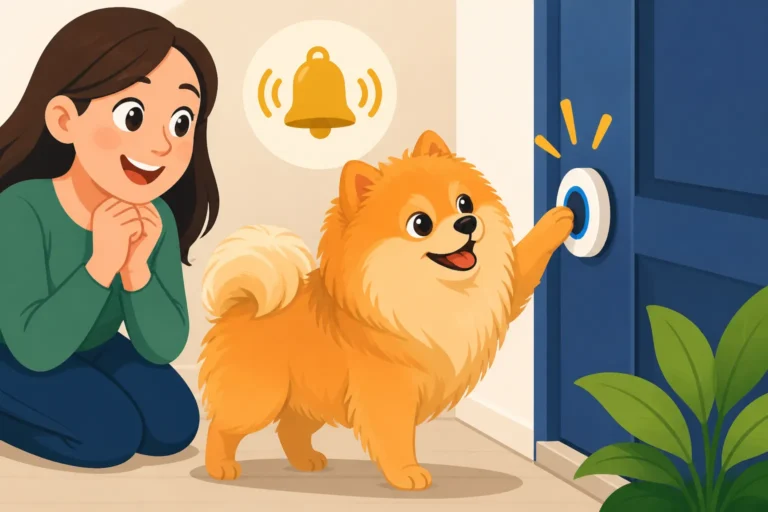
Your home might be the center of your puppy's universe right now, but the big, wide world has so much more to offer – and it can be overwhelming if introduced too quickly. The key is gradual exposure in a positive context. Start with everyday household noises: the vacuum cleaner, the washing machine, the doorbell, children playing. Don't force your puppy to interact; simply let them observe from a safe distance, rewarding calm behavior with treats and praise. Once they're comfortable indoors, slowly introduce them to the outside world. This doesn't mean immediately hitting a busy dog park. Instead, carry your puppy in a sling or a secure Carriers and Slings for a Pomeranian and take them to places where they can observe from a distance: a quiet park bench, outside a coffee shop, or even just sitting in your car with the window cracked. Let them hear traffic, see different people walking by, and smell new scents, all while feeling safe and secure with you. Always aim for short, positive experiences, ending before they show signs of stress.
Positive Encounters with People and Other Dogs
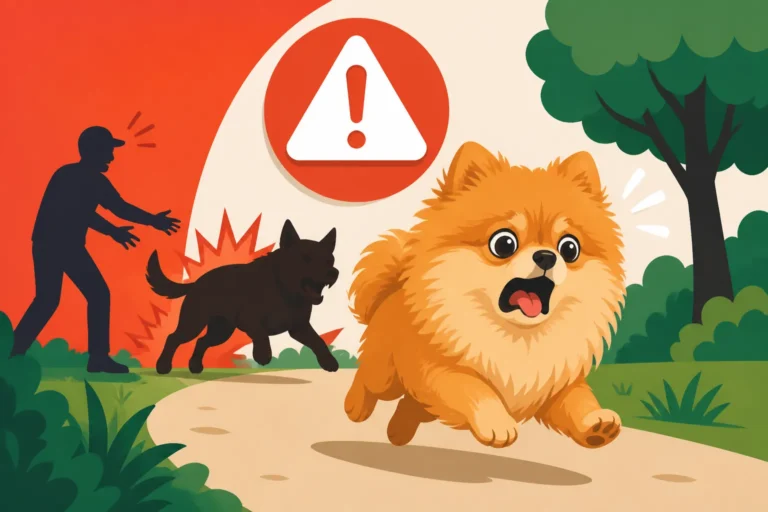
Once your puppy has had their initial vaccinations and your vet gives the all-clear for controlled interactions, it's time to introduce them to a wider social circle. For people, this means inviting friends and family over, especially those with gentle, calm dispositions. Ask them to sit on the floor and let the puppy approach them, offering treats and soft praise. Avoid having too many people at once, which can be overstimulating. For other dogs, seek out vaccinated, calm, and friendly adult dogs who are known to be good with puppies. Puppy classes are an excellent way to facilitate these interactions in a structured and safe environment. This controlled exposure helps your Pomeranian learn appropriate play behavior and prevents them from becoming fearful or overly aggressive towards other canines. Remember, quality over quantity: a few positive, brief interactions are far more beneficial than one overwhelming or negative experience. Brands like BAXTER & Bella offer online puppy training programs that emphasize positive socialization techniques, providing structured guidance for these crucial interactions. Socializing a Pomeranian Before Its Shots Finish is a balance, and caution is needed.
Managing Puppy Fear Periods
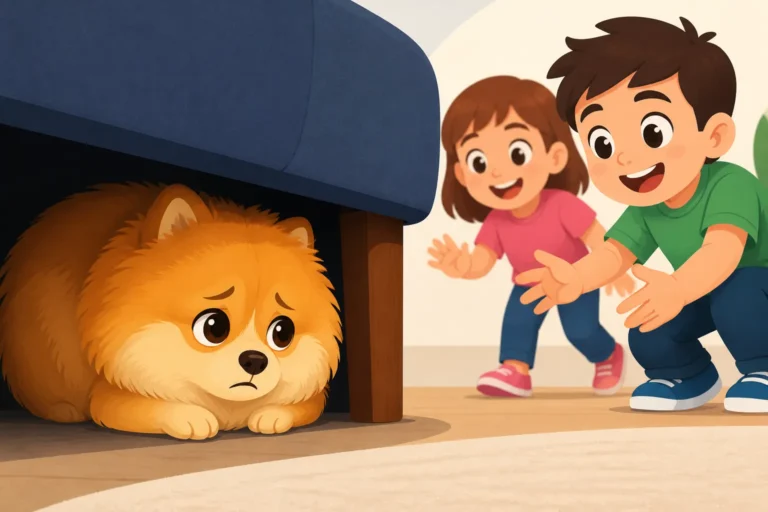
Pomeranian puppies, like all dogs, go through natural fear periods during their development. These are specific times when they are more susceptible to developing fears or phobias if they have a negative experience. The first general fear period usually occurs around 8-11 weeks of age, and another can pop up between 6-14 months, coinciding with adolescence. During these times, even something seemingly harmless like a new trash can on the street or a loud truck passing by can trigger an intense fear response. It’s important not to force your puppy to confront whatever is scaring them. Instead, remain calm, act as their secure base, and gently guide them away or distract them with a high-value treat. Your calm demeanor will teach them that there’s nothing to truly fear. Never punish them for being scared. Positive reinforcement is key here, helping them associate new or potentially scary things with good outcomes. Understanding and gently navigating these periods can prevent long-lasting anxieties.
Mastering Potty Training and Crate Confidence
Potty training a Pomeranian puppy can feel like an endless battle, especially given their small size and ability to quickly find a hidden corner. Patience, consistency, and a positive attitude are your secret weapons. Simultaneously, crate training is an invaluable tool, providing a safe den for your puppy and aiding significantly in housebreaking efforts.
Consistent Outdoor Potty Breaks and Rewards
The cornerstone of successful potty training is a consistent schedule. As mentioned, young puppies need to go out frequently. Take your Pomeranian puppy outside to the designated potty spot every time they wake up, after eating or drinking, after playing, and before bedtime. Use a specific phrase like "potty time" or "go pee-pee" every single time you take them out. When they go, lavish them with immediate praise and a high-value treat. The timing is crucial – the reward needs to happen within seconds of them finishing their business, so they associate the action with the treat. Avoid making a big fuss if they don’t go; simply bring them back inside and try again in 10-15 minutes. How Many Weeks House Training a Pomeranian Takes varies, but consistency dramatically shortens the process. In between scheduled breaks, keep a close eye on your puppy for signs they need to go: sniffing around, circling, or suddenly becoming distracted.
Making the Crate a Safe, Happy Place
The crate should never be used as a punishment. Instead, it should be your Pomeranian's private den, a comfortable and secure place where they feel safe and can relax. Start by making the crate inviting with soft bedding and a few favorite toys. Feed them meals inside the crate with the door open. Gradually increase the time they spend in the crate, always keeping it positive. Start with just a few minutes, then close the door for a short period, building up to longer durations. Give them a special, long-lasting chew toy or a treat-filled toy when they go in, helping them associate the crate with good things. Crate Work With a Pomeranian Puppy That Cries requires a delicate touch; ensure all needs are met before leaving them, then gradually extend the time they are alone. Over time, your Pomeranian should willingly enter their crate, viewing it as their own cozy sanctuary. This not only aids in house training (dogs are naturally disinclined to soil their sleeping area) but also provides a safe space when you can't supervise them directly.
Dealing with Accidents and Setbacks
Let's be realistic: accidents will happen. Especially with tiny Pomeranian puppies, whose bladders are so small, a moment of distraction can lead to a puddle. The most important thing is how you react. If you catch your puppy in the act, calmly interrupt them with a gentle "no," immediately pick them up, and take them outside to their potty spot. When they finish outside, praise and reward. If you discover an accident after the fact, do not scold or punish your puppy. They won't understand why they're being reprimanded for something that happened minutes or hours ago, and it can actually make them fear you or become more secretive about pottying. Simply clean it up thoroughly with an enzymatic cleaner (like Nature's Miracle, available on Amazon) to remove all traces of odor, which can attract them back to the same spot. Every accident is a learning opportunity for you to refine your supervision or schedule. Review your routine, take them out more often, and ensure you're rewarding successful outdoor trips consistently. A House Trained Pomeranian That Starts Having Accidents might signal a medical issue or a regression that needs gentle retraining.
Navigating Nipping, Chewing, and Puppy Energy
Pomeranian puppies are bundles of fluffy energy, and like all puppies, they explore the world with their mouths. Those tiny, sharp puppy teeth can feel like needles when they connect with your skin, and their chewing can quickly destroy household items. It’s crucial to teach them appropriate outlets for these natural behaviors from a young age.
Managing Those Sharp Puppy Teeth
Pomeranian puppies, with their small size, still pack a punch with their needle-sharp puppy teeth. They nip and bite as a natural part of play and exploration, learning bite inhibition from their littermates. When a puppy bites too hard, a littermate will yelp, teaching them to soften their bite. You need to mimic this. If your puppy nips you too hard, let out a sharp "ouch!" or "yip!" and immediately withdraw attention. Stop playing, stand up, and turn your back for 10-20 seconds. This teaches them that hard biting ends the fun. Once they learn to inhibit their bite, you can start working on redirecting all mouthing to appropriate chew toys. Always have a variety of safe, durable chew toys readily available. The Sharp Puppy Teeth a Pomeranian Uses on You are temporary, but the lessons you teach now will last a lifetime. Consistency among all family members is vital for this to be effective.
Providing Appropriate Chew Outlets
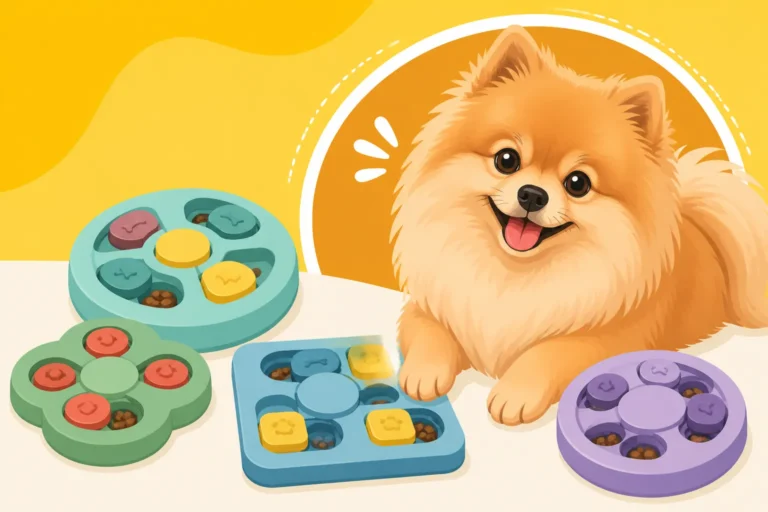
Chewing is a perfectly normal and necessary puppy behavior. It helps relieve teething discomfort, strengthens their jaws, and provides mental stimulation. The goal isn't to stop chewing, but to redirect it to appropriate items. Invest in a good selection of safe chew toys suitable for a small breed like a Pomeranian. These could include rubber toys (like Kongs, which can be stuffed with peanut butter or yogurt and frozen for extended engagement), dental chews (always size-appropriate), or puzzle toys. Rotate these toys to keep them interesting. When you see your puppy chewing on something inappropriate (like your furniture or shoes), gently redirect them to an approved chew toy and praise them when they take it. Supervise your puppy, especially during teething periods, to prevent them from chewing on dangerous items like electrical cords. A range of suitable chew toys can be easily found on Amazon.
Channeling Pomeranian Puppy Energy
Despite their small size, Pomeranians are energetic dogs with lively, curious minds. They need outlets for both physical and mental energy. Don't underestimate their need for play and exercise, even if it's just short bursts. Daily walks (once fully vaccinated), even short ones, are excellent for sniffing new scents and experiencing the world. Indoor play sessions with toys like small balls, flirt poles, or interactive puzzle toys can be incredibly stimulating. Training sessions, even just 5-10 minutes a few times a day, provide crucial mental exercise. Pomeranians are intelligent and eager to learn, so harnessing that brainpower is key. Games That Tire a Pomeranian Indoors can include hide-and-seek with treats or toys, or practicing new tricks. A bored Pomeranian is often a mischievous Pomeranian, so providing engaging activities will help prevent destructive behaviors born from pent-up energy.
Laying the Foundation for Good Manners and Obedience
Training a Pomeranian is not just about teaching tricks; it’s about establishing clear communication, building a strong bond, and instilling good manners that make them a polite and enjoyable member of society. Starting early, with positive reinforcement, is the most effective approach for these intelligent little dogs.
Starting with Basic Commands
The first year is the perfect time to introduce fundamental obedience commands like "sit," "stay," "come," "down," and "leave it." These commands are not just party tricks; they are crucial for your Pomeranian's safety and your ability to manage them in various situations. Keep training sessions short, fun, and positive, ideally 5-10 minutes a few times a day to match their attention span. Use high-value treats (tiny pieces of cooked chicken or cheese work wonders for Poms!) and enthusiastic praise. Brands like BAXTER & Bella offer comprehensive online puppy training programs that guide you step-by-step through these essential commands, focusing on positive reinforcement techniques. Celebrate every success, no matter how small. Consistency is key, with all family members using the same commands and reward system. Training Session Length for a Pomeranian should always be respectful of their small size and easily distracted nature.
Walking Nicely on a Harness and Leash
Walking on a leash might seem straightforward, but for a tiny Pomeranian, it's a skill that needs to be taught patiently. Given their delicate tracheas, a harness is always recommended over a collar for walks. Harnesses Fitted for a Pomeranian's Windpipe distribute pressure across their chest and shoulders, protecting their throat. Start by getting your puppy comfortable wearing the harness indoors for short periods, rewarding them with treats. Once they're okay with the harness, attach a lightweight leash and let them drag it around under supervision. Then, practice walking around the house, encouraging them with treats to walk beside you, rather than pulling. Gradually move these sessions outdoors to a quiet area. If they pull, stop walking until the leash loosens, then reward them when they walk nicely by your side. A loose leash walk is a calm and enjoyable experience for both of you.
Building a Reliable Recall
A reliable "come" command, or recall, is perhaps one of the most important safety commands you can teach your Pomeranian. Given their curiosity and speed, a strong recall can literally save their life if they accidentally slip out the door or get off-leash in an unsafe area. Start teaching recall in a quiet, enclosed space, like your living room or a fenced yard. Get down to their level, enthusiastically call their name followed by "come," and when they move towards you, make it a huge celebration with lots of praise, exciting play, and high-value treats. Never use recall to scold or punish them, or they will learn to avoid coming to you. Gradually increase distractions as their recall improves. Practice frequently and consistently, always making coming to you the most rewarding thing they can do. Remember, Whether a Pomeranian's Recall Can Be Trusted largely depends on the consistent training you put in during their first year.
Establishing a Positive Grooming Routine Early On
Pomeranians are renowned for their magnificent double coats, which require regular grooming to stay healthy and beautiful. Establishing a positive grooming routine from a young age is crucial, not just for their coat, but for their overall well-being and comfort during necessary procedures throughout their lives. Fighting a squirming, stressed adult Pomeranian during a brush-out or nail trim is no fun for anyone.
Making Brushing a Daily Joy
A Pomeranian's thick double coat needs consistent attention to prevent mats and tangles. Working a Pomeranian's Coat in Sections to the Skin is the proper technique, ensuring you get down to the undercoat and prevent painful matting close to the skin. Start introducing the brush in short, positive sessions when your puppy is very young. Use a soft slicker brush or a pin brush suitable for their delicate skin. Let them sniff the brush, then gently brush a small section, immediately following with a treat and praise. Keep it brief and positive. As they get used to it, gradually increase the duration and the areas you brush. Focus on making it a pleasant experience, associated with positive rewards. You can find quality brushes and combs, like a small slicker brush and a metal greyhound comb, on Amazon, essential tools for a Pomeranian's coat.
Getting Used to Nail Trims and Paw Handling
Many dogs dread nail trims, often because they weren't introduced to paw handling and clippers positively as puppies. Start early by gently touching and handling your Pomeranian puppy's paws frequently, praising and giving treats. Make it a normal, everyday occurrence. Once they're comfortable with their paws being handled, introduce the nail clippers. Let them sniff the clippers, then just touch a clipper to a nail without actually clipping, followed by a treat. Gradually work up to clipping just one nail, then two, and so on. Go slowly and patiently. If you accidentally "quick" them (cut into the sensitive pink part of the nail), it can be painful and set back your progress, so err on the side of caution. Teaching a Pomeranian to Accept Nail Trims is a marathon, not a sprint, and patience will pay off in the long run.
Stress-Free Bath Times
While Pomeranians don't need frequent baths, they do need them occasionally, especially if they get into something messy or for regular maintenance. The goal is to make bath time a calm, rather than terrifying, experience. Start by getting your puppy used to the sound of running water and the feeling of being in the tub (a kitchen sink often works best for small pups). Don't turn on the faucet full blast. Use lukewarm water and a small breed puppy shampoo. Lather gently, avoiding their eyes and ears. Rinse thoroughly, as leftover shampoo can irritate their skin. Wrap them in a towel and follow up with gentle blow-drying on a low, cool setting, especially important for drying their dense double coat completely to prevent skin issues. Just like brushing, treats and praise throughout the process will help create positive associations. Washing a Pomeranian in a Kitchen Sink is a common and practical method for their size.
Essential Health Care and Preventing Common Puppy Issues
The first year of a Pomeranian's life is a period of rapid growth and development, but it's also when they are most vulnerable to certain health issues. Proactive veterinary care and attentive observation are paramount to ensuring your puppy thrives.
Vaccinations, Parasite Prevention, and Regular Vet Visits
Your veterinarian will outline a vaccination schedule tailored to your puppy's age and local risks. These vaccinations protect against common and often deadly diseases like distemper, parvovirus, and rabies. It's crucial to complete the entire series before exposing your puppy to high-risk areas like dog parks. Along with vaccinations, your vet will discuss parasite prevention, including deworming and year-round protection against fleas, ticks, and heartworm. These preventative measures are vital for your puppy's health and can be found at your vet's office or through online pet pharmacies on Amazon. Regular vet visits aren't just for emergencies; they allow your vet to monitor your puppy's growth, address any emerging concerns, and provide personalized advice on nutrition, training, and overall care. The Checkup Schedule a Pomeranian Should Keep is more frequent in puppyhood and crucial for early detection of issues.
Recognizing and Preventing Hypoglycemia
Pomeranian puppies, especially those on the smaller side or those under four months, are prone to hypoglycemia (low blood sugar). This is because their tiny bodies don't store glycogen effectively, and they burn through energy reserves quickly. Symptoms can include lethargy, weakness, wobbliness, confusion, shivering, and in severe cases, seizures or collapse. Preventing hypoglycemia is all about consistent feeding. How Often a Pomeranian Puppy Needs to Eat is typically three to four small meals a day, and sometimes a small snack before bed. If your puppy is refusing food or experiencing stress, keep a close eye on them. If you suspect hypoglycemia, immediate action is crucial. Rub a small amount of honey or corn syrup on their gums and contact your vet immediately. Many Pomeranian owners keep a small tube of Nutri-Cal or similar high-calorie supplement on hand for emergencies.
Caring for Puppy Teeth and Retained Canines
Pomeranian puppies, like all puppies, are born without teeth and start developing their needle-sharp deciduous (baby) teeth around 3-4 weeks of age. These baby teeth will eventually fall out, making way for their adult teeth between 4-7 months. However, due to their small jaws, Pomeranians are particularly prone to retained deciduous teeth, especially the canine teeth. If a baby tooth doesn't fall out when the adult tooth erupts, it can cause overcrowding, misalignments, and trap food, leading to early dental disease. Your vet will check for retained teeth during their regular exams. If present, they may recommend extraction when your puppy is spayed or neutered. Starting a routine of Brushing a Pomeranian's Teeth Every Day is important even in puppyhood, as dental health is a lifelong concern for this breed. Regular home care can prevent more serious issues down the line.
The Adolescent Pomeranian: Growth, Coat Changes, and Behavior Shifts
Just when you think you’ve got this puppy thing figured out, your Pomeranian enters adolescence – often referred to as the "teenage" phase. This period, typically from around 6 months to a year or even 18 months, brings a whole new set of changes, from dramatic coat transformations to shifts in behavior and independence.
Understanding the "Puppy Uglies" and Coat Blow
Perhaps the most visually striking change during adolescence for a Pomeranian is what breeders lovingly call the "puppy uglies" or "coat blow." This is when your adorable, fluffy puppy coat begins to shed out, making way for the dense, stand-off adult double coat. It usually starts around 4-6 months of age and can last for several months. Your puppy might look patchy, scraggly, and a little less glamorous during this time. Don't worry, it's a completely normal phase! During the coat blow, increased brushing is essential to help remove the shedding puppy fur and prevent matting. The Weeks a Pomeranian Blows Its Coat can feel like forever, but patience and consistent grooming will help their adult coat come in beautifully. Many new owners are surprised by this phase, often thinking something is wrong with their puppy’s coat. Rest assured, your beautiful adult Pomeranian coat will emerge!
Dealing with Adolescent Stubbornness and Independence
Just like human teenagers, adolescent Pomeranians can test boundaries. The sweet, compliant puppy you brought home might suddenly seem a bit more stubborn, selectively deaf when you call, or pushy. This isn't necessarily defiance; it's a natural stage where they're exploring their independence and trying to figure out where they stand in the family hierarchy. It's crucial to remain consistent with your training and expectations during this time. Don't slack off on rules or boundaries. Continue short, positive training sessions, reinforcing all the commands you've already taught. You might find yourself needing to re-motivate them with higher-value treats or more engaging play. This phase requires extra patience and understanding, but it’s a vital step in solidifying their training and shaping them into a well-behaved adult. The Pomeranian That Turns Selectively Deaf at One is a common frustration, but consistent practice can overcome it.
Continuing Training Through Maturity
Adolescence is not the time to stop training; it's the time to double down. Reinforce basic commands and consider enrolling in an intermediate obedience class or exploring new activities like trick training or even beginner agility (sized for tiny dogs!). Continuing mental stimulation is just as important as physical exercise for a smart breed like the Pomeranian. Keeping their minds engaged can prevent boredom-related behavioral issues and strengthen your bond. Work on proofing commands in increasingly distracting environments. For example, practicing "come" at the park, not just in your living room. The skills and habits you reinforce during this adolescent period will be the foundation for their adult behavior. Investing in continued education, perhaps with an online program like BAXTER & Bella, can provide structure and new ideas for keeping your maturing Pomeranian engaged and well-behaved.
| Age Range | Key Developmental Milestones | Common Challenges | Care Focus |
|---|---|---|---|
| 8-12 Weeks | Settling into new home, basic house training starts, early socialization, initial vet checks and vaccines. | Separation anxiety, nipping, potty accidents, fear period. | Consistent routine, positive reinforcement, safe exploration, frequent potty breaks. |
| 3-6 Months | Teething, improved bladder control, puppy uglies begin, basic obedience commands, continued socialization. | Chewing on inappropriate items, continued nipping, adolescent stubbornness. | Provide chew toys, reinforce training, daily brushing, gentle handling for grooming. |
| 7-12 Months | Adult coat developing, increased independence, sexual maturity (if not spayed/neutered), solidifying manners. | Selective deafness, testing boundaries, fear period (secondary), continued grooming needs. | Maintain consistent training, advanced commands, regular grooming, vet for spay/neuter discussion. |
Disclaimer
This article is for general informational purposes only and does not constitute professional advice. Laws, prices and regulations vary by location and change over time. Consult a qualified professional for guidance on your specific situation.