Knee Surgery Prices for a Pomeranian
Few things are more heartbreaking than watching your sweet Pomeranian take a hesitant step, a sudden skip, or even hold up a back leg completely. That worry instantly floods your mind: Is it their knee? Is it patellar luxation? Will they need surgery? And if so, what on earth will that cost? It’s a natural and valid concern, given that knee issues are sadly common in our small, active companions. This guide is here to walk you through the various aspects that influence the cost of knee surgery for a Pomeranian, from understanding the condition itself to exploring financial options and what to expect during recovery.
Understanding Patellar Luxation in Pomeranians
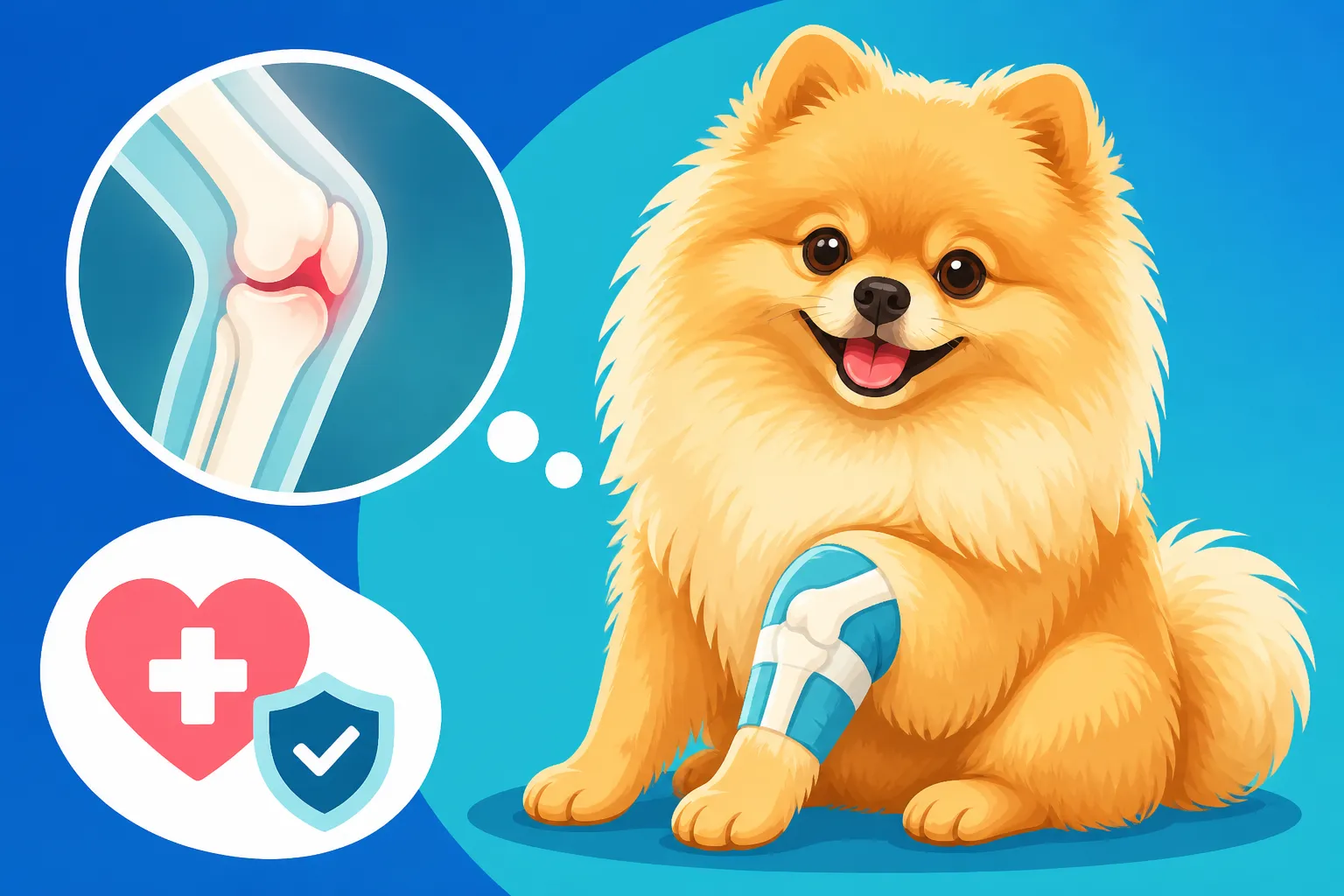
Before we dive into the nitty-gritty of costs, it’s really important to understand what we’re dealing with when it comes to Pomeranian knees. Patellar luxation, often called a "slipped kneecap," is one of the most prevalent orthopedic issues in small breeds like ours. It's not just a minor inconvenience; it can cause discomfort, pain, and eventually lead to more severe arthritic changes if left unaddressed.
What is Patellar Luxation?
Imagine your Pomeranian's kneecap, or patella, sitting snugly in a groove at the end of their thigh bone, the femur. This groove is called the trochlear groove. When a Pomeranian has patellar luxation, that kneecap periodically slips out of its rightful place. Most often, it slips to the inside (medial luxation), but sometimes it can slip to the outside (lateral luxation). This popping out and in can cause a temporary lameness, a skip, or even leave your dog holding their leg up.
The condition is graded on a scale from 1 to 4. A Grade 1 luxation means the kneecap can be manually luxated but pops back into place on its own, often with minimal clinical signs. A Grade 4 is the most severe, where the kneecap is permanently out of the groove and cannot be manually put back, leading to significant lameness and abnormal gait. Pomeranians, unfortunately, are genetically predisposed to this condition, with many puppies showing signs early on or developing them as they mature. This isn't something you caused; it's often something they're born with a predisposition for. You can learn more about how severe the problem is by reading about Grading Patellar Luxation in a Pomeranian.
Recognizing the Signs and Diagnosis
You're probably already watching your Pom like a hawk, especially if you've noticed something off. The classic sign of patellar luxation is the "Pomeranian skip," where they run for a few steps, then suddenly pick up one hind leg for a step or two, then put it back down and carry on as if nothing happened. This is often when the kneecap has slipped out and then popped back in. As the condition progresses, you might see more consistent lameness, reluctance to jump, or even signs of pain when their leg is touched. Some Poms might even bunny hop, using both hind legs together to minimize stress on the affected knee.
If you suspect something is wrong, a visit to your veterinarian is the first crucial step. Your vet will perform a thorough orthopedic examination, manipulating your Pomeranian's knee to feel for the patella slipping. They'll also likely recommend X-rays to assess the bony structures of the knee, look for any signs of arthritis, and evaluate the depth of the trochlear groove. This diagnostic process is vital not only for confirming the luxation but also for ruling out other potential causes of lameness, such as a cranial cruciate ligament tear, which can sometimes occur alongside luxating patellas. Early diagnosis helps you understand The Skip in a Pomeranian's Back Leg and begin thinking about management options sooner.
Factors Influencing the Cost of Knee Surgery
When it comes to knee surgery for your Pomeranian, there isn't one flat price tag. The total cost is a mosaic of many different factors, each contributing to the overall financial picture. Understanding these variables can help you prepare for the potential expenses involved.
Geographic Location and Clinic Type
Just like human medical care, veterinary costs can vary significantly depending on where you live. Veterinary clinics in major metropolitan areas, for example, often have higher overheads for rent, staff salaries, and specialized equipment, which naturally translates to higher prices for procedures. A clinic in a rural or suburban area might offer a more moderate price range for the same surgery.
Beyond location, the type of clinic matters a great deal. A general practice veterinary clinic might be able to perform less complex luxation repairs, especially for lower-grade cases. However, for more advanced luxations (Grade 3 or 4), or if your Pomeranian has other complicating health factors, your vet might recommend referral to a board-certified veterinary orthopedic surgeon. These specialists operate in referral hospitals or specialty clinics, which typically have advanced equipment, a dedicated surgical team, and specialized expertise, all of which come at a premium compared to a general practice. This specialized care is often invaluable, but it’s an important cost factor to consider.
Severity of Luxation and Surgical Complexity
The grade of your Pomeranian's patellar luxation directly impacts the complexity of the surgery required, and thus, the cost. A Grade 1 or 2 luxation might only require one or two surgical techniques, such as deepening the trochlear groove (trochleoplasty) or tightening the joint capsule. However, a Grade 3 or 4 luxation often necessitates a combination of techniques, which could include:
- Trochleoplasty: Deepening the groove where the kneecap sits.
- Tibial Tuberosity Transposition: Moving the bony prominence where the patellar ligament attaches on the shin bone (tibia) to realign the kneecap.
- Lateral Imbrication/Medial Release: Tightening or loosening the tissues around the joint to encourage proper alignment.
- Osteotomy: In very severe cases, bone cuts might be needed to correct angular limb deformities that contribute to the luxation.
Each additional technique, the time spent in surgery, and the skill required to perform these delicate procedures on a tiny Pomeranian knee will influence the overall bill. Furthermore, if your Pomeranian has luxation in both knees (bilateral luxation), and both require surgery, the costs will essentially double, though sometimes a slight discount might be applied if done at the same time or sequentially within a short period. This is a big decision, especially if you're weighing Whether a Pomeranian's Kneecap Needs Surgery.
Anesthesia and Monitoring
Anesthesia is never a 'set it and forget it' situation, especially not for a tiny Pomeranian. Their small size makes them more vulnerable to anesthetic complications, and robust monitoring is absolutely essential. The cost of anesthesia includes the drugs used, but significantly, it also covers the highly trained veterinary technicians who monitor your dog's vital signs meticulously throughout the entire procedure. This monitoring includes heart rate, respiratory rate, blood pressure, oxygen saturation, and body temperature.
Many specialty clinics will have a dedicated veterinary anesthetist or a certified veterinary technician with advanced training in anesthesia who is solely focused on your Pomeranian's safety during the operation. This level of personalized, constant supervision is crucial for minimizing risks, particularly for small breeds, but it adds to the overall cost. The peace of mind knowing your little one is being watched so closely is truly invaluable. You might want to consider the overall Anesthesia Risk in a Four Pound Pomeranian when evaluating clinics and their safety protocols.
Breaking Down the Surgical Bill
Understanding the total cost of your Pomeranian’s knee surgery means looking beyond just the surgeon's fee. There are several distinct components that contribute to the final bill, each playing a critical role in the success and safety of the procedure.
Pre-Operative Assessments
Before your Pomeranian even steps paw into the operating room, a series of important pre-operative assessments are conducted. These are not optional extras; they are vital for ensuring your dog is healthy enough for anesthesia and surgery, and for providing the surgical team with a comprehensive picture of their condition. Typically, these assessments include:
- Comprehensive Physical Exam: A thorough check of your Pom's overall health, including heart and lung sounds, weight, and general demeanor.
- Bloodwork: A full panel of blood tests, including a complete blood count (CBC) and a chemistry panel, assesses organ function, red and white blood cell counts, and ensures there are no underlying issues that could complicate anesthesia or recovery. This helps detect issues with kidneys, liver, or potential infections.
- X-rays: Beyond the initial diagnostic X-rays of the knee, additional radiographs, sometimes of the hips or even chest, may be taken. These are crucial for surgical planning, assessing joint angles, and ensuring there are no hidden issues that could impact the outcome.
- Cardiac Screen: For some Pomeranians, especially if a heart murmur has ever been detected or if they are older, a cardiac screen (which might include an ECG or even an echocardiogram) may be recommended to assess heart health and minimize anesthetic risk. This is a common precaution given the predisposition to heart issues in small breeds. These preparatory steps, like those for What Bloodwork Adds Before a Pomeranian Dental, are foundational to a safe surgery.
The Surgical Procedure Itself
This is often the largest single component of the bill and encompasses everything directly related to the operation. It includes:
- Surgeon's Fee: This covers the specialized expertise of the veterinary surgeon performing the intricate repair. For an orthopedic specialist, this fee will reflect their extensive training and experience.
- Operating Room Use: The cost of using the sterile operating suite, including all the specialized instruments, drapes, and supplies needed for a sterile surgical environment.
- Surgical Implants/Materials: Depending on the specific techniques used, this could include small pins, wires, or sutures designed to hold bones in place or stabilize the joint. These materials are often specialized for tiny patients.
- Anesthetic Monitoring and Support: As mentioned before, the cost associated with the anesthetic drugs, equipment, and the dedicated personnel who monitor your Pomeranian throughout the procedure.
It's important to remember that these aren't just costs for 'stuff'; they reflect the highly skilled team, the state-of-the-art facility, and the commitment to giving your Pomeranian the best possible outcome. Each step is meticulously planned and executed because of the delicate nature of operating on such a small breed.
Hospitalization and Medication
After surgery, your Pomeranian will need to recover in the veterinary hospital for a period, typically one to three days, depending on the complexity of the surgery and their individual recovery. This hospitalization period is vital for several reasons:
- Pain Management: The veterinary team will provide a tailored pain management plan, often involving injectable pain medications, anti-inflammatory drugs, and sometimes nerve blocks. This keeps your Pomeranian comfortable during the initial, most painful recovery phase.
- Post-Operative Monitoring: Staff will closely monitor your Pom for any signs of complications, such as excessive swelling, bleeding, or issues with the incision. They'll also ensure they're eating, drinking, and eliminating appropriately.
- Intravenous Fluids: Many Poms receive IV fluids during and after surgery to maintain hydration and support organ function.
- Medications to Go Home With: When your Pomeranian is discharged, you'll be sent home with a supply of oral pain medications, anti-inflammatories, and sometimes antibiotics. The cost of these medications, often prescribed for several weeks, is part of the overall surgical expense.
This period of supervised recovery is crucial for getting ahead of potential complications and ensuring a smooth transition to home care. A good table can illustrate the typical stages and associated cost components:
| Stage of Care | Typical Components Included |
|---|---|
| Pre-Operative | Consultations, physical exams, bloodwork, diagnostic X-rays, cardiac screen (if needed) |
| Surgical Procedure | Anesthesia, surgeon's fee, operating room, surgical materials/implants, dedicated monitoring |
| Post-Operative (Initial) | Hospitalization, injectable pain medication, IV fluids, wound care |
| Post-Operative (Home) | Oral medications (pain, anti-inflammatory, antibiotics), E-collar |
| Rehabilitation | Follow-up exams, physical therapy sessions (hydrotherapy, laser), mobility aids, supplements |
Post-Operative Care and Rehabilitation Expenses
The journey doesn't end when your Pomeranian comes home from surgery. In fact, the post-operative care and rehabilitation phase are just as critical to a successful outcome as the surgery itself. These ongoing expenses are a significant part of the total investment in your Pom's recovery and future mobility.
Medication and Follow-Up Visits
Upon discharge, your Pomeranian will likely come home with a regimen of oral medications. These typically include pain relievers, anti-inflammatory drugs to reduce swelling, and sometimes antibiotics to prevent infection. Depending on the specific drugs and duration of treatment, these prescriptions will be an ongoing cost for several weeks. It's vital to administer these exactly as prescribed to ensure your Pom's comfort and healing.
Beyond medication, a series of follow-up veterinary visits will be scheduled. These appointments are essential for monitoring the incision site, checking the knee's stability, and ensuring the healing process is on track. The first follow-up might be to remove sutures or staples, with subsequent visits involving lameness checks and potentially repeat X-rays to confirm proper bone healing and alignment. Each of these consultations and any additional diagnostics contribute to your overall post-operative expenditure. These check-ups are key to a full Recovery After a Pomeranian's Knee Surgery.
Physical Therapy and Rehabilitation
One of the most impactful, yet often overlooked, components of post-surgical care is physical therapy and rehabilitation. Just like humans, dogs benefit immensely from targeted exercises and treatments to regain strength, flexibility, and proper gait. While your vet might give you some basic exercises to do at home, many owners opt for professional rehabilitation, which can include:
- Hydrotherapy: Often involving an underwater treadmill, hydrotherapy allows your Pomeranian to exercise with reduced weight-bearing stress on the healing joint, building muscle and improving range of motion.
- Therapeutic Exercises: Guided exercises to strengthen the muscles surrounding the knee, improve balance, and re-educate the leg on how to move properly.
- Laser Therapy: Low-level laser therapy can help reduce pain and inflammation and accelerate tissue healing.
- Massage and Stretching: Gentle techniques to improve flexibility and reduce muscle stiffness.
These rehabilitation sessions are typically not a one-off payment but a series of appointments over several weeks or months. The number of sessions and the specific modalities used will depend on your Pomeranian's progress and the recommendations of the veterinary rehabilitation specialist. While these costs can add up, the investment in professional rehab often leads to a faster and more complete recovery, preventing compensatory issues in other parts of the body.
Home Modifications and Support
While not always explicitly part of the "surgical bill," preparing your home for your Pomeranian's recovery is a crucial indirect cost. Your little Pom will need a safe, controlled environment to heal properly, preventing re-injury. This might involve:
- Restricted Movement: A soft-sided crate or a small playpen might be necessary to limit activity, especially in the initial weeks.
- Non-Slip Surfaces: Rugs or carpet runners on slippery floors can prevent accidental slips and falls, which could re-injure the knee.
- Ramps or Steps: To prevent jumping off furniture, which can put immense stress on healing joints, ramps or doggy steps for sofas and beds are highly recommended. This is vital to prevent future issues, especially considering Why Jumping Off Furniture Wrecks a Pomeranian's Knees. You might even want to look into specific Ramps for a Pomeranian That Jumps Off the Sofa.
- Comfort Items: Orthopedic beds can provide extra support and comfort during the recovery period.
- Special Harnesses: A supportive harness might be useful for assisting your Pomeranian with walking or going up and down steps safely during their initial recovery.
These items contribute to creating an optimal healing environment, demonstrating that caring for your Pomeranian after surgery extends beyond just medical treatment into their everyday living space.
Navigating Financial Options for Pomeranian Knee Surgery
Facing the cost of knee surgery for your beloved Pomeranian can feel overwhelming, but thankfully, there are several avenues you can explore to help manage the financial burden. Being proactive and understanding your options can make a significant difference.
Pet Insurance Coverage
Pet insurance can be an absolute lifesaver when unexpected medical emergencies or chronic conditions arise. If you enrolled your Pomeranian in a comprehensive pet insurance plan before they showed any signs of patellar luxation, there's a good chance a significant portion of the surgery and associated costs could be covered. Most reputable insurance providers offer plans that reimburse a percentage of eligible veterinary bills after you meet a deductible.
It's crucial to understand the nuances of pet insurance:
- Pre-Existing Conditions: Nearly all pet insurance policies consider conditions that began before or during the waiting period as "pre-existing" and will not cover them. This is why getting insurance for your Pomeranian when they are young and healthy is so important. If your Pomeranian has already been diagnosed with luxating patella, it will likely be considered a pre-existing condition, and its treatment may not be covered. This is a common frustration for owners, and it's essential to check Whether a Pomeranian's Knees Count as Pre-Existing with any potential provider.
- Deductibles and Reimbursement Rates: You'll typically have a deductible to meet each year, and then the insurance will reimburse a percentage (e.g., 70%, 80%, or 90%) of the remaining eligible costs.
- Annual Limits: Some plans have annual payout limits.
Companies like Healthy Paws are well-known for their comprehensive coverage options. When researching, make sure to read the policy details carefully and ask about specific orthopedic coverage and any waiting periods. Proactive planning with insurance, especially Insuring a Pomeranian Before Its Knees Slip, can save you a substantial amount of money in the long run.
Payment Plans and Veterinary Credit
If you don't have pet insurance or if your policy doesn't cover the full extent of the costs, there are still options to make the surgery more manageable. Many veterinary clinics and specialty hospitals understand the financial strain of major surgeries and offer solutions:
- In-House Payment Plans: Some veterinary practices may offer their own payment plans, allowing you to pay the total cost over a few months. These are usually arranged directly with the clinic and might require an initial deposit.
- Veterinary Credit Cards: Services like CareCredit are specifically designed for healthcare expenses, including veterinary care. They offer special financing options, often with deferred interest if the balance is paid within a promotional period. Applying for one of these before the surgery can provide immediate access to funds.
- Personal Loans: Banks or credit unions may offer personal loans that can be used for veterinary expenses. Interest rates and terms will vary based on your credit history.
It’s always a good idea to discuss these options with the hospital's financial coordinator or reception staff as early as possible. They can often guide you through the available payment solutions and help you understand what might work best for your situation.
Emergency Funds and Savings
While not always possible for everyone, establishing an emergency fund specifically for your pet's healthcare is one of the most proactive steps you can take. Setting aside a small amount each month into a dedicated savings account ensures that when unexpected health issues like patellar luxation arise, you have a financial cushion. This removes the stress of scrambling for funds during an already emotional and challenging time.
Even if you can't save a huge sum, every little bit helps. This kind of forward thinking can make a huge difference in your ability to say "yes" to necessary treatments without incurring significant debt. Thinking about your pet's well-being means thinking about their future financial needs too.
Preventative Measures and Non-Surgical Management
While some Pomeranians are genetically predisposed to patellar luxation and surgery may become inevitable, there are definitely steps you can take to support their joint health. For milder cases, non-surgical management can also be an effective way to keep your Pom comfortable and mobile.
Maintaining a Healthy Weight
One of the most impactful things you can do for your Pomeranian's joint health, and overall well-being, is to maintain their ideal body weight. Even an extra pound or two on a tiny Pomeranian puts significant added stress on their delicate knees and other joints. This extra burden can exacerbate existing luxation, increase pain, and accelerate the development of arthritis, potentially pushing a mild case towards needing surgery sooner.
Work with your veterinarian to determine your Pomeranian's ideal weight range and adjust their diet and exercise accordingly. This often means carefully measuring out their food portions and being mindful of treats. Many commercial pet foods, even for small breeds, can be calorie-dense. Options for specific small breed formulas are available through retailers like Chewy, offering various brands and dietary needs. If you’re considering fresh food options, services like Ollie provide pre-portioned, human-grade meals that can make weight management easier since portions are precisely calculated. Keeping your Pomeranian trim is a powerful preventative measure, and you can learn more about this in Feeding a Dog That Weighs What a Pomeranian Weighs.
Joint Supplements and Early Intervention
For Pomeranians with a diagnosed patellar luxation, or even those with a strong family history of the condition, joint supplements can play a supportive role. These supplements are not a cure or a replacement for surgery, but they can help support cartilage health and reduce inflammation, potentially easing discomfort and slowing the progression of arthritis. Common ingredients found in joint supplements include:
- Glucosamine and Chondroitin: These are building blocks for cartilage and are believed to help maintain joint structure and reduce cartilage breakdown.
- MSM (Methylsulfonylmethane): An organic sulfur compound with anti-inflammatory properties.
- Omega-3 Fatty Acids: Often derived from fish oil, these are potent natural anti-inflammatories that can benefit joint health and coat quality.
Always discuss any supplements with your veterinarian before introducing them, as they can recommend appropriate dosages and ensure they don't interact with any other medications. Starting these early, particularly if a luxation is mild, can be a proactive step in joint care. There's a lot to consider regarding Whether Joint Support Helps a Pomeranian's Knees.
Safe Movement and Environment
Pomeranians are spirited and love to jump, but this natural exuberance can be incredibly risky for their knees, especially if they already have a luxation. Repeated impact from jumping off furniture, stairs, or even beds can worsen the condition, cause pain, or even lead to secondary injuries like ligament tears. Creating a safe home environment is paramount:
- Ramps and Steps: Provide easy access to sofas, chairs, and beds with ramps or sturdy doggy steps. Teach your Pomeranian to use them consistently.
- Controlled Exercise: While exercise is important for muscle strength, avoid high-impact activities or sudden twists and turns. Leash walks on even surfaces are generally safer than off-leash play on uneven ground.
- Non-Slip Surfaces: As mentioned earlier, adding rugs or mats to slippery floors can prevent dangerous slips that could cause a kneecap to luxate or re-injure a recovering knee.
- Avoid Rough Play: While Poms are tough little dogs, rough play with larger dogs or boisterous children should be carefully supervised or avoided, as accidental bumps or falls can be detrimental.
By making simple adjustments to your home and being mindful of how your Pomeranian moves, you can significantly reduce the risk of injury and support their long-term joint health. This care, combined with regular vet check-ups, forms a holistic approach to managing and potentially delaying the need for knee surgery.
Disclaimer
This article is for general informational purposes only and does not constitute professional advice. Laws, prices and regulations vary by location and change over time. Consult a qualified professional for guidance on your specific situation.