Impacted Glands Under a Pomeranian’s Tail Plume
Few things are quite as perplexing and frankly, a little gross, as noticing your beloved Pomeranian dragging their little rear end across your pristine carpet or suddenly becoming obsessed with licking "back there." These aren't just quirky behaviors; they’re often a clear cry for help indicating impacted anal glands, a common yet uncomfortable issue that many tiny breeds, especially our fluffy Poms, face. This guide will walk you through understanding why this happens, how to spot the signs, and most importantly, what you can do to bring your little companion relief and prevent future discomfort.
Understanding Your Pomeranian's Anal Glands
Let's be honest, anal glands aren't exactly a glamorous topic, but they're a crucial part of your Pomeranian's anatomy and overall health. Understanding them is the first step in recognizing and managing potential issues.
What Are Anal Glands and Their Purpose?
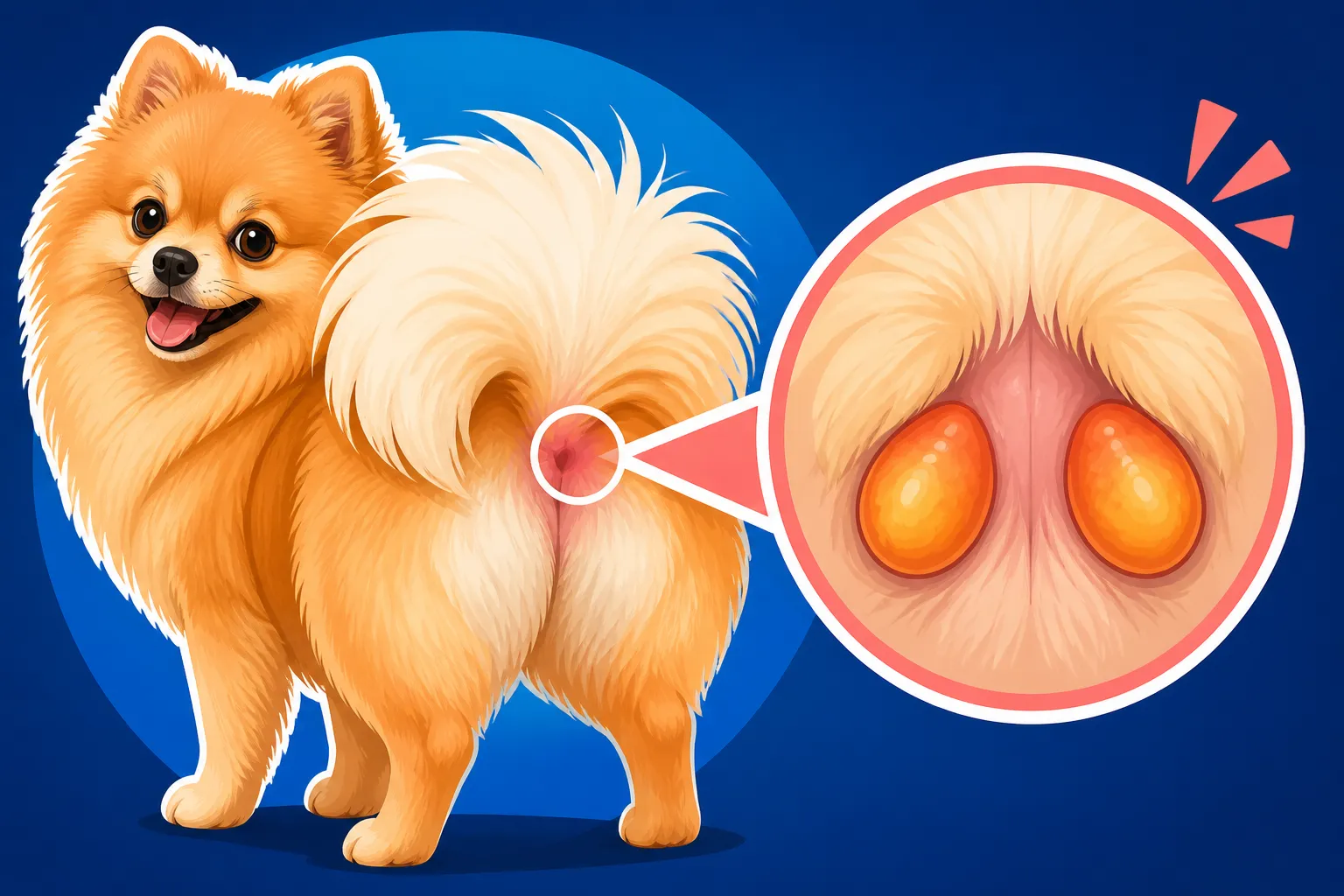
Nestled just inside your Pomeranian's rectum, at about the 4 and 8 o’clock positions, are two small sacs called anal glands, or anal sacs. Each sac is lined with glands that produce a thick, foul-smelling liquid—a unique "signature scent" for your dog. Think of it as their personal identification badge in the canine world. When your Pom poops, especially if the stool is firm and bulky, the pressure typically causes these sacs to empty naturally. This scent is deposited on the stool, which is why dogs are so interested in sniffing each other's droppings; they're essentially reading messages.
For most dogs, this process happens seamlessly in the background, without you ever noticing. The liquid is usually an oily, brownish substance, sometimes with a yellowish or grayish tint, and it has a distinctly strong, musky, fishy, or metallic odor. While it might smell unpleasant to us, for dogs, it's normal. Problems arise when these glands don't express on their own, leading to a buildup of this fluid.
Why Pomeranians Are Prone to Issues
Pomeranians, with their compact size and often delicate digestive systems, are unfortunately among the breeds that frequently experience anal gland problems. Several factors contribute to this predisposition:
Firstly, their small size plays a significant role. Smaller dogs often have proportionally smaller anal gland ducts, which can become easily blocked or not function as efficiently as those in larger breeds. This makes the natural expression process more challenging.
Secondly, diet is a huge factor. A healthy, firm stool is essential for naturally expressing the anal glands. If your Pomeranian frequently has soft stools or diarrhea, there isn't enough bulk or firmness to create the necessary pressure against the glands during defecation. This means the fluid accumulates, becoming thicker and more difficult to pass. Conversely, a diet too low in fiber can also lead to issues. It's a delicate balance. Finding the right food for your dog's sensitive digestive system is crucial. We’ve talked before about Feeding a Dog That Weighs What a Pomeranian Weighs and how small a portion they truly need, but what they eat is just as important as how much.
Lastly, the Pomeranian's magnificent, dense double coat, especially around their hindquarters (often called the "britches"), can sometimes contribute indirectly. While not a direct cause, if hygiene isn't meticulously maintained, debris or even small mats can sometimes obscure the area, making it harder for any minor blockages to clear, and definitely making it harder for you to spot issues early.
Recognizing the Signs of Impacted Anal Glands
Knowing your Pomeranian's normal behavior is key to catching problems early. When something feels "off" with their rear end, their actions will speak volumes.
The Classic "Scooting" Behavior
This is perhaps the most well-known and often the first visible sign of anal gland irritation or impaction. You'll see your Pomeranian dragging their rear along the carpet, grass, or any surface they can find. It looks exactly like what it is: an attempt to relieve the pressure and discomfort by rubbing the area. They might scoot once or twice, or they might make multiple passes, sometimes with great urgency.
It's important to remember that while scooting is a strong indicator of anal gland issues, it can also be a sign of other things, such as irritation from parasites like tapeworms, or even skin allergies. So, while you should definitely suspect anal glands, a vet visit will confirm the exact cause. Don't just assume it's always the glands, especially if other symptoms are present.
Other Subtle and Not-So-Subtle Clues
Beyond scooting, there are several other signs that your Pomeranian might be experiencing anal gland trouble:
- Excessive Licking or Biting: If your Pom is suddenly obsessed with licking or biting at their hindquarters, under their tail, or between their legs, it's a huge red flag. This intense grooming is their way of trying to alleviate the itchiness, pain, or pressure.
- Strong, Unpleasant Odor: A distinct, foul, fishy, or metallic smell coming from your dog's rear end is a common sign. This odor is the anal gland fluid, which might be leaking due to overfull sacs or, in worse cases, a rupture. You might smell it even when they aren't scooting.
- Difficulty or Pain During Defecation: If your Pomeranian is straining more than usual, crying out while pooping, or seems hesitant to go to the bathroom, the discomfort from impacted glands could be the cause. The pressure of the enlarged glands can make passing stool painful.
- Swelling or Redness: In more severe cases, especially if an infection or abscess has developed, you might notice swelling, redness, or even a visible lump on one or both sides of the rectum. The area might also feel warm to the touch. This is a sign of a serious problem and warrants immediate veterinary attention.
- Changes in Demeanor: Your usually perky Pom might seem more subdued, irritable, or restless due to the constant discomfort. They might also become withdrawn or snap if you try to touch their hindquarters.
When to Seek Veterinary Attention
If you notice any of these signs, particularly persistent scooting, excessive licking, a foul odor, or visible swelling, it's definitely time to call your veterinarian. Don't try to wait it out, as impacted glands can quickly escalate to more serious and painful issues like abscesses.
Your vet will be able to properly examine your Pomeranian, confirm if the anal glands are indeed impacted, and express them if necessary. This professional touch is vital not only for relief but also to ensure no underlying infection or other problem is missed. They can also advise you on preventive measures tailored to your individual dog. When it comes to Whether a Pomeranian Needs Its Glands Expressed, the answer is generally yes, if they aren't expressing on their own.
Addressing Impacted Anal Glands: Solutions and Prevention
Once you’ve identified that your Pomeranian is struggling with impacted anal glands, the next step is getting them relief and implementing strategies to prevent recurrence.
Manual Expression: Professional vs. At-Home
The immediate solution for impacted anal glands is manual expression. This involves gently but firmly squeezing the glands to release the built-up fluid.
- Professional Expression: This is highly recommended, especially for first-timers or if your dog is showing signs of pain or inflammation. A veterinarian or an experienced veterinary technician is trained to safely and effectively express the glands. They understand the anatomy, can identify if there's an infection or abscess, and know how much pressure to apply without causing harm. They also wear gloves for obvious reasons! For your little Pomeranian, this small procedure can bring immediate and profound relief. It's often part of a routine check-up, but if problems arise between visits, don't hesitate to schedule an appointment.
- At-Home Expression: While some experienced dog owners learn to express their dog's anal glands at home, it's generally not recommended for beginners, especially with a small breed like a Pomeranian. The glands are small, sensitive, and can be easily damaged if improper technique or excessive force is used. You risk causing pain, bruising, or even rupturing a gland, which can lead to a severe infection. If you decide to attempt it, always have a vet or professional groomer demonstrate the correct internal or external technique first. Remember, the goal is relief, not more distress.
Dietary Adjustments for Better Gland Health
A significant factor in preventing anal gland issues is your Pomeranian's diet. The right food can promote firm, consistent stools that naturally express the glands.
- Increase Fiber: Fiber adds bulk to the stool, making it firmer and more effective at pressing against the anal glands during defecation. You can achieve this by choosing a high-quality dog food formulated with a good amount of dietary fiber, or by adding natural fiber supplements. Good sources include canned pumpkin (plain, not pie filling), cooked sweet potato, or specific vet-approved fiber supplements. Always introduce new foods or supplements slowly to avoid upsetting your Pomeranian's sensitive stomach.
- Consider Quality Protein and Healthy Fats: A diet rich in digestible protein and balanced with healthy fats supports overall gut health and can contribute to better stool quality. Avoid overly processed foods with excessive fillers that might lead to inconsistent stools. For a small breed, every ingredient counts. While we often think about The Protein a Pomeranian's Coat Needs for that glorious fluff, it also impacts internal health.
- Adequate Hydration: Ensure your Pomeranian always has access to fresh, clean water. Good hydration is essential for healthy digestion and helps prevent constipation, which can exacerbate anal gland problems.
- Consistency is Key: Once you find a diet that works for your Pomeranian, stick with it. Frequent food changes can lead to Soft Stools in a Pomeranian After a Food Change, which in turn, can contribute to gland issues. If you do need to switch foods, do so gradually over several days to a week.
Maintaining Proper Grooming and Hygiene
The Pomeranian’s luxurious coat, while beautiful, requires regular attention to keep the anal gland area clean and free of obstructions.
- Sanitary Trims: This is an absolute must for Poms prone to anal gland issues. Regularly trimming the fur around their rear end keeps the area clean and prevents fecal matter or discharge from getting trapped in the fur. This not only improves hygiene but also makes it easier for you to inspect the area for any signs of swelling or irritation. Your professional groomer can perform a sanitary trim, or you can learn to do it carefully at home. We've gone into detail about Sanitary Trimming on a Pomeranian before, and it’s a game-changer for many owners.
- Regular Brushing: While brushing the entire coat is important for How Many Times a Week a Pomeranian Is Brushed, pay special attention to the "britches" area to prevent mats. Mats can trap debris and make it harder for air to circulate, potentially leading to skin irritation or obscuring signs of anal gland problems.
- Wiping After Defecation: For Poms with very fluffy hindquarters, a quick wipe with a pet-safe grooming wipe after they poop can help keep the area clean and reduce the chance of debris getting stuck, particularly if they’ve had a softer stool.
Potential Complications and Long-Term Management
Ignoring impacted anal glands can lead to more serious health problems for your Pomeranian. Understanding these complications and how to manage chronic issues is vital for their well-being.
Anal Gland Abscesses and Infections
When anal glands remain impacted and unexpressed for too long, the trapped fluid can become a breeding ground for bacteria, leading to infection. This can quickly progress to an abscess, which is a painful pocket of pus.
- Symptoms of an Abscess: An abscess is often agonizing for your Pomeranian. You'll likely see a very noticeable, firm, hot, and painful swelling on one or both sides of the anus. Your Pom might be visibly distressed, lethargic, refuse to sit, or even cry out if the area is touched. The skin over the abscess may appear red and stretched, and in severe cases, the abscess can rupture, creating an open wound that leaks pus and blood.
- Emergency Treatment: An anal gland abscess is an emergency. If you suspect your Pomeranian has one, get them to the vet immediately. Treatment typically involves lancing and draining the abscess (often under sedation or anesthesia), flushing the sac, and prescribing antibiotics and pain medication. The recovery can be uncomfortable, and your vet will likely recommend warm compresses and regular cleaning of the area. This kind of unexpected veterinary care can add to The Eighteen Thousand Dollar Lifetime of a Pomeranian, highlighting the importance of preventative care. Many owners find having pet insurance like Healthy Paws helpful for these types of emergencies, easing the financial burden during stressful times.
Surgical Options and When They Are Considered
For Pomeranians suffering from chronic, recurrent anal gland impactions or abscesses that don't respond to conservative treatment, surgical removal of the anal glands (a sacculectomy) might be considered.
- Indications for Surgery: This is typically a last resort, reserved for cases where the dog is experiencing severe, persistent pain and discomfort, or repeated infections despite dietary changes, regular expression, and other management strategies. If the quality of life is significantly impacted, surgery can offer a permanent solution.
- The Procedure: An anal sacculectomy involves surgically removing the entire anal gland. It's a delicate procedure due to the proximity of nerves and the rectum. As with any surgery, there are risks, including potential fecal incontinence (though uncommon with skilled surgeons) and infection. Considering Anesthesia Risk in a Four Pound Pomeranian, your vet will perform thorough pre-operative bloodwork to ensure your Pom is a good candidate.
- Recovery: Recovery involves pain management and careful wound care. Most dogs recover well and experience a significant improvement in their quality of life, free from the constant agony of impacted glands. Again, this is where a good pet insurance policy, such as those offered by Healthy Paws, can provide peace of mind.
Living with Chronic Anal Gland Issues
For many Pomeranians, anal gland issues can be a recurring problem. Long-term management focuses on a combination of strategies to keep them comfortable and healthy.
- Regular Vet Check-ups and Expressions: If your Pom is prone to impaction, your vet might recommend a regular schedule for manual expression, perhaps every 4-6 weeks, depending on their needs. This proactive approach can prevent painful impactions and infections. These routine visits can be factored into The Grooming Bill Nobody Warns a Pomeranian Owner About, as many groomers offer this service as well.
- Consistent Diet: Maintain the fiber-rich, high-quality diet that works best for your dog. Avoid sudden changes in food and be mindful of treats that might upset their digestion.
- Weight Management: Keeping your Pomeranian at a healthy weight is crucial for overall health, including proper anal gland function. Obesity can sometimes make natural expression more difficult.
- Monitor for Symptoms: Stay vigilant! Even with the best preventive care, issues can still arise. Pay attention to any changes in scooting, licking, odor, or behavior. Catching problems early is key to preventing them from escalating.
- Consider Supplements: Your vet might suggest certain supplements like probiotics or specific fiber supplements to support digestive health and stool consistency.
- Pet Insurance: Having a comprehensive pet insurance plan, like those available from Healthy Paws, can be invaluable. It helps cover the costs of regular vet visits, expressions, medications for infections, or even surgery if it becomes necessary. Knowing you have support for unexpected health issues can significantly reduce stress.
By being proactive, observant, and working closely with your veterinarian, you can ensure your adorable Pomeranian lives a life free from the discomfort of impacted anal glands. It’s a small effort for the immense joy and companionship they bring!
| Symptom | Potential Cause | Immediate Action | Long-Term Prevention |
|---|---|---|---|
| Scooting | Impacted Glands, Parasites | Vet check for diagnosis & expression | Diet, Fiber, Sanitary Trims |
| Excessive Licking | Discomfort, Itching | Vet check for diagnosis & treatment | Regular Grooming, Diet, Vet Check-ups |
| Foul Odor | Leaking Glands, Infection | Vet check, potentially for expression or antibiotics | Consistent Diet, Monitor for Early Signs |
| Swelling/Redness | Abscess, Infection | Emergency Vet Visit | Prevent Impactions, Early Intervention for Issues |
| Straining to Poop | Pain from Impaction | Vet check for diagnosis & expression | High Fiber Diet, Hydration |
| Lethargy/Irritability | Pain, General Discomfort | Vet check for overall health assessment | Proactive Anal Gland Management |
Disclaimer
This guide offers general information and advice regarding impacted anal glands in Pomeranians. It is not a substitute for professional veterinary medical advice, diagnosis, or treatment. Always seek the advice of your veterinarian or other qualified health provider with any questions you may have regarding a medical condition. Never disregard professional veterinary advice or delay in seeking it because of something you have read in this article.