A Pomeranian Whose Eyes Stop Making Tears
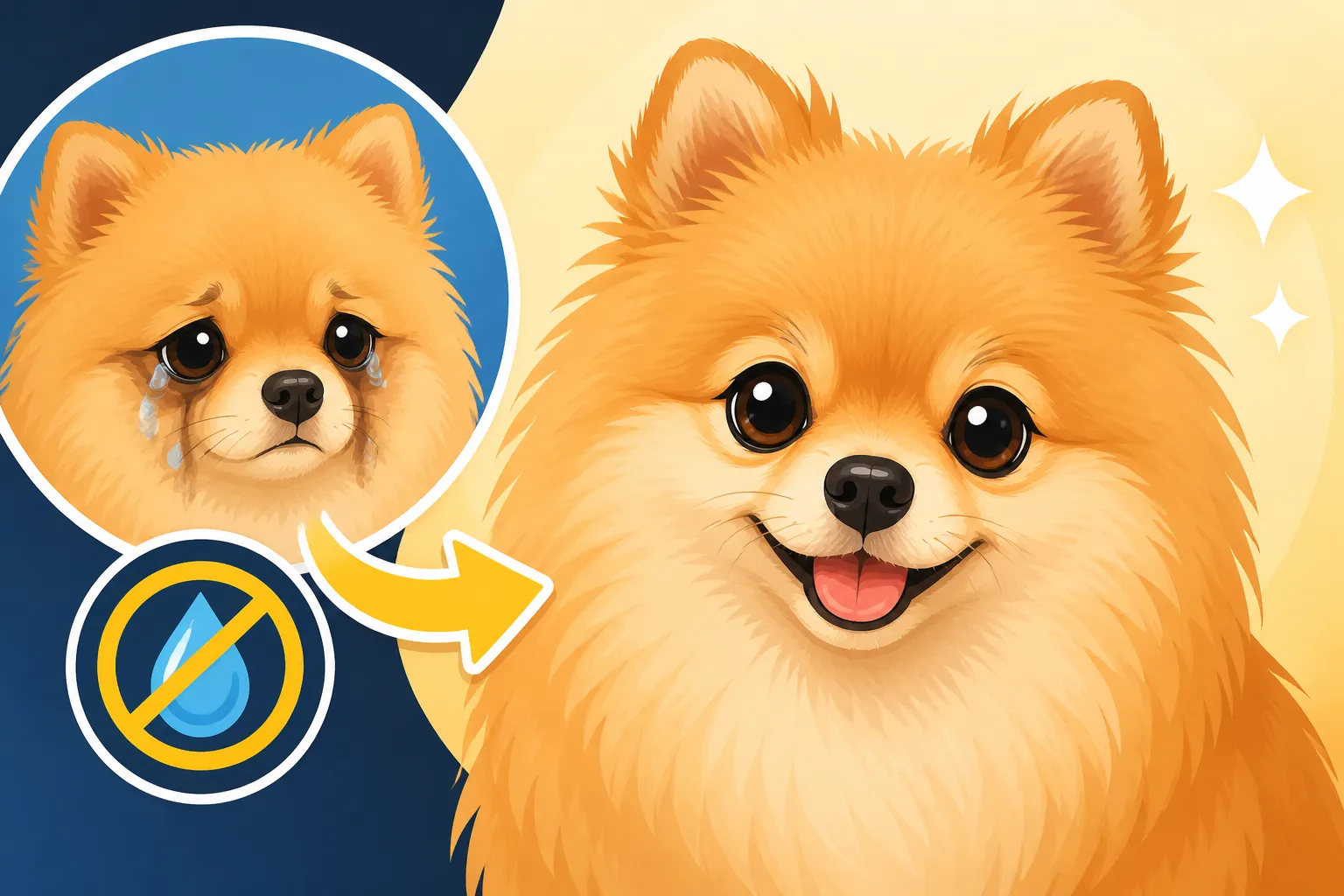
It's heartbreaking to see your beloved Pomeranian squinting, rubbing at their eyes, or sporting that thick, crusty discharge that just won't go away. When a Pomeranian's eyes stop making tears, it's more than just a minor irritation; it's often a painful, chronic condition that can severely impact their comfort and vision. This comprehensive guide will walk you through understanding why this happens, how it's diagnosed, and the best ways to manage it, ensuring your fluffy friend can see clearly and live a comfortable life.
Understanding Why a Pomeranian's Eyes Stop Making Tears
When we talk about a Pomeranian's eyes not producing enough tears, we're almost always referring to a condition called Keratoconjunctivitis Sicca, or KCS. More commonly known as "dry eye," KCS is a chronic, often painful, condition where the tear glands either don't produce enough tears or the tears produced are of poor quality. It's not just about a lack of water; tears are a complex mix of water, oils, and mucus, all crucial for lubricating the eye, flushing out debris, and providing essential nutrients and immune protection. Without this delicate balance, the eye surface becomes dry, inflamed, and highly susceptible to damage.
The Role of Tears and What Goes Wrong
Imagine your eyes without proper lubrication – every blink would feel like sandpaper, and dust or irritants would stay put, scratching the delicate surface. That's essentially what happens to a Pomeranian with KCS. Their tears serve several vital functions:
- Lubrication: Keeping the cornea and conjunctiva moist and smooth, allowing for comfortable blinking and clear vision.
- Nourishment: Delivering oxygen and nutrients to the avascular (no blood vessels) cornea.
- Protection: Washing away foreign particles, dust, and environmental irritants. They also contain antibacterial enzymes and antibodies to fight off infections.
In KCS, one or more of these functions are compromised. The lacrimal glands, responsible for the watery component of tears, might be underactive, or the meibomian glands along the eyelid margins, which produce the oily layer, might not be working correctly. This imbalance leads to a rapid evaporation of the little tear film that is present, making the eye even drier. It's a vicious cycle that can quickly escalate if not addressed.
Common Causes of Dry Eye in Pomeranians
Unfortunately, Pomeranians, like many other small and brachycephalic (short-nosed) breeds, are genetically predisposed to KCS. It's a condition we see far too often in our fluffy friends. However, genetics aren't the only culprit. Several factors can contribute to or trigger KCS:
- Immune-Mediated Disease: This is by far the most common cause in Pomeranians. The body's immune system mistakenly attacks and destroys the tear-producing glands. It's an autoimmune response, similar to how the body can attack other tissues in other autoimmune conditions. This explains why KCS is often a lifelong battle requiring consistent medication to suppress the immune attack.
- Congenital Factors: Some puppies are simply born with underdeveloped or dysfunctional tear glands. This is less common than immune-mediated KCS but can manifest early in life.
- Systemic Diseases: Underlying health conditions can sometimes lead to KCS. For instance, hypothyroidism (underactive thyroid) or diabetes can impact tear production. If your Pomeranian starts showing signs of dry eye, your vet might recommend a broader blood panel to rule out these possibilities. You might find more information on this in articles discussing topics like A Pomeranian Whose Thyroid Has Slowed.
- Infections: Chronic or severe eye infections, particularly those caused by bacteria or viruses, can damage tear glands. Distemper virus, though rare due to widespread vaccination, is a classic example of a virus that can cause severe KCS.
- Medications: Certain medications, such as some sulfa-based antibiotics or atropine (used in some eye drops), can temporarily or even permanently reduce tear production. Always inform your vet about all medications your Pomeranian is taking, even over-the-counter supplements.
- Trauma or Surgery: Injury to the eye or certain types of eye surgery can inadvertently damage the tear glands or their ducts, leading to dry eye.
- Neurological Issues: Damage to the nerves that stimulate tear production can also result in KCS. This is less common but can occur after head trauma or in conjunction with other neurological disorders.
Understanding the potential causes is the first step. If you notice persistent redness, discharge, or any signs of discomfort, don't delay a visit to your veterinarian. Early intervention is key to preserving your Pomeranian's vision and quality of life.
Recognizing the Signs and Getting a Diagnosis
It’s often heartbreaking to watch your lively Pomeranian become withdrawn or uncomfortable, especially when you know it's because of pain in their eyes. The signs of KCS can sometimes be subtle at first, but they progressively worsen without treatment. Recognizing these indicators early and acting swiftly is crucial for your Pom's long-term eye health.
What to Look For: Symptoms of Dry Eye
The symptoms of KCS stem directly from the lack of proper lubrication and protection. They can range from mild annoyance to severe pain and vision impairment.
- Redness of the Eye (Conjunctivitis): This is one of the most common early signs. The whites of the eyes and the inside of the eyelids will appear red and inflamed due to irritation. It might look like your Pom has an allergy, but it's more persistent.
- Thick, Mucopurulent Discharge: Instead of clear tears, you'll often see a yellowish, greenish, or whitish stringy discharge. This is dried mucus and inflammatory cells accumulating because normal tears aren't there to wash them away. It often crusts in the corners of the eyes and can even glue the eyelids shut. This discharge can be extremely frustrating to clean, feeling like a constant battle against goo.
- Squinting or Excessive Blinking: Your Pomeranian might try to alleviate the discomfort by squinting, holding one or both eyes partially closed, or blinking rapidly. This is a clear sign of pain or irritation.
- Corneal Changes: Over time, the cornea (the clear front surface of the eye) will suffer damage. It might appear dull, hazy, or cloudy. You might even notice blood vessels growing onto the cornea, a process called neovascularization, as the body tries to bring nutrients to the starved tissue. In severe cases, black or brown pigment can develop on the cornea, called pigmentary keratitis, which further impairs vision. If you’ve ever looked into Clouding Eyes in a Pomeranian Past Ten, you might recognize some of these changes as KCS can certainly contribute to clouding.
- Rubbing at the Eyes or Face: Your Pom might try to rub their face against furniture, carpets, or your leg in an attempt to relieve the irritation. This can, unfortunately, introduce bacteria and worsen secondary infections.
- Sensitivity to Light (Photophobia): Bright light can become uncomfortable for dogs with dry eyes, causing them to squint more or seek darker areas.
- Vision Impairment: As corneal damage progresses (hazing, pigment, ulcers), your Pomeranian's vision can become compromised, potentially leading to blindness if left untreated.
The Diagnostic Process at the Vet
If you suspect KCS, a visit to your veterinarian is imperative. They will perform a thorough eye examination and specific tests to confirm the diagnosis. Don't worry, these tests are generally quick and painless.
-
Schirmer Tear Test (STT): This is the gold standard for diagnosing KCS. Your vet will place a small strip of filter paper just inside your Pomeranian's lower eyelid for one minute. The paper has a millimeter scale, and the amount of moisture absorbed indicates the tear production rate.
- Normal: A healthy Pomeranian should produce 15 mm or more of tears in one minute.
- Borderline KCS: Readings between 10-14 mm often indicate early or mild KCS.
- Definite KCS: Readings below 10 mm are diagnostic for KCS. Many severely affected Poms will have readings of 0-5 mm.
It's important to remember that this test measures the aqueous (watery) component of tears. If there's an issue with the oily layer, the STT might be normal, but other signs of dry eye could still be present.
-
Fluorescein Stain Test: This test involves placing a special orange dye onto the eye. If there are any corneal abrasions or ulcers (common in dry eyes because of the lack of protection), the dye will adhere to the damaged areas, making them glow green under a blue light. This helps the vet assess the extent of corneal damage and rule out other eye issues.
-
Ocular Pressure Test (Tonometry): While not directly diagnostic for KCS, this test measures the pressure inside the eye and helps rule out conditions like glaucoma, which can present with similar signs of redness and discomfort.
-
Conjunctival Swabs/Cultures: If a secondary bacterial infection is suspected due to the thick discharge, your vet might take a sample to identify the bacteria and determine the most effective antibiotic.
Early diagnosis is really important. The sooner KCS is identified and treatment begins, the better the prognosis for preserving your Pomeranian's vision and comfort. This is where having a good relationship with your vet and considering pet insurance like Healthy Paws can truly make a difference, as managing chronic conditions can involve several diagnostic steps and ongoing care.
Managing KCS in Your Pomeranian: Treatment Options
Once your Pomeranian has been diagnosed with KCS, the good news is that it’s a manageable condition. The goal of treatment is twofold: to increase natural tear production and to alleviate the symptoms, protect the eye, and prevent complications. This usually involves a commitment to daily eye care, often for the rest of your Pom's life. It might sound daunting, but it quickly becomes part of your routine.
Medications to Stimulate Tear Production
The cornerstone of KCS treatment in Pomeranians is typically medication that targets the underlying immune-mediated cause, aiming to reduce inflammation and stimulate tear glands.
- Topical Cyclosporine (Optimmune, Restasis): This is the most commonly prescribed and highly effective medication for KCS. Cyclosporine works by suppressing the immune system's attack on the tear glands, reducing inflammation, and stimulating tear production. It usually comes as an ointment (Optimmune) or eye drops (compounded solutions are also available). Most dogs respond very well, often seeing significant improvement within a few weeks, though it can take months for full effect. It's usually given once or twice daily.
- Topical Tacrolimus: Similar to cyclosporine, tacrolimus is another immunosuppressant that can be even more potent for some dogs, especially those who don't respond adequately to cyclosporine or have very low tear production. It's often prescribed as a compounded eye drop solution and typically given once or twice daily. Many vets will try tacrolimus if cyclosporine doesn't yield the desired results after a reasonable trial period.
These medications are not merely artificial tears; they actually help restore the glands' function. Consistency is absolutely vital for their success. Missing doses can set back progress and allow inflammation to flare up again.
Lubricants and Supportive Care
While tear-stimulating medications work on the cause, artificial tears and other lubricants are crucial for managing symptoms and protecting the eye immediately.
- Artificial Tears (Eye Drops/Gels): These are over-the-counter products that provide temporary lubrication and comfort. They don't stimulate tear production but can help wash away debris and soothe the dry, irritated eye. They are particularly helpful in the initial stages of treatment or during flare-ups. Your vet might recommend applying them several times a day, especially if your Pom's tear production is very low. Look for preservative-free options if your dog has sensitive eyes.
- Antibiotic Eye Drops/Ointments: Because dry eyes are more prone to bacterial infections, your vet might prescribe a topical antibiotic in the initial stages of treatment, or if they identify a secondary infection. This helps clear up any existing infections that might be contributing to the discomfort and discharge.
- Anti-Inflammatory Eye Drops: Sometimes, in severe cases or during flare-ups, a short course of topical corticosteroids might be prescribed to rapidly reduce inflammation. However, corticosteroids must be used with caution and under strict veterinary supervision, especially if there's a corneal ulcer, as they can hinder healing.
Surgical Options: Parotid Duct Transposition
For Pomeranians with severe, unresponsive KCS who don't improve with medical therapy, a surgical procedure called parotid duct transposition might be considered. This is usually a last resort, as it's a more invasive and complex solution.
During this surgery, the parotid salivary duct, which normally carries saliva from a salivary gland near the ear to the mouth, is rerouted so that its opening is in the lower eyelid. This means saliva, instead of tears, lubricates the eye.
- Pros: Can provide constant lubrication, eliminating the need for daily eye drops in some cases. It can be a life-changing solution for dogs suffering from extreme dry eye.
- Cons: Saliva is not tears; it has different properties and can sometimes cause irritation or mineral deposits (calcium salts) on the eye, leading to further complications. Dogs may also experience excessive watering of the eye when they eat or anticipate food. There are also risks associated with anesthesia, especially for small dogs like Pomeranians. You can learn more about Anesthesia Risk in a Four Pound Pomeranian if considering this option. This surgery requires a highly skilled veterinary ophthalmologist.
The decision for surgery is a significant one and should be made in close consultation with your vet and a veterinary ophthalmologist, weighing the potential benefits against the risks and costs. Regardless of the treatment path, consistent follow-up appointments with your vet will be crucial to monitor progress and adjust the treatment plan as needed.
Living with a Pomeranian with Dry Eye
Discovering your Pomeranian has a chronic condition like KCS can feel overwhelming, especially when you realize it's a lifelong commitment. But with proper care and attention, Pomeranians with dry eye can live full, comfortable lives. The key is establishing a routine and understanding the long-term implications.
Establishing a Daily Eye Care Routine
Consistency is not just important; it's everything when it comes to managing KCS. Your daily routine might look something like this, though your vet will provide specific instructions:
- Cleaning: Start by gently cleaning around your Pom's eyes. Use a warm, damp cloth or a specialized veterinary eye wipe to remove any crusty discharge. This is important before applying medication to ensure the drops can penetrate effectively. Be very gentle, as the skin around the eyes can be sensitive.
- Medication Application: Administer the prescribed tear-stimulating drops or ointment (e.g., cyclosporine or tacrolimus). Pull down the lower eyelid gently and place the medication directly onto the eye. Try to avoid touching the eye with the applicator tip to prevent contamination. If you have multiple eye medications, ask your vet about the proper order and wait times between different drops (usually 5-10 minutes).
- Artificial Tears (as needed): If your Pomeranian's eyes still seem dry or irritated between doses of their main medication, or if tear production is particularly low, you might apply artificial tears. These can be used liberally throughout the day for added comfort.
- Positive Reinforcement: Make this routine as positive an experience as possible. Offer small, delicious treats and lots of praise immediately after eye drops. This helps your Pom associate eye care with good things, making the process smoother for both of you. You might even find tips on training for grooming or vet visits in resources like Getting a Pomeranian Through an Exam Calmly.
Remember, this is a long-term commitment. Don't get discouraged if you miss a dose or if your Pom has a stubborn day. Just get back on track with the next scheduled application.
Potential Complications and What to Watch For
Even with diligent care, KCS can sometimes lead to complications. Knowing what to watch for can help you seek timely veterinary attention.
- Corneal Ulcers: A dry eye is a vulnerable eye. Without the protective tear film, the cornea is highly susceptible to abrasions and ulcers from dust, stray hairs, or rubbing. A corneal ulcer is a painful open sore on the eye's surface that can quickly worsen and lead to vision loss if not treated aggressively. Increased squinting, extreme redness, or a visible defect on the cornea are signs of an ulcer.
- Secondary Bacterial Infections: The lack of tears means the eye's natural defenses are down, making it a breeding ground for bacteria. You might notice a sudden increase in thick, colored discharge or more intense redness. Your vet may need to prescribe specific antibiotic drops.
- Corneal Pigmentation and Vascularization: As mentioned earlier, chronic dry eye leads to the cornea becoming cloudy, pigmented (brown/black), and developing new blood vessels. These changes can permanently impair vision. While medical treatment can slow or sometimes reverse these changes, severe pigmentation might require a procedure called a superficial keratectomy to improve vision, though this is rare.
- Adherence to Eyelids: In very severe, untreated cases, the dry, inflamed conjunctiva can adhere to the corneal surface, leading to permanent structural changes and significant vision loss.
Regular veterinary check-ups are essential, not just to monitor tear production (via STT) but also to check for any developing complications. Your vet might recommend appointments every 3-6 months, or more frequently if there are concerns.
Financial Considerations and Support
Managing a chronic condition like KCS involves ongoing costs for medication, veterinary visits, and sometimes specialized treatments. This can add up.
| Expense Category | Typical Frequency | Estimated Monthly/Annual Cost (USD) | Notes |
|---|---|---|---|
| Tear-Stimulating Meds | Daily | $30 – $100 per month | Cyclosporine or Tacrolimus drops/ointment. Varies based on concentration and pharmacy (compounded vs. brand). |
| Artificial Tears | Daily/As needed | $10 – $30 per month | Over-the-counter, for supplementary lubrication. Price varies based on brand and size. |
| Vet Check-ups/STT | Every 3-6 months | $50 – $150 per visit | Monitoring progress, adjusting medications, checking for complications. Includes exam fee and STT. |
| Secondary Infections | As needed | $20 – $80 per course | Antibiotic eye drops/ointment if an infection flares up. |
| Total Estimated Annual | Ongoing | $500 – $1,600+ | This does not include potential emergency visits for ulcers or surgical intervention. |
(Costs are estimates and can vary significantly by region, vet clinic, and specific medications.)
This is where pet insurance can be a real lifesaver. Companies like Healthy Paws offer coverage that can help significantly with the costs of managing chronic conditions. While KCS might be considered a pre-existing condition if diagnosed before your policy starts, some plans might still offer limited coverage, or it's crucial to have a policy in place before any diagnosis if you want comprehensive coverage for potential future conditions. You might want to research What Pet Insurance Runs on a Pomeranian to get a better understanding of how policies can help offset these expenses. Discussing your options with your vet and an insurance provider can help you prepare for the financial commitment involved in keeping your Pomeranian healthy and happy.
Preventing Dry Eye: Is It Possible?
When you see your Pomeranian struggling with KCS, it's natural to wonder if there was anything you could have done to prevent it. The truth is, for many cases, especially the common immune-mediated form, prevention is incredibly difficult because it's often genetically predisposed. However, there are proactive measures you can take to minimize risks and maintain overall eye health.
Addressing Underlying Conditions
Since KCS can sometimes be a secondary symptom of other health issues, keeping your Pomeranian generally healthy and addressing any underlying medical problems can play a role.
- Regular Veterinary Check-ups: Consistent vet visits, as outlined in The Checkup Schedule a Pomeranian Should Keep, are crucial for early detection of any health issue, including those that might impact eye health. Your vet can perform routine physical exams, including looking at your Pomeranian's eyes, and recommend blood tests to screen for conditions like hypothyroidism, which can contribute to KCS.
- Managing Systemic Diseases: If your Pomeranian has a chronic condition like diabetes or hypothyroidism, strict management of these illnesses can prevent secondary complications, including those affecting the eyes. This might involve diet changes, medication, and regular monitoring as directed by your vet.
- Avoiding Trigger Medications: If your Pomeranian has a history of dry eye or is susceptible, discuss with your vet alternative medications if certain sulfa-based drugs are prescribed for other issues. Always make sure your vet has a complete list of all current medications and supplements your Pom is taking.
Environmental Factors and Eye Protection
While these won't prevent immune-mediated KCS, they can certainly help protect your Pomeranian's eyes from irritation and trauma, which can exacerbate existing dry eye or lead to other problems.
- Protect from Irritants: Keep your Pomeranian away from irritants like smoke, dust, harsh cleaning chemicals, and strong winds. If you live in a dusty or windy area, consider doggles (protective goggles) for outdoor adventures, though getting a Pom to wear them consistently can be a challenge!
- Grooming and Eye Hygiene: Regular grooming, especially around the face, can prevent hair from irritating the eyes. Keep the fur around their eyes trimmed short and clean. Promptly clean away any mild discharge to prevent crust buildup. Be gentle during baths, ensuring no shampoo gets into their eyes. You can find more tips on proper care and hygiene in posts like Clearing the Corners of a Pomeranian's Eyes.
- Humid Environment: If your home is very dry, especially during winter with heating systems running, a humidifier can add moisture to the air. While this won't cure KCS, it can make your Pom's eyes feel more comfortable by reducing evaporation of their already compromised tear film.
Genetic Considerations and Responsible Breeding
Given the strong genetic component of KCS in Pomeranians, responsible breeding practices are incredibly important.
- Screening Breeding Dogs: Reputable breeders will screen their breeding dogs for various genetic health conditions, including eye diseases. While there isn't a single genetic test for KCS (it's often polygenic, meaning multiple genes are involved), breeders who consistently produce offspring with KCS might consider re-evaluating their breeding lines.
- Avoiding Over-breeding: Over-breeding or breeding dogs with known health issues can perpetuate genetic predispositions to conditions like KCS. Choosing a puppy from a responsible, health-focused breeder can significantly reduce the risk of inheriting such conditions. This is a critical factor when considering the long-term health and lifespan of your Pomeranian.
While you can't guarantee your Pomeranian will never develop KCS, taking these proactive steps ensures you're doing everything possible to support their eye health and overall well-being. Early detection and consistent management are truly the best defense against the progression of this challenging condition.
Disclaimer
The information provided in this article is for general informational purposes only and does not constitute veterinary medical advice. Always consult with a qualified veterinarian for any health concerns or before making any decisions related to your Pomeranian's care.