Whether Joint Support Helps a Pomeranian’s Knees
Few things are more heartbreaking than seeing your beloved Pomeranian hesitate before jumping onto the sofa, or notice that little skip in their step. Those tiny joints, especially their knees, are surprisingly vulnerable, and it leaves many of us wondering if we're doing enough to keep them comfortable and active. This guide will dive deep into whether joint support, from supplements to lifestyle changes, can truly make a difference for your Pomeranian's precious knees.
Understanding Pomeranian Knee Health Challenges
Pomeranians, with their spirited personalities packed into such small frames, are unfortunately predisposed to certain orthopedic issues. It's not a matter of if, but often when, you might encounter some form of joint concern. The key is understanding these challenges early so you can be proactive in their care.
The Prevalence of Luxating Patellas in Pomeranians
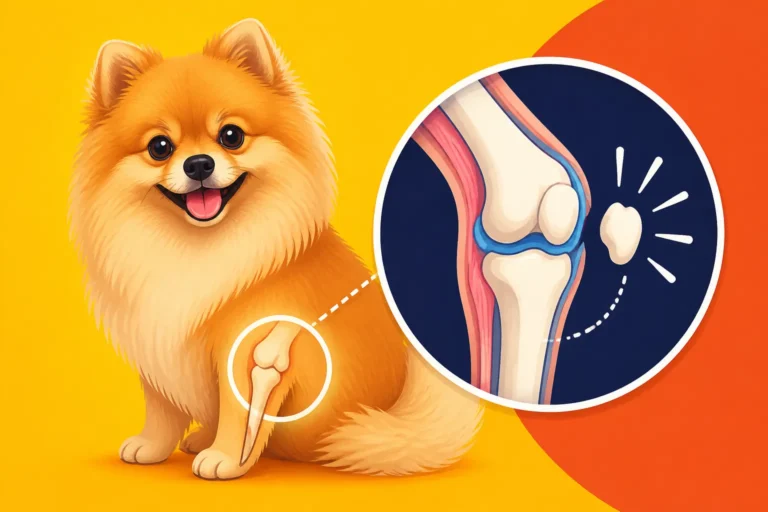
One of the most common knee problems we see in Pomeranians is something called patellar luxation, or "slipping kneecaps." Imagine the kneecap, or patella, as a small bone that normally glides smoothly in a groove at the end of the thigh bone (femur). In a dog with luxating patellas, this kneecap periodically slips out of that groove, either to the inside (medial luxation) or, less commonly, to the outside (lateral luxation). It's incredibly common in small breeds like Poms because of their unique anatomy, often involving a shallower-than-normal groove or an imbalance in the muscles and ligaments around the knee.
This isn't just a minor inconvenience; it can range from a momentary skip that self-corrects, to a persistent lameness that causes real pain and significantly impacts their quality of life. The severity is typically graded from 1 to 4, with Grade 1 being mild and Grade 4 meaning the kneecap is permanently dislocated. Many Pomeranian owners find themselves grappling with this diagnosis, often as early as puppyhood, but sometimes it doesn't become obvious until The Age a Pomeranian's Kneecap First Slips. It’s a genetic predisposition, meaning it’s something responsible breeders try to screen for, but it can still crop up even in the best lines.
Recognizing the Signs of Knee Discomfort
Your Pomeranian can't tell you in words that their knee hurts, so it's up to us to become expert observers. The signs of knee discomfort can be subtle at first, manifesting as a slight change in their gait or a reluctance to do things they once loved. One of the most classic signs is a sudden, momentary lift of one hind leg, often while running or playing, which they'll then put back down as if nothing happened – this is often referred to as The Skip in a Pomeranian's Back Leg. It's their way of trying to "pop" the kneecap back into place.
Beyond the occasional skip, you might notice a persistent limp, especially after exercise or when getting up from a nap. They might avoid putting full weight on a particular leg, or seem stiff. Some Poms might become less enthusiastic about jumping, whether it's onto the couch or up to greet you. They might even whimper or cry out if you touch their knee or if they make a sudden movement. Watching how they interact with their environment is crucial; if they used to love flying off the furniture but now pause and look for a ramp, that's a big clue that their knees might be bothering them.
Types of Joint Support for Pomeranians
When we talk about "joint support," it's a pretty broad category. It encompasses everything from what you put into their food bowl to how you set up your home. For our tiny Pomeranian companions, a multi-faceted approach is often the most effective.
Nutritional Supplements and Their Ingredients
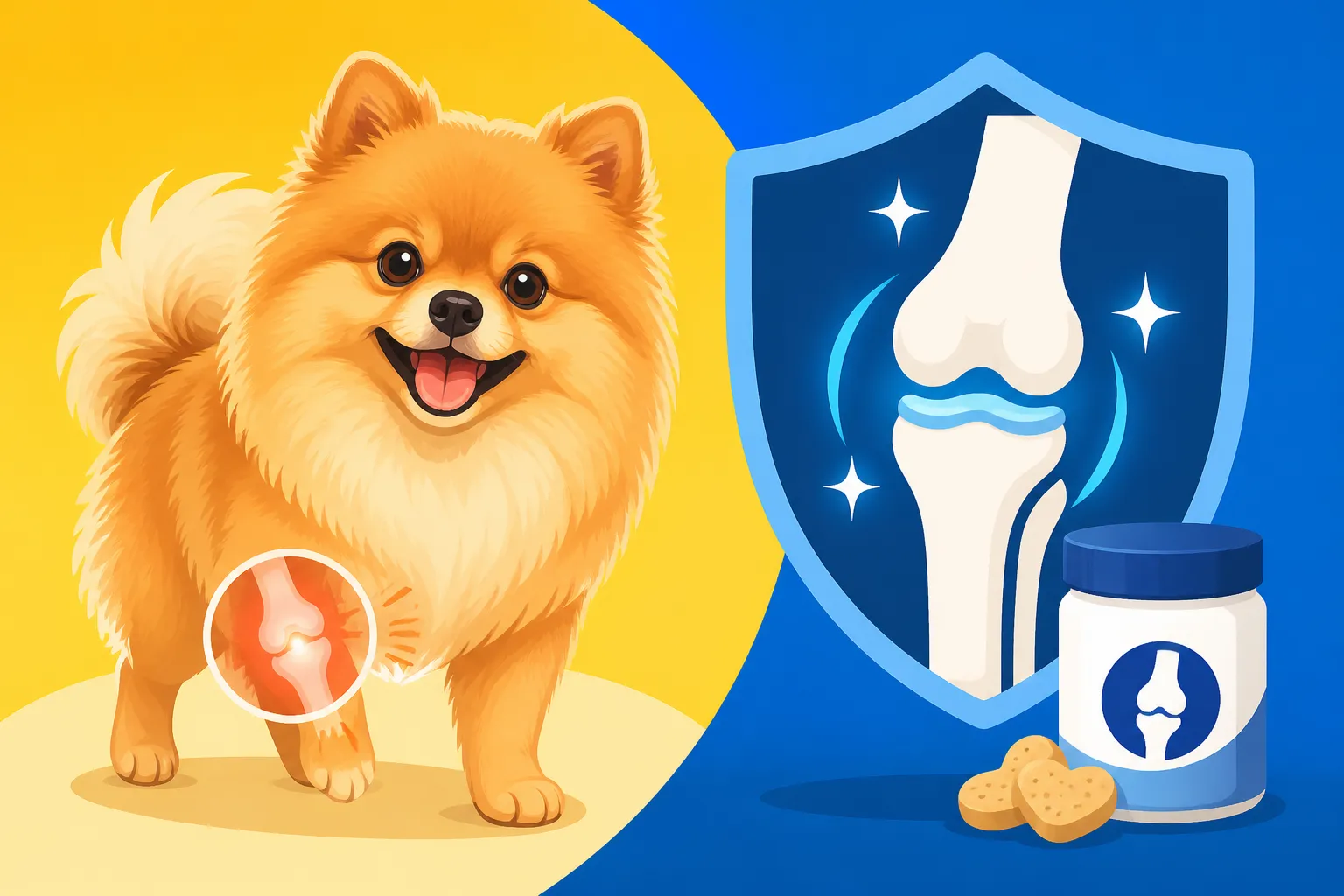
Nutritional joint supplements are often the first thing people think of when looking to support their dog's knees. These supplements typically contain ingredients aimed at reducing inflammation, promoting cartilage health, and improving joint lubrication. Let's break down some of the most common players you'll find in these formulas:
- Glucosamine and Chondroitin Sulfate: These are perhaps the most widely known joint support ingredients. Glucosamine is an amino sugar that plays a crucial role in building and repairing cartilage, the cushion between bones. Chondroitin sulfate helps maintain cartilage elasticity and inhibits enzymes that break down cartilage. Together, they are believed to work synergistically to support joint structure and function. Many veterinarians suggest these as a first line of defense, especially for dogs with mild to moderate issues or as a preventative measure.
- MSM (Methylsulfonylmethane): MSM is a sulfur-containing compound known for its anti-inflammatory properties and its role in connective tissue health. It can help reduce pain and inflammation associated with arthritis and other joint conditions. For a Pomeranian with aching knees, reducing inflammation is a huge part of improving comfort and mobility.
- Omega-3 Fatty Acids (EPA and DHA): Often sourced from fish oil, Omega-3s are powerful natural anti-inflammatories. They don't directly rebuild cartilage like glucosamine, but they can significantly decrease joint inflammation and pain, leading to better mobility and overall comfort. Look for high-quality, sustainably sourced fish oil supplements that specify the EPA and DHA content.
- Green-Lipped Mussel (GLM): Hailing from New Zealand, GLM is a natural source of glucosamine, chondroitin, and a unique form of Omega-3s. It's gaining popularity for its comprehensive joint support benefits, acting as both an anti-inflammatory and a cartilage building block. Some specialized supplements for small breeds even incorporate this ingredient due to its broad spectrum of action.
- Hyaluronic Acid (HA): This compound is a major component of synovial fluid, the natural lubricant found in joints. Supplementing with HA can help improve joint lubrication and shock absorption, which is particularly beneficial for joints that are undergoing repetitive stress, as Slipping Kneecaps in a Five Pound Pomeranian definitely can.
It’s important to remember that not all supplements are created equal, and dosage for a tiny Pomeranian is critical. Always check with your vet before starting any new supplement regimen to ensure it's appropriate for your dog's specific needs and won't interact with any other medications they might be on.
Lifestyle and Environmental Modifications
Beyond what goes into their bowl, how your Pomeranian lives day-to-day plays a massive role in their joint health. These are often overlooked but incredibly impactful forms of joint support.
Firstly, weight management is paramount. Even an extra pound on a 5-pound Pomeranian is like a human carrying an extra 20-30 pounds. This added stress on already vulnerable joints can significantly worsen conditions like patellar luxation and accelerate arthritis. Keeping your Pom at a healthy, lean weight is one of the single most important things you can do for their joint health. We talk more about this in Keeping a Pomeranian Light Enough to Breathe.
Secondly, modifying their environment can drastically reduce the impact on their knees. Poms love to jump, but every leap off the couch or bed creates concussive forces on their tiny joints. Providing Ramps for a Pomeranian That Jumps Off the Sofa or small steps can prevent unnecessary strain. Consider whether Whether an Adult Pomeranian Should Use Stairs is a good idea for your individual dog, especially if they already show signs of discomfort. Soft, supportive beds can also reduce pressure points and help them rest more comfortably.
Finally, controlled and appropriate exercise is vital. While high-impact activities might be detrimental, regular, low-impact exercise helps maintain muscle strength around the joints, which provides natural stability. Short, frequent walks on soft surfaces are better than long, strenuous hikes. Avoiding rough play with larger dogs, which could result in accidental injury, is also a smart move.
When to Consider Joint Support and What to Expect
Knowing when to start joint support and what to realistically expect from it can be a bit of a maze. It’s not a one-size-fits-all situation, and patience is definitely a virtue.
Consulting Your Veterinarian
This cannot be stressed enough: always consult your veterinarian first. Self-diagnosing and self-treating your Pomeranian's knee issues, while well-intentioned, can delay proper diagnosis and potentially lead to more serious problems down the line. Your vet can accurately assess the severity of any joint condition, such as Grading Patellar Luxation in a Pomeranian, and rule out other causes of lameness or discomfort. They can perform a physical examination, and possibly recommend X-rays or other diagnostics to get a complete picture.
Your vet will help you determine the most appropriate course of action, whether it's starting with supplements, recommending pain management medications, suggesting lifestyle changes, or even discussing surgical options for more severe cases. They can also advise on specific supplement brands and dosages that are safe and effective for your Pomeranian's size and condition. This professional guidance is invaluable, and you shouldn't skip this critical step.
Realistic Expectations for Joint Supplements
It's crucial to have realistic expectations about what joint supplements can do for your Pomeranian. They are generally not a cure for existing structural problems like luxating patellas. For conditions like Arthritis in a Pomeranian at Ten or early-stage luxation, they primarily act as a supportive measure, helping to slow progression, reduce inflammation, and alleviate discomfort. Think of them as helping to "oil the hinges" and provide building blocks, rather than fixing a broken door.
Most joint supplements take time to show noticeable effects – often 4 to 6 weeks, sometimes longer. You might not see a dramatic "fix," but rather subtle improvements: your Pom might have fewer skips, be more willing to go for a walk, or seem generally more comfortable getting up in the morning. For severe cases, especially if your vet recommends surgery, joint supplements might be used post-operatively to aid in recovery or to support the remaining joints. For instance, after a surgical repair for a slipping kneecap, supplements can help with healing and long-term joint health, though they won't replace the surgery itself.
| Supplement Ingredient | Primary Benefit for Joints | Typical Action Time |
|---|---|---|
| Glucosamine | Aids in cartilage repair and growth | 4-6 weeks |
| Chondroitin Sulfate | Improves cartilage elasticity, inhibits breakdown enzymes | 4-6 weeks |
| MSM (Methylsulfonylmethane) | Reduces inflammation and pain | 2-4 weeks |
| Omega-3 Fatty Acids (EPA/DHA) | Powerful anti-inflammatory, reduces pain and stiffness | 2-4 weeks |
| Green-Lipped Mussel (GLM) | Comprehensive support, anti-inflammatory, cartilage building | 4-6 weeks |
| Hyaluronic Acid (HA) | Improves joint lubrication and shock absorption | 2-4 weeks |
Integrating Joint Support into Your Pomeranian's Routine
Once you and your vet have decided on a plan, the next step is seamlessly integrating joint support into your Pomeranian's daily life. Consistency is key, whether it's administering supplements or maintaining lifestyle changes.
Choosing the Right Product
The market is flooded with joint supplements, and it can feel overwhelming to choose the right one for your tiny Pom. Quality matters immensely. Look for reputable brands that clearly list their ingredients, dosages, and have undergone third-party testing for purity and potency. Ingredients sourced from places with strict quality control, like the USA, Canada, or Europe, are generally preferable. Avoid products with excessive fillers or artificial flavors and colors, as these can sometimes cause stomach upset in sensitive dogs.
Consider the form of the supplement. Some Poms prefer chewable tablets, others might take a liquid mixed into their food, or even a powder sprinkled over their meals. Whatever you choose, ensure it's easy to administer consistently. Discuss options with your vet, as they often have specific recommendations based on clinical experience. For broader health coverage, including potential orthopedic issues, many owners find peace of mind with pet insurance providers like Healthy Paws, which can help mitigate the financial burden of diagnostics or treatments if more intensive interventions like surgery become necessary. This allows you to focus on choosing the best quality products for your Pom without worrying as much about the immediate cost.
Monitoring Progress and Adjusting Care
Starting a new joint support regimen isn't a "set it and forget it" situation. It requires careful observation and periodic reassessment. Keep a journal or simply make mental notes about your Pomeranian's mobility, energy levels, and any signs of discomfort. Are they playing more? Do they seem less stiff in the mornings? Are the "skips" less frequent? It might be subtle at first, but over weeks, you should hopefully notice a general improvement in their comfort and willingness to move.
Schedule regular follow-up appointments with your veterinarian to discuss your Pom's progress. They can re-evaluate their knees, check their gait, and determine if the current joint support plan is effective or if adjustments are needed. Sometimes, a combination of supplements, or a change in dosage, might be necessary. For instance, if your Pom has Whether a Pomeranian Can Live With a Grade Two Knee, your vet might initially recommend supplements and environmental changes, but might suggest further intervention if symptoms progress or don't improve. Don't be afraid to voice your observations and concerns, as you are your Pomeranian's best advocate.
Beyond Supplements: Comprehensive Care for Pomeranian Joints
While supplements are a great tool, they are just one piece of the puzzle. A truly comprehensive approach to supporting your Pomeranian's joint health involves looking at their entire lifestyle and ensuring all bases are covered.
The Role of Weight Management and Diet
We touched on this briefly, but it bears repeating: maintaining an ideal body weight is paramount for joint health in Pomeranians. Every extra ounce puts additional strain on those small joints, accelerating wear and tear and exacerbating conditions like luxating patellas or arthritis. Work with your vet to determine your Pomeranian's ideal weight and create a diet plan to achieve and maintain it. This isn't about starvation; it's about feeding appropriate portions of high-quality, nutrient-dense food.
Beyond just the amount of food, the quality of their diet also contributes to overall health, including joint health. A diet rich in essential nutrients, antioxidants, and healthy fats can help reduce systemic inflammation throughout the body, benefiting all organs, including the joints. Some specific dietary components, like those found in certain prescription joint diets, can even be therapeutic. Consider discussing options for optimal nutrition with your vet, as what you put into their bowl truly affects their long-term well-being. Investing in their health now can also mean fewer vet visits later, which is something many pet insurance plans, like those offered by Healthy Paws, aim to support by making quality care more accessible.
Gentle Exercise and Physical Therapy
Appropriate exercise is crucial for maintaining muscle strength, flexibility, and joint mobility. For Pomeranians, "appropriate" usually means low-impact and controlled. Short, frequent walks on soft surfaces (like grass or carpet) are much better than long, strenuous hikes or rough play that involves sudden stops, twists, or jumps. Swimming, if your Pom enjoys it and is supervised, can be an excellent non-weight-bearing exercise that builds muscle without stressing joints.
For Poms with existing joint issues, or those recovering from surgery, physical therapy can be incredibly beneficial. This might include specific exercises, massage, stretching, underwater treadmill therapy, or even therapeutic laser treatments. A certified canine rehabilitation therapist can design a tailored program to strengthen supporting muscles, improve range of motion, and reduce pain. These therapies work in conjunction with other forms of joint support to enhance overall outcomes and provide significant relief. While it might sound intensive, these gentle approaches can make a world of difference in helping your Pomeranian live a more comfortable and active life.
Disclaimer
The information provided in this article is for general informational purposes only and is not a substitute for professional veterinary advice, diagnosis, or treatment. Always seek the advice of your veterinarian or other qualified animal health provider with any questions you may have regarding a medical condition.