The Age a Pomeranian’s Trachea Starts Collapsing
There are few things as alarming as hearing your beloved Pomeranian suddenly produce that distinctive, harsh, honking cough – a sound that immediately sends a shiver down your spine if you know what it often means. This frightening cough is frequently the first, most obvious symptom of a collapsing windpipe, a condition that many Pomeranian owners unfortunately become all too familiar with. It leaves you wondering at what age this concerning issue might begin, and how prepared you can be. This guide aims to shed light on the typical age of onset for tracheal collapse in Pomeranians, what factors contribute to it, and how you can manage this delicate condition to keep your furry companion comfortable and happy.
Understanding Tracheal Collapse in Pomeranians
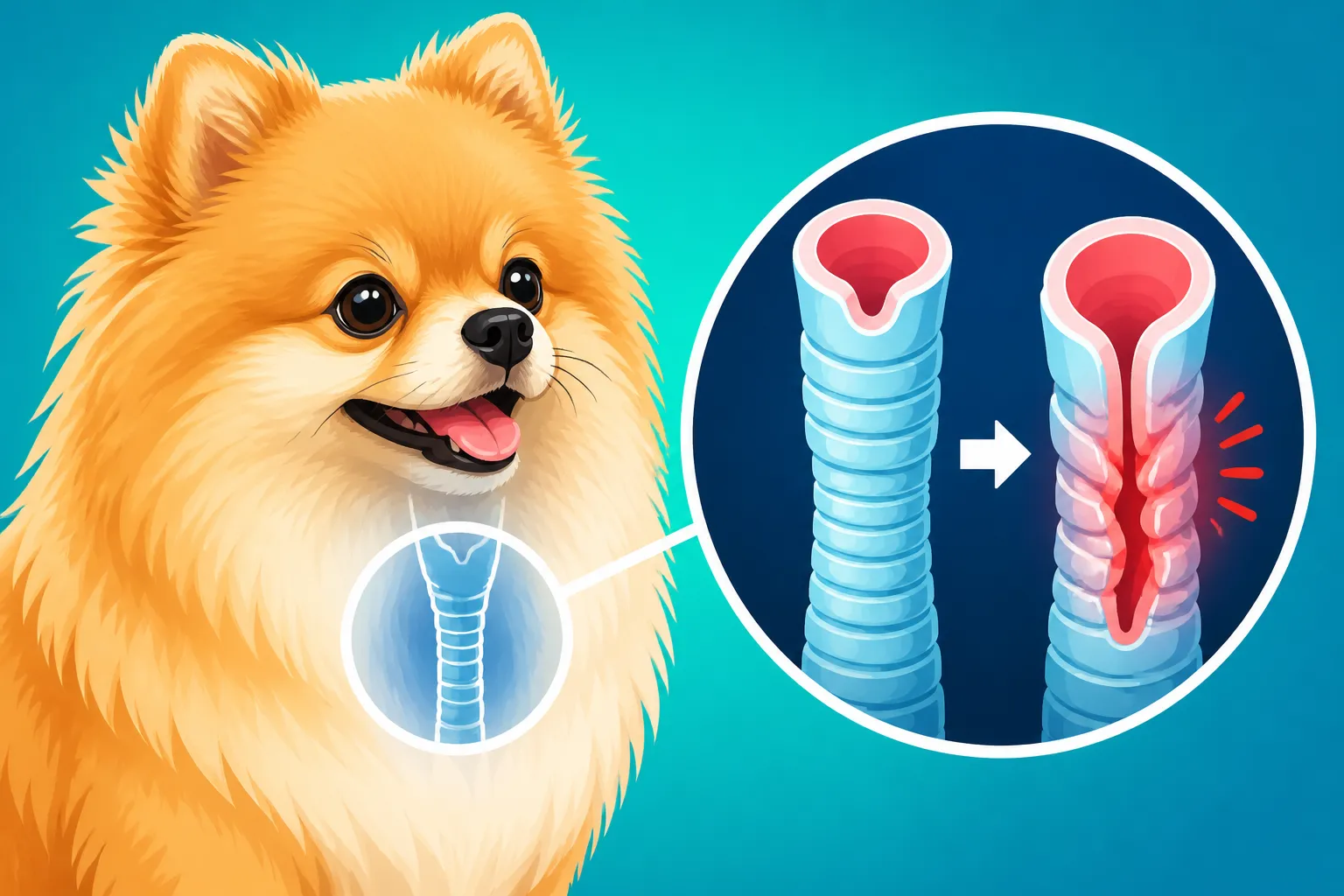
Tracheal collapse is a chronic, progressive condition that affects the windpipe, or trachea, which is a tube made of C-shaped cartilage rings that carries air to and from the lungs. In a healthy dog, these rings are firm and keep the airway open. However, in dogs prone to tracheal collapse, these cartilage rings weaken and flatten over time, making it difficult for air to pass through freely. When the rings weaken, the trachea can narrow significantly, especially during inhalation or exhalation, causing the characteristic cough.
Pomeranians, along with other small and toy breeds like Chihuahuas, Yorkshire Terriers, and Miniature Poodles, are disproportionately affected by this condition. It's often considered a degenerative disease, meaning it worsens over time, but it can also be congenital, present from birth due to inherently weaker cartilage. The delicate nature of their tiny airways, combined with genetic predispositions, makes them particularly susceptible. Many owners are genuinely shocked to discover that such a common breed affliction stems from something so fundamental to breathing.
The symptoms can range from a mild, intermittent cough to severe respiratory distress. Initially, you might notice your Pomeranian developing what sounds like a "goose honk" cough, especially when excited, pulling on a collar, or drinking water too quickly. This cough is often exacerbated by exercise, heat, or humidity. It can sound quite dramatic, and it's understandable why it causes such panic. As the condition progresses, you might observe increased breathing effort, panting even at rest, or a bluish tint to their gums in severe cases, indicating a lack of oxygen. Keeping an eye out for these early signs is crucial for timely intervention. For a more in-depth look at what to listen for, check out our guide on The Sound a Pomeranian Makes When Its Trachea Collapses.
Typical Onset Age and Contributing Factors
While tracheal collapse is often associated with older dogs, it's not exclusively a senior dog issue. The age at which a Pomeranian's trachea starts collapsing can vary quite a bit, though it most commonly becomes noticeable in middle-aged to senior dogs, typically between 4 and 14 years of age. However, it's not unheard of for symptoms to appear much earlier, even in puppies or young adult Pomeranians as young as one or two years old, particularly if they have a severe congenital predisposition. This early onset can be especially heartbreaking, as you expect your young pup to be full of boundless energy without such health concerns.
The reason for this variability lies in a combination of factors:
The Role of Genetics and Congenital Issues
At the core of tracheal collapse in Pomeranians is often a genetic predisposition to weaker cartilage rings. Some Pomeranians are simply born with a structural defect in their trachea, meaning the cartilage is not as firm or well-formed as it should be. This makes them more prone to collapse from a young age. While it might not manifest immediately, the inherent weakness is there, waiting for everyday stresses to trigger symptoms. This is why responsible breeders try to screen for such conditions, though it's not always straightforward to predict. A puppy might appear perfectly healthy for its first few years, only for the symptoms to slowly creep in as the cartilage continues its gradual weakening.
Environmental and Lifestyle Factors
Even with a genetic predisposition, various environmental and lifestyle factors can significantly contribute to the onset and worsening of tracheal collapse at any age.
- Obesity: This is a huge culprit. Excess weight places additional pressure on the trachea and respiratory system, making it harder for the dog to breathe and exacerbating any underlying weakness in the windpipe. A Pomeranian that is even a pound or two overweight can experience a significant increase in symptoms. It’s a common frustration for owners trying to manage their Poms' weight, especially when they beg for treats with those adorable, insistent eyes. You can read more about this in Whether Weight Gain Worsens a Pomeranian's Windpipe.
- Collar Use: This is probably one of the most direct mechanical stressors. Any pressure on the neck from a collar, especially if your Pomeranian pulls on the leash, can compress the delicate trachea and accelerate its collapse. For a breed already prone to this condition, using a harness is almost always recommended over a collar for walks. This simple switch can make a profound difference in protecting their airway. Consider our advice on Why a Collar Threatens a Pomeranian's Windpipe.
- Irritants and Allergens: Exposure to smoke (especially cigarette smoke), dust, strong chemical fumes, or even airborne allergens can irritate the respiratory tract, leading to inflammation and coughing, which in turn can worsen a collapsing trachea. Keeping your home environment clean and free of irritants is a vital part of managing the condition.
- Excitement and Stress: High levels of excitement, anxiety, or even vigorous play can lead to rapid, forceful breathing, putting strain on the trachea. This is why many owners first notice the "honking" cough when their Pomeranian is greeting them at the door or during an energetic play session. The adrenaline rush and increased respiratory effort can cause the fragile rings to temporarily buckle.
- Respiratory Infections: Things like kennel cough or other upper respiratory infections can cause inflammation and swelling in the airways, making existing tracheal weakness much more apparent and symptoms more severe. It's often during an illness that a previously undiagnosed tracheal collapse might suddenly become very obvious.
- Heat and Humidity: Hot, humid weather makes it harder for dogs to cool themselves and can increase respiratory effort, which can aggravate a collapsing trachea. Owners in warmer climates might notice their Pomeranian's cough is worse during summer months. Information on Humidity and a Pomeranian's Breathing can offer more insights.
Progression and Severity of Tracheal Collapse
Tracheal collapse is typically a progressive condition, meaning it tends to worsen over time if not managed. It's often classified into grades to describe its severity, which helps veterinarians determine the best course of action and gives owners a clearer picture of what to expect.
How the Condition Evolves Over Time
Initially, a Pomeranian might only experience a mild, infrequent cough. This could be a Grade I collapse, where the tracheal lumen (the opening) is narrowed by less than 25%. You might dismiss it as a random cough or gag. However, without intervention, the cartilage continues to weaken, and the collapse can become more pronounced. This often leads to more frequent and severe coughing episodes, increased exercise intolerance, and noticeable difficulty breathing, especially after activity or during periods of excitement.
As it progresses to Grade II (25-50% narrowing), Grade III (50-75% narrowing), and finally Grade IV (75-100% narrowing, where the trachea is almost completely flat), the impact on your Pomeranian's quality of life becomes undeniable. It's a heartbreaking journey to witness, as a once-active pup might struggle to walk even short distances without gasping for air. This progression isn't always linear; some dogs might stay at a mild grade for years, while others can decline more rapidly. Understanding these stages is key, and you can delve deeper into this topic by reading Grading a Pomeranian's Tracheal Collapse.
Impact on Quality of Life at Different Stages
- Mild (Grade I-II): At these stages, your Pomeranian might still be quite active, but you'll notice the cough appearing more often, perhaps after a walk or a burst of zoomies. They might tire a bit quicker, but generally, their daily life isn't severely impacted. Many owners can manage this stage effectively with lifestyle changes and occasional medication.
- Moderate (Grade II-III): This is where quality of life often begins to decline. The cough becomes persistent, occurring even at rest. Your Pomeranian might avoid exercise, show reluctance to play, and pant frequently. Episodes of respiratory distress might be more common, requiring immediate attention. Eating and drinking can trigger coughing fits, making mealtime a stressful event.
- Severe (Grade III-IV): In the advanced stages, breathing becomes a constant struggle. Your Pomeranian might experience severe respiratory distress, fainting spells, or even cyanosis (bluish gums/tongue) due to lack of oxygen. They will likely be lethargic, unwilling to move much, and their appetite might decrease due to the effort involved in eating. Emergency vet visits become more frequent, and at this point, every breath is a conscious struggle, making decisions about their comfort paramount.
When to Seek Veterinary Attention
It is always best to consult your veterinarian as soon as you notice any signs of a persistent honking cough or unusual breathing in your Pomeranian, regardless of their age. Early diagnosis and management can significantly slow the progression of the disease and improve your dog's quality of life.
However, certain symptoms warrant immediate emergency veterinary attention:
- Persistent severe coughing or gagging: If your dog is in a prolonged coughing fit that they cannot shake off.
- Difficulty breathing: Labored breathing, gasping for air, or struggling to inhale or exhale.
- Bluish gums or tongue (cyanosis): This is a critical sign of oxygen deprivation and requires immediate emergency care.
- Fainting or collapse: Any instance of your Pomeranian collapsing or passing out is an emergency.
- Restlessness or anxiety due to breathing issues: If your dog seems panicked and cannot get comfortable because they can't breathe.
These signs indicate a medical emergency where every minute counts. Don't hesitate to seek the nearest emergency vet. Understanding Whether a Pomeranian's Cough Is an Emergency is vital for all owners.
Managing Tracheal Collapse at Different Ages
Managing tracheal collapse in Pomeranians is a multi-faceted approach, tailored to the individual dog's age, severity of collapse, and overall health. The goal is always to improve quality of life and minimize distress.
Preventative Measures for Younger Pomeranians
Even if your young Pomeranian isn't showing symptoms yet, if they are genetically predisposed (e.g., if their parents or siblings have the condition), or simply because they are a Pom, preventative measures are crucial.
- Harness Use: This is perhaps the most important preventative step. Always use a well-fitting harness instead of a collar for walks and any time you need to control your dog. This eliminates pressure on the trachea and greatly reduces the risk of aggravating or initiating collapse. There are many options, but ensuring it fits properly is key. For more on this, see Harnesses Fitted for a Pomeranian's Windpipe.
- Weight Management: Keeping your Pomeranian at a healthy weight is paramount. Even a slight increase in body fat can significantly impact their breathing. Work with your vet to establish an ideal weight and a suitable diet and exercise plan. Regular, gentle exercise is good, but avoid overexertion, especially in warm weather.
- Avoid Irritants: Protect your Pomeranian from smoke, strong perfumes, aerosol sprays, and dusty environments. If you live in an area with high pollen counts, consider air purifiers indoors.
- Controlled Excitement: While you can't eliminate all excitement from a Pomeranian's life (they're too spirited for that!), try to manage situations that might lead to extreme bursts of energy and subsequent coughing. A calmer greeting ritual or scheduled playtime can help.
- Regular Vet Check-ups: Ensure your Pomeranian has regular veterinary examinations. Your vet can monitor for early signs and offer advice specific to your dog's needs.
Treatment Options for Early to Moderate Cases
For Pomeranians diagnosed with early to moderate tracheal collapse, management typically involves a combination of medication and lifestyle adjustments.
- Medication:
- Cough Suppressants: These are often prescribed to reduce the frequency and severity of coughing, which in turn reduces irritation and inflammation of the trachea. Common options include hydrocodone or butorphanol.
- Anti-inflammatories: Steroids (like prednisone) can reduce inflammation and swelling in the airways, making it easier to breathe. They are usually used short-term or at the lowest effective dose due to potential side effects.
- Bronchodilators: These medications help open up the airways in the lungs, making breathing easier. They don't directly treat the trachea but can improve overall respiratory function.
- Sedatives/Anti-anxiety medication: For dogs whose coughing is severely exacerbated by excitement or stress, a mild sedative might be used to help them remain calm.
- Lifestyle Adjustments: These mirror many of the preventative measures but are even more critical once a diagnosis is made. Strict weight management, harness-only walking, avoiding irritants, and managing excitement are non-negotiable.
- Environmental Control: Using humidifiers in dry environments or keeping air conditioning on in hot, humid weather can provide comfort.
It's important to remember that medical management aims to control symptoms and slow progression, not cure the condition. For a deeper understanding of medicinal options, look into Cough Suppressants for a Pomeranian.
Considerations for Older Pomeranians
When tracheal collapse manifests or progresses in older Pomeranians, the approach often shifts towards palliative care, focusing heavily on comfort and quality of life, especially given potential co-existing health issues.
- Comprehensive Health Assessment: Older Pomeranians are more likely to have other health conditions, such as heart disease, kidney issues, or dental problems, which can complicate tracheal collapse. A thorough veterinary workup, including blood tests, urinalysis, and potentially a cardiac evaluation, is essential before deciding on a treatment plan. For example, The Leaking Valve in an Older Pomeranian's Heart is another common issue in senior Poms that can impact breathing.
- Anesthesia Risks: If surgery is considered, the risks associated with anesthesia for older, smaller dogs with respiratory compromise need to be carefully weighed. Discussing pre-anesthetic bloodwork and protocols with your vet is crucial. You can learn more about Anesthesia Risk in a Four Pound Pomeranian.
- Surgical Options: For severe cases, especially in younger or otherwise healthy dogs, surgical interventions like tracheal stenting or ring placement can be considered. However, these are complex procedures with their own risks and are not suitable for every dog, particularly older ones with multiple health concerns.
- Comfort is Key: For many older Pomeranians, the focus becomes managing pain, reducing anxiety, and ensuring they can breathe as comfortably as possible. This might mean adjusting medication as needed, providing a calm environment, and ensuring easy access to food and water without excessive effort. Ensuring they are well-hydrated is also important, so always have fresh water available.
Deciding on the best path for an aging Pomeranian with tracheal collapse is a highly personal decision, made in close consultation with your veterinarian. Organizations like Healthy Paws can be a valuable resource in helping cover the costs associated with ongoing care, allowing you to prioritize your Pomeranian's comfort without undue financial stress.
Here's a quick overview of the stages of tracheal collapse:
| Grade of Collapse | Tracheal Narrowing | Common Symptoms | Typical Management |
|---|---|---|---|
| Grade I | < 25% | Mild, infrequent "goose honk" cough, often triggered by excitement or pulling on collar. Rare breathing difficulty. | Harness use, weight management, avoidance of irritants. Often no medication needed initially. |
| Grade II | 25-50% | More frequent coughing, mild exercise intolerance, occasional respiratory distress. Coughing during drinking/eating. | All Grade I measures plus cough suppressants, anti-inflammatories as needed. Monitoring. |
| Grade III | 50-75% | Persistent cough, noticeable breathing difficulty, panting at rest, significant exercise intolerance. Fainting possible. | Increased medication (stronger cough suppressants, bronchodilators, steroids), strict environmental control, sedatives. Consideration for surgery/stenting in suitable cases. |
| Grade IV | 75-100% | Severe respiratory distress, cyanosis (blue gums), frequent fainting/collapse. Constant struggle to breathe. | Aggressive medical management, oxygen therapy, emergency care. Surgical intervention (stent) might be life-saving if dog is a candidate. Focus on comfort. |
Disclaimer
This article is intended for informational purposes only and does not constitute medical advice. Always consult with a qualified veterinarian for any health concerns or before making any decisions about your Pomeranian's care.