What Breeders Mean by a Fox Face Pomeranian
It's completely understandable to feel a bit lost when breeders start tossing around terms like "fox face," "baby doll," and "teddy bear" when describing Pomeranians. You're trying to learn about the breed, and suddenly it feels like there are secret categories or different types of Poms you never even knew existed! Rest assured, you're not alone in this confusion. This guide will help demystify what breeders typically mean when they talk about a "fox face" Pomeranian, explaining how this term relates to the official breed standard and how it compares to other popular descriptive terms.
Deciphering the "Fox Face" Terminology
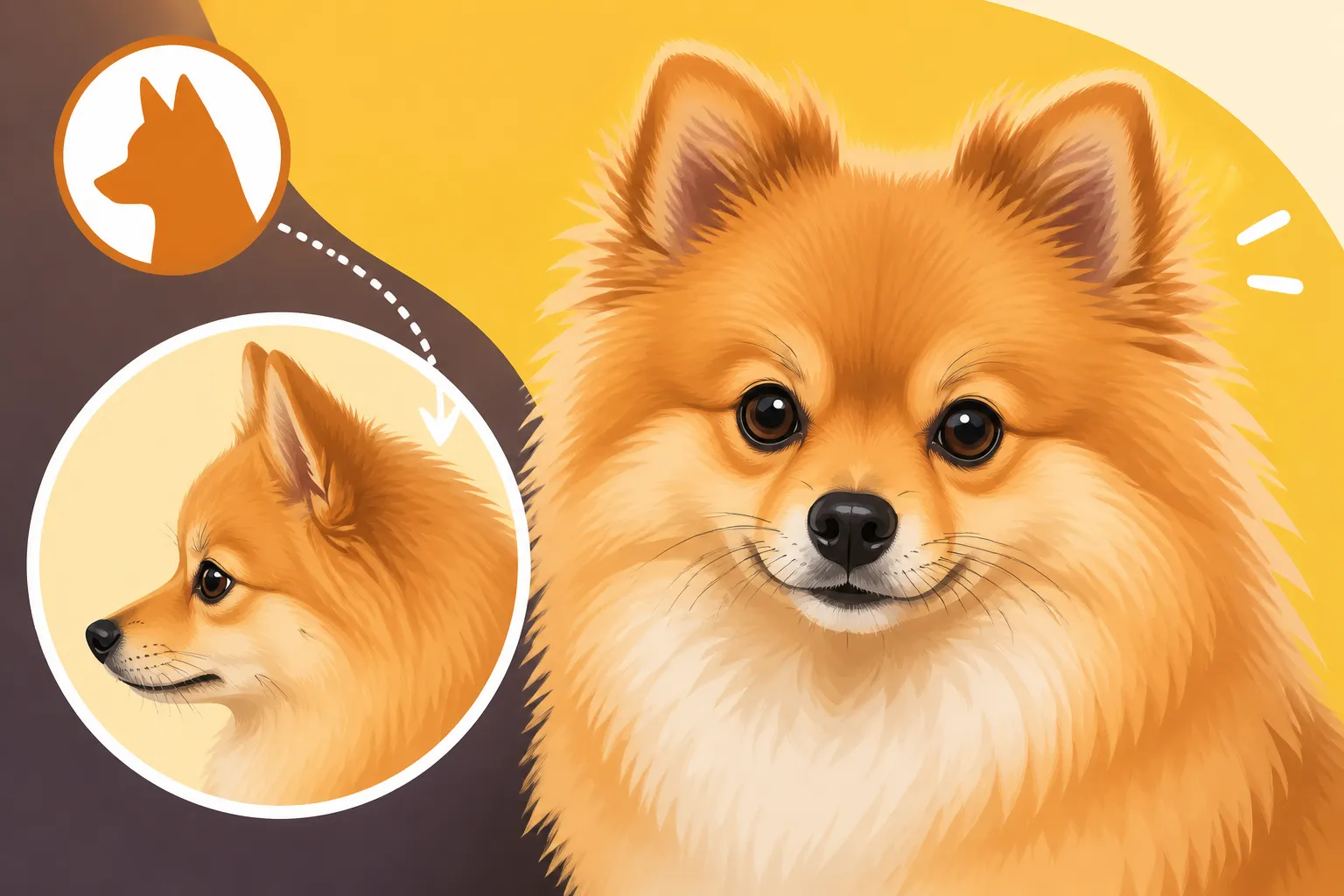
When you hear "fox face Pomeranian," it's not actually a separate breed or an officially recognized variety by kennel clubs. Instead, it's a popular descriptive term used by many in the Pomeranian world to characterize the look of a Pomeranian that closely adheres to the original, classic breed standard. It's about a particular set of facial features that evoke the appearance of a wild fox – sharp, alert, and proportionate.
The Standard Pomeranian Appearance
The official breed standard for the Pomeranian, set by organizations like the American Kennel Club (AKC), doesn't use terms like "fox face." However, the descriptions within the standard paint a very clear picture that aligns perfectly with what most people consider a fox face. The standard calls for a head that is "wedge-shaped," narrowing to the nose, with a "rather short, fine muzzle." It describes the eyes as "dark, almond-shaped, and sparkling," and the ears as "small, erect, and pointed." This combination of features is precisely what gives the Pomeranian its foxy, intelligent, and sometimes mischievous expression. It’s about balance and proper proportions, ensuring that the dog's head is in harmony with its tiny body, typically weighing in at The Three to Seven Pounds a Pomeranian Is Allowed.
Breeders who pride themselves on upholding the traditional look of the Pomeranian will often use "fox face" to assure prospective owners that their puppies will mature into dogs with these classic features. They're trying to convey that their dogs haven't been bred for exaggerated or non-standard traits, but rather for the elegance and distinctive appearance that defines the Pomeranian breed. It's their shorthand for saying, "This is what a Pomeranian should look like, according to the standard." If you want to dive deeper into what makes a show-quality head, you might find more information in The Head and Expression a Pomeranian Judge Wants.
Why the "Fox Face" Isn't a Separate Breed
It’s crucial to understand that "fox face" is purely a descriptor, not a breed subdivision like, say, a Standard Poodle versus a Miniature Poodle. All Pomeranians are the same breed, regardless of how their facial features might be described by individuals. The distinction comes from selective breeding choices over time, where some breeders have leaned towards certain aesthetic preferences, sometimes diverging from the traditional standard. The terms "baby doll" or "teddy bear" face, for instance, are marketing terms that describe specific looks that have become popular, but they don't represent a different lineage or an officially recognized type of Pomeranian.
When you're searching for a puppy, you might encounter breeders who exclusively market "teddy bear" or "baby doll" Poms, sometimes implying they are rare or superior. This isn't true from a breed standard perspective. The "fox face" is generally considered the true Pomeranian look by purists and those involved in conformation showing, precisely because it adheres to the written standard. It's essential not to get swept up in the idea that one "face type" is more legitimate than another without consulting the actual breed standard. These informal classifications can sometimes mislead buyers, who might not realize they are describing variations within the single Pomeranian breed, often driven by trends rather than official recognition.
Comparing "Fox Face" to Wild Canids
The term "fox face" isn't accidental; it's chosen because the traditional Pomeranian face genuinely resembles that of a small fox. Think about the sleek, intelligent look of a red fox in the wild: its pointed muzzle, alert ears, and bright, expressive eyes. These are the very characteristics that define the classic Pomeranian face. This connection to wild canids also hints at the Pomeranian's lineage as a Spitz-type dog, which are known for their wolf-like or fox-like appearances, including prick ears, dense double coats, and curled tails.
This visual comparison helps to set the fox face apart from the more "domestication-syndrome" influenced looks you see in some breeds, which feature shorter muzzles and rounder heads. The fox face Pomeranian maintains a natural, primitive beauty that connects it to its larger Spitz ancestors. It’s a testament to the enduring traits of the German Spitz family from which the Pomeranian descended, illustrating The Pomeranian Against the Other Toy Spitz Breeds in terms of its appearance. This ancestral connection is part of the charm for many Pomeranian enthusiasts who appreciate the breed's historical look.
Features of the Traditional "Fox Face" Pomeranian
A "fox face" Pomeranian is truly a sight to behold, embodying the quintessential look of the breed as defined by kennel clubs worldwide. It's a harmonious combination of features that gives the dog an intelligent, alert, and somewhat wild-canid appearance.
The Muzzle and Snout
The most defining characteristic of a fox face Pomeranian is its muzzle. It's proportionate to the head, neither too long nor too short, with a clear, gradual taper from the eyes to the nose. Imagine a delicate, refined cone shape. The length is important – it should be roughly one-third the length of the head. This gives the Pomeranian a distinct profile, allowing for proper breathing and dental alignment. A muzzle that is too short, or too "pushed in," is considered a deviation from the standard and can lead to certain health issues, which we'll discuss later.
This elegant muzzle shape also contributes to the Pomeranian's expression, making it look curious and engaged with its surroundings. It's a hallmark of the breed's intelligence and vivacity. When you’re examining a puppy or an adult Pomeranian, observe its profile. Does the muzzle flow smoothly from the forehead, tapering gracefully to a small, black nose? That's the fox face you're looking for, a testament to balanced breeding that prioritizes functionality alongside aesthetics.
Eye Placement and Expression
The eyes of a fox face Pomeranian are another key feature that contribute to its distinctive look. The breed standard specifies that the eyes should be dark, almond-shaped, and set obliquely. This "oblique" placement means they are slightly slanted, contributing to that foxy, keen, and intelligent expression. They shouldn't be large, round, or bulging. The rims of the eyes should be dark, providing a striking contrast against the sparkling dark eye itself.
This combination of shape, color, and placement creates an expression that is both alert and friendly, full of life and curiosity. A Pomeranian with proper eye set doesn't look startled or sad; instead, it projects a vibrant, engaging demeanor that draws you in. These eyes are truly the windows to the Pomeranian's spirited personality, often reflecting their quick wit and playful nature. They should be clear and free from discharge, signifying good health, which is always paramount.
Ear Shape and Set
Completing the classic fox face are the Pomeranian's ears. They are described as small, erect, and pointed, set high on the head but not too close together. This gives the top of the head a distinctive, alert outline that further enhances the foxy resemblance. The ears should be firm, not floppy or rounded, and their small size keeps them in proportion with the delicate head. Covered with dense, short, soft hair, they blend seamlessly with the Pomeranian's luxurious double coat, particularly around the magnificent ruff.
These small, pricked ears are characteristic of the Spitz family of dogs and are essential to the Pomeranian's overall look. They convey attentiveness and responsiveness, often twitching and rotating to catch every sound. If a Pomeranian's ears are too large, too low-set, or not fully erect, it significantly alters the classic "fox face" appearance. When you are assessing a Pomeranian's ears, you want to see that distinctive, triangular shape, standing proudly and framing that intelligent face. For more detail on ear standards, you can read The Small Erect Ears a Pomeranian Should Have.
Other Pomeranian Face Types and Why They Emerged
While the "fox face" is synonymous with the breed standard, you'll inevitably encounter other descriptive terms in the Pomeranian world. These often refer to variations that have become popular due to specific breeding preferences or market trends, even if they deviate from the traditional look.
The "Baby Doll" Face
The "baby doll" face is a term used to describe a Pomeranian with a slightly shorter muzzle than the traditional fox face, often accompanied by somewhat rounder eyes. The overall effect is a softer, more "cute" or youthful expression, reminiscent of a doll. The skull might also appear a bit rounder, rather than the distinct wedge shape of the fox face. This look tends to appeal to those who prefer a more "cuddly" or less wild-looking aesthetic in their toy breeds.
Breeders who aim for the "baby doll" look are often selecting for these slightly altered facial proportions. While still within the realm of what is generally considered a healthy Pomeranian, the muzzle is a touch more compact. This can sometimes be a subtle difference from the fox face, making it harder for a novice to distinguish. It's important to remember that this is a stylistic preference, not an official breed type, and its increasing popularity reflects changing consumer tastes in pet aesthetics.
The "Teddy Bear" Face
Perhaps the most talked-about alternative to the fox face is the "teddy bear" face. This description refers to Pomeranians with a significantly shorter muzzle, often very flat, and very round, widely set eyes. The skull tends to be much rounder, giving the dog a soft, plush toy-like appearance, much like a teddy bear. This look deviates more distinctly from the breed standard compared to the "baby doll" face, pushing towards a more brachycephalic (short-nosed) facial structure.
The "teddy bear" look has surged in popularity, driven in part by social media and celebrity pets. Many people adore the incredibly "cute" and puppy-like appearance it gives even adult Pomeranians. However, this aesthetic can come with potential health implications, as a severely shortened muzzle can affect breathing, teeth alignment, and even tear drainage. Breeders who specialize in this look might market their dogs at higher prices due to perceived rarity or extreme cuteness, but buyers should be fully aware of the potential health considerations that can arise from these exaggerated features. We cover various facial types more broadly in Fox Face, Baby Doll and Teddy Bear Pomeranians.
The Influence of Marketing and Aesthetics
The emergence and widespread use of terms like "baby doll" and "teddy bear" face are largely a result of marketing and evolving aesthetic preferences in the pet industry. In today's highly visual world, where dogs are often seen as fashion accessories or social media stars, certain "looks" gain immense traction. Breeders, responding to demand, sometimes prioritize these desired aesthetics over strict adherence to the breed standard or even optimal health.
This isn't to say that all dogs with "teddy bear" or "baby doll" faces are unhealthy or poorly bred. Many breeders genuinely love these looks and work to produce healthy dogs within those parameters. However, the commercialization of these terms can sometimes lead to an emphasis on extreme features, potentially compromising a dog's well-being. It's a reminder that while these descriptions can be charming, the official breed standard and health clearances should always be the guiding factors when choosing a Pomeranian. Always prioritize the health and temperament of a dog over a trendy look, and be wary of breeders who use these terms to justify inflated prices without backing it up with health testing.
Health Considerations Across Different Face Types
While facial aesthetics are often a primary draw for prospective owners, it's crucial to understand how different face types can impact a Pomeranian's health. The very features that make a face "cute" or "foxy" can sometimes influence their overall well-being.
Brachycephalic Tendencies and Breathing
The traditional "fox face" Pomeranian, with its proportionate muzzle, generally has good airflow and is less prone to brachycephalic airway syndrome. This syndrome is typically associated with breeds that have significantly shortened muzzles (like pugs or bulldogs) and can lead to difficulties breathing, especially in hot weather or during exercise. While Pomeranians are not a truly brachycephalic breed, those with extremely short "teddy bear" faces can lean towards these tendencies.
A shortened muzzle means the soft tissues in the throat and nose might be compacted into a smaller space. This can lead to narrowed nostrils, an elongated soft palate, or even a collapsed larynx. Dogs with these issues might snort, snore excessively, or struggle to breathe, particularly during strenuous activity or when stressed. You might notice them panting more heavily, turning blue around the gums, or even collapsing. This is a serious concern, and something to discuss with a veterinarian, especially if you're considering a Pomeranian with a very flattened face. Humidity can also worsen breathing issues in dogs with compromised airways, which is why Humidity and a Pomeranian's Breathing is a consideration for all Poms.
Dental Health and Jaw Structure
The smaller the mouth and the shorter the muzzle, the more likely a dog is to experience dental issues. Pomeranians, regardless of face type, already have tiny mouths, making them susceptible to dental problems. However, a traditional fox face, with its slightly longer and more proportionate muzzle, tends to offer a bit more space for teeth to align properly. In contrast, Pomeranians with extremely short "baby doll" or "teddy bear" faces can have more severely crowded teeth.
When teeth are crowded, they are more prone to plaque and tartar buildup, as it's harder for the dog's natural chewing action and owner-provided brushing to clean effectively. This crowding can also lead to misaligned bites, retained baby teeth, and ultimately, accelerated gum disease and tooth loss. Dental Disease in a Mouth the Size of a Pomeranian's is already a significant concern for the breed, and a very short muzzle can exacerbate these challenges. You might find that frequent dental cleanings, sometimes annually, become a necessity for these dogs to maintain oral health. Investing in high-quality dental chews from places like Chewy can help, but they are no substitute for regular veterinary care and diligent home brushing.
Eye Health and Injury Risk
The almond-shaped, obliquely set eyes of a fox face Pomeranian are generally well-protected within their sockets, reducing their vulnerability to injury. However, Pomeranians with very round, prominent, or widely set eyes, often associated with the "baby doll" or "teddy bear" looks, can be at higher risk. Eyes that protrude slightly are more exposed to trauma from playful bumps, branches, or even roughhousing with other pets.
Additionally, the shape of the eye can sometimes correlate with issues like entropion (eyelids rolling inward) or ectropion (eyelids rolling outward), though these are not exceedingly common in Poms. More frequently, the shape of the eye and the surrounding facial structure can impact tear drainage, leading to tear staining or chronic eye irritation. While The Eye Problems a Pomeranian Carries can affect any Pom, those with exaggerated facial features might face a slightly elevated risk of certain conditions. Regular eye checks and keeping the fur around the eyes trimmed can help mitigate some of these risks.
What to Look for in a Reputable Breeder
When searching for a Pomeranian, whether you prefer a classic "fox face" or are drawn to other aesthetic descriptions, your primary focus should always be on finding a reputable breeder. This decision will have a profound impact on your puppy's health, temperament, and your overall experience as an owner.
Prioritizing Health and Temperament
A truly responsible breeder will always put the health and temperament of their puppies above all else, including specific "face types" or trendy looks. They understand that a well-bred Pomeranian is not just about appearance; it's about a dog that is sound in body and mind, capable of being a loving, healthy companion for many years. They will be transparent about the health history of their breeding dogs, readily sharing health clearances for conditions common in the breed, such as luxating patellas (Slipping Kneecaps in a Five Pound Pomeranian) and cardiac issues.
Temperament is equally critical, especially in a small breed known for its spirited nature. A good breeder will socialize their puppies from a young age, exposing them to various sights, sounds, and gentle human interaction to foster confident, well-adjusted personalities. They'll be able to tell you about the parents' temperaments and the specific traits of each puppy in the litter. Beware of any breeder who solely focuses on appearance or claims their dogs are "rare" due to a particular look without emphasizing health and proper socialization. Remember, you're bringing a family member home, not a decorative item.
Understanding the Breed Standard
Reputable breeders, particularly those who breed for the "fox face" look, often have a deep understanding of and commitment to the official Pomeranian breed standard. They view the standard not just as a guide for show dogs, but as a blueprint for maintaining the health, structure, and characteristic appearance of the breed. They will be able to articulate why certain features are desirable and how they contribute to the dog's overall well-being and function.
They won't rely on catchy marketing terms like "teacup" or "teddy bear" to sell their puppies, but rather discuss the specific qualities of their dogs in relation to the written standard. This dedication usually means they are involved in breed clubs, participate in dog shows, and are always striving to improve the breed's health and quality. Don't be afraid to ask a breeder about their philosophy regarding the breed standard and how they ensure their dogs meet these criteria. This demonstrates your own commitment to the breed's integrity. For a comprehensive overview of how the breed changed over time, consider reading How the Pomeranian Halved in Size in One Lifetime.
Asking the Right Questions
Engaging in a thorough conversation with a prospective breeder is key. Don't be shy about asking a multitude of questions, and a good breeder will welcome your inquiries. Here are some essential questions to consider:
| Question Category | Specific Questions to Ask a Breeder | Why It Matters |
|---|---|---|
| Health | What health clearances do the parents have? Can I see copies? | Ensures genetic screening for common breed ailments. |
| What is your health guarantee for puppies? | Protects you if genetic issues arise after purchase. | |
| What is the typical adult weight of your puppies? | Helps you understand if the puppies are within the standard range, avoiding "teacup" misrepresentation. | |
| Temperament | What are the personalities of the parents like? | Gives insight into your puppy's likely disposition. |
| How do you socialize your puppies before they go home? | Ensures puppies are well-adjusted and confident. | |
| Experience | How long have you been breeding Pomeranians? | Indicates experience and knowledge of the breed. |
| Are you a member of any breed clubs? | Often signifies commitment to breed standards and ethics. | |
| Care | What food do you feed your puppies? | Helps with a smooth transition to your home. |
| What is your return policy if the puppy doesn't work out? | A responsible breeder will always take a dog back. | |
| Can I contact your veterinarian for a reference? | Provides an independent verification of care. |
A reputable breeder will not only answer these questions patiently but will also likely have many questions for you to ensure you can provide a suitable home for their puppy. They may also ask for a non-refundable deposit to hold a puppy, but this is a normal part of the process, particularly if there's How Long the Wait Runs on a Pomeranian Litter. They will typically allow you to visit their facility, meet the parents (at least the dam), and observe the puppies in a clean, stimulating environment. They'll also provide you with a contract, registration papers, and vaccination records. Be wary of breeders who push for quick sales, offer to ship puppies without an opportunity for you to visit, or seem unwilling to provide detailed health information. Buying from a responsible breeder may seem like a larger upfront investment, as What a Health Tested Pomeranian Starts at Fifteen Hundred, but it is an investment in a healthy, happy companion for years to come. Many good quality supplies, food, and toys for your new pup, regardless of face type, can be found readily on Chewy.
Disclaimer
This article is for general informational purposes only and does not constitute professional advice. Laws, prices and regulations vary by location and change over time. Consult a qualified professional for guidance on your specific situation.