Teacups, Merles and What Pomeranian Breeders Sell
It’s incredibly exciting to consider adding a Pomeranian to your life, but when you start looking for a puppy, the sheer volume of terms and claims out there can be utterly overwhelming. You see ads for "teacup" Poms, hear about "merle" coats, and suddenly what felt straightforward becomes a confusing maze of breeders selling different "types." This guide is here to cut through the noise, explain what reputable Pomeranian breeders focus on, and arm you with the knowledge to make an informed, ethical choice for your future furry family member.
Understanding the Reputable Pomeranian Breeder's Goal
When you encounter a truly dedicated Pomeranian breeder, their primary focus isn't on fads or buzzwords. Their goal is unwavering: to produce healthy, well-tempered puppies that embody the best characteristics of the breed standard. This means they are committed to a legacy of quality, ensuring each puppy has the best possible start in life and the potential for a long, joyful existence with their new families. It’s a far cry from simply selling a cute fluffball.
Adherence to the Breed Standard
Reputable breeders are deeply committed to the breed standard, which is essentially the blueprint for what a Pomeranian should look and act like. This standard, set by organizations like the American Kennel Club (AKC), dictates everything from ideal size and weight – typically The Three to Seven Pounds a Pomeranian Is Allowed – to coat texture, ear set, tail carriage, and even temperament. They aren't trying to create something "new" or "different"; they are striving to perfect what makes a Pomeranian a Pomeranian.
This commitment means carefully selecting breeding pairs that complement each other, aiming for offspring that will meet or exceed these established guidelines. It's about preserving the integrity of the breed, not chasing trends. They'll talk about correct conformation, a lively expression, and that characteristic "stand-off" double coat. For them, every litter is a step towards improving the breed as a whole.
The breed standard also encompasses temperament. A well-bred Pomeranian should be lively, intelligent, and possess that distinctive bold, inquisitive nature. They shouldn't be overly shy, aggressive, or hyperactive. Breeders who prioritize the standard ensure that their adult dogs possess these traits, believing that good temperament is inherited as much as it is trained. This foundation makes for a much happier and more adaptable pet in the long run.
Health Testing and Genetic Screening
One of the most significant hallmarks of a responsible Pomeranian breeder is their dedication to extensive health testing. They understand that certain genetic conditions are more prevalent in the breed, and they take proactive steps to minimize the risk of passing these on to puppies. This isn't just a casual vet check; it involves specific screenings for known issues.
For Pomeranians, crucial health clearances include orthopedic evaluations for patellar luxation (slipping kneecaps) and cardiac exams to check for heart murmurs or other congenital heart defects. You'll often hear breeders mention OFA (Orthopedic Foundation for Animals) certifications for knees and CERF (Canine Eye Registration Foundation, now part of OFA) for eyes. They want to ensure their breeding stock is free from these issues before ever considering a litter. A conversation with a good breeder will involve them explaining these tests in detail, often providing certificates for their breeding dogs.
They're also keenly aware of conditions like Slipping Kneecaps in a Five Pound Pomeranian and The Heart Defect Found in Pomeranian Puppies. These tests are an investment, both in time and money, demonstrating a breeder's commitment to the long-term health of their puppies. Anyone who brushes off health testing or claims their dogs are "healthy, no need to test" is waving a massive red flag. They understand that prevention is key to giving their puppies the best chance at a full and healthy life.
Temperament First
Beyond looks and physical health, a good breeder places immense importance on the temperament of their puppies. They recognize that a stable, confident, and well-socialized puppy will thrive in a family home. This starts with the parents, as temperament is highly heritable. Breeders will observe their adult dogs closely, ensuring they are even-keeled, friendly, and not prone to excessive shyness or aggression.
From the moment the puppies are born, ethical breeders engage in early socialization. This means exposing them to a variety of sights, sounds, textures, and gentle human interaction. They might use ENS (Early Neurological Stimulation) protocols, handle puppies frequently, and introduce them to different household environments. This isn't about rigid training at a young age, but rather building resilience and curiosity.
These early experiences are critical for shaping a puppy's personality, helping them grow into adaptable, confident adult dogs. A puppy raised in an isolated or chaotic environment, even if genetically sound, may struggle with fear, anxiety, or reactivity later in life. A responsible breeder will be eager to tell you about their socialization practices and how they prepare their puppies for the world. They want to match the right puppy with the right family, ensuring a harmonious future for everyone involved.
The Truth About "Teacup" Pomeranians
The term "Teacup Pomeranian" is perhaps one of the most misleading and concerning trends in the pet market. While the idea of an even tinier, more delicate Pomeranian might sound appealing to some, it's crucial to understand that "teacup" is not a recognized size variety or an official classification within the breed. It's purely a marketing term, and one often associated with unethical breeding practices that put profit above animal welfare.
Why "Teacup" Isn't a Recognized Term
Let's be absolutely clear: there is no such thing as an "official" Teacup Pomeranian. Breed standards, which define what a purebred Pomeranian should be, typically specify a weight range of 3 to 7 pounds for adults. Any breeder advertising "teacup" Poms is selling dogs that fall outside or at the absolute lowest end of this healthy weight range, often aiming for puppies that mature under 3 pounds. This isn't a special variation; it's simply breeding for extreme smallness.
The term itself is designed to evoke images of dainty, doll-like puppies that can fit in a teacup, driving up their perceived value and price. However, this marketing tactic glosses over the significant health implications. Responsible breeders adhere to the standard, knowing that breeding for sizes below the healthy threshold often compromises the dog's well-being. If a breeder uses the term "teacup," it should immediately raise a red flag about their understanding of, or disregard for, breed health and ethics. You can read more about this in Whether Teacup Is a Real Pomeranian Category.
The legitimate way to refer to smaller Pomeranians is simply to note their individual weight within the standard range. A 3-pound adult Pomeranian is still just a Pomeranian, not a "teacup." The distinction matters because the label often obscures the true cost in terms of health and longevity for these unnaturally small dogs.
Health Risks Associated with Undersized Poms
Breeding for extreme smallness comes at a significant cost to the dog's health. "Teacup" Pomeranians are highly susceptible to a range of severe and often life-threatening conditions due to their fragile physiology. Their tiny bodies simply aren't as robust as those bred to the standard.
One of the most common issues is hypoglycemia, or dangerously low blood sugar. Tiny puppies, especially those under a few pounds, struggle to regulate their blood sugar levels, which can lead to weakness, seizures, and even death if not managed quickly. Owners of these puppies often face a constant battle to keep their blood sugar stable, requiring frequent small meals and emergency care if a crash occurs. Blood Sugar Crashes in a Pomeranian Puppy delves into this in more detail.
Beyond blood sugar, "teacups" frequently suffer from fragile bones, making them highly prone to fractures from even minor falls or bumps. Their organs can be underdeveloped, leading to issues with liver shunts, kidney problems, and heart defects. Hydrocephalus, where fluid accumulates in the brain, is also more common in these tiny dogs. What Teacup Breeding Costs a Pomeranian further illustrates the grave health consequences. Their miniature jaws often cannot accommodate their teeth, leading to severe dental overcrowding and early tooth loss, necessitating expensive and frequent dental care from a very young age. This intense need for specialized care places an enormous burden, emotionally and financially, on their owners.
Ethical Considerations of Breeding for Extreme Smallness
The practice of intentionally breeding for "teacup" size raises profound ethical concerns. It prioritizes a niche market demand for extreme cuteness over the health, welfare, and natural characteristics of the breed. Breeders pursuing "teacup" lines often do so by breeding runts or undersized dogs, perpetuating traits that are detrimental to the animals.
These breeders may not conduct proper health screenings, or they might downplay the risks involved, leaving unsuspecting buyers to deal with the inevitable medical issues. The short lifespans and constant need for veterinary intervention in many "teacup" Poms speak volumes about the unsustainable nature of this breeding goal. It's heartbreaking for owners to watch their beloved pets suffer from preventable conditions simply because they were bred to be unnaturally small.
A truly ethical breeder understands that responsible breeding means producing dogs that can live long, healthy, and fulfilling lives. They wouldn't knowingly subject their puppies, or their future owners, to the potential heartache and expense associated with "teacup" breeding. They recognize that The Health Cost of Breeding Pomeranians Under Three Pounds is simply too high, for both the dog and the family. Supporting such practices, even unintentionally, perpetuates a cycle of suffering.
Navigating the World of Merle Pomeranians
Merle is another term that often surfaces in Pomeranian discussions, generating both curiosity and controversy. While the merle gene produces striking and unique coat patterns, it's crucial to understand its implications for Pomeranians. For the vast majority of breed enthusiasts and ethical breeders, merle is considered a highly problematic color due to significant health risks, especially when improperly bred.
Merle Genetics and Appearance
The merle gene dilutes random sections of a dog's base coat color, creating distinctive patches of lighter shade, often with darker spots or streaks. In a Pomeranian, this might manifest as a blue merle (patches of diluted black on a black base), red merle (diluted red patches), or even chocolate merle. The gene can also affect eye color, leading to blue eyes or heterochromia (one blue eye, one brown). While visually captivating, this gene is not naturally occurring in the Pomeranian breed.
The introduction of the merle gene into Pomeranian lines typically occurred through cross-breeding with other breeds that naturally carry merle, such as Australian Shepherds or Cardigan Welsh Corgis, and then back-crossing to Pomeranians to regain breed type. This means a merle Pomeranian is, by definition, not a purebred Pomeranian in the traditional sense, even if it looks like one. How Merle Got Into Pomeranian Bloodlines is a good resource if you want to understand the history here.
The genetic complexities of merle are not to be underestimated. There are different forms of the merle gene, and the presence of even one merle allele can create the distinctive pattern. However, the most dangerous scenario arises when a dog inherits two copies of the merle gene – a "double merle" – which is almost exclusively associated with severe health defects.
Associated Health Problems
The primary reason reputable breeders shun merle Pomeranians is the high risk of serious health problems, particularly with double merles. When a puppy inherits a merle gene from both parents (making it an MM genotype), the consequences can be devastating. These puppies frequently suffer from severe ocular and auditory defects, often resulting in complete blindness and/or deafness.
A double merle Pomeranian might be born with microphthalmia (abnormally small eyes), colobomas (missing eye tissue), or even lacking eyeballs entirely. Their hearing can be severely compromised or non-existent. Why Double Merle Pomeranian Puppies Are Born Deaf explains this phenomenon further, and Whether Merle Breeding Damages a Pomeranian's Eyes offers additional insights. These sensory impairments significantly impact a dog's quality of life, requiring immense dedication and specialized care from their owners. It's a preventable tragedy that ethical breeders work hard to avoid.
Even single merle dogs can sometimes have less severe but still concerning issues, though the risks are dramatically higher for double merles. The ethical concern isn't just about avoiding a double merle mating; it's about the inherent risk of having merle in the breeding program at all, given the potential for accidental double merle pairings if breeders are not rigorously careful and honest about their dogs' genetics.
Why Reputable Breeders Avoid Merle
Given the severe health risks, it's no surprise that reputable Pomeranian breeders and major breed clubs, like the American Pomeranian Club, strongly discourage and often outright forbid the breeding and showing of merle Pomeranians. The merle pattern is not considered a natural or standard color for the breed, and its presence is often indicative of outcrossing at some point in the dog's lineage.
Breed clubs prioritize the health and purity of the breed. They understand that introducing and breeding merle, even with the best intentions, opens the door to potential suffering for the puppies and heartbreak for their future families. The visual appeal of merle simply does not outweigh the ethical responsibility to produce healthy dogs. Why Breed Clubs Object to Merle Pomeranians lays out the reasoning behind this stance very clearly.
For an ethical breeder, transparency is key. They will always be forthright about their dogs' genetic backgrounds, health clearances, and adherence to the breed standard. If a breeder is actively promoting merle Pomeranians, especially with claims of "rarity" or "exclusivity," it's a strong indicator that they may be prioritizing novelty and profit over the long-term health and integrity of the breed. Always seek out breeders who are transparent and aligned with established breed club ethics.
What Reputable Pomeranian Breeders Do Sell: Standard Colors and Patterns
Once you move past the sensationalized terms, you'll find that reputable Pomeranian breeders offer a stunning array of legitimate, recognized colors and patterns. These are the beautiful, healthy coats that have been part of the breed for generations, reflecting responsible breeding practices and adherence to the breed standard. The variety is truly spectacular, without resorting to risky genetics.
The Spectrum of Solid Colors
Pomeranians come in a dazzling array of solid colors, each with its own charm. The most common and widely recognized is orange, which often ranges from a pale apricot to a deep, fiery red-orange. This vibrant hue is what many people immediately picture when they think of a Pom, and it's certainly The Orange Pomeranian and Why It Dominates the show ring.
Beyond orange, you'll find elegant blacks, sometimes with rich chocolate undertones or a deep blue sheen. White Pomeranians are pure snow-colored beauties, while creams offer a softer, warmer variation. Reds are vibrant and striking, often deepening in color as the dog matures. Then there are the unique chocolates and beavers, which are lovely shades of brown, often accompanied by brown pigmentation on the nose, paw pads, and eye rims. Blues are a diluted black, appearing as a soft, smoky gray. Every Color a Pomeranian Comes In is a fantastic read if you want to explore the full rainbow of possibilities.
What's important is that these solid colors are genetically straightforward and do not carry the inherent health risks associated with dilution genes like merle. A responsible breeder will be able to tell you the genetic background of their dogs' colors and how they expect the puppies' coats to develop.
Parti-Colors and Markings
While solid colors are popular, Pomeranians also come in stunning parti-color patterns. A parti-colored Pomeranian is predominantly white, with distinct, clearly defined patches of another recognized color. This can be orange, black, chocolate, sable – essentially any of the solid colors. The patches should be well-distributed and not so numerous that they overwhelm the white base.
These dogs are absolutely striking and adhere to the breed standard, provided the colors themselves are standard. You might also encounter what's known as "Irish Marked" Pomeranians, which have a specific pattern of white markings on a solid-colored body, often on the chest, feet, and tip of the tail. Parti Colored and Irish Marked Pomeranians gives a closer look at these delightful variations.
The key with parti-colors, as with solids, is clarity and health. Reputable breeders ensure that these patterns are produced ethically and that the dogs are just as healthy and well-tempered as their solid-colored counterparts. They prioritize correct conformation and health over merely achieving a pretty pattern.
Understanding Sable and Wolf Sable
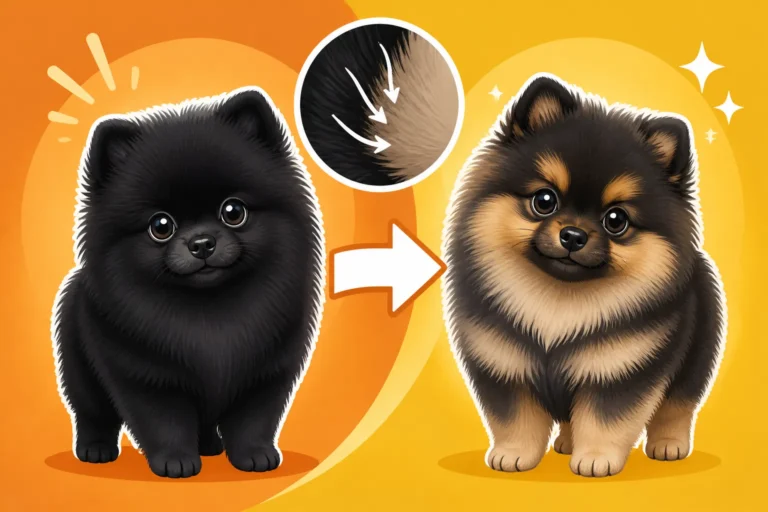
Sable Pomeranians are truly a sight to behold, showcasing a beautiful depth and complexity in their coats. A sable dog has a base color, typically orange or red, but each individual guard hair is tipped with black. This creates a shaded, multi-dimensional effect that changes with movement and light. A true sable often appears darker as a puppy and lightens as the adult coat grows in, revealing more of the underlying orange or red.
Wolf sable is a more specific and less common variation, often seen as a gray base with black guard hair tips, giving a wild, wolf-like appearance. The effect is stunning and harks back to the Pomeranian's Spitz ancestry. Sable and Wolf Sable Pomeranians provides a wonderful exploration of these unique coats.
What's fascinating about sables is how their appearance can evolve dramatically from puppyhood to adulthood. What looks like a dark, almost brownish puppy can blossom into a vibrant orange sable with distinct black tipping. Reputable breeders are knowledgeable about these color transformations and can guide prospective owners on what to expect as their sable puppy grows. They don't label them as "rare" or "exotic" but celebrate them as beautiful, standard variations of the breed.
Beyond "Teacup" and "Merle": Other Marketing Terms
The world of dog breeding, unfortunately, is rife with marketing terms designed to appeal to buyers looking for something unique or "special." While "teacup" and "merle" are the most prominent examples of potentially problematic labels, other terms also warrant careful consideration. Understanding these helps you distinguish between genuine breed characteristics and clever sales tactics.
"Teddy Bear" and "Fox Face" Types
You've probably seen images of Pomeranians described as "teddy bear" or "fox face" types. These terms refer to variations in facial structure and overall head shape, not to different breeds or official classifications. They are descriptive labels used informally by breeders and owners to describe the aesthetic appeal of a particular look. Fox Face, Baby Doll and Teddy Bear Pomeranians delves into these distinctions.
A "fox face" Pomeranian tends to have a more elongated muzzle, almond-shaped eyes, and a generally sharper, more traditional Spitz-like appearance, much like its wild fox relatives. This is often considered the classic Pomeranian look and aligns closely with the breed standard. On the other hand, a "teddy bear" Pomeranian has a shorter, broader muzzle, rounder eyes, and a fuller face, giving them a softer, more "bear-like" or "baby doll" expression.
It's important to remember that these are subjective descriptions. A reputable breeder will focus on the overall adherence to the breed standard, which describes an alert, intelligent expression regardless of the exact facial nuances. They don't breed specifically for a "teddy bear" face as a primary goal, as this can sometimes be associated with a more compact skull structure that might compromise breathing or dental health if taken to an extreme. Instead, they breed for correct head planes and proportions, and the "look" emerges naturally within healthy parameters.
"Rare" Colors
Another common marketing ploy is to label certain standard colors as "rare" to justify a higher price. While some colors are less common than others simply due to genetics and breeding popularity, they are rarely genuinely "rare" in the sense that they are difficult or hazardous to produce. For example, you might see "blue" or "lavender" Pomeranians marketed as exceedingly rare.
While a true blue Pomeranian (a dilute black) is not as common as an orange or black, it is a recognized and healthy color. The same goes for chocolate or beaver. The term "rare" is often applied to create a sense of exclusivity and urgency for potential buyers, suggesting they're getting something special they might not find elsewhere. Whether a Blue Pomeranian Is Priced as Rare explores this pricing phenomenon.
A responsible breeder will educate you about the genetics behind different colors and explain why some are seen less frequently, but they won't use the term "rare" to inflate prices or imply a higher quality. Their focus remains on health, temperament, and conformity to the breed standard, regardless of coat color. If a breeder is pushing a "rare" color with an inflated price tag, be cautious and ask probing questions about the dog's health clearances and lineage.
Understanding "Show Quality" vs. "Pet Quality"
When discussing puppies, breeders often use the terms "show quality" and "pet quality." This distinction is not about a dog's health or temperament, but rather how closely it conforms to the specific aesthetic criteria outlined in the breed standard for showing in conformation events.
A "show quality" puppy is one that the breeder believes has the potential to excel in the conformation ring. This means it exhibits very close adherence to the breed standard in terms of structure, movement, coat, and overall presentation. These puppies are usually evaluated against the standard by experienced breeders and sometimes judges. Whether a Show Quality Pomeranian Costs More is a topic often discussed, as these puppies typically command a higher price due to their potential.
A "pet quality" puppy, on the other hand, is a perfectly healthy, wonderful dog that simply has a minor flaw (or combination of minor flaws) that might prevent it from being competitive in the show ring. This could be something as simple as a slightly longer back, a less-than-perfect bite, or a coat that isn't quite as profuse as desired for showing. These "flaws" have absolutely no impact on the dog's health, longevity, or ability to be a loving family member. In fact, most Pomeranians sold by reputable breeders are sold as pet quality, often with limited registration and a spay/neuter contract. This ensures they go to loving homes and are not used for breeding unless they truly contribute to the betterment of the breed.
Red Flags: Identifying Questionable Pomeranian Breeders
Finding the right Pomeranian is about more than just finding a cute puppy; it's about finding a responsible and ethical breeder who prioritizes the well-being of their dogs. Unfortunately, there are many individuals and operations out there who put profit before health and happiness. Learning to spot the red flags is crucial for making a wise and humane choice.
No Health Testing or Guarantees
One of the biggest red flags is a breeder who cannot, or will not, provide verifiable health clearances for the sire and dam of the puppies. As we discussed, reputable breeders extensively test their breeding stock for common Pomeranian health issues like patellar luxation, cardiac problems, and eye diseases. They will have certifications from organizations like OFA or CERF and will be happy to show them to you.
If a breeder claims their dogs are "healthy" without offering any proof, or says they "haven't had any problems yet," this is a huge warning sign. They might be ignorant of breed-specific health concerns, or worse, knowingly breeding dogs with genetic issues. Similarly, be wary of vague "health guarantees" that are full of loopholes or require you to return a sick puppy, rather than offering support for veterinary care. A strong health guarantee will outline specific conditions covered and how the breeder will support you if an issue arises. Whether a Pomeranian Puppy Comes With a Health Guarantee is a good point to investigate.
Always ask to see documentation for health clearances. A breeder who cares will be proud to share this information and explain what tests they perform and why. Anyone who deflects, gets defensive, or makes excuses is likely cutting corners at the expense of their dogs' health.
Selling Multiple Breeds or "Designer Dogs"
Another significant red flag is a breeder who offers multiple different breeds or actively promotes "designer dogs" (crossbreeds) in addition to Pomeranians. Reputable breeders typically specialize in one or, at most, two breeds. Their expertise and resources are focused on understanding the genetics, health, and temperament of their chosen breed.
Operations that churn out a variety of breeds, especially popular "designer" crosses like "Pomskies" or "Pomapoos," are often commercial breeding facilities or "puppy mills" in disguise. Their goal is volume and profit, not breed preservation or individual dog welfare. These places often keep their animals in poor conditions, with minimal socialization and inadequate veterinary care.
Likewise, if a breeder is offering "teacup" Pomeranians alongside "standard" ones, it speaks to a willingness to cater to potentially harmful trends rather than adhering to ethical breeding practices. Specialization allows for deep knowledge and commitment to quality. Generalists often lack this depth and may view dogs as commodities rather than living beings.
Not Allowing Visits
This is perhaps one of the most glaring and undeniable red flags. Any reputable breeder will welcome prospective buyers to visit their home or facility to meet the puppies, their mother (the dam), and often the father (the sire) if he lives on-site. This visit allows you to observe the living conditions, see how the dogs interact, and gauge the breeder's overall environment.
If a breeder insists on meeting you in a public place, like a park or highway rest stop, or offers to ship a puppy sight unseen without a prior visit, do not proceed. This usually indicates that they have something to hide, whether it's unsanitary living conditions, sick animals, or breeding dogs that are poorly socialized or aggressive. They don't want you to see the reality of their operation.
During a visit, you should see clean, safe environments for the puppies and adult dogs. The dogs should appear healthy, well-fed, and comfortable around humans. The mother should be present and interacting positively with her puppies. A breeder who is proud of their animals and their setup will be eager to show it off and answer all your questions in person.
Pushing "Teacups" or "Merles"
As discussed, "teacup" and merle Pomeranians come with significant health risks and are not recognized or encouraged by ethical breed clubs. If a breeder is actively promoting these types, it’s a clear sign that they prioritize novelty and profit over the health and welfare of their dogs. They might use alluring language like "rare," "exclusive," or "designer" to justify higher prices for these potentially problematic animals.
A responsible breeder would never intentionally breed for extreme smallness that compromises health or introduce a genetic trait like merle that carries such high risks of severe defects. They will educate you about the breed standard and the importance of health testing, and they will explain why they do not breed "teacups" or merles.
Be extremely skeptical of any breeder who dismisses concerns about these types, claims they are perfectly healthy, or avoids discussing the potential health problems. Their marketing tactics often mask a deeper disregard for responsible breeding ethics. Stick with breeders who prioritize the Pomeranian standard and health above all else.
Finding Your Ethical Pomeranian Breeder
So, you're armed with the knowledge of what to avoid – now, how do you find that wonderful, ethical breeder who will provide you with a healthy, happy Pomeranian puppy? It requires patience and diligence, but the effort is absolutely worth it for a companion who will bring you joy for many years to come.
National and Local Breed Clubs
The very best starting point for finding a reputable Pomeranian breeder is through national and local breed clubs. Organizations like the American Pomeranian Club (APC) are dedicated to the preservation and welfare of the breed. They maintain lists of member breeders who adhere to a strict code of ethics, which typically includes health testing requirements, responsible breeding practices, and a commitment to their dogs' welfare. What the National Pomeranian Club Actually Does is a great resource.
These clubs often have breeder directories, and their members are usually happy to share their knowledge and connect you with available litters or upcoming plans. Attending local dog shows where Pomeranians are being shown is also an excellent way to meet breeders in person, observe their dogs, and see what a well-bred Pomeranian looks like in the flesh. You'll gain invaluable insights and build connections that lead you to a truly ethical source.
Don't just pick the first name you see; contact several breeders, ask questions, and be prepared for a waiting list. Good breeders don't always have puppies available on demand because they breed thoughtfully and infrequently.
Asking the Right Questions
When you connect with a potential breeder, be prepared with a list of thoughtful questions. A reputable breeder will welcome your inquiries and be just as keen to "interview" you to ensure their puppy is going to a good home. Here are some key questions to ask:
- What health clearances do you have for the parents (sire and dam)? Ask for specifics, like OFA certifications for patellas and hearts, and eye clearances. Request to see the actual documentation.
- What is your philosophy on breeding? Listen for answers that prioritize health, temperament, and adherence to the breed standard, rather than just looks or "rarity."
- What do you do for early socialization with your puppies? They should describe a structured approach to exposing puppies to sights, sounds, and handling.
- What are the parents' temperaments like? You should ideally meet the dam and get a sense of her personality.
- How long have you been breeding Pomeranians? Experience often correlates with knowledge and commitment.
- What kind of support do you offer after I take my puppy home? A good breeder will be a lifelong resource for advice and support.
- What is your policy if, for any reason, I can no longer keep the dog? Ethical breeders will always take their dogs back, no questions asked.
This dialogue is a two-way street. A responsible breeder wants to ensure you're committed and prepared for Pomeranian ownership, which often includes discussing their comprehensive diet recommendations, like the quality food you can find on Chewy, and grooming needs, such as brushes and shampoos available from retailers like Chewy.
Patience is Key
Finding a truly well-bred Pomeranian puppy rarely happens overnight. Ethical breeders typically have waiting lists, especially for certain colors or sexes, because they breed selectively and thoughtfully. They don't have puppies available constantly like a pet store or puppy mill might. This wait is not a sign of inconvenience; it's a testament to their responsible practices. How Long the Wait Runs on a Pomeranian Litter can vary, but it's always worth it.
Resist the urge to jump at the first available puppy you find, especially if it's from a questionable source. Impulsively buying a puppy often leads to heartbreak and significant veterinary bills down the line. Use the waiting period to prepare your home, research puppy care, and save up for initial expenses. You might even find yourself browsing Chewy for all the necessary supplies while you wait.
A reputable breeder will often provide updates on your puppy's progress, including photos and videos. This builds anticipation and allows you to feel connected to your future family member from afar. The patience you invest upfront in finding an ethical breeder will be repaid many times over with a healthy, well-adjusted Pomeranian who becomes a cherished member of your family for years to come.
| Feature | Reputable Breeder | Questionable Breeder (e.g., Puppy Mill, Backyard Breeder) |
|---|---|---|
| Primary Goal | Health, temperament, breed preservation | Profit, quick sales, novelty |
| Health Testing | Extensive, verifiable clearances (OFA, CERF) for parents | Minimal or no testing, vague claims, no proof |
| Breed Standard | Adheres to established standards, breeds for quality | Disregards standards, breeds for "teacup" or "merle" |
| Transparency | Welcomes visits, provides full disclosure of records | Refuses visits, meets in public, secretive about lineage |
| Environment | Clean, safe, enriching home environment for dogs | Unsanitary, crowded, isolating conditions |
| Socialization | Early, consistent exposure to sights, sounds, people | Little to no socialization |
| Number of Breeds | Specializes in one or two breeds | Breeds multiple types, "designer dogs" |
| Support | Offers lifelong support, takes dogs back if needed | Disappears after sale, no follow-up |
| Contract/Guarantee | Detailed, transparent health guarantee & spay/neuter clause | Vague or non-existent guarantee, no clear terms |
| Price Rationale | Reflects health testing, quality care, time invested | Based on "rarity," "teacup" size, or trends |
Disclaimer
This article is for general informational purposes only and does not constitute professional advice. Laws, prices and regulations vary by location and change over time. Consult a qualified professional for guidance on your specific situation.