Keeping a Pomeranian’s Ruff Out of Its Food
One of the most charming features of our beloved Pomeranians is their magnificent ruff, that luxurious mane of fur around their neck and chest that makes them look like tiny, fluffy lions. But let's be real, as adorable as it is, that gorgeous ruff often becomes a magnet for every stray piece of kibble, every droplet of water, and every bit of dinner. If you're constantly finding your Pom's beautiful collar of fur stiff with dried food or damp and matted after a meal, you're not alone, and this guide is here to help you conquer the constant battle of keeping that ruff pristine.
The Daily Battle: Why Your Pomeranian's Ruff Gets Messy
It’s a tale as old as time for Pomeranian owners: you prepare a delicious meal, your little fluffball eagerly dives in, and moments later, their glorious ruff is absolutely caked with food. It’s not just a minor annoyance; it can lead to bigger problems if not addressed. Understanding why this happens is the first step toward finding lasting solutions.
The Magnificent Double Coat and Food
The Pomeranian's coat is a marvel of nature, designed to keep them warm in their chilly northern ancestral lands. It consists of two layers: a soft, dense undercoat and a longer, harsher outer coat, often referred to as guard hairs. Around the neck and chest, these guard hairs form the distinctive ruff, standing out proudly from the body. This creates a fluffy, almost cloud-like appearance that captures attention.
However, this very structure that makes their ruff so stunning also makes it a magnet for debris, especially food. The long, abundant hairs easily dip into bowls, picking up crumbs, liquids, and sticky bits of wet food. Imagine trying to eat with a fluffy scarf constantly dangling into your plate; that's essentially what your Pomeranian deals with. If not cleaned immediately, food particles can dry and harden, pulling at the delicate skin and creating discomfort. This residue can also trap moisture, leading to a host of other issues we'll discuss later. It's truly a double-edged sword, this beautiful coat!
Eating Habits and Bowl Placement
Beyond the coat itself, our Poms' individual eating habits play a huge role in how messy their ruff gets. Some Pomeranians are dainty eaters, carefully picking up each piece of kibble. Others, bless their hearts, treat mealtime like a competitive sport, pushing their faces deep into the bowl, often burying their entire muzzle and ruff in their dinner. They might be eager, or simply not quite coordinated enough to navigate the bowl gracefully.
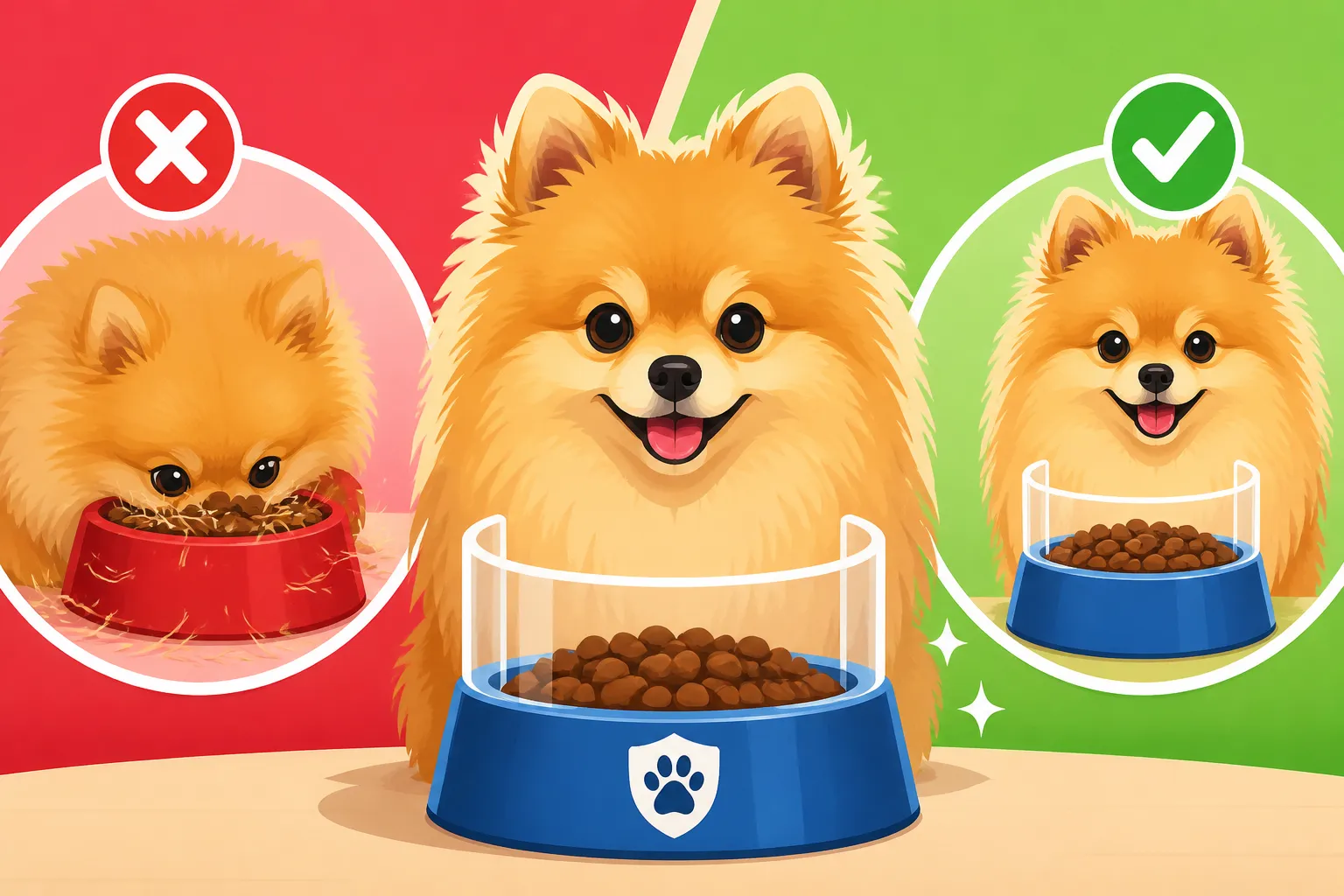
The type of food bowl you use and its placement can significantly exacerbate this problem. Most standard dog bowls are wide and shallow or deep but still wide at the top, forcing your Pomeranian to lower their head and neck directly into the bowl. This posture means their ruff inevitably drapes over the edges and into the food. Furthermore, if the bowl is on the floor, they have to bend even more, increasing the likelihood of their chest fur and ruff getting submerged. It's a combination of their physical build, their eating enthusiasm, and the ergonomics of their dining setup that often leads to a messy ruff situation.
Strategic Solutions for a Cleaner Ruff
Now that we understand the challenges, let's dive into the practical solutions. It's all about making smart choices regarding their feeding equipment, tweaking their mealtime routine, and even considering their diet. With a little intentional effort, you can significantly reduce the amount of food that ends up in that beautiful fluff.
Choosing the Right Food Bowls
Selecting the correct food bowl can make a monumental difference in preventing a messy ruff. It's not just about aesthetics; it's about functionality and ergonomics for your small companion.
Elevated Bowls for Better Posture
One common solution is using elevated bowls. These bowls are raised off the floor, usually on a stand, bringing the food closer to your Pomeranian's natural standing height. The idea is that with less bending, their ruff might not dip into the food as much. For some Poms, this can also aid in digestion and prevent neck strain. However, it's not a guaranteed fix for the ruff issue. While it improves posture, a wide, open-mouthed elevated bowl might still allow the ruff to fall into the food, especially if your Pom is a vigorous eater. You might find various elevated feeders on Amazon or Chewy designed for small breeds.
Specialized Bowls for Clean Eating
This is where innovation really helps. Look for bowls specifically designed to keep long-eared or long-haired dogs clean. These often have:
- Narrow Openings: The bowl might be wider at the base but taper significantly towards the top, creating a smaller opening that forces your Pom to eat more from the center, keeping the outer edges of their ruff clear.
- Sloped Sides: Some bowls have inward-sloping sides that make it harder for fur to drape over the edge.
- Deep, Yet Narrow Bowls: While not always ideal for all Poms, a deeper bowl with a smaller circumference might keep the fur from spilling over the sides as much.
You might also consider a ceramic or stainless steel bowl with a heavy base that prevents tipping, minimizing spills. Finding the perfect specialized bowl might take a bit of trial and error, but it's worth the investment for a cleaner pup and less cleanup for you.
Adjusting Feeding Techniques and Food Type
Sometimes, the bowl isn't the only culprit. How and what you feed your Pomeranian can also impact how much food ends up in their ruff. Small adjustments can yield big results.
Smaller, More Frequent Meals
Instead of one or two large meals, consider offering smaller portions more frequently throughout the day. If your Pomeranian eats Why a Pomeranian Eats Three Times a Day (or even four times a day as a puppy!), smaller meals mean less food in the bowl at any given time, potentially reducing the total "mess capacity." It also helps manage their energy levels and blood sugar, especially for younger Poms.
Wetting Kibble for Less Crumbly Meals
Dry kibble, while convenient, can be crumbly. Those tiny crumbs are experts at clinging to a fluffy ruff. One trick is to slightly moisten their kibble with a little warm water or a pet-safe broth just before serving. This softens the kibble, making it less crumbly and potentially easier for them to eat cleanly. The downside is that wet kibble can be stickier and harder to clean if it does get into the ruff, so it's a trade-off to consider.
Considering Fresh Food or Wet Food
Switching to a fresh food diet or incorporating more wet food can be a game-changer for some Pomeranian owners. Fresh food, like those offered by Ollie, often comes in pâté-like consistency or small, soft chunks that are less prone to scattering crumbs. Wet food, in general, is less dry and crumbly than kibble, which means less powdery residue to adhere to the ruff. While this might be a more expensive option, the benefit of a cleaner dog and potentially better nutrition might outweigh the cost for many. If you're looking for different food options, check out various choices on Chewy to see what might suit your Pom's preferences and your budget.
Supervision and Hand-Feeding
For particularly messy eaters or Poms in training, supervised meal times can work wonders. Stay with your Pomeranian while they eat. If you notice their ruff dipping too deep, gently guide their head or hold the bowl slightly. For extreme cases, you might even consider hand-feeding small portions. This isn't sustainable for every meal, of course, but it can be a good temporary solution or used for specific, messier foods. It also reinforces your bond with your dog!
Here's a quick comparison of different bowl types:
| Bowl Type | Pros | Cons | Best For |
|---|---|---|---|
| Standard (Floor) | Widely available, affordable | Ruff easily dips in, poor posture | Poms with shorter ruffs or very neat eaters |
| Elevated | Improves posture, aids digestion | Still can get ruff dirty if wide opening | Poms with neck issues, or those who eat slowly |
| Narrow Opening | Keeps ruff out of food, focused eating | Can be frustrating for some Poms | Messy eaters, Poms with long ruffs |
| Sloped Sides | Redirects fur away from food | Less common, may still allow some contact | Poms whose ruff drapes over traditional edges |
| Slow Feeder | Slows eating, aids digestion | Often has crevices that trap food | Poms who eat too fast, but not ideal for ruff cleanliness |
Grooming and Maintenance for a Pristine Ruff
Even with the best bowls and feeding techniques, a little maintenance goes a long way in keeping your Pomeranian's ruff looking its best. Regular grooming, especially around meal times, is crucial to prevent mats, skin irritation, and unpleasant odors.
Pre and Post-Meal Grooming Rituals
Think of mealtime as an event that requires a little prep and post-game cleanup. Developing a consistent routine will save you a lot of headache in the long run and keep your Pom comfortable.
Using Hair Bands or Snoods
This might sound a bit fancy, but it's incredibly effective! A snood is a fabric tube that slips over your dog's head, covering their ears and ruff, effectively keeping all that luscious fur out of their food and water. You can find lightweight, breathable snoods on Amazon or specialized pet boutiques. For Poms with smaller ruffs, or if you only need a temporary solution, a soft hair band or scrunchie can be used to gently tie back the fur around their face and neck, creating a makeshift barrier. Just ensure it's not too tight and doesn't pull at their skin. This is particularly useful for Poms with truly abundant coats, where The Guard Hair and Undercoat of a Pomeranian create a veritable forest around their feeding area.
Wiping the Ruff Immediately After Eating
This is perhaps the simplest and most crucial step. As soon as your Pomeranian finishes their meal, take a soft, damp cloth or a pet wipe and gently clean any food residue from their ruff, muzzle, and chin. Pay close attention to the areas where the fur is densest. This immediate cleaning prevents food from drying and hardening, which is much more difficult to remove later and can lead to painful mats. Keep a stack of clean cloths or wipes near their eating area for convenience. Think of it like wiping a baby's face after they've eaten – same principle!
Regular Brushing of the Ruff
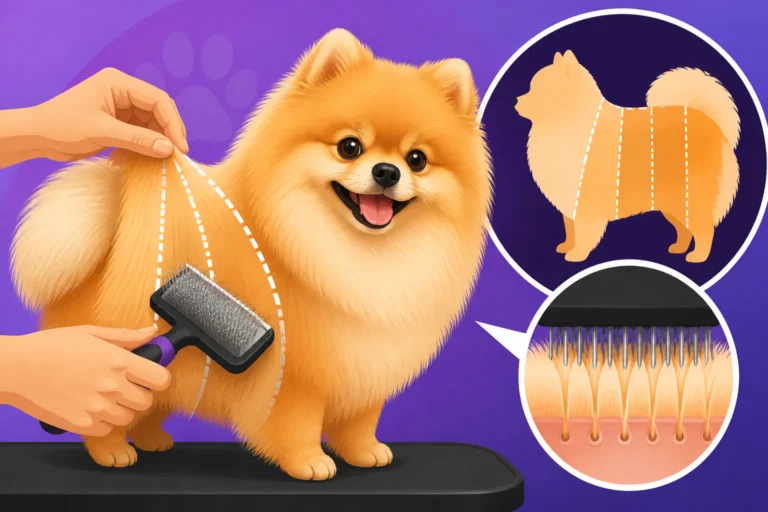
Beyond mealtime cleaning, regular brushing of the ruff is essential to maintain its health and prevent mats from forming. Food particles, even small ones, can act as a catalyst for matting when combined with natural oils and tangles. Make sure you're using the right tools, like a slicker brush and a metal comb. Brush through the ruff daily, or at least every other day, to remove any trapped debris, loose hair, and minor tangles. Always work in sections, getting down to the skin, to ensure you're not just brushing the surface. For detailed guidance, you might want to look at articles like Brushing a Pomeranian's Britches and Ruff or The Comb That Gets Through a Pomeranian's Undercoat. Regular, thorough brushing will make a huge difference in the overall health and cleanliness of their magnificent mane.
Keeping the Ruff Dry and Healthy
A wet or damp ruff, whether from water bowls or food residue, is an invitation for trouble. It's not just about aesthetics; prolonged dampness can lead to skin problems and an unhealthy coat.
Importance of Drying After Cleaning
After you've wiped down your Pomeranian's ruff post-meal, it's vital to ensure it's completely dry. A damp ruff can create a breeding ground for bacteria and yeast, leading to skin irritation, foul odors, and even infections. Use a clean, dry towel to gently blot and air dry the area. For very dense ruffs, a cool setting on a pet-specific dryer can help, but be cautious not to use heat or point it directly at their skin for too long. If you've given them a full bath, remember Washing a Pomeranian in a Kitchen Sink and the subsequent thorough drying are critical for their overall coat health.
Preventing Matting and Skin Irritation from Damp Food Residue
When food residue, especially wet food or softened kibble, is left in the ruff, it can become incredibly sticky. As your Pomeranian moves, this sticky fur can quickly tangle and clump together, forming stubborn mats that are painful to remove. These mats not only pull at the skin but also prevent air circulation, trapping moisture and bacteria against the skin. This can lead to hot spots, dermatitis, and other skin infections. The more regularly you clean and dry their ruff, the less likely these painful and unhealthy situations are to occur. Protecting The Double Coat That Makes a Pomeranian and Why It Stays On is crucial for their comfort and health.
Long-Term Benefits of a Clean Ruff
Maintaining a clean ruff isn't just about immediate gratification or preventing a sticky mess. It has significant long-term benefits for your Pomeranian's health, comfort, and overall well-being. Investing a little time into prevention and routine care will pay dividends in their quality of life.
Preventing Skin Issues and Infections
One of the most crucial reasons to keep your Pomeranian's ruff clean and dry is to ward off uncomfortable and potentially serious skin conditions.
Dermatitis from Prolonged Dampness and Food Particles
Dermatitis, or inflammation of the skin, is a common issue for dogs with long fur around their mouths and necks, like Pomeranians. When food particles and moisture are consistently trapped in the ruff, they create a perfect environment for bacterial overgrowth and irritation. This can manifest as redness, itching, flakiness, and even hair loss in the affected area. Imagine having a perpetually damp, dirty towel wrapped around your neck – it's uncomfortable, irritating, and eventually unhealthy. Prompt cleaning and drying break this cycle, protecting their delicate skin.
Yeast Infections
Beyond bacteria, yeast (specifically Malassezia) thrives in warm, moist environments. A perpetually damp ruff, particularly one with food debris providing extra nutrients, is an ideal breeding ground for yeast. A yeast infection often presents with a distinctive musty odor, greasy or waxy skin, and intense itching. Your Pom might rub their neck constantly or develop dark, thickened skin in the affected areas. Preventing these infections means being diligent about cleaning after meals and ensuring the ruff is completely dry. If you suspect a yeast infection, a vet visit is essential for diagnosis and treatment. Maintaining a good general health routine, including Supplements That Support a Pomeranian's Skin, can also contribute to a healthier skin barrier.
Maintaining Coat Health and Reducing Mats
A clean ruff is a healthy ruff, and keeping it that way ensures their coat remains beautiful, functional, and tangle-free.
Mats Forming from Sticky Food
We've touched on this, but it bears repeating: sticky food residue is a primary culprit for matting in a Pomeranian's ruff. Mats are not just unsightly; they are painful. As a mat tightens, it pulls on the underlying skin, causing discomfort and even bruising. Severe mats can restrict movement, create skin infections, and in extreme cases, require sedation and professional shaving, which can be traumatic for a dog and can even permanently damage their double coat. Regular cleaning and brushing, as covered in Working a Pomeranian's Coat in Sections to the Skin, are your best defenses against these painful tangles.
The Joy of a Healthy, Fluffy Ruff
Ultimately, all this effort boils down to ensuring your Pomeranian is comfortable, healthy, and happy. A clean, well-maintained ruff is soft, airy, and free of unpleasant odors. It allows their skin to breathe, regulates their body temperature effectively, and simply looks magnificent. There's a certain joy in running your fingers through a perfectly fluffy, clean Pomeranian ruff, knowing you've provided the care needed to keep them looking and feeling their best. It enhances their natural beauty and prevents a host of potential problems down the line. Remember, The Minutes a Full Pomeranian Brush Out Takes is an investment in their comfort and appearance. If you need any tools to help you with the process, Chewy and Amazon both offer a wide selection of brushes and combs for Pomeranians, or you can check out Dryers and Brushes for Grooming a Pomeranian at Home for more specific recommendations.
Disclaimer
This article is for general informational purposes only and does not constitute professional advice. Laws, prices and regulations vary by location and change over time. Consult a qualified professional for guidance on your specific situation.