The Age a Pomeranian’s Coat Fully Comes In
One of the most common worries for new Pomeranian parents, especially those who dream of that iconic fluffy, "powder puff" look, is when their sweet little pup's coat will actually fill out. You see those stunning pictures of adult Poms, all glorious ruff and plume, and then you look at your own youngster, who might resemble a scruffy, slightly bewildered cotton ball after shedding their puppy fluff. It's a phase that can leave you wondering if you're doing something wrong, or if your little one will ever develop that magnificent, full coat. This guide is here to walk you through the fascinating journey of a Pomeranian's coat development, explaining exactly when you can expect that magnificent mane to fully come in and what to expect along the way.
Understanding the Pomeranian's Unique Double Coat
Before we dive into the timeline, it’s really helpful to understand what makes a Pomeranian's coat so special. Unlike many other breeds with single coats, Poms boast a luxurious double coat, which is truly their crowning glory. This isn't just for show; it's a functional marvel, a legacy from their cold-climate Spitz ancestors.
This double coat consists of two distinct layers, each serving a vital purpose. First, there's the undercoat – this is soft, dense, and downy, almost like cotton wool. Its primary job is insulation, keeping your Pomeranian warm in chilly weather and surprisingly, helping to regulate their body temperature in warmer climates too by trapping air. Then, layered over the undercoat, are the guard hairs. These are longer, coarser, and straighter, designed to stand off from the body, giving the Pomeranian its characteristic fluffy outline. These guard hairs protect the delicate undercoat and skin from dirt, moisture, and UV rays. When both layers are healthy and fully grown, they create that beautiful, dense, stand-off appearance we all adore. It's a marvel of nature, perfectly designed for protection and beauty, and understanding it is key to appreciating its development. We talk a lot more about The Double Coat That Makes a Pomeranian and Why It Stays On in another post.
The "Puppy Uglies": A Necessary Transformation Phase
If you're a new Pomeranian owner and your little one is somewhere between three and six months old, you've likely heard of, or are currently experiencing, what affectionately (and sometimes despairingly) is called "the puppy uglies." This isn't just a cute phrase; it's a very real and sometimes dramatic stage of coat development that every Pomeranian goes through.
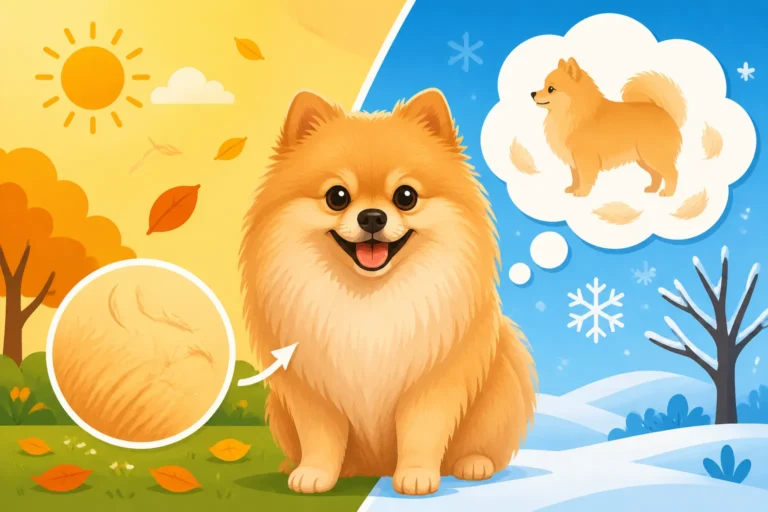
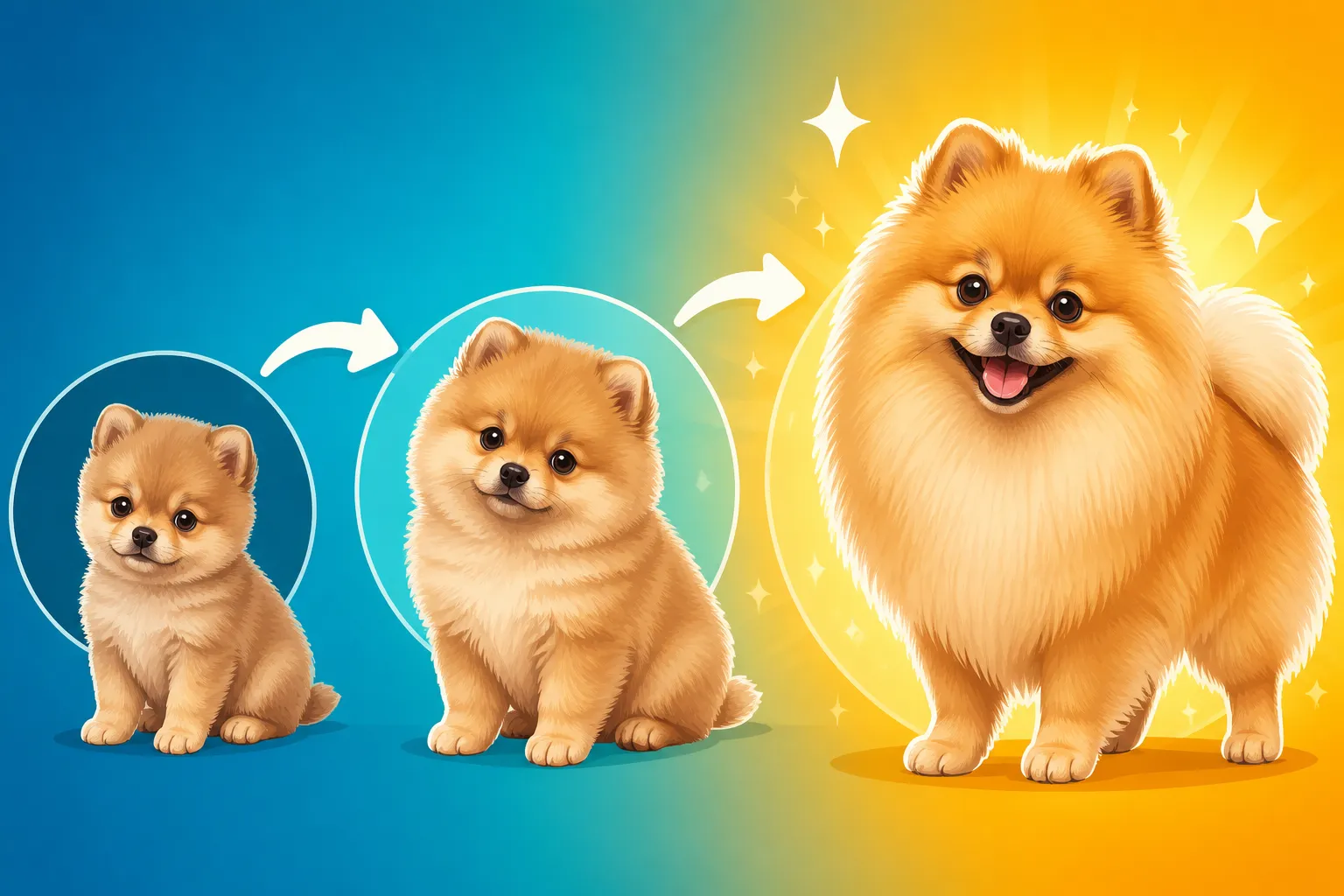
When your Pomeranian is born, they have a soft, wispy, single-layered puppy coat. It's adorable, but it bears little resemblance to the dense double coat of an adult. Around three to six months of age, your puppy will start to shed this baby fluff quite extensively. This isn't just a few stray hairs; it can feel like a lot of shedding. You might notice clumps coming out, and your puppy's once fluffy appearance can transform into a rather scraggly, sparse, and uneven look. Their legs might look thin, their body a bit bare, and the beautiful ruff around their neck might be almost non-existent. It’s during this time that the new, coarser adult guard hairs start to push through the softer undercoat. This transition makes the coat look patchy and awkward, often leading owners to worry about their pup's future floofiness. It can feel like your little cloud is turning into a wispy dandelion, but rest assured, this is a completely normal and necessary part of their journey towards their adult coat. It's an important stage, and understanding The Coat Blow and the Pomeranian Puppy Uglies can help manage expectations.
The Adult Coat Emerges: Timeline and Characteristics
After the initial "puppy uglies" phase, usually starting around 6-10 months of age, you'll begin to see the true adult coat making its grand entrance. This is when the texture starts to change noticeably, becoming much harsher and more structured than the soft puppy fluff. The dense undercoat begins to fill in, providing that crucial insulating layer, and the longer, stiffer guard hairs grow out, giving the coat its characteristic "stand-off" appearance.
However, it's really important to understand that this isn't an overnight transformation. While you might see significant improvements between 10 to 12 months, the coat isn't truly fully developed until your Pomeranian is much older, often between 18 months and three years of age. That's right, sometimes it can take up to three years for that magnificent, dense, show-stopping coat to fully "bloom." During this period, the guard hairs will grow to their full length, and the undercoat will thicken to its maximum density. You'll notice the ruff around their neck and chest becoming more prominent, the "britches" on their hindquarters growing thicker, and the tail plume becoming a glorious fan over their back.
It's also worth noting that during this development, the coat color can shift. Many Pomeranian puppies are born one color, only for their adult coat to emerge in a completely different shade or with distinct markings. For example, a black puppy might reveal a rich sable adult coat, or a cream pup might become a dazzling white. It's all part of the magic! If you're wondering about these fascinating shifts, you might find our articles on Whether a Pomeranian's Adult Color Changes and How a Sable Pomeranian's Coat Changes With Age incredibly insightful. Patience truly is a virtue when it comes to a Pomeranian's coat; it's a slow and steady process, but the results are always worth the wait.
What Influences Coat Development
While genetics lay the foundational blueprint for your Pomeranian's coat, several other factors can significantly influence how quickly and how fully that glorious mane develops. Understanding these elements can empower you to support your pup's coat health as much as possible.
Genetics and Pedigree
This is perhaps the biggest factor of all. A Pomeranian inherits its coat type, density, and even color tendencies from its parents. If your pup comes from a long line of Poms with robust, well-developed coats, chances are your puppy will follow suit, given proper care. Responsible breeders prioritize good coat genetics, selecting dogs with strong double coats for their breeding programs. Conversely, if a Pomeranian comes from lines known for sparse coats or if it's a "throwback" to larger Spitz ancestors, its coat might naturally be less dense than the typical show-quality Pom. Always ask breeders about the coat quality of their breeding dogs and previous litters.
Nutrition: The Building Blocks of a Healthy Coat
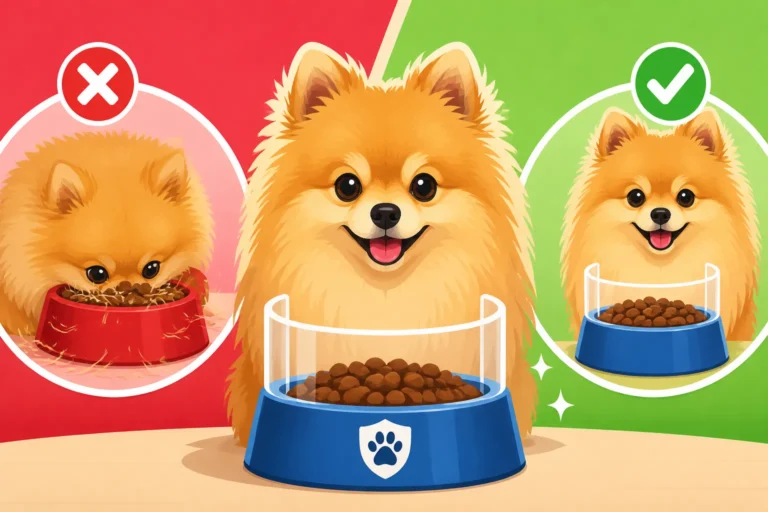
What your Pomeranian eats plays an enormous role in the health and vitality of their skin and coat. A diet rich in high-quality proteins, essential fatty acids (like Omega-3 and Omega-6), and vital vitamins and minerals is crucial. These nutrients are the building blocks for healthy hair growth and strong skin. Opt for dog foods that list real meat as the first ingredient and avoid excessive fillers. Many owners find success with premium kibble brands available on Chewy, or even fresh food options like Ollie, which can provide excellent nutritional support. A shiny, thick coat is often a direct reflection of a healthy diet. If you're curious about dietary needs, The Protein a Pomeranian's Coat Needs offers more insights.
Proper Grooming Practices
You might think more grooming means a better coat, but it's about proper grooming. Regular, gentle brushing is essential to prevent mats, remove loose undercoat, and stimulate blood flow to the skin, which encourages healthy hair growth. However, harsh brushing or using tools not suited for a double coat can actually damage the hair follicles and inhibit growth. And here's a big one: never shave your Pomeranian unless medically necessary. Shaving can permanently damage the double coat, leading to a condition where the guard hairs don't grow back correctly, or the undercoat grows back patchy and unevenly. This is often referred to as "Post-Clipping Alopecia" or "Coat Funk." We delve deeper into this in Why a Shaved Pomeranian May Not Regrow. Finding the right brushes and combs on Amazon and establishing a consistent, gentle routine is far more beneficial than aggressive grooming.
Overall Health and Well-being
A healthy dog generally has a healthy coat. Any underlying health issues can manifest as poor coat quality, thinning, or dullness. Hormonal imbalances, allergies, parasites, or even chronic stress can all negatively impact coat growth and appearance. If your Pomeranian's coat isn't developing as expected, or if you notice sudden changes in texture or density outside the normal puppy uglies phase, it’s always wise to consult with your veterinarian. They can rule out any medical conditions that might be affecting your pup's beautiful fur.
Recognizing a Fully Developed Coat
So, how will you know when your Pomeranian's coat has finally achieved its full, glorious potential? It's more than just a feeling; there are distinct characteristics you'll observe that mark a fully developed adult coat.
Firstly, you'll notice an incredible density. The undercoat will be thick and plush, making it difficult to see the skin when you part the fur. This isn't just fluffy; it feels substantial and robust. The guard hairs, which are longer and coarser, will have grown to their full length, often extending several inches beyond the undercoat, particularly around the ruff, chest, and britches.
Secondly, the coat will exhibit its signature "stand-off" appearance. This means the hair doesn't lie flat against the body but literally stands out, giving your Pomeranian that round, voluminous, almost spherical silhouette. This is due to the stiffness of the guard hairs combined with the density of the undercoat, pushing the outer layer outwards. It creates that iconic "powder puff" or "fox-like" look that Poms are famous for.
You'll also observe a full and defined ruff around the neck and shoulders. This mane of fur should be abundant, framing their face beautifully. The "britches" – the longer fur on their hindquarters – will be lush and full, matching the density of the rest of their body. And of course, the tail plume will be a magnificent fan, carried proudly over their back, often nearly touching their head.
A fully developed coat will also have a characteristic sparkle and sheen, indicating good health and proper nutrition. The texture will be crisp to the touch, not overly soft or woolly (which can indicate a lack of proper guard hairs or an excessive undercoat that isn't being shed properly). In essence, a fully mature Pomeranian coat is a marvel of fluff, structure, and vibrant health, perfectly encapsulating the breed's distinct aesthetic.
Here's a simple breakdown of the typical coat development timeline:
| Age Range | Coat Description | Key Characteristics to Observe |
|---|---|---|
| Birth – 3 Months | Puppy Coat | Soft, fine, single layer, sparse, often uniform color. |
| 3 – 6 Months | "Puppy Uglies" Phase | Extensive shedding of puppy coat, patchy appearance, scruffy, uneven growth, visible skin in spots. |
| 6 – 10 Months | Adult Coat Begins to Emerge | New, coarser guard hairs appearing, undercoat thickening, texture change, some areas looking fuller. |
| 10 – 18 Months | Significant Growth & Filling Out | Noticeable density increase, ruff and britches growing, more defined stand-off, coat color may deepen/change. |
| 18 Months – 3 Years | Full Coat Bloom / Maturity | Maximum density, full length guard hairs, magnificent ruff and tail plume, iconic "powder puff" silhouette. |
It's a process that requires a lot of patience, but watching your little fuzzy companion transform into a majestic, fluffy Pomeranian is truly a rewarding experience. During this time, continue with good nutrition, regular gentle grooming, and lots of love, and your Pom will eventually boast the coat you've been dreaming of!
Disclaimer
This article is for general informational purposes only and does not constitute professional advice. Laws, prices and regulations vary by location and change over time. Consult a qualified professional for guidance on your specific situation.