Exercise a Pomeranian Needs to Stay Trim
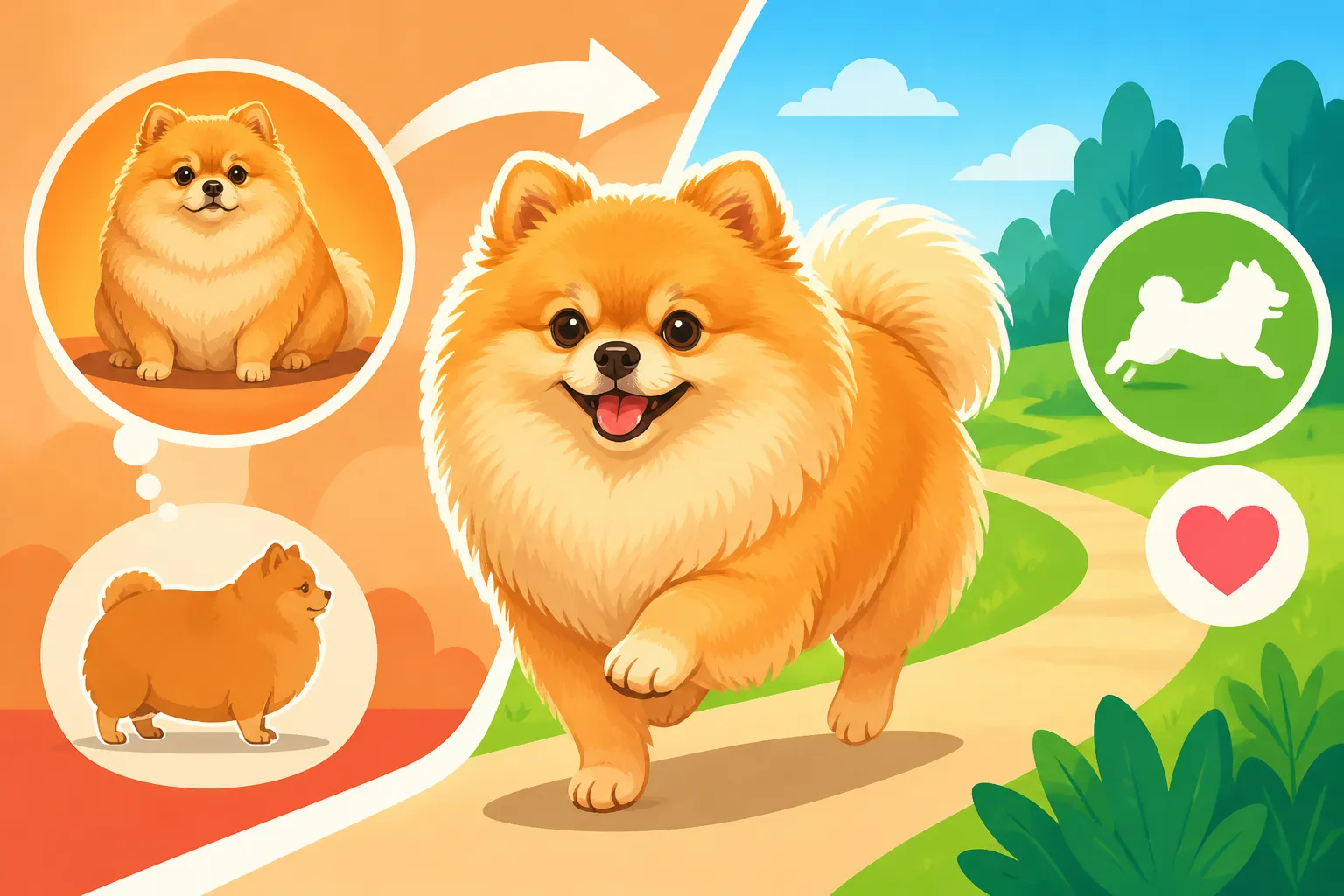
It’s easy for our beloved Pomeranians to pack on a few extra ounces, and before you know it, those ounces can turn into a pound or two. Given their small stature, even a little bit of extra weight can have a significant impact on their health, making them less energetic and putting strain on their tiny bodies. This guide will walk you through the appropriate types and amounts of exercise your Pomeranian needs to stay happy, healthy, and trim, ensuring they live their best, most active life.
Understanding the Pomeranian's Energy Levels
Many people mistakenly believe that because Pomeranians are small, they don't need much exercise. This couldn't be further from the truth! While they may not need to run miles like a Border Collie, Poms are spirited little dogs with a surprising amount of energy and intelligence. They were originally bred from larger Spitz-type dogs and retain much of that lively, curious nature.
More Than Just a Lap Dog
While a Pomeranian absolutely adores cuddling up on your lap, especially during a quiet evening, don't let their affectionate nature fool you into thinking that's all they want to do. Poms are often described as big dogs in small packages, possessing an alert and active temperament. They love to explore, sniff new things, and engage in playful activities. Dismissing their need for activity can lead to boredom, which often manifests as unwanted behaviors like excessive barking or destructive chewing. They thrive on routine and having their minds and bodies engaged. A well-exercised Pomeranian is generally a calmer, happier companion.
Recognizing the Signs of Under-Exercise
If your Pomeranian isn't getting enough physical or mental stimulation, you'll start to see some tell-tale signs. One of the most obvious indicators is weight gain; if you can't easily feel their ribs, or if their waistline has vanished, they might be carrying too much weight. Beyond the physical, behavioral cues are common. This could include increased barking at every little sound, frantic pacing, destructive behaviors like chewing furniture, or even a sudden increase in house training accidents. These aren't necessarily signs of a "bad" dog, but rather a bored or restless one signaling their need for more engagement. Remember, a Pomeranian's exercise isn't just about burning calories; it's about channeling their innate drive and intelligence.
Daily Exercise Needs for a Trim Pomeranian
Consistency is key when it comes to keeping your Pomeranian fit. A little bit of activity every day is far better than sporadic long bursts. We're talking about integrating movement into their daily routine in a way that feels natural and enjoyable for both of you.
The Importance of Regular Walks
For most adult Pomeranians, two short walks a day are a good starting point. Think 15 to 20 minutes each, allowing them plenty of time to sniff around and mark their territory (if male, of course!). These aren't just potty breaks; they're vital for mental stimulation and physical conditioning. The world outside is a rich tapestry of smells and sounds that engage their minds, which is just as important as the physical exertion.
When walking your Pomeranian, always use a harness, not a collar, to protect their delicate windpipe. This is especially crucial for Pomeranians, who can be prone to conditions like The Honking Cough of a Pomeranian's Collapsing Windpipe. A good quality, well-fitting harness distributes pressure across their chest and shoulders, preventing strain on their neck. Look for brands that specialize in small dog harnesses, ensuring a snug but comfortable fit. You can find excellent options on sites like Chewy or Amazon, offering various styles to suit your Pom's build.
Pay attention to their pace and energy levels. While some Poms are veritable little dynamos, others prefer a more leisurely stroll. If they start lagging or panting excessively, it's time to head home. Regular, brisk walking helps to maintain muscle tone and supports a healthy metabolism, which is essential for managing their weight. How Far a Pomeranian Can Walk in a Day will depend on the individual dog, but consistency is more impactful than distance for their overall health.
Incorporating Playtime Indoors and Outdoors
Walks are wonderful, but playtime adds another layer of fun and fitness. Pomeranians love to play! Short, energetic play sessions throughout the day can significantly contribute to their daily activity quota.
Indoors, think about games like fetch down a hallway with a soft toy or hide-and-seek with their favorite treats. You can roll a small ball, encouraging them to chase and retrieve. This kind of burst activity helps them burn energy quickly, especially on days when outdoor conditions aren't ideal. Just be mindful of their joints; avoid high-impact jumping or prolonged stair climbing, particularly if they are prone to issues like Slipping Kneecaps in a Five Pound Pomeranian. Using ramps or steps for furniture access can help protect their delicate knees over time.
Outdoors, if you have a safely fenced yard, supervised zoomies are fantastic. A few minutes of running around freely, chasing a tossed toy, or playing a gentle game of tag with you can be incredibly invigorating. Just be sure the area is secure and free from hazards. Even a small patch of grass can become a great play zone.
Mind Games and Enrichment
Physical exercise is only half the battle. Pomeranians are intelligent and need mental stimulation to stay truly satisfied and trim. A bored mind can lead to a restless body, and often, an overweight one.
Puzzle toys, which require your Pom to figure out how to get a treat, are excellent for this. You can find many options designed for small breeds on Amazon or through pet supply retailers. Even simply hiding kibble around the house for them to sniff out can be a fantastic "nose work" exercise. This uses their natural scenting abilities and tires them out mentally.
Training sessions are another great form of mental exercise. Poms are smart and love to learn new tricks. Spend 5-10 minutes a day working on basic obedience commands or teaching them fun new tricks. This not only strengthens your bond but also keeps their brains engaged. Consider short sessions of agility (modified for their small size) or even introductory obedience classes. Engaging their minds prevents them from becoming sedentary and helps them utilize energy in a constructive way.
Adjusting Exercise for Age and Health
A Pomeranian's exercise needs aren't static; they change throughout their life and can be affected by various health conditions. It's crucial to be attuned to these changes and adjust their routine accordingly.
Puppy Energy vs. Senior Strolls
Pomeranian puppies, generally from around 3 to 12 months, are bundles of boundless energy! They'll have short bursts of play, followed by long naps. While it’s tempting to let them play endlessly, it’s important to regulate their activity to protect their developing joints. Short, frequent play sessions and brief, gentle walks are best. Avoid forced exercise or long-distance walks that could strain their still-forming bones and ligaments. Gradually increase the duration and intensity as they grow.
As your Pomeranian enters their senior years, typically around The Year a Pomeranian Starts Needing More, their energy levels will naturally decline. They might be more prone to conditions like arthritis or have a The Leaking Valve in an Older Pomeranian's Heart, which means their exercise needs to be scaled back. Short, slow walks, perhaps more frequent but less intense, are usually ideal. Focus on gentle movement to keep their joints supple and muscles from atrophying. A soft harness is even more important for older Poms, especially if they have any degree of The Honking Cough of a Pomeranian's Collapsing Windpipe.
Listen to your senior Pom. If they seem tired, let them rest. If they're stiff after a walk, it might have been too long. The goal is to keep them moving comfortably, not to push them beyond their limits. Arthritis in a Pomeranian at Ten is a common concern, and tailored gentle exercise can often help manage symptoms.
Managing Health Concerns and Exercise
Pomeranians, despite their robust personalities, can be prone to certain health issues that directly impact their ability to exercise. Conditions like luxating patellas (slipping kneecaps), tracheal collapse, or heart murmurs require careful consideration.
For a Pomeranian with luxating patellas, high-impact activities like jumping or sudden stops and starts should be avoided. Gentle, controlled walks on soft surfaces are usually recommended. Your vet might suggest physical therapy exercises to strengthen the muscles around the knee. Similarly, Poms with The Honking Cough of a Pomeranian's Collapsing Windpipe need their exercise managed carefully. Short, slow walks with a proper harness are paramount, and avoiding humid or hot weather, and excessive excitement that can trigger coughing fits, is key. Whether Weight Gain Worsens a Pomeranian's Windpipe is a definite yes, making a trim weight even more critical.
Always consult your veterinarian before starting any new exercise regimen, especially if your Pomeranian has known health issues or is showing signs of being overweight. They can provide tailored advice based on your dog's specific condition and help you create a safe and effective exercise plan. Sometimes, what seems like laziness might actually be discomfort from an underlying health issue.
Tools and Tips for Successful Pomeranian Exercise
Having the right equipment and understanding a few key strategies can make all the difference in ensuring your Pomeranian gets the exercise they need safely and effectively.
Choosing the Right Gear
The world of pet gear is vast, but for a Pomeranian, certain items are non-negotiable for their safety and comfort during exercise.
| Item Type | Why It's Essential for Pomeranians | Where to Find It (Examples) |
|---|---|---|
| Harness | Crucial to protect their delicate trachea and neck; avoids strain. | Chewy, Amazon, specialized pet boutiques |
| Leash | Lightweight and approximately 6 feet long for control and comfort. | PetSmart, Amazon |
| Pet Carrier/Sling | For safe transport during longer outings or when they get tired. | Chewy, Amazon, pet stores |
| Small Puzzle Toys | For mental stimulation; dispenses treats. | Amazon, local pet stores |
| Ramps/Steps | Protects joints from jumping on/off furniture. | Amazon, specialty pet furniture sites |
| Weather-Appropriate Apparel | Small coats for cold, cooling vests for heat. | Chewy, Amazon, pet clothing brands |
When selecting a harness, prioritize a "Y-front" or "H-style" harness over those that put pressure directly on the throat. Brands like Ruffwear or Kurgo offer models that distribute pressure away from the trachea, which is vital for Poms. You can often find detailed fitting guides and reviews on platforms like Chewy or Amazon to help you pick the perfect one. For Harnesses Fitted for a Pomeranian's Windpipe, you want something that really avoids the neck area.
Consider pet stairs or ramps if your Pomeranian loves to jump on and off furniture. This small investment can save their little knees from significant wear and tear over time, preventing issues like Why Jumping Off Furniture Wrecks a Pomeranian's Knees. Many options are available on Amazon, designed with small breeds in mind.
Weather Considerations and Safety
Pomeranians, with their thick double coats, are generally quite adaptable, but they do have their limits when it comes to extreme weather.
In hot weather, their dense fur can make them prone to overheating. Avoid exercising them during the hottest parts of the day. Early morning or late evening walks are best. Carry water and a portable bowl, and watch for signs of overheating like excessive panting, lethargy, or stumbling. If your Pom collapses, seek immediate veterinary attention. Their coat, while providing some insulation, is not foolproof against intense heat.
Conversely, in very cold or wet weather, a Pomeranian can get chilled, especially if they are very small or have a thinner coat due to age or health conditions. Consider a sweater or a waterproof coat for walks. Protect their paws from ice, salt, and chemicals with booties or paw balm. Always check pavement temperatures; if it's too hot for your hand, it's too hot for their paws.
Finally, always prioritize safety. Keep your Pomeranian on a leash or harness when outside, even in seemingly safe areas. Their small size makes them vulnerable to larger dogs, predators, or even fast-moving cars. A secure fence is essential for off-leash play in a yard. And remember, Why Off Leash Is a Risk for a Pomeranian is a very real concern due to their curious nature and small stature.
By understanding their needs, providing appropriate exercise, and using the right tools, you can ensure your Pomeranian stays a healthy, energetic companion for years to come.
Disclaimer
This article is for general informational purposes only and does not constitute professional advice. Laws, prices and regulations vary by location and change over time. Consult a qualified professional for guidance on your specific situation.