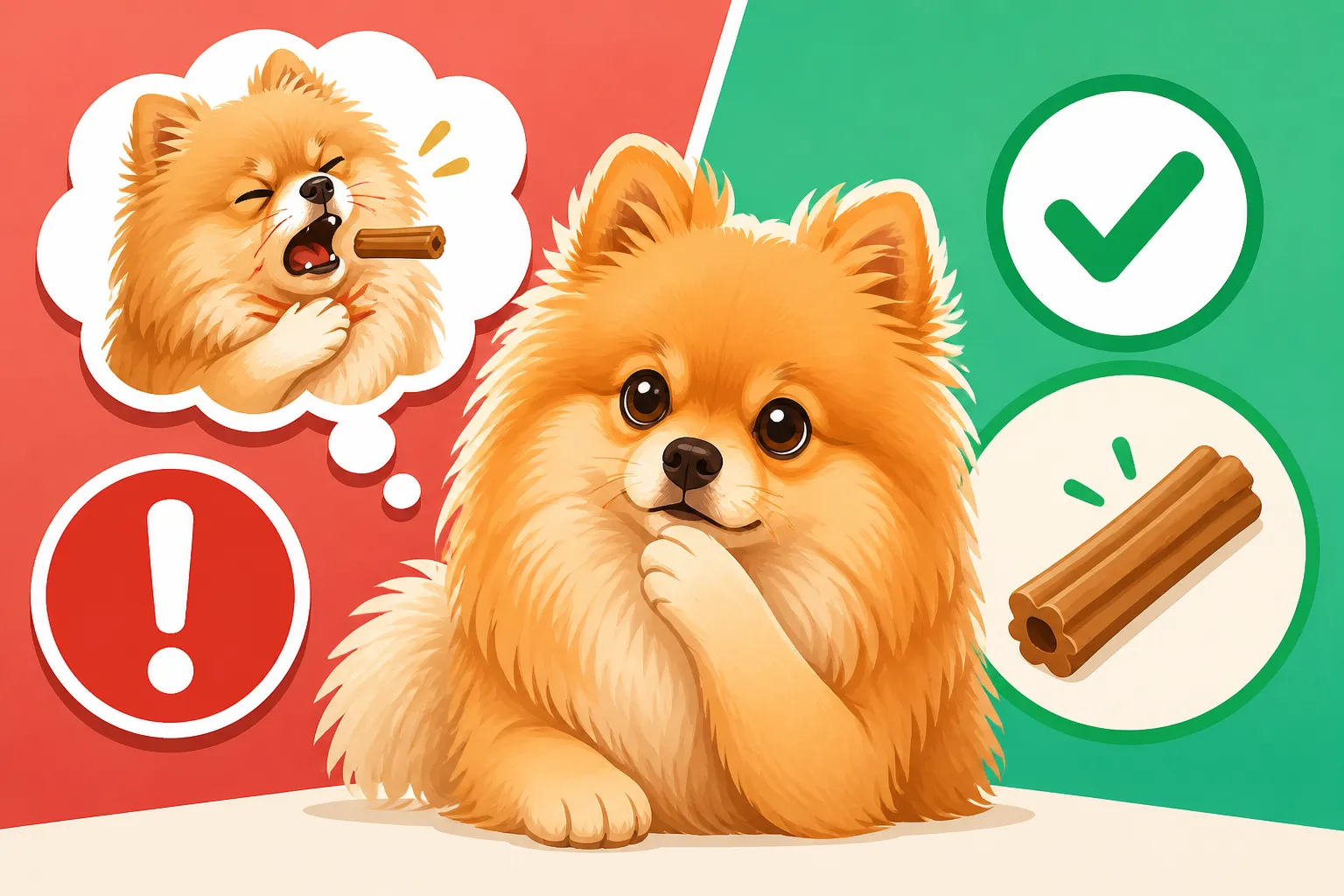
Whether a Pomeranian Can Choke on a Chew
The sheer joy of watching your tiny Pomeranian happily gnawing on a chew can quickly turn to pure panic if they start choking. It's a terrifying scenario no Pom parent wants to imagine, but it's a very real danger due to their small size and delicate airways. This comprehensive guide will walk you through everything you need to know about selecting appropriate chews, practicing safe chewing habits, and understanding why our beloved little fluffballs are particularly vulnerable, ultimately giving you peace of mind.
Understanding the Choking Risk for Pomeranians
It’s easy to assume that any chew marketed for "small dogs" will be suitable for a Pomeranian, but that's a dangerous assumption. Our Poms are not just small; they have unique anatomical characteristics that make them especially susceptible to choking. Ignoring these can lead to frightening emergencies.
Why Small Breeds Are More Vulnerable
Pomeranians, by their very nature, are miniature dogs with delicate structures. Their tiny mouths and throats are simply not designed to handle the same kind of chewing as a larger breed. Think about the size difference between a Pomeranian and a Labrador – what’s a safe, easily digestible chew for one could be a fatal obstruction for the other. Our Poms have narrower tracheas, making any lodged object a more immediate and severe threat to their ability to breathe.
Beyond the physical size, many small breeds, including Pomeranians, can be enthusiastic chewers, sometimes biting off more than they can literally chew. They might try to swallow pieces that are too large in their eagerness, leading to a quick and terrifying choking incident. Their determination to finish a chew can override their common sense, putting them in harm's way. This is particularly true for puppies who are still learning appropriate chewing behaviors and don't yet understand their own limits.
Common Chew-Related Choking Hazards
When it comes to chews, not all are created equal, and some pose a much higher risk for your Pomeranian. Hard, non-digestible items are often the biggest culprits. Rawhide, for instance, can soften and become gummy, allowing a Pom to tear off and swallow large, sticky pieces that can then get stuck in their esophagus or windpipe. These pieces can be incredibly difficult for vets to remove without invasive procedures.
Another common hazard comes from chews that break into small, sharp fragments. Cooked bones, especially chicken or pork bones, are notorious for splintering. These shards can not only cause internal injuries as they travel through the digestive system but also become lodged in the throat, creating an immediate choking risk. Even some harder dental chews, if not appropriately sized or designed, can become a hazard once they've been gnawed down to a small, swallowable chunk. It's vital to remember that a chew that starts out safe can become dangerous as it diminishes in size.
Choosing Safe Chews for Your Pomeranian
Selecting the right chew is paramount to your Pomeranian's safety and enjoyment. It’s not just about what they like to chew, but what they can safely chew. This involves a bit of careful consideration and an understanding of materials and sizes.
Factors to Consider When Selecting Chews
The primary consideration is always size and digestibility. A chew should be large enough that your Pomeranian cannot swallow it whole, but not so large that they can't comfortably get their tiny mouths around it to chew effectively. As a general rule, if they can fit the entire chew in their mouth, it's too small. Look for chews that are specifically designed for toy or extra-small breeds, but always use your own judgment. Even within "toy breed" categories, there can be a wide range of sizes.
Next, consider the chew's texture and durability. You want something durable enough to provide a good chewing experience without splintering or breaking off into large, soft, or gooey chunks. Digestible chews are often preferred, as anything they do manage to swallow will hopefully pass through their system without issue. However, "digestible" doesn't mean "swallowable in large pieces." Even digestible chews need to be gnawed into small, manageable fragments. Always read labels carefully for ingredients and recommended sizes. Products available on platforms like Chewy often have detailed descriptions and user reviews that can provide insight into their suitability for small breeds.
Types of Chews to Avoid
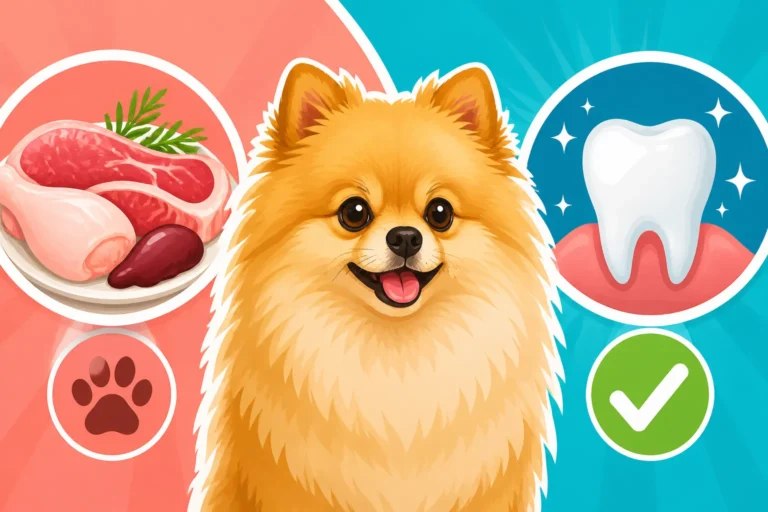
There are several types of chews that are absolute no-gos for Pomeranians. As mentioned, cooked bones are at the top of this list. Any cooked bone, whether from chicken, turkey, steak, or pork, becomes brittle and prone to splintering, creating sharp fragments that can perforate internal organs or cause choking. Raw bones can be safe for some dogs under strict supervision, but for a small breed like a Pomeranian, the risk of them breaking off a piece too large to swallow safely is still significant. It's often safer to avoid bones altogether.
Rawhide chews are another common culprit. While many dogs enjoy them, rawhide often becomes soft, slippery, and stretchy when wet, allowing a Pomeranian to tear off and swallow large, undigested pieces. These pieces can then expand in the stomach or get lodged in the esophagus, requiring emergency veterinary intervention. It's just not worth the risk. Similarly, any chew that is excessively hard, like antlers or nylon bones not specifically designed for gentle chewing, can pose a risk of tooth fracture. A fractured tooth is painful and can lead to expensive dental work for your tiny Pom. Extractions in a Pomeranian's Small Jaw is an article that further highlights the fragility of their dental structure.
Recommended Safe Chew Options
When choosing chews for your Pomeranian, look for options that are both satisfying and safe. Bully sticks are a popular choice, but for a Pomeranian, you need to be very particular. Opt for thinner, smaller bully sticks and always use a bully stick holder. These holders prevent your Pom from swallowing the last inch or two of the stick, which is often the most dangerous part. This little bit of foresight can make a huge difference in safety.
Dental chews can be excellent, provided they are appropriately sized and have a texture that allows them to be chewed down slowly, rather than broken into large, gulpable pieces. Brands like Greenies or Oravet often have specific sizing for toy breeds; just ensure the consistency is not too hard to risk breaking a tooth. Always supervise your Pom, especially with new dental chews, to see how they interact with them. For pups, soft rubber toys designed for puppies, or even some frozen fruit or vegetable pieces (like a small chunk of carrot or apple, carefully supervised), can offer chewing satisfaction. Some pet food providers, like those found on Amazon or Chewy, offer digestible dental treats and small-breed-specific chews that are rigorously tested for safety.
Consider also soft, pliable rubber toys from reputable brands like KONG. A small KONG filled with a bit of peanut butter (xylitol-free!), plain yogurt, or canned pumpkin, and then frozen, can provide hours of safe chewing and licking entertainment. These toys are virtually indestructible for a Pom and don't pose a choking risk from breaking apart.
Here's a quick comparison of common chew types:
| Chew Type | Safety for Pomeranians | Key Considerations |
|---|---|---|
| Cooked Bones | Hazardous | Splinters, sharp fragments, choking risk. |
| Rawhide Chews | High Risk | Becomes gooey, can be swallowed in large, undigestible pieces. |
| Antlers/Hard Nylon Bones | Moderate Risk | Can cause tooth fractures. |
| Bully Sticks | Safer with holder | Choose thin, small size, always use a bully stick holder. |
| Dental Chews | Safer | Must be correctly sized for toy breeds, digestible, not too hard. |
| Rubber/Soft Plastic Toys | Safest | Indestructible, can be stuffed, no choking from breakage. |
| Frozen Fruits/Veggies | Generally Safe | Small, appropriate pieces; supervise for choking on larger bits. |
Supervised Chewing and Safe Practices
No matter how safe a chew is purported to be, supervision is non-negotiable for a Pomeranian. Their small size means that even a minor issue can escalate rapidly. You wouldn't leave a toddler unsupervised with small toys, and the same logic applies to your Pom and their chews.
The Importance of Active Supervision
Active supervision means you are in the same room, paying attention to your Pomeranian while they are chewing. This isn't just about being physically present; it's about observing their chewing style, how the chew is holding up, and if they're attempting to swallow pieces too large. If your Pom starts to get overly aggressive with a chew, gnawing off big chunks, it's time to intervene and remove it.
This vigilance is crucial because choking can happen incredibly fast. One moment they're happily chomping away, the next they're in distress. Being right there allows you to react immediately. Think of it as a quality control check every time they get a chew. Over time, you'll learn your individual Pom's chewing habits and can adjust your chew choices accordingly. This attentiveness also helps prevent them from sneaking off to chew in a hidden spot where you wouldn't hear or see them if trouble arises.
When to Discard a Chew
Knowing when to take a chew away is just as important as choosing the right one. The rule of thumb is simple: if a chew becomes small enough to be swallowed whole or if it breaks into sharp pieces, it needs to go immediately. For bully sticks, this is where a bully stick holder truly shines, as it ensures that tiny, last piece never becomes a hazard. Many owners use a mental "two-inch rule" – once a chew is roughly two inches or smaller, it's time to discard it.
Regularly inspect your Pomeranian's chews. Are there any cracks or sharp edges forming? Is a softer chew becoming too pliable and sticky? Even sturdy rubber toys can eventually degrade or develop small tears. If you see any signs of wear and tear that could lead to a choking hazard, replace the chew without hesitation. It's a small cost compared to a veterinary emergency. Don't try to get "just a little more use" out of a chew that's on its last legs; your Pom's safety isn't worth the gamble.
Emergency Preparedness: What to Do If Your Pomeranian Chokes
Despite all precautions, accidents can happen. Being prepared for a choking emergency is vital. First and foremost, know the signs of choking: excessive pawing at the mouth, frantic coughing or gagging, bluish gums or tongue, and difficulty breathing. If your Pomeranian is making noise or coughing, they are likely still moving air, and your best course of action is to try and remain calm, as your stress will only heighten theirs, and allow them to clear it themselves. However, if they are completely silent, struggling to breathe, or collapsing, then immediate action is needed.
Learn basic pet first aid, specifically the Heimlich maneuver for dogs. You can find many reputable online tutorials and even hands-on classes offered by local animal welfare organizations or veterinarians. For a small dog like a Pomeranian, the technique involves placing your hands on either side of their rib cage and applying quick, firm thrusts inward and upward. You can also try a finger sweep if you can see the object in their mouth, but be cautious not to push it further down. This is where knowing Anesthesia Risk in a Four Pound Pomeranian becomes particularly relevant, as emergency procedures carry their own risks for such tiny dogs. Keep your vet's emergency number readily accessible, and know the route to the nearest emergency animal clinic. Time is of the essence in a choking situation, and quick, informed action can save your Pomeranian's life.
Addressing Underlying Health Factors
Sometimes, a Pomeranian's health can contribute to their chewing risks, making it even more important to be mindful of the chews you provide. Recognizing these factors allows for even greater preventative care.
Dental Health and Chew Safety
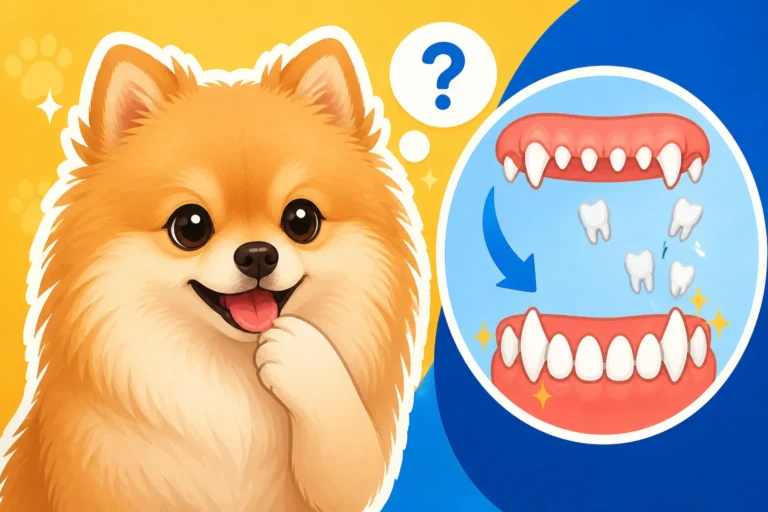
A Pomeranian's dental health plays a huge role in how safely they can chew. Their tiny mouths are prone to overcrowding, retained baby teeth, and periodontal disease, which can lead to fragile or painful teeth. Dental Disease in a Mouth the Size of a Pomeranian's is a common problem for our Poms. If your Pomeranian has missing teeth, loose teeth, or significant gum disease, very hard chews become even more dangerous, as they can exacerbate existing issues or cause further tooth loss. A painful mouth might also cause them to chew awkwardly or swallow pieces whole rather than properly grinding them down.
Regular dental check-ups and cleanings are crucial. Your vet can assess your Pom's oral health and recommend appropriate dental chews or alternatives. For Poms with compromised teeth, softer, more pliable chews or even lickable treats (like frozen KONGs) are a much safer alternative to anything that requires significant biting force. Daily tooth brushing, as detailed in Daily Tooth Care in a Pomeranian's Crowded Mouth, also contributes to overall dental health and ensures their chewing apparatus is in the best possible condition.
Tracheal Issues and Chew Choices
One of the most concerning health issues for Pomeranians is tracheal collapse, a condition where the windpipe weakens and flattens, making breathing difficult. The Honking Cough of a Pomeranian's Collapsing Windpipe is a sound many Pom owners dread. The pressure and stress of vigorous chewing, especially on a very hard or large chew, can aggravate an already compromised trachea. The act of straining to break off pieces or swallowing large chunks can put immense strain on this delicate airway, potentially triggering a coughing fit or even a more severe respiratory crisis.
For Pomeranians diagnosed with or suspected of having tracheal issues, chew selection becomes even more critical. You should absolutely avoid any chews that encourage aggressive pulling, tugging, or straining. Opt for softer, easily digestible chews that require minimal effort to break down, or focus on toys that promote licking rather than intense chewing. Discuss your Pom's tracheal health with your veterinarian, who can provide specific recommendations for safe chewing alternatives. Choosing a harness over a collar, as explored in Why a Collar Threatens a Pomeranian's Windpipe, is another key preventative measure to protect their delicate throat, extending this holistic approach to safety beyond just chews.
Disclaimer
This article is for general informational purposes only and does not constitute professional advice. Laws, prices and regulations vary by location and change over time. Consult a qualified professional for guidance on your specific situation.