Whether a Pomeranian Needs Small Breed Formula
Walking down the pet food aisle or browsing endless options online, it's easy to feel completely overwhelmed by the sheer number of choices, especially when you're trying to figure out what's best for your tiny Pomeranian. You might wonder if all those "small breed" labels are truly necessary or just clever marketing. This guide will cut through the confusion and help you understand whether a specialized small breed formula is indeed the right choice for your little fluffball, focusing on their unique needs and how to pick a food that supports their vibrant health.
Why Small Breed Formulas Were Created (and Why Poms Benefit)
It's not just a cute label; small breed formulas exist for very good reasons that directly address the specific physiological and metabolic needs of tiny dogs like our beloved Pomeranians. These aren't just scaled-down versions of larger dog foods; they're thoughtfully designed to cater to the unique challenges and requirements of a pint-sized pup.
The Unique Physiology of a Pint-Sized Pup
Think about the sheer difference between a Great Dane and your three-pound Pomeranian. Their bodies work on fundamentally different scales. Small breed dogs, particularly Poms, have incredibly fast metabolisms. This means they burn through calories much more quickly than a larger dog, requiring a diet that is nutrient-dense to provide sustained energy throughout the day. If their food isn't packed with enough concentrated goodness, they can quickly run out of steam, or even worse, face issues like Blood Sugar Crashes in a Pomeranian Puppy. Their digestive systems, while efficient, are also more sensitive and smaller, meaning they benefit from ingredients that are easily digestible and won't put undue strain on their tiny guts.
Beyond metabolism, there's the sheer physical size. A Pomeranian's mouth and jaw are incredibly delicate and small. Large kibble, while perfectly fine for a bigger dog, can be a choking hazard or simply too difficult for a Pom to chew properly. This isn't just an inconvenience; it can lead to dental problems if they're swallowing kibble whole, or digestive upset if their food isn't broken down sufficiently before hitting the stomach. The considerations for their tiny frame extend to everything from bone density to organ size, all of which are supported by a diet tailored to their unique build.
Nutrient Density Matters for High Metabolism
Because Pomeranians have such high metabolic rates, they need a lot of calories and nutrients in a small package. Imagine trying to fuel a tiny, high-performance engine with low-octane fuel – it just won't run efficiently. Small breed formulas are specifically formulated to deliver more calories and a higher concentration of essential nutrients per bite compared to standard dog food. This ensures that even with the small meal portions a Pomeranian needs, they are still receiving all the necessary vitamins, minerals, proteins, and fats to sustain their energy levels and overall health.
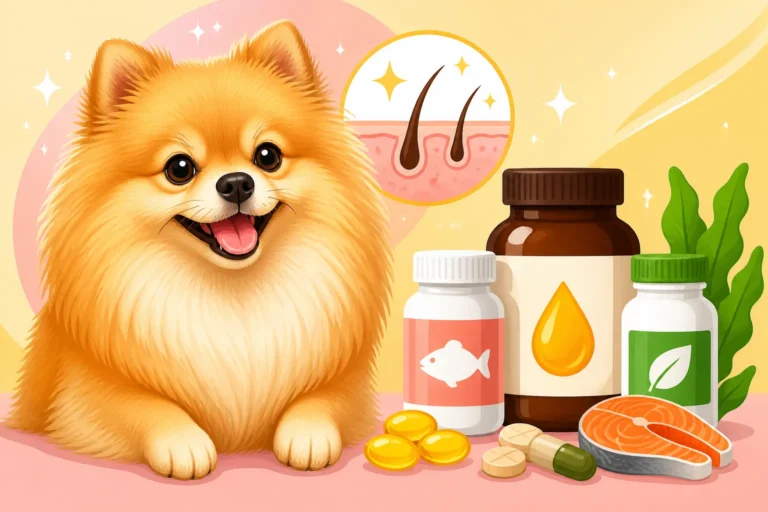
This nutrient density is crucial for everything from maintaining their luxurious double coat, which requires specific proteins and fatty acids to thrive, to supporting their immune system and organ function. If a Pomeranian is eating a food that isn't calorie or nutrient-dense enough, they might feel perpetually hungry, struggle to maintain a healthy weight, or experience a dull, dry coat. It’s a common frustration for Pom owners to feel like their dog is always looking for snacks, but often it’s because their main meals aren’t providing the concentrated fuel their little bodies demand. This is why How Little Food an Adult Pomeranian Needs is often surprisingly small in volume, but high in quality.
Kibble Size for Tiny Mouths and Delicate Digestion
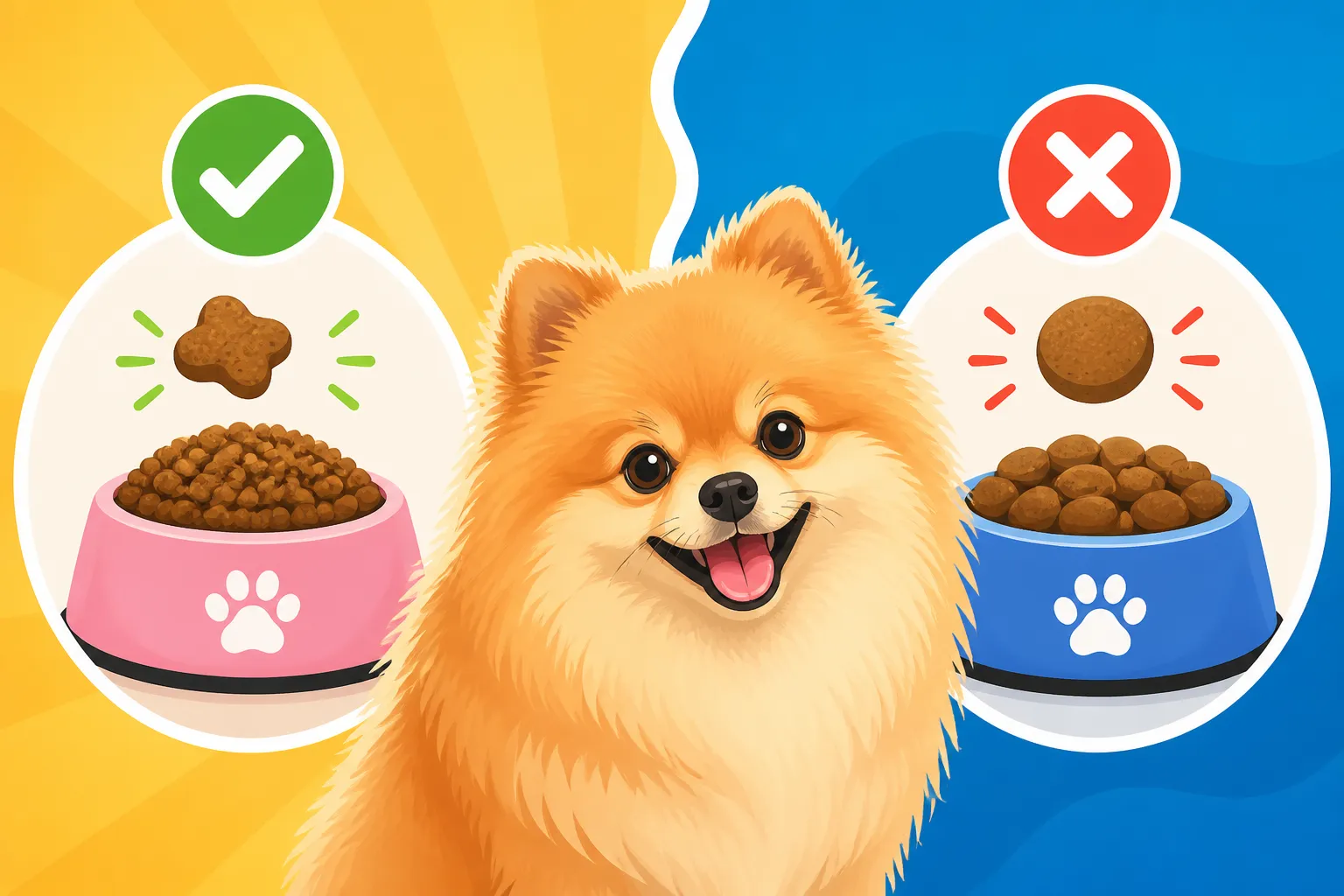
Perhaps one of the most immediate and obvious benefits of a small breed formula is the size of the kibble itself. Pomeranians have small jaws and tiny teeth, which can make eating regular-sized dog food a real struggle. Trying to crunch down on kibble designed for a much larger breed isn't just awkward for them; it can lead to frustration at meal times, reluctance to eat, or even accidental choking.
When kibble is appropriately sized, it's not only easier for your Pomeranian to pick up and chew, but it also promotes better digestion. Proper chewing is the first step in the digestive process, breaking down food into smaller particles that the stomach and intestines can more easily process and absorb. This can help prevent indigestion, gas, and nutrient malabsorption, all common concerns for small dogs. You'll often find that brands selling small breed formulas on platforms like Chewy or Amazon specifically highlight their kibble's diminutive dimensions. Furthermore, the smaller kibble can offer a slight benefit to dental hygiene, as it encourages some level of chewing action that larger, unmanageable pieces might not. Ensuring your Pom has Kibble Small Enough for a Pomeranian is a fundamental part of their daily care.
What to Look for in a Quality Small Breed Formula for Your Pomeranian
Just because a bag says "small breed" doesn't automatically mean it's the best choice. As a responsible Pom parent, you need to look beyond the label and scrutinize the ingredient list to ensure you're providing optimal nutrition for your furry family member. Focusing on key components will help you make an informed decision.
High-Quality Protein Sources
Protein is the cornerstone of any dog's diet, and for a Pomeranian, it's particularly vital for maintaining their lean muscle mass, supporting their immune system, and keeping their magnificent double coat in top condition. When you're looking at a small breed formula, the first few ingredients should ideally be animal-based proteins. Think about ingredients like chicken, turkey, lamb, or salmon. These sources provide a complete amino acid profile, which is essential for all bodily functions.
Avoid foods where the primary protein sources are plant-based or where the terms are vague, like "meat meal" without specifying the animal. While some plant proteins can be beneficial, they shouldn't be the main event in a carnivore's diet. A good quality formula will clearly list specific animal proteins at the top of its ingredient list. If you're exploring fresh food options from services like Ollie, you'll often see these high-quality, whole meat proteins as the star ingredients, making it easy to identify their nutritional value. Remember, The Protein a Pomeranian's Coat Needs comes directly from their diet.
Appropriate Fat Content for Energy
Given a Pomeranian's high metabolism, they need a readily available source of energy, and healthy fats fulfill this role beautifully. Fats are more calorie-dense than proteins or carbohydrates, making them an efficient energy source for a small dog that needs a lot of fuel from a small amount of food. Look for healthy fat sources like chicken fat, salmon oil, flaxseed, or sunflower oil. These fats not only provide energy but also contribute to skin health and the luster of your Pomeranian's coat. Omega-3 and Omega-6 fatty acids, specifically, are crucial for anti-inflammatory benefits and a healthy skin barrier.
However, "appropriate" is the key word here. Too much fat, even healthy fat, can lead to weight gain, which is a serious concern for small breeds who can suffer from issues like Whether Weight Gain Worsens a Pomeranian's Windpipe or put extra strain on their delicate joints. A good small breed formula will strike a balance, providing enough fat for energy without promoting obesity. Always check the guaranteed analysis for fat percentages, and remember that even a few extra ounces can make a big difference for The Three to Seven Pounds a Pomeranian Should Hold.
Complex Carbohydrates and Fiber
While protein and fat often take center stage, complex carbohydrates and fiber play crucial supporting roles in a Pomeranian's diet. Complex carbohydrates from sources like sweet potatoes, brown rice, barley, or peas provide a sustained release of energy, helping to keep blood sugar levels stable throughout the day. This is particularly important for active small breeds who might otherwise experience energy dips.
Fiber, on the other hand, is essential for digestive health. It aids in healthy bowel movements, helps to regulate nutrient absorption, and contributes to a feeling of fullness, which can be beneficial in preventing overeating. Look for ingredients like beet pulp, chicory root, or specific fruits and vegetables that contribute natural fiber. An adequate amount of fiber ensures that your Pom's digestive system runs smoothly, contributing to overall well-being and making clean-up easier for you.
Essential Vitamins, Minerals, and Supplements
A truly complete and balanced small breed formula will include a carefully calibrated blend of vitamins and minerals. These micronutrients are vital for every biological process, from bone health and nerve function to immune response and metabolism. You'll often see a long list of these on the ingredient panel, which is a good sign that the food is formulated to meet all nutritional requirements.
Beyond basic vitamins and minerals, some small breed formulas might include additional supplements tailored for tiny dogs. Glucosamine and chondroitin, for example, can support joint health, which is a proactive measure given that small breeds can be prone to conditions like Slipping Kneecaps in a Five Pound Pomeranian. Antioxidants from fruits and vegetables help combat cellular damage, and probiotics can support a healthy gut microbiome. While these extra ingredients are beneficial, ensure they are part of a foundation of high-quality primary ingredients rather than just being added to a subpar base formula. Products found on Chewy or Amazon often list these additional supplements clearly on their packaging.
Navigating the Marketing: "Small Breed" vs. "All Life Stages"
The pet food industry is a big one, and marketing can be quite persuasive. You'll see numerous bags proclaiming "small breed," "toy breed," or "all life stages," and it's easy to get lost in the jargon. Understanding what these labels truly mean, and when they are most appropriate for your Pomeranian, is key to making the best choice.
Understanding Labeling and AAFCO Guidelines
When you're sifting through pet food bags, whether in a store or online, one of the most important things to look for is an AAFCO (Association of American Feed Control Officials) statement. AAFCO sets nutritional standards for pet foods in the United States. A label that states the food "meets the nutritional levels established by the AAFCO Dog Food Nutrient Profiles for [specific life stage]" is your assurance that the food is nutritionally complete and balanced for that stage.
For a Pomeranian, you'll typically be looking for a statement that says it's suitable for "growth and reproduction" (for puppies and pregnant/nursing mothers), "adult maintenance" (for most adult Poms), or "all life stages." A food labeled "all life stages" is formulated to meet the needs of even the most demanding life stage (growth and reproduction), meaning it should also be adequate for an adult Pomeranian. However, these formulas may sometimes be slightly too calorically dense for an older, less active adult, so careful portion control becomes even more vital. The "small breed" designation primarily focuses on kibble size and the concentrated nutrient density, making it a convenient and often appropriate choice for Poms, especially for pups whose tiny mouths truly struggle.
When a Non-Small Breed Formula Might Still Work
While small breed formulas are generally an excellent fit for Pomeranians, they aren't the only option, especially for adult Poms. If you find an "all life stages" formula that has high-quality ingredients, an appropriate nutrient profile, and crucially, a kibble size that your Pomeranian can comfortably eat, it could still be a viable choice. Some Poms, particularly those on the larger end of the breed standard (closer to seven pounds), might manage slightly larger kibble without issue, or perhaps you've found a high-quality "all life stages" food that naturally has smaller pieces.
The key is to evaluate the food based on its nutritional content and physical characteristics, rather than just the marketing category. Does it provide adequate protein and healthy fats? Is the ingredient list transparent and recognizable? Is the kibble small enough to prevent choking or chewing difficulties? If an "all life stages" food ticks all these boxes, and your Pomeranian thrives on it, there's no inherent reason to switch. What matters most is that the food provides complete and balanced nutrition that supports your individual Pom's health and energy levels, which might differ slightly from another. Many excellent brands, including those you find on Chewy or Amazon, offer high-quality "all life stages" options that could suit your Pom.
The Importance of Consulting Your Veterinarian
Ultimately, the best advice for your individual Pomeranian's diet comes from your veterinarian. Every dog is unique, and factors like age, activity level, health conditions (such as allergies, sensitivities, or a propensity for The Heart Defect Found in Pomeranian Puppies), and even personal preference can influence the best food choice. Your vet can assess your Pomeranian's overall health, recommend specific dietary needs, and help you navigate the vast array of food options.
They can offer insights into whether your Pom would benefit more from a prescription diet, a specialized small breed formula, or if an "all life stages" food with particular ingredients is a better fit. Don't hesitate to bring the nutritional information from your chosen food to your vet for their professional opinion. They can also advise on appropriate portion sizes, especially if you're trying to manage your Pom's weight, ensuring you are neither underfeeding nor contributing to issues like Whether an Eight Pound Pomeranian Is Overweight. This expert guidance is invaluable in ensuring your Pomeranian receives optimal nutrition throughout their life.
Feeding Your Pomeranian: Beyond Just the Food Bag
Choosing the right food is a fantastic first step, but how you feed your Pomeranian is just as important as what's in their bowl. These little dogs have specific needs when it comes to mealtime routines, portion control, and overall dietary management. Getting these details right can significantly impact their health and happiness.
Portion Control and Preventing Weight Issues
Pomeranians are small, and as such, they require incredibly precise portion control. Even a few extra kibbles a day can add up to significant weight gain over time, leading to health problems like joint strain on their little knees (think Slipping Kneecaps in a Five Pound Pomeranian) or exacerbating respiratory issues like The Honking Cough of a Pomeranian's Collapsing Windpipe. It's a common misconception that because they're small, they can free-feed or that a little extra treat here and there won't matter. For a dog that might only weigh five pounds, an extra ounce of food is a substantial percentage of their daily intake.
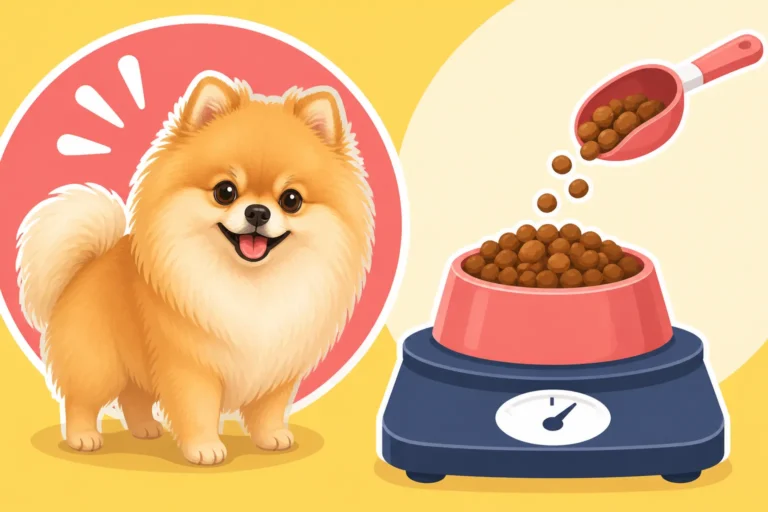
Always measure your Pomeranian's food meticulously, using a proper measuring cup or even a digital kitchen scale for ultimate accuracy. The feeding guidelines on food bags are a starting point; your vet can help you adjust these based on your Pom's exact weight, age, and activity level. If you're concerned about weight, remember Taking Half a Pound Off a Pomeranian Safely requires very careful adjustments. Split their daily allowance into two or three small meals to help stabilize blood sugar and keep their metabolism humming. This is why Why a Pomeranian Eats Three Times a Day can be beneficial for many.
Transitioning Foods Safely
Whether you're switching from a puppy formula to an adult one, changing brands, or moving from kibble to a fresh food option like Ollie, it's vital to transition your Pomeranian's food slowly. A sudden change can easily upset their delicate digestive system, leading to diarrhea, vomiting, or a complete refusal to eat. Their little bodies need time to adjust to new ingredients and different nutrient profiles.
A gradual transition usually involves mixing a small amount of the new food with their old food, gradually increasing the proportion of the new food over a period of 7 to 10 days. Start with about 25% new food and 75% old food for a few days, then move to 50/50, then 75% new and 25% old, until you're feeding 100% new food. Watch your Pomeranian closely for any signs of digestive upset during this period. If they show signs of distress, slow the transition even further. Patience is key to a smooth and comfortable dietary change for your Pom.
Hydration and Fresh Water Access
While often overlooked, adequate hydration is just as important as proper nutrition for your Pomeranian. Always ensure your Pom has constant access to fresh, clean water. This means multiple water bowls placed in convenient locations, especially if you have a multi-pet household or a larger home. Clean the bowls daily to prevent bacterial buildup.
Hydration aids in all bodily functions, including digestion, nutrient absorption, temperature regulation, and waste elimination. If your Pomeranian isn't drinking enough, they can become dehydrated, which can lead to a host of health issues. While a Pomeranian may not seem to drink a lot of water, consistent access is non-negotiable. During warmer weather or after exercise, they will naturally drink more, so ensure their water supply is always topped up.
| Feature | Small Breed Specific Formula | All Life Stages/Regular Formula (for small kibble) |
|---|---|---|
| Kibble Size | Very small, easy for tiny mouths | Varies, but some brands offer smaller kibble |
| Nutrient Density | High caloric density, concentrated nutrients | Varies, might be slightly lower per volume |
| Protein Content | Often higher, quality animal proteins | Varies, look for quality sources |
| Fat Content | Optimized for high metabolism, balanced | Varies, can be too high or too low for tiny dogs |
| Digestibility | Formulated for sensitive small stomachs | May vary, depends on ingredients |
| Target Audience | Puppies, adults, seniors of small breeds | All ages and sizes (if kibble is suitable) |
| Cost | Can be slightly higher per bag | Varies widely |
| Availability | Widely available on platforms like Chewy, Amazon | Widely available everywhere |
Disclaimer
This article is for general informational purposes only and does not constitute professional advice. Laws, prices and regulations vary by location and change over time. Consult a qualified professional for guidance on your specific situation.