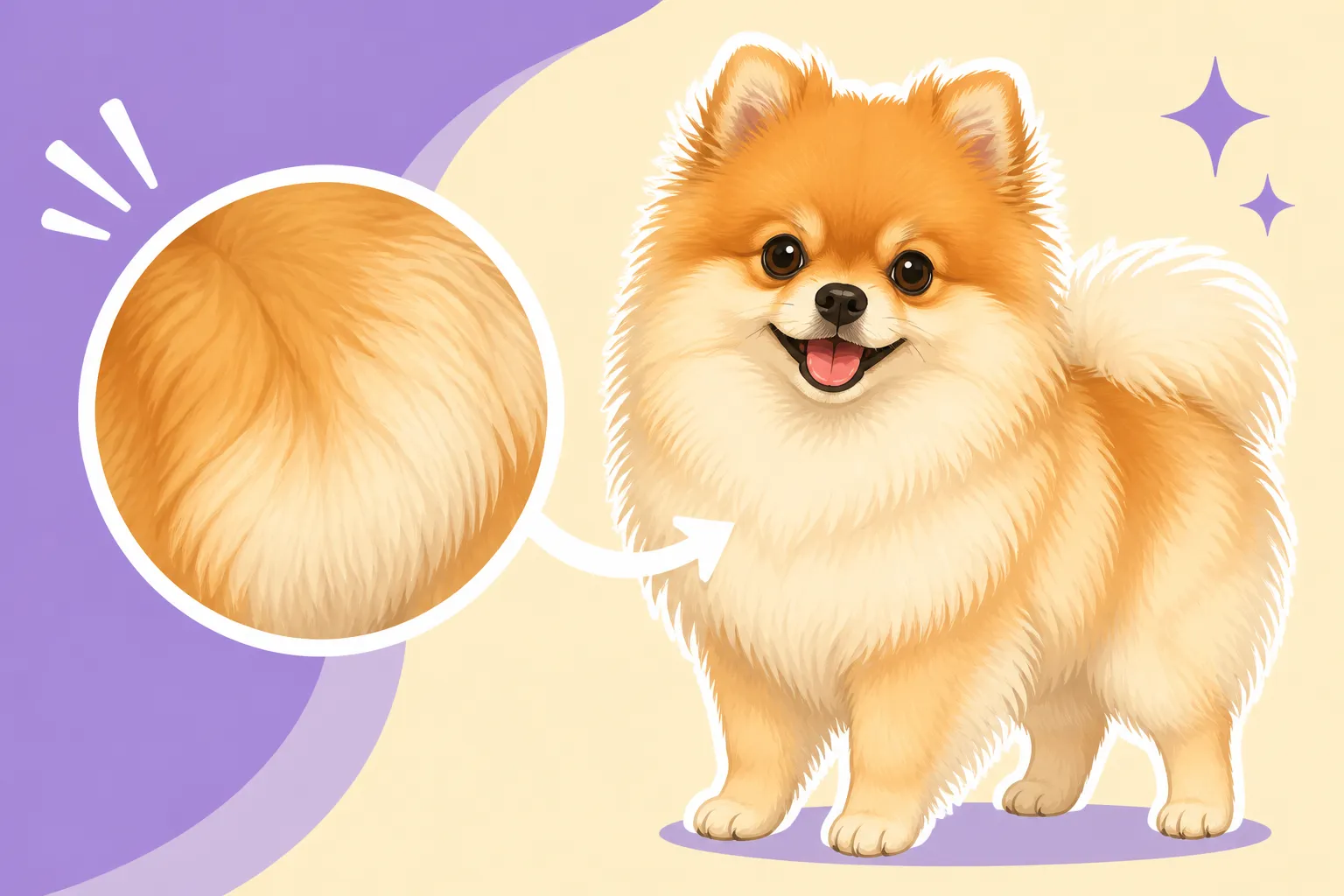
What a Pomeranian Puppy’s Coat Looks Like at Six Months
Many new Pomeranian owners hit a wall of confusion and even panic when their fluffy, adorable puppy starts to look… well, a bit ragged. That beautiful, even coat you fell in love with suddenly seems to be disappearing, leaving patches, dullness, and a general impression of disarray. This guide will walk you through exactly what to expect from your Pomeranian puppy's coat at six months old, demystifying the infamous "puppy uglies" and offering practical advice to navigate this awkward but perfectly normal stage.
The "Puppy Uglies" Phenomenon: Why Your Pom Looks Like a Mop
It's a universal experience for Pomeranian parents: you bring home this tiny, perfect ball of fluff, and for a few months, they're the picture of puppy cuteness. Then, seemingly overnight, their glorious coat starts to thin, look scraggly, and shed in what feels like alarming amounts. This isn't cause for panic; it's a completely natural, albeit often alarming, stage known affectionately as the "puppy uglies" or "coat blow." It's essentially your Pomeranian's body transitioning from its soft, single-layer puppy coat to the dense, double-layered adult coat it's famous for.
What Exactly Are the Puppy Uglies?
The "puppy uglies" describes the period where a Pomeranian puppy loses its baby coat and begins to grow in its adult double coat. Imagine a human toddler losing their baby teeth – it’s a necessary developmental stage, but it certainly isn't the prettiest one! For Pomeranians, this means shedding the soft, downy puppy fur and simultaneously trying to grow in the thick, coarse guard hairs and dense undercoat that define the adult breed. The result is often an uneven, sparse, and sometimes discolored appearance that can make owners wonder if they've somehow damaged their dog's coat or if something is wrong.
During this time, the coat often appears patchy, with areas of bare skin or very fine, sparse hair, particularly around the head, legs, and flanks. The luxurious ruff and fluffy britches you saw on older Poms at the park feel like a distant dream. It's truly a mixed bag of emerging adult hairs and stubbornly clinging puppy fluff, creating a distinctly "un-Pomeranian-like" look. Many people will wonder Whether a Pomeranian Puppy Looks Worse Before Better during this stage, and the answer is almost always yes.
When Does It Start and How Long Does It Last?
The onset of the puppy uglies can vary slightly from one Pomeranian to another, but it generally kicks off around three to six months of age. Six months is a very common time to see the process in full swing, with significant shedding and patchy growth. It’s important to understand that this isn’t a quick change; it’s a gradual transformation that can continue for several months, often lasting until a Pomeranian is between 10 to 18 months old, and sometimes even longer for a full, mature coat to develop. The Weeks a Pomeranian Blows Its Coat can feel like an eternity, but it's a normal part of their development.
The duration and intensity of this phase are influenced by genetics, nutrition, and even the individual puppy's growth rate. Some Pomeranians breeze through it with only a mild thinning, while others seem to lose almost all their coat, looking quite scruffy indeed. Rest assured, this is a temporary phase, and with proper care and patience, that magnificent adult coat will eventually emerge.
The Emotional Toll on New Pomeranian Parents
It might sound dramatic, but for many new Pomeranian owners, the puppy uglies can be genuinely stressful. You've envisioned your beautiful, fluffy companion, and instead, you're looking at a dog that resembles a plucked chicken in some spots and a matted mess in others. Friends or family might comment, asking if your dog is sick or "what happened to its fur." It's easy to feel embarrassed, confused, or even worried about your puppy's health. You might even second-guess your grooming routine or diet choices.
The important thing is to remember that this is a completely normal, natural part of a Pomeranian's growth. Every Pom goes through it. Resist the urge to compare your six-month-old to perfectly coiffed adult Pomeranians you see online or in magazines; they’ve already navigated this awkward stage. Your puppy is simply in a transitional period, and your primary role is to provide consistent, gentle care and reassurance.
Dissecting the Six-Month Pomeranian Coat
At six months, your Pomeranian's coat is a fascinating blend of what was and what will be. It's a snapshot of development, showing distinct characteristics that differ wildly from both their early puppy fluff and their eventual adult splendor. Understanding these specific changes can help you manage expectations and provide the right kind of care.
The Appearance of Patchy, Uneven Growth
The most striking feature of a six-month-old Pomeranian during the puppy uglies is the unevenness of their coat. You'll likely see areas where the soft, fluffy puppy hair is still present, especially on their head, ears, and perhaps the very tips of their tail. However, other areas, such as the body, chest, and legs, might look sparse, almost bald, or have a wiry, coarse texture as the new adult guard hairs start to push through. It’s rarely a uniform shed or growth.
This patchiness isn't a sign of illness, but rather the asynchronous growth of the two layers of the double coat. The delicate undercoat, which will eventually be dense and soft, is just starting to establish itself, while the longer, stiffer guard hairs are emerging. Because these layers grow at different rates and fall out differently, the coat can look very ragged, thin, and just generally "off." It’s truly a testament to nature’s process, making us wait for the grand reveal of their adult glory. The Coat Blow and the Pomeranian Puppy Uglies truly describes this phase.
The Great Color Shift: What to Expect
Another surprising aspect of the six-month mark is the potential for significant color changes. Many Pomeranian puppies are born with one color that might deepen, lighten, or completely transform as their adult coat grows in. For instance, a dark sable puppy might lighten to a beautiful orange sable, or a cream puppy might develop darker tips. A black puppy might even develop rust-colored highlights. This is especially true for sables, creams, and oranges, where the final shade can take quite a while to establish.
Don't be surprised if the color you thought you had is shifting before your eyes. This happens because the pigmentation in the guard hairs and undercoat can differ, and as the new, more intensely colored adult hair replaces the softer puppy fuzz, the overall shade will change. This phenomenon is a normal part of Whether a Pomeranian's Adult Color Changes as they mature, adding another layer of intrigue to their development.
Texture Changes: From Fluff to Firm
The puppy coat is typically incredibly soft, almost like cotton candy. It’s fine, fluffy, and lacks the coarser texture and distinct stand-off quality of the adult Pomeranian coat. By six months, as the adult guard hairs emerge, you'll start to notice a definite change in texture. These new hairs are thicker, stiffer, and have a coarser feel. They are designed to stand away from the body, giving the Pomeranian its characteristic full, puffy silhouette.
The undercoat, which grows beneath the guard hairs, will also become much denser and softer than the puppy fuzz. This dual texture of firm guard hairs and plush undercoat is what makes the Pomeranian's double coat so unique and effective at insulating them. During the six-month mark, you might feel a mix of these textures—soft, fine puppy hair alongside emerging, slightly rougher adult hairs—which contributes to the uneven and sometimes scraggly appearance. Understanding How Many Layers a Pomeranian's Coat Has really helps appreciate this transition.
Essential Grooming for a Transitional Coat
Navigating the puppy uglies requires a delicate touch and a consistent grooming routine. While you might be tempted to ignore the messy coat, consistent care during this period is crucial for encouraging healthy adult coat growth and preventing uncomfortable matting. Remember, you're not just grooming for looks; you're grooming for health and comfort.
Mastering the Gentle Brush-Out
During this stage, regular brushing is more important than ever, but it needs to be gentle. The emerging adult hairs can easily tangle with the shedding puppy fur, leading to mats close to the skin. Aim for short, frequent brushing sessions, perhaps every other day, rather than long, infrequent ones. Use a high-quality slicker brush and a metal comb. Start by gently line brushing, working in small sections, always brushing down to the skin to ensure you’re getting all the loose hair and preventing mats from forming beneath the surface.
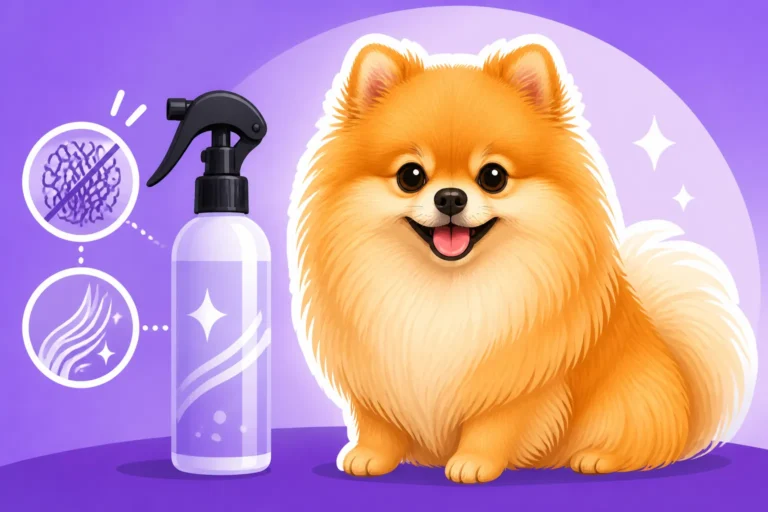
Don't tug or pull on any tangles; instead, use a detangling spray and work them out patiently with your fingers or the wide-toothed end of your comb. This is also a fantastic time to get your puppy accustomed to being handled and brushed, setting a positive foundation for a lifetime of grooming. Consider checking out products on Chewy for good quality brushes and detangling sprays specifically designed for long-coated breeds. The Comb That Gets Through a Pomeranian's Undercoat is an essential tool to have.
Strategic Bathing and Conditioning
While frequent brushing is a must, over-bathing during the puppy uglies can strip the skin of natural oils and potentially irritate the emerging coat. Aim for baths every 3-4 weeks, or as needed if your puppy gets particularly dirty. When you do bathe, use a gentle, high-quality dog shampoo designed for sensitive skin or for promoting healthy coat growth. Follow up with a good conditioner to moisturize both the skin and the new hair.
Be sure to rinse thoroughly to avoid any residue, which can cause skin irritation. After bathing, gently towel dry and then use a cool setting on a blow dryer, brushing as you dry to help the coat lie correctly and prevent tangles. Remember, proper drying is just as important as the wash itself. Shampoo That Will Not Flatten a Pomeranian's Coat is a good option to explore.
Protecting Fragile Skin and Emerging Hairs
During the puppy uglies, your Pomeranian's skin can be more exposed and sensitive due to the thinning coat. Protect them from harsh sun exposure, especially if they have particularly sparse patches. A light dog-safe sunscreen can be used on exposed areas, or simply limit their time outdoors during peak sun hours. Be mindful of rough play that could snag or damage the fragile new hairs.
Also, avoid any harsh grooming tools or products. This is not the time for de-shedding tools that can strip the coat or harsh brushes that can scratch the skin. Stick to gentle, appropriate tools and methods. The goal is to encourage healthy growth, not to further thin or damage the existing coat.
Nutrition and Health: Fueling the Adult Coat
A beautiful, healthy coat starts from the inside out. During the intense growth phase of the puppy uglies, your Pomeranian's body is working hard to replace old fur with new. Providing optimal nutrition is paramount to supporting this process and ensuring their adult coat comes in thick, shiny, and strong.
The Right Food for Coat Development
Feeding a high-quality, balanced diet specifically formulated for small breed puppies is crucial during this developmental stage. Look for foods with real meat as the first ingredient and a good balance of fats, carbohydrates, and essential vitamins and minerals. Protein is the building block of hair, so a diet rich in high-quality protein will directly contribute to healthy coat growth. Omega-3 and Omega-6 fatty acids are also vital for skin and coat health, often found in ingredients like fish oil or flaxseed.
Some owners prefer to explore fresh food options, which can offer highly digestible nutrients. Services like Ollie deliver freshly prepared dog food that can be customized to your dog's needs, often promoting excellent coat health due to their quality ingredients. Always ensure the food is appropriate for a growing puppy's energy needs without leading to overeating, which can cause other health issues. The Protein a Pomeranian's Coat Needs is often underestimated in its importance.
Supplements: Do They Really Help?
While a balanced diet is the cornerstone, certain supplements can provide an extra boost for coat health during this transitional phase. Fish oil (rich in Omega-3s), biotin, and specific skin and coat supplements are popular choices. These can help to reduce dryness, promote healthy skin, and encourage lustrous hair growth. However, it's always best to consult your veterinarian before adding any supplements to your puppy's diet. They can advise on appropriate dosages and ensure there are no contraindications with your puppy's current health status or diet.
For example, a high-quality fish oil from a reputable brand available on Amazon can be an excellent addition. Many pet stores, like Chewy, also offer a wide range of supplements specifically formulated for canine coat health. Just be sure to choose products designed for puppies and follow the directions carefully. Supplements That Support a Pomeranian's Skin can make a noticeable difference.
Ruling Out Other Coat Concerns
While the puppy uglies are completely normal, it’s important to be aware that certain health conditions can mimic severe coat loss or poor coat quality. If your Pomeranian's coat loss is accompanied by excessive scratching, redness, flakiness, sores, or any other signs of discomfort, it's essential to consult your vet. Conditions like allergies, parasites, fungal infections, or even hormonal imbalances could be at play.
Your vet can perform a physical examination and, if necessary, conduct tests to rule out any underlying medical issues. It's always better to be safe than sorry, especially when your puppy's health is concerned. A vet can differentiate between normal coat development and something that requires medical intervention, giving you peace of mind.
Patience and Perspective: Embracing the Process
The puppy uglies can be a test of patience, but remember that it's a temporary phase. Your Pomeranian is simply growing up, and their stunning adult coat is just waiting to make its grand appearance. Your role is to support them through this awkward stage with consistent care, appropriate grooming, and a whole lot of love.
What Not to Do: Shaving and Harsh Treatments
One of the biggest mistakes owners make during the puppy uglies is to shave their Pomeranian, thinking it will somehow "fix" the patchy coat or make the new coat grow in faster or thicker. This is a common misconception and can actually be detrimental. Shaving a double-coated breed like a Pomeranian can damage the hair follicles, potentially leading to a condition where the guard hairs fail to regrow properly, resulting in a patchy, uneven coat that never fully recovers. This is a serious concern, often discussed in depth in posts like Why Shaving a Pomeranian Can End Its Coat and Whether a Groomer Should Ever Shave a Pomeranian.
Avoid harsh brushes, stripping tools, or any aggressive grooming techniques. The goal is gentle encouragement, not force. Don't use human shampoos or conditioners, as these can be too harsh for a dog's skin and coat pH. Stick to dog-specific products and methods.
Predicting Your Pomeranian's Adult Coat
While you're waiting, you might wonder what your Pomeranian's adult coat will eventually look like. Several factors can give you clues. Look at the parents, if possible, as genetics play a huge role in coat density, texture, and final color. Also, observe the guard hairs that are starting to come in; these will give you an indication of the final texture. Pomeranians with very sparse puppy coats might still develop stunning adult coats, though they might take longer to fully mature.
Patience really is the key. The full, rich, stand-off coat that Pomeranians are famous for often doesn't fully develop until they are two to three years old. What you see at six months is just the very beginning of that journey.
Finding the Right Groomer for the Long Haul
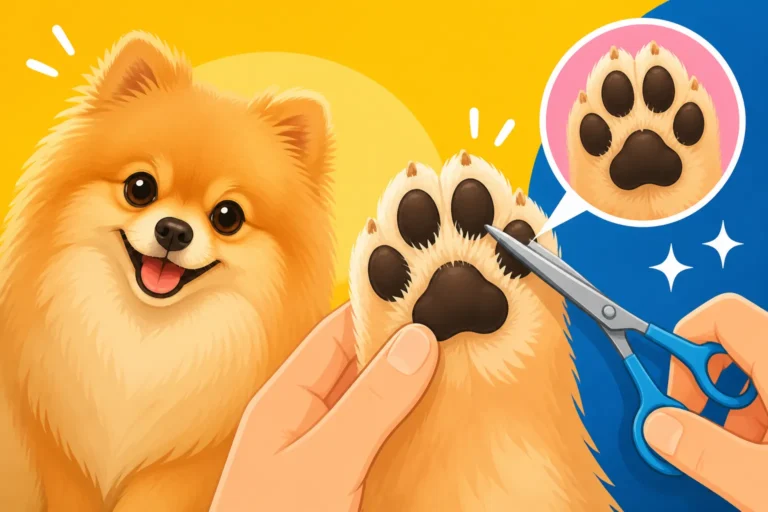
Even if you handle most of your Pomeranian's basic grooming at home, establishing a relationship with a professional groomer is invaluable. A skilled groomer understands the unique needs of a Pomeranian's double coat and can guide you through the puppy uglies with expert advice and gentle handling. They can safely trim sanitary areas, maintain paw pads, and perform nail trims, ensuring these tasks are done correctly without stressing your growing puppy.
Look for a groomer with experience in double-coated breeds and a gentle approach. They can offer insights into managing shedding, preventing mats, and shaping the coat as it grows, without ever suggesting harmful practices like shaving down the double coat. Think of them as a partner in maintaining your Pomeranian's health and beauty for years to come.
Comparing Puppy Coat to Emerging Adult Coat at Six Months
To help visualize these changes, here's a quick comparison of what you might typically observe in your Pomeranian's coat at six months:
| Feature | Puppy Coat (Initial Fluff) | Emerging Adult Coat (Around 6 Months) |
|---|---|---|
| Texture | Very soft, fine, fluffy | Mix of soft puppy hair and coarser, stiffer adult guard hairs |
| Density | Uniformly fluffy, but thin | Patchy, uneven, sparse in areas (e.g., body), denser in others (head) |
| Length | Short to medium, even | Uneven, short in some areas, longer emerging adult hairs in others |
| Volume | Flat-lying | Losing volume, appears scraggly; some stand-off quality may begin |
| Color | Initial puppy color | May be changing, deepening, or lightening significantly |
| Undercoat | Minimal, light | Starting to grow in denser, softer undercoat |
| Shedding | Mild to moderate | Moderate to heavy, especially of puppy fluff |
This table highlights just how much a Pomeranian's coat can transform, emphasizing that the six-month mark is a dynamic period of growth and change.
Disclaimer
This article is for general informational purposes only and does not constitute professional advice. Laws, prices and regulations vary by location and change over time. Consult a qualified professional for guidance on your specific situation.