The Weeks a Pomeranian Blows Its Coat
There’s a moment every Pomeranian owner experiences, usually with a gasp, when their beloved fluffy companion suddenly seems to be shedding enough hair to knit a second dog. This isn't just regular shedding; it's what we affectionately (or sometimes, exasperatedly) call a "coat blow," and it can turn your home into a furry wonderland if you're not prepared. This guide is here to walk you through exactly what a Pomeranian coat blow entails, why it happens, and most importantly, how to navigate these intense shedding periods without losing your mind—or your Pomeranian's glorious coat.
Understanding the Pomeranian's Double Coat and Why it 'Blows'
The Pomeranian's signature look isn't just about cuteness; it's a testament to their Spitz heritage, designed to keep them warm in harsh northern climates. This isn't a simple, single-layer coat like some other breeds; it's a complex, multi-layered marvel that requires specific care, especially when it decides to "blow."
The Anatomy of a Pomeranian's Coat
At first glance, a Pomeranian's coat looks like a cloud of fluff, but it's actually composed of two distinct layers. First, there's the harsh, longer outer coat, known as guard hairs. These are the hairs that give your Pom that beautiful, stand-off appearance, protecting them from the elements. They're somewhat water-resistant and provide the primary color and texture you see.
Beneath this impressive outer layer lies the truly dense, soft, and fluffy undercoat. This undercoat is what provides the insulation, keeping your little one warm in winter and surprisingly, also helping to regulate their temperature in summer. It's this undercoat that is primarily responsible for the dreaded "coat blow." When we talk about a Pomeranian blowing its coat, we're talking about the significant shedding of this dense, woolly undercoat. Understanding The Guard Hair and Undercoat of a Pomeranian is the first step to properly caring for your Pom during these phases.
The Natural Cycle of Shedding
All dogs shed, of course, but for a double-coated breed like the Pomeranian, shedding isn't just a casual affair. Their coat growth cycle includes phases of active growth, transition, rest, and then shedding. The guard hairs and undercoat often operate on slightly different cycles, but the undercoat is usually the most dramatic shedder.
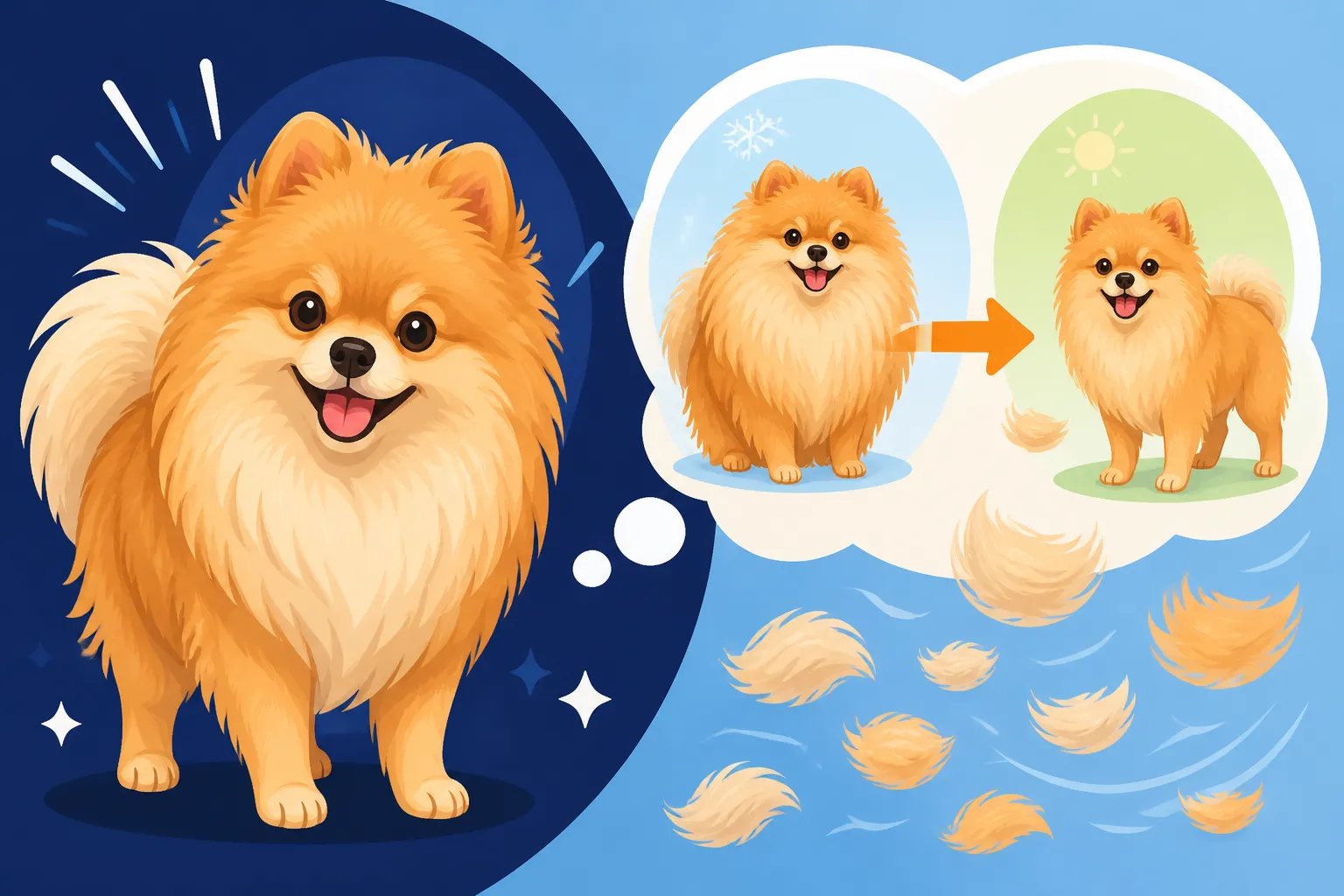
This natural cycle is heavily influenced by light cycles, temperature changes, and hormones. When the seasons change, especially from winter to spring and sometimes summer to fall, a Pomeranian's body gets signals to adjust its insulation. This means letting go of the old, thick undercoat to make way for a lighter one, or building up a new, denser one. It’s a completely natural, healthy process, even if it feels like your home is suddenly hosting a snowstorm of fur.
Hormonal and Environmental Triggers for Coat Blow
Beyond the natural seasonal shifts, several other factors can trigger a Pomeranian's coat blow. Hormonal changes are huge culprits. For instance, intact females often experience a significant coat blow after a heat cycle or after weaning a litter of puppies. The hormonal fluctuations signal the body to shed extensively.
Similarly, spaying or neutering can sometimes lead to a noticeable change in coat texture and density, often resulting in a thicker, softer undercoat that might shed more or become prone to matting. While not always a dramatic "blow," it's a hormonal shift that impacts the coat. Stress, illness, or even significant changes in diet can also sometimes manifest in temporary coat changes or increased shedding, though these are less common causes for a full-blown "coat blow" compared to the major events we'll discuss next.
When to Expect Your Pomeranian's Major Coat Blows
Knowing when these epic shedding events are likely to happen can help you prepare. While every Pomeranian is an individual, there are some very predictable periods where you can expect the fur to fly.
The Infamous "Puppy Uglies" Coat Blow
If you've ever owned a Pomeranian puppy, you're likely familiar with the "puppy uglies." This is perhaps the first, and often most startling, coat blow a Pomeranian experiences. Usually occurring between 4 to 6 months of age, and sometimes lasting until they are 10 to 12 months old, this is when your adorable, fluffy puppy sheds its soft, baby fur to make way for its adult double coat.
It can be quite a shock! Your perfectly round, fluffy little furball might suddenly look scraggly, patchy, and rather unkempt. Their head might look too big for their body, and their tail might lose its magnificent plume. Rest assured, this is a completely normal and necessary developmental stage. It’s part of The Coat Blow and the Pomeranian Puppy Uglies process. During this time, gentle but consistent grooming is crucial to help remove the dead puppy coat and encourage the healthy adult coat to come in. Don't worry, your beautiful, fluffy adult Pomeranian is just waiting in the wings!
Seasonal Shedding: Spring and Fall
For most adult Pomeranians, the most significant coat blows occur seasonally, primarily in the spring and sometimes again in the fall.
- Spring Blow: As winter gives way to warmer temperatures and longer daylight hours, your Pomeranian's body recognizes the need to shed its dense winter undercoat. This is to prevent overheating in the upcoming summer months. This shedding can be quite intense and last for several weeks, sometimes even a couple of months. You’ll notice an exponential increase in the amount of hair coming out when you brush, and you’ll likely find tufts of fur around your home. This is often the most dramatic shedding period of the year. During these The Weeks a Pomeranian Drops Its Undercoat, daily brushing becomes less of a luxury and more of a necessity.
- Fall Shed: While often less dramatic than the spring shed, many Pomeranians will have another, milder coat blow in the fall. This is typically to shed any lighter summer undercoat and make room for the new, thicker winter coat to grow in. It's their body's way of preparing for colder temperatures and shorter days. This might be less about large clumps of fur and more about a consistent, increased amount of shedding over several weeks.
It's important to remember that indoor living with artificial lighting and climate control can sometimes disrupt these natural cycles, leading to more year-round, moderate shedding rather than two distinct, heavy coat blows. However, the seasonal shifts still usually elicit a more pronounced shedding response. You might also notice Whether a Female Pomeranian Sheds After a Season more pronouncedly due to hormonal fluctuations.
Post-Spay/Neuter or Hormonal Coat Changes
Beyond the seasonal shifts, significant hormonal changes, such as those that occur after spaying or neutering, can profoundly impact a Pomeranian's coat. It's not uncommon for owners to report that after their Pomeranian is spayed or neutered, their coat texture changes. Often, the undercoat can become much thicker, softer, and more cotton-like.
While this isn't always a "blow" in the traditional sense of a sudden, massive shed, this altered coat type can become more prone to matting and might shed more consistently throughout the year, rather than in distinct seasonal bursts. It’s a side effect of the hormonal shift that removes the natural regulatory processes of intact dogs. Owners often find themselves needing to brush more frequently to manage this new coat texture. If you notice your Pom's coat dramatically changing in quality or density after a spay or neuter, it's worth discussing with your vet or a professional groomer who is familiar with the breed's coat types.
Essential Grooming Strategies During a Coat Blow
Navigating a coat blow without ending up with fur tumbleweeds in every corner of your home, and more importantly, keeping your Pomeranian comfortable and mat-free, requires a proactive and consistent grooming approach. This isn't the time to skimp on brushing!
Brushing Techniques to Tackle the Shed
When your Pomeranian is blowing its coat, brushing needs to be elevated from a quick once-over to a thorough, multi-step process. The goal is to remove as much dead undercoat as possible before it has a chance to mat or spread throughout your house.
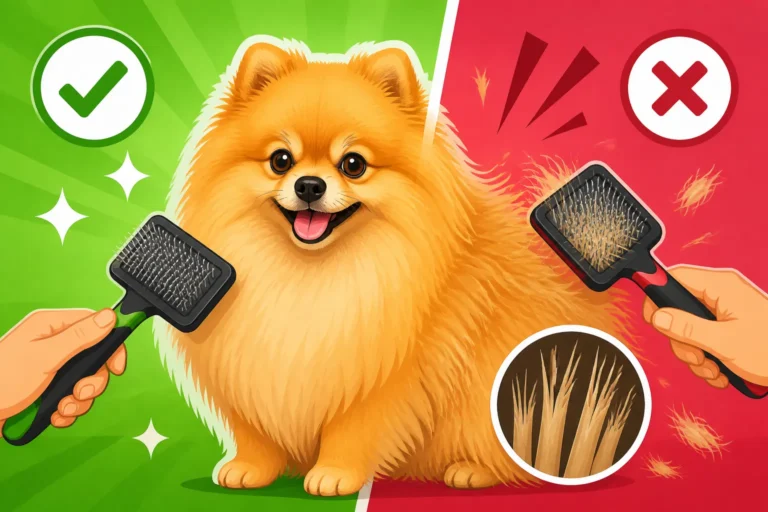
- Brush to the Skin: The biggest mistake new Pom owners make is just brushing the top layer of the coat. You need to get down to the skin. Start by sectioning the coat. Use a pin brush to gently separate the guard hairs, then use a slicker brush, or a smaller wire comb, to work through the undercoat in small sections, always brushing away from the skin. Make sure you can see the skin after you've brushed a section, confirming you've gotten all the way through.
- Frequency is Key: During a heavy coat blow, brushing How Many Times a Week a Pomeranian Is Brushed often isn't enough; daily brushing might be necessary. Yes, daily! Even twice a day if the shedding is extreme. This consistent effort prevents mats from forming and keeps your dog more comfortable.
- Hydrate the Coat: Never brush a completely dry, brittle coat, especially during a blow. Use a light conditioning spray or detangler before you start. This lubricates the hair shaft, making it easier to brush through tangles and reducing static and breakage. Remember, Whether Brushing a Dry Pomeranian Breaks the Coat is a real concern, so misting is a small but important step.
Bathing to Aid the Process
Bathing can be a powerful ally during a coat blow, but it needs to be done correctly to be effective and safe for your Pomeranian's double coat. The key is to loosen and release the dead undercoat without stripping the skin of its natural oils or damaging the remaining healthy coat.
- The De-Shedding Bath: A good de-shedding bath starts with a quality shampoo and conditioner designed for double coats. Work the shampoo deep into the coat, ensuring it reaches the skin. Let it sit for a few minutes to help loosen the dead hair. Rinse thoroughly – and when you think you're done, rinse again! Shampoo residue can irritate the skin and make the coat dull.
- Condition, Condition, Condition: After shampooing, apply a generous amount of conditioner, again working it thoroughly into the undercoat. This helps to further loosen dead hairs and lubricate the remaining coat, making it easier to brush. Leave it on for several minutes before rinsing completely.
- The Blow Dry is Critical: This is where the magic happens. After a bath, use a high-velocity pet dryer (not a human hairdryer, which can be too hot and doesn't have enough force). The force of the air helps to blast out the dead undercoat that shampoo and conditioner have loosened. Line dry the coat, meaning you brush as you dry, section by section, until your Pom is completely dry. This technique not only dries quickly but also helps to separate the hairs and remove vast amounts of loose fur. Learning How Rarely a Pomeranian's Coat Should Be Washed is also crucial, as over-bathing can dry out the skin.
Tools of the Trade for Shedding Season
Having the right grooming tools can make all the difference when tackling a Pomeranian coat blow. Don't rely on just one brush; a combination of tools will be your best friends.
- Slicker Brush: This is your primary weapon. Look for one with fine, bent wire bristles. It's excellent for working through tangles and removing loose undercoat. The Slicker and Pin Brush a Pomeranian Needs are foundational to your grooming kit.
- Pin Brush: A pin brush is good for general brushing, fluffing the coat, and working on the longer guard hairs. It's less effective at getting out the dense undercoat on its own but works well in conjunction with a slicker.
- Metal Comb: A good quality, wide-toothed metal comb (often called a Greyhound comb) is essential for checking your work and finding any missed mats. After brushing a section, run the comb through it. If the comb glides smoothly, you've done a good job. If it snags, go back with your slicker brush.
- De-shedding Rake: For really dense undercoats during heavy blows, a de-shedding rake with rotating teeth can be helpful. However, be extremely careful with these tools, as they can sometimes damage the guard hairs if used improperly or too aggressively. Always follow the direction of hair growth and use a light touch. Avoid harsh tools like the Furminator on a Pomeranian, as Whether a Deshedding Tool Damages a Pomeranian Coat is a real concern for their delicate double coat.
- High-Velocity Dryer: As mentioned, this is invaluable after a bath. Brands like Metro Air Force offer excellent options that can save you hours of drying time and blast out loose hair. You can find many of these specialized grooming tools on platforms like Amazon or Chewy.
| Grooming Tool | Primary Use | During Coat Blow | Notes |
|---|---|---|---|
| Slicker Brush | Removing loose undercoat, detangling | Daily, in sections, to the skin | Essential for thorough de-shedding |
| Pin Brush | General brushing, fluffing, top coat | Before slicker, for initial detangling | Gentler, but doesn't remove undercoat as effectively |
| Metal Comb | Checking for mats, fine detangling | After brushing, to ensure no tangles remain | Crucial for mat prevention, especially behind ears and under legs |
| De-shedding Rake | Removing very dense undercoat | Use sparingly, with caution | Can damage guard hairs if used incorrectly; not for all Pomeranians |
| High-Velocity Dryer | Drying after bath, blasting out loose fur | After every bath during blow | Speeds drying, highly effective at undercoat removal; pet-specific only |
| Detangling Spray | Lubricating coat, reducing static | Before brushing a dry coat | Prevents breakage and makes brushing easier |
Common Challenges and Misconceptions During Coat Blow
It's easy to get frustrated or make mistakes when dealing with a Pomeranian's coat blow, especially if you're new to the breed. Let's tackle some of the common hurdles and debunk some myths.
Mats and Tangles: The Silent Threat
During a coat blow, mats and tangles can form with astonishing speed, almost overnight. The shedding undercoat, if not brushed out, will inevitably get tangled with the still-attached hair, creating dense, painful knots right down to the skin. These aren't just cosmetic issues; mats can pull on the skin, causing irritation, hot spots, and even skin infections. They can also hide parasites and make your Pomeranian extremely uncomfortable.
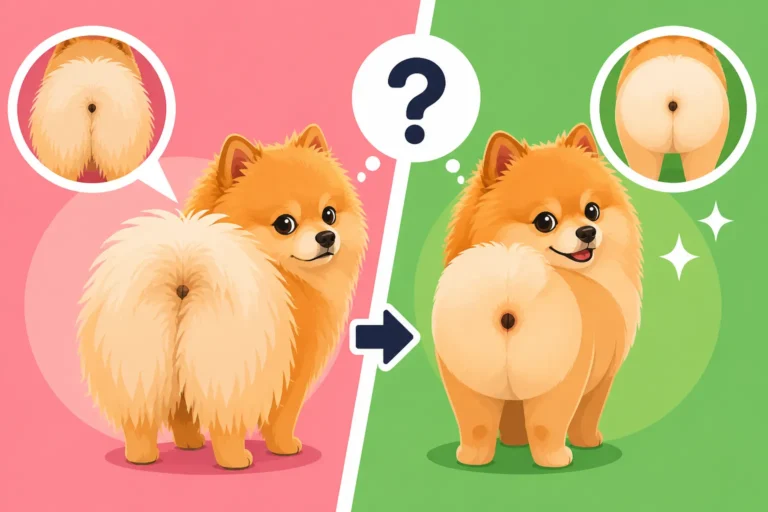
Areas particularly prone to matting include behind the ears, under the armpits, in the "britches" (the fluffy fur on their hindquarters), and around the collar or harness area. When you're brushing, pay extra attention to these spots. If you encounter a mat, don't just pull at it. Gently try to separate it with your fingers or the tip of a metal comb, working from the outside edges inwards. If it's a tight mat, a mat splitter or a small pair of blunt-nosed scissors might be necessary, but always be extremely careful to avoid cutting the skin. If you're unsure, a professional groomer is your best bet for safely removing mats.
The Myth of Shaving a Pomeranian to Reduce Shedding
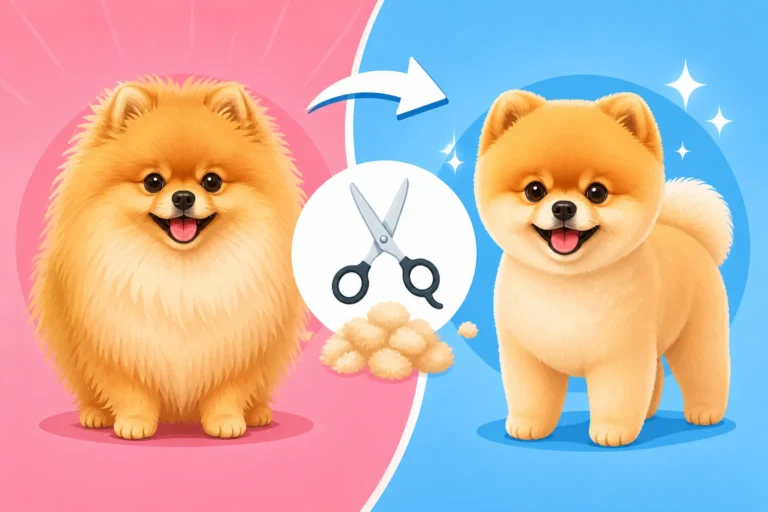
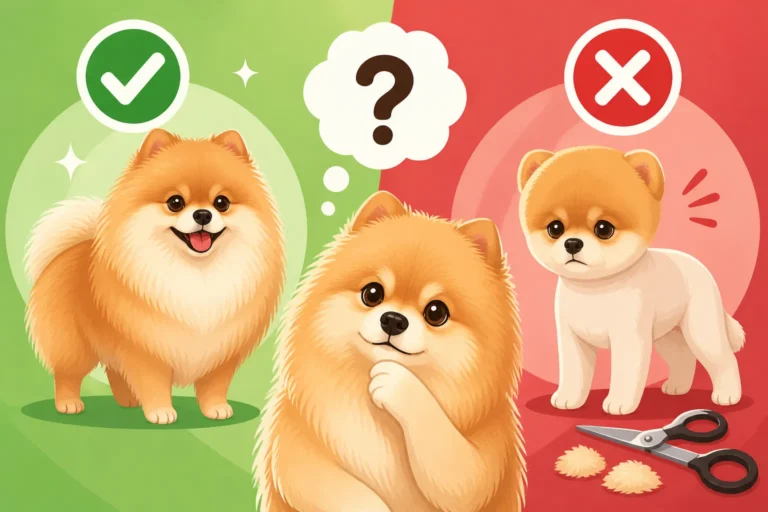
This is perhaps the most persistent and damaging myth when it comes to Pomeranian coats. Many owners, overwhelmed by the shedding, consider shaving their Pomeranian short, thinking it will solve the problem. Please, for your Pomeranian's sake, do not do this.
Shaving a Pomeranian's double coat can have irreversible, detrimental effects. The delicate balance between the guard hairs and the undercoat is disrupted. Often, when shaved, the soft undercoat grows back much faster and thicker than the guard hairs, leading to what's known as "post-clipping alopecia" or "clipper alopecia." The coat can come back patchy, coarse, or refuse to grow back at all in certain areas, leaving your Pom vulnerable to sunburn and temperature extremes. Why a Shaved Pomeranian May Not Regrow is a very real and heartbreaking outcome for many owners. Instead of shaving, focus on consistent, thorough brushing to manage the shed.
Distinguishing Normal Shedding from Health Issues
While a coat blow is a natural process, it's also important to be able to tell the difference between normal shedding and hair loss that might indicate an underlying health problem. Here's how to differentiate:
- Normal Coat Blow: The hair loss is generally even across the body, though some areas might be heavier than others. The skin underneath looks healthy, without redness, flakiness, or sores. New hair growth should be visible underneath, or the existing coat will eventually fill back in. Your dog will otherwise act normal: good appetite, energy levels, and no signs of discomfort.
- Signs of Health Issues: If you notice patchy hair loss (bald spots), excessive itching, redness, inflammation, flaking skin, scabs, or a foul odor, these are not signs of a normal coat blow. These symptoms could point to skin allergies, fungal infections, parasites (like mites or fleas), thyroid issues, or even more serious conditions like Alopecia X (Black Skin Disease). If you see any of these concerning signs, consult your veterinarian immediately. They can perform diagnostics to determine the cause and recommend appropriate treatment. Sometimes, The Age a Pomeranian's Coat Starts to Thin naturally due to age, but it's always best to rule out medical causes first.
Supporting Coat Health Through Nutrition and Care
A healthy coat starts from the inside out. While grooming is vital, what you put into your Pomeranian's body plays a huge role in the quality, luster, and resilience of their fur, helping them through coat blows more smoothly.
Dietary Considerations for a Healthy Coat
Feeding a high-quality, balanced diet is fundamental for a healthy coat. Think of your dog's food as the building blocks for every part of their body, including their skin and fur.
- Protein is Key: Hair is primarily made of protein, so a diet rich in high-quality animal protein is crucial for strong, healthy hair growth. Look for dog foods where a named meat source (chicken, lamb, salmon) is the first ingredient. Inferior protein sources can lead to dull, brittle fur that sheds excessively and doesn't regrow well.
- Essential Fatty Acids: Omega-3 and Omega-6 fatty acids are incredibly important for skin and coat health. These are found in sources like fish oil, flaxseed, and certain animal fats. They help maintain skin hydration, reduce inflammation, and promote a shiny, healthy coat. Many premium dog foods incorporate these, but sometimes supplements are beneficial. Some owners even explore fresh food diets, with brands like Ollie offering tailored plans that can provide nutrient-dense options for optimal coat health.
- Avoid Fillers and Allergens: Some dogs react to certain ingredients, often grain fillers or common protein sources, which can manifest as skin irritation and excessive shedding or a poor coat. If your Pomeranian has persistent skin issues or a lackluster coat, discussing a dietary change with your vet might be worthwhile.
Hydration and Environmental Factors
Beyond food, simple water intake and the environment your Pomeranian lives in can greatly impact their coat health, especially during shedding seasons.
- Water, Water Everywhere: Just like humans, dogs need adequate hydration for healthy skin and hair. Ensure your Pomeranian always has access to fresh, clean water. Dehydration can lead to dry, brittle hair that breaks easily and may exacerbate shedding.
- Humidity Matters: Very dry indoor air, especially during winter with central heating, can dry out your Pomeranian's skin and coat, leading to more shedding and static. Using a humidifier in your home can sometimes help keep their skin and coat more comfortable and supple.
- Sun Protection: While Pomeranians have a dense coat, if they are losing a lot of undercoat during a blow, their skin can be more exposed. Prolonged sun exposure, especially for dogs with lighter coats, can lead to sunburn and skin damage. Be mindful of their time in direct sun, especially on hot days.
Supplements for Skin and Coat Support
Sometimes, even with a great diet, a little extra help can go a long way in supporting your Pomeranian's coat health, particularly during or leading up to a coat blow.
- Fish Oil (Omega-3s): This is one of the most popular and effective supplements for coat health. The Omega-3 fatty acids, particularly EPA and DHA, reduce inflammation and promote a healthy, shiny coat. Look for high-quality fish oil specifically formulated for dogs.
- Biotin: A B-vitamin, biotin is known for its role in healthy skin and hair. It can sometimes be recommended for dogs with brittle fur or excessive shedding.
- Zinc: Zinc deficiencies can lead to poor coat quality and skin issues. If your dog's diet is lacking, a zinc supplement might be considered, but always consult your vet before adding mineral supplements, as too much can be harmful.
- Probiotics: A healthy gut often translates to healthy skin and coat. Probiotics can support digestive health, which in turn can aid nutrient absorption and potentially improve overall coat condition.
Before adding any supplements to your Pomeranian's routine, it's always best to have a conversation with your veterinarian. They can help you determine if a supplement is truly necessary and recommend appropriate dosages, ensuring you're doing what's best for your furry friend's specific needs. For a deeper dive, check out Supplements That Support a Pomeranian's Skin.
Navigating a Pomeranian coat blow can feel like a full-time job, but with understanding, patience, and the right tools and techniques, you can keep your beloved Pom comfortable and maintain their magnificent coat, ready for all seasons.
Disclaimer
This article is for general informational purposes only and does not constitute professional advice. Laws, prices and regulations vary by location and change over time. Consult a qualified professional for guidance on your specific situation.